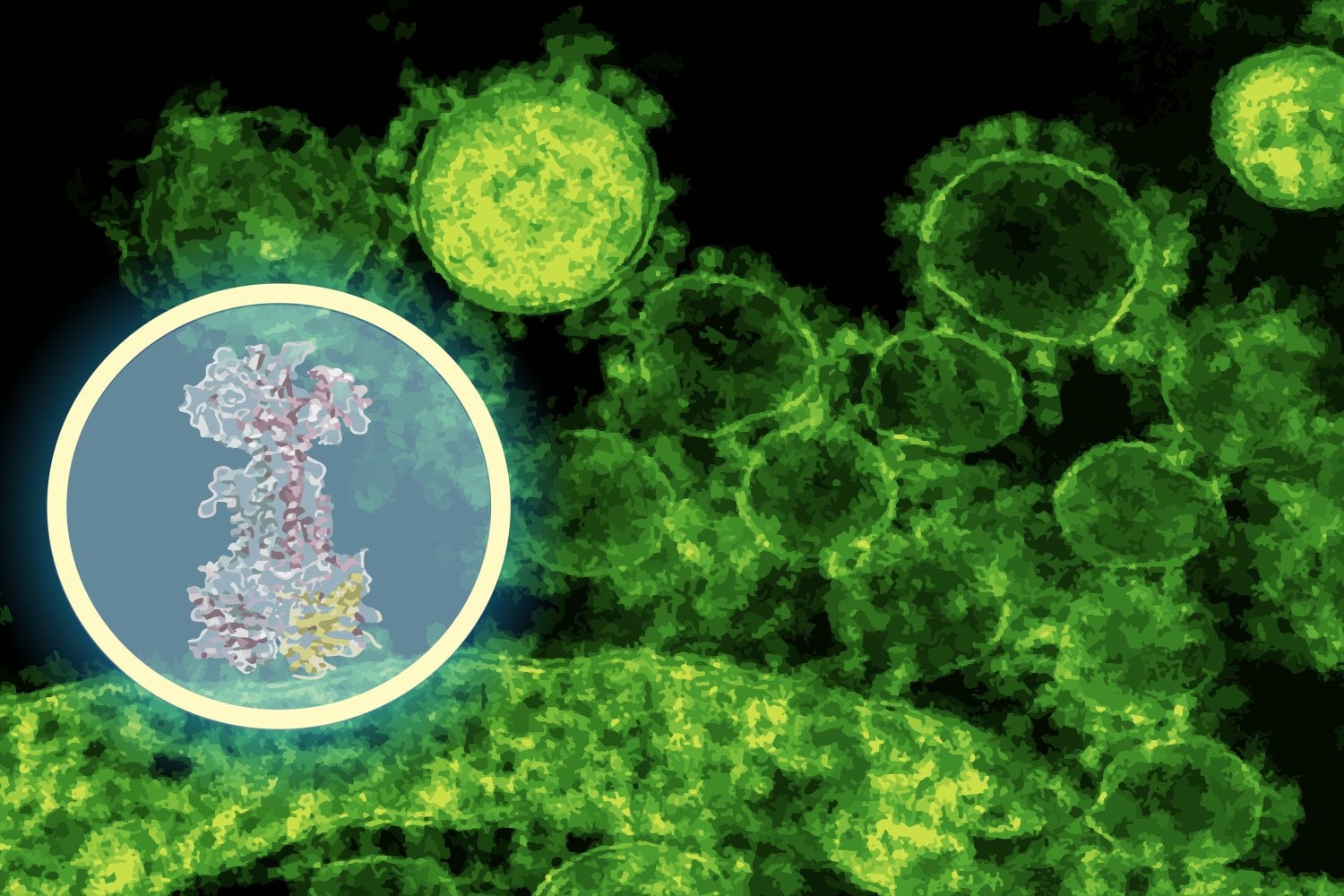
Researchers at MIT and McMaster University used AI, specifically DiffDock, to develop and understand a targeted antibiotic, enterololin, that treats gut bacteria linked to Crohn's disease with minimal impact on the microbiome, potentially revolutionizing treatment and reducing antimicrobial resistance.
Eli Lilly has launched Lilly TuneLab, an AI/ML platform offering biotech companies access to proprietary drug discovery models trained on over $1 billion of Lilly's research data, aiming to accelerate innovation and support early-stage drug development through a privacy-preserving federated learning approach.
Google DeepMind's affiliate, Isomorphic Labs, is preparing to begin human trials of AI-designed drugs, aiming to revolutionize drug development by increasing success rates and reducing costs, leveraging breakthroughs like AlphaFold for protein modeling.
Isomorphic Labs, a drug discovery spin-out of DeepMind, has partnered with Eli Lilly and Novartis to use AI for drug discovery, with deals totaling $3 billion. Isomorphic will receive upfront payments and potential milestone-based incentives. The company utilizes DeepMind's AlphaFold 2 AI technology to predict protein structures, aiding in drug design. While not perfect, AlphaFold has shown promise in designing potential drugs for diseases like liver cancer and is being applied to neglected diseases. Isomorphic is under pressure to turn a profit after recording a loss in 2021.
ByteDance, the Chinese company behind TikTok, is expanding into the science and healthcare sectors, recruiting U.S. experts in computational biology, quantum chemistry, and drug design. The company's AI for Drug Design and AI for Science teams are working on projects that could revolutionize drug discovery using AI. While ByteDance's objectives remain unclear, the data from TikTok could potentially be leveraged for these initiatives, raising concerns about data privacy and the use of social media information in scientific research. This move may also be part of ByteDance's strategy to diversify its portfolio and improve its image amidst scrutiny and potential bans in the U.S.
Merck KGaA has entered into separate AI drug discovery partnerships with BenevolentAI and Exscientia, focusing on targets in oncology, neurology, and immunology. Exscientia will receive $20 million upfront for each of the three projects, with a total deal value of $674 million across all milestones. BenevolentAI will receive a low double-digit million dollar payment upfront, potentially worth $594 million, and both companies may receive tiered royalties on future sales.
Genesis Therapeutics has raised $200 million in Series B financing, co-led by Andreessen Horowitz and an anonymous life science investor. The startup, which utilizes artificial intelligence to design small molecule drugs, plans to use the funds to further develop its AI technologies, expand its pipeline, and advance its first computer-generated drugs into clinical studies.