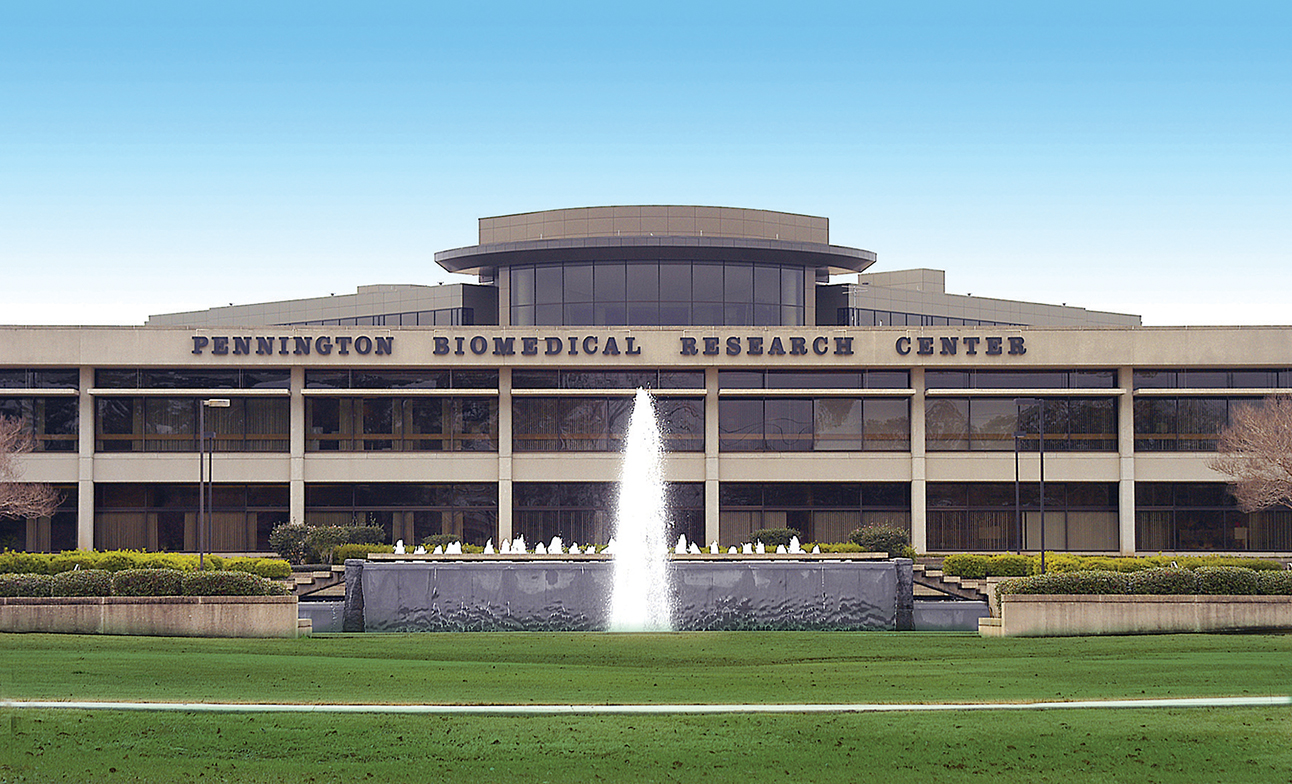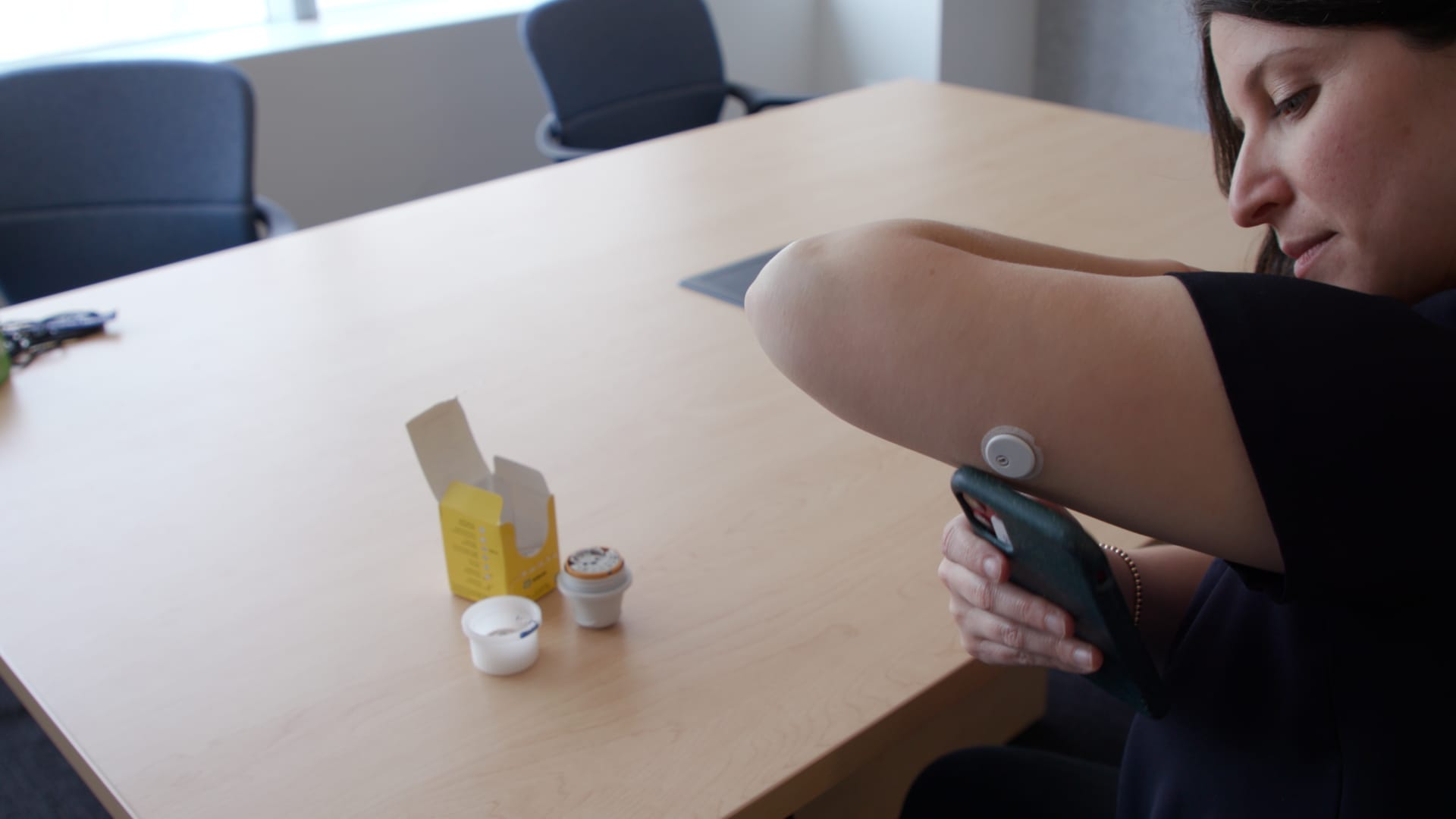
Researchers at Pennington Biomedical Research Center, led by assistant professor Yun Shen, are investigating how technology can enhance diabetes management. They reviewed global studies and highlighted continuous glucose monitoring as a promising tool, which uses sensors to track glucose levels in real-time via smartphones. This technology aims to empower patients and healthcare providers in managing diabetes more effectively. Shen is actively seeking collaborations and funding to further explore these technological advancements.
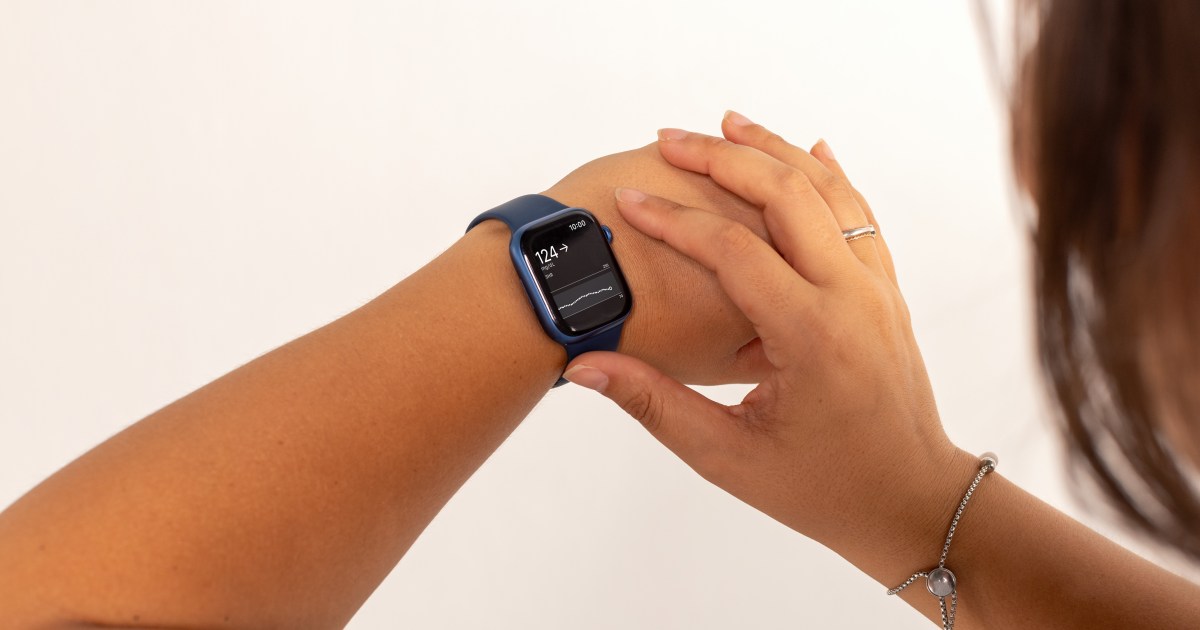
Dexcom has introduced a new feature for its G7 continuous glucose monitoring system that allows real-time blood sugar level updates to be sent directly to an Apple Watch, even without an iPhone nearby. This enhancement, available in the U.S., U.K., and Ireland, provides users with more flexibility and convenience in managing their diabetes. The feature requires the latest versions of the Dexcom G7 app, Apple Watch, and iOS.
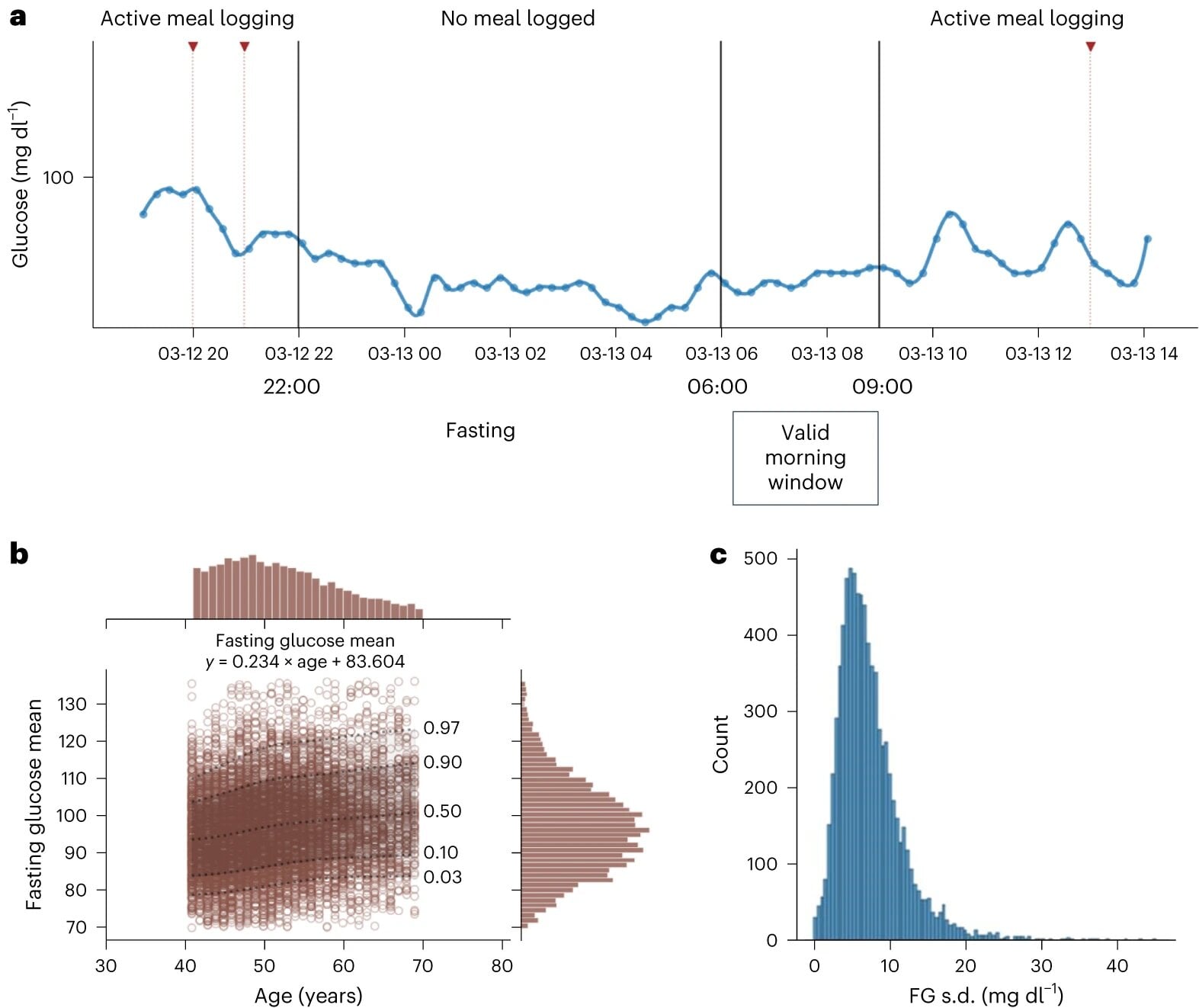
A study published in Nature Medicine reveals that fasting glucose levels in nondiabetic individuals exhibit more variability than previously believed. Researchers at Tel Aviv University and the Weizmann Institute of Science found considerable variability in fasting glucose levels among 8,315 nondiabetic volunteers using continuous glucose monitoring devices, suggesting that relying on just one or two blood tests may provide incomplete results. The study also suggests that using continuous glucose monitoring devices for diagnosing type II diabetes may yield better results.
Scientists at Klick Labs have developed a new analytical method that can detect impaired glucose homeostasis (IGH), a precursor to prediabetes, by analyzing data from continuous glucose monitors. This technique identified 20% of initially healthy study participants as having glucose metabolism similar to prediabetes, potentially revolutionizing early detection and management of diabetes. The findings highlight the importance of early intervention to prevent progression to full diabetes and could have a significant impact on the lives of millions worldwide.
A study presented at ENDO 2023: The Endocrine Society Annual Meeting found that limiting eating to an 8 AM-4 PM time window for 6 days cut the average amplitude of glycemic excursions by 0.5 mmol/L (about 9 mg/dL) compared with a more usual feeding schedule in a cross-over study of 10 adults with prediabetes. The study suggests that "early time-restricted feeding may be a helpful dietary strategy for diabetes prevention."
Abbott and Dexcom are the two most dominant players in the continuous glucose monitoring space, which has seen increased growth over the last decade. The technology is not only being marketed to diabetics but also to those who don't have diabetes for health and wellness purposes.