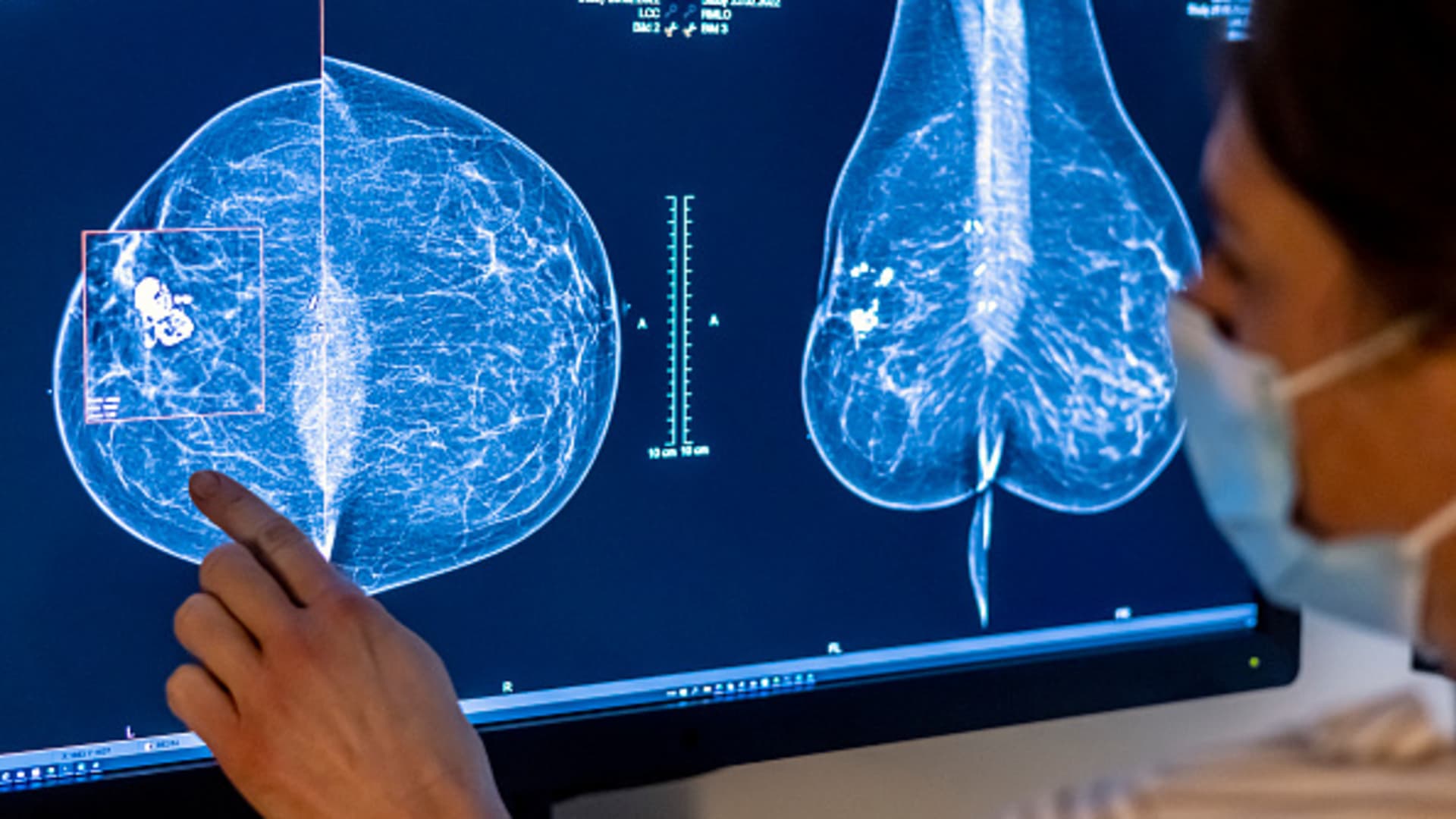
New research presented at the European Society for Medical Oncology Congress highlights the promising potential of antibody-drug conjugates (ADCs) as targeted cancer treatments, especially for breast cancer, showing improved survival rates and earlier intervention possibilities, though challenges like toxicity and patient selection remain.
The article discusses the potential of precision medicine and immunotherapies to revolutionize cancer treatment, highlighting upcoming discussions and innovations such as antibody-drug conjugates, featuring experts from Pfizer and Yale Cancer Center.
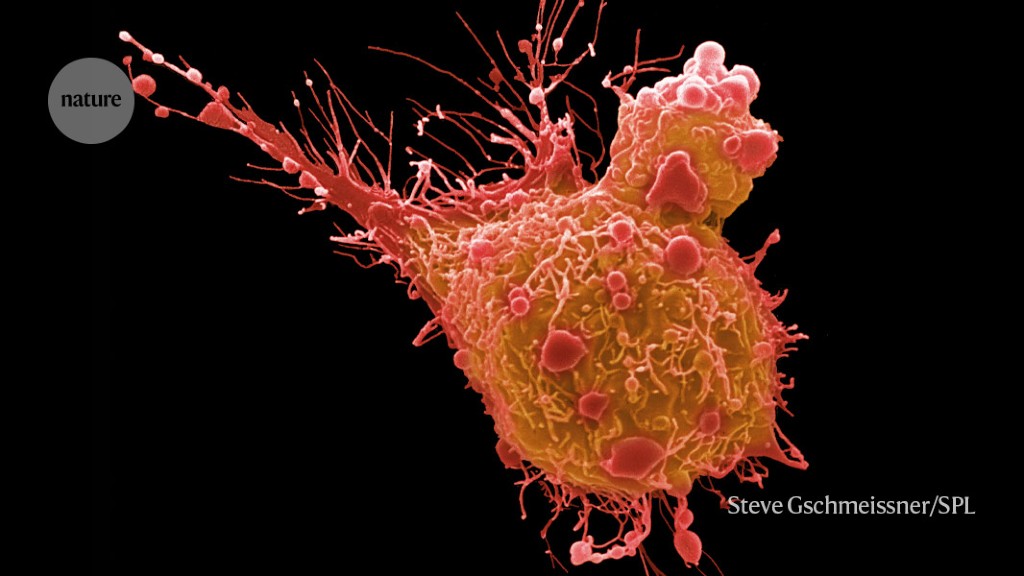
Antibody drug conjugates (ADCs) are revolutionizing cancer treatment by delivering chemotherapy directly into tumor cells, increasing effectiveness and reducing side effects. Recent studies presented at the ASCO conference show promising results for patients with multiple myeloma and HER2-low breast cancer, extending the time without disease progression. ADCs, described as "smart warheads," are becoming a more precise and potent option in oncology, with ongoing research aimed at improving their stability and targeting capabilities.
Gilead Sciences' antibody drug conjugate, Trodelvy, did not significantly extend the lives of patients with metastatic non-small cell lung cancer in a recent study, raising questions about the effectiveness of this type of treatment in oncology. The disappointing results from the Evoke-01 study have implications for investors and oncologists, as antibody drug conjugates are considered a promising area in cancer treatment, combining an antibody with chemotherapy to target cancer cells.
Biotech and pharmaceutical companies are increasingly focusing on antibody-drug conjugates (ADCs) as a promising class of cancer drugs to drive growth, with Johnson & Johnson, Pfizer, and Merck making significant investments in ADCs. The recent rise of ADCs is attributed to advancements in technology, increased confidence in their potential, and the potential for longer market exclusivity. The market for ADCs is expected to continue growing, with estimates suggesting they could account for a significant portion of the worldwide cancer market by 2028. Companies are betting on ADCs to fuel growth and establish themselves as leaders in cancer treatment, with Pfizer's acquisition of Seagen and Merck's licensing agreement with Daiichi Sankyo being notable examples of this trend.
Johnson & Johnson has announced its $2 billion acquisition of Ambrx Biopharma, a company specializing in cancer treatment through antibody-drug conjugates (ADCs). This move reflects J&J's strategy to fill a revenue gap expected in 2025 and follows similar investments by other major pharmaceutical companies. The acquisition is expected to enhance J&J's oncology pipeline and provide opportunities for precision biologics in cancer treatment.
Johnson & Johnson has made a $2 billion cash deal to acquire Ambrx Biopharma, joining other major pharmaceutical companies in a spree of acquisitions focused on antibody-drug conjugates in the oncology sector. This move comes as the industry anticipates increased spending to bolster pipelines ahead of looming patent expirations at the end of the decade.
Promising results from cancer trials presented at the European Society for Medical Oncology Congress show the potential of antibody-drug conjugates (ADCs) in treating advanced bladder cancer and advanced breast cancer. In a trial of ADCs for bladder cancer, the combination of enfortumab vedotin and pembrolizumab nearly doubled the median survival time compared to conventional chemotherapy. Other ADCs, such as datopotamab deruxtecan and trastuzumab deruxtecan, showed positive results in slowing tumor growth and improving survival in advanced breast cancer patients. The findings suggest that ADCs, when combined with immune-boosting drugs, could be a potent treatment option for various cancers. However, further research is needed to develop less toxic ADCs and determine safe drug combinations.
Merck has entered into a partnership with Daiichi Sankyo, committing $4 billion upfront, to co-develop and co-commercialize three antibody-drug conjugates (ADCs) from Daiichi's DXd platform. The ADCs target HER3, B7-H3, and CDH6, with the most advanced program set for a BLA filing by the end of March 2024. This partnership adds momentum to the growing ADC space, which has seen blockbuster revenue, data readouts, and increased M&A activity.