Tag

Glucose Monitoring

All articles tagged with #glucose monitoring

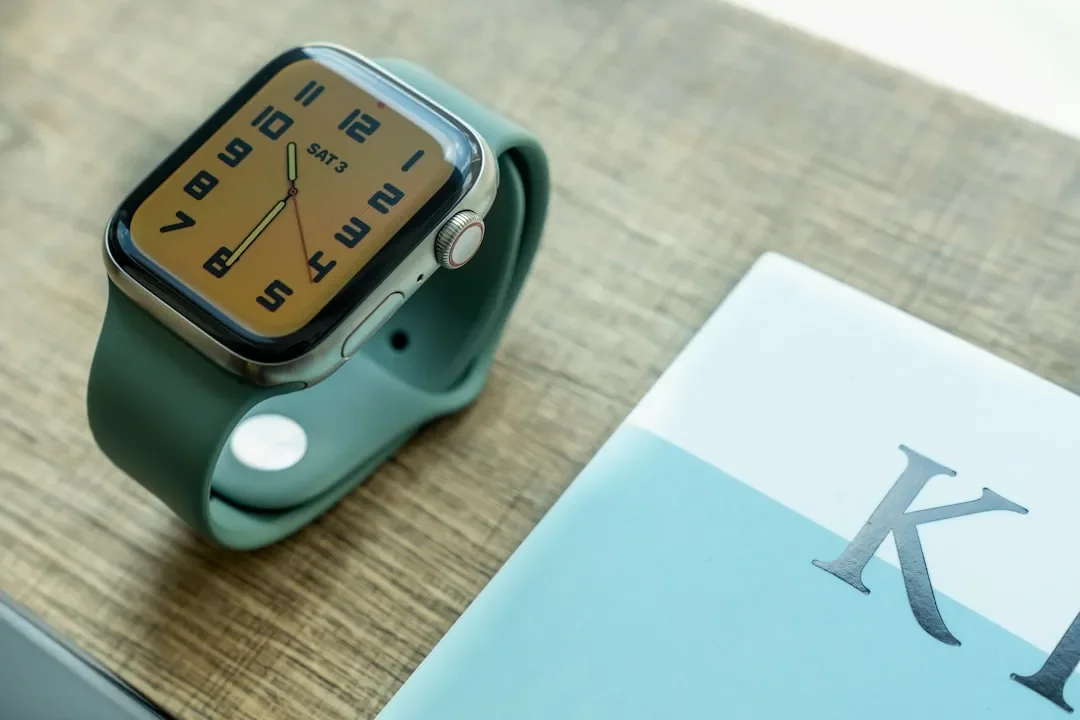
Apple Watch Advances in Needle-Free Glucose Monitoring Technology

Originally Published 3 days ago — by Gadget Hacks

Featured image for Apple Watch Advances in Needle-Free Glucose Monitoring Technology
Source: Gadget Hacks

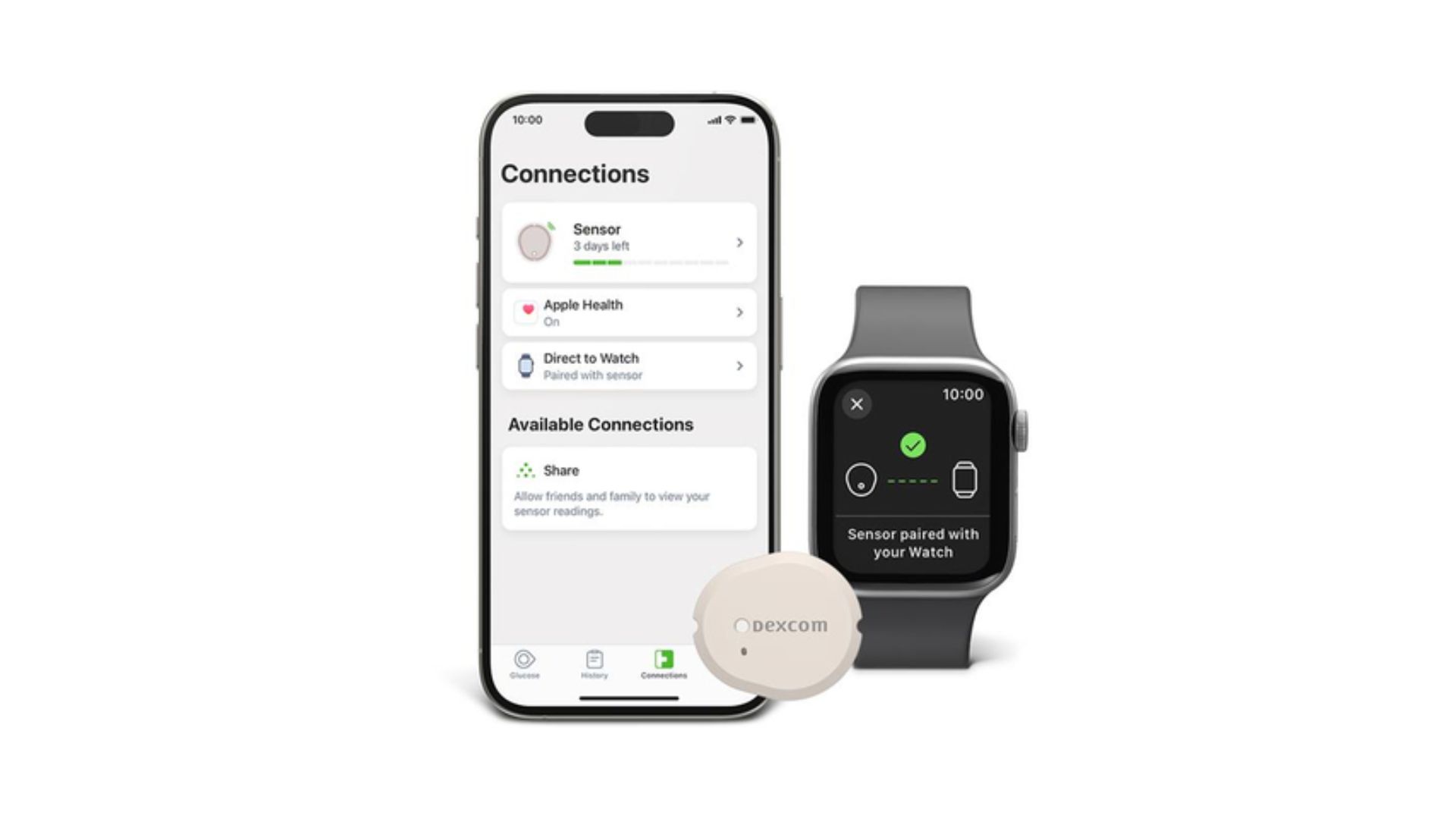
Apple Watch has made significant advancements in glucose monitoring, including FDA-approved integration with existing CGMs like Dexcom G7, which now connects directly without a phone, and ongoing development of non-invasive glucose sensors using optical technology. While immediate benefits are available for current CGM users, Apple's long-term goal is to create a non-invasive, wrist-worn device that could revolutionize metabolic health monitoring and disease prevention. Despite technical and regulatory challenges, these innovations suggest a transformative future for health tech.

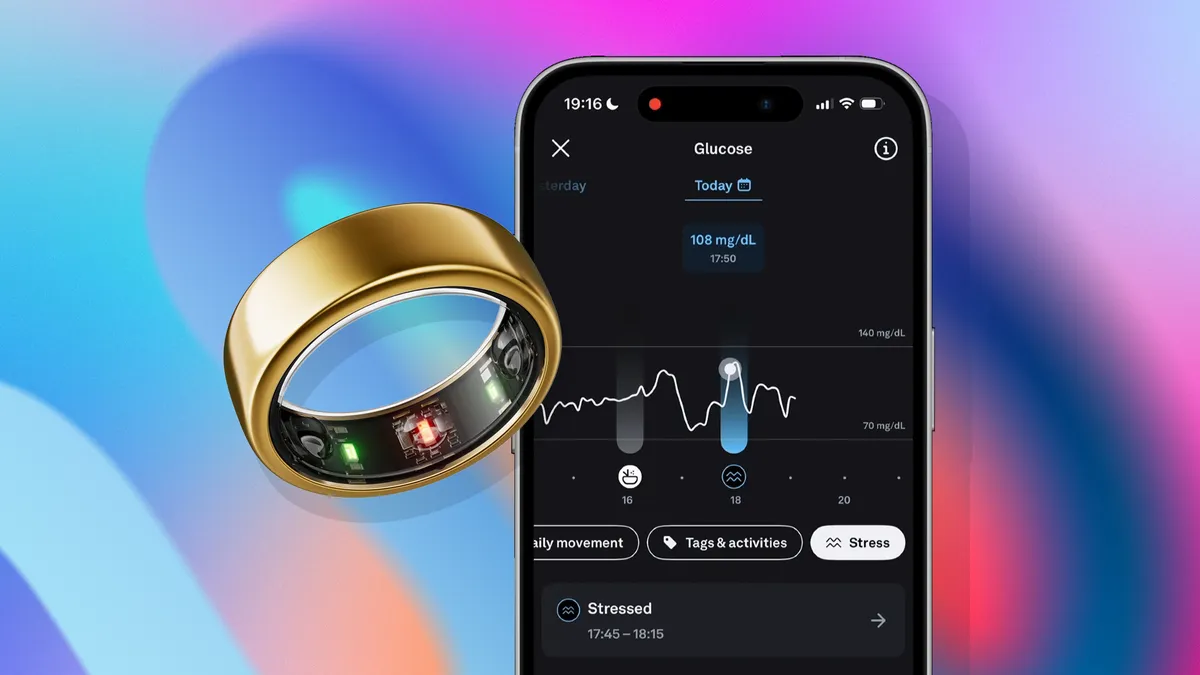
AI and Continuous Glucose Monitoring: The New Frontier in Diabetes Management

Originally Published 4 months ago — by CNET

Featured image for AI and Continuous Glucose Monitoring: The New Frontier in Diabetes Management
Source: CNET

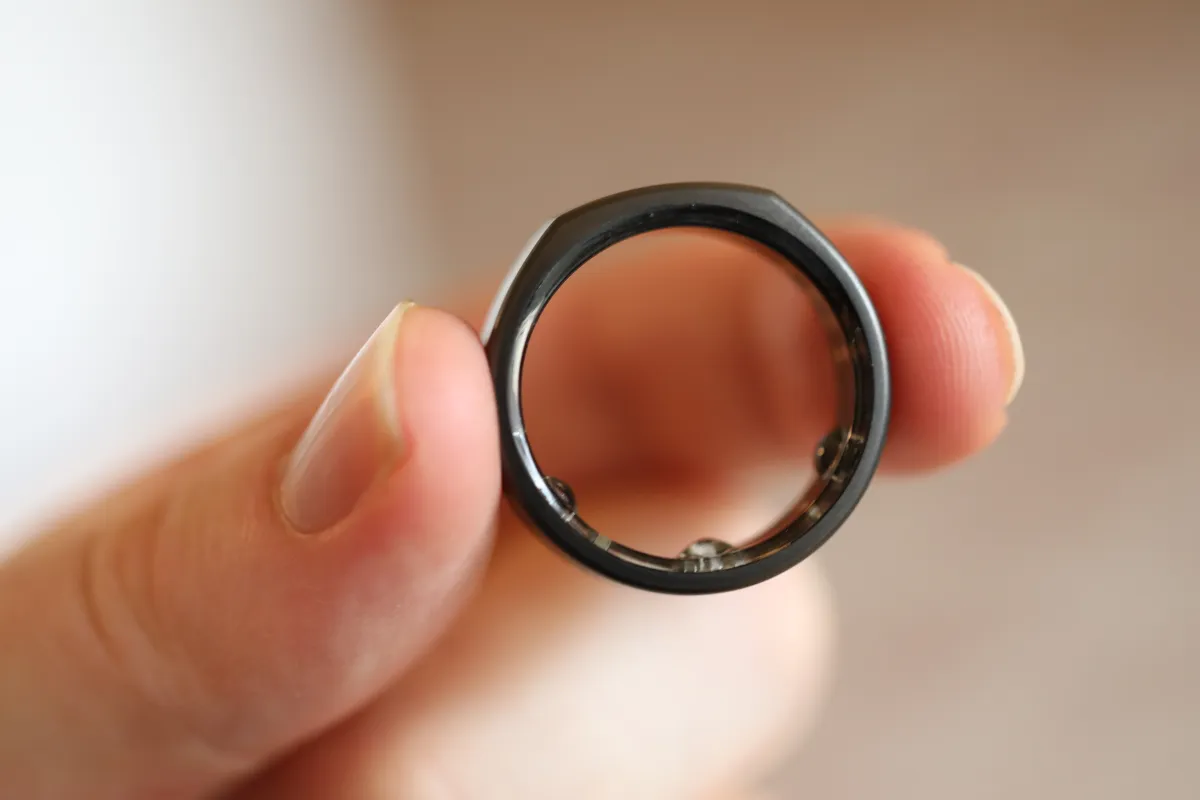
The author tested an AI-powered continuous glucose monitor (Stelo) paired with the Oura Ring for two weeks, discovering that blood sugar spikes are normal and manageable through food pairing, timing, and activity, leading to better understanding and control of metabolic health even without diabetes.

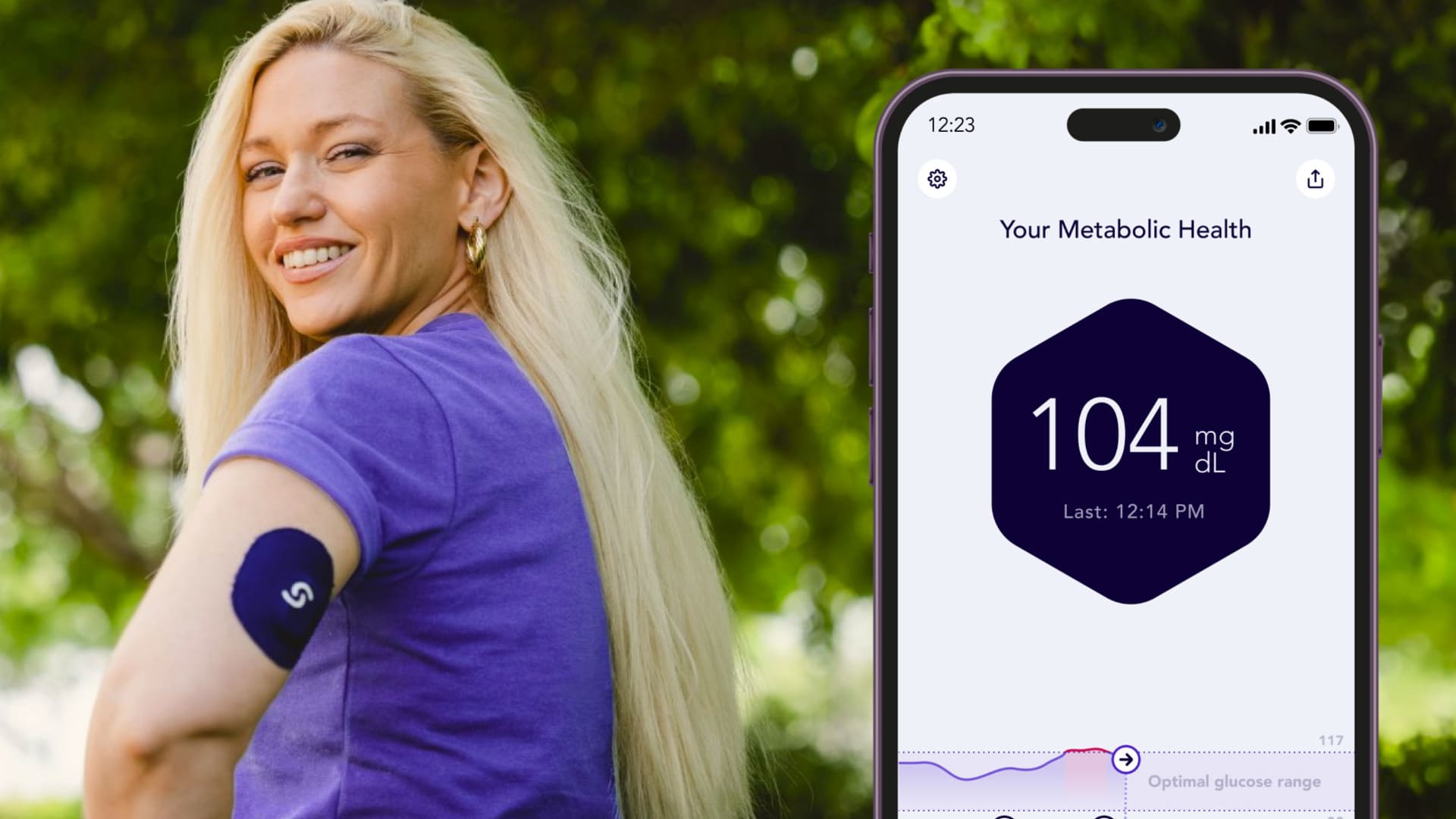
Mangoes and Glucose: What Trackers Detect That Lab Tests Miss

Originally Published 6 months ago — by The Times of India

Featured image for Mangoes and Glucose: What Trackers Detect That Lab Tests Miss
Source: The Times of India

Continuous glucose monitors (CGMs) offer real-time insights into blood sugar levels, helping to detect fluctuations and improve diabetes management beyond traditional lab tests. They can identify issues like post-meal spikes and nocturnal highs, and are especially useful for children and the elderly. However, their use in healthy individuals is cautioned due to potential anxiety and misinterpretation. Dietary factors like mangoes can influence blood sugar, highlighting the importance of comprehensive monitoring.

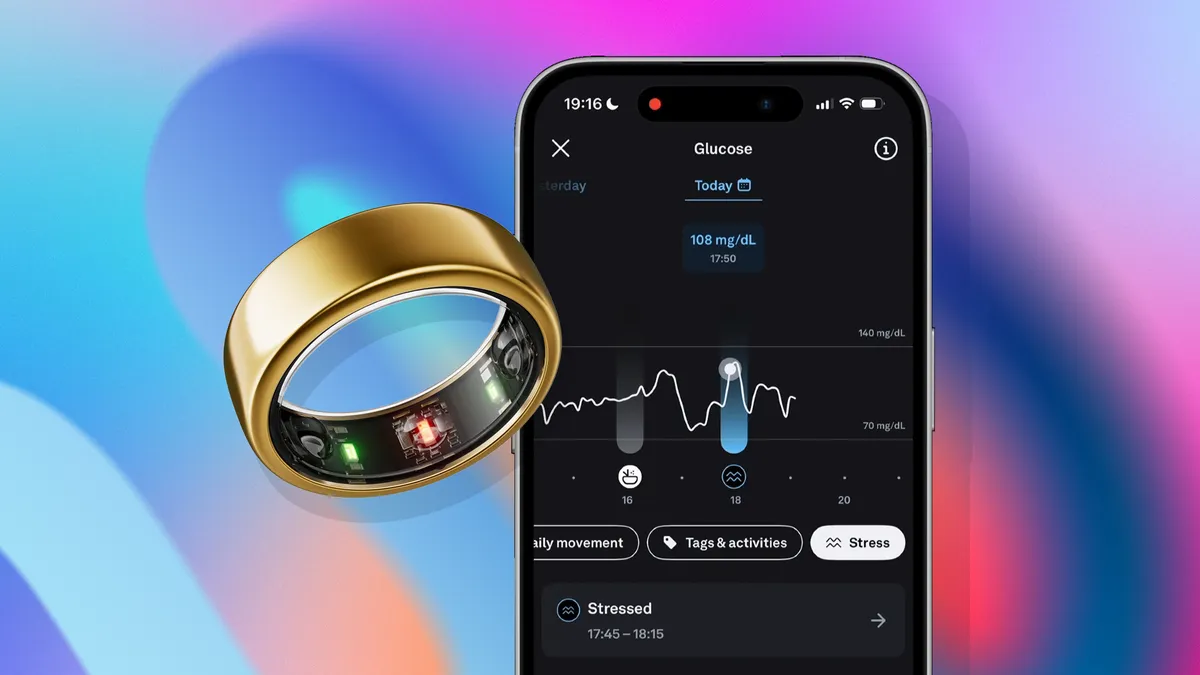
Exploring the Impact and Insights of Glucose Monitoring Technologies

Originally Published 6 months ago — by CNET

Featured image for Exploring the Impact and Insights of Glucose Monitoring Technologies
Source: CNET

A wellness writer experimented with the Oura Ring and Dexcom's Stelo CGM to track blood sugar levels, discovering that natural foods, meal timing, and post-meal activity significantly influence glucose levels, even in healthy individuals. The experience highlighted the importance of food pairing, exercise, and meal timing in managing blood sugar without drastic dietary changes.

Oura Partners with Dexcom to Enhance Blood Sugar Monitoring with Smart Rings

Originally Published 1 year ago — by TechCrunch

Featured image for Oura Partners with Dexcom to Enhance Blood Sugar Monitoring with Smart Rings
Source: TechCrunch

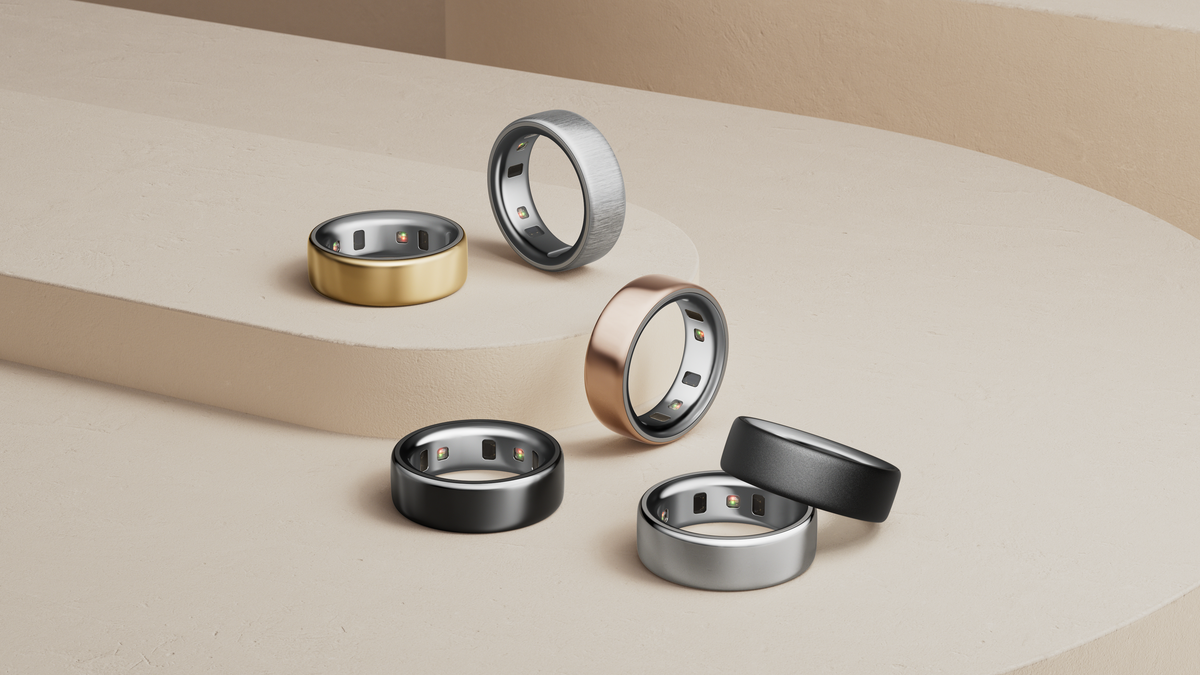
Oura, the smart ring maker, has secured a $75 million investment from glucose monitoring device firm Dexcom, raising its valuation to over $5 billion. This partnership will integrate Oura's rings with Dexcom's glucose monitoring technology, allowing users to track blood sugar levels and make informed health decisions. The first app integration is expected by mid-2025. Oura, which has sold 2.5 million rings, anticipates doubling its sales in 2024. This collaboration positions Oura and Dexcom against competitors like Apple, which is also exploring noninvasive glucose monitoring solutions.

Oura Partners with Dexcom to Integrate Blood Sugar Monitoring

Originally Published 1 year ago — by Quartzy

Featured image for Oura Partners with Dexcom to Integrate Blood Sugar Monitoring
Source: Quartzy

Oura smart rings will soon offer enhanced blood sugar monitoring capabilities through a partnership with Dexcom, the maker of the first over-the-counter continuous glucose monitor in the U.S. This collaboration aims to integrate Oura's health data with Dexcom's glucose insights, providing users with a comprehensive view of their health. The first app integration is expected by mid-2025, and Dexcom is investing $75 million in Oura's Series D funding. This partnership will allow users to make informed lifestyle choices based on their glucose levels and other health metrics.

Dexcom G7 Now Syncs Real-Time Blood Sugar Data with Apple Watch

Originally Published 1 year ago — by MacRumors

Featured image for Dexcom G7 Now Syncs Real-Time Blood Sugar Data with Apple Watch
Source: MacRumors

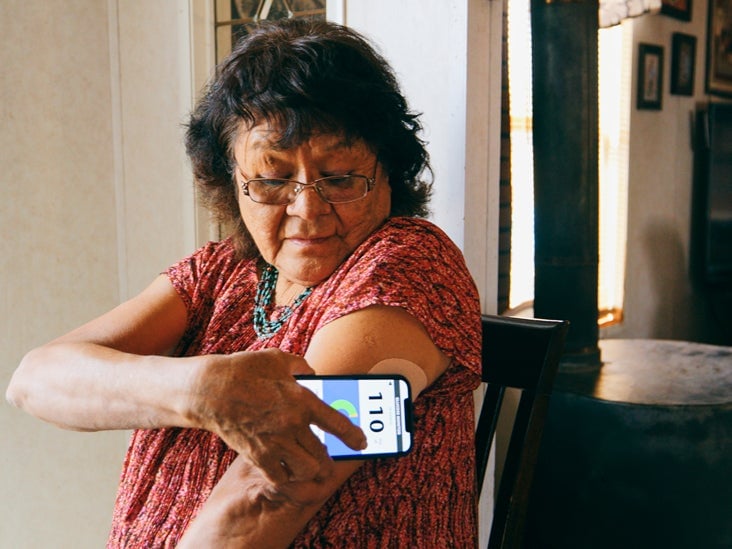
Dexcom has announced that its G7 continuous glucose monitor can now send real-time blood sugar data directly to Apple Watch via a dedicated Bluetooth connection, eliminating the need for an iPhone. This new feature, highly requested by users, is available in the U.S., U.K., and Ireland, with more markets to follow. Users will need the latest Dexcom G7 app, an Apple Watch Series 6 or later, and an iPhone running iOS 17 or later.

"Revolutionizing Glucose Monitoring: Using a Phone's Compass for Accurate Measurements"

Originally Published 1 year ago — by Medscape

Featured image for "Revolutionizing Glucose Monitoring: Using a Phone's Compass for Accurate Measurements"
Source: Medscape

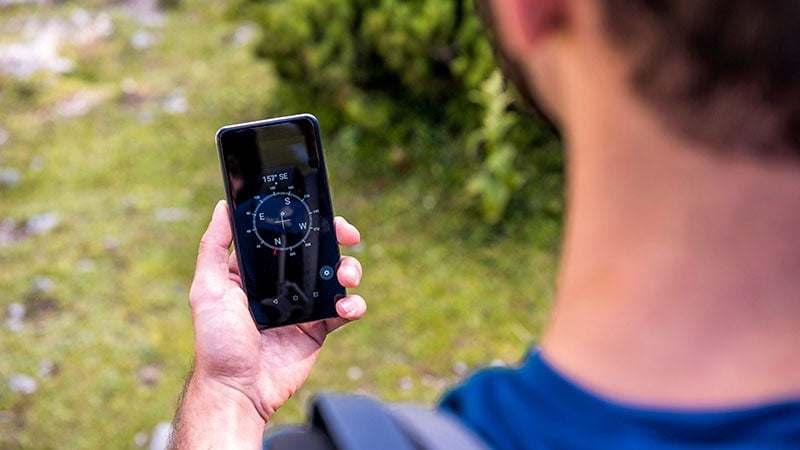
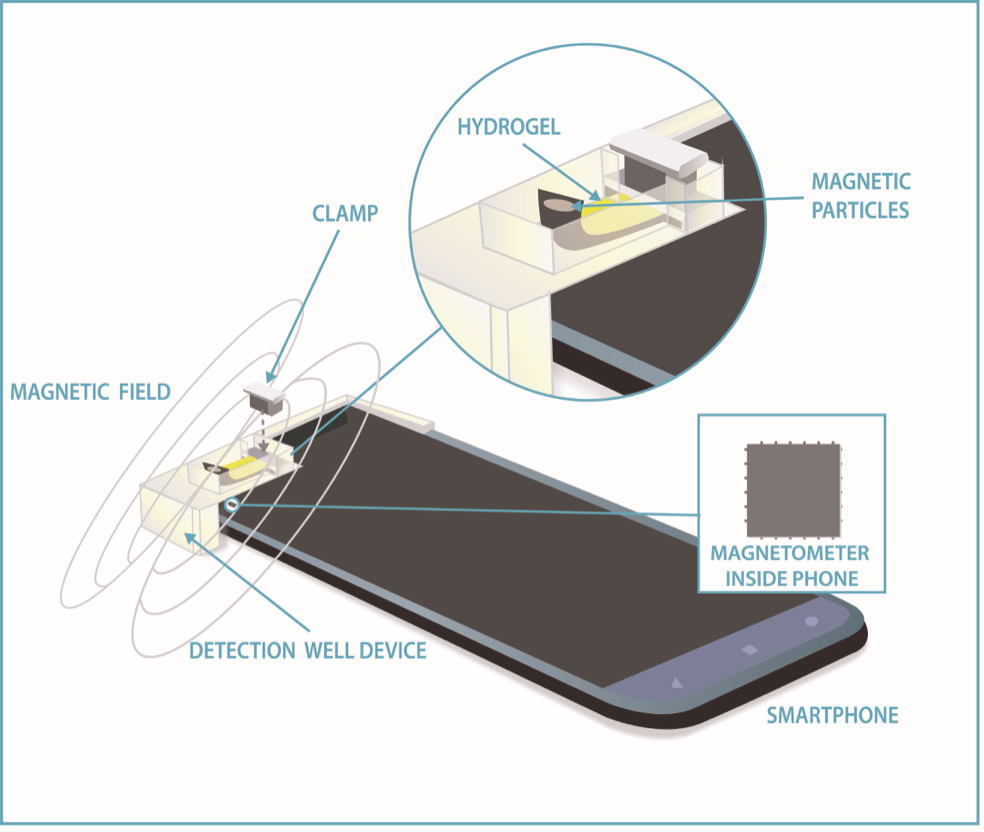
Researchers at NIST have developed a method to use a smartphone's compass to analyze biomarkers in body fluids, potentially allowing for the monitoring and diagnosis of diseases. In a proof-of-concept study, they successfully measured glucose and pH levels in various liquids. The technique involves a small magnet embedded in a hydrogel strip that interacts with the smartphone's magnetometer. While more testing is needed for biological fluids, this innovation could lead to affordable and portable medical sensing capabilities, with potential applications in healthcare and environmental monitoring.

"Cellphone Compass Measures Vital Health Compounds: NIST Study"

Originally Published 1 year ago — by NIST

Featured image for "Cellphone Compass Measures Vital Health Compounds: NIST Study"
Source: NIST

Researchers at NIST have developed a technique that utilizes an ordinary cellphone magnetometer to measure the concentration of glucose and pH levels with high accuracy, using magnetized hydrogel test strips. This method has the potential to rapidly and inexpensively measure various biomedical properties for disease monitoring and environmental toxin detection. The proof-of-concept study demonstrated the ability to measure glucose concentrations as small as a few millionths of a mole, and future improvements could enable the detection of DNA strands, specific proteins, and histamines at extremely low concentrations. The technique offers an inexpensive way to conduct testing, even in resource-limited locations, and could have applications in fields such as healthcare, environmental science, and food and beverage production.

"Apple's Groundbreaking Health Studies Unveil Insights on Diabetes, Activity, and Menstrual Cycles"

Originally Published 2 years ago — by 9to5Mac

Featured image for "Apple's Groundbreaking Health Studies Unveil Insights on Diabetes, Activity, and Menstrual Cycles"
Source: 9to5Mac

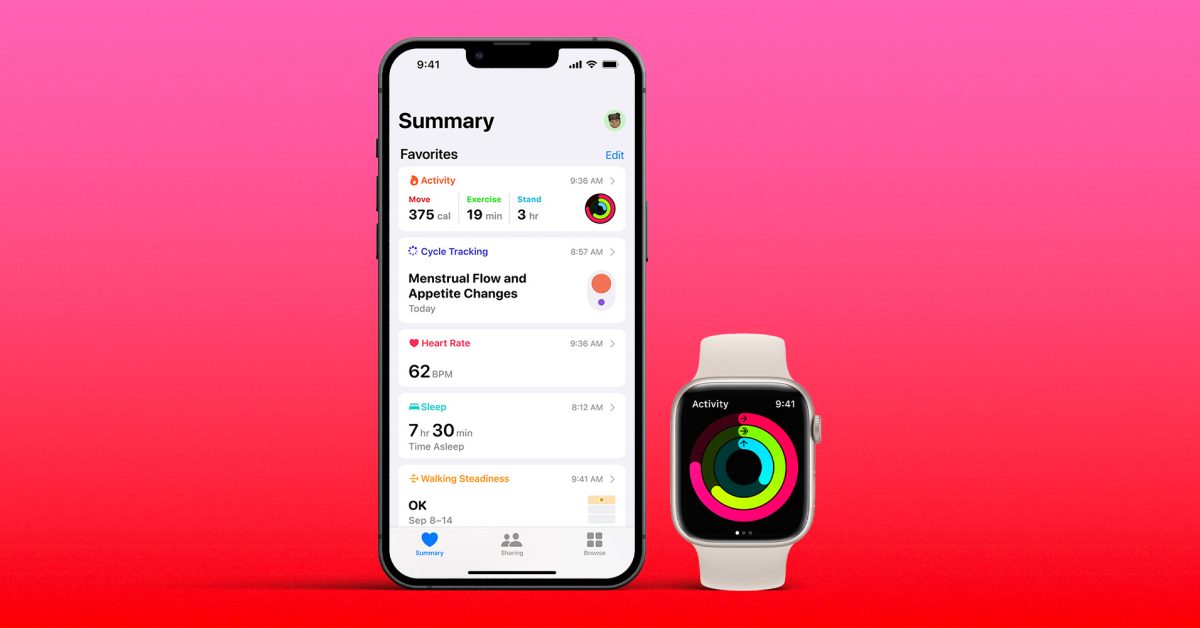
Ahead of World Diabetes Day, Apple's health studies provide new analysis on glucose and the challenges faced by people living with diabetes. The studies highlight the benefits of continuous glucose monitors and the integration of data from Apple Watch, showing how exercise and activity levels can impact glucose control. The findings reveal that increased exercise and steps taken correlate with more time spent within the target glucose range. Additionally, the analysis of menstrual cycles shows variations in glucose levels during different phases. The data demonstrates the potential of Apple's technology in empowering individuals to improve their metabolic health and reduce the risk of diabetes and heart disease.

Revolutionary Sensor Tracks Glucose Levels in Sweat Long-Term

Originally Published 2 years ago — by AZoSensors

Featured image for Revolutionary Sensor Tracks Glucose Levels in Sweat Long-Term
Source: AZoSensors

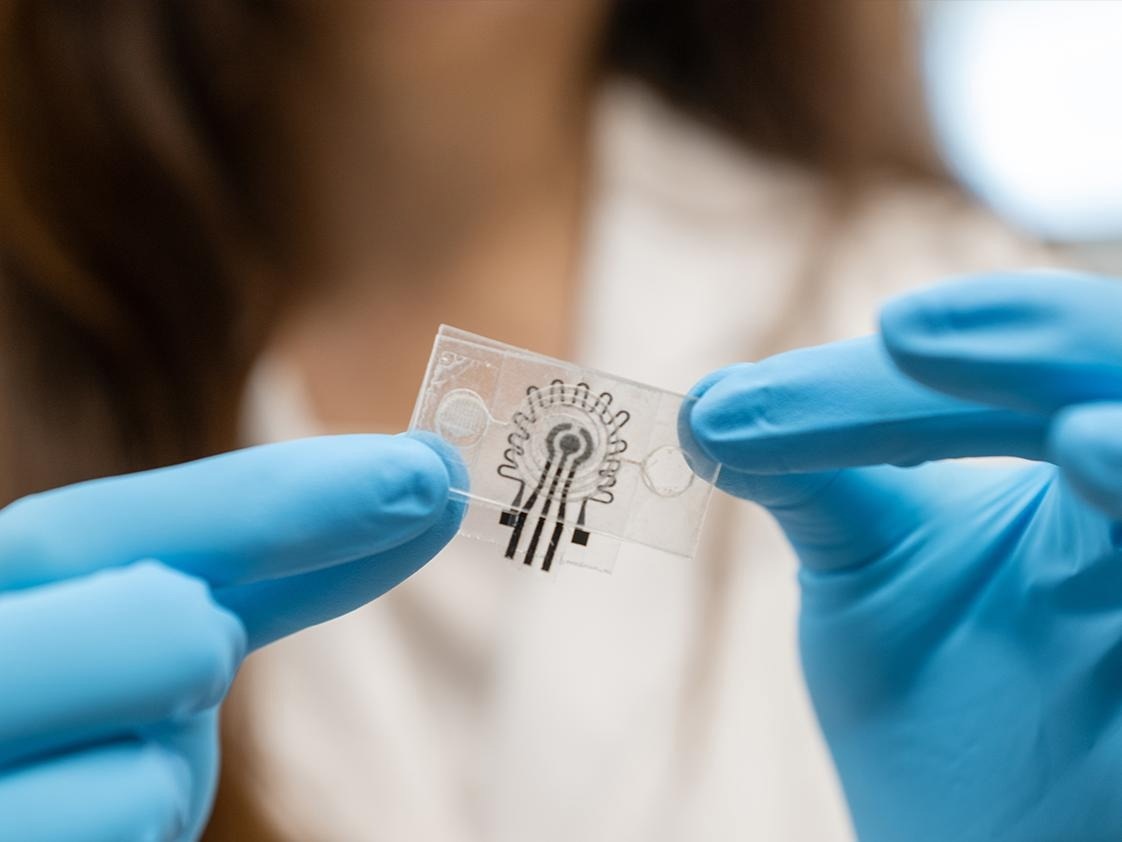
Researchers at Penn State have developed a wearable sensor that can monitor glucose levels in sweat continuously for up to three weeks. The sensor, made from a laser-modified graphene nanocomposite material, also tracks body temperature and pH levels. Previous attempts at sweat-based glucose monitoring have been limited by low biomarker concentration levels and variability in factors such as pH and temperature. The new sensor addresses these challenges and offers a low-cost, convenient, and accurate platform for continuous analysis of sweat, with potential applications in personalized medicine and precision nutrition.

Revolutionary Implantable Device: A Needle-Free Solution for Diabetes Control

Originally Published 2 years ago — by Medical News Today

Featured image for Revolutionary Implantable Device: A Needle-Free Solution for Diabetes Control
Source: Medical News Today

Engineers at MIT have developed an implantable device that could help people with type 1 diabetes monitor their glucose levels and potentially produce insulin when needed. The device, which has been tested on mice, contains oxygen-producing islet cells and kept glucose levels stable for at least one month. Although concerns about diabetic ketoacidosis and fibrosis remain, researchers hope to create a larger version of the device for human testing within the next four years. If successful, this technology could revolutionize diabetes treatment and potentially be adapted for other illnesses requiring therapeutic protein delivery.

Revolutionary 3D Printed Saliva-Based Glucose Sensor for Diabetes Monitoring

Originally Published 2 years ago — by SciTechDaily

Featured image for Revolutionary 3D Printed Saliva-Based Glucose Sensor for Diabetes Monitoring
Source: SciTechDaily

Researchers at the King Abdullah University of Science & Technology (KAUST) have developed a prototype sensor that can measure glucose levels in saliva, offering a potential alternative to traditional blood testing for diabetes monitoring. The sensor, based on a thin-film transistor, is highly sensitive and can accurately detect glucose concentrations in less than one minute. The device shows promise for mass production as inexpensive disposable sensors and could be life-changing for millions of patients worldwide. The team is now working on developing an array of transistor sensors that can detect multiple metabolites in saliva.