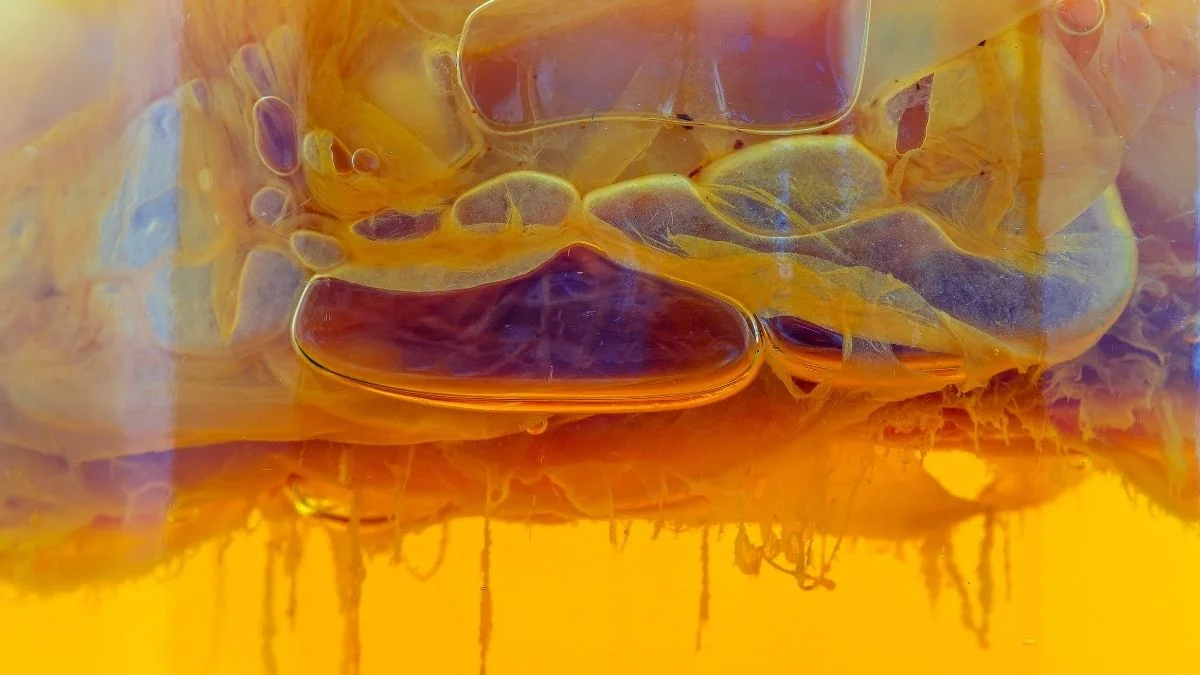
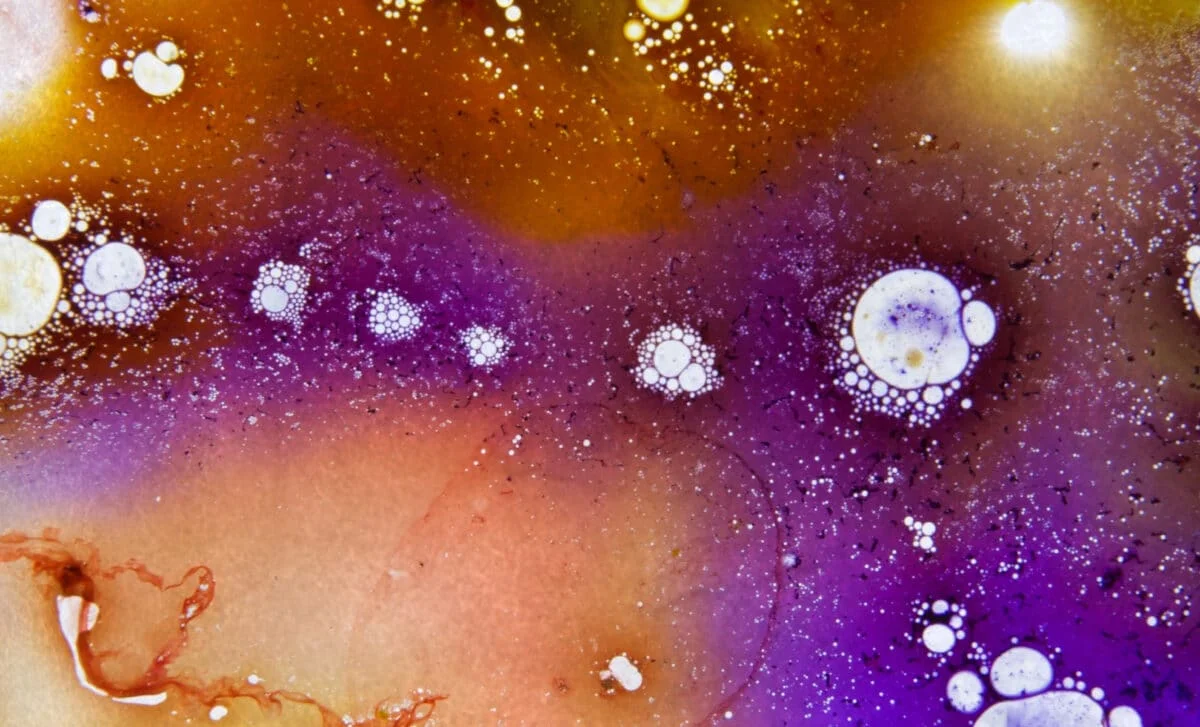
A new paper argues that life may have started within surface-attached, jelly-like gels on rocks, which could trap and organize reactive molecules, shield delicate chemistry from UV and heat, and support the emergence of metabolism and polymers before membrane-bound cells.
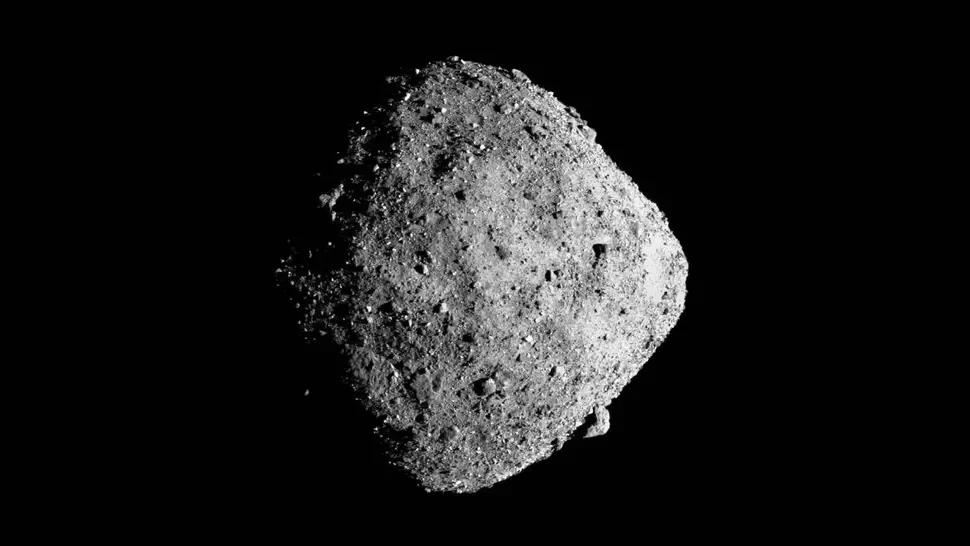
NASA’s OSIRIS-REx samples from the 4.6-billion-year-old asteroid Bennu reveal amino acids, including glycine, can form in space and may arise in icy, radiation-exposed conditions in the early Solar System rather than only in liquid water; this suggests multiple pathways for the building blocks of life and shows Bennu’s isotopic signatures differ from the Murchison meteorite, indicating diverse origins for prebiotic molecules.
Using the James Webb Space Telescope to study the dusty heart of ultra-luminous galaxy IRAS 07251-0248, scientists detected a rich chemistry of small organic molecules (like benzene, methane, acetylene, diacetylene, triacetylene, and methyl radicals) and carbon-based dust with water ice. The abundances exceed current models, implying a persistent carbon source and possible cosmic-ray processing that releases these organics, which could act as precursors to more complex biomolecules and life, offering a window into space-based prebiotic chemistry and the galaxy’s role in forming life's building blocks.
Researchers modeling frozen hydrogen cyanide find it converts to hydrogen isocyanide, enabling two pathways to prebiotic molecules like amino acids and nucleobases, even in extreme cold. The work suggests cyanide-based chemistry could have seeded life on early Earth and may occur on icy worlds such as Titan or in other planetary atmospheres across the solar system.
New computer simulations suggest solid hydrogen cyanide crystals in cold environments have reactive surfaces that can convert HCN into hydrogen isocyanide, enabling formation of complex prebiotic molecules and potentially driving the origin of life; researchers plan lab tests to verify these surface-catalyzed reactions.
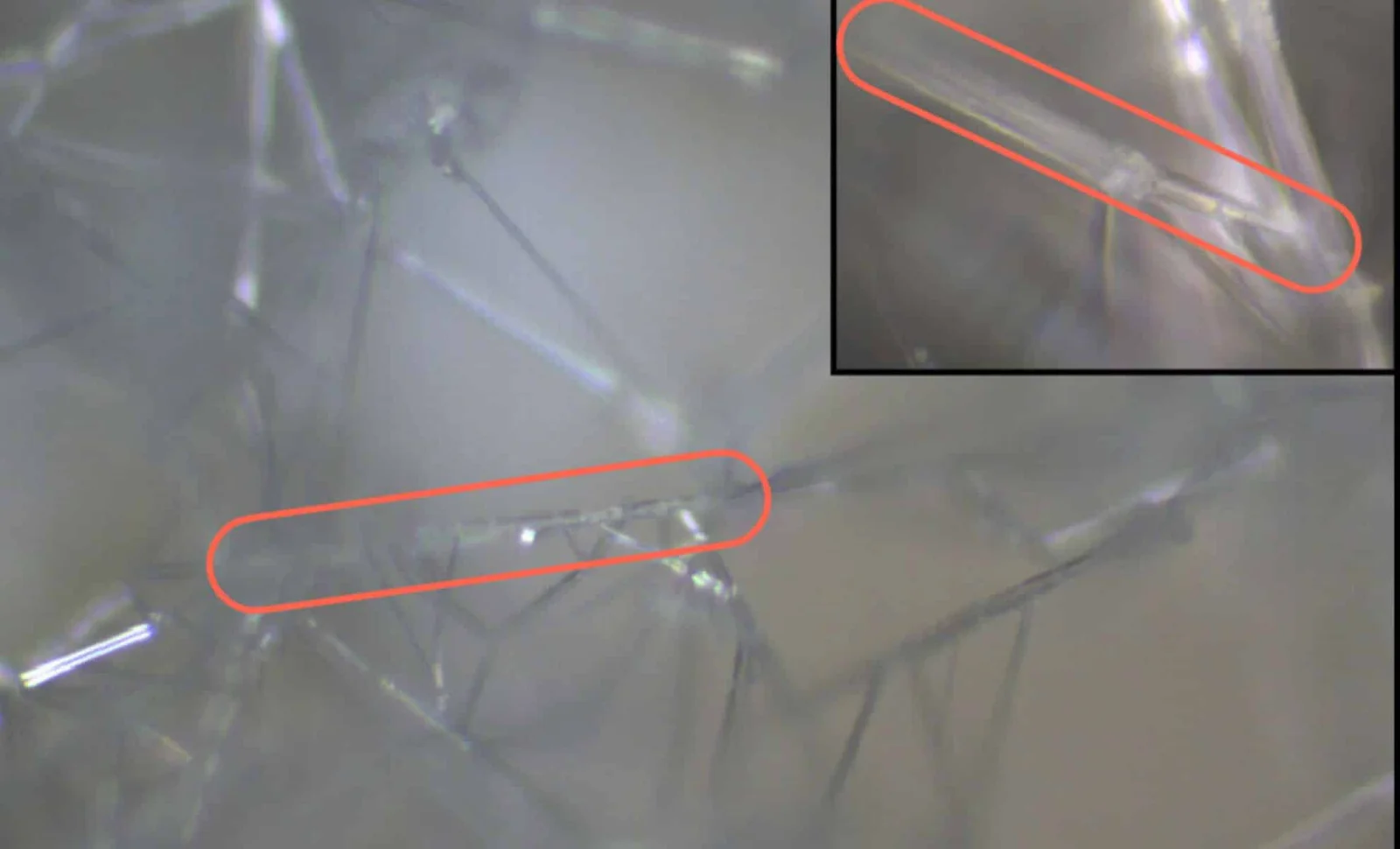
A study in ACS Central Science shows that frozen hydrogen cyanide forms needle-like crystal surfaces that generate strong electric fields and catalyze reactions, including HCN→HNC isomerization, at cryogenic temperatures. This surface catalysis could drive early prebiotic chemistry and help explain HNC’s abundance in cold space environments like Titan and comets, suggesting solid HCN crystals may have acted as tiny reaction engines in the origins of life.
Scientists discovered that on Saturn's moon Titan, polar and nonpolar substances like hydrogen cyanide, methane, and ethane can form stable co-crystals under freezing conditions, challenging basic chemical rules and providing new insights into prebiotic chemistry and the potential origins of life in extreme environments.
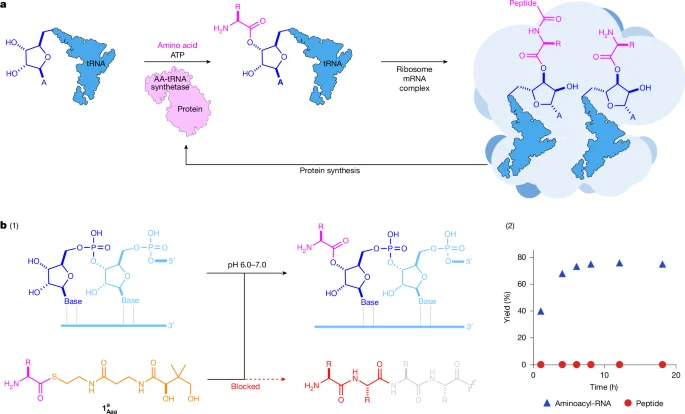
Scientists have discovered a water-friendly chemical reaction that links RNA and amino acids under mild conditions, providing a plausible pathway for the formation of the first proteins on early Earth and bridging the gap between metabolism, genetic information, and protein building.
The article discusses a novel chemical method for non-enzymatic RNA aminoacylation and peptidyl-RNA synthesis in water, using biological thioesters to selectively attach amino acids to RNA, shedding light on potential pathways for the origin of protein synthesis and the interplay between nucleic acids and proteins in early life.
Scientists at Scripps Research discovered that ribose, a sugar crucial for RNA, is naturally more efficient at attaching to phosphate than similar sugars, suggesting a chemical advantage that may have contributed to the emergence of life’s molecular building blocks on early Earth.
NASA's Dragonfly mission, launching in 2028, will explore Saturn's moon Titan using a rotorcraft to study its organic chemistry and potential for life, focusing on prebiotic processes and ancient water sources to understand life's origins.
New research suggests that ancient hot springs, similar to those found today in places like Yellowstone National Park, may have played a crucial role in the emergence of life on Earth. The study highlights the potential of iron sulfides, minerals found in these springs, to facilitate carbon fixation, a key process in the development of life. By simulating early Earth conditions, researchers demonstrated that iron sulfides could produce methanol, supporting the idea that both land-based hot springs and deep-sea hydrothermal vents contributed to the origin of life.
Biophysicists have discovered that simple heat flows in primordial times could have fostered the first prebiotic reactions, leading to the selective accumulation and up-concentration of prebiotic building blocks in rock fissures. This process could have created a "molecular kitchen" in large geological network systems, providing the necessary conditions for the emergence of life's ingredients. The researchers aim to further investigate the potential of this system in preparing the "dishes" of life as part of the Collaborative Research Centre "Molecular Evolution in Prebiotic Environments."
Graphite, likely formed from giant impactors hitting Earth 4.3 billion years ago, may have triggered the creation of prebiotic molecules essential for the onset of life. Laboratory simulations by planetary astrochemists at Cambridge University suggest that graphite offers a potential route towards prebiotic chemistry, with heating of organic tar likely producing molecules for life's building blocks. The process involves the formation of nitriles, which can lead to the creation of adenine, a base for RNA and DNA, and eventually sugar. However, achieving chemical diversity while minimizing unwanted reactions remains a challenge, and further experiments are needed to validate the model's predictions.
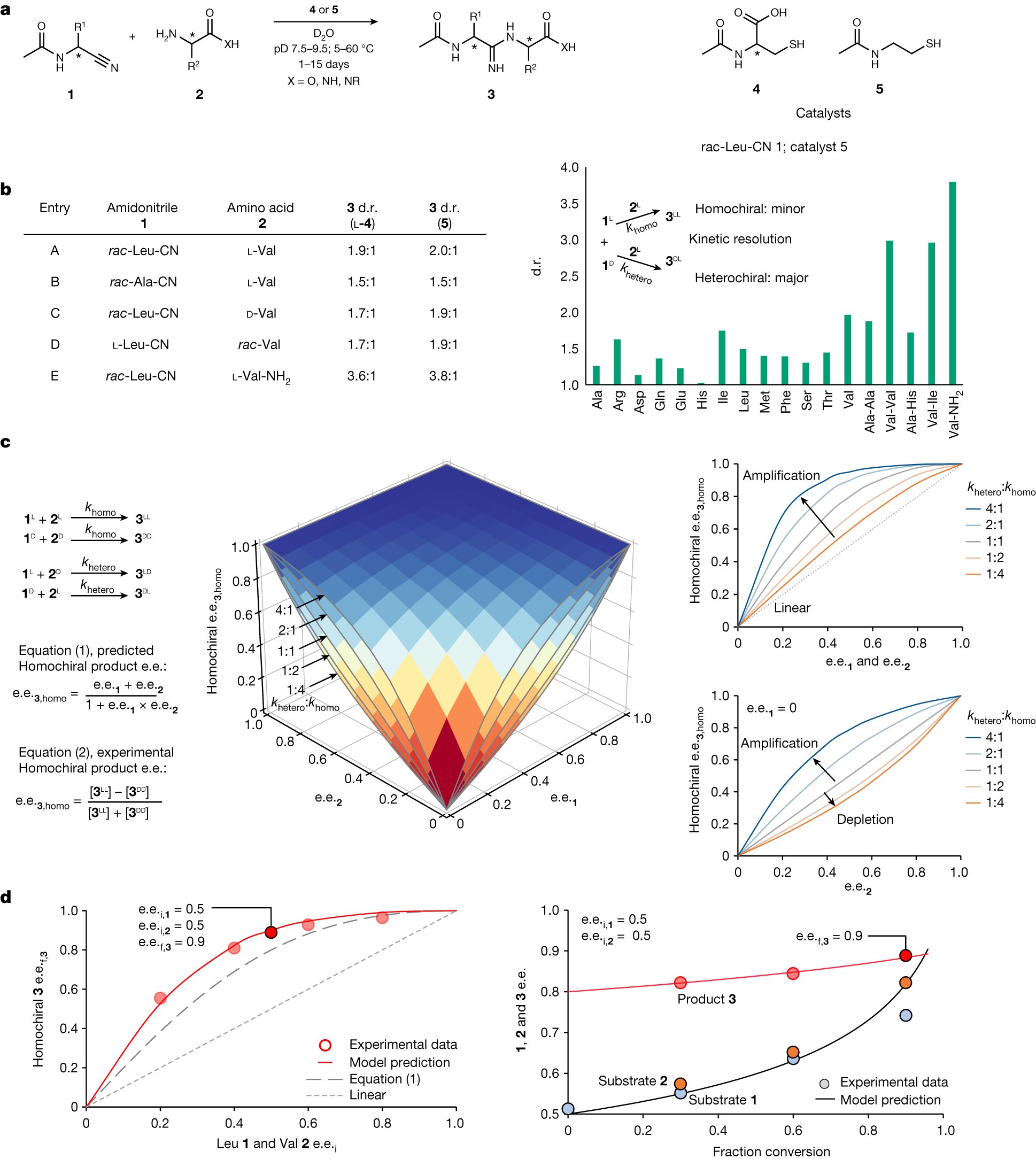
Scripps Research chemists have proposed a solution to the mystery of how molecular "handedness" or homochirality emerged in early biology, showing that it could have become established through a chemistry phenomenon called kinetic resolution. Their studies suggest that the emergence of homochirality was largely due to kinetic resolution, where one chiral form becomes more abundant than another due to faster production and/or slower depletion. This explanation offers a broad and convincing explanation for the emergence of homochirality in fundamental biological molecules such as amino acids, DNA, and RNA.