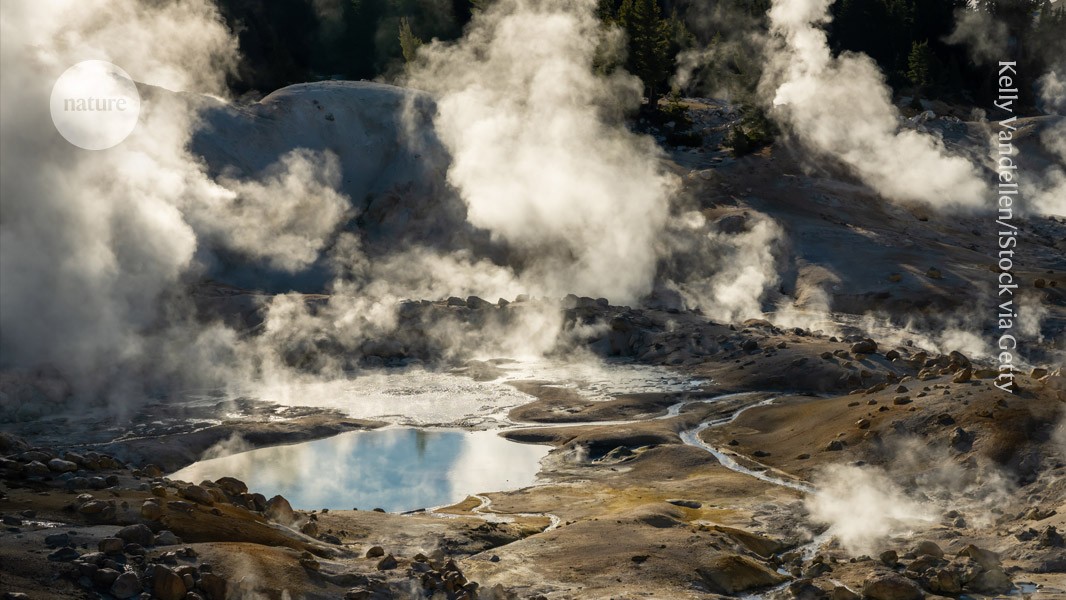
A newly discovered single-celled amoeba, Incendiamoeba cascadensis, can survive and grow at temperatures up to 63°C, surpassing previous records for eukaryotic organisms, challenging assumptions about the thermal limits of complex life.
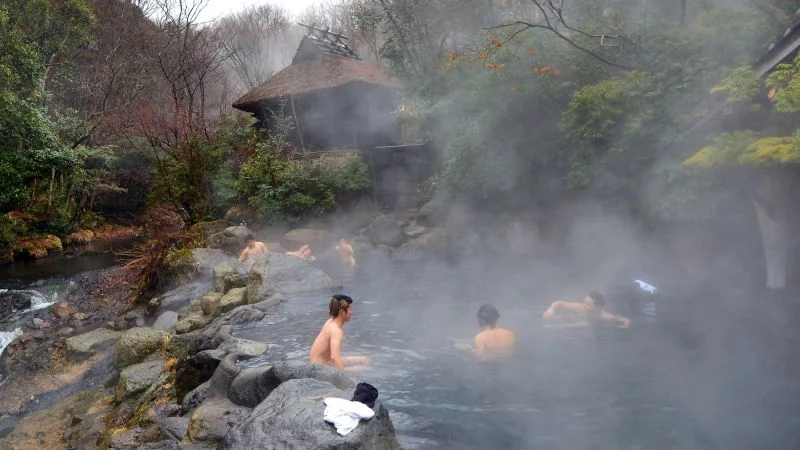
The article describes a traveler's experience visiting a Japanese onsen, highlighting the cultural norms of nudity, etiquette, and the relaxing, communal atmosphere of these traditional hot springs, emphasizing that first-time visitors should embrace the experience and not worry about body insecurities or rules.
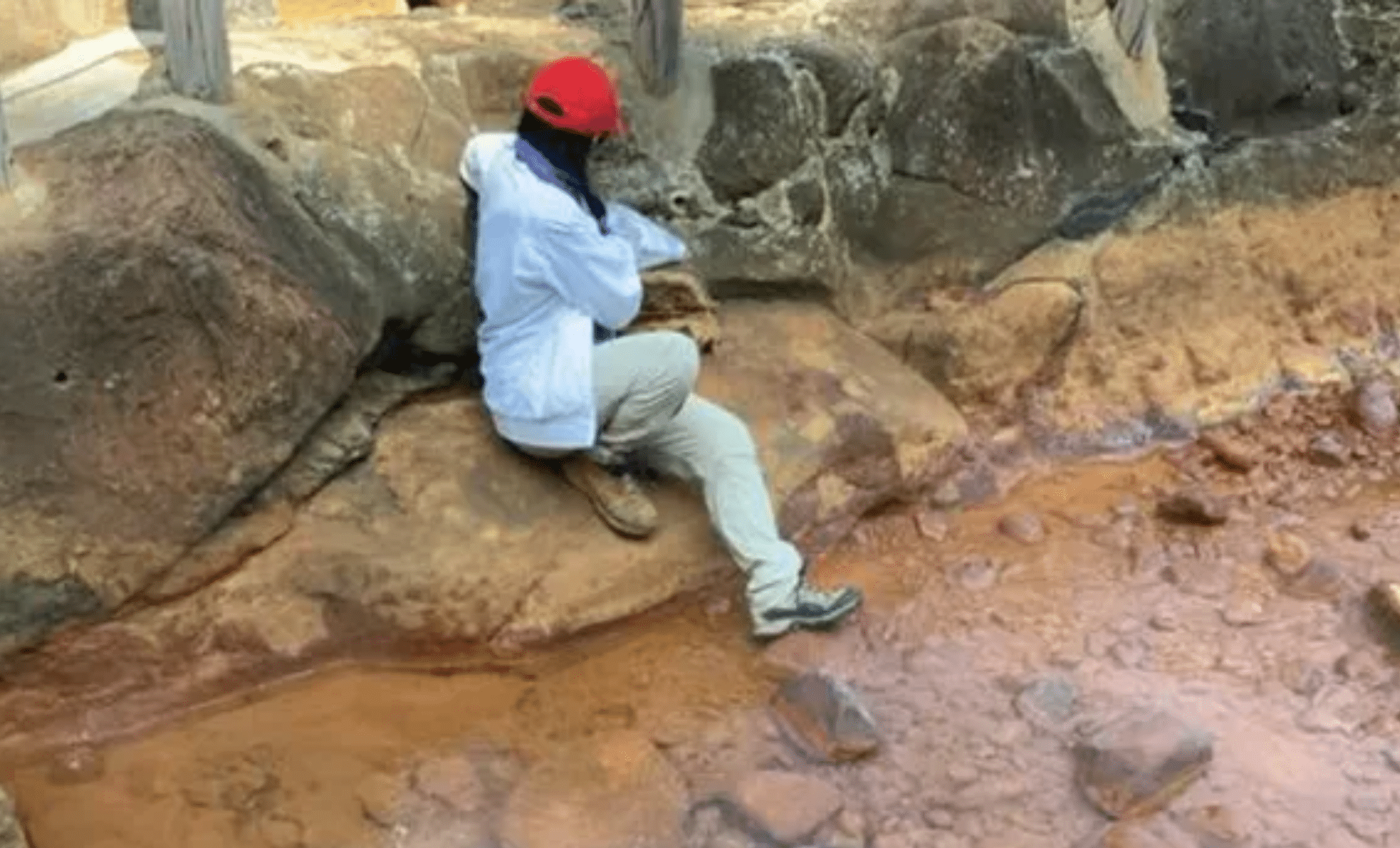
Scientists studying Japan's iron-rich hot springs have uncovered microbial communities that resemble early Earth's conditions, providing insights into how primitive life adapted during the Great Oxidation Event, including the survival of iron-oxidizing bacteria and cryptic sulfur cycles, which may inform understanding of life's resilience in extreme environments both on Earth and beyond.
A study by Kyushu University found that consuming yogurt increases gut microbiota diversity and improves bowel movements, with additional benefits observed when combined with hot spring bathing, suggesting a potential lifestyle approach for enhancing gut health and preventive medicine.
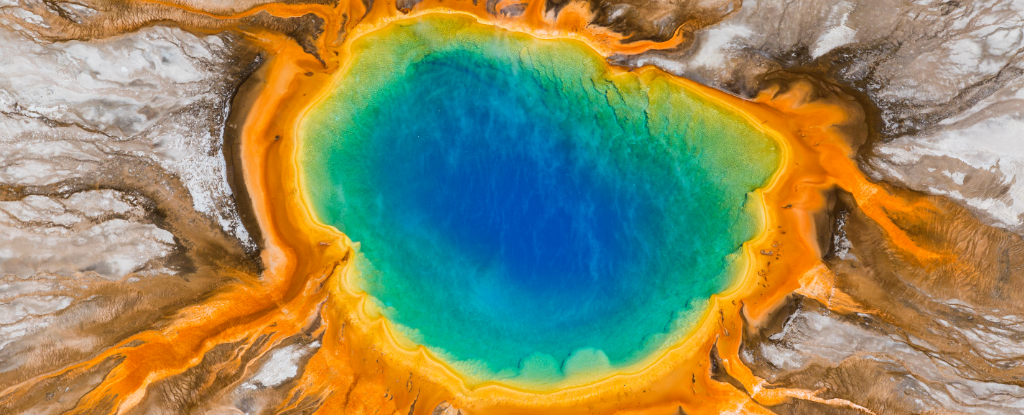
New research suggests that ancient hot springs, similar to those found today in places like Yellowstone National Park, may have played a crucial role in the emergence of life on Earth. The study highlights the potential of iron sulfides, minerals found in these springs, to facilitate carbon fixation, a key process in the development of life. By simulating early Earth conditions, researchers demonstrated that iron sulfides could produce methanol, supporting the idea that both land-based hot springs and deep-sea hydrothermal vents contributed to the origin of life.
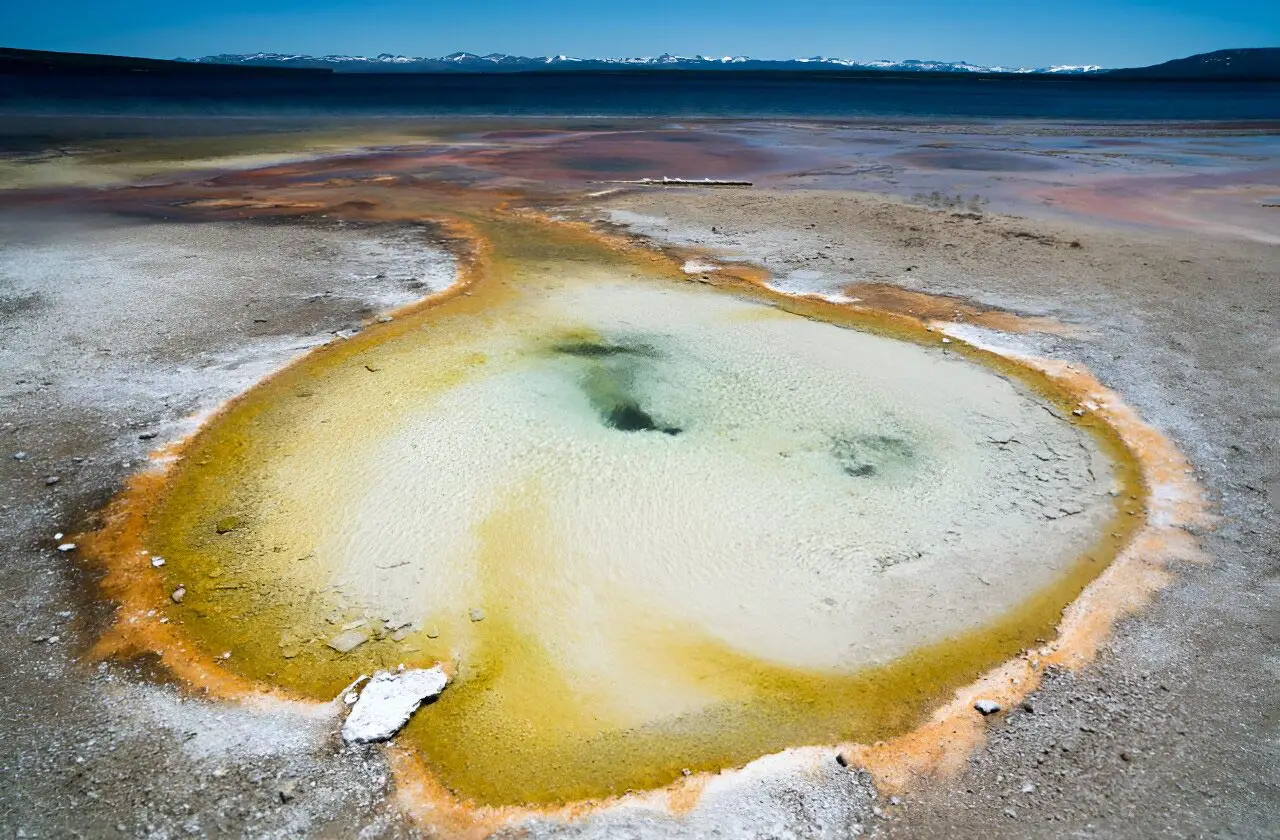
Scientists studying hot springs in the United States, Iceland, and Japan have discovered similar microbial adaptations despite the geographic diversity. The findings provide insights into the evolution of life and the potential for harnessing resilient microbes for biotechnological applications. The study, which sampled hot springs with temperatures above 65 degrees Celsius, suggests that tectonic conditions and geology play a role in shaping microbial communities and their adaptations to local environments.
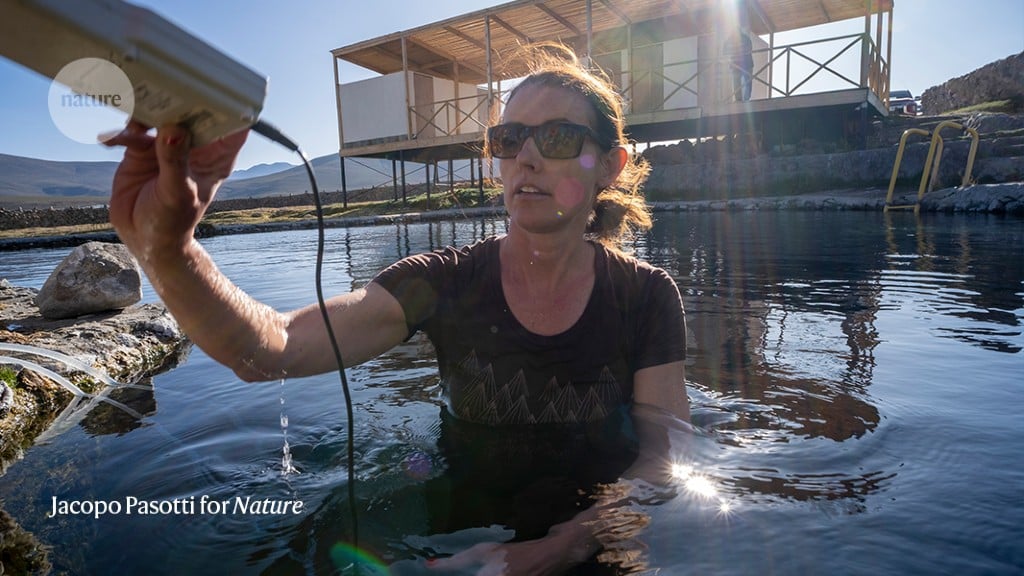
Geomicrobiologist Karen Lloyd and her team have been exploring the roles of microorganisms that inhabit the deep subsurface of the Earth, particularly in hot springs and volcanoes. By collecting fluids from various locations around the world, they aim to understand how these microbes contribute to the cycling of essential elements and provide valuable information on hot-spring safety to local communities. Their goal is to build a global dataset that sheds light on how microbes thrive in extreme environments deep inside the planet.
Cold plunging, also known as contrast bathing, is gaining popularity as a therapeutic activity for its health benefits. Hot springs and sports recovery centers are offering cold plunges, while individuals and groups are also trying it at home. The combination of hot and cold water helps boost the immune system, reduce inflammation, and provide pain relief. The trend has been influenced by the Global Wellness Institute and Dutch extreme athlete Wim Hof. Various locations in Colorado, such as Iron Mountain Hot Springs and Mount Princeton Hot Springs, offer cold plunge pools for visitors to experience the invigorating effects. However, caution is advised, and individuals should consult with their doctors before attempting cold water therapy.
A two-year-old boy from Nevada has died after contracting a rare brain-eating amoeba infection believed to have been acquired at a local hot springs. The child became ill after swimming in Ash Springs and passed away in Las Vegas. Naegleria fowleri, the amoeba responsible, enters the body through the nose and thrives in warm environments. The CDC states that the infection is usually fatal, with only four survivors reported since 1962. Most infections occur after swimming or submerging the head underwater. The CDC advises avoiding water-related activities in warm fresh water to reduce the risk of infection.
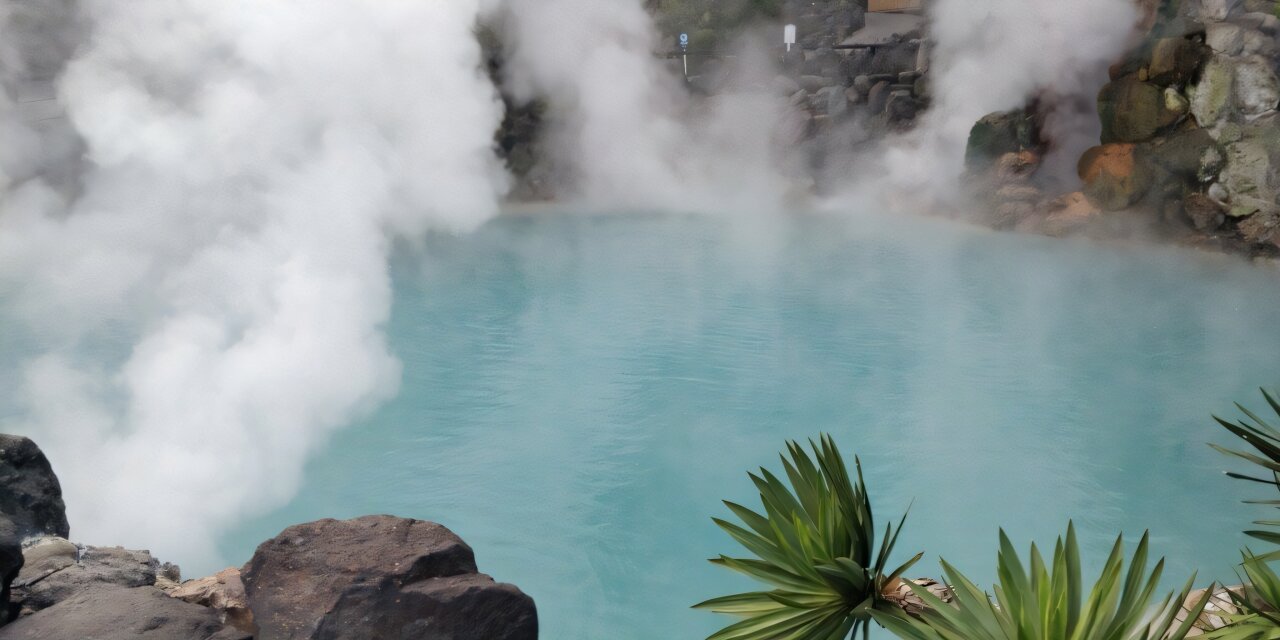
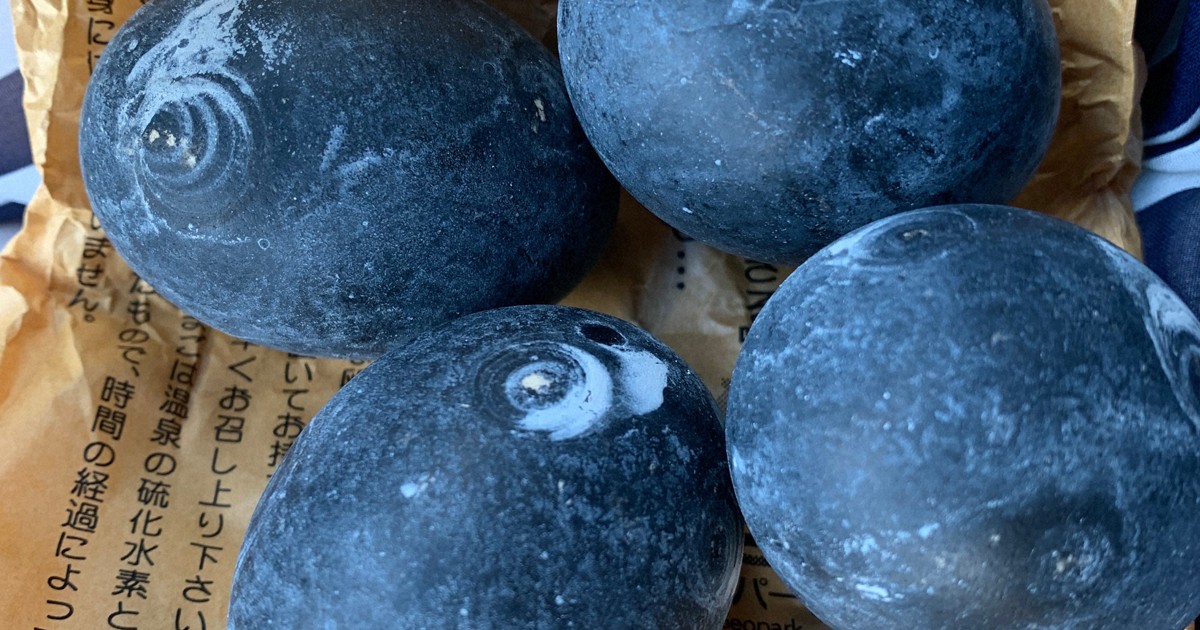
A 15-year-old boy named Rintaro Kimura debunked the theory behind the black shells of "Kuro Tamago" black eggs in Hakone's Owakudani hot springs. Previous theories suggested that volcanic gases caused the darkening, but Rintaro's experiments revealed that the black substance is actually an organic melanoidin created by the Maillard reaction. The melanoidin reacts with sulfur in the hot springs, forming a rubber-like coating on the eggs' shells. Rintaro's findings were published in a scientific journal, and he expressed gratitude for the support of leading researchers in his pursuit of knowledge.
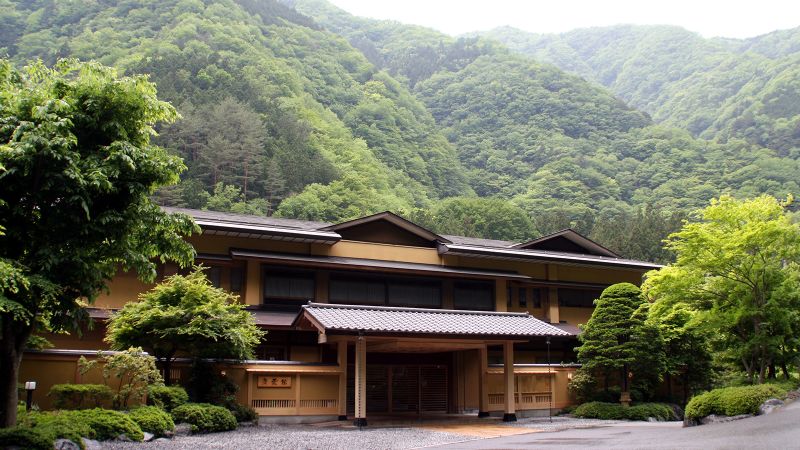
Nishiyama Onsen Keiunkan, the world's oldest hotel, has been accommodating guests for over 1,300 years. Located in Japan's Yamanashi prefecture, the ryokan offers traditional Japanese hot springs, tatami floors, and kimono-clad staff. Despite its popularity, the ryokan has stayed true to its traditions and has not expanded. The current president, Kenjiro Kawano, is not a blood relative but has taken over the business to ensure its survival. The ryokan has adjusted to modern times by adding larger futons for Western guests but still maintains the tradition of taking shoes off at the entrance.
Eliza Reid, the first lady of Iceland, shares her thoughts on the growth of tourism in Iceland, its impact on the country's economy, and how visitors can best experience Icelandic culture. She suggests visiting geothermal pools to meet locals and emphasizes the importance of responsible travel. Reid also addresses the issue of "overtourism" and believes that tourism can be a positive force if managed sustainably.