Tag

Hydrogen Cyanide

All articles tagged with #hydrogen cyanide

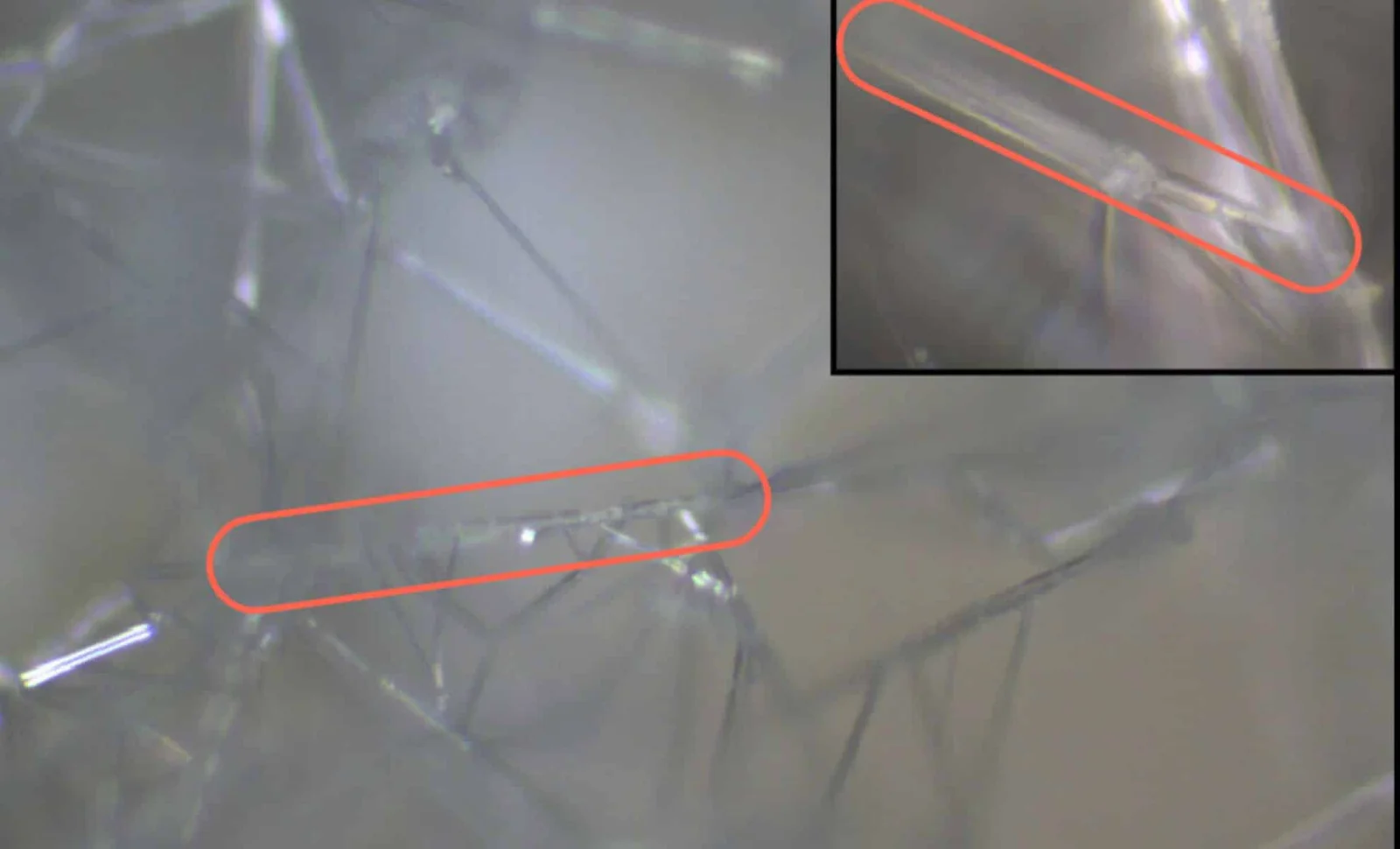
Titan's Lakes Reveal Unusual Chemistry Breaking Earthly Rules

Originally Published 2 months ago — by ScienceAlert

Featured image for Titan's Lakes Reveal Unusual Chemistry Breaking Earthly Rules
Source: ScienceAlert

Scientists have discovered that on Saturn's moon Titan, polar and non-polar molecules like hydrogen cyanide and hydrocarbons can form stable co-crystals at extremely cold temperatures, challenging traditional chemical rules and suggesting complex interactions in Titan's lakes that could influence its geology and potential prebiotic chemistry.

Titan's Icy Surface Breaks Chemistry Rules, Offering Clues to Life's Origins

Originally Published 2 months ago — by SciTechDaily

Featured image for Titan's Icy Surface Breaks Chemistry Rules, Offering Clues to Life's Origins
Source: SciTechDaily

Scientists discovered that on Saturn's moon Titan, polar and nonpolar substances like hydrogen cyanide, methane, and ethane can form stable co-crystals under freezing conditions, challenging basic chemical rules and providing new insights into prebiotic chemistry and the potential origins of life in extreme environments.

Enceladus: A Potential Hub for Life-Sparking Ingredients and Energy

Originally Published 2 years ago — by Livescience.com

Featured image for Enceladus: A Potential Hub for Life-Sparking Ingredients and Energy
Source: Livescience.com

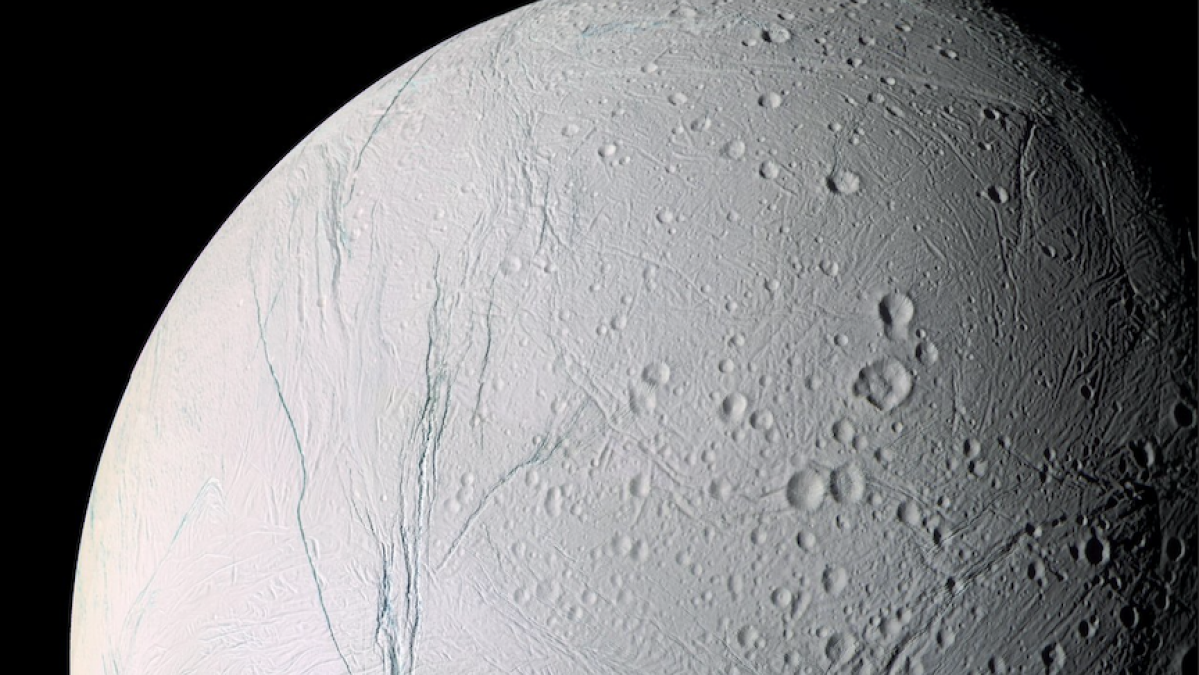
Scientists analyzing data from NASA's Cassini mission have discovered hydrogen cyanide, a molecule that could be a precursor for life, in the plumes of vapor emanating from Saturn's moon Enceladus. Hydrogen cyanide is believed to have played a crucial role in the early origin of life on Earth. The presence of this molecule, along with other organic molecules, suggests that Enceladus's ocean might be releasing more energy than previously thought, making it a potential habitat for life. This finding strengthens the case for the existence of extraterrestrial life and highlights the importance of studying neighboring worlds to understand the origins of life on Earth.

"Enceladus: A Promising World for Life with Vital Ingredients and Energy Source, NASA Study Finds"

Originally Published 2 years ago — by Mashable

Featured image for "Enceladus: A Promising World for Life with Vital Ingredients and Energy Source, NASA Study Finds"
Source: Mashable

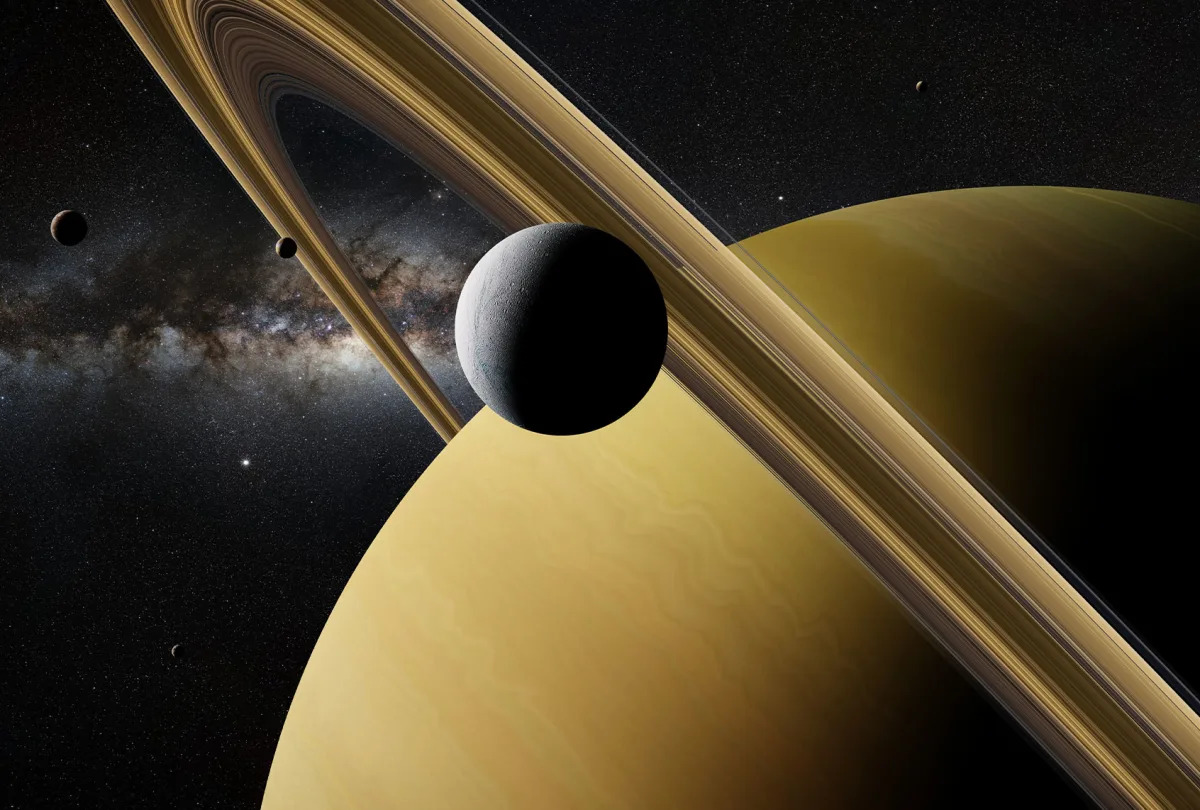
NASA's Cassini mission detected hydrogen cyanide, a vital molecule for the origin of life, in the plumes of water vapor on Saturn's moon Enceladus. The discovery suggests that Enceladus may host important molecules for creating and sustaining life. The researchers also found oxidized organic compounds, indicating the potential for chemical processes capable of providing energy to any potential life. NASA is considering a proposal to send a spacecraft to further explore Enceladus.

"Saturn's Moon: Toxic Gas Discovery Boosts Possibility of Life"

Originally Published 2 years ago — by Yahoo! Voices

Featured image for "Saturn's Moon: Toxic Gas Discovery Boosts Possibility of Life"
Source: Yahoo! Voices

New evidence suggests that Saturn's moon Enceladus may be more likely to sustain life than previously thought. Astronomers have found strong evidence of hydrogen cyanide, an essential molecule for forming amino acids, in the plumes of water ice erupting from fractures near the moon's south pole. The presence of oxidized organic compounds also suggests multiple pathways for sustaining life in Enceladus' subsurface ocean. While scientists are still far from a definitive conclusion, this study provides further support for the potential habitability of Enceladus.

"Enceladus: A Potential Hub for Alien Life with Poison Gas and Life-Sparking Energy Source"

Originally Published 2 years ago — by The New York Times

Featured image for "Enceladus: A Potential Hub for Alien Life with Poison Gas and Life-Sparking Energy Source"
Source: The New York Times

Scientists have detected hydrogen cyanide, a potentially life-creating gas, among the molecules emanating from Enceladus, a moon of Saturn. This discovery adds to the growing intrigue surrounding the possibility of life on the icy moon, which has a subsurface ocean and is considered one of the most promising places to search for extraterrestrial life. The researchers also found other organic molecules that could provide energy for microorganisms, further supporting the potential for life on Enceladus. The presence of hydrogen cyanide and these organic compounds brings scientists closer to understanding the source of complex organic matter in the moon's ocean.

ALMA Radio Telescope Achieves Unprecedented Resolution Leap

Originally Published 2 years ago — by IFLScience

Featured image for ALMA Radio Telescope Achieves Unprecedented Resolution Leap
Source: IFLScience

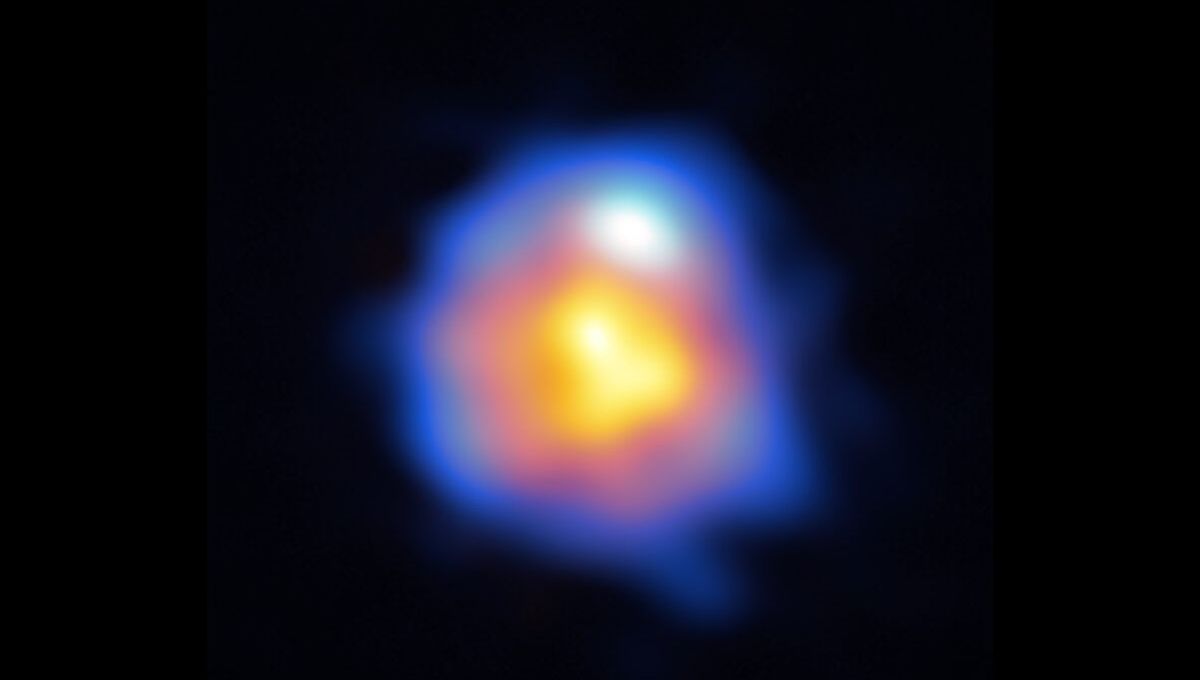
The Atacama Large Millimeter/submillimeter Array (ALMA) has achieved its highest resolution yet, capturing a detailed image of the star R Leporis. By placing antennas in a configuration spanning 16 kilometers and using the highest frequency on the receiver, ALMA was able to see features 5 milli-arcseconds apart, equivalent to seeing a school bus on the surface of the Moon. The observations provide the most detailed look yet at the maser emission of hydrogen cyanide surrounding R Leporis, and the team was also able to study the movement of the gas. This achievement marks a significant milestone in understanding the Universe and reinforces ALMA's position as a leader in astronomical discovery.