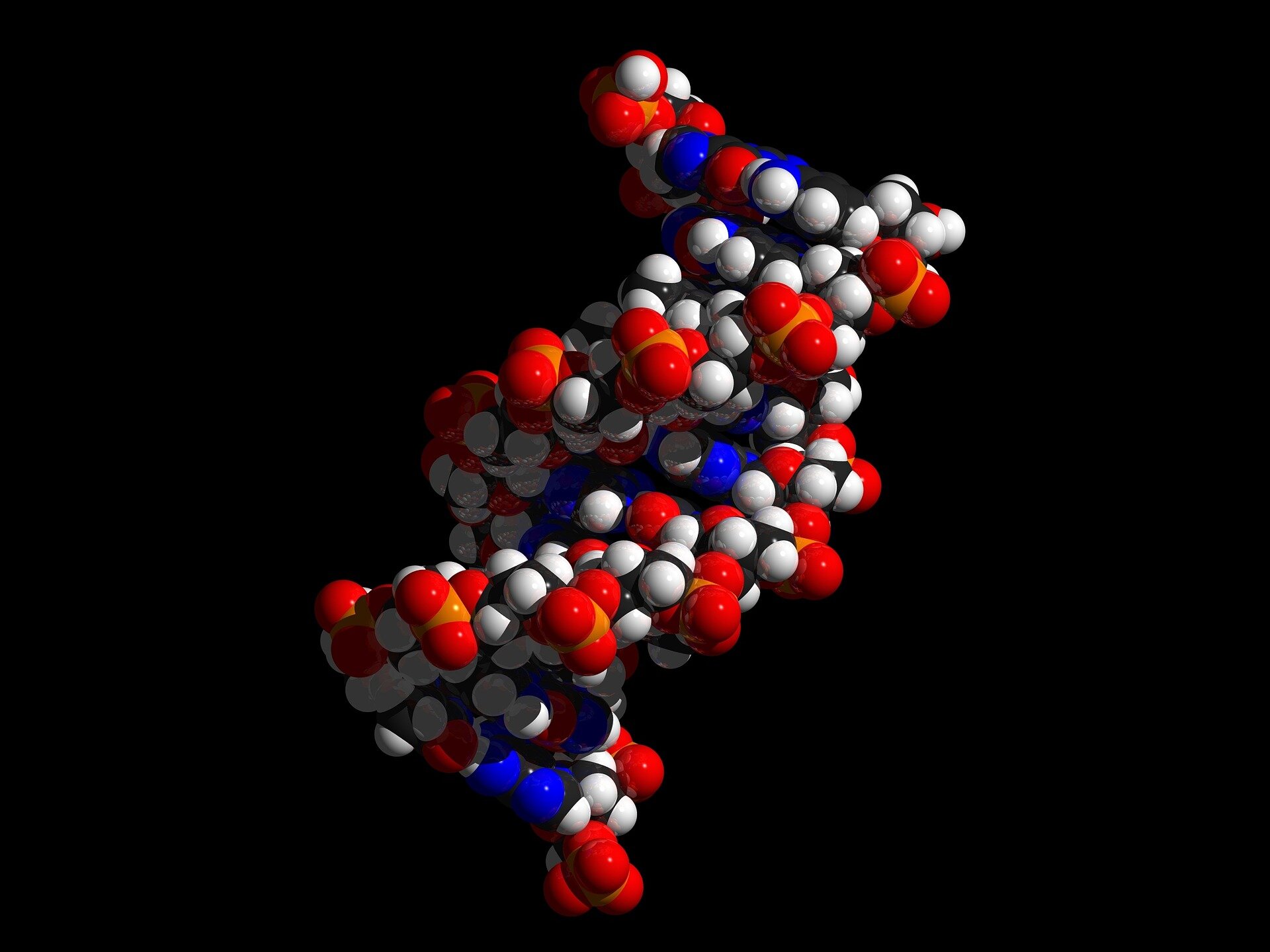
Scientists at Scripps Research discovered that ribose, a sugar crucial for RNA, is naturally more efficient at attaching to phosphate than similar sugars, suggesting a chemical advantage that may have contributed to the emergence of life’s molecular building blocks on early Earth.
Linguists have applied a semiotic approach to understand the genetic code, comparing nucleotides to language elements. They introduced the concept of "semiotic nucleotides" to distinguish between codons. The research highlights that the genetic code has both biochemical and informational characteristics. By considering nucleotides as information carriers, researchers can describe genetic processes as operations with text. The study reveals that the position of nucleotides within codons affects their significance, with the third position often being irrelevant. The semiotic approach provides insights into the distinctive features of nucleotides and their role in distinguishing codons. This research expands our understanding of the genetic code and its complexities.