Experts recommend gentle stretches like Child’s Pose, Cat/Cow, Supine Twist, Pelvic Tilt, and Bridge Pose to help alleviate lower back pain, emphasizing the importance of proper technique, breathing, and consulting a healthcare professional for persistent or severe symptoms.
Prolonged sitting can cause lower back pain and muscle imbalances; incorporating simple stretches and regular movement every hour can alleviate stiffness and improve posture.
Strengthening the glutes, the muscles supporting the pelvis, can help alleviate lower back pain by reducing strain on the spine. Physical therapist Lindy Royer recommends targeted Pilates exercises under professional guidance to build glute strength and improve overall back health, emphasizing consistency and proper technique for best results.
A person tried four simple morning stretches based on the McKenzie Method for a week, which helped reduce lower back tension and pain, highlighting the benefits of targeted mobility exercises for back health.
A study published in The Lancet by Macquarie University researchers found that regular walking significantly reduces the recurrence of lower back pain, offering a simple, accessible, and cost-effective way to manage and prevent this widespread condition.
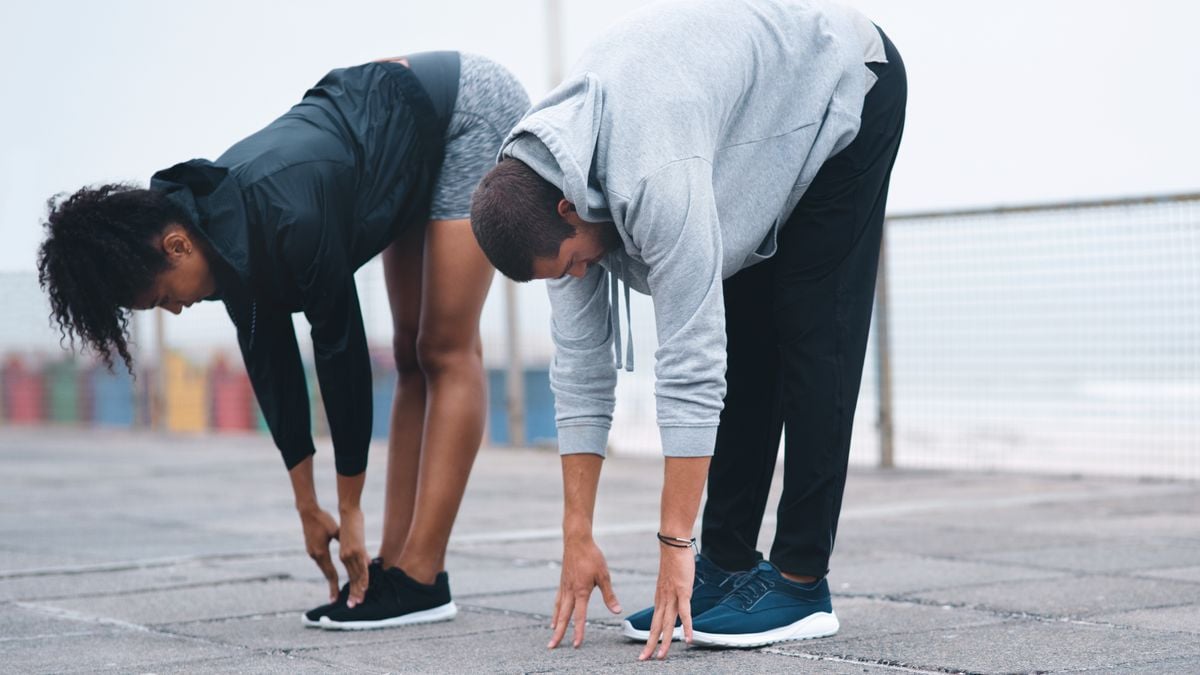
Physical therapist Tash Gale recommends a seven-move mobility routine to alleviate lower back pain for runners, which includes stretches like roll down, downward dog, and cat-cow. These exercises, which require no equipment, should be incorporated into cool-down routines to improve spinal mobility and running performance. Limited spinal mobility can negatively affect running form and increase energy consumption, so regular stretching and core-strengthening exercises are advised. Persistent back pain should be evaluated by a medical professional.
Lower back pain is a common issue that can be caused by various factors such as muscle strains, fractures, arthritis, disc problems, structural issues, and diseases. Risk factors include lack of exercise, being overweight, incorrect lifting techniques, and psychological conditions. Preventive measures such as regular exercise, maintaining a healthy weight, and good posture habits can help reduce the risk of back pain. Prompt medical intervention is essential for worsening or persistent symptoms, as delay in treatment can worsen the condition.
Dr. Brian Krabak, a sports medicine physician, addresses common questions about lower back pain, advising that seeing a doctor is recommended if the pain lasts for more than a few weeks, causes worry, or involves significant numbness/weakness in the leg. Exercise is important for recovery, and instant relief can be found through ice/heat, stretching, physical therapy, and OTC pain medication. Most cases do not require back surgery, and it's normal to feel anxious, but strategies like deep breathing, socializing, and exercise can help cope with anxiety.
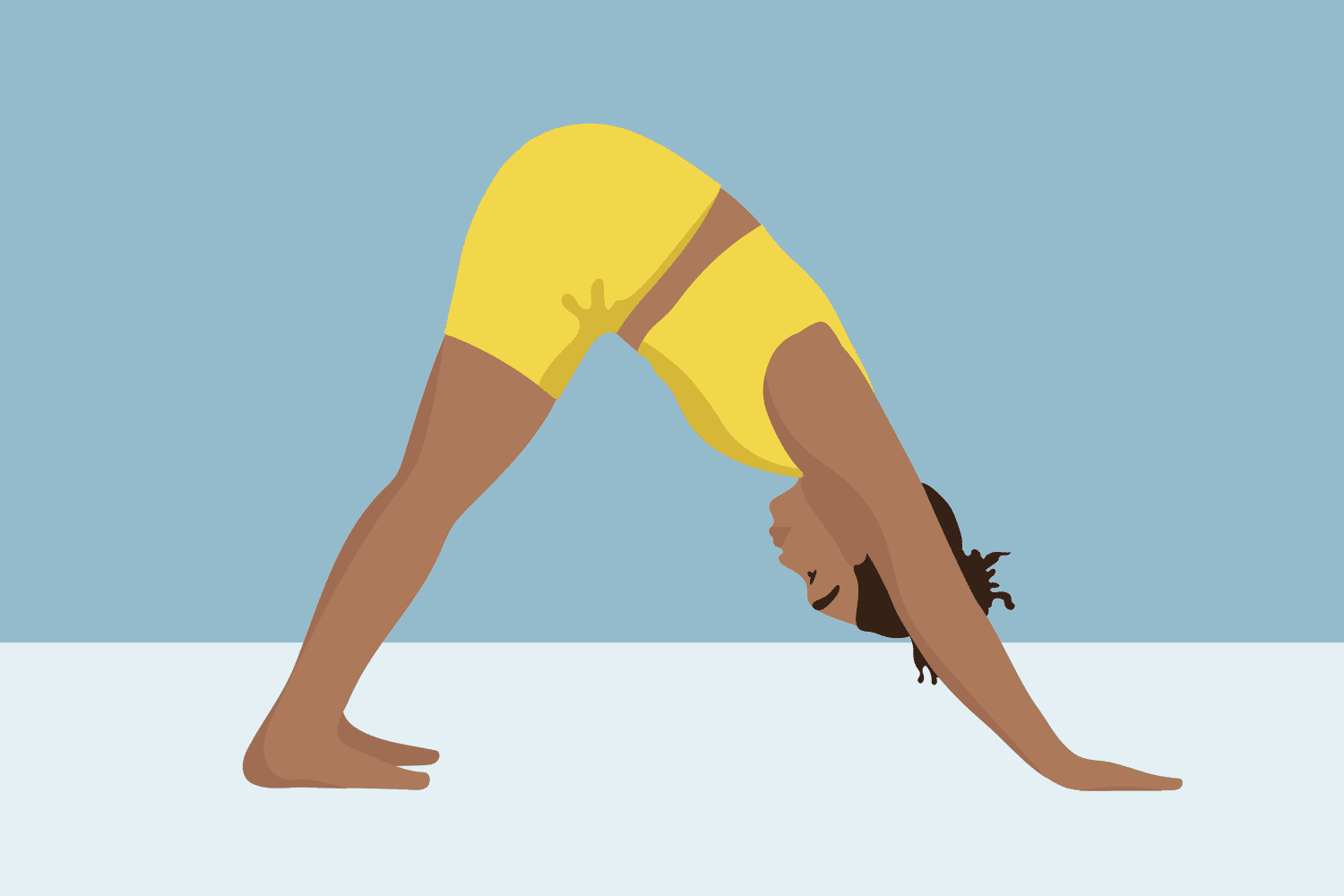
Yoga poses and stretches can provide relief and prevent future issues for lower back pain. Yoga helps relax tight muscles in the lower back, glutes, and hamstrings, while also strengthening the back and core muscles for stability. Proper diaphragmatic breathing during yoga practice strengthens the core and reduces stress. Eight recommended yoga stretches include Child's Pose, Cat Cow Pose, Downward Dog, Ragdoll, Modified Side Plank, Locust, Windshield Wiper Twist, and Knees to Chest.
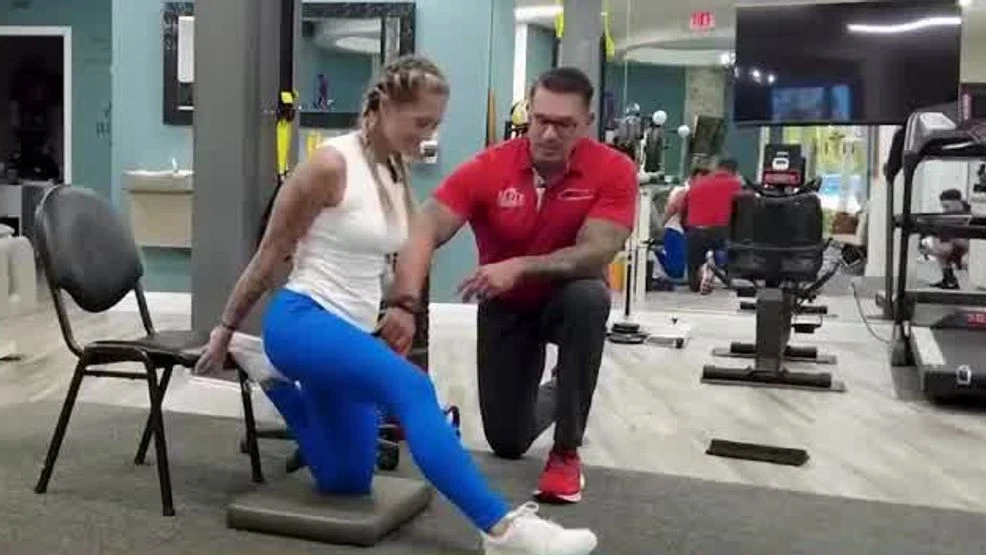
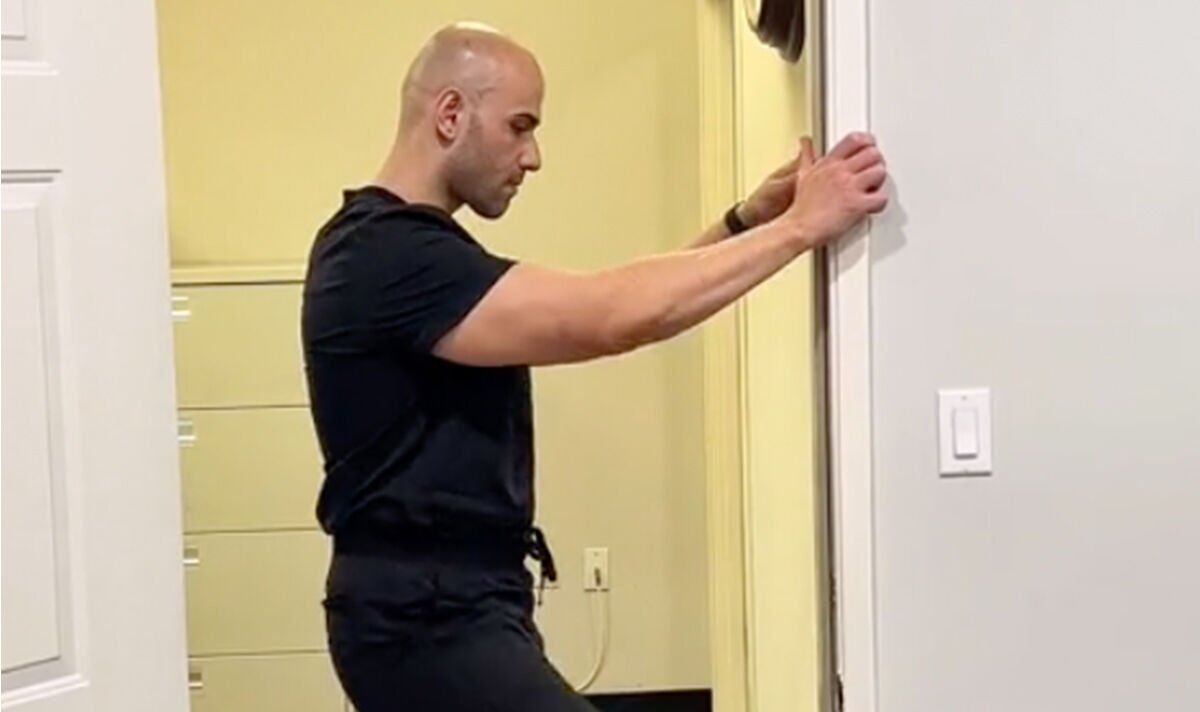
Chiropractor Dr. Karam Khodian recommends a simple stretch to relieve lower back pain. The stretch involves standing in a doorway, crossing one leg over the knee, and squatting down while holding onto the wall. It is advised to hold the stretch for 15 seconds and repeat it three times on each side. However, individuals should stop if it causes pain and consult a physician before attempting any exercise. The NHS suggests staying active, using anti-inflammatory medication, and trying exercises and stretches to manage lower back pain.
Lower back pain when walking can be caused by inflammation of the discs in the spine, wear and tear with age, or strain and injury. Factors such as poor body mechanics, lack of movement, and certain habits like wearing high heels can also contribute to the pain. Maintaining an active lifestyle with regular exercise, avoiding high heels, using shoe inserts, stretching before walking, maintaining proper posture, and taking movement breaks can help prevent lower back pain. To ease back pain after walking, strategies such as meditation, applying soothing lotions, doing specific exercises, and using ice or heat can be effective.
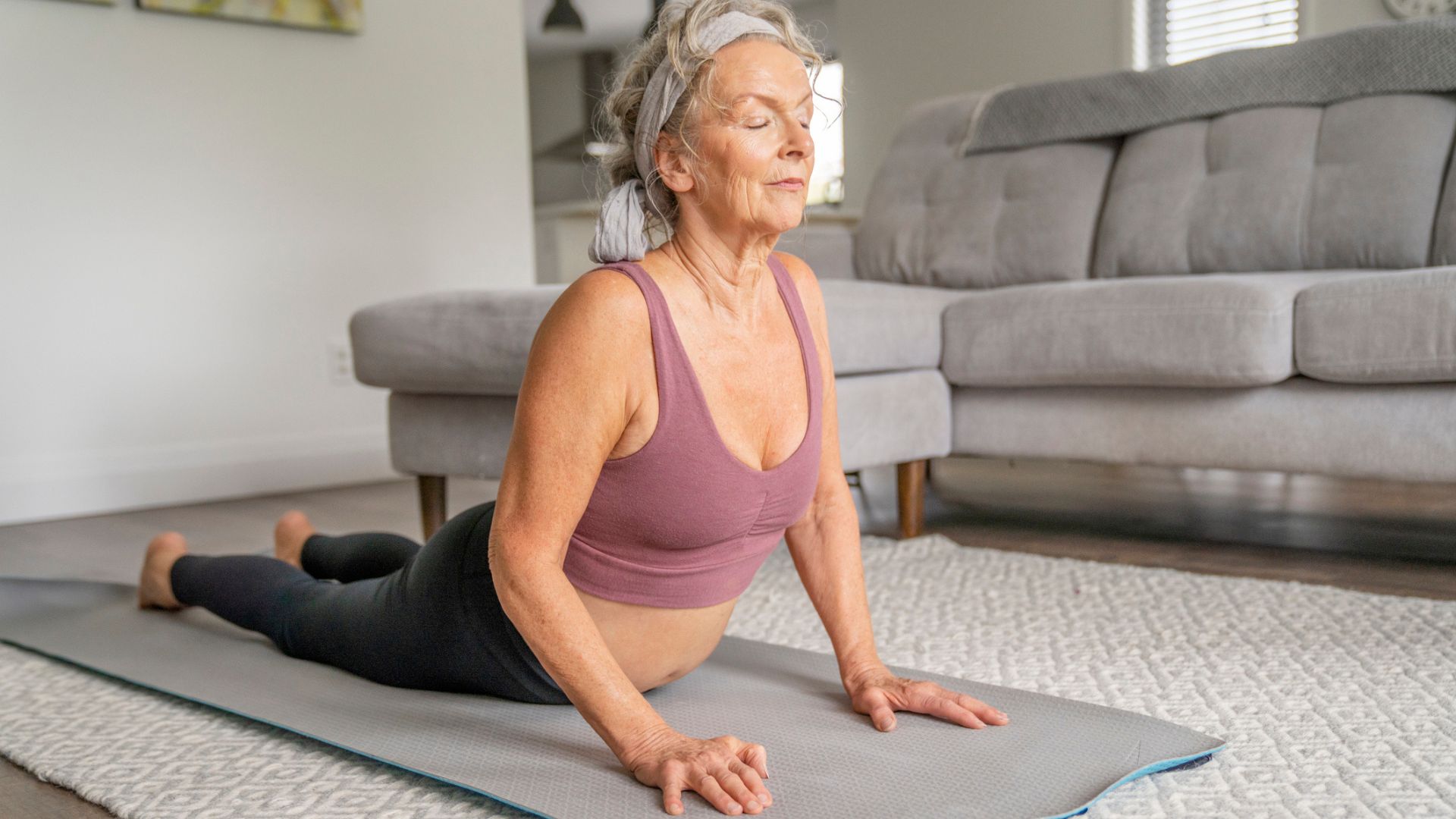
Dr. Nicholas Nguyen, a chiropractor and fitness instructor, recommends six exercises for those recovering from lower back pain to prevent future issues. These exercises include Sphinx pose, Cobra pose, Prayer pose, Reverse Russian twist, Spinal rocks, and Hip drop stretch. Lower back pain can be caused by various factors, including poor posture, muscle strain, herniated discs, arthritis, sciatica, injury, or medical conditions. Adequate nutrition can also play a crucial role in injury prevention by supporting bone health, muscle strength and recovery, ligament and tendon health, inflammation reduction, weight management, and hydration.
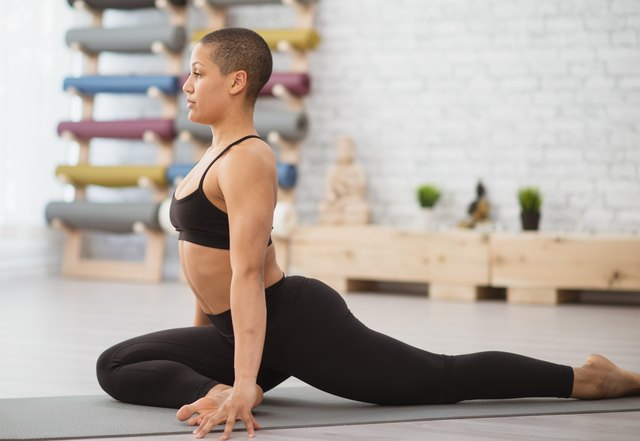
Pigeon pose is a yoga posture that can help loosen tight hips, relieve lower back pain, and improve posture. It is a hip-opening pose that can be modified to suit yogis of all levels and abilities. Pigeon pose can improve hip mobility, relieve lower back pain, and correct imbalances and misalignments in the hips. However, it can be challenging for beginners due to the deep stretch it provides. It is recommended to warm up and use proper form when practicing pigeon pose.
Pigeon pose is a hip-opening yoga pose that can reduce lower back pain, increase hip flexibility, and reduce tightness throughout the lower body. It can be modified for yogis of all levels and abilities, but proper form is important to avoid injury. Pigeon pose benefits include improved hip mobility, relief of lower back pain and sciatica, and improved posture. Common mistakes include forcing the front shin to be parallel to the mat and ignoring the back leg. Modifications and progressions are available to make the pose easier or harder. It's best to warm up with other hip-opening poses before attempting pigeon pose.