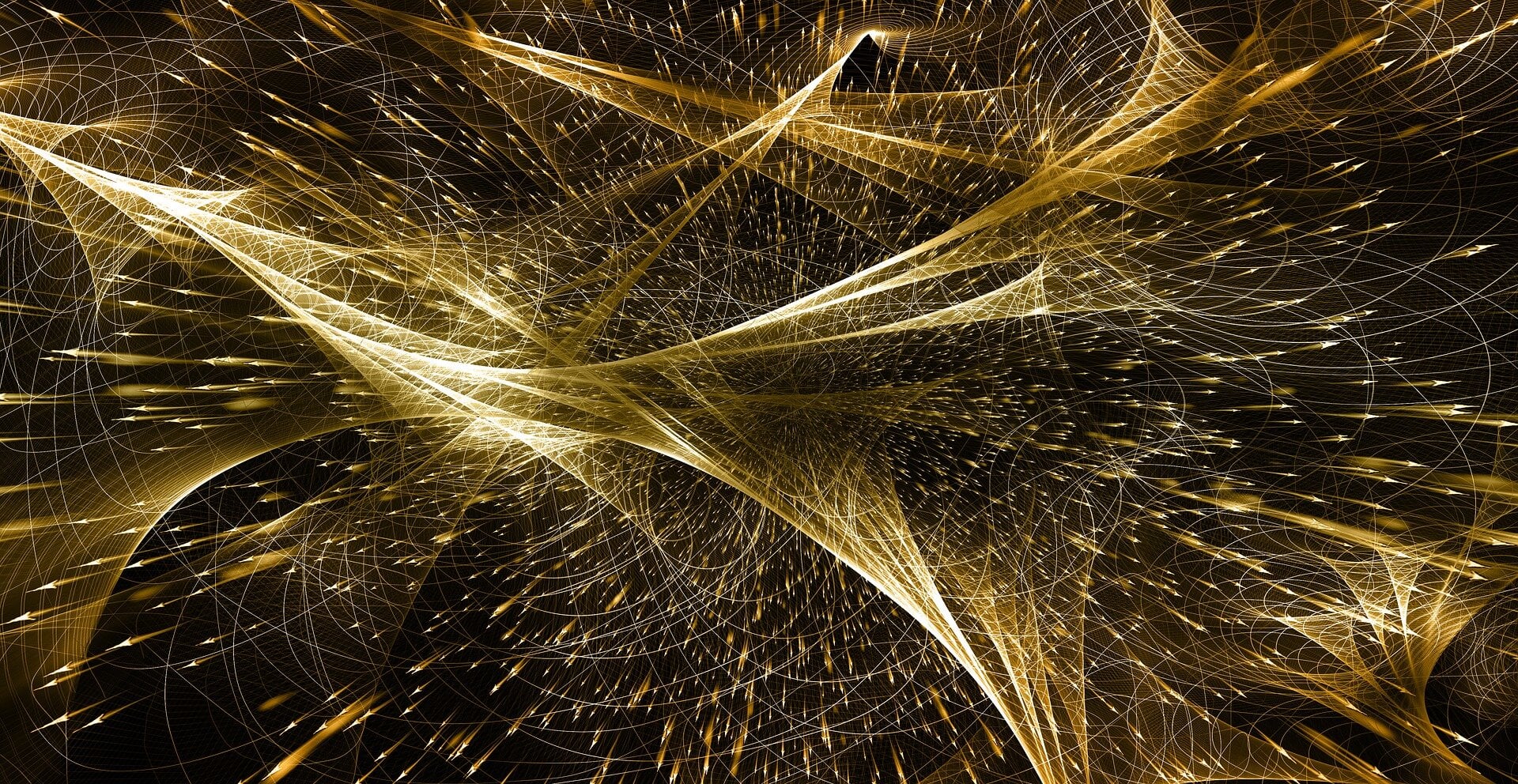
Researchers at Seoul National University have demonstrated multiscale coupling in plasma, revealing how microscopic magnetic ripples can induce large-scale structural changes, with significant implications for fusion energy technology and understanding cosmic phenomena, marking a major breakthrough in plasma physics.
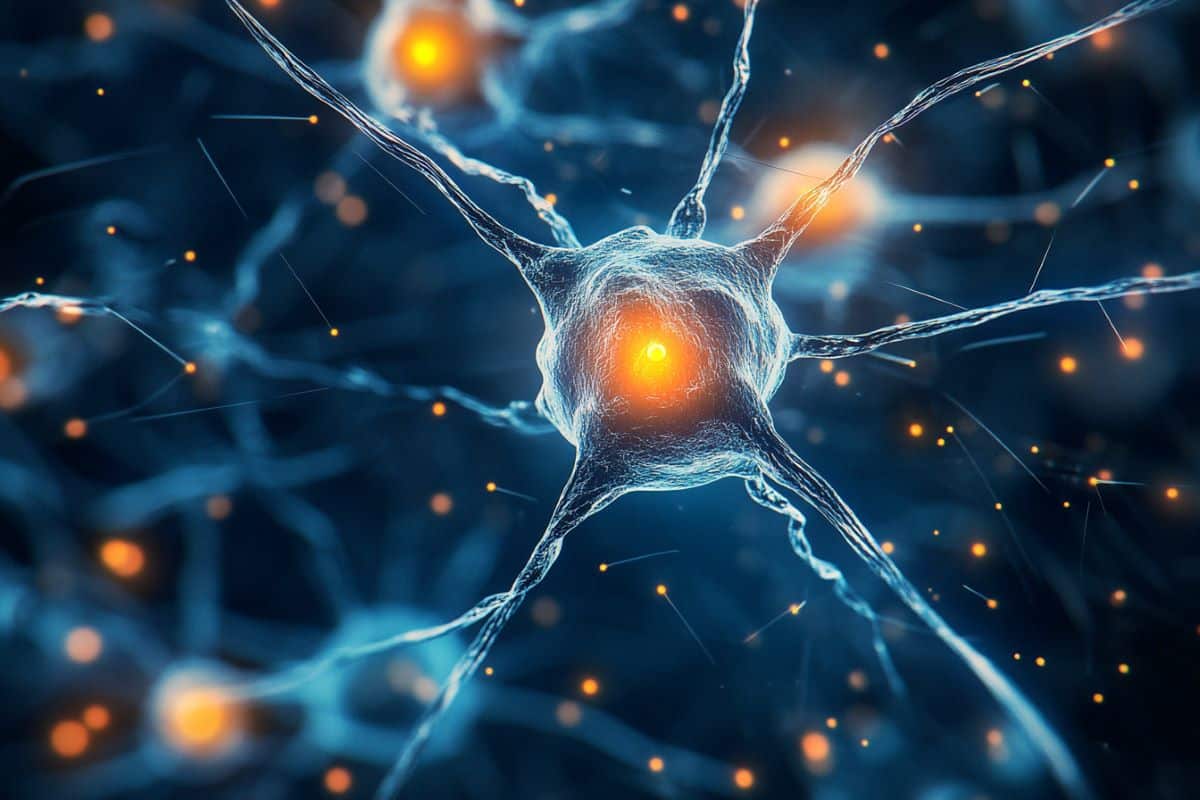
Researchers at Leipzig University have identified hederagenin, a natural substance that selectively blocks the NPFFR1 receptor, which is involved in pain perception. This discovery, achieved through advanced screening and computer modeling, offers new insights into NPFFR1's activation mechanisms and holds potential for developing innovative chronic pain treatments. The study underscores the importance of interdisciplinary collaboration in translating basic research into therapeutic applications.
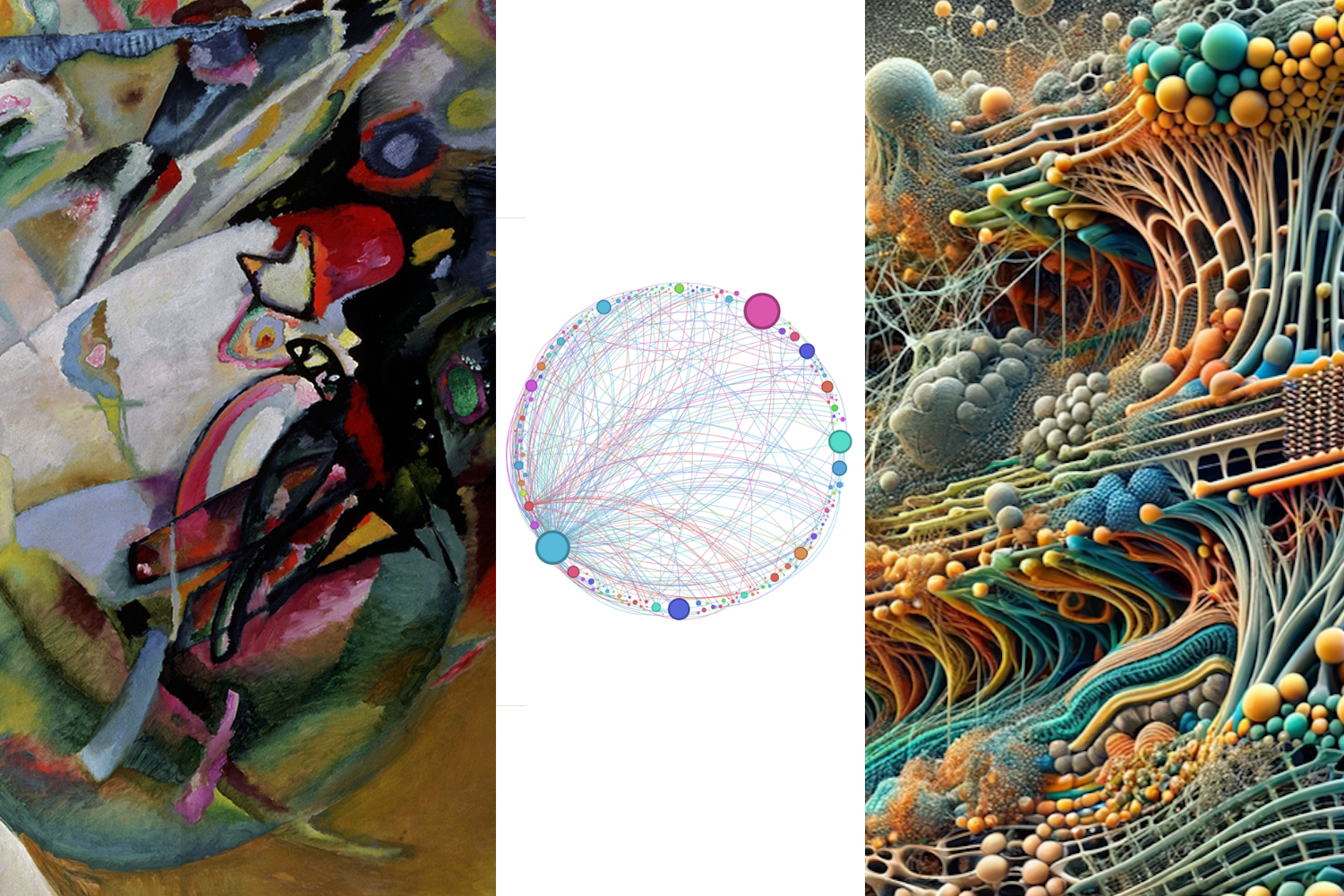
MIT's Markus J. Buehler has developed a novel AI method that uses graph-based computational tools and category theory to uncover shared patterns of complexity across diverse fields, such as biological materials and music. This approach allows AI to make novel predictions and accelerate scientific discovery by revealing hidden connections and suggesting innovative designs, like a new mycelium-based composite material inspired by abstract art. The research highlights the potential of AI to drive interdisciplinary innovation in material design, technology, and the arts.
An international team of scientists, including researchers from the University of Cambridge, has launched Polymathic AI, a research collaboration that aims to build an AI-powered tool for scientific discovery using the technology behind ChatGPT. The AI will learn from numerical data and physics simulations across scientific fields to assist scientists in modeling various phenomena. By leveraging pre-trained models and multidisciplinary data, Polymathic AI aims to connect different scientific domains and improve scientific analyses. The project emphasizes transparency and openness, with the goal of democratizing AI for science.
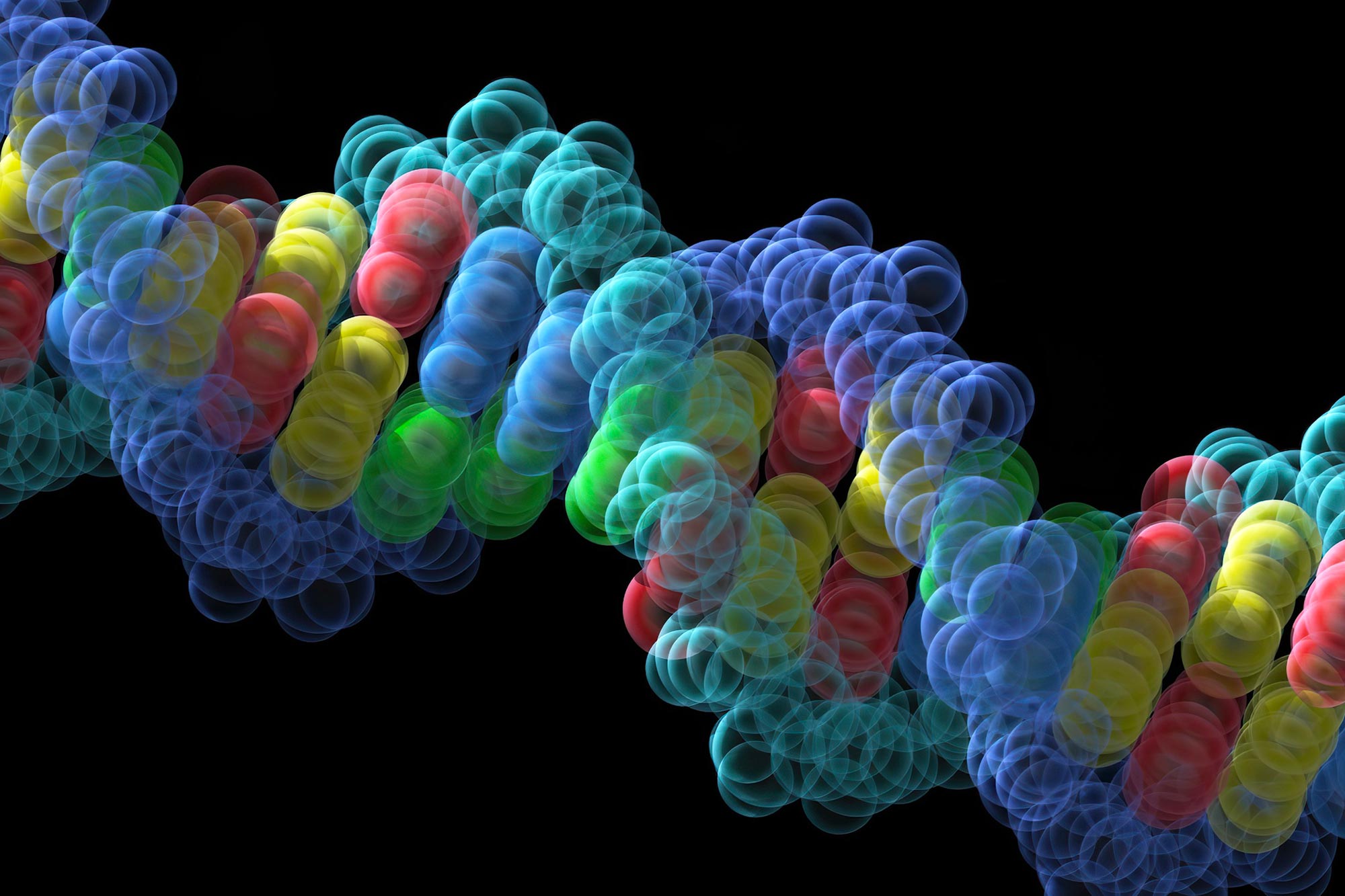
Quantum biology explores how quantum effects influence biological processes, potentially leading to breakthroughs in medicine and biotechnology. Despite the assumption that quantum effects rapidly disappear in biological systems, research suggests these effects play a key role in physiological processes. This opens up the possibility of manipulating these processes to create non-invasive, remote-controlled therapeutic devices. However, achieving this requires a new, interdisciplinary approach to scientific research.
Quantum biology is an emerging field that explores the influence of quantum effects on biological systems. While quantum effects are typically only observed at small scales and low temperatures, recent research suggests that they may play a role in regulating enzyme activity, sensing magnetic fields, and other physiological processes. Scientists are working to develop tools to measure and control quantum properties in biological systems, with the goal of developing noninvasive, remotely controlled therapeutic devices. The interdisciplinary nature of quantum biology requires collaboration between researchers from fields such as physics, biology, and medicine.
Quantum biology is an emerging field that explores the influence of quantum effects on biological systems. While quantum effects are typically only observed at very small scales, recent research suggests that they may play a role in regulating enzyme activity, sensing magnetic fields, and other physiological processes. Scientists are working to better understand these effects and develop tools to measure and manipulate them, with the potential to revolutionize medicine and biomanufacturing. The interdisciplinary nature of quantum biology requires collaboration between researchers from diverse fields, and could lead to a whole new way of understanding life processes.
Quantum biology is an emerging field that studies the influence of quantum mechanics on biological systems. While quantum effects are typically only observed at small scales and low temperatures, recent research suggests that they may play a role in regulating enzyme activity, sensing magnetic fields, and other physiological processes. By studying and manipulating the quantum properties of biological matter, researchers may be able to develop noninvasive, remotely controlled therapeutic devices accessible through mobile phones. This interdisciplinary field requires collaboration between scientists from various disciplines, including mainstream quantum physics, biophysics, medicine, chemistry, and biology.
Quantum biology is an emerging field that studies the influence of quantum effects on biological systems. While it was previously believed that classical physics could fully describe biological processes, recent research has shown that quantum effects do play a role in regulating enzyme activity, sensing magnetic fields, and electron transport in biomolecules. By fine-tuning nature's quantum properties, researchers could develop noninvasive, remotely controlled therapeutic devices accessible with a mobile phone. The interdisciplinary nature of quantum biology requires a transformative model of collaboration to conduct experiments that meet the breadth of the field.