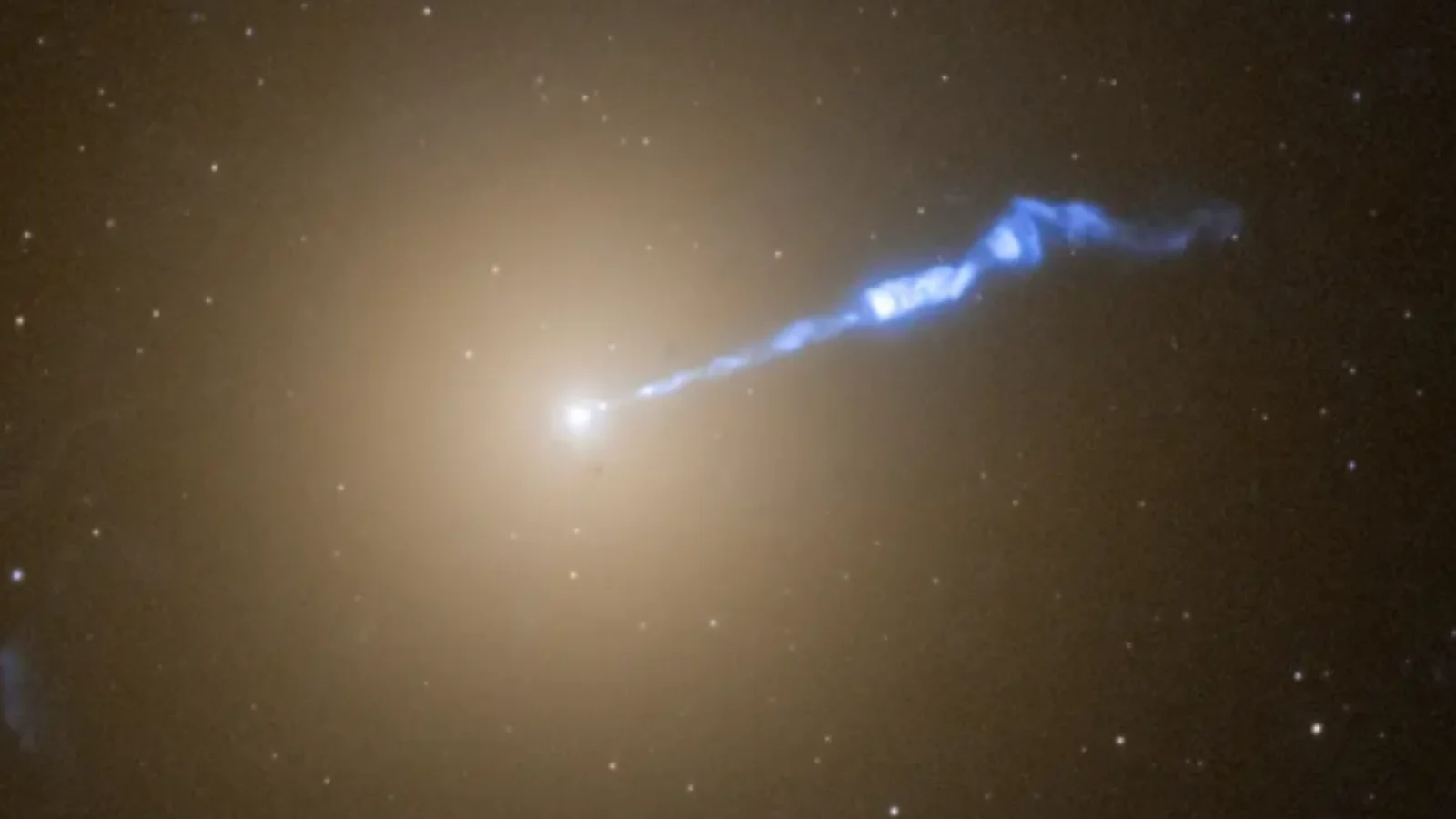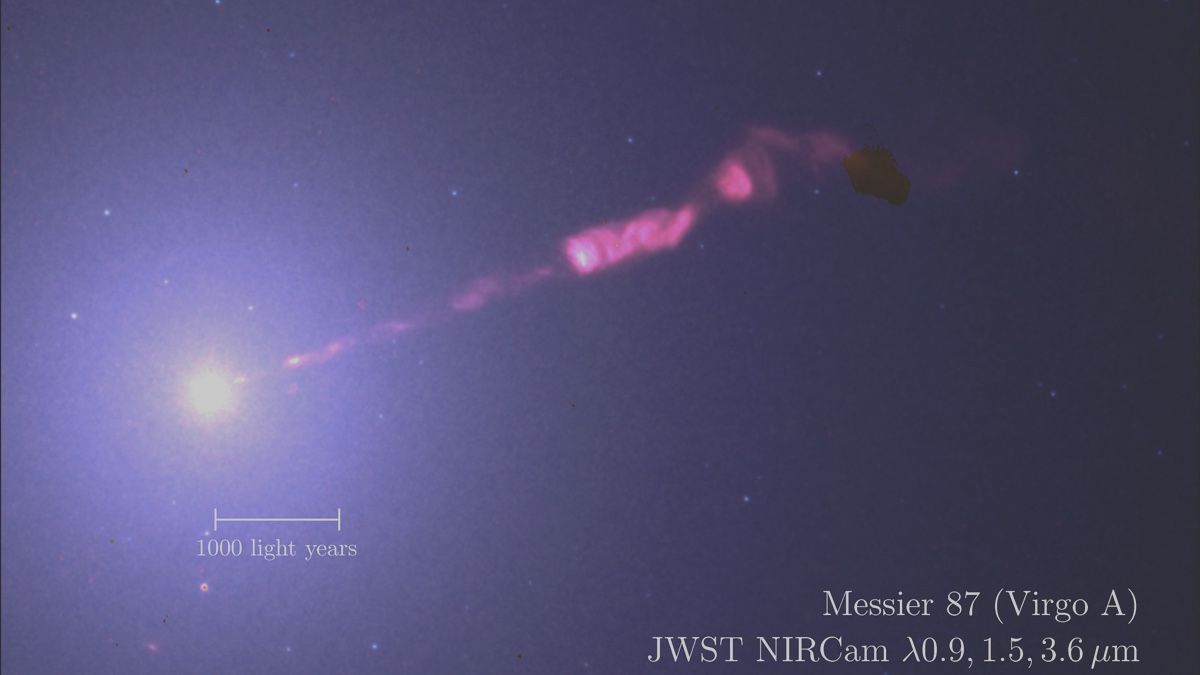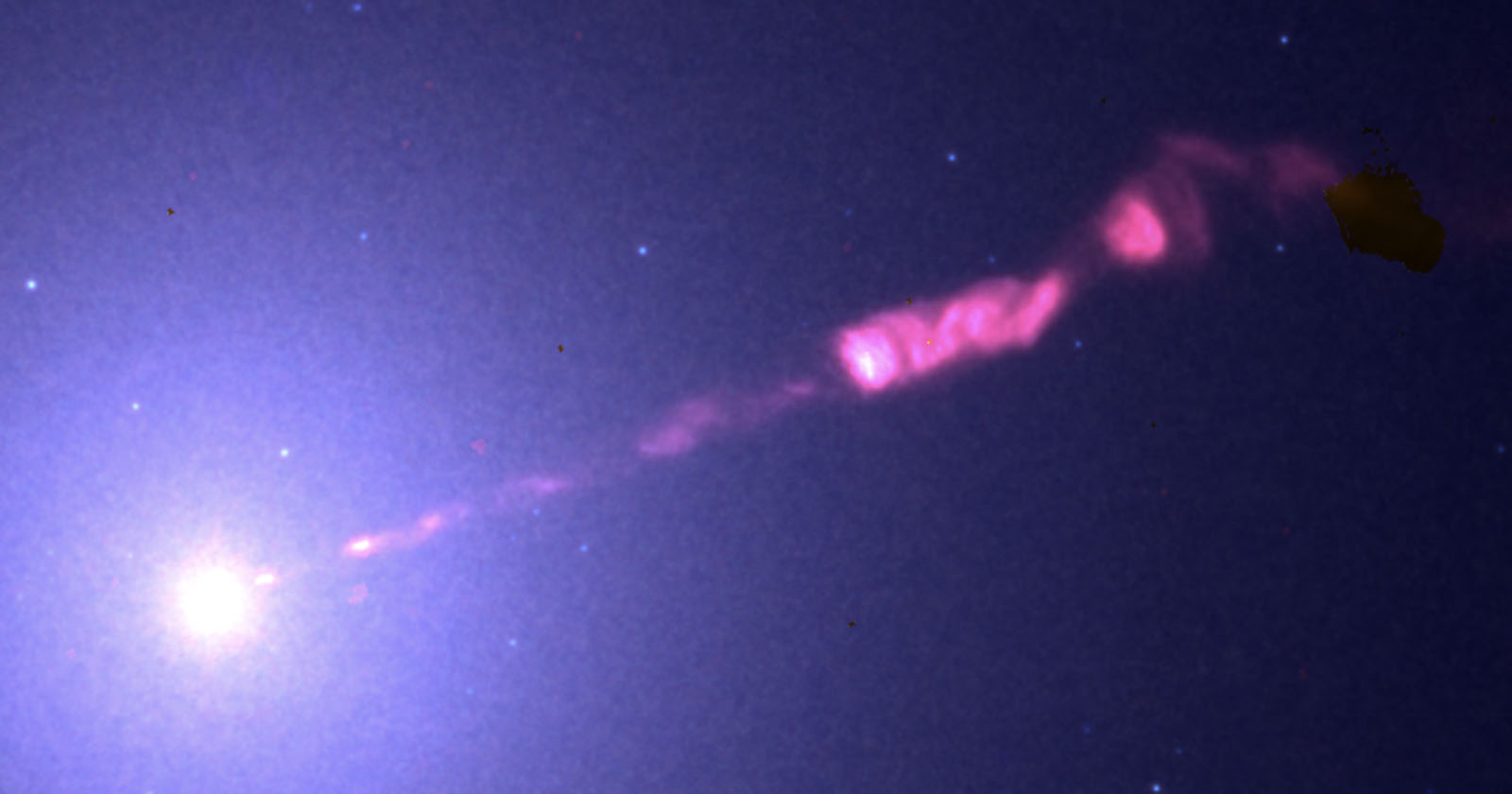
New images from the James Webb Space Telescope have revealed unprecedented details of the jets emanating from the supermassive black hole M87*, including the first direct observation of its counter-jet in infrared, providing deeper insights into jet physics and black hole environments.
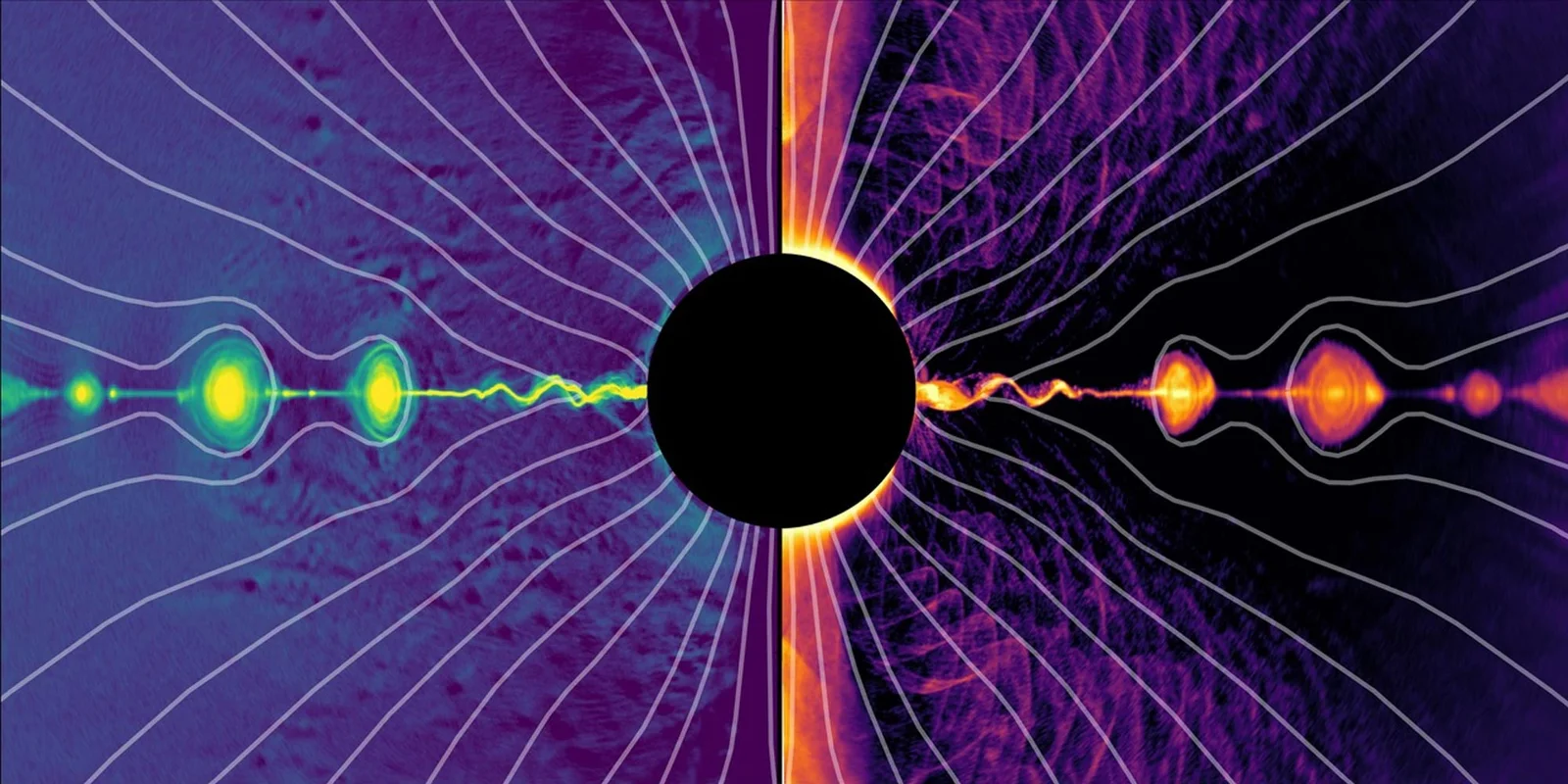
Scientists using advanced simulations have uncovered that magnetic reconnection, in addition to the known Blandford–Znajek mechanism, plays a significant role in extracting energy from the supermassive black hole M87* to power its massive jets, providing new insights into black hole physics and galaxy evolution.
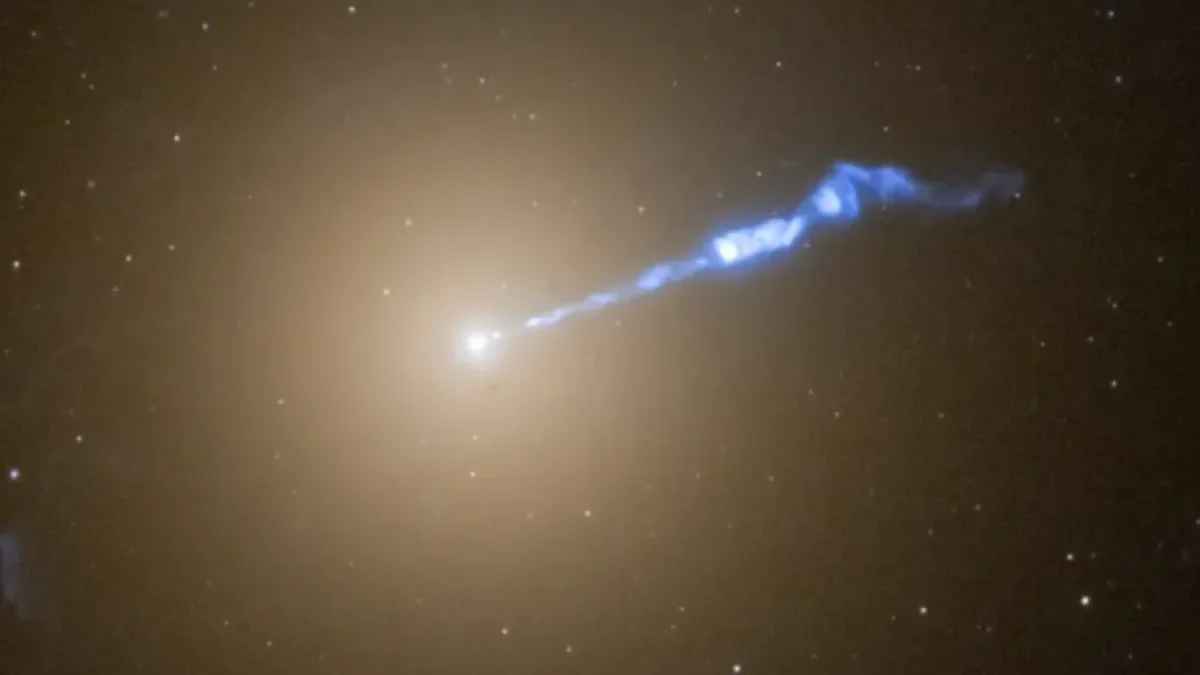
Scientists used the James Webb Space Telescope to capture the clearest image yet of the powerful plasma jet emanating from the supermassive black hole in galaxy M87, revealing detailed features of the jet and advancing understanding of black hole physics.
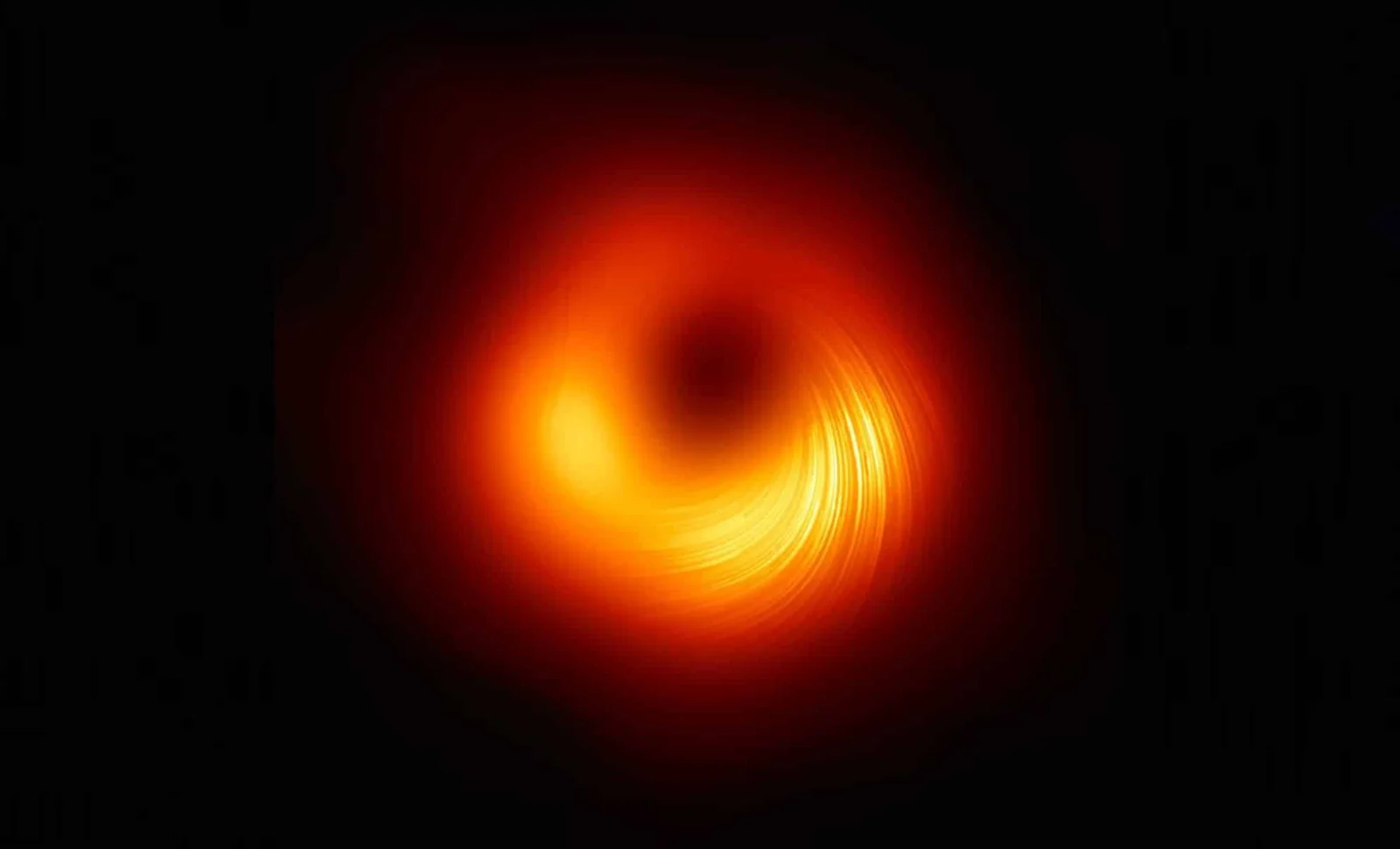
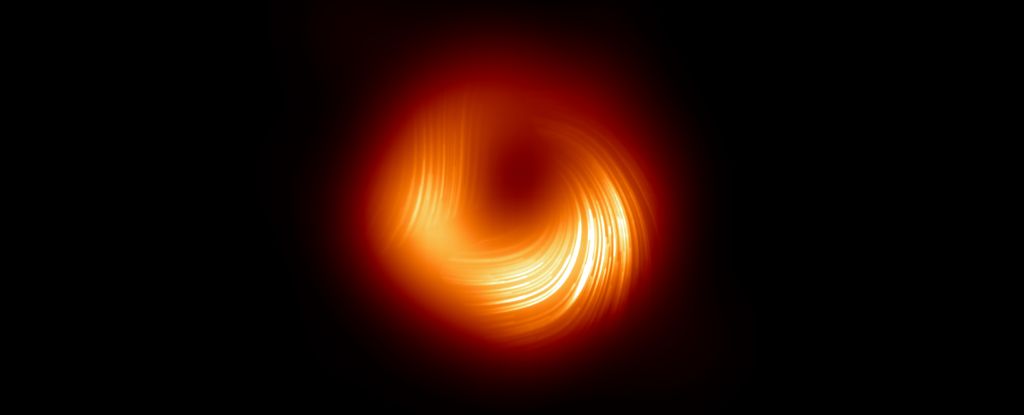
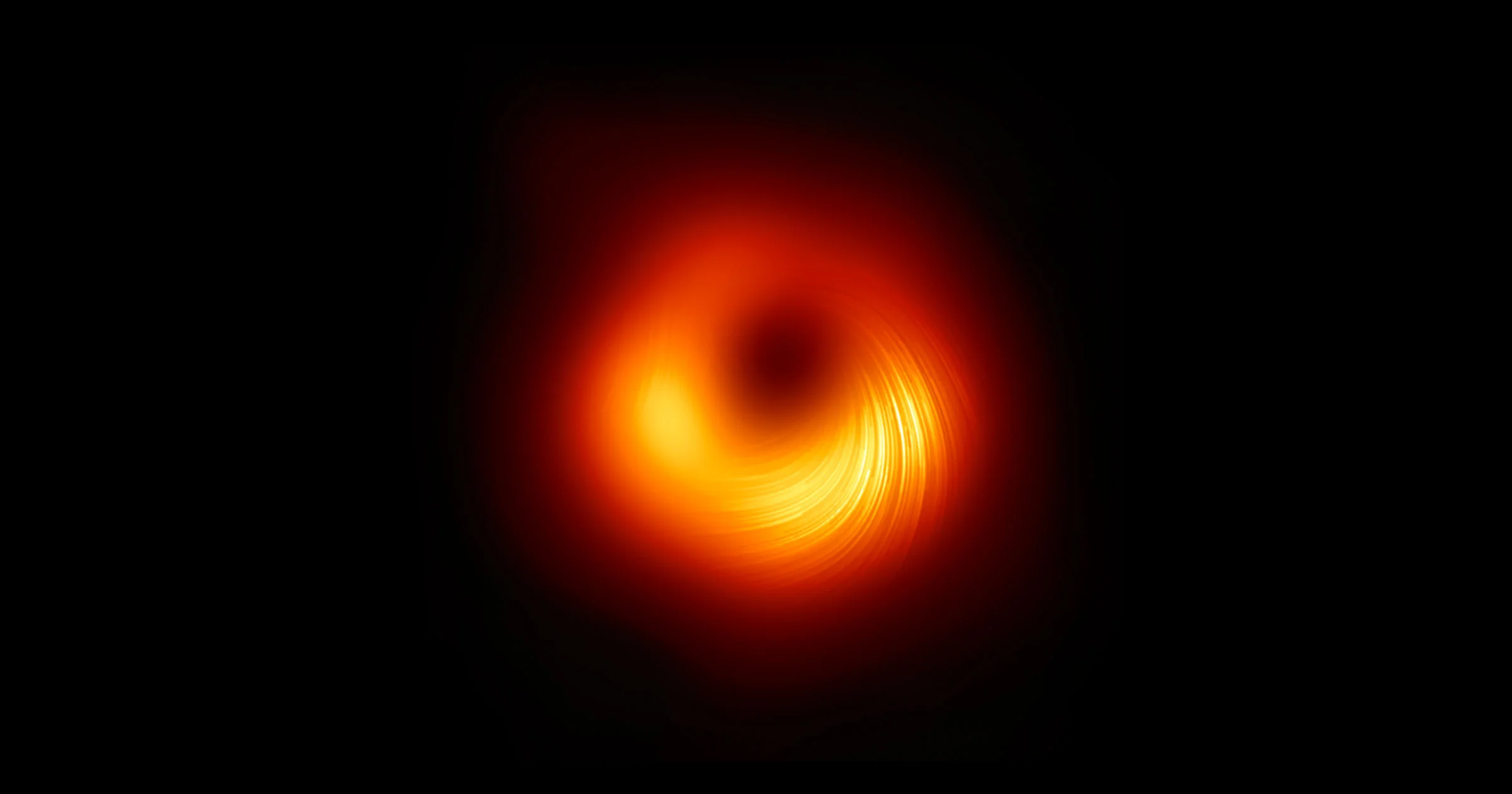
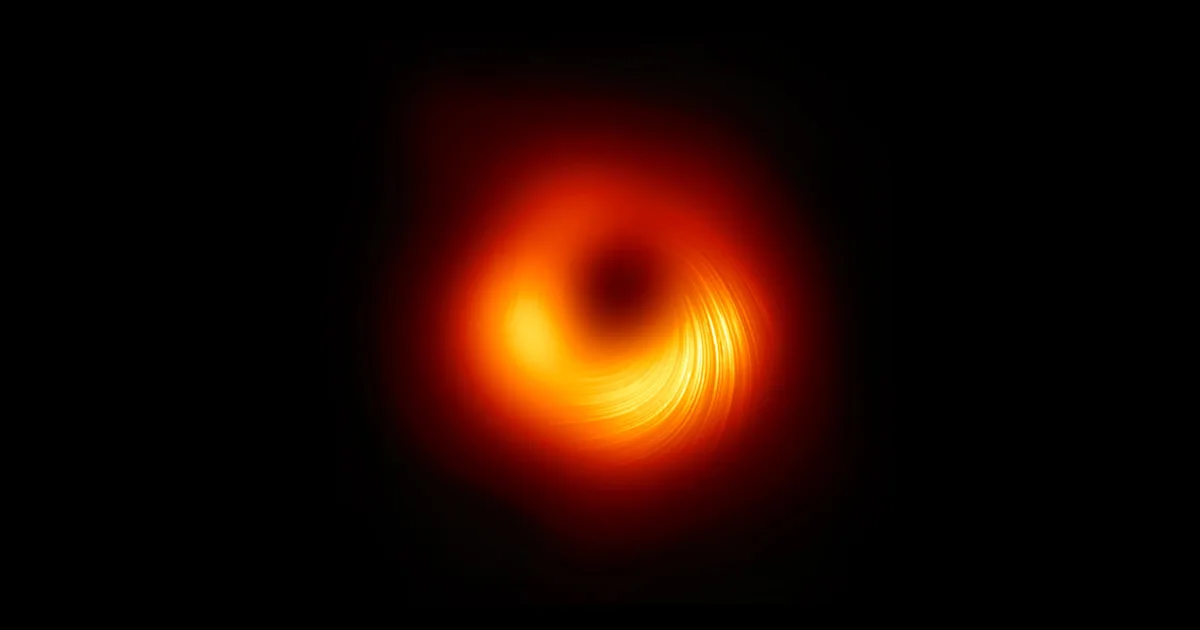
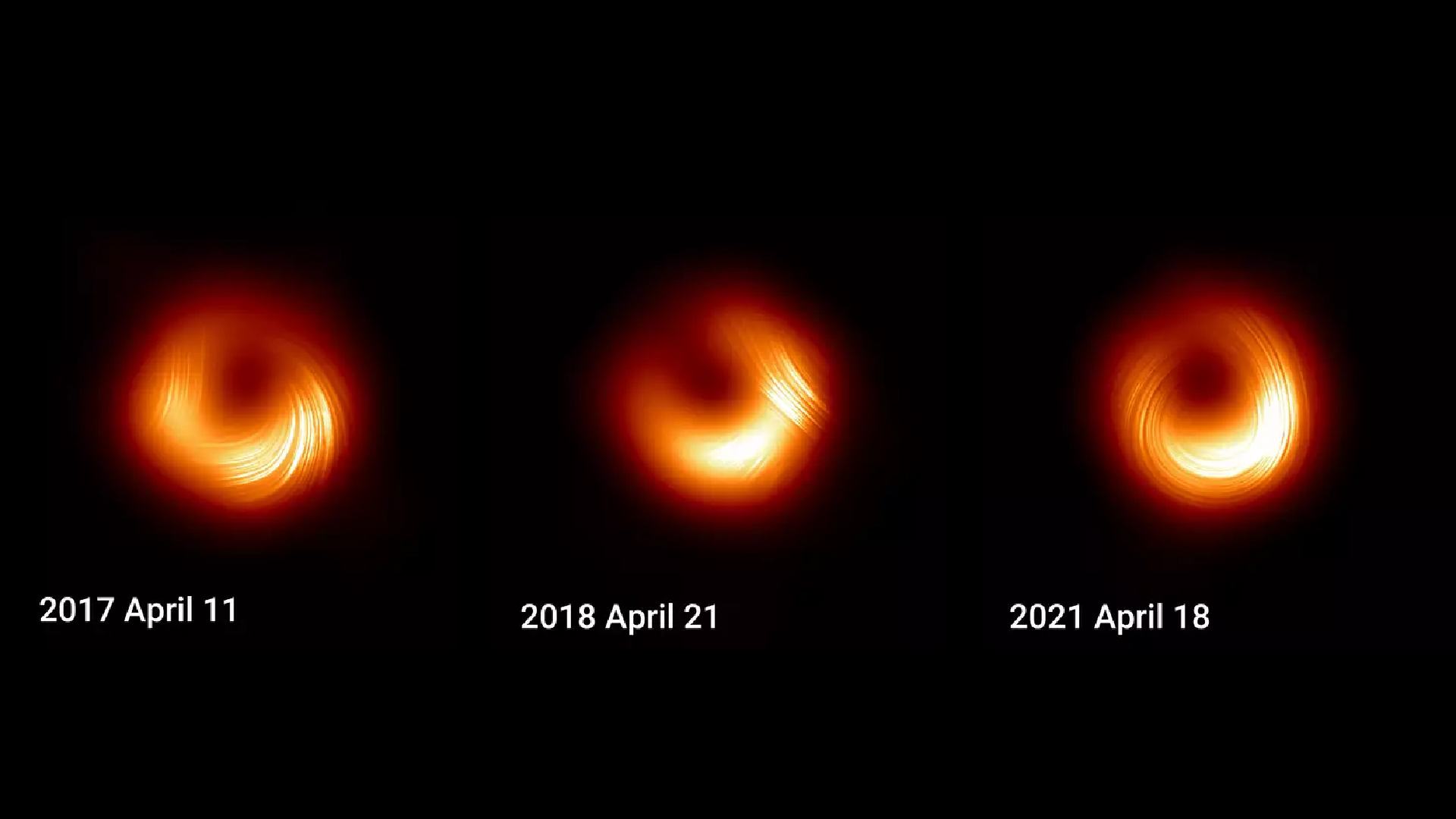
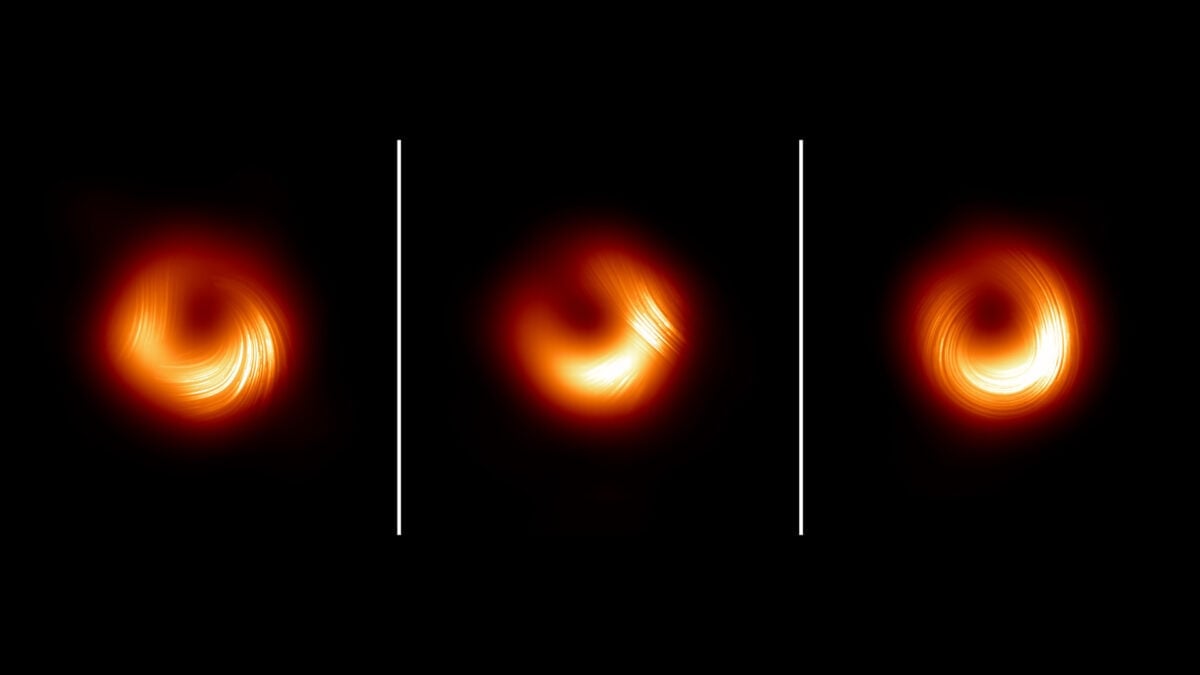
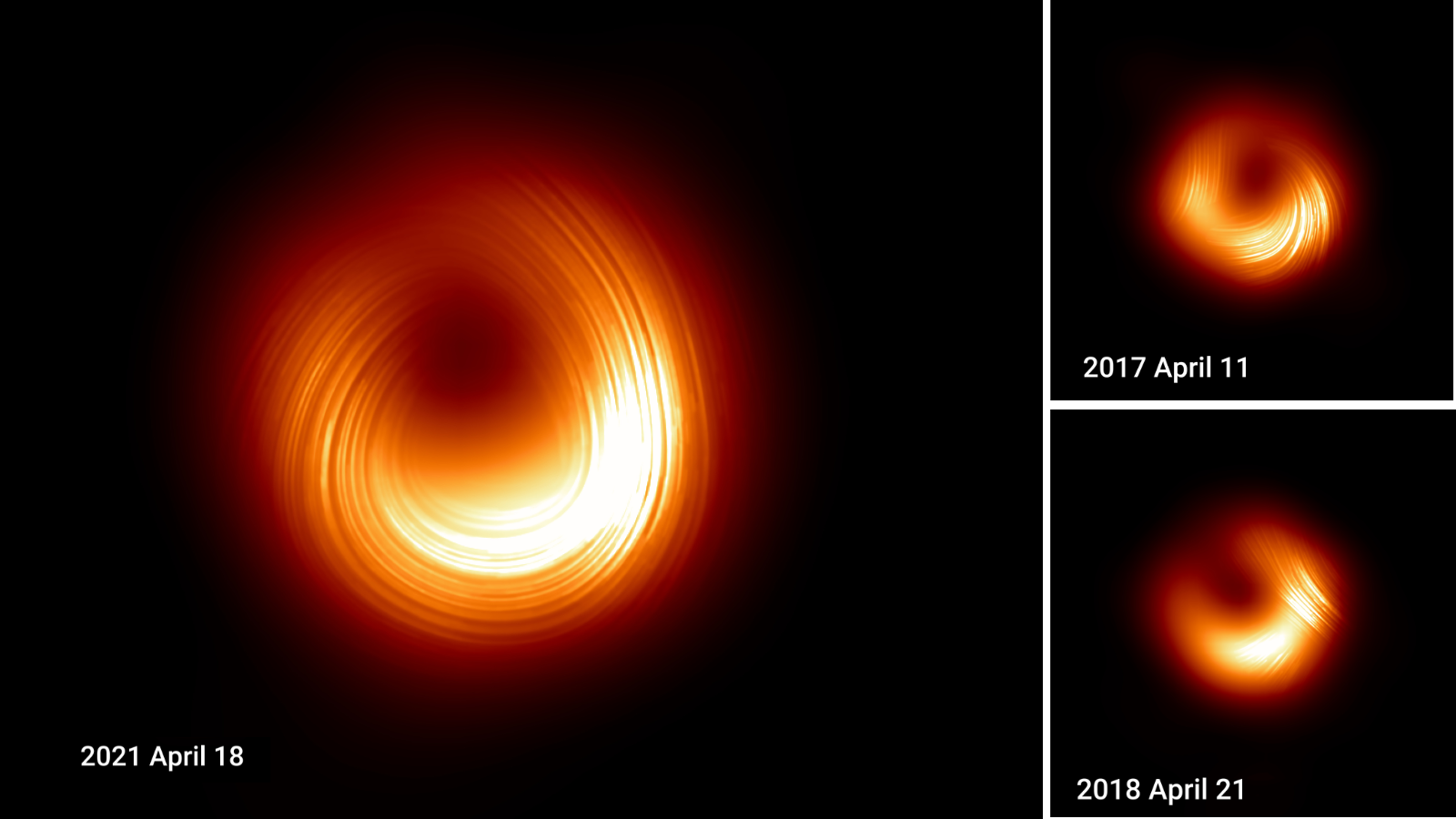
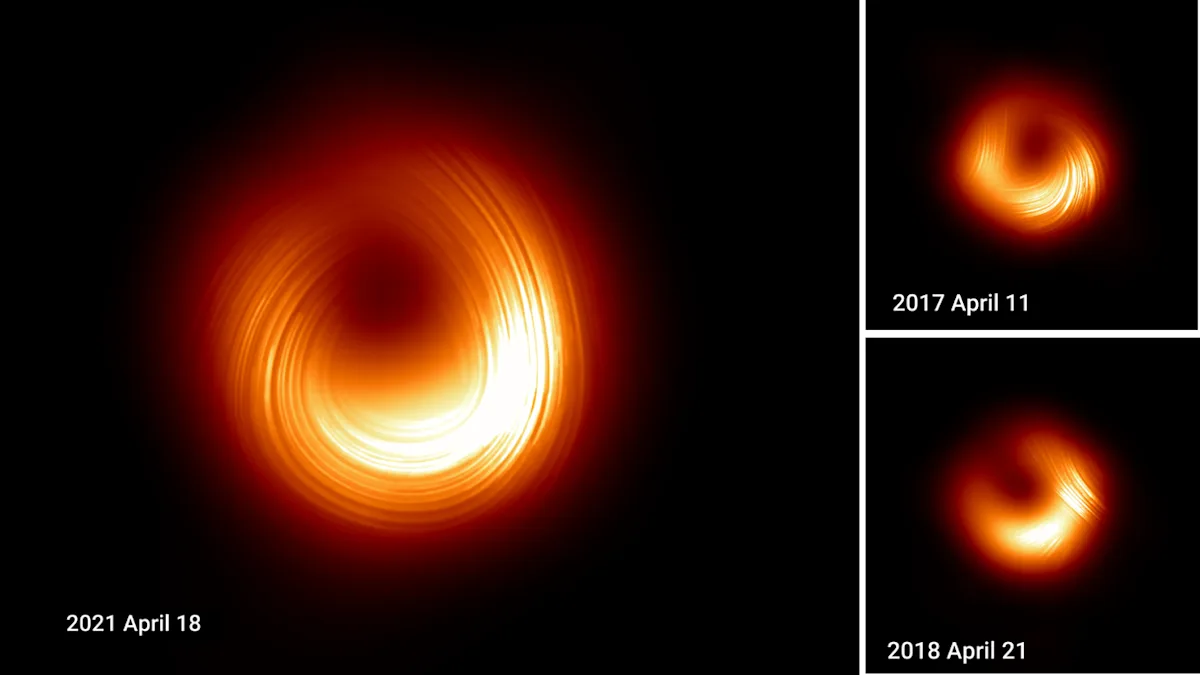
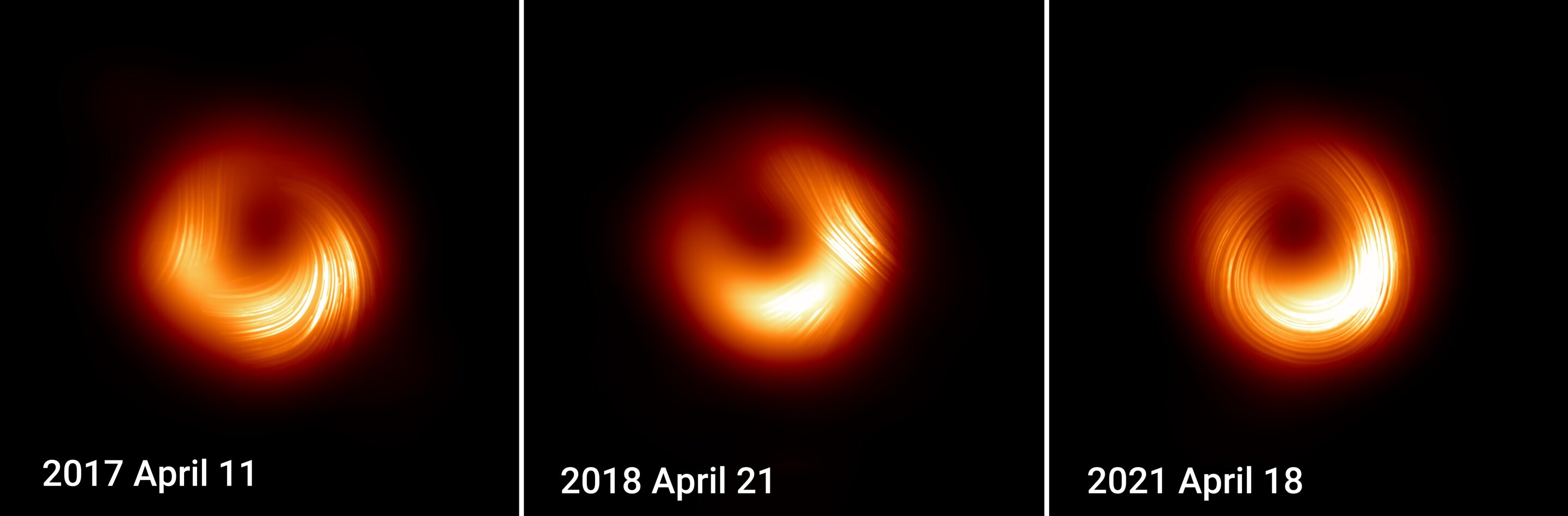
Observations of the supermassive black hole M87* over several years reveal a complete flip in the magnetic field's polarization pattern, indicating highly dynamic and turbulent conditions around the black hole, which could influence jet formation and galaxy evolution.
Astronomers observing the supermassive black hole M87* have discovered unexpected changes in its magnetic field polarization over several years, indicating a complex and dynamic magnetic environment near the event horizon, challenging existing models and highlighting the evolving capabilities of the Event Horizon Telescope.
Astronomers observing the supermassive black hole in galaxy M87 have discovered unexpected changes in its magnetic field polarization over several years, indicating a more complex and dynamic magnetic environment near the event horizon than previously thought, challenging existing models and highlighting the evolving capabilities of the Event Horizon Telescope.
New images of the black hole M87* taken in 2017, 2018, and 2021 reveal dramatic changes in its magnetic fields, with polarization patterns flipping direction, indicating dynamic environmental changes around this supermassive black hole, which is over six billion times the mass of the sun.
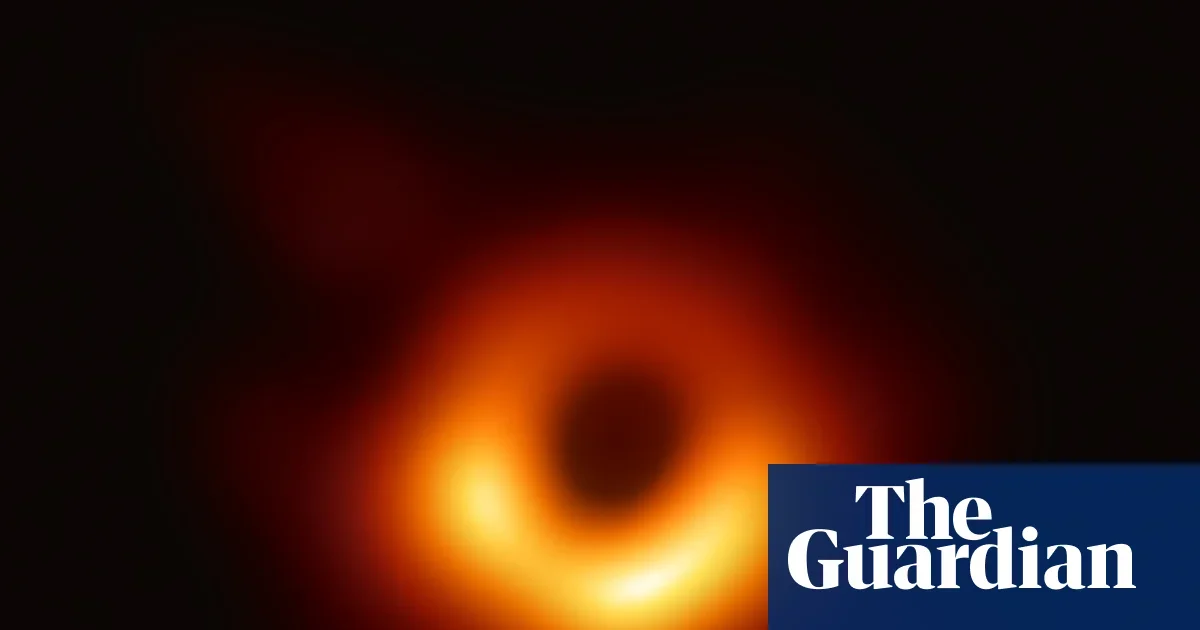
Recent observations of the supermassive black hole M87* by the Event Horizon Telescope reveal unexpected reversals in magnetic fields and strange jets, challenging current models of black hole physics and indicating a highly dynamic environment near the event horizon.
New images of the supermassive black hole M87* taken by the Event Horizon Telescope reveal unexpected changes in the polarization of its magnetic fields over four years, challenging existing models and indicating a dynamic environment near the black hole. The observations also captured the base of a jet of matter emerging from the black hole, providing insights into how black holes influence their host galaxies. These findings demonstrate the evolving capabilities of the EHT and its potential to deepen our understanding of black hole physics.
New images of the supermassive black hole M87* reveal unexpected changes in magnetic field polarization over four years, challenging existing models and providing insights into the dynamic environment near black holes, including the first detailed view of the jet of matter emerging from it.
New detailed images from the Event Horizon Telescope reveal dynamic and changing polarization patterns near M87's supermassive black hole, indicating evolving magnetic fields and turbulence in its environment, with implications for understanding jet formation and black hole physics.
Scientists using supercomputer simulations, led by Andrew Chael, have modeled the environment around the supermassive black hole in M87, revealing new details about the plasma and magnetic fields near the event horizon, and showing that the black hole's shadow and photon ring can change over time due to chaotic plasma flows.
Supercomputer simulations of the environment around the M87 black hole reveal that electrons are much hotter than previously thought, challenging existing models and providing new insights into the plasma and magnetic fields near the event horizon, as researchers aim to better understand the black hole's complex surroundings.
Scientists have discovered that the supermassive black hole at the center of galaxy M87 is spinning at 80% of the maximum possible speed, making it the fastest spinning black hole ever observed. Using Event Horizon Telescope imagery and relativistic physics, they measured its rapid rotation and the rate at which it consumes matter, which is about 23% of the speed of light. The black hole's intense activity powers a massive jet of plasma, influencing its galaxy's evolution.
Scientists have determined that the supermassive black hole at the center of galaxy M87 is spinning at about 80% of the maximum possible speed, consuming matter at a modest rate, and powering its famous jet, providing new insights into black hole physics and their role in galaxy evolution.