Tag

Cern

All articles tagged with #cern

Large Hadron Collider Temporarily Ceases Operations

Originally Published 9 days ago — by Futurism

Featured image for Large Hadron Collider Temporarily Ceases Operations
Source: Futurism

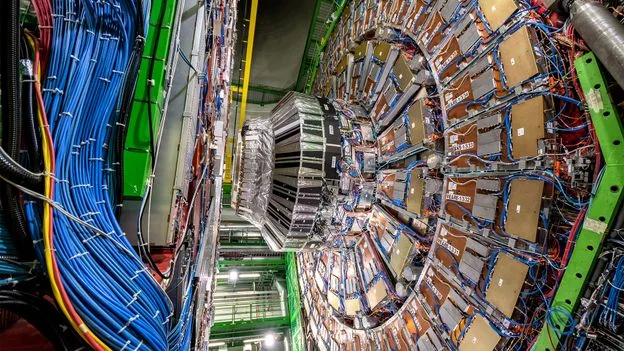
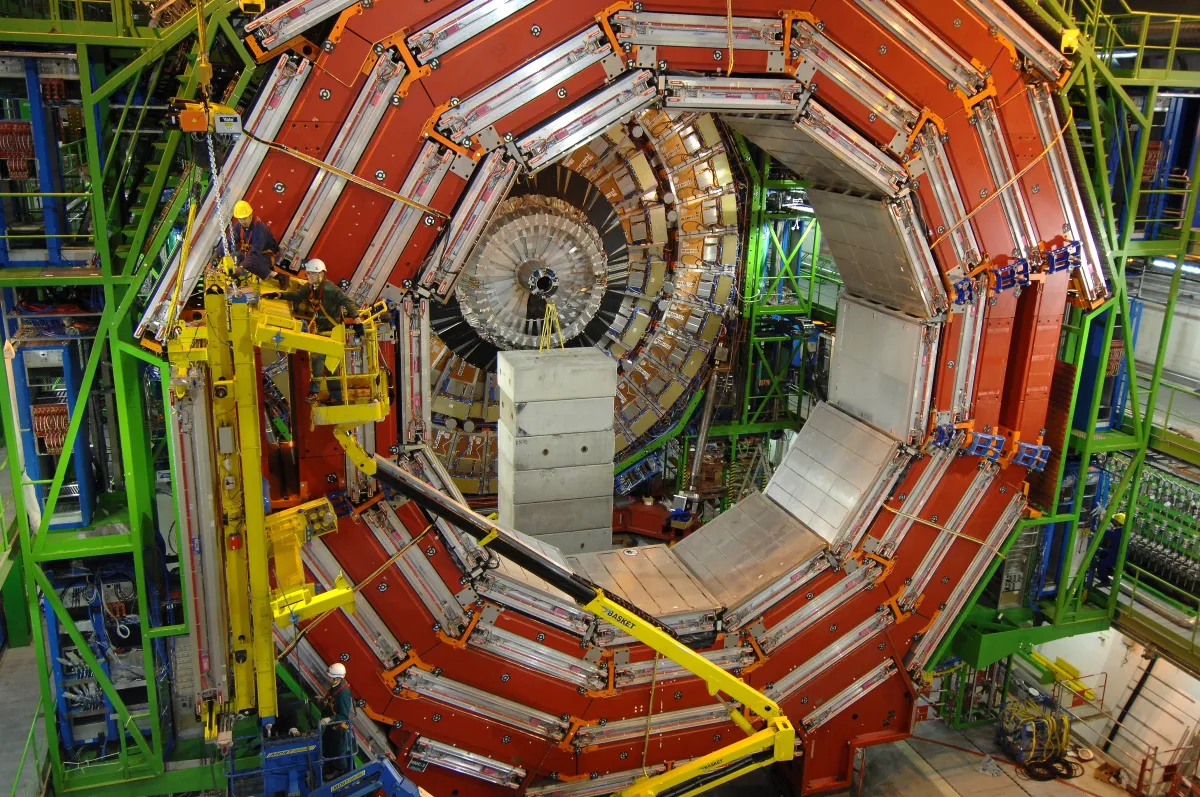
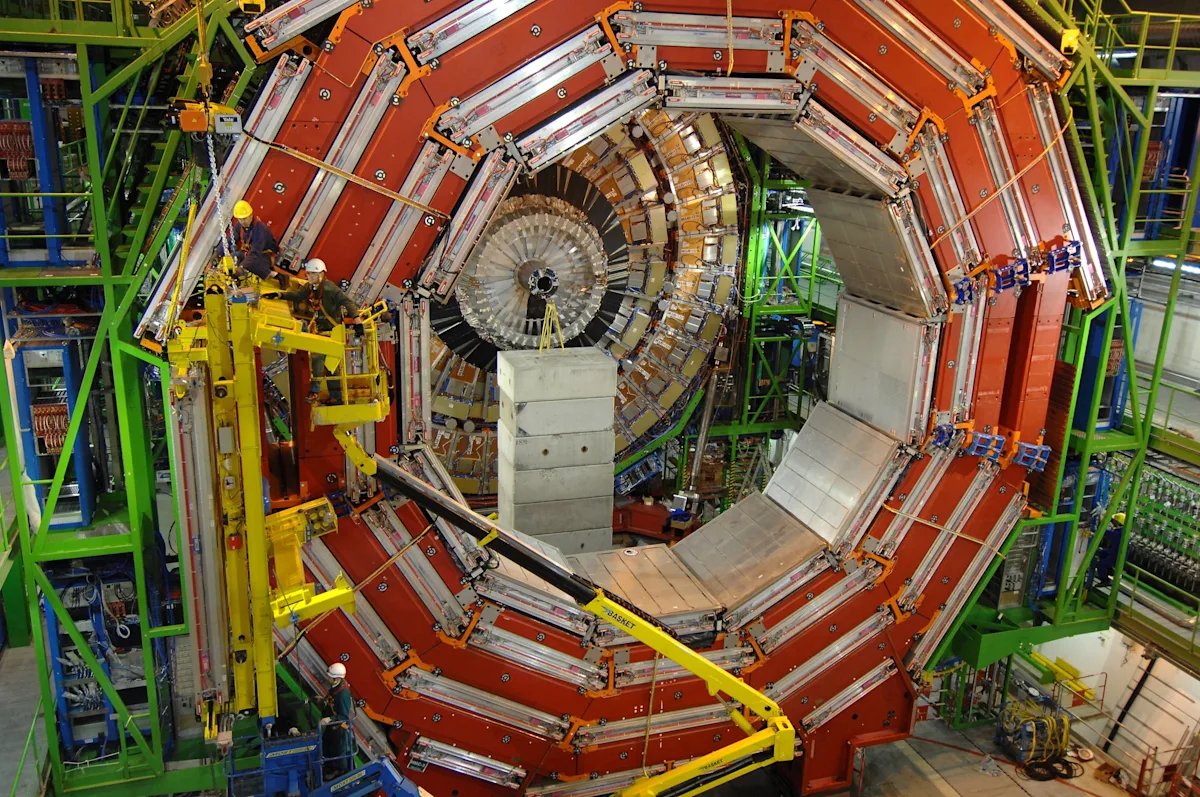
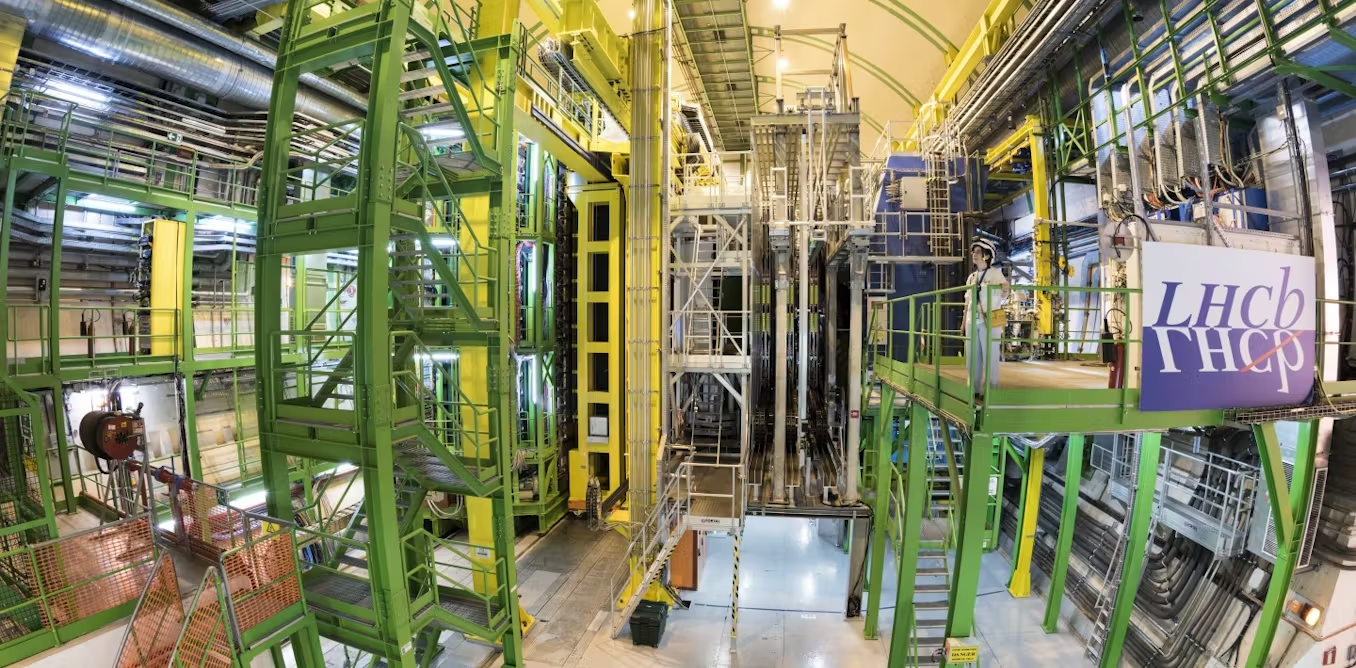
The Large Hadron Collider (LHC) in Switzerland will be shut down starting June for about five years to undergo major upgrades to increase its collision capacity, with the goal of enabling more advanced experiments. During this period, CERN is also planning the development of the Future Circular Collider, a much larger and more powerful accelerator, although its future is uncertain due to high costs and scientific debates. The LHC's shutdown is part of ongoing efforts to deepen our understanding of fundamental physics, including the universe's origins.

Large Hadron Collider Temporarily Ceases Operations

Originally Published 9 days ago — by Yahoo News New Zealand

Featured image for Large Hadron Collider Temporarily Ceases Operations
Source: Yahoo News New Zealand

The Large Hadron Collider (LHC) is being shut down temporarily for upgrades to increase its collision capacity, with a long-term plan to replace it with the even larger Future Circular Collider, aiming to continue groundbreaking discoveries in fundamental physics despite high costs and scientific debates.

Man Takes Over Large Hadron Collider, Then Turns It Off

Originally Published 12 days ago — by The Guardian

Featured image for Man Takes Over Large Hadron Collider, Then Turns It Off
Source: The Guardian

Mark Thomson, a renowned physicist, takes over as Cern's director general and plans to shut down the LHC for upgrades to enhance its capabilities, while also preparing for the ambitious Future Circular Collider project to continue exploring fundamental questions about the universe.

Scientists Recreate Cosmic Fireballs at CERN to Uncover Gamma-Ray Mysteries

Originally Published 2 months ago — by Space

Featured image for Scientists Recreate Cosmic Fireballs at CERN to Uncover Gamma-Ray Mysteries
Source: Space

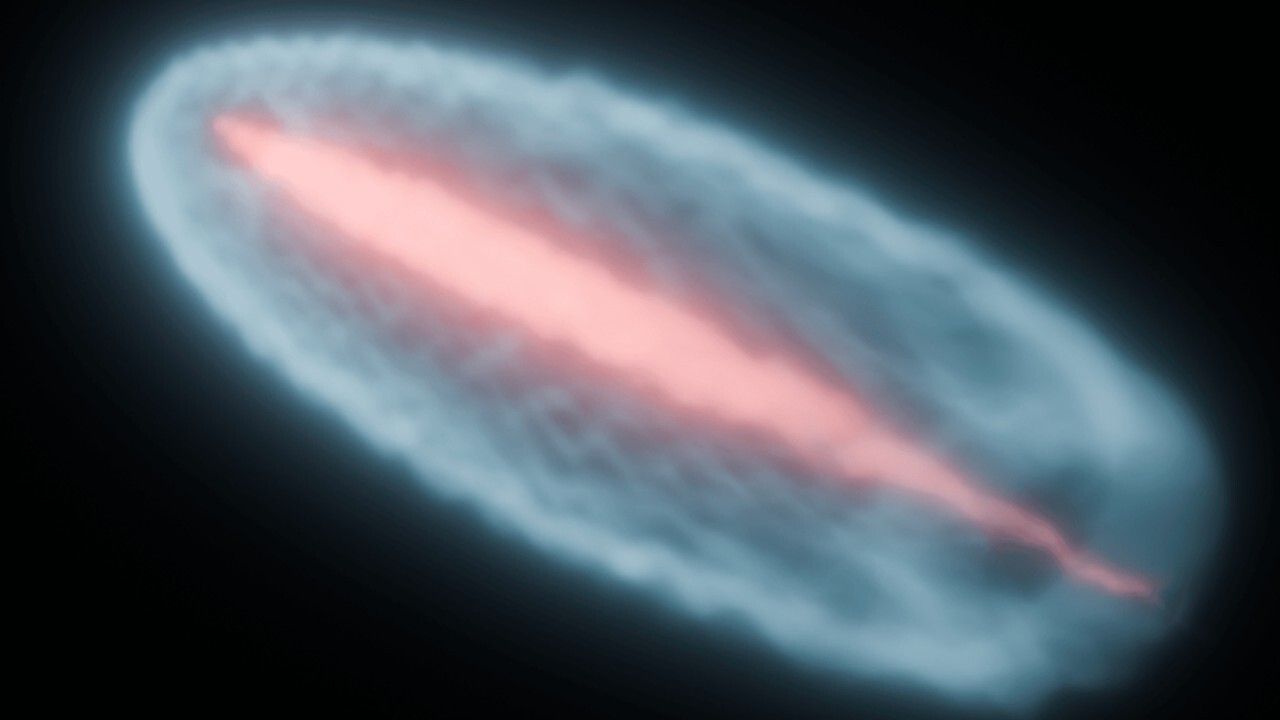
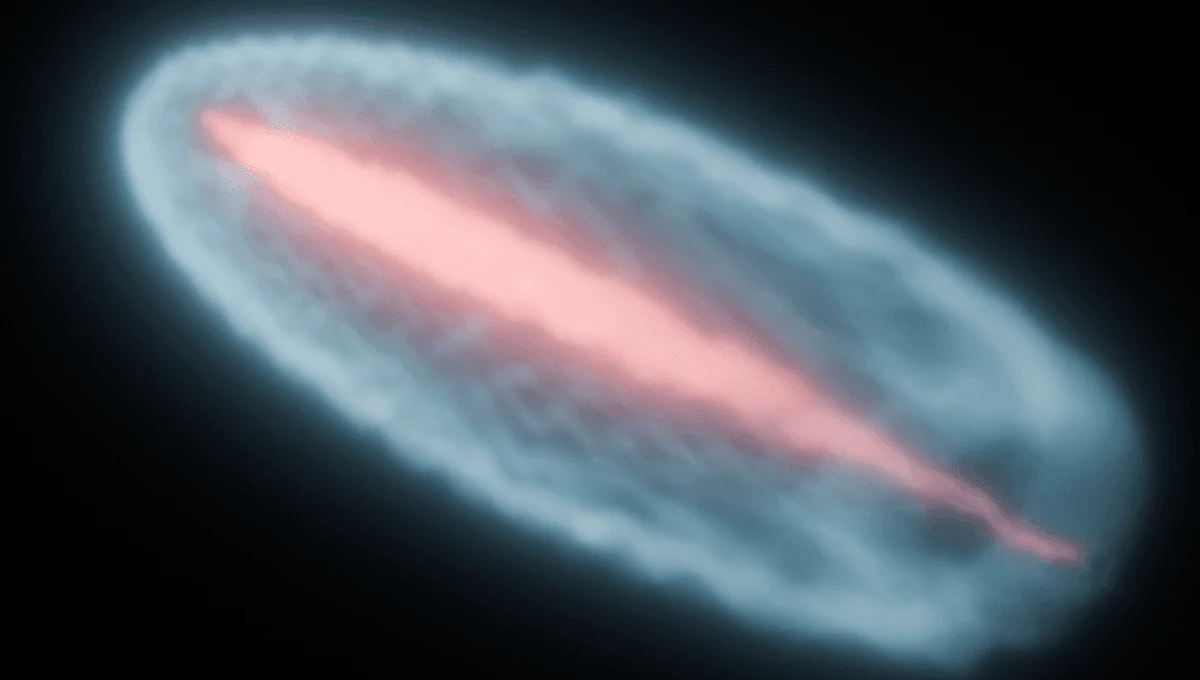
Scientists at CERN recreated cosmic jet conditions using particle accelerators to investigate missing gamma-rays from blazars, finding that plasma beam instabilities are too weak to explain the phenomenon, which supports the idea of relic magnetic fields in intergalactic space. This experiment provides new insights into cosmic jet physics and the universe's magnetic history.

Physicists Identify Breakdown Point in Nuclear Shell Model on Inversion Island

Originally Published 4 months ago — by Phys.org

Featured image for Physicists Identify Breakdown Point in Nuclear Shell Model on Inversion Island
Source: Phys.org

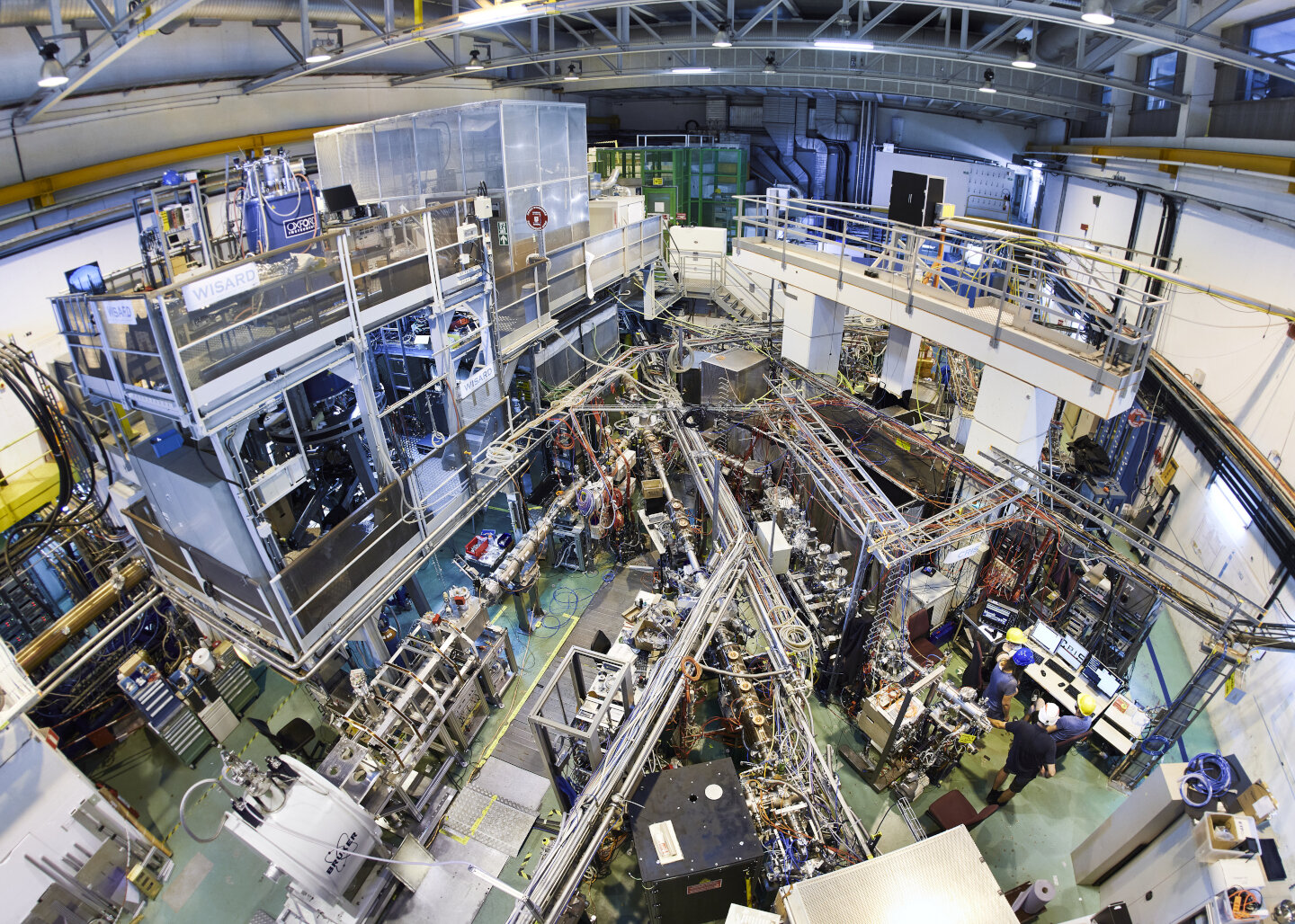
Scientists at CERN's ISOLDE facility have identified the boundary of the neutron-rich 'island of inversion' near neutron number 40 by studying chromium-61, revealing where the traditional nuclear shell model breaks down and aiding in understanding nuclear structure evolution.

Hidden Layers of Reality Beneath the Standard Model

Originally Published 5 months ago — by Yahoo Home

Featured image for Hidden Layers of Reality Beneath the Standard Model
Source: Yahoo Home

Scientists are exploring the possibility of a hidden layer of reality called the 'zeptouniverse' at scales smaller than those currently accessible by the Large Hadron Collider, using indirect methods like studying rare particle decays, which could reveal new physics beyond the Standard Model within the next decade.

Breakthroughs in Antimatter Research Illuminate Universe's Matter Dominance

Originally Published 5 months ago — by Home | CERN

Featured image for Breakthroughs in Antimatter Research Illuminate Universe's Matter Dominance
Source: Home | CERN

Researchers at CERN's BASE collaboration have successfully demonstrated the first antimatter quantum bit by trapping and maintaining an antiproton's quantum state for nearly a minute, paving the way for more precise tests of fundamental symmetries between matter and antimatter and advancing quantum sensing techniques.

Celebrating a Century of Quantum Mechanics Advancements

Originally Published 6 months ago — by Home | CERN

Featured image for Celebrating a Century of Quantum Mechanics Advancements
Source: Home | CERN

A century ago, Werner Heisenberg revolutionized physics by developing quantum mechanics, moving away from classical atomic models, with his ideas and correspondence with Pauli laying the foundation for modern quantum theory, which continues to evolve and challenge our understanding today.

Humans Create Object Over 300,000 Times Hotter Than the Sun

Originally Published 6 months ago — by IFLScience

Featured image for Humans Create Object Over 300,000 Times Hotter Than the Sun
Source: IFLScience

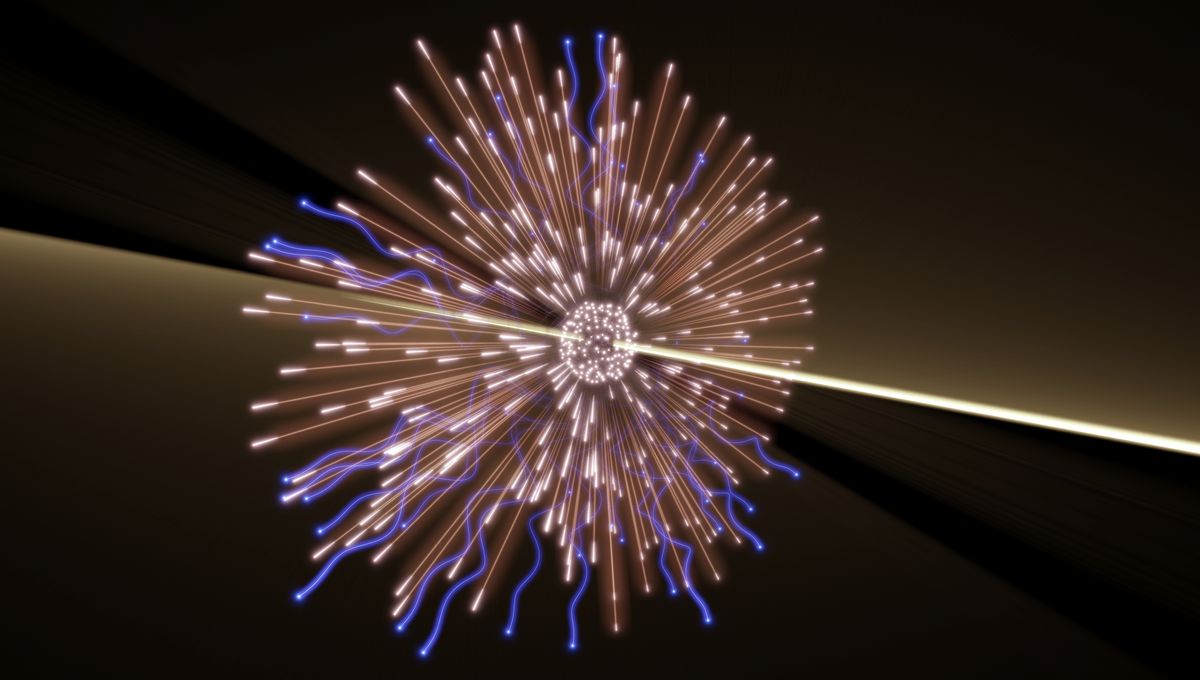
In 2012, CERN's Large Hadron Collider achieved the creation of the hottest artificially produced temperature ever, reaching 5 trillion Kelvin, which is about 100,000 times hotter than the Sun's core and similar to conditions microseconds after the Big Bang, by colliding lead ions at near-light speeds to study primordial matter.

Exploring Soft Energy Patterns in 13TeV Proton Collisions

Originally Published 1 year ago — by Phys.org

Featured image for Exploring Soft Energy Patterns in 13TeV Proton Collisions
Source: Phys.org

The CMS experiment at CERN has conducted the first search for soft unclustered energy patterns (SUEPs) in proton-proton collisions at 13 TeV, as predicted by hidden valley models. These models suggest a dark sector with unique decay signatures, which have been challenging to detect. The CMS team used innovative techniques to differentiate SUEPs from standard model jets, setting new constraints and paving the way for future research in this area.

Large Hadron Collider Findings Challenge Standard Model

Originally Published 1 year ago — by Twisted Sifter

Featured image for Large Hadron Collider Findings Challenge Standard Model
Source: Twisted Sifter

A recent experiment at CERN's Large Hadron Collider observed an unexpectedly frequent ultra-rare decay of kaons, challenging the predictions of the standard model of physics. The NA62 experiment detected this decay 13 times out of 100 billion kaons, suggesting potential flaws in the current model. While further data and replication are needed, this finding could significantly impact our understanding of particle physics.

Historic Lead Atom Collision Yields Top Quarks

Originally Published 1 year ago — by IFLScience

Featured image for Historic Lead Atom Collision Yields Top Quarks
Source: IFLScience

The ATLAS collaboration at CERN's Large Hadron Collider has observed top quarks in collisions between lead ions for the first time, marking a significant step in understanding the early universe's conditions. This discovery allows scientists to study the quark-gluon plasma, a state of matter present just after the Big Bang, and use top quarks as time markers to probe its evolution. The findings also open avenues for exploring momentum distribution within atomic nuclei and further understanding fundamental forces.