South Korean researchers have experimentally demonstrated how microscopic plasma turbulence can lead to large-scale structural changes, a breakthrough that could advance the development of stable, limitless fusion energy as a clean power source.
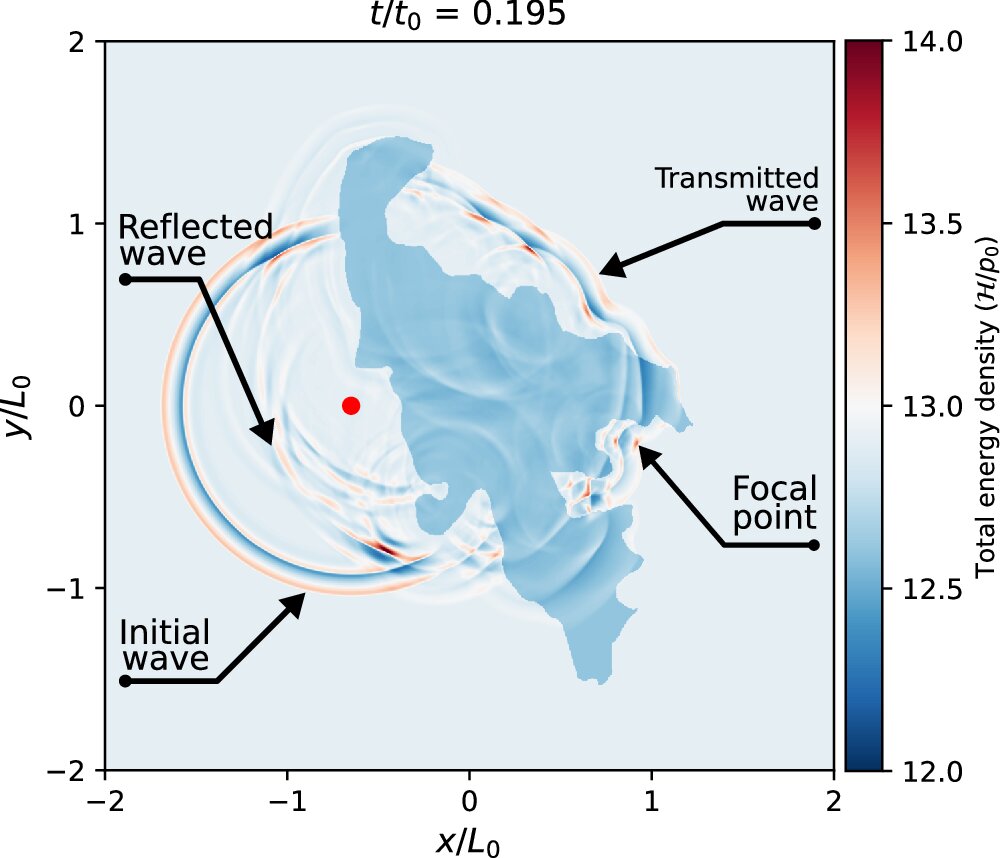
Scientists have observed plasma waves from a solar flare being focused by a coronal hole for the first time, similar to how lenses focus light. This discovery, made using data from NASA's Solar Dynamics Observatory, could help diagnose plasma properties and investigate wave focusing in other astronomical systems.
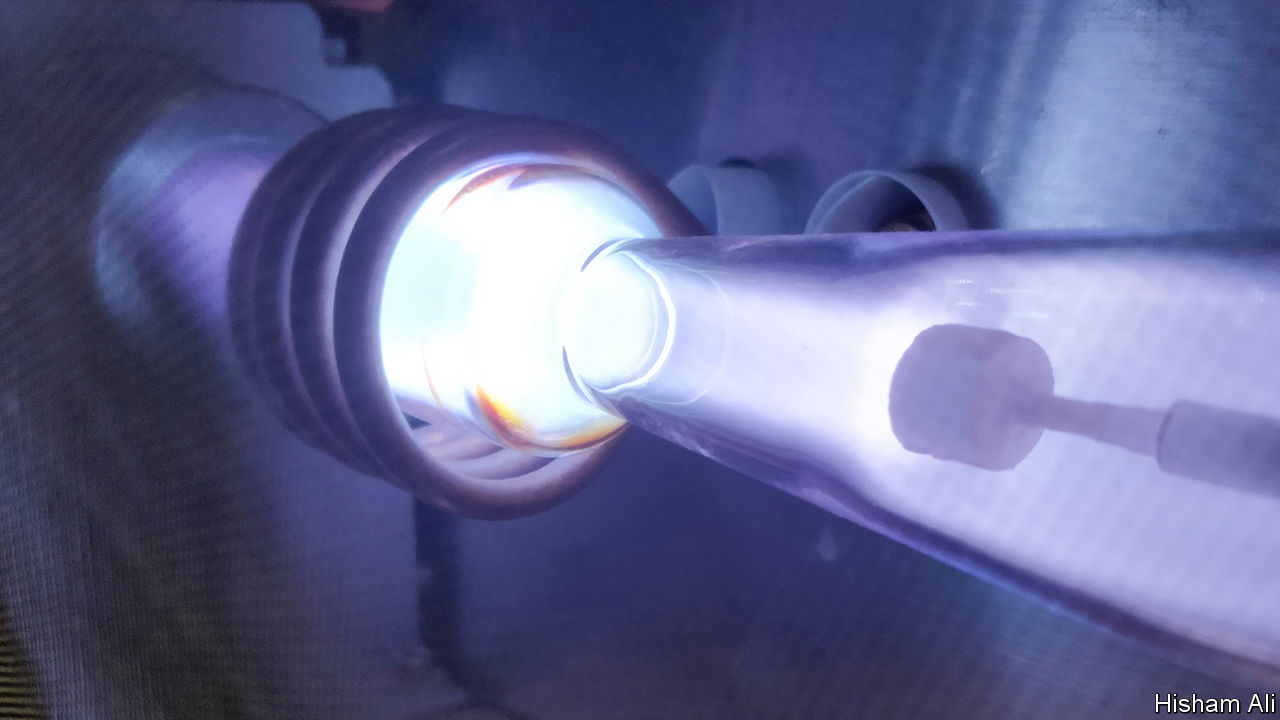
Researchers are exploring the challenges of steering hypersonic planes, which travel at more than five times the speed of sound, through plasma using magnetohydrodynamics to manipulate the flow pattern of electrically charged particles. Conventional control surfaces are not viable due to the forces and heat involved, prompting the need for a different approach. Dr. Hisham Ali and his team are building a plasma wind tunnel to test these ideas, with potential applications in spacecraft deceleration and military missile guidance. The feasibility of hypersonic passenger flight remains uncertain, but the research represents a step towards this possibility.
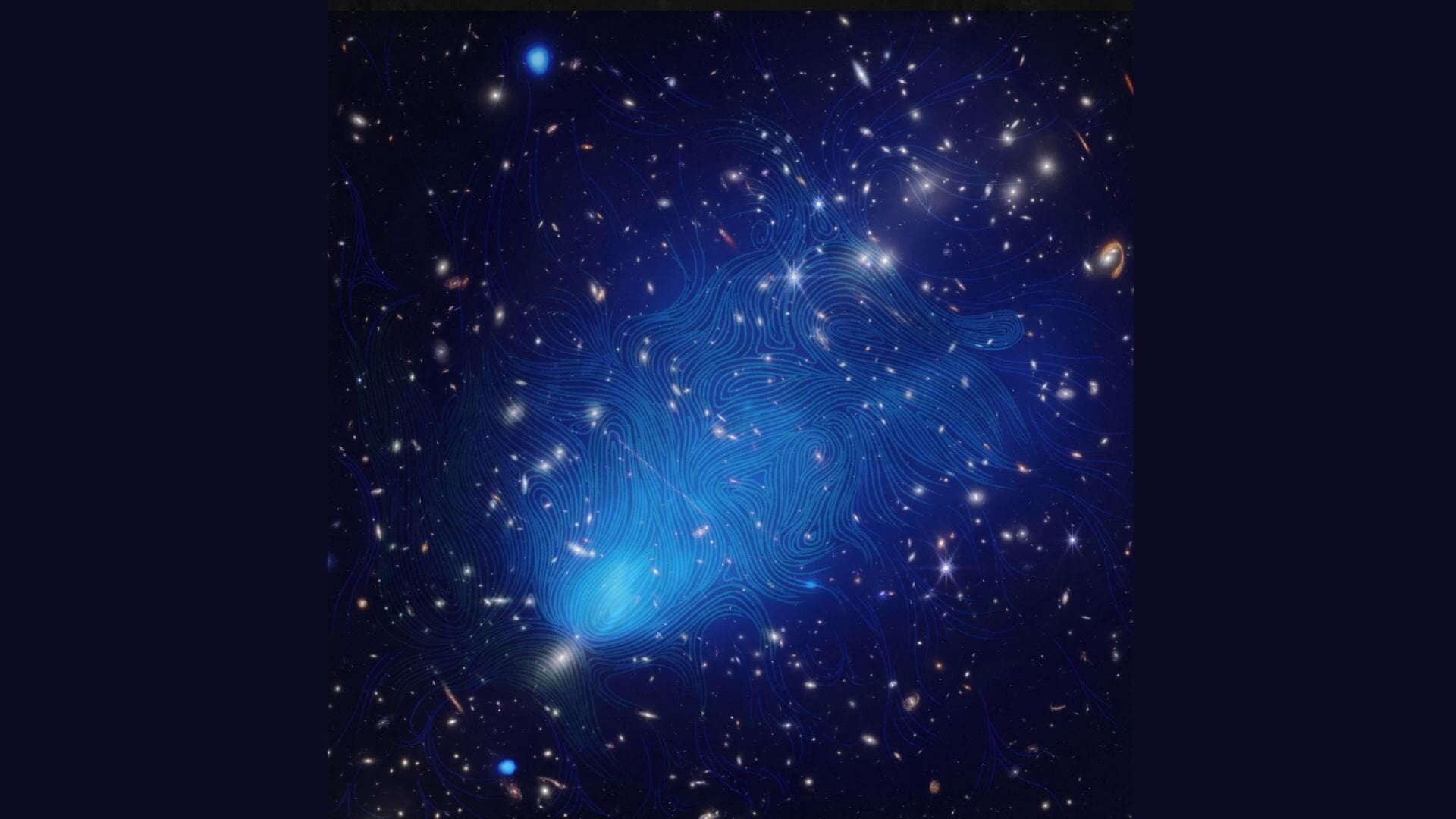
Scientists have used a method called synchrotron intensity gradient (SIG) to map the largest magnetic fields in galaxy clusters, revealing the impact of galactic mergers on magnetic-field structures and challenging previous assumptions about the efficiency of turbulent dynamo processes in amplifying these fields. This technique provides a unique perspective on magnetic field structures and offers a tool to compare numerical expectations from simulations with observational data, opening new avenues for understanding cluster dynamics, evolution, heat conduction, and cosmic ray acceleration.
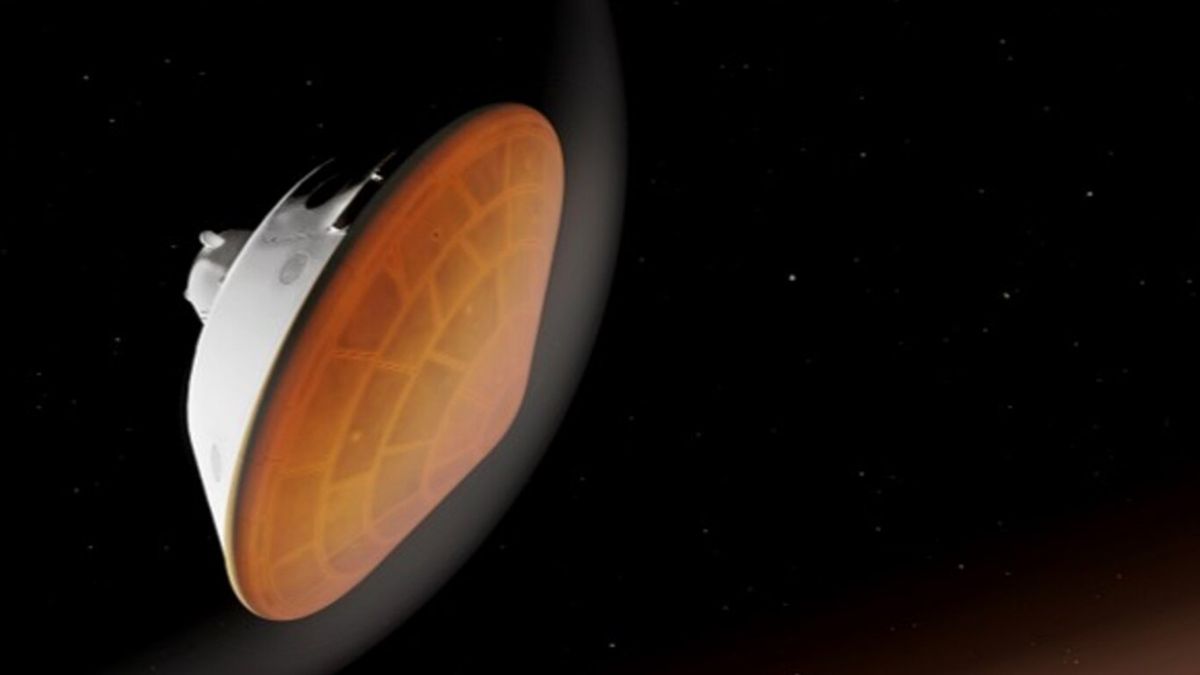
NASA's Technology Transfer Program is licensing a new form of propulsion that uses electromagnets to control the flow of plasma over aircraft and spacecraft during hypersonic flight. The concept involves electrodes embedded on the heat shield, which capture the electrical charge in the ionized gas flow outside the craft. An electromagnet beneath the heat shield can then control the flow of gas to reduce drag or steer the vehicle. This magnetohydrodynamic (MHD) system is simpler than conventional methods and enables new mission architectures for entry, descent, and landing. NASA invites companies to apply for licensing the technology.