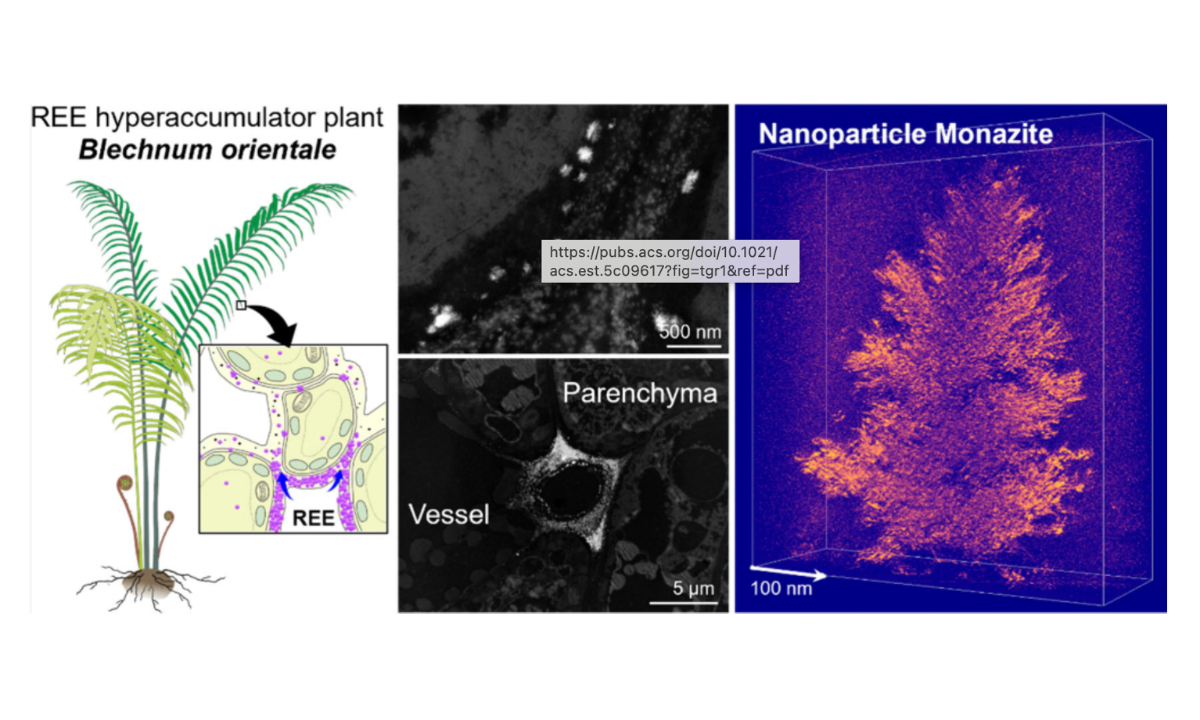
Chinese scientists have discovered that the fern Blechnum orientale can naturally biomineralize rare-earth elements, offering a sustainable and environmentally friendly method for extracting these critical resources through phytomining, which could revolutionize the supply chain for high-tech industries.

Researchers have discovered that the fern Tmesipteris oblanceolata from New Caledonia has the largest genome of any known organism, containing over 50 times more DNA than humans. This finding, published in the iScience journal, surpasses the previous record held by Paris japonica and has significant implications for understanding plant biology, evolution, and adaptation in the face of climate change and biodiversity loss. The study involved an international team and highlights the complexity and diversity of plant genomes.
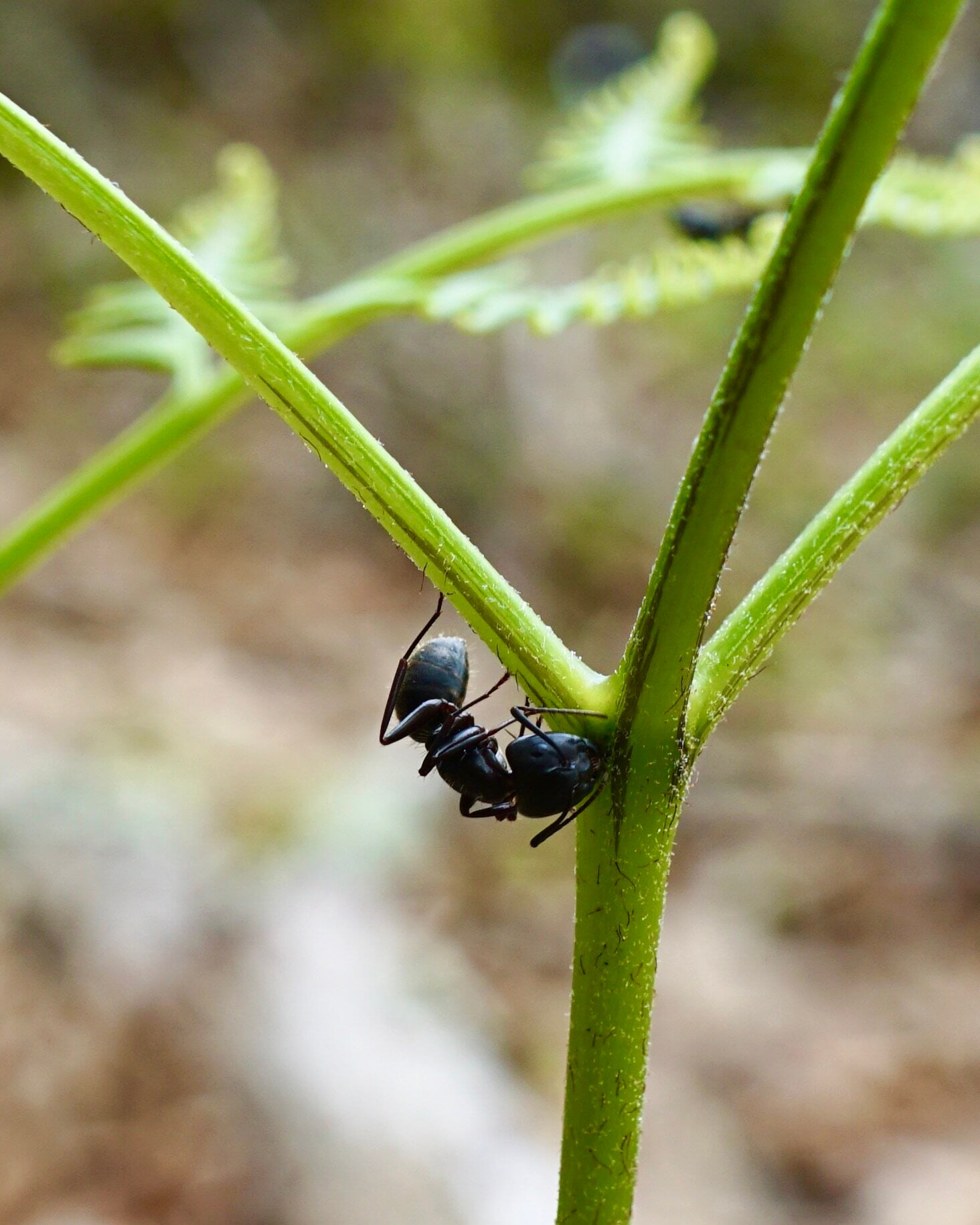
Recent research led by Jacob Suissa reveals that ferns and flowering plants independently evolved nectaries to attract ant bodyguards during the Cretaceous period, demonstrating convergent evolution. This study highlights the complex relationships between plants and insects and underscores the adaptability of ferns to ecological challenges.
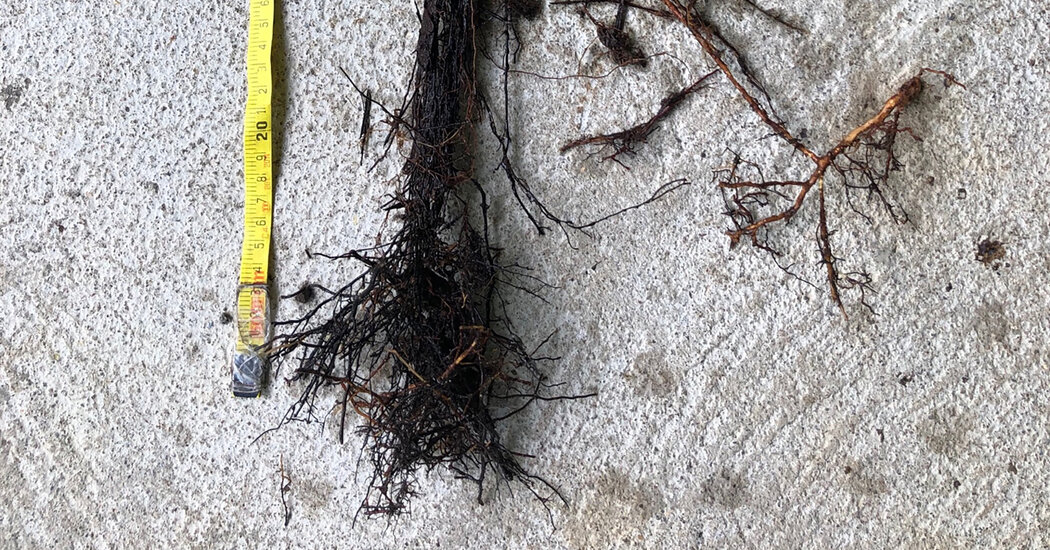
In the rainforests of Panama, scientists discovered a tree fern species, Cyathea rojasiana, that transforms the decaying tissue of its leaves into a new source of nutrients by sprouting unusual roots from the remnants of its dead or dying fronds. This unique process allows the plant to avoid rotting and provides it with a new way to anchor in the soil and obtain nutrients, making it the first known plant species to exhibit this behavior.
A study has discovered novel insecticidal proteins in ferns, which could potentially be used for plant-made protein pest control in crop plants. These proteins, designated as IPD113, were found in ferns like Pteris species and were effective against major lepidopteran pests of maize and soybeans. The proteins showed a surprising similarity to certain insecticidal proteins derived from bacteria, even though they are derived from plants. This discovery offers an alternative mode of action and a potential solution to pest resistance to existing insecticidal methods.