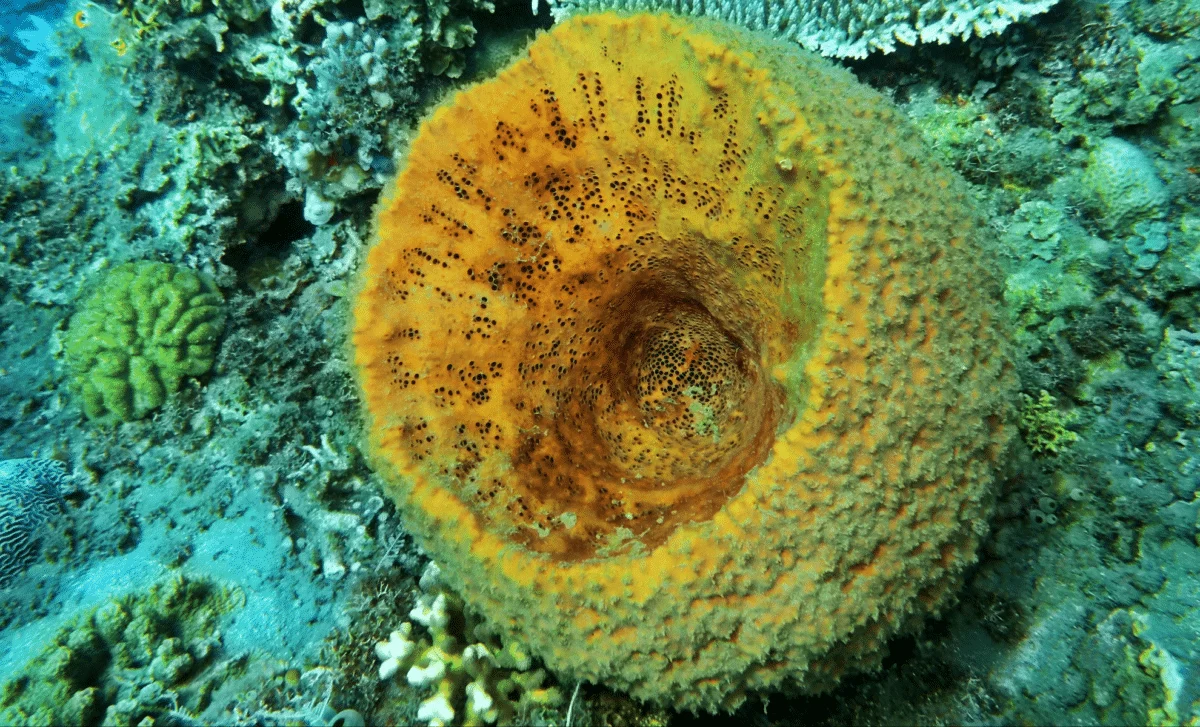
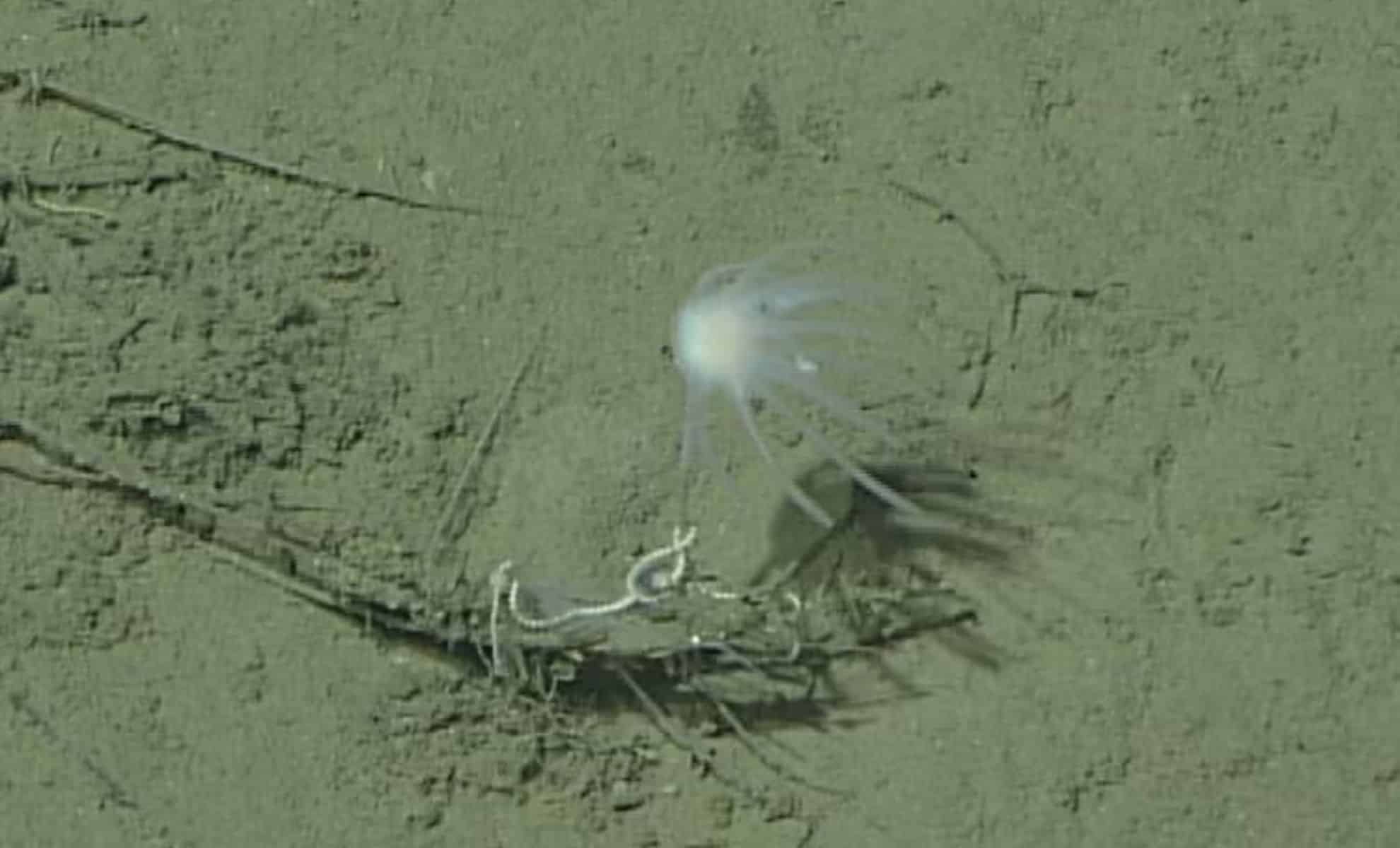
MIT researchers analyzed Precambrian rocks around 541 million years old and found sterane chemical fossils derived from sterols, linking early soft-bodied demosponges to the origins of animal life; corroborating lab experiments with modern sponges and synthesized sterols, the study suggests sponges may have predated the Cambrian explosion.
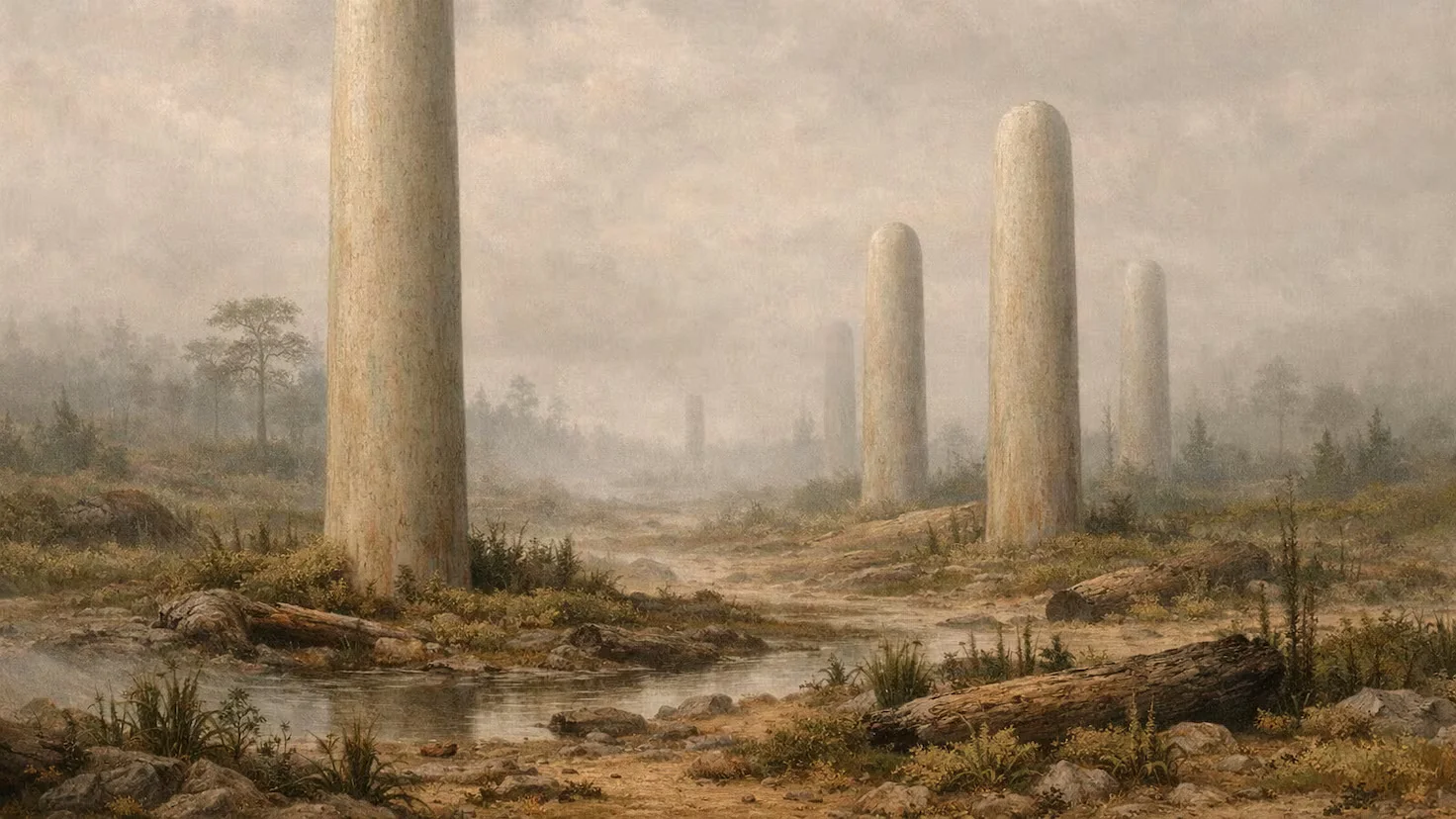
A Science Advances study shows Prototaxites—towering structures up to 26 feet long and about 8 meters tall around 400 million years ago—were not fungi, plants, or animals but belonged to a previously unknown extinct eukaryotic lineage. Fossils from Rhynie, Scotland reveal a unique internal architecture, suggesting these giants dominated early drylands and prompting a major rethink of Devonian ecosystems and the origins of terrestrial life.
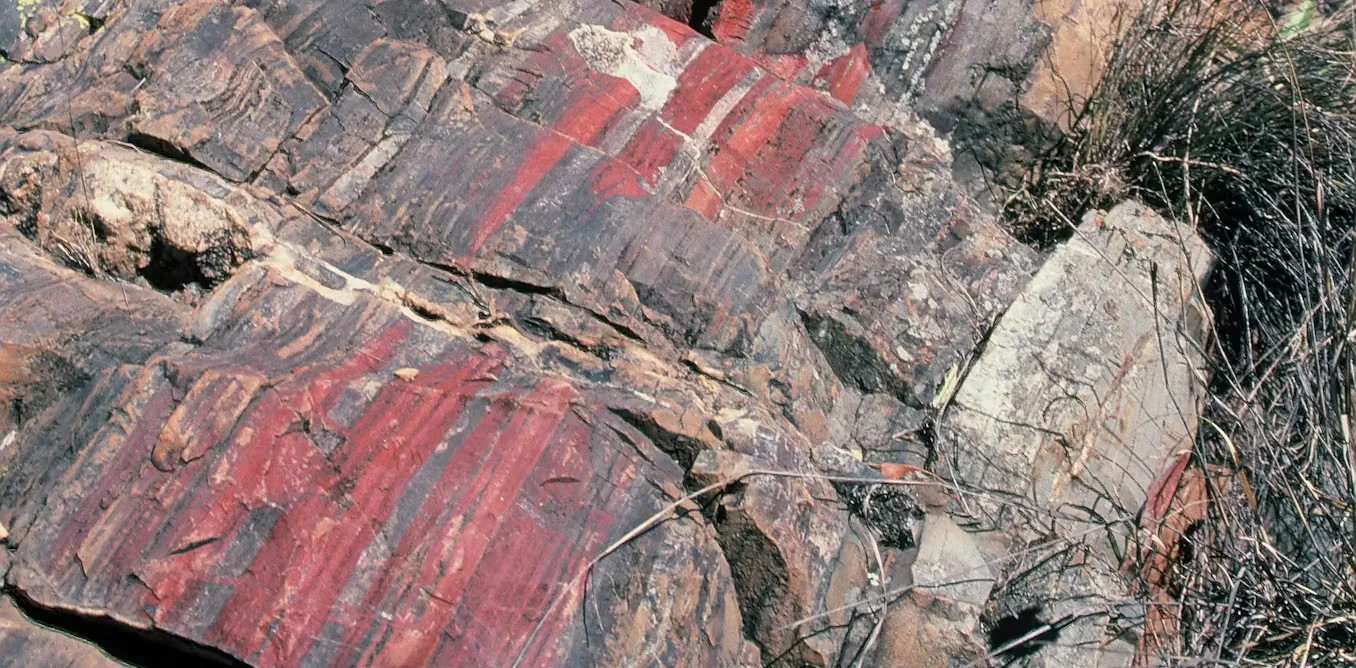
The article explores how ancient rocks in South Africa reveal Earth's early history, showing a planet with extensive oceans, volcanic activity, and microbial life over 3 billion years ago, highlighting the violent yet life-sustaining beginnings of our blue planet.
Fungi were the first complex life forms on Earth, evolving before plants and animals, initially thriving in aquatic environments and later adapting to land, forming symbiotic relationships and networks that set the stage for the emergence of plants and animals.
Scientists drilled into mantle rocks beneath the Atlantic at Atlantis Massif, discovering altered rocks that act as natural reactors by producing hydrogen through seawater reactions, providing insights into Earth's interior, deep-ocean chemistry, and potential origins of life, as well as guiding future hydrogen exploration.
Ancient salt mountains, or salt diapirs, in southern Australia played a crucial role in creating refuges for early life during the Precambrian era, shaping ecosystems like stromatolite reefs and potentially aiding life's persistence through Earth's harsh periods. These geological structures, formed from evaporated seas over millions of years, influenced the development of early microbial communities and continue to impact modern resource exploration and environmental strategies.
A new study revises the date of a Scottish meteorite impact from 1.2 billion to about 990 million years ago, providing a precise timestamp that links the event to the emergence of complex life on land, and offering insights into Earth's geological and biological evolution.
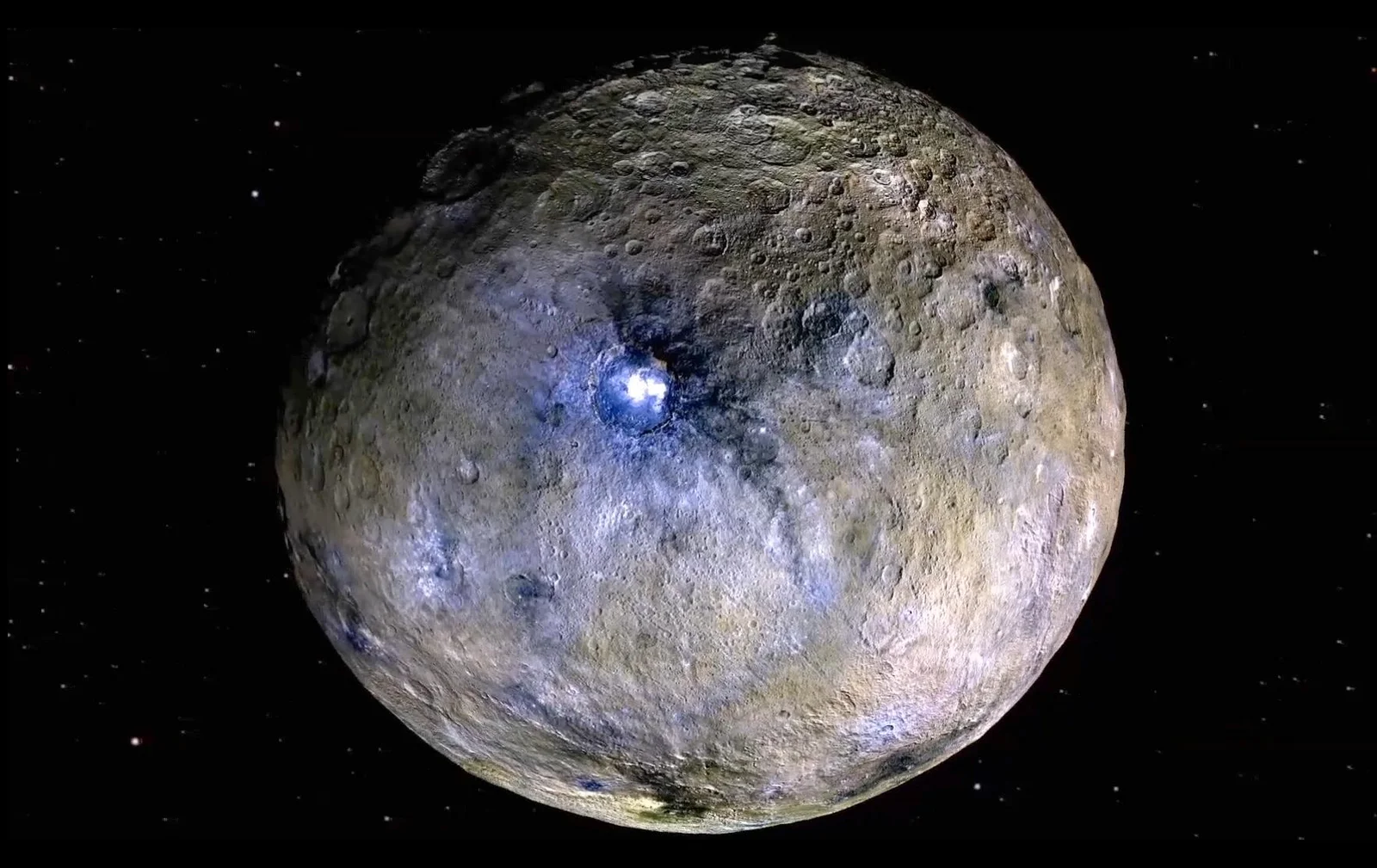
NASA research suggests that Ceres, the largest object in the asteroid belt, may have supported single-celled life 2.5 to 4 billion years ago due to a once-present subsurface water reservoir heated by radioactive decay, despite being too cold now to sustain liquid water.
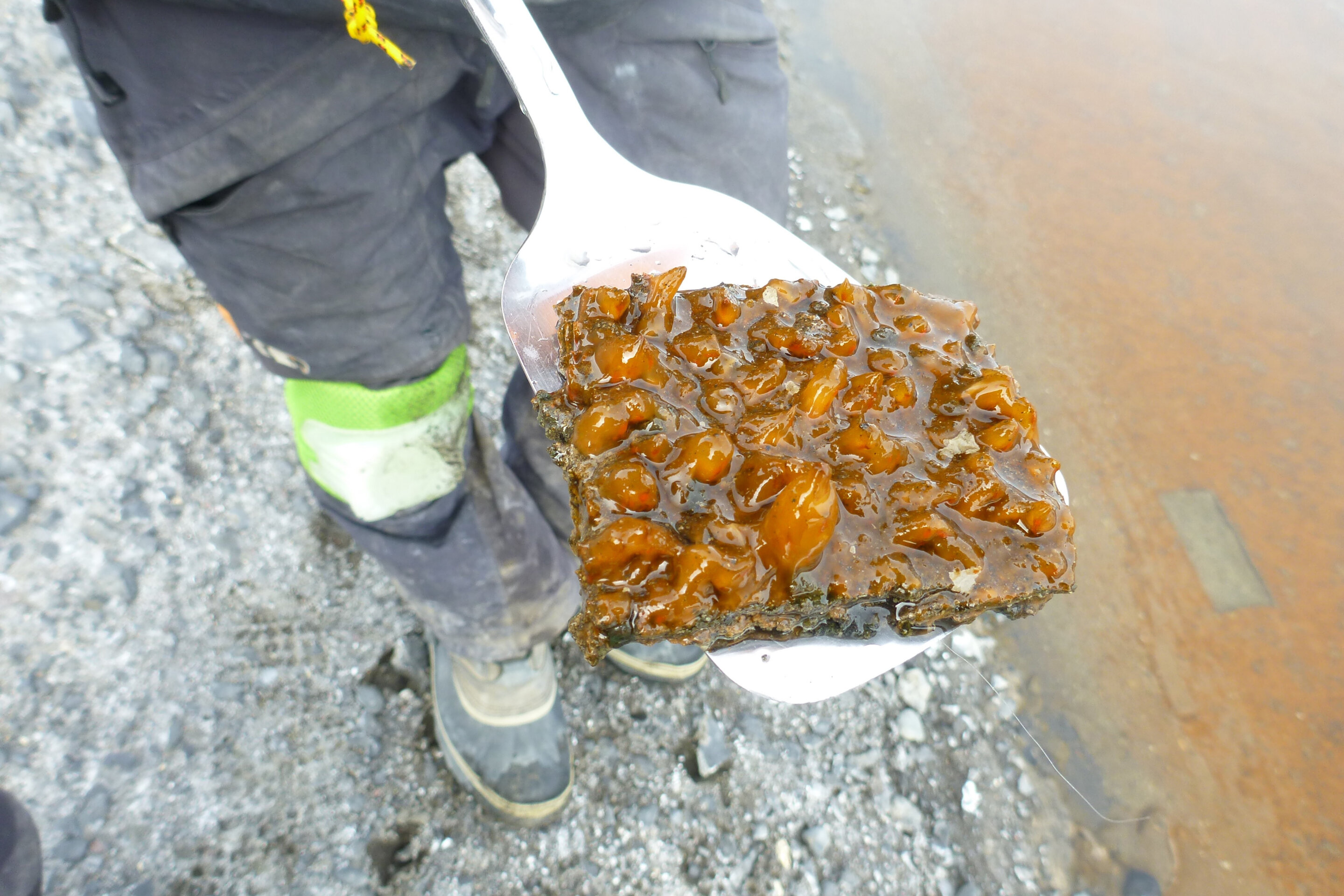
MIT scientists suggest that during Snowball Earth, early eukaryotic life may have survived in meltwater ponds on the planet's surface, as evidenced by modern analogs in Antarctica, highlighting life's resilience in icy conditions.
Scientists warn that dementia risk begins in childhood, emphasizing the importance of early prevention strategies targeting lifestyle and environmental factors from a young age, rather than only focusing on middle or old age, to effectively reduce lifelong risk.
New research challenges the long-held belief that a specific protein motif was the fundamental building block of early life, suggesting it is just one of many possible structures and reshaping our understanding of protein evolution and the origins of life.
Recent genomic research reveals that ctenophores, or comb jellies, are the earliest known branch of the animal tree of life, predating sponges, which challenges previous assumptions and suggests that complex traits like nerves and muscles may have evolved independently in different lineages, reshaping our understanding of animal evolution.
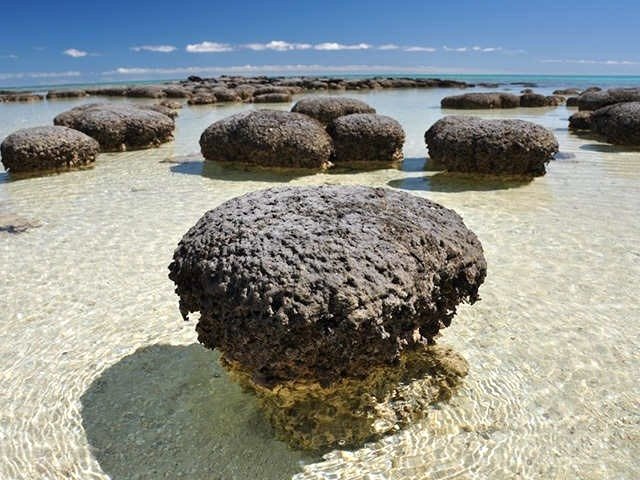
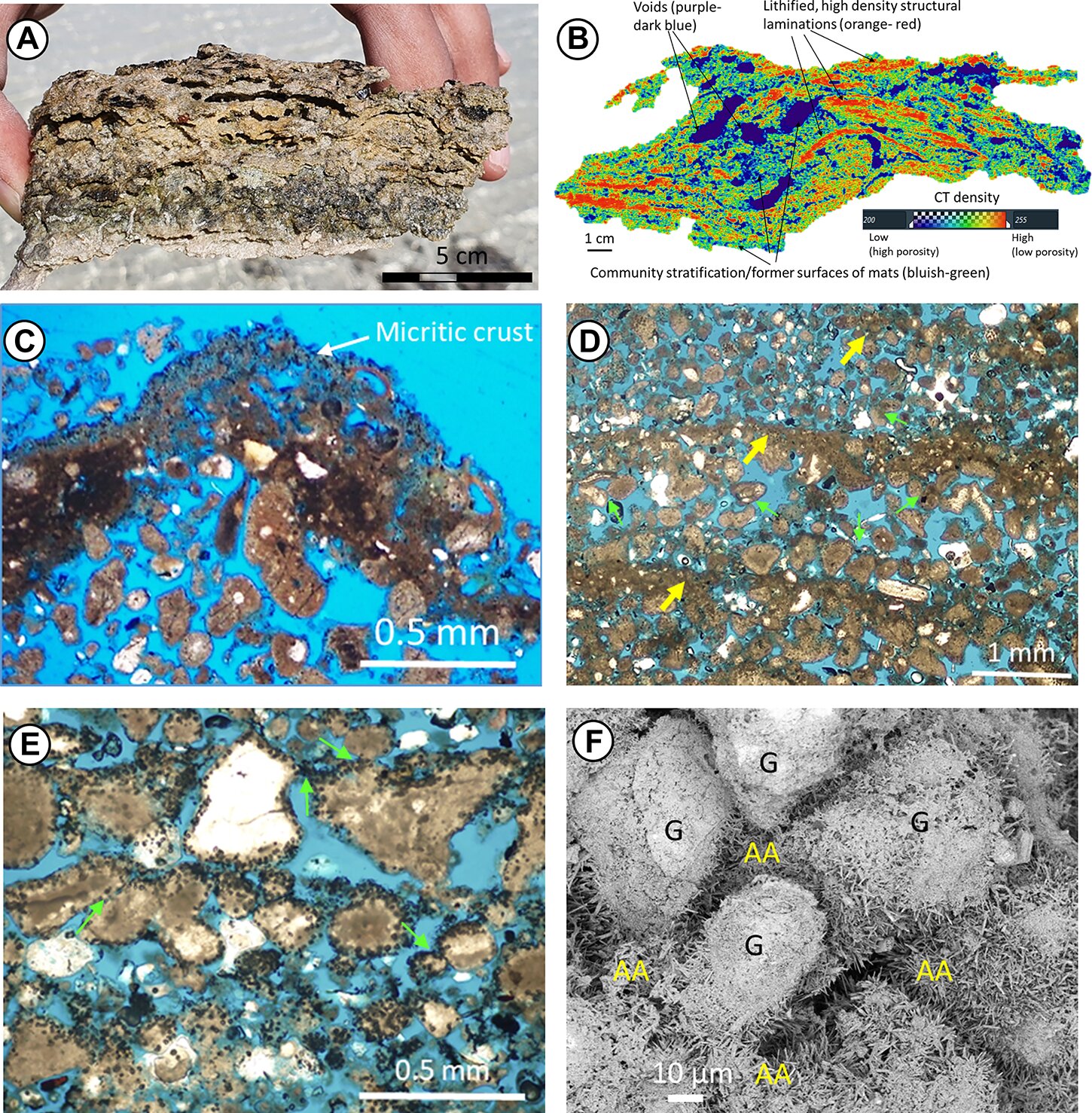
Scientists have discovered living stromatolites on Sheybarah Island in Saudi Arabia's Red Sea, marking the first such find in the Middle East. These ancient microbial structures, formed by cyanobacteria, offer insights into Earth's early life and environmental conditions 3.48 billion years ago. The study, published in Geology, highlights the significance of stromatolites in the Great Oxygenation Event and their potential as biosignatures for extraterrestrial life.
Researchers have discovered living stromatolites on Sheybarah Island in the Red Sea, Saudi Arabia. These ancient biotic structures, which played a crucial role in Earth's early oxygenation, are now found in niche extreme environments. The discovery offers a unique opportunity to study early life and ocean evolution, potentially aiding in the search for life on other planets.
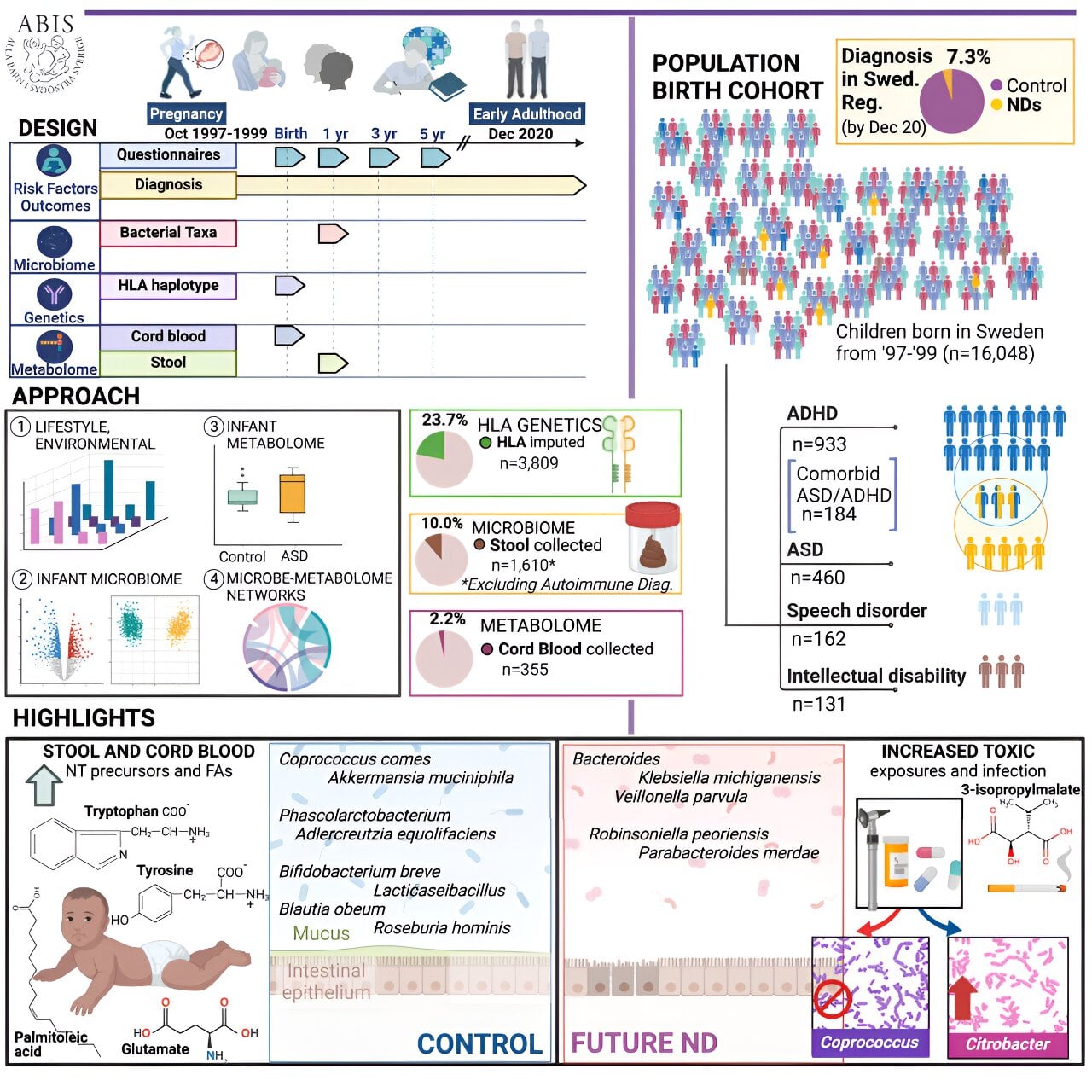
A study led by researchers at the University of Florida and Linköping University has found that disturbed gut flora during the first years of life is associated with diagnoses such as autism and ADHD later in life. The study, part of the ABIS (All Babies in Southeast Sweden) study, followed over 16,000 children from birth into their twenties and identified biological markers associated with future neurological development disorders. Factors such as antibiotic treatment, repeated ear infections, parental smoking, and breastfeeding were found to impact the risk of developmental neurological diagnoses. The study also revealed potential protective effects of certain gut bacteria and substances in the body's metabolism, opening up the possibility of developing screening protocols and preventive measures in the long term.