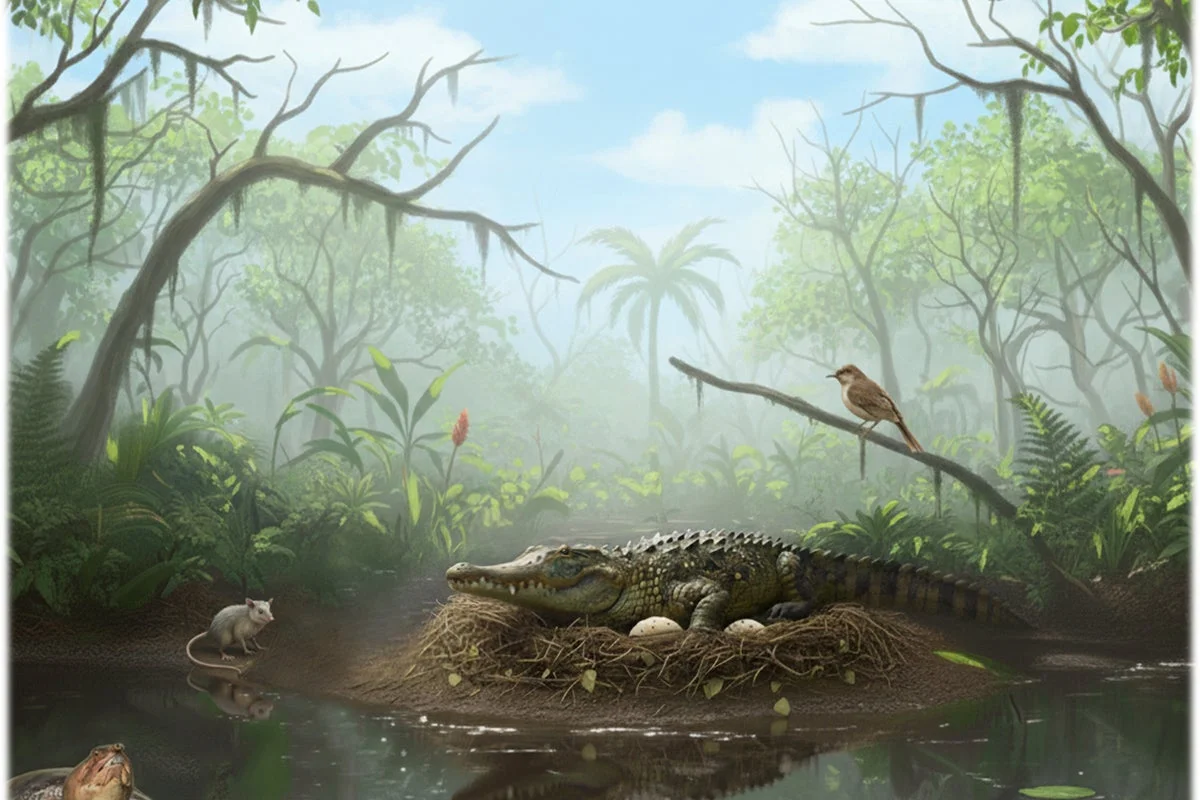
Scientists discovered Australia's oldest crocodile eggshells from 55 million years ago, belonging to a bizarre, tree-hunting crocodile species called Wakkaoolithus godthelpi, which exhibited unique terrestrial and semi-arboreal behaviors, providing insights into prehistoric ecosystems and crocodile evolution.
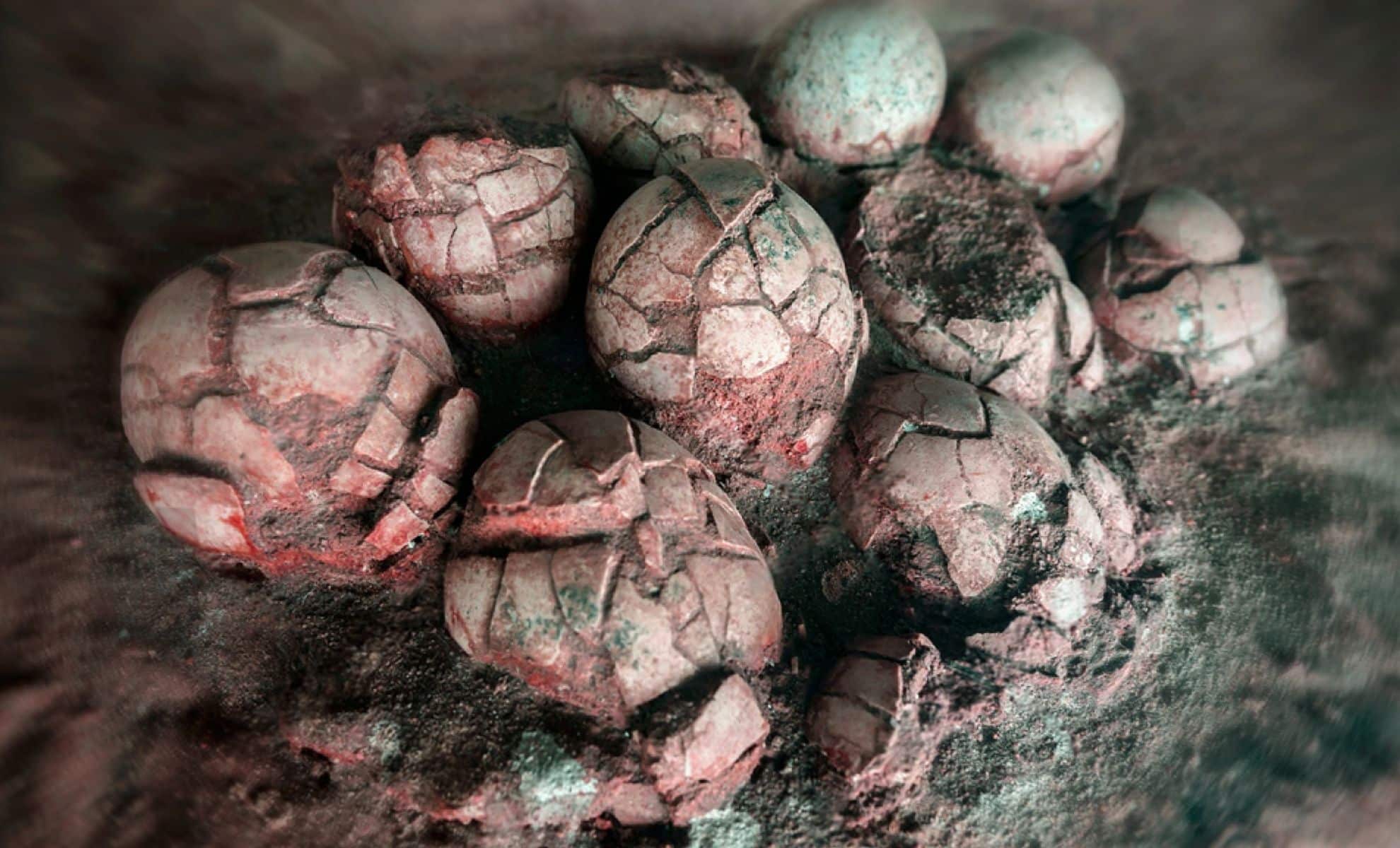
The discovery of over 4,000 dinosaur eggshell fragments in Utah reveals at least six different types of eggs, indicating a diverse and complex ecosystem with multiple nesting strategies and species coexisting, including previously unknown crocodylomorph relatives, shedding new light on prehistoric life and migration patterns during the Late Cretaceous period.
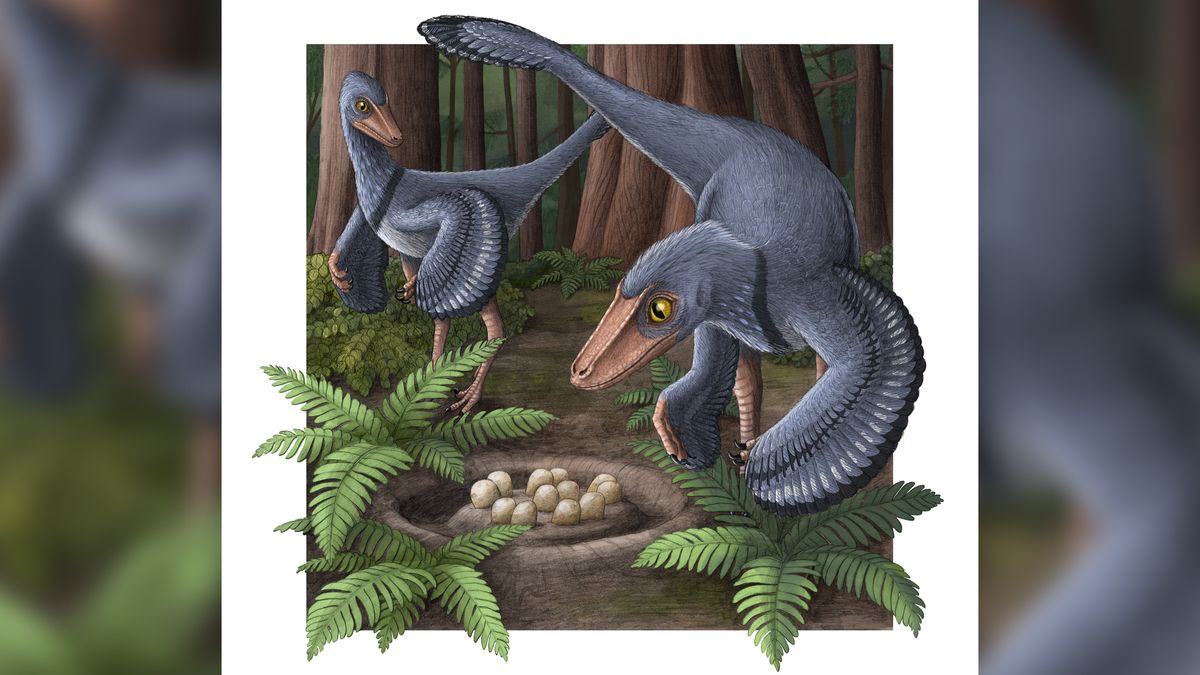
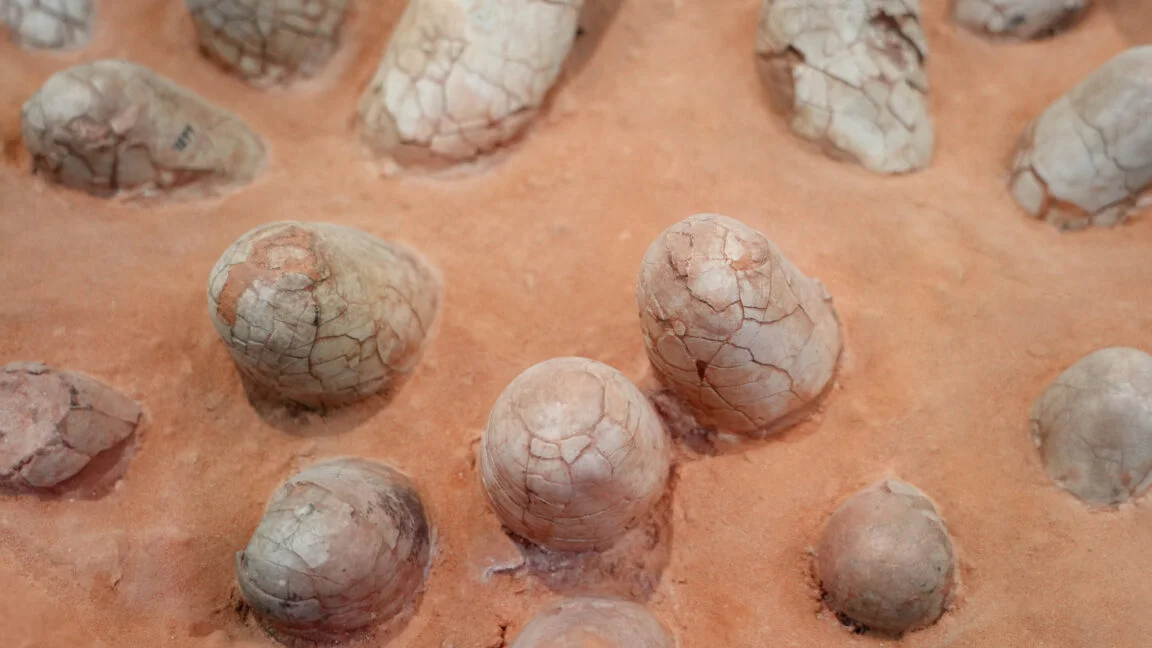
Fossilized eggshells have revealed that Troodon, a bird-like dinosaur that lived up to 74 million years ago, shared communal nests where several female nestmates often laid more than 20 eggs together, which these feathery dinos then brooded to keep warm. The dinosaurs were endotherms, meaning they were warm-blooded and could self-regulate their body temperature. They could probably switch between a warm-blooded state and a state of cold-blooded torpor — a strategy common in modern birds, called heterothermy. The finding sheds light on the evolutionary transition from cold-bloodedness to endothermy in dinosaurs.