Israel and Morocco have formalized a new military partnership through a joint work plan for 2026, marking a significant deepening of security ties since their diplomatic normalization in 2020. Morocco has increasingly favored Israeli defense suppliers, acquiring advanced systems like the Barak MX air defense and reconnaissance satellites, as part of its efforts to modernize its armed forces amid regional tensions. The agreement aims to enhance long-term defense planning and strategic coordination, positioning Morocco as Israel’s key African security ally and extending Israel’s influence into North and West Africa.
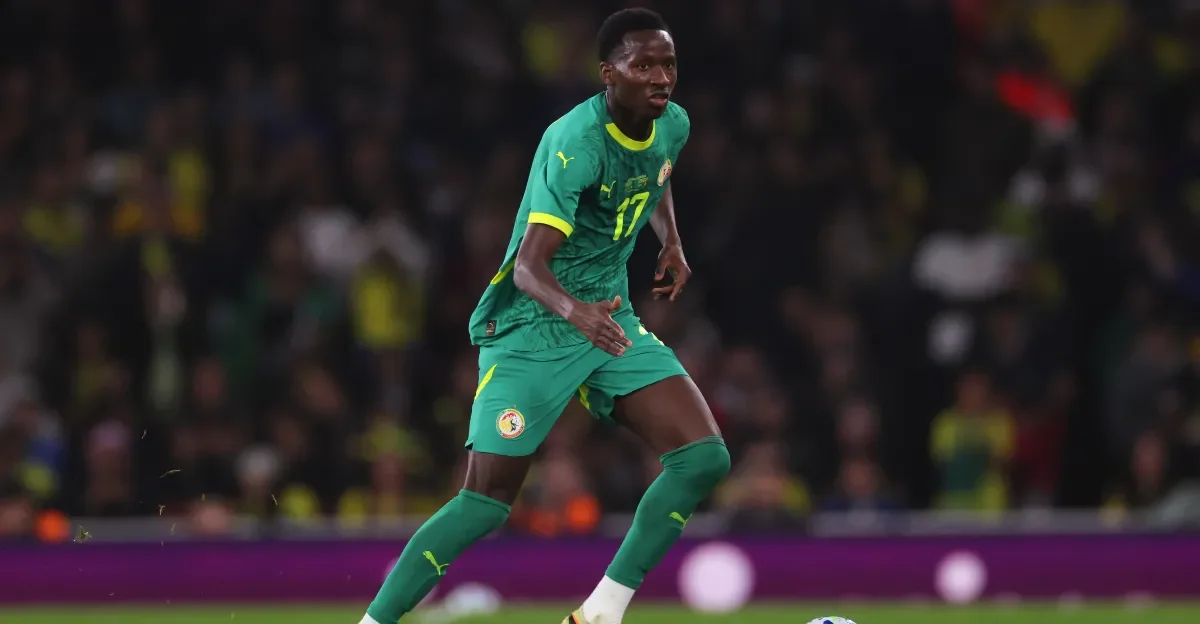
Morocco defeated Cameroon 2-0 to reach the AFCON 2025 semi-finals, with goals from Brahim Díaz and Ismail Saibari, ending a long-standing losing streak against Cameroon. Senegal also advanced after a 1-0 win over Mali, with Iliman Ndiaye scoring his first goal at the tournament. Both matches showcased strong performances from the winning teams, setting up semi-final clashes against other top African nations.
Fossils of an early human ancestor dating back 700,000 years were discovered in Morocco, potentially representing a major missing link in human evolution and supporting the theory of a deep African origin for Homo sapiens.
Fossils discovered in Morocco, dating back over 773,000 years, support the theory that Homo sapiens originated in Africa. The fossils, found in a cave and linked to Earth's magnetic field reversal, fill a crucial gap in the fossil record and suggest that our species' divergence from ancestors like Homo erectus may have occurred earlier than previously thought.
The final matches of Group F at AFCON 2025 concluded with Côte d’Ivoire topping the group on goal difference after a dramatic 3-2 comeback win over Gabon, while Cameroon also advanced after a victory over Mozambique. The tournament now moves to the knockout stage, with the action heating up as teams vie for the remaining spots.
Severe flash floods triggered by torrential rains have killed at least 37 people in Safi, Morocco, marking the deadliest such event in a decade, with ongoing rescue efforts, warnings of further storms, and investigations into responsibility amid ongoing drought and climate change impacts.
Heavy rains caused devastating floods in Safi, Morocco, killing at least 37 people, damaging homes, and blocking roads, with authorities conducting rescue operations amid concerns over climate change impacts.
At least 37 people have died in flash floods caused by heavy rains in Morocco’s Safi province, flooding homes and disrupting traffic, with more rain forecasted. Rescue operations are ongoing, and the country is experiencing its hottest year on record amid recent severe weather events.
Nine African migrants died from exposure to freezing temperatures near Morocco's border with Algeria, highlighting the dangers faced by migrants attempting to cross North Africa illegally en route to Europe. The incident has raised concerns among human rights groups about border policies and migrant safety.
Morocco has denied Western Sahara's independence for 50 years, following a history of military invasion, diplomatic manipulation, and international neglect, despite legal and moral claims for self-determination by the Sahrawi people and international bodies like the ICJ.
Morocco's King Mohammed VI addressed social injustices amid ongoing protests by Gen Z activists demanding reforms, emphasizing governance and development projects but not directly responding to specific protest demands, highlighting regional inequalities, youth unemployment, and public service issues.
A newly discovered dinosaur named Spicomellus, dating back 165 million years, was covered in long spikes fused onto its ribs and had a tail weapon, making it one of the strangest and most heavily armored dinosaurs ever found, challenging previous ideas about ankylosaur evolution.
Scientists in Morocco have discovered the fossil of Spicomellus, the world's oldest ankylosaur, revealing a bizarre, heavily armored dinosaur with spikes and a tail weapon from the Jurassic period, prompting a reevaluation of dinosaur evolution and highlighting Morocco's potential for paleontological discoveries.
Researchers discovered a 165-million-year-old dinosaur in Morocco named Spicomellus, notable for its bizarre armor and spikes, which may have been used for display or mating rather than defense, and it provides new insights into early ankylosaur evolution.
The oldest known ankylosaur fossil, Spicomellus afer, was discovered in Morocco, revealing an unusually spiked and elaborate armor that challenges existing theories of ankylosaur evolution, and suggesting tail weaponry evolved much earlier than previously thought.