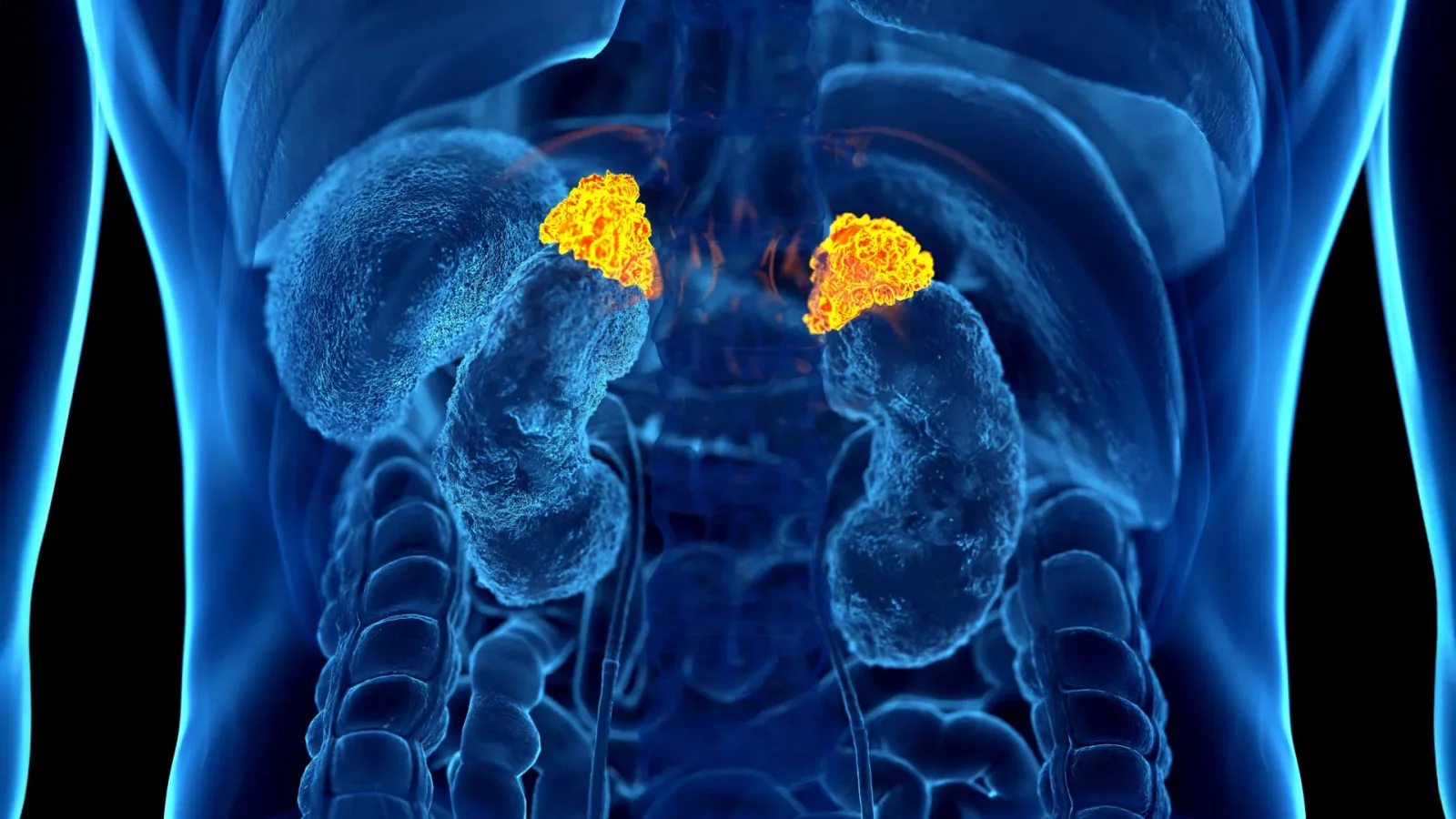
Researchers used AI to identify a new biomarker of chronic stress visible on standard CT scans by measuring adrenal gland size, which correlates with stress levels and predicts cardiovascular risk, offering a practical tool for assessing long-term stress effects in clinical settings.
A large Canadian study suggests that preconception CT scans may slightly increase the risk of pregnancy loss and birth defects, but the overall risk increase is small and may be influenced by underlying health conditions; the benefits of necessary scans generally outweigh the risks.
A recent study predicts that the increased use of CT scans in the US could lead to approximately 103,000 future cancer cases due to low-dose radiation exposure, highlighting a potential public health concern while emphasizing the importance of balancing diagnostic benefits against long-term risks.
New research warns that overuse of CT scans in the US could cause over 103,000 new cancer cases in the future, highlighting concerns about unnecessary scans driven by reassurance-seeking and routine use, especially in children and healthy individuals. Experts emphasize the importance of limiting low-value scans, reducing radiation doses, and following strict guidelines to minimize risks while ensuring necessary diagnostics.
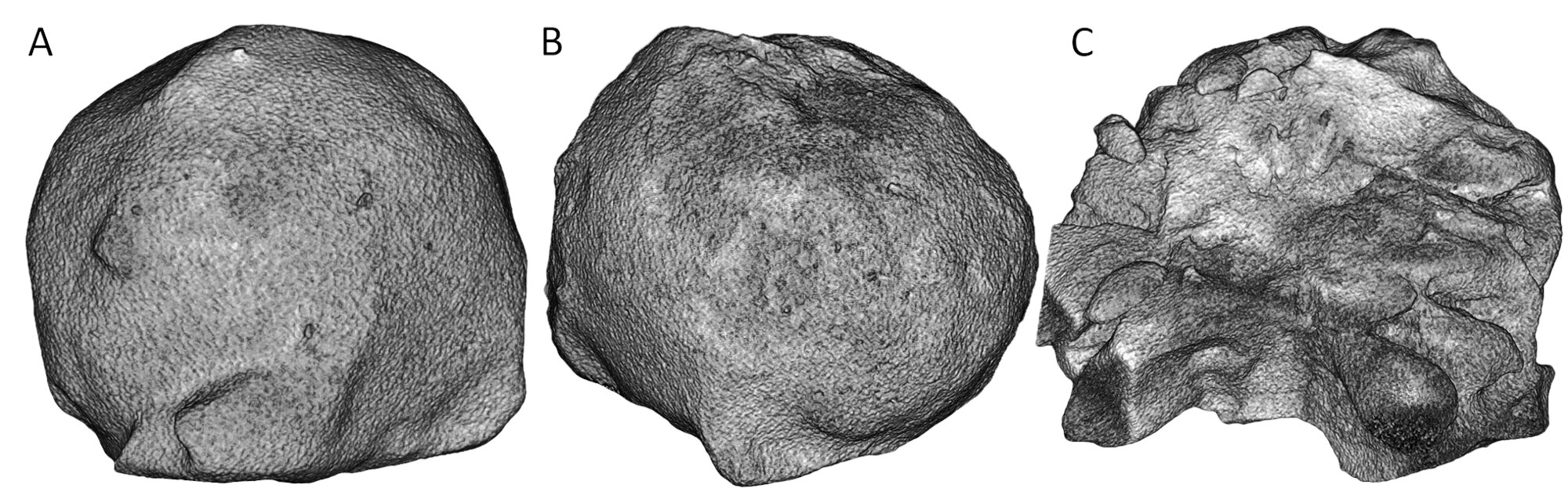
Researchers in Catalonia have used CT scans to study the internal structure of giant hailstones from a 2022 storm, revealing new insights into their growth and formation. This non-destructive method showed that hailstones can have irregular internal structures despite appearing spherical externally, and that their cores are often off-center. These findings challenge previous assumptions and could improve future storm predictions, although the technique is costly and some anomalies remain unexplained.
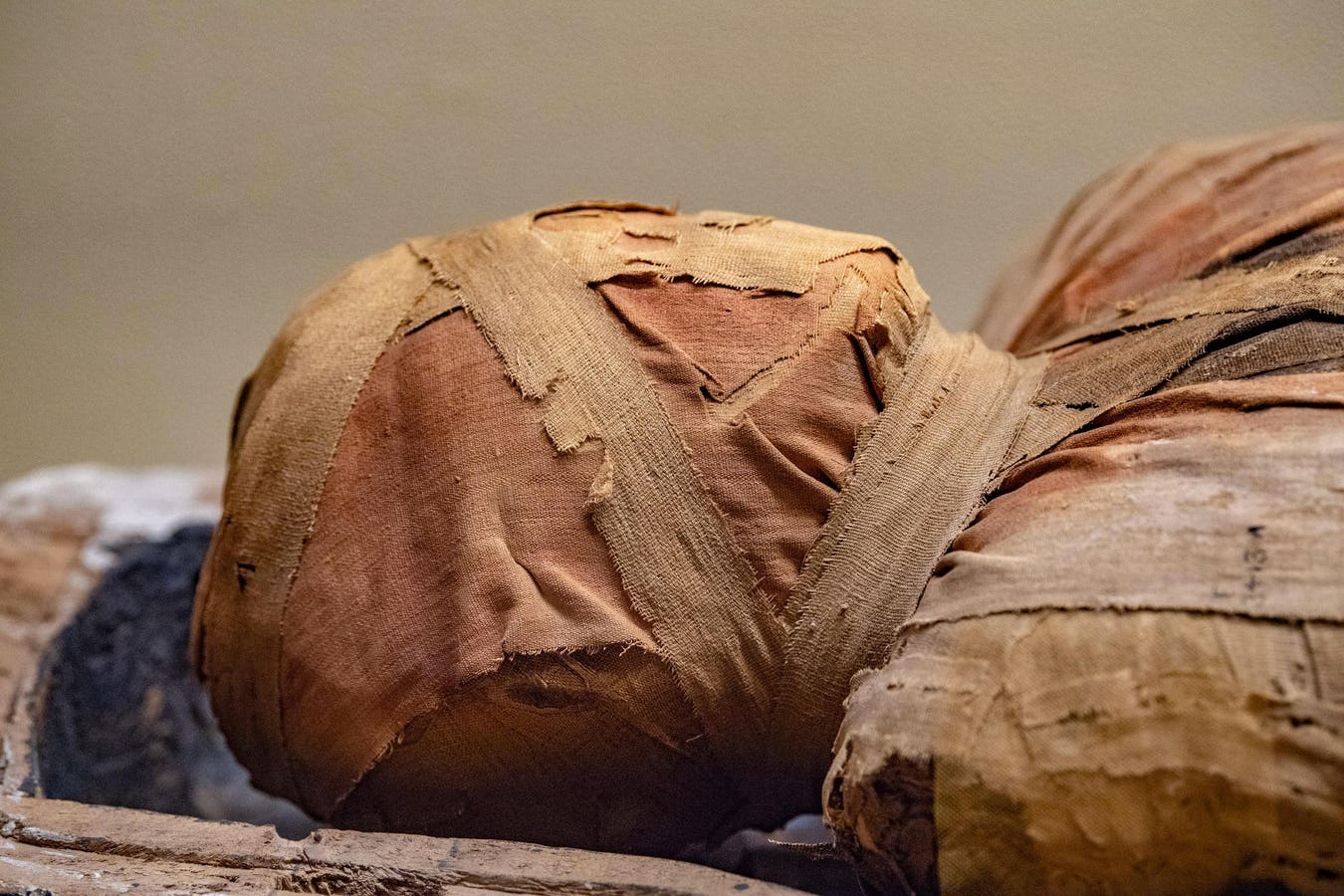
A study published in the European Heart Journal found that 37.6% of 237 mummies from various ancient cultures, spanning over 4,000 years, showed evidence of atherosclerosis, indicating that heart disease and stroke are not just modern phenomena but have long been present in human history.
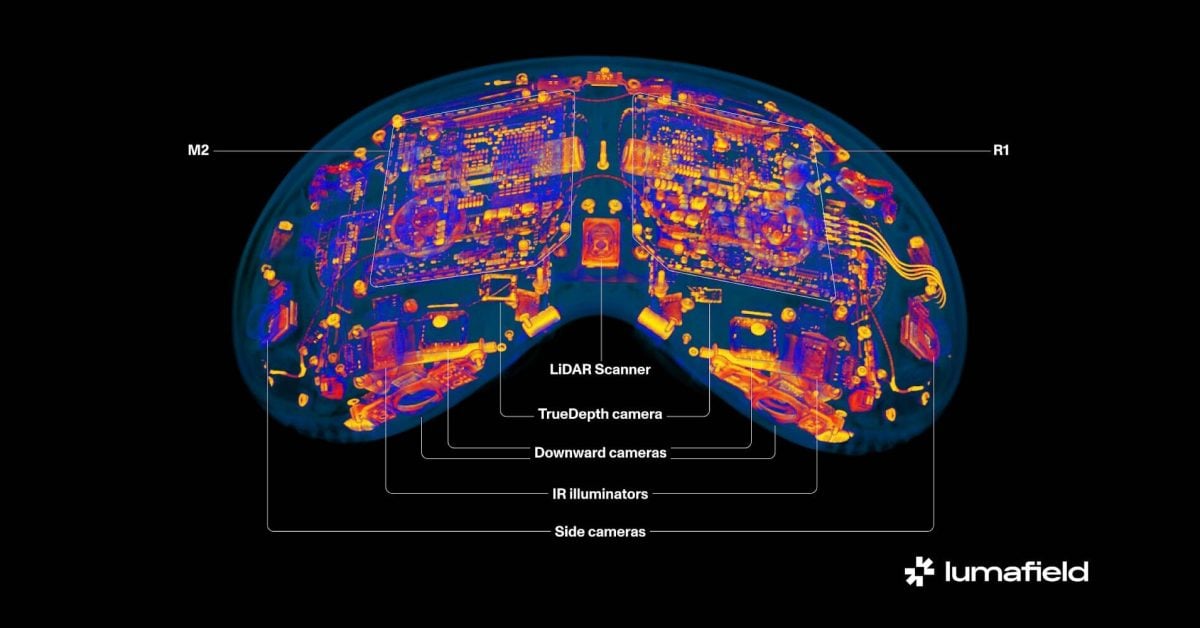
Non-destructive CT scans of the Apple Vision Pro reveal a meticulous array of cameras, sensors, and technology, showcasing its precise engineering. Lumafield's comparison with Meta Quest 3 and Meta Quest Pro highlights the frugal construction and value of the devices, while emphasizing the potential of the Vision Pro as a spatial computer ushering in a new era of technology and media. The detailed teardown offers insights into the design, displays, sensors, processors, batteries, thermal management, and audio systems, particularly highlighting the complex sensor array including eye-tracking IR cameras, LiDAR scanner, TrueDepth camera system, hand tracking cameras, and MEMS microphones.
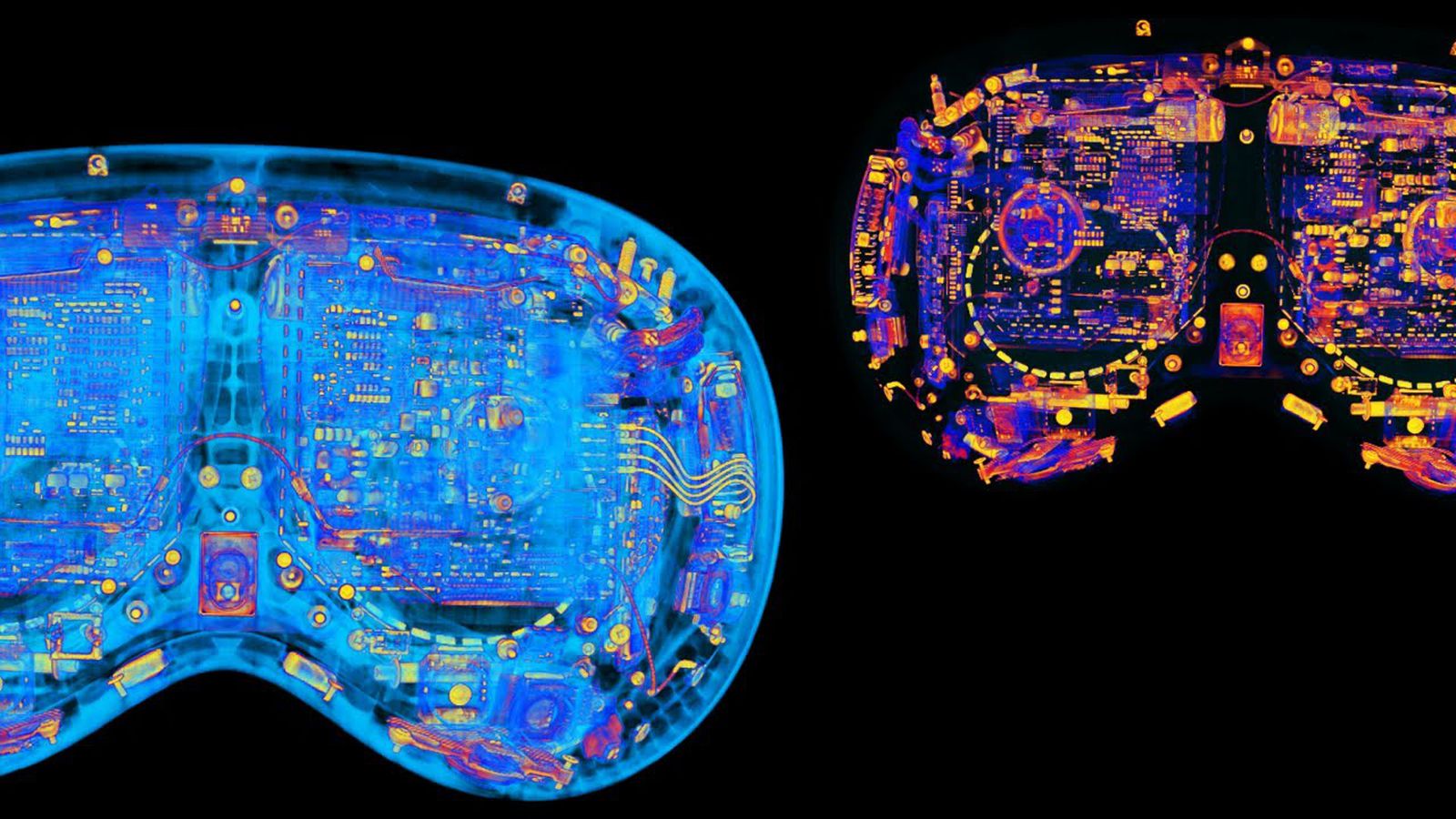
CT scans by Lumafield reveal the unique internal design of the Apple Vision Pro compared to its rivals, showcasing its efficient use of space, advanced sensor technologies, and micro-blower thermal management. The Vision Pro's flexible PCB ribbon and electronics arrangement contrasts with the more traditional approach of the Meta Quest Pro and Quest 3. Additionally, the Vision Pro prioritizes performance with an external battery pack, while the Meta Quest models integrate the battery within the headset for user convenience.
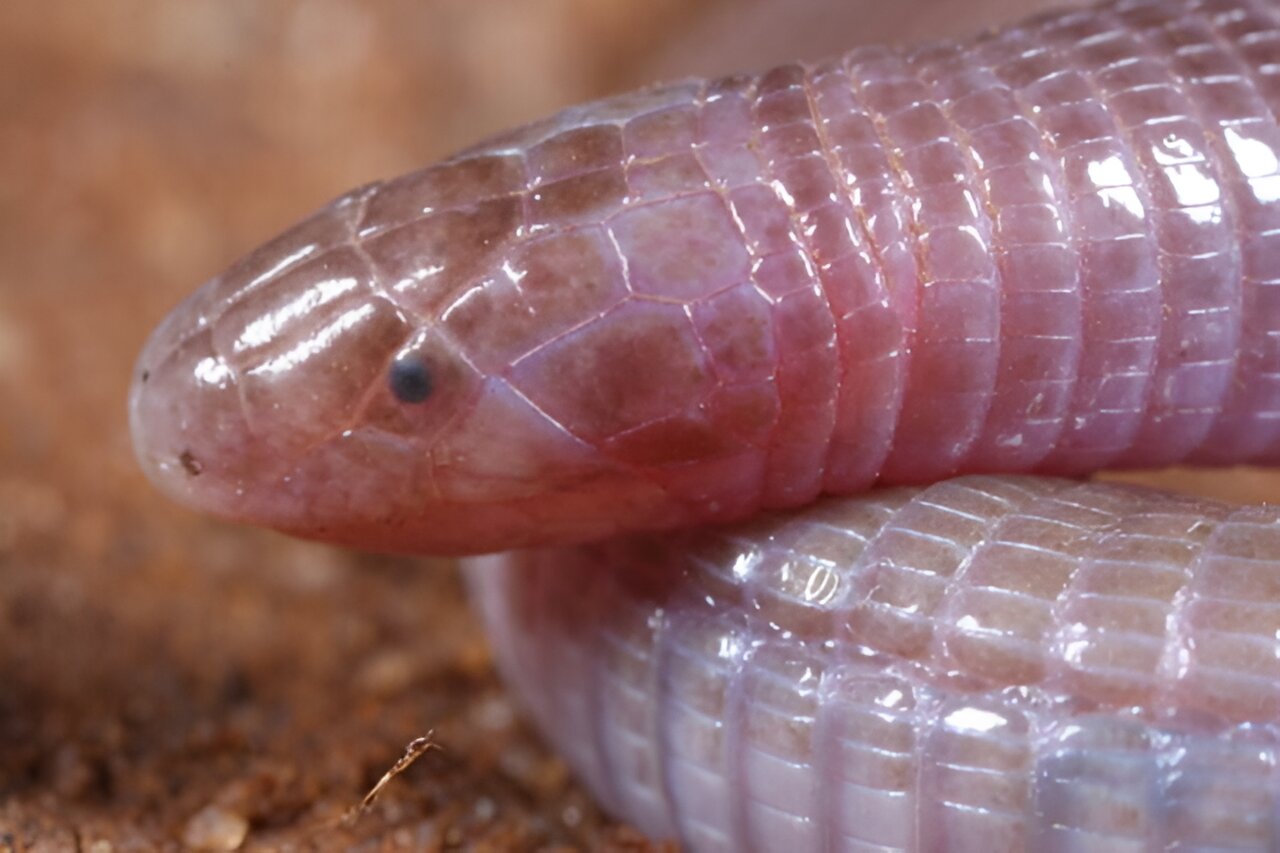
Researchers have used micro-CT scans to reveal new insights into the anatomy and behavior of amphisbaenians, snake-like reptiles that live underground. The scans provided detailed 3D models of the creatures' skulls, shedding light on their specialized features such as a singular central tooth and powerful jaw muscles. The studies, which focused on the species Zygaspis quadrifrons, also confirmed sexual dimorphism in this species, with females being larger than males. With limited biological and ecological data available on amphisbaenians, studying their anatomy is crucial for understanding these enigmatic creatures and their hidden lives beneath the surface.
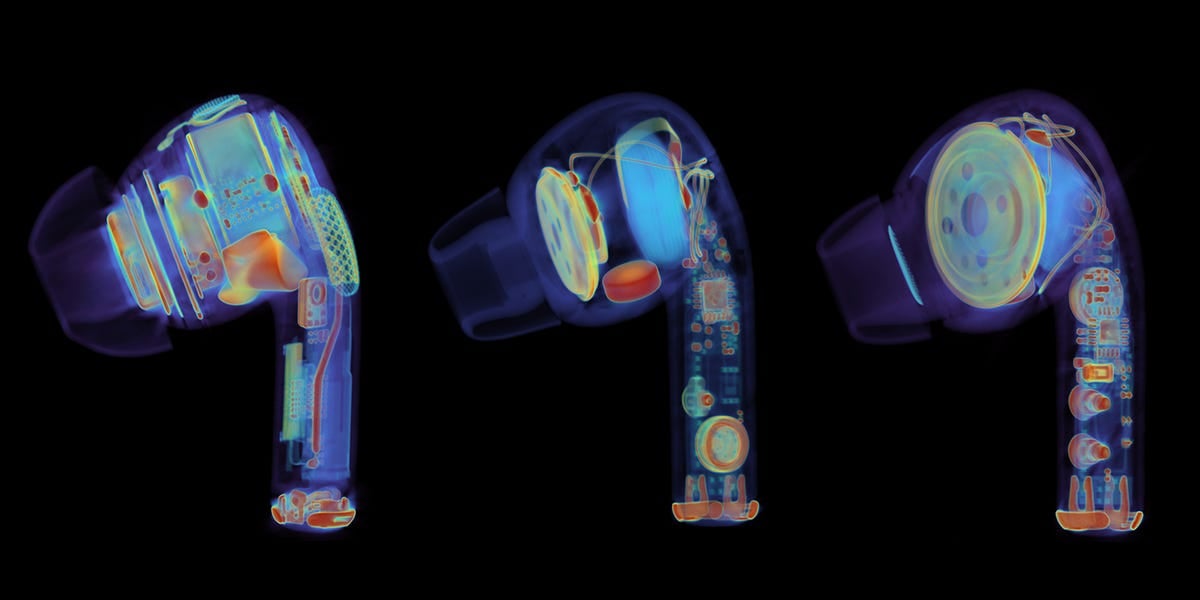
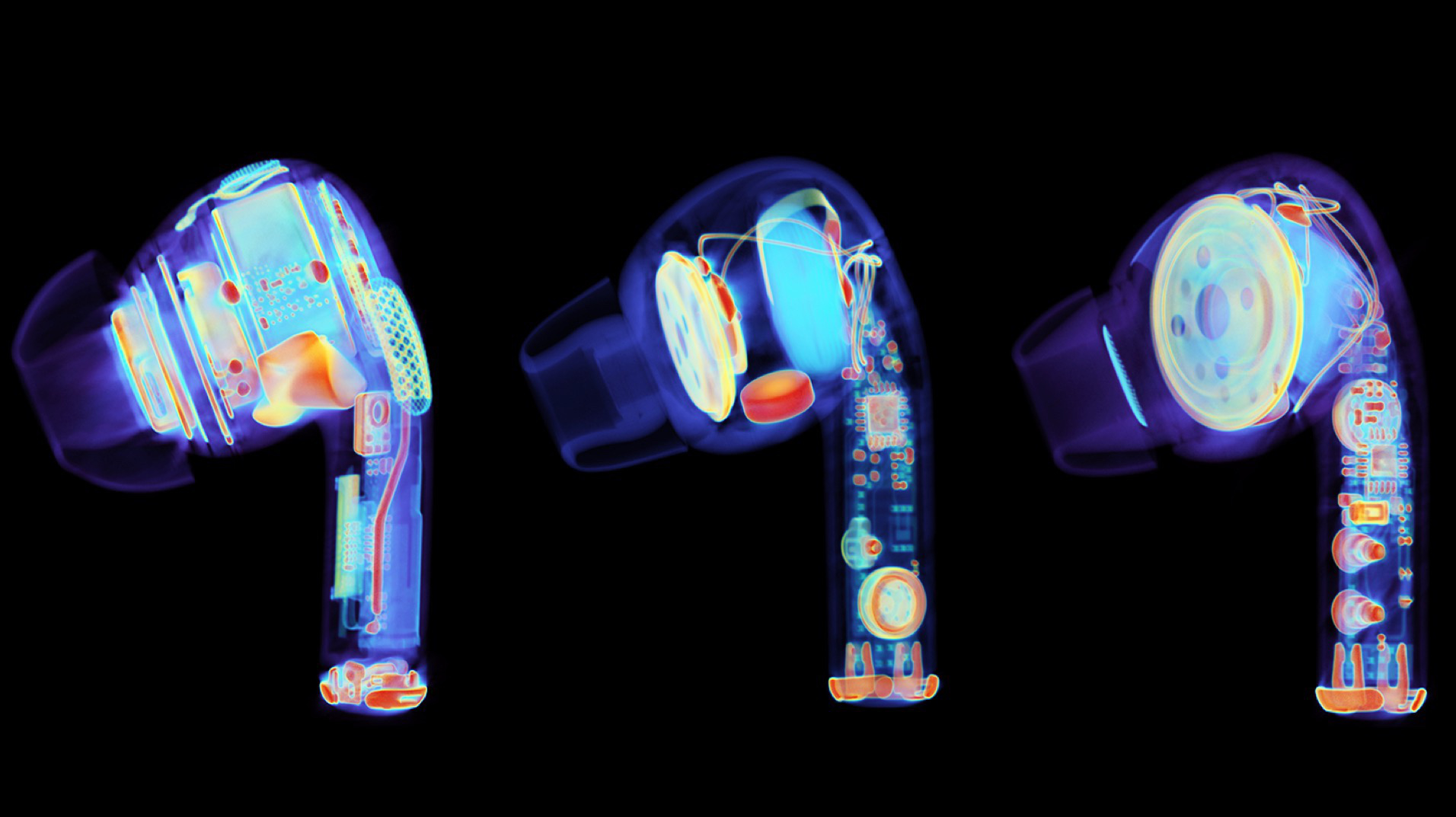
CT scans of genuine AirPods compared to counterfeit ones reveal major differences in quality, including differences in batteries, circuitry, and sound quality. Genuine AirPods have button-cell batteries for efficient operation and a more complex wiring system, while counterfeit versions use lithium-ion batteries and have less circuitry. The counterfeit AirPods also have fewer microphones, limitations on wireless charging, and lack magnets for secure placement in the charging case. To ensure authenticity, users can check the AirPods' serial number on Apple's Check Coverage website and look for packaging details and connectivity to the Find My app.
CT scans comparing the AirPods Pro 2 with counterfeit alternatives reveal that the fake earbuds have fewer components, less complex hardware, and poor soldering and wires. The counterfeit versions provide subpar active noise cancellation and limited call quality. Additionally, the fake charging cases are simplified and contain metal weights to mimic the official Apple product.
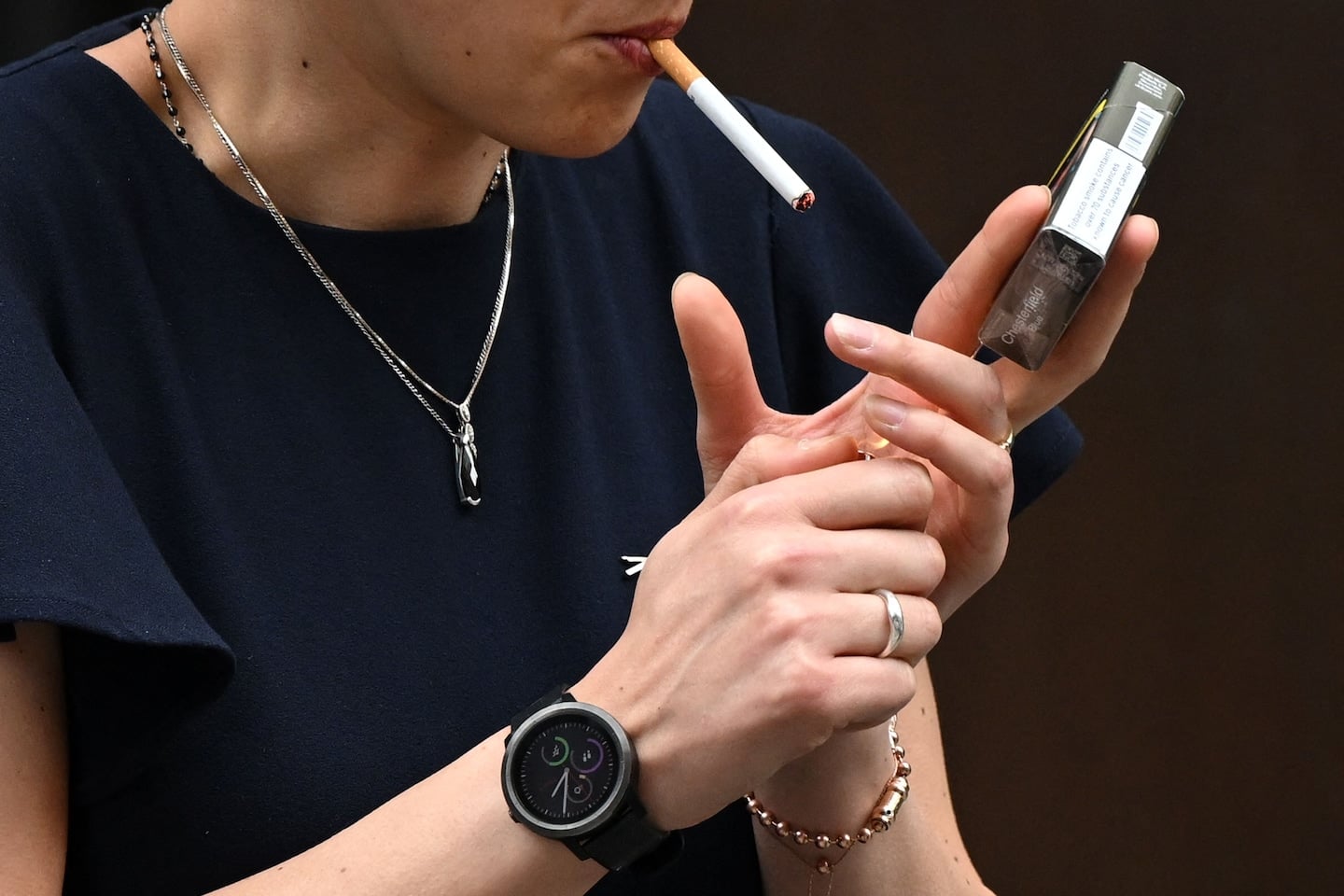
The American Cancer Society (ACS) has released new guidelines for lung cancer screenings, expanding eligibility for high-risk individuals. The ACS now recommends annual low-dose CT scans for people aged 50 to 80 with a 20+ pack-year history of smoking, compared to the previous threshold of 30 pack-years. The number of years since quitting smoking is no longer a factor for screening eligibility. The new guidelines aim to reduce lung cancer deaths in the US, where it is responsible for more deaths than colon, breast, and prostate cancers combined.
The American Cancer Society has updated its guidelines, recommending that an additional 5 million Americans who smoke or used to smoke should undergo annual screenings for lung cancer. The new recommendations apply to about 19 million people who would benefit from low-dose computed tomography scans, allowing for improved cancer detection at an earlier stage. The guideline also suggests that people continue to get annual scans even if they quit smoking more than 15 years ago. The mortality rate for lung cancer remains high, accounting for 20% of all cancer fatalities, but advancements in CT scans and immunotherapy offer better opportunities to reduce deaths.
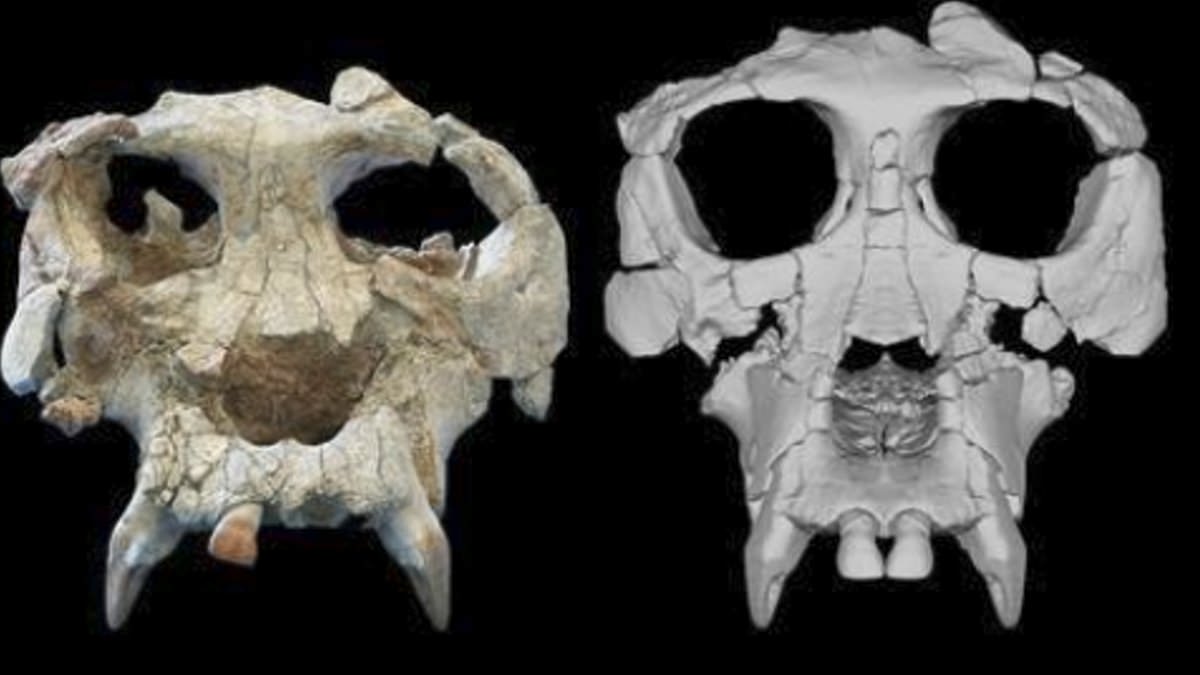
Scientists have reconstructed the face of a European great ape species called Pierolapithecus catalaunicus, which could be one of the earliest relatives of the human race. The well-preserved skull was reconstructed using CT scans, and the species has distinct facial features not found in other apes from the same period. The remains, including a cranium and partial skeleton, were found in Catalonia, Spain, in 2002. The reconstruction provides valuable insights into the evolutionary relationships and biology of this ancient ape species, shedding light on human evolution.
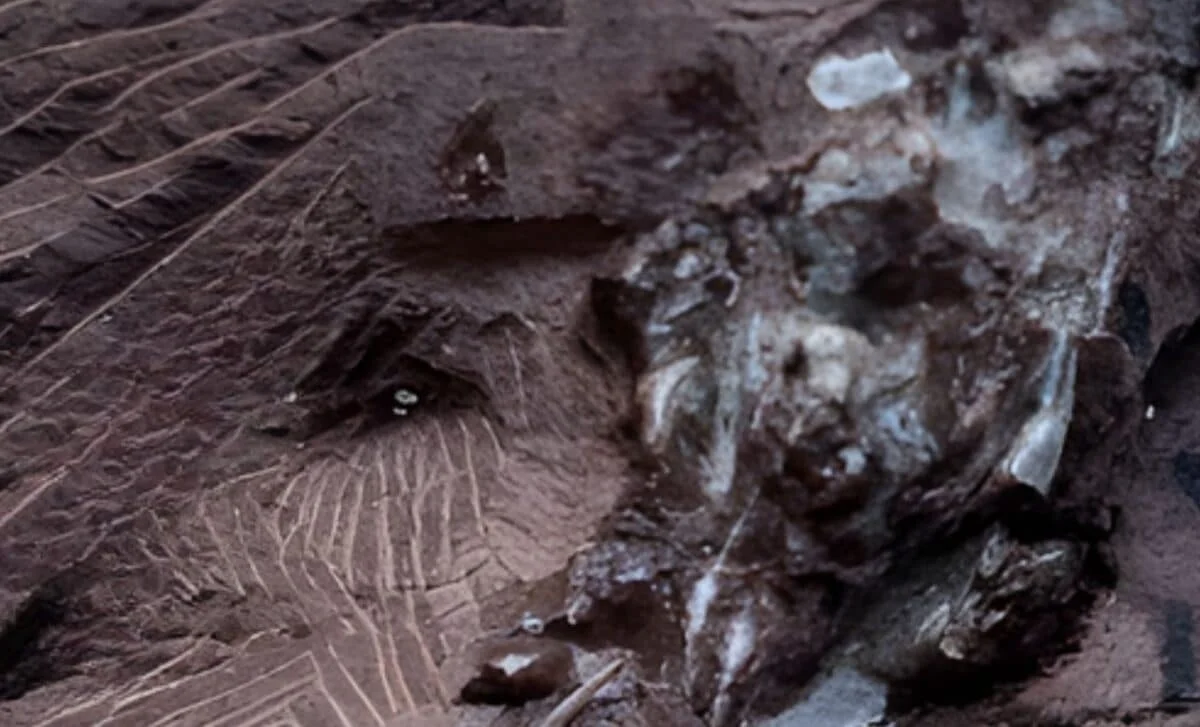
A 455-million-year-old fossil of the jawless fish Eriptychius americanus has provided new insights into the evolution of vertebrate skulls. The fossil, discovered in Colorado, is the oldest 3D evidence of cranial anatomy in an early vertebrate. The skull arrangement of E. americanus is unlike anything seen in living vertebrates or its extinct relatives, with unfused cartilage sections surrounding the mouth, olfactory organs, and eyes. CT scans allowed researchers to visualize the cartilage and reconstruct a digital model of the fish's cranium. The fossil fills a gap in our understanding of vertebrate head evolution and provides valuable insights into the ancient jawless fish's anatomy.