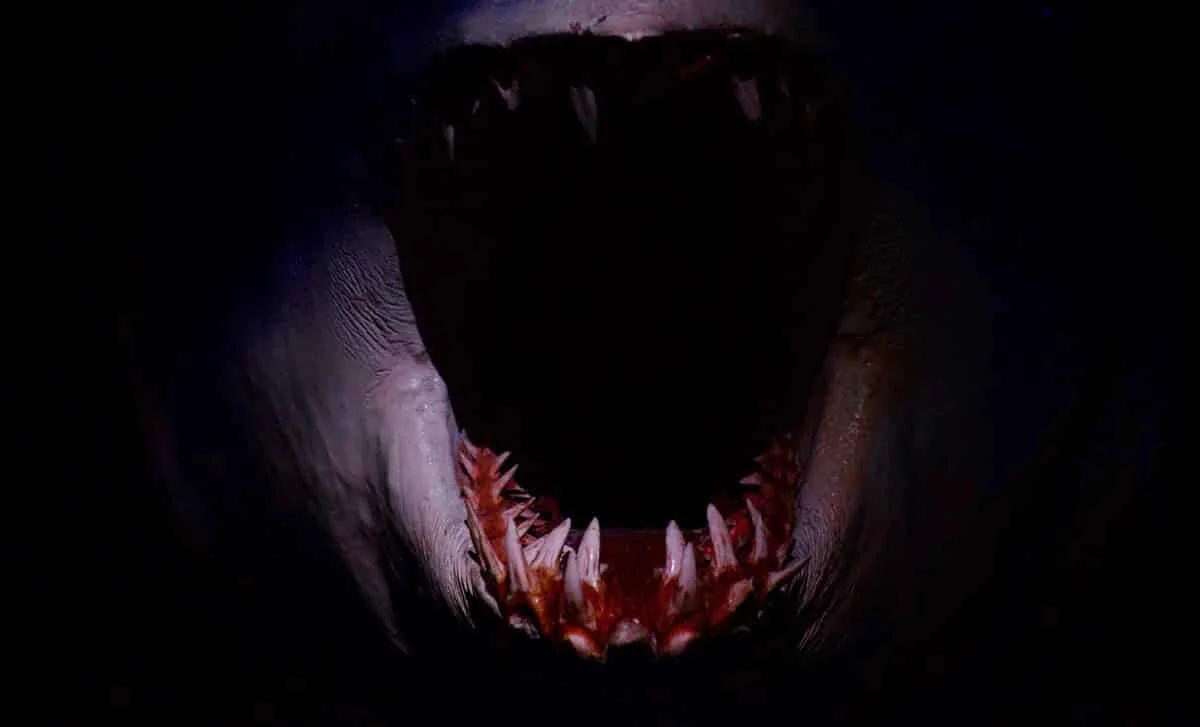
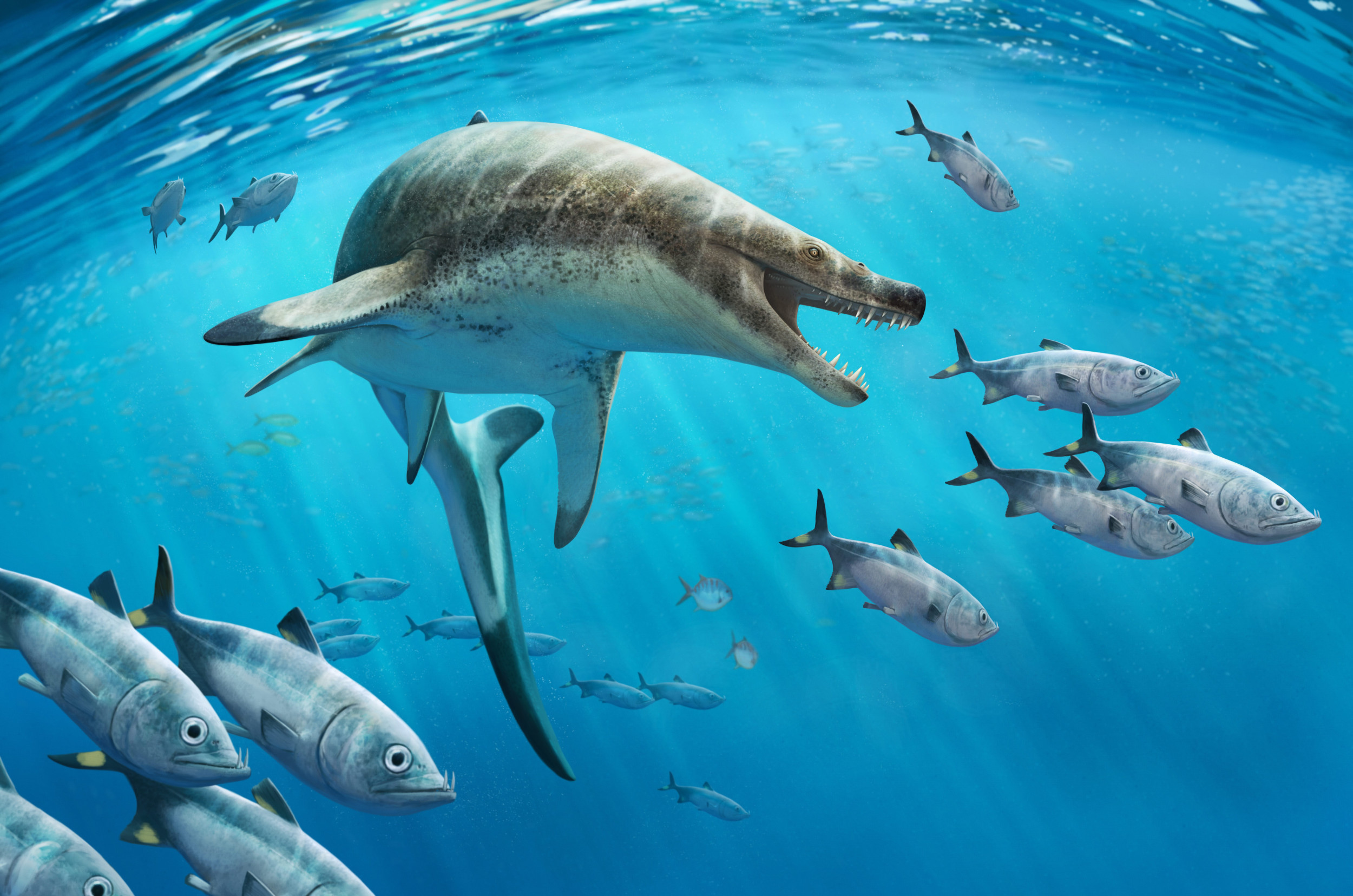
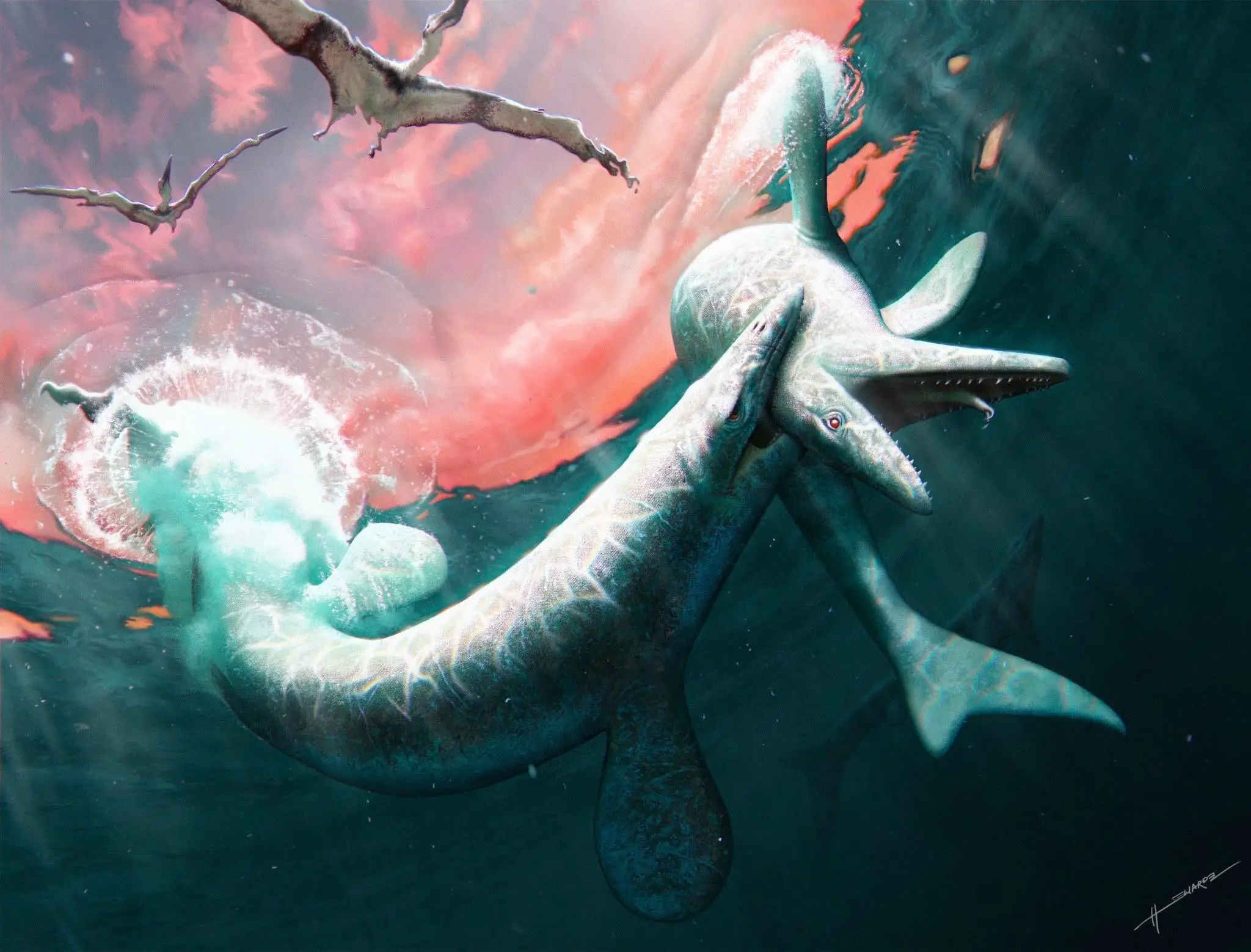
A newly described mosasaur from Morocco, Khinjaria acuta, had dagger-like teeth and a powerful jaw, signaling a highly specialized top predator in a Late Cretaceous sea rich with diverse mosasaurs around 66 million years ago.
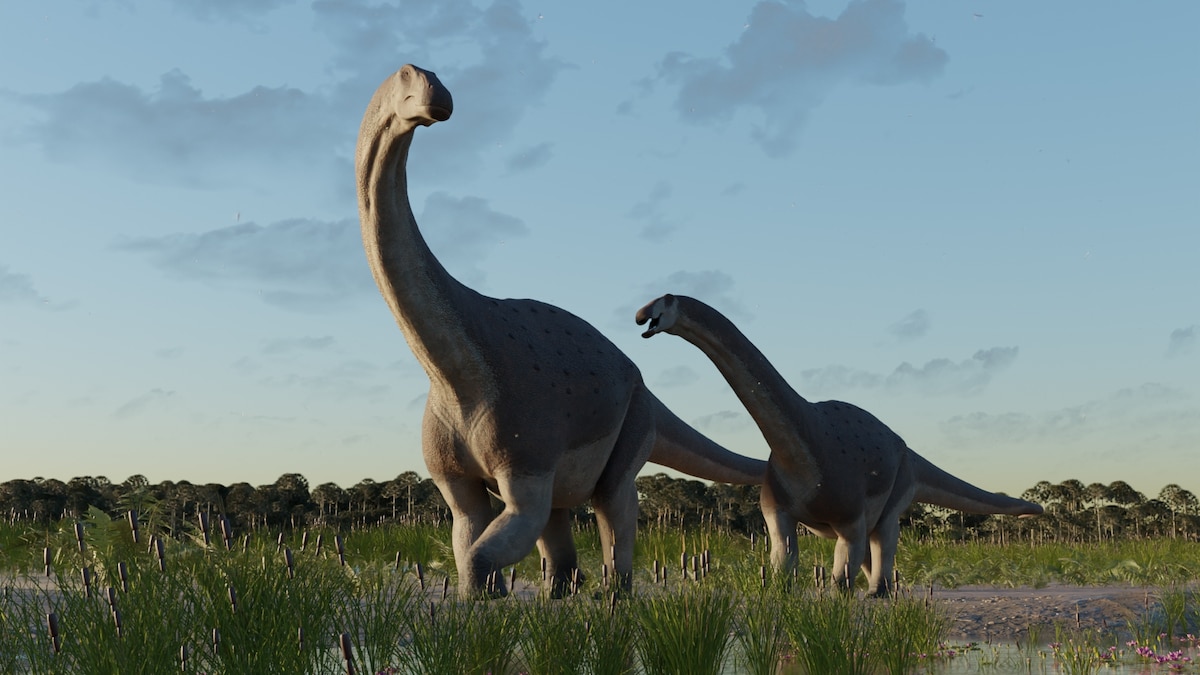
A new dinosaur, Titanomachya gimenezi, discovered in Patagonia is one of the smallest titanosaurs ever found, about the size of a cow. Uncovered by paleontologist Diego Pol and colleagues, this find sheds light on the late Cretaceous period in South America, offering new insights into the diverse dinosaur species that roamed the region. The discovery hints at significant environmental changes and raises questions about why Titanomachya was so small, prompting further investigation into the factors that may have influenced its size and the broader ecosystem.
Researchers have discovered a new species of mosasaur, a giant sea lizard with dagger-like teeth, that lived during the Late Cretaceous period. Named Khinjaria acutus, this fearsome marine predator had a short face, long skull, and powerful jaws with teeth resembling daggers. Fossils of this creature were found in Morocco and date back to around 67-69 million years ago. The discovery sheds light on the diverse marine ecosystem of the Late Cretaceous and the predatory behavior of mosasaurs before they were wiped out by a mass extinction event.
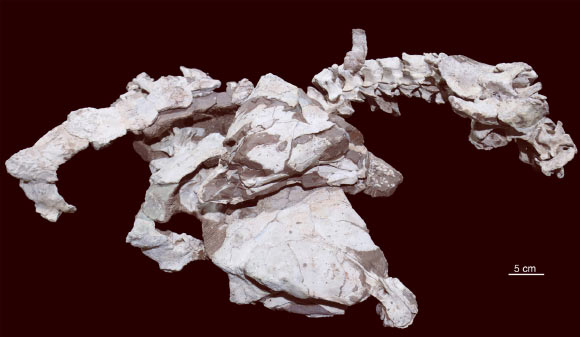
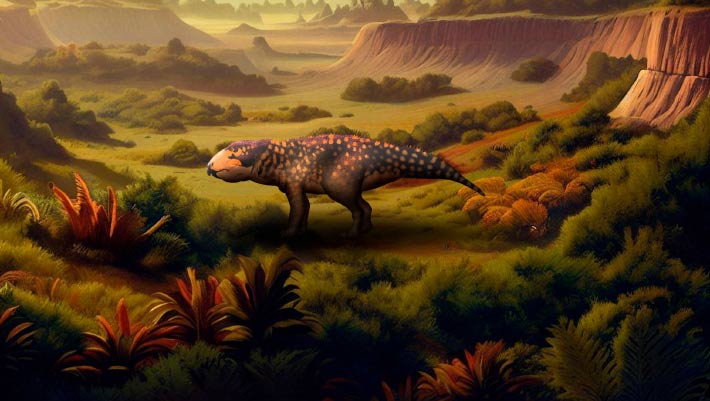
A new species of ankylosaurine dinosaur, Datai yingliangis, has been discovered in southeastern China from two well-preserved immature skeletons, representing a unique addition to the early Late Cretaceous vertebrate fauna. This ancient armored dinosaur had double cheek horns, making it distinct from other known ankylosaurines and shedding light on the early evolution of this group. The discovery provides valuable insights into the diversity and evolution of armored dinosaurs during the Late Cretaceous period.
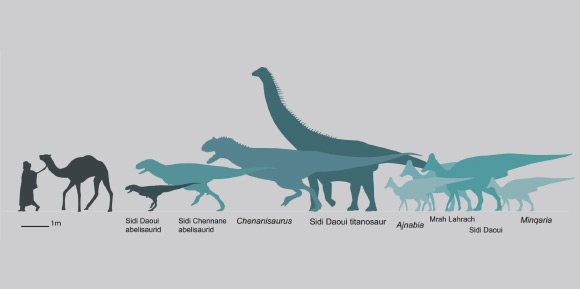
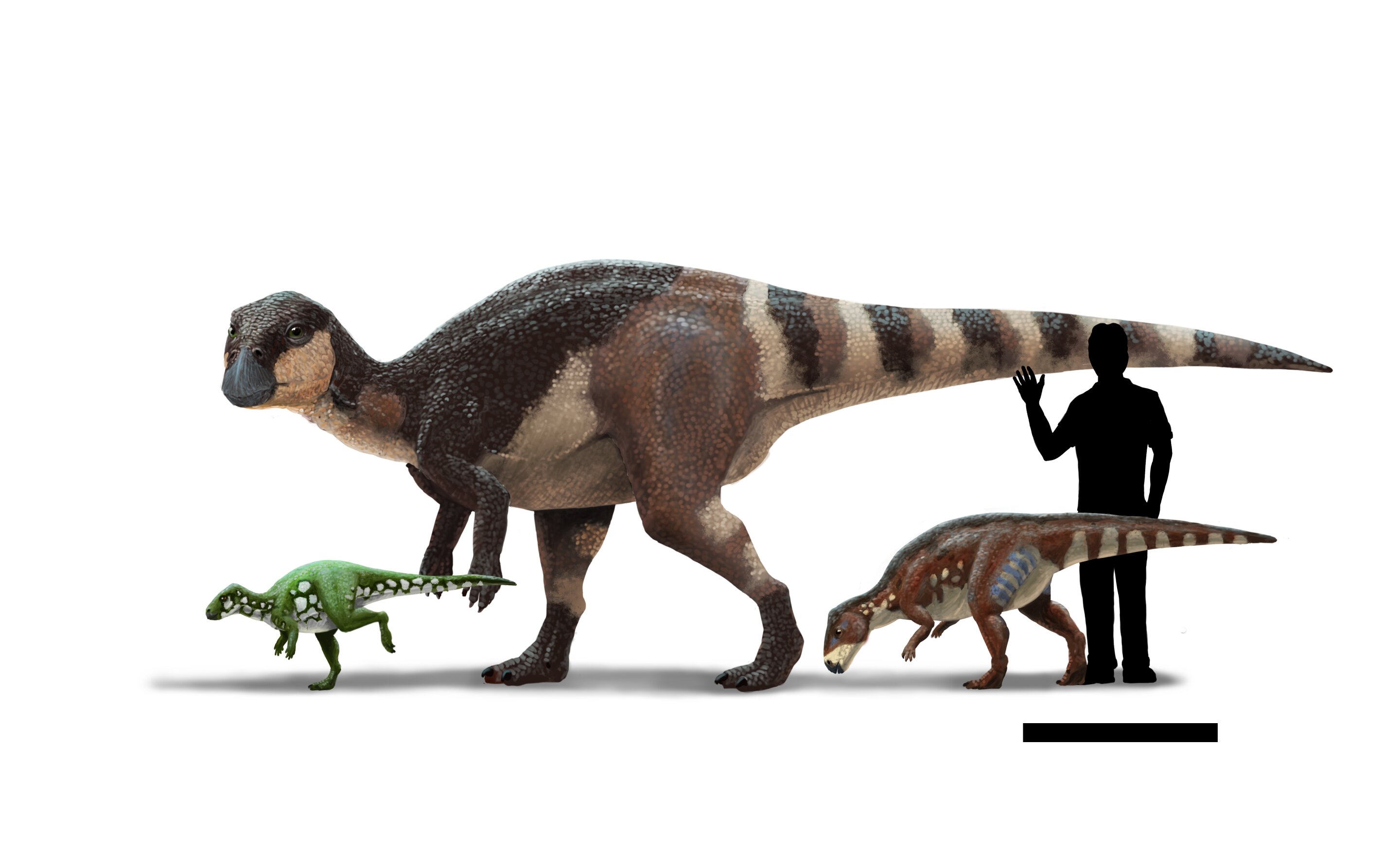
A new species of dwarf lambeosaurine hadrosaurid, named Minqaria bata, has been discovered in Moroccan rocks dating back to the Late Cretaceous epoch, around 68 million years ago. This finding challenges previous beliefs about the distribution of hadrosaurids and suggests that duckbills may have swam or rafted to Africa. The discovery also implies a dispersal-driven radiation of hadrosaurids, with lambeosaurines diversifying to take advantage of low ornithischian diversity. The study sheds light on the diversity and evolution of hadrosaurids in Africa and Europe during the Late Cretaceous period.
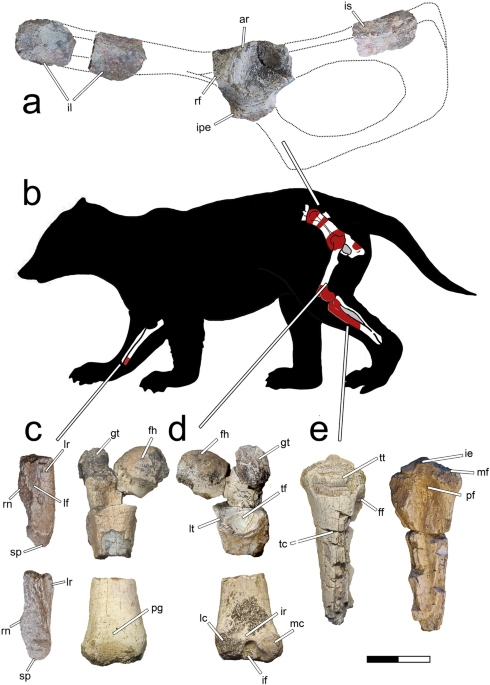
A new study reports the discovery of a large therian mammal, Patagomaia chainko, from the Late Cretaceous of Patagonia, South America. This finding challenges the traditional view that early evolution and origin of therians occurred exclusively on Laurasian landmasses, suggesting that some therian lineages evolved and diversified in the Southern Hemisphere. Patagomaia, estimated to weigh around 14 kg, exhibits unique anatomical features that distinguish it from other Mesozoic mammals, and its discovery indicates a taxonomically diverse Late Cretaceous mammalian fauna in South America, including gondwanatherians, dryolestoids, monotremes, and early therians.
Paleontologists have identified a new species of herbivorous dinosaur called Gremlin slobodorum, a leptoceratopsid that lived over 70 million years ago in what is now Alberta, Canada. Measuring approximately 2 meters in length, this dinosaur lacked horns and had a small frill extending from behind its head. The discovery of Gremlin slobodorum fills a gap in the fossil record of leptoceratopsids in Alberta and provides insights into the evolution of these plant-eating dinosaurs.
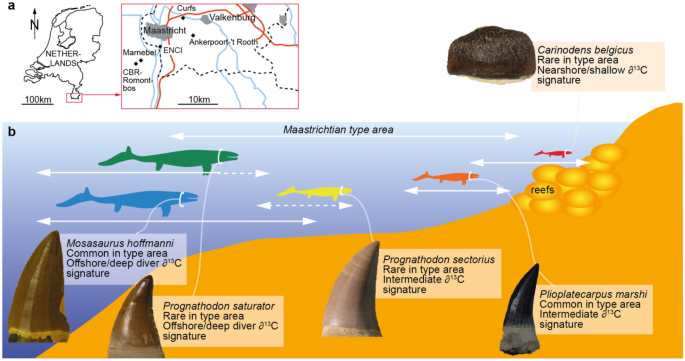
A study conducted on the dental microwear of type-Maastrichtian mosasaurs, a group of large marine reptiles from the Late Cretaceous period, provides insights into their diets and potential niche partitioning. The study used three-dimensional dental microwear texture analysis (DMTA) to analyze tooth surfaces and compare them to extant reptiles with known diets. The results suggest that mosasaurs exhibited dietary generalism with slight preferences for vertebrate and/or invertebrate prey, but also showed some level of dietary specialization and partitioning. The findings shed light on the diversity of ecological roles performed by mosasaurs and the structure of the Late Cretaceous marine ecosystem.
Scientists have discovered a new species of mosasaur, a large aquatic lizard that lived during the late Cretaceous period. Named Jörmungandr walhallaensis after a sea serpent in Norse mythology, the fossil was found near Walhalla, North Dakota. This transitional species provides insights into the evolution and lineage of mosasaurs, filling a gap between primitive and advanced forms. With a length of approximately 24 feet, Jörmungandr had flippers, a shark-like tail, and distinctive features such as "angry eyebrows." The discovery sheds light on the geologic history of North America and the adaptations of these ancient marine creatures.
A recent study published in the journal Fossil Record highlights the enigmatic Late Cretaceous rhabdodontids, a family of medium-sized herbivorous dinosaurs that were endemic to the Late Cretaceous European Archipelago. These dinosaurs had a stocky build, strong hind limbs, short forelimbs, and a large triangular skull with a pointy beak adapted for eating tough plants. Fossil remains suggest they were gregarious and lived in Eastern Europe until the end of the Cretaceous period. Despite their abundance, much remains unknown about their body proportions, posture, locomotion, and feeding behavior. Ongoing research aims to gain new insights into the evolution and lifestyle of these fascinating European dinosaurs.
Paleontologists have discovered a tiny fossil mammal, named Sikuomys mikros, that lived in northern Alaska around 73 million years ago. Despite the extreme cold and darkness of the Arctic winter, this small creature, resembling a shrew, stayed active year-round, burrowing underground and feeding on insects and worms. The fossil was found in sediments along the Colville River, providing insights into an ancient Arctic ecosystem that was home to dinosaurs, small mammals, and birds adapted to survive in highly seasonal and freezing conditions. The discovery sheds light on the physiology and behavior of animals in the face of drastic climatic fluctuations.