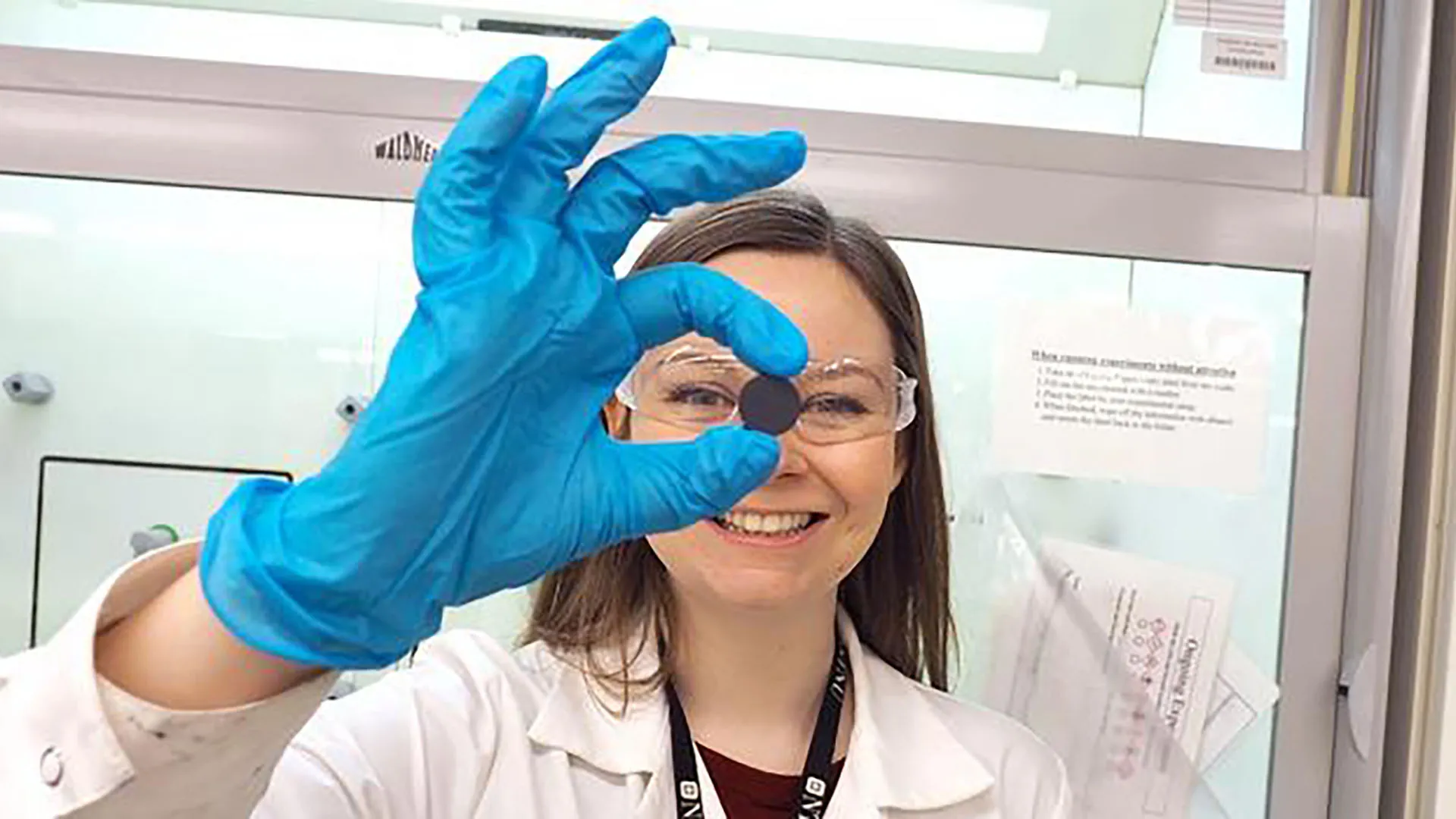
Researchers at the Norwegian University of Science and Technology have developed a new, cost-effective method for extracting oxygen from waste materials using hexagonal manganites. This method is more energy-efficient and operates at lower temperatures than traditional techniques, potentially revolutionizing industries and medical sectors that require high volumes of oxygen. The new materials can be produced in bulk, making them practical for large-scale applications and offering significant cost and environmental benefits.
Chinese scientists have developed a robot chemist powered by artificial intelligence (AI) that can autonomously extract oxygen from Martian water. The AI chemist automates the process of extracting oxygen from Martian samples, searching for the optimal formula from millions of possible combinations. The system has the potential to synthesize other chemicals and compounds as well, making it crucial for future human survival on Mars.
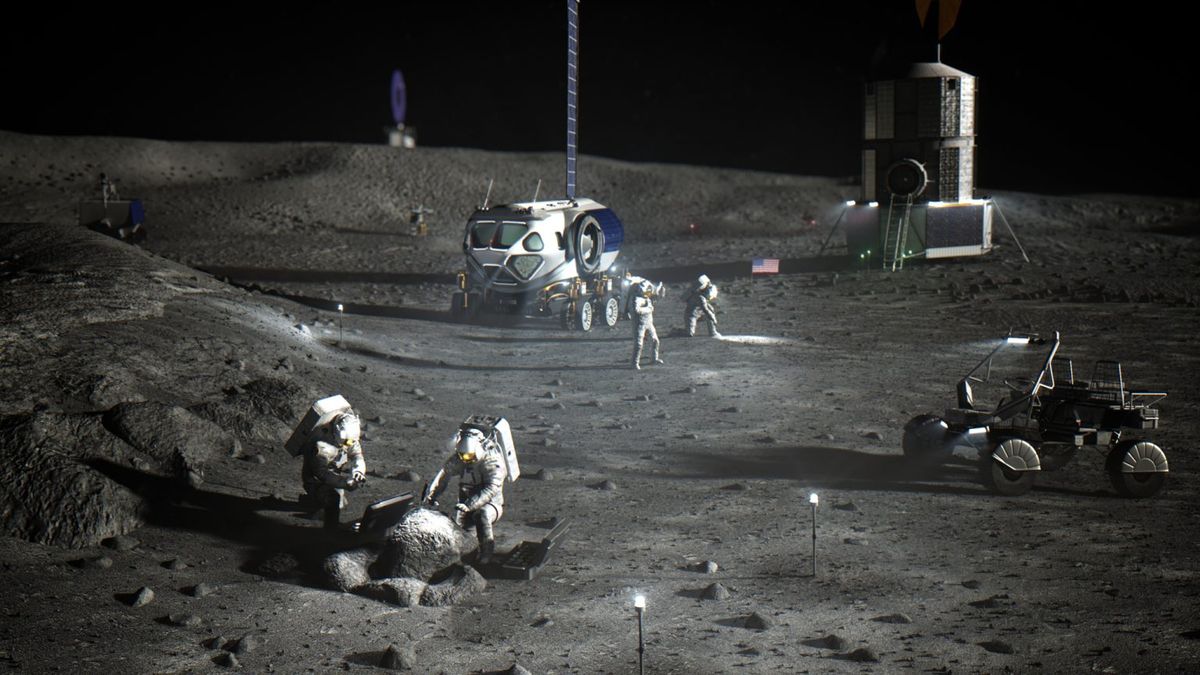
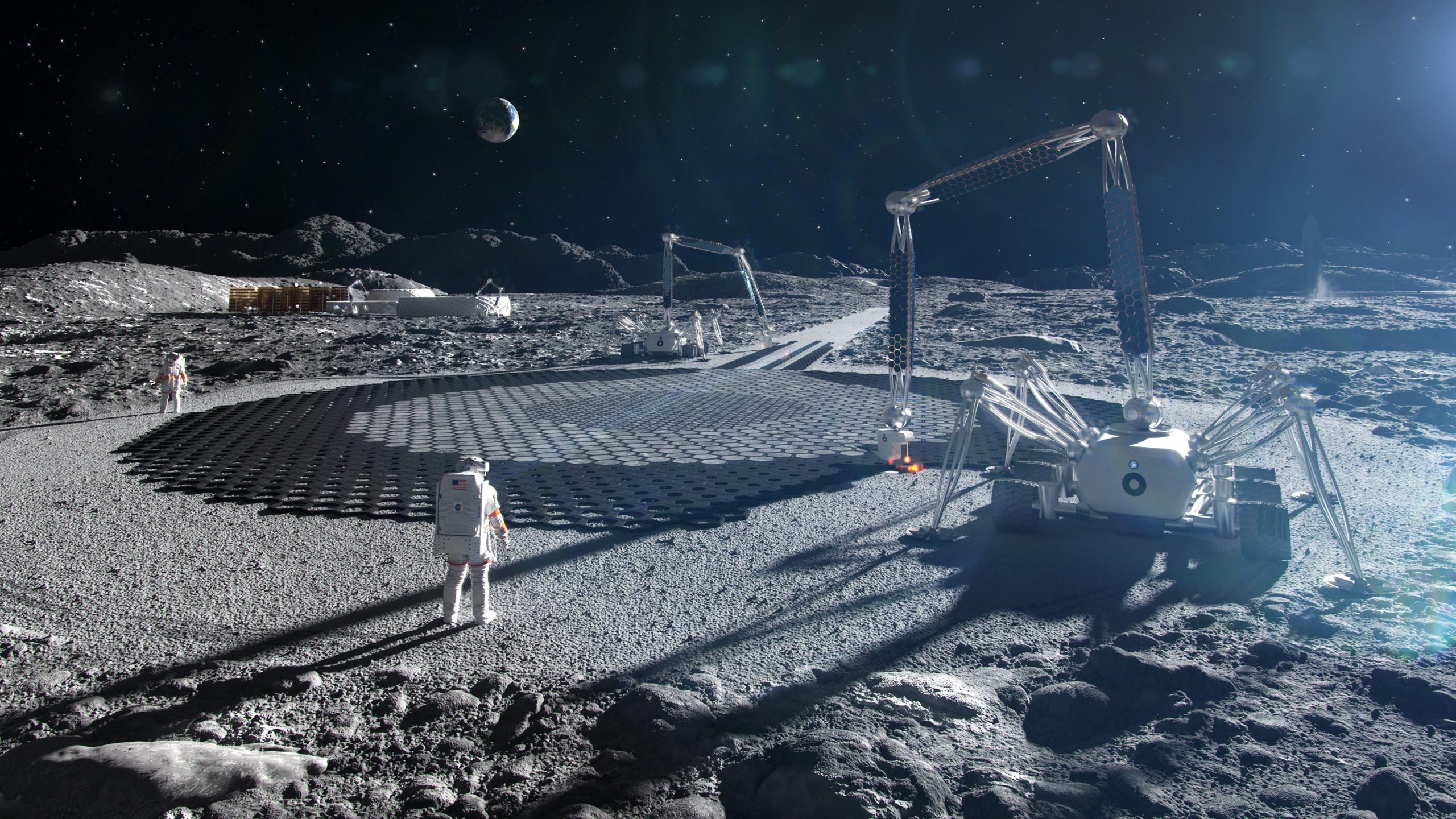
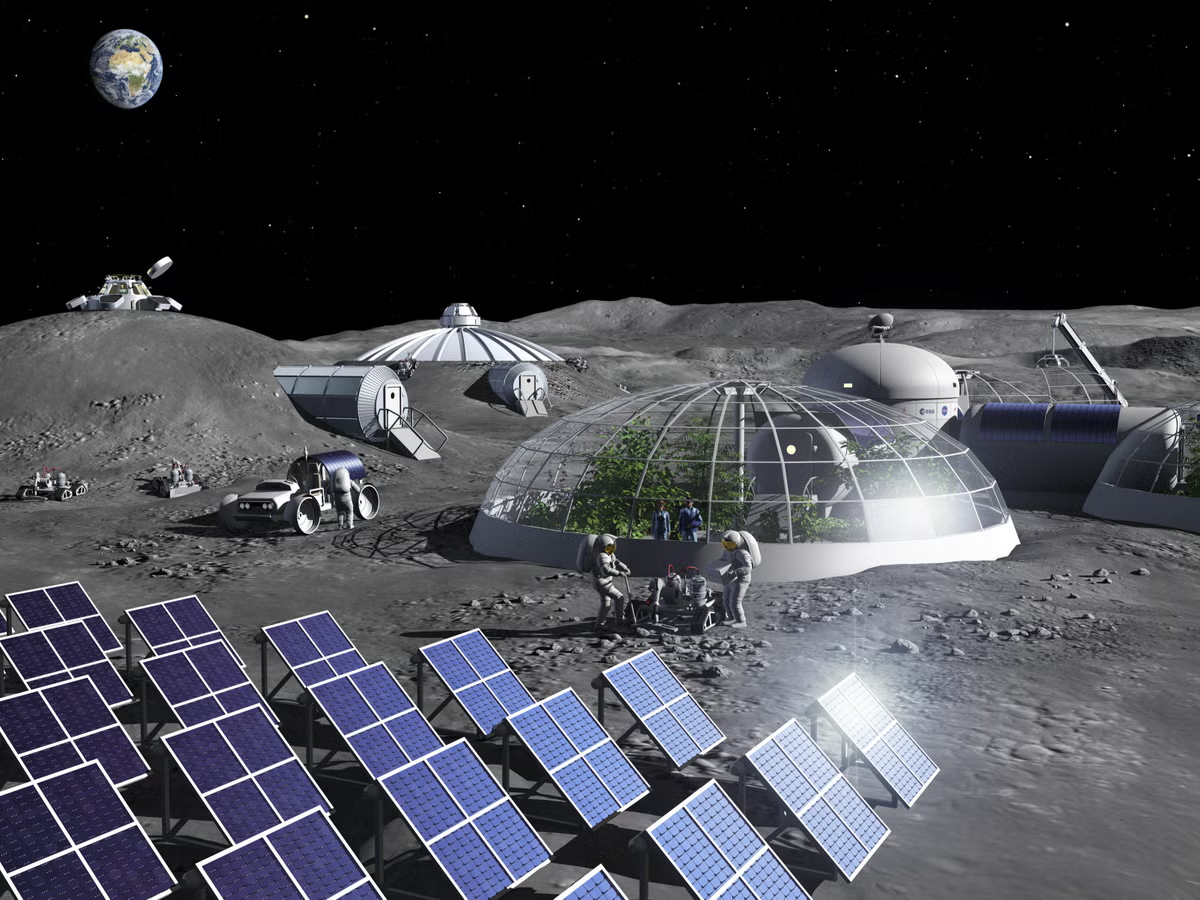
NASA's Space Technology Mission Directorate (STMD) is seeking input on methods to extract oxygen from moon dust as part of its plan for a sustainable human presence on the moon. The agency hopes to use this information to develop a technology demo and showcase it as part of the Lunar Infrastructure Foundational Technologies (LIFT-1) demonstration. Extracting oxygen from lunar soil would reduce the amount of oxygen astronauts need to carry, allowing for longer missions and a more sustainable presence on the moon. This concept of in-situ resource utilization is crucial for future space exploration.
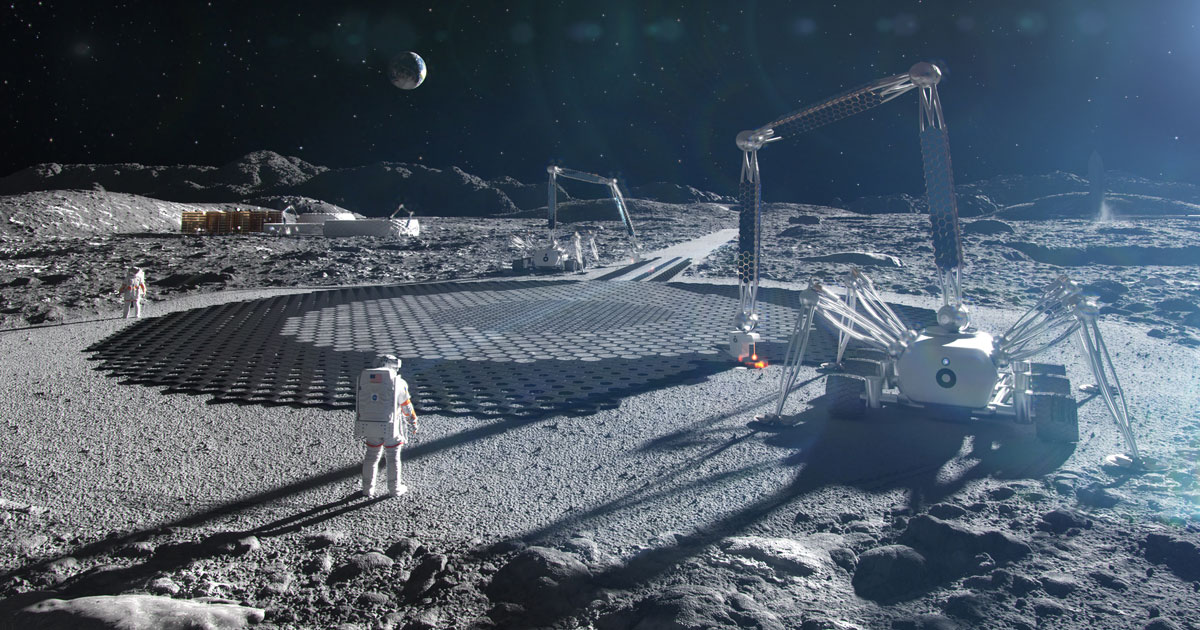
NASA has issued a request for information (RFI) seeking ideas on how to extract oxygen from Moon rocks as part of its efforts to develop infrastructure technologies for a sustained presence on the lunar surface. The Lunar Infrastructure Foundational Technologies (LIFT-1) demonstration aims to develop a scalable method for processing lunar regolith to produce oxygen and other resources necessary for human habitation. The focus is on the regolith at potential landing sites around the Moon's South Pole, which are believed to contain usable materials. NASA anticipates commercial operations producing tens to thousands of metric tons of oxygen and other commodities. Interested parties have until December 18 to submit their responses.
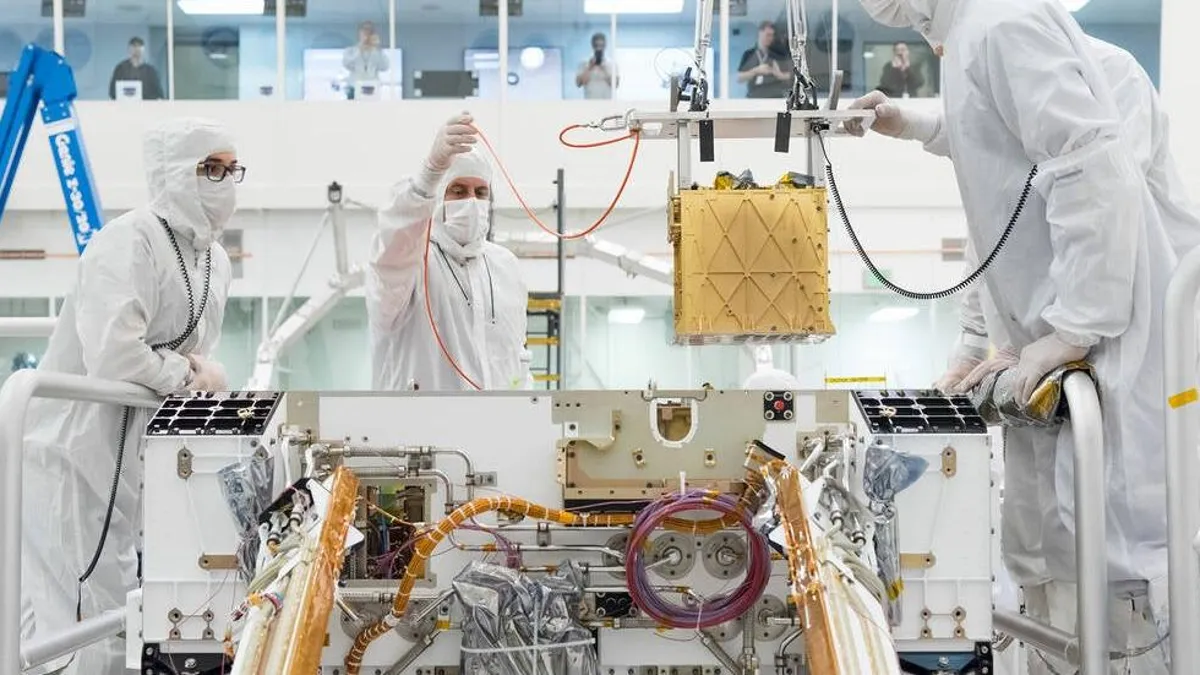
NASA's Mars Oxygen In-Situ Resource Utilization (MOXIE) experiment, located on the Perseverance rover, has successfully demonstrated the extraction of breathable oxygen from the thin Martian atmosphere. Over 16 runs, MOXIE has produced a total of 122 grams of oxygen, enough to sustain a small dog for 10 hours or a human for 4 hours. The experiment works by using electrolysis to break down carbon dioxide into oxygen ions, which are then recombined into molecular oxygen. This breakthrough paves the way for future missions to Mars, as it could potentially provide breathable air and rocket propellant for astronauts.
NASA's MOXIE experiment on Mars has successfully extracted 5 grams of oxygen from the Martian atmosphere, demonstrating the potential for future human presence on the Red Planet. MOXIE, short for Mars Oxygen In-Situ Resource Utilization Experiment, utilized electrochemical processes to separate oxygen from Mars' carbon dioxide-rich atmosphere. The experiment generated a total of 122 grams of oxygen, showcasing the importance of in-situ resource utilization for sustainable off-Earth living. While there are no immediate plans for a second iteration of the experiment, MOXIE has laid the foundation for future technology demonstrations in space exploration.
NASA scientists have successfully extracted oxygen from simulated lunar soil inside a vacuum environment, a first for the agency. The technology could potentially provide future astronauts with the capability to harvest in-situ resources once they land on the Moon and turn them into breathable oxygen and even rocket fuel for the way home. The team has developed a fully functional prototype that's ready to be put to the ultimate test in space, but getting heavy equipment to the Moon is a significant challenge.
NASA has successfully extracted oxygen from simulated lunar soil in a vacuum, using a specialized carbothermal reactor. This achievement is a major stride towards enabling sustained human presence on the Moon by providing vital oxygen resources for life support and transportation, potentially revolutionizing future Artemis missions and broader space exploration. The team used a high-powered laser to simulate heat from a solar energy concentrator and melted the lunar soil simulant within a carbothermal reactor developed for NASA by Sierra Space Corp.
NASA scientists have successfully extracted oxygen from lunar soil, which could allow the moon's surface to be used as a launch pad for future space exploration activities. The Carbothermal Reduction Demonstration (CaRD) experiment separated oxygen from a lunar soil simulation using a high-powered laser to create a carbothermal reaction. This breakthrough could enable the production of oxygen gas for breathing and transport propellers, and potentially produce several times its own weight in oxygen per year on the lunar surface. NASA plans to establish the moon as its operational base for space exploration activities, with the Artemis mission aiming to take humans back to the moon in 2025.
NASA has successfully extracted oxygen from simulated lunar soil using a high-powered laser in a vacuum environment, a major step towards building sustainable human bases on the Moon. The technology has the potential to produce several times its own weight in oxygen per year on the lunar surface, enabling a sustained human presence and lunar economy. The success of the experiment means the oxygen harvesting technology is now ready to be tested in space.