Tag

Artemis Missions

All articles tagged with #artemis missions

science-and-technology4 months ago

NASA Invites Proposals for 2026 Student Launch Challenge

NASA is inviting student teams to participate in the 2026 Student Launch Challenge, where they will design and launch rockets with scientific payloads inspired by the Artemis lunar missions, culminating in events in Alabama in April 2026. The challenge aims to foster engineering, teamwork, and STEM skills among students from middle school to college, with proposals due by September 22, 2023.

space-exploration1 year ago

NASA Enlists SpaceX and Blue Origin for Lunar Cargo Missions

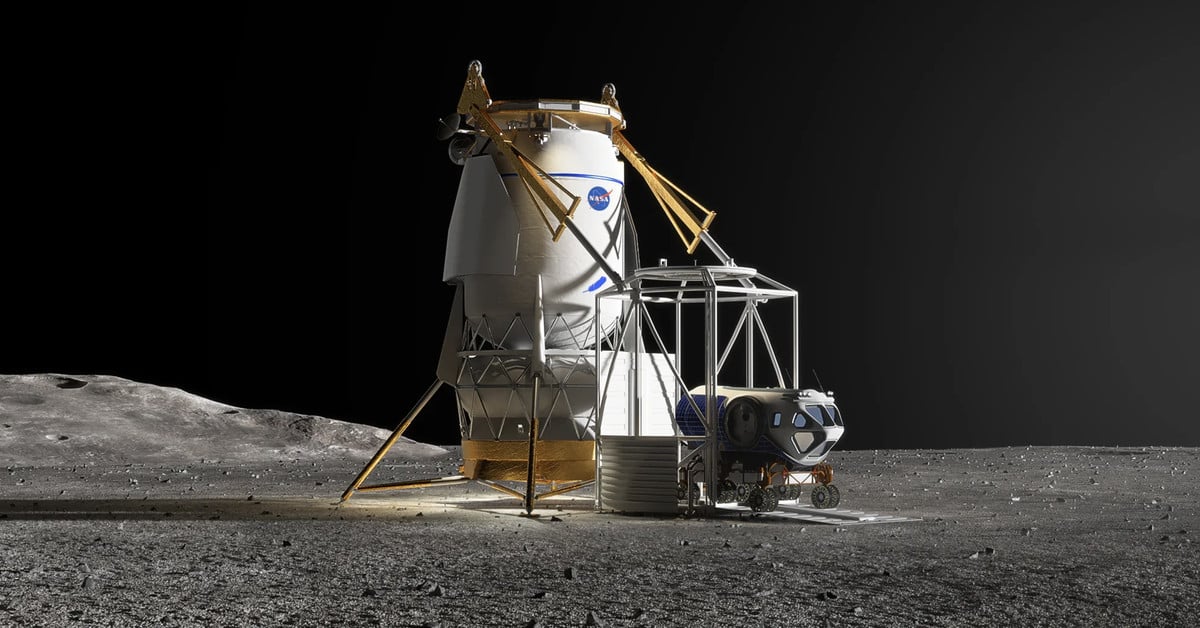
NASA has tasked SpaceX and Blue Origin with developing cargo landers to deliver heavy equipment to the Moon as part of the Artemis missions. SpaceX's Starship will deliver a pressurized rover by 2032, while Blue Origin will deliver a lunar habitat by 2033. These efforts support NASA's goal of returning humans to the Moon, with both companies also developing human landing systems for future Artemis missions. NASA plans to issue proposals to both companies early next year, emphasizing the importance of having diverse lunar lander providers for mission flexibility and scientific exploration.

space-exploration1 year ago

"Dune-Inspired Spacesuit Recycles Urine into Drinking Water for Astronauts"

Researchers from Cornell University have developed a new "stillsuit" inspired by the Dune movies, designed to recycle urine into drinkable water for astronauts during spacewalks. This innovation aims to replace the current use of diapers, known as maximum absorbency garments (MAGs), which do not recycle waste and have caused health issues. The new suit features a urine collection and filtration system that is 86% efficient, providing a more hygienic and sustainable solution for long-duration space missions, including NASA's upcoming Artemis missions to the moon.

space-science1 year ago

"The Moon's Ancient Inside-Out Transformation Uncovered"

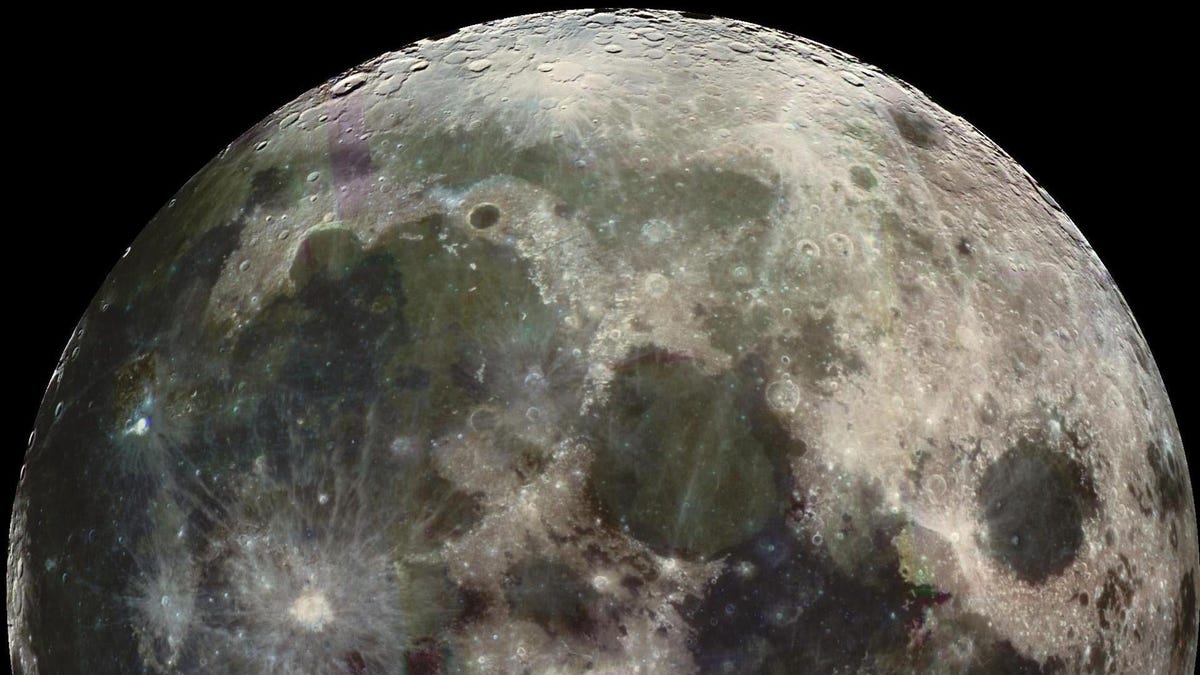
A new study suggests that the Moon may have turned itself inside out 4.2 billion years ago, with dense material sinking into its interior, mixing with the mantle, and resurfacing. Researchers found evidence of this through gravitational anomalies, indicating the presence of dense rocks deep within the lunar interior. This theory, supported by NASA's GRAIL mission, explains the high titanium concentrations found on the Moon's surface and offers a new perspective on its formation. As NASA prepares for the Artemis missions, further evidence is expected to shed light on the Moon's early evolution.

space-exploration1 year ago

"NASA's Artemis Mission: Colorado Company's Concept Lunar Vehicle Selected for Moon Mobility"

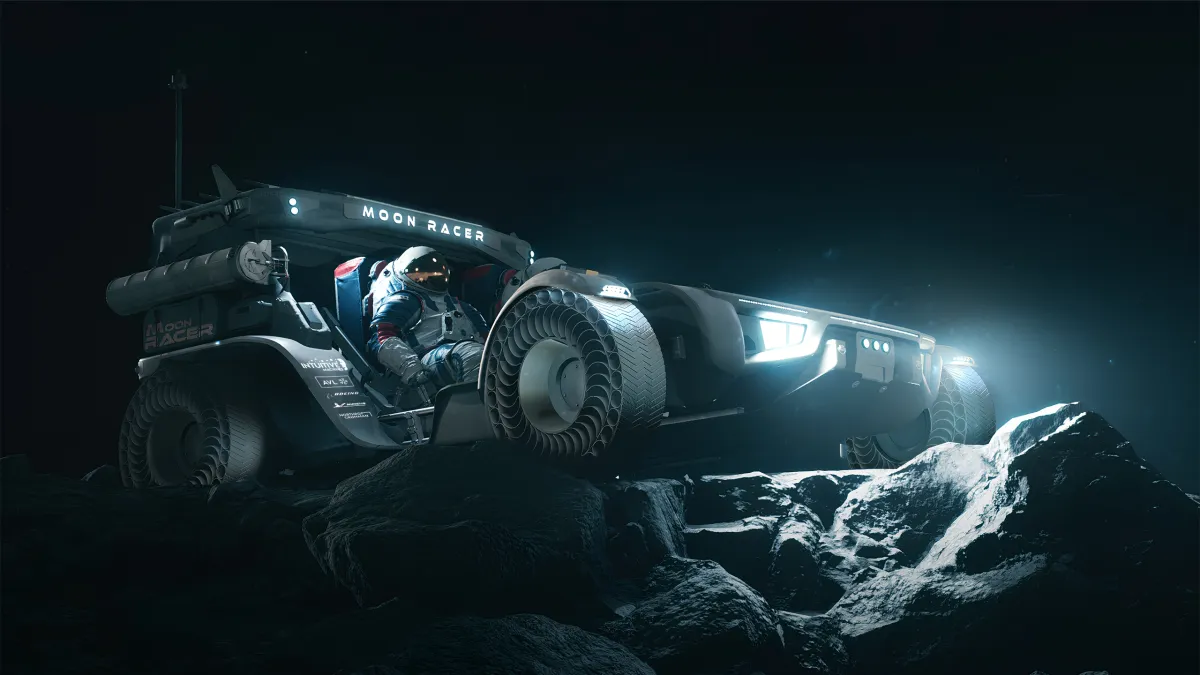
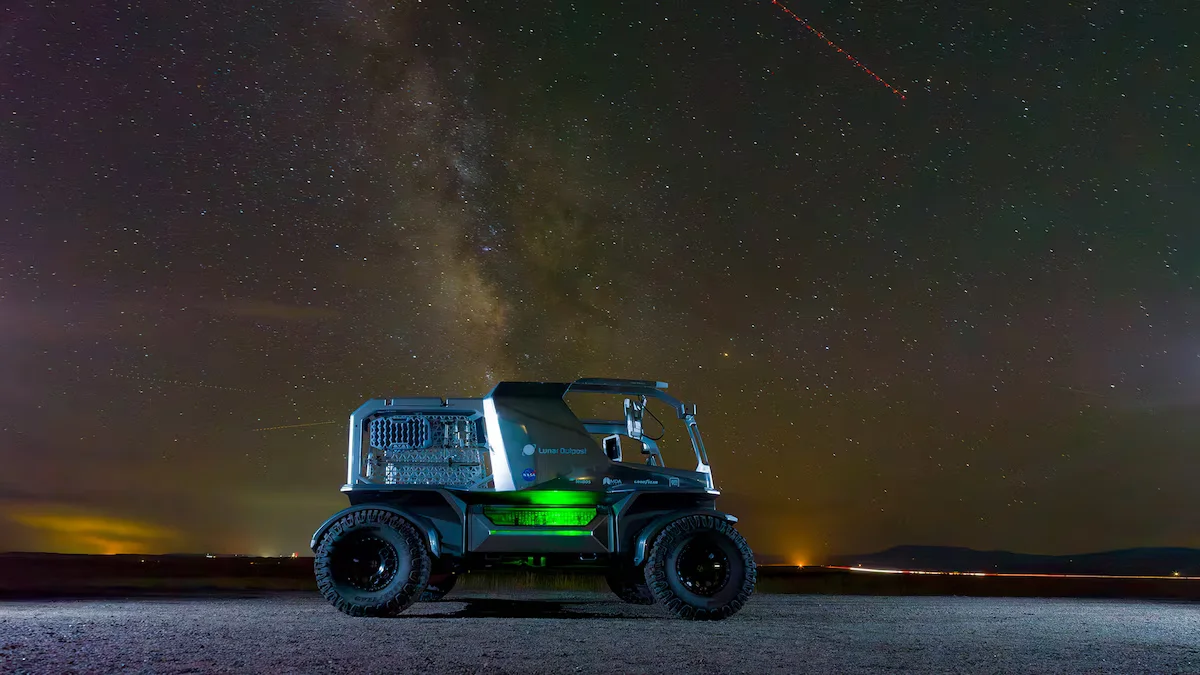
NASA has selected Intuitive Machines, Lunar Outpost, and Venturi Astrolab to develop lunar terrain vehicles (LTV) for potential use in the upcoming Artemis missions, with one eventually being chosen for a demonstration mission on the moon's south pole. The selected vehicle will need to function as both a crewed and uncrewed vehicle, with potential lunar service contracts through 2039 amounting to a potential value of up to $4.6 billion. The companies will be developing LTVs called Moon Racer, Flex, and Lunar Dawn, all designed to support a crew of two astronauts and withstand the extreme conditions of the lunar south pole.

space-exploration1 year ago

"NASA Chooses Three Companies for Artemis Moon Rover Development"

NASA has awarded contracts to Intuitive Machines, Lunar Outpost, and Venturi Astrolab to design a lunar terrain vehicle for transporting astronauts during Artemis missions, with the vehicle expected to be operational by 2030. The contracts are part of a $4.6 billion program, and the selected company will also have the opportunity to deploy their vehicle commercially on the moon. The companies are working on designs that include features for withstanding extreme temperatures, robotic arms, and semi-autonomous driving, with the goal of enhancing astronauts' ability to explore and conduct science on the lunar surface.

science-and-space1 year ago

"Revealing the Lunar Hydrosphere: A Game-Changer for Understanding Water's History on the Moon"

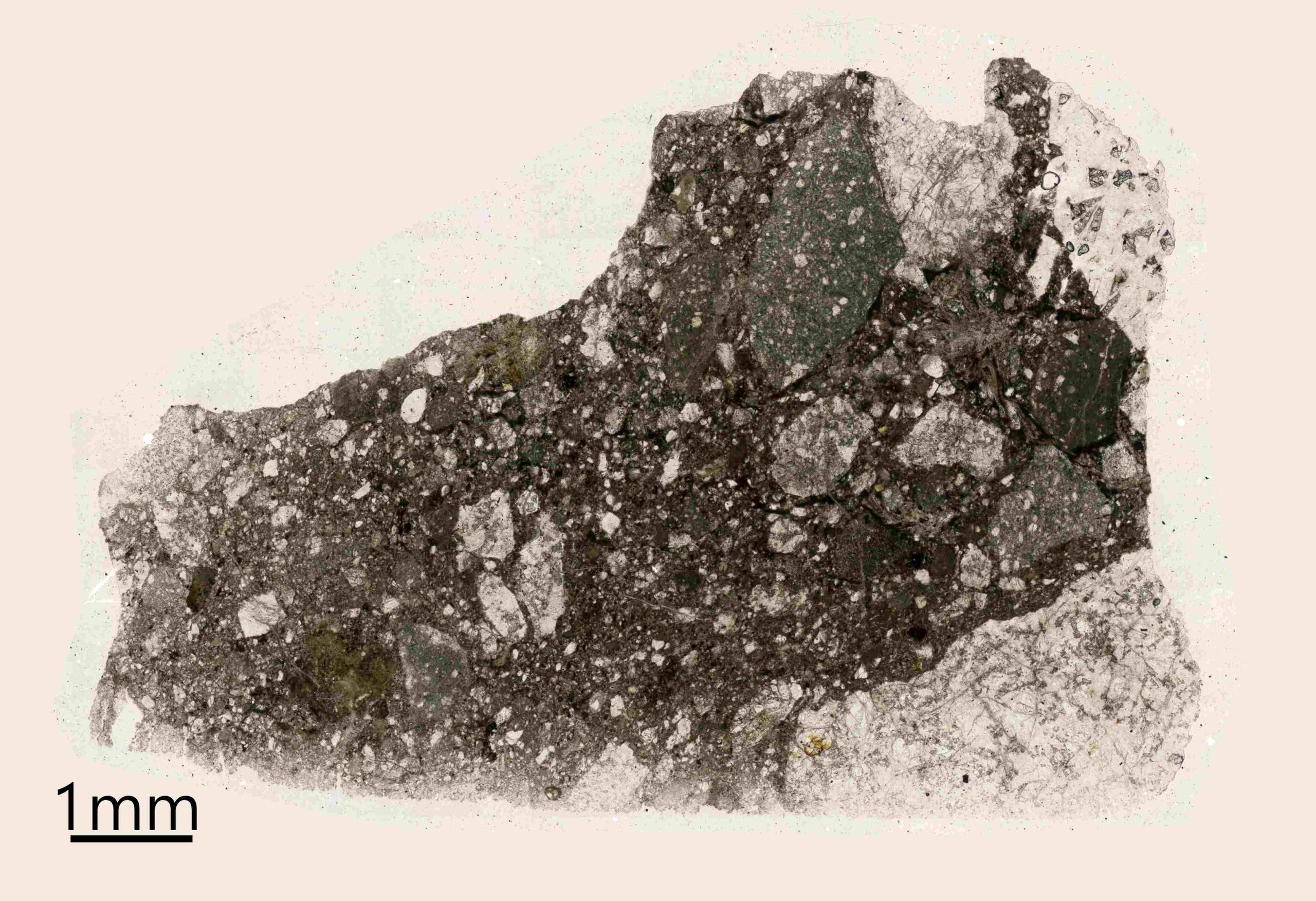
New research led by Western University postdoctoral fellow Tara Hayden reveals that the early lunar crust contained more water than previously thought, challenging the long-held belief that the Moon was "bone dry." The discovery of the water-bearing mineral apatite in a lunar meteorite sample suggests that the Moon's early crust was enriched in water over 4 billion years ago, providing valuable insights into lunar history and the origin of water in the Solar System. These findings have significant implications for future lunar exploration, particularly as NASA's Artemis missions prepare for launch.

space-science1 year ago

"Shrinking Moon's Impact on Astronauts and Lunar South Pole Revealed"

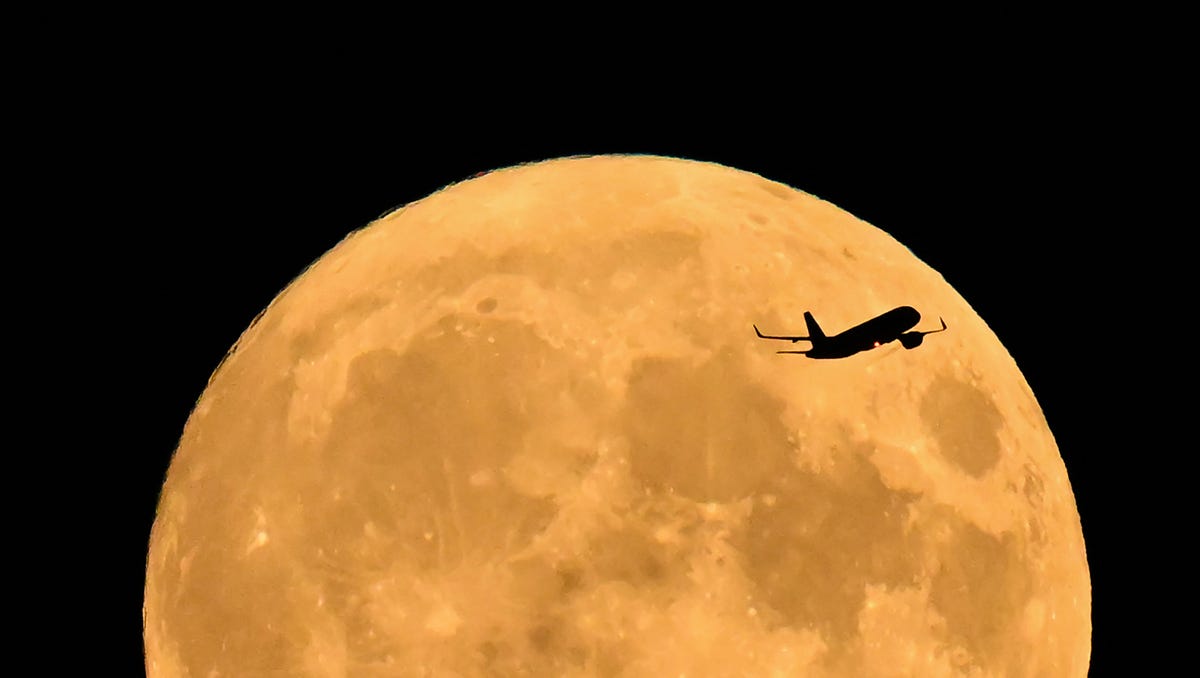
The moon's gradual shrinkage, while not affecting Earth's tidal cycles or lunar appearances, has raised concerns about moonquakes that could pose risks to future astronauts and lunar missions, particularly in the proposed Artemis III landing sites at the moon's South Pole. The study suggests that the moon's cooling core is causing surface warping and fault lines, potentially leading to severe and prolonged moonquakes, which could impact long-term lunar outposts. While short-term Artemis missions may not be significantly affected, establishing a permanent lunar outpost could face increased risks from moonquakes.

science2 years ago

"Revealing the Volatile-Rich Lunar Crust: A New Understanding of Water's History on the Moon"

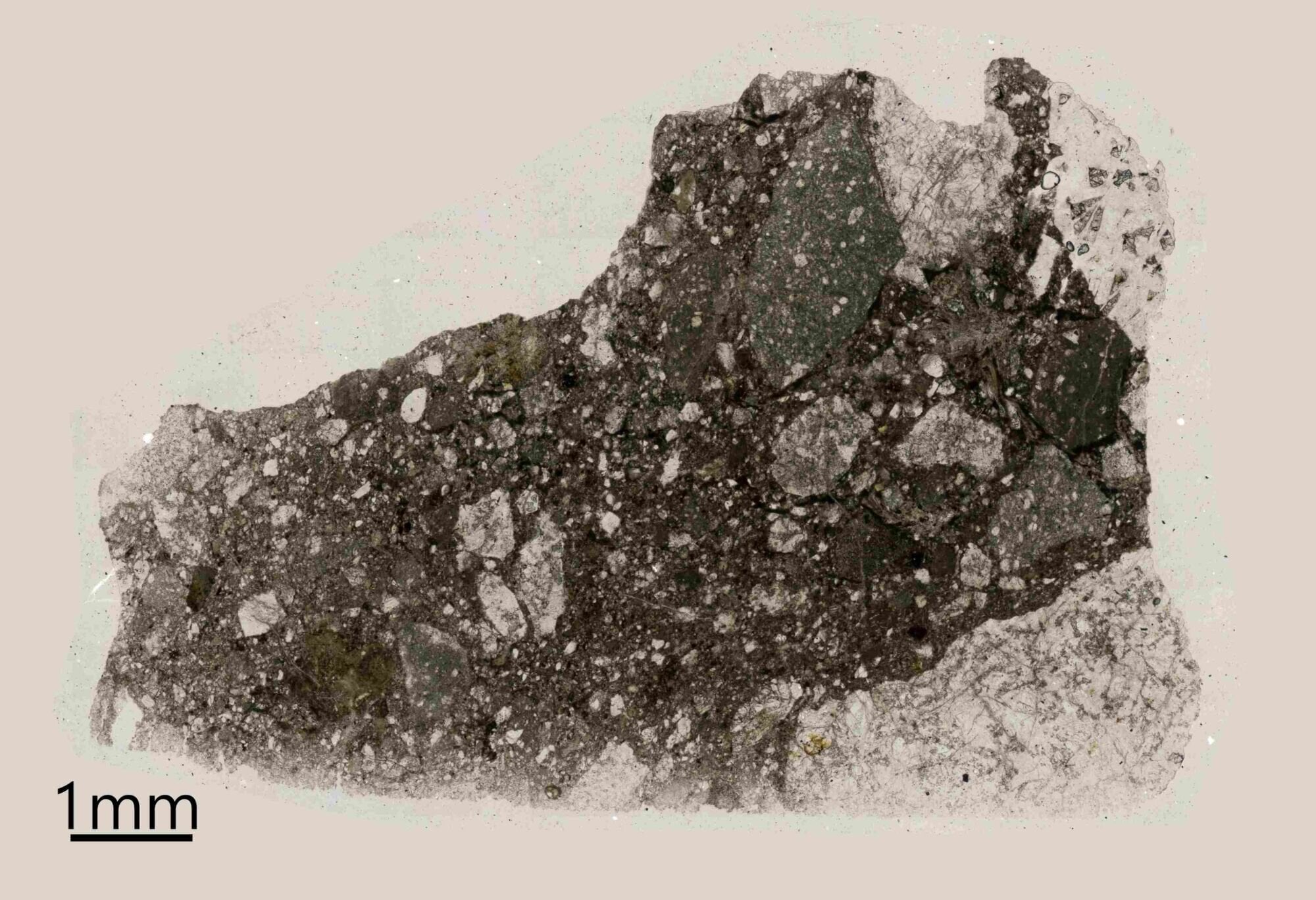
New research led by postdoctoral fellow Tara Hayden at Western University reveals that the early lunar crust contained more water than previously thought, challenging the long-held understanding of the moon as "bone dry." The discovery of the water-bearing mineral apatite in a lunar meteorite sample suggests a richer history of water on the moon, providing valuable insights for future lunar exploration, including the upcoming Artemis missions. This finding has significant implications for understanding the origin of water in the solar system and may impact plans for extracting water from the moon's surface.

space-technology2 years ago

"Innovative Technologies for Cryogenic Fluid Management in Sustained Space Exploration"

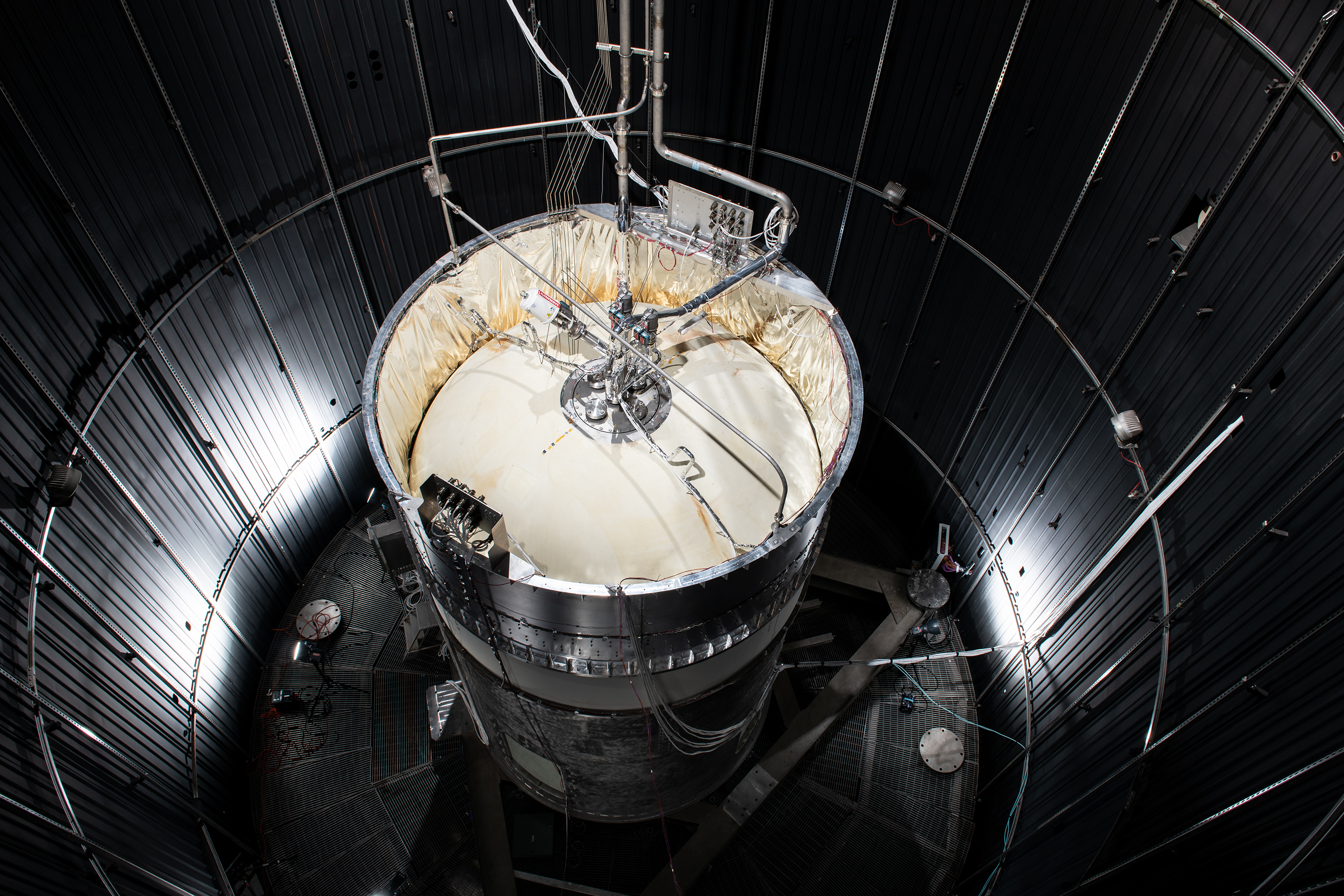
NASA is addressing the challenges of managing cryogenic fluids for sustained space exploration and science missions by developing innovative technologies such as cryocoolers, Radio Frequency Mass Gauges, and a liquefaction system to mitigate boiloff, improve gauging, and advance fluid transfer techniques. These efforts are crucial for the success of future missions to the Moon, Mars, and beyond, as they require storing and transferring large amounts of cryogenic fluids for extended durations.

space2 years ago

NASA's Artemis III Moon Landing Faces Significant Delays, GAO Report Reveals

A study from the U.S. Government Accountability Office (GAO) suggests that a delay in NASA's Artemis III mission, which aims to put human boots back on the Moon, is likely and could push the launch date to 2027. The GAO cites ambitious schedules, delays in key events, and technical challenges faced by SpaceX in developing the Human Landing System as reasons for the potential delay. Concerns also arise from the development of key systems like new spacesuits. However, it remains to be seen if these concerns will significantly impact the timeline for the iconic Artemis III mission.

technology2 years ago

"Successful Testing of Moon Camera Design Paves Way for Artemis Missions"

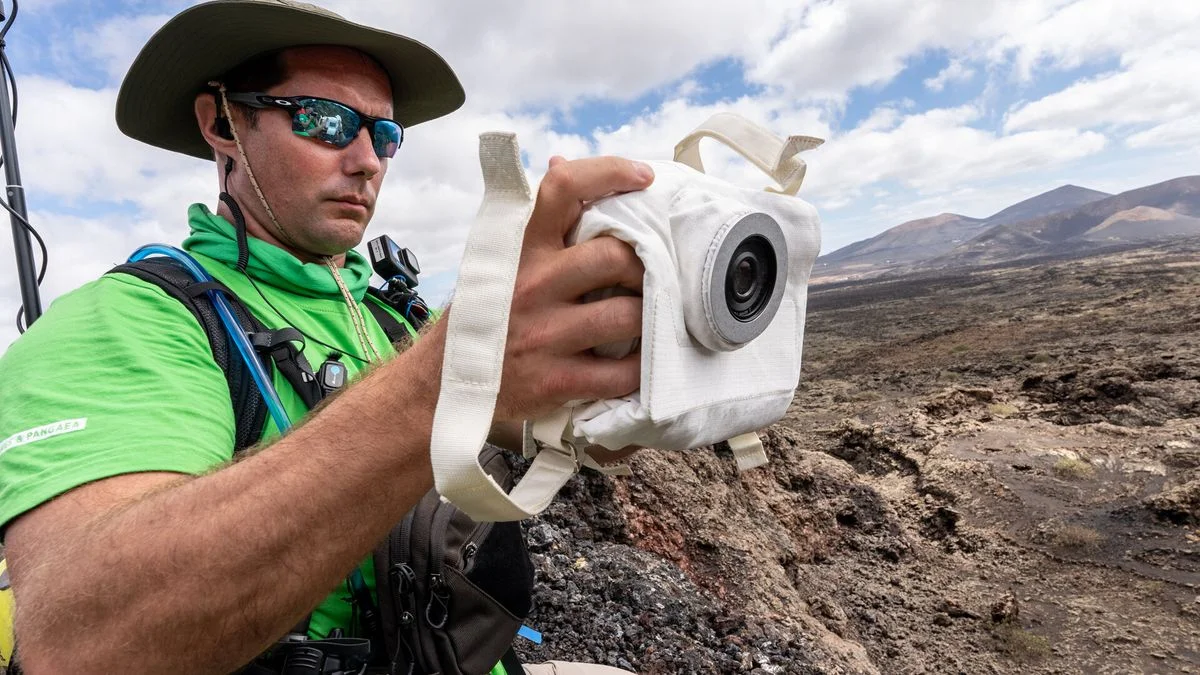
Astronauts have tested a new camera, called the Handheld Universal Lunar Camera (HULC), designed for future crewed missions to the moon. Developed by the European Space Agency (ESA) and NASA's Artemis imagery team, the camera was tested in lunar-like environments in Spain. The off-the-shelf cameras used for HULC were modified to withstand extreme lunar conditions, and the camera's design includes features such as dust and thermal protection and ergonomic buttons for use with gloves. The camera will be used to document scientific discoveries during future moon missions, including NASA's Artemis 3 mission scheduled for 2025.

space-exploration2 years ago

NASA's Upgraded Megarocket Engines Set for Critical Testing in Preparation for Artemis Missions

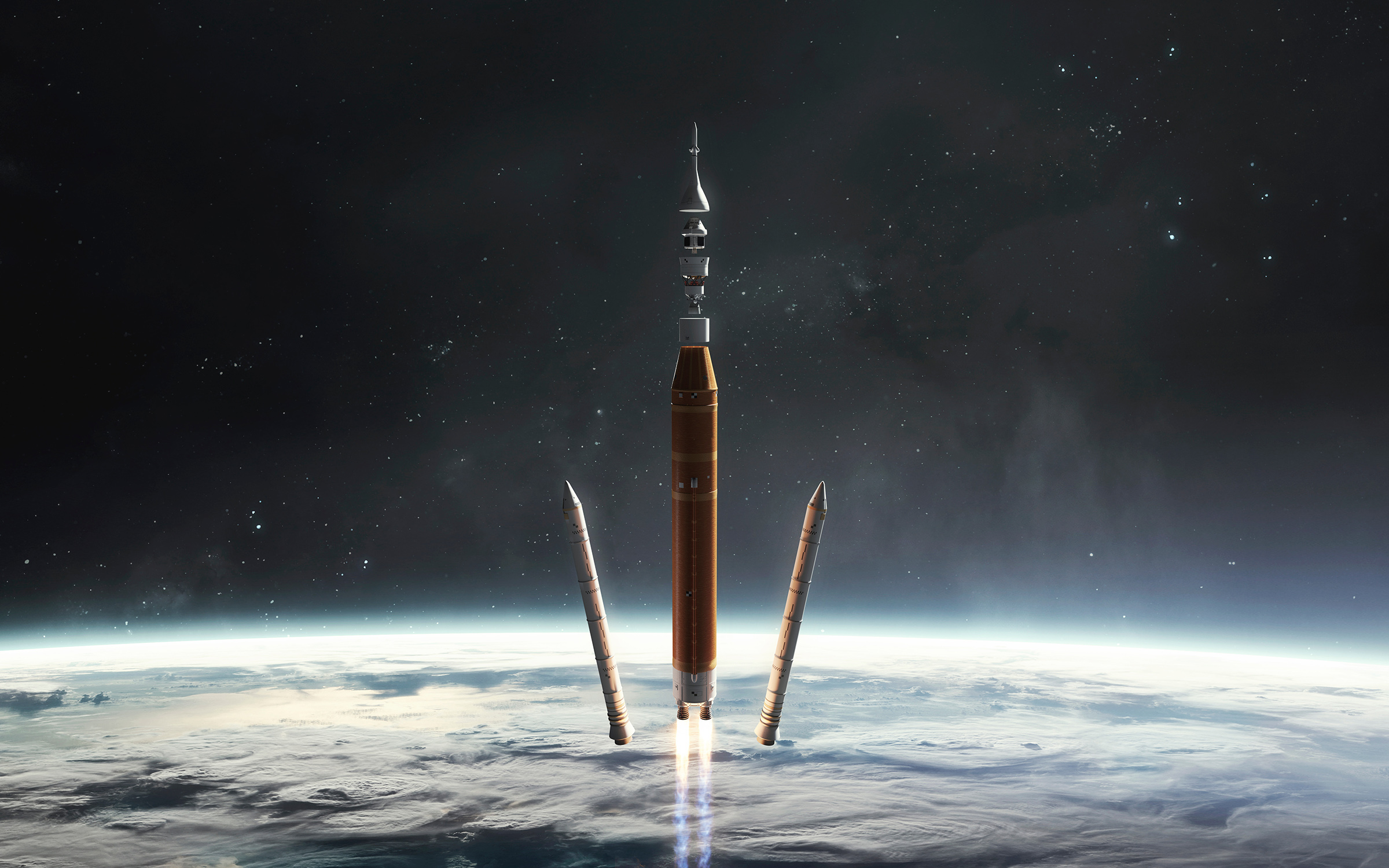
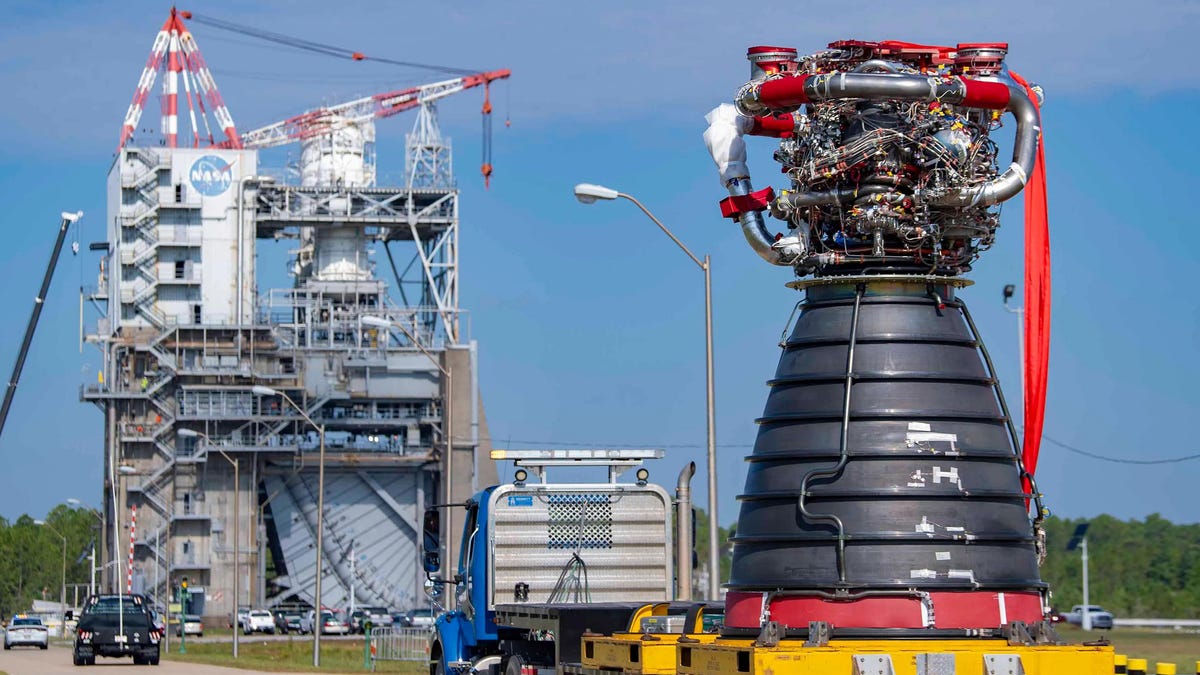
NASA is set to begin a series of critical tests on the upgraded RS-25 engine, which will power the Space Launch System (SLS) rocket for future Artemis missions to the Moon. The tests, scheduled to extend into 2024, will take place at NASA's Stennis Space Center in Mississippi. The revamped engine features new components and will undergo 12 tests to finalize and certify its design. The data gathered from these tests will ensure the engine's performance and reliability for future missions. Once the tests are completed, NASA plans to produce 24 new RS-25 engines for use in the Artemis 5 mission scheduled for 2028. However, concerns have been raised about the affordability and sustainability of the SLS program.