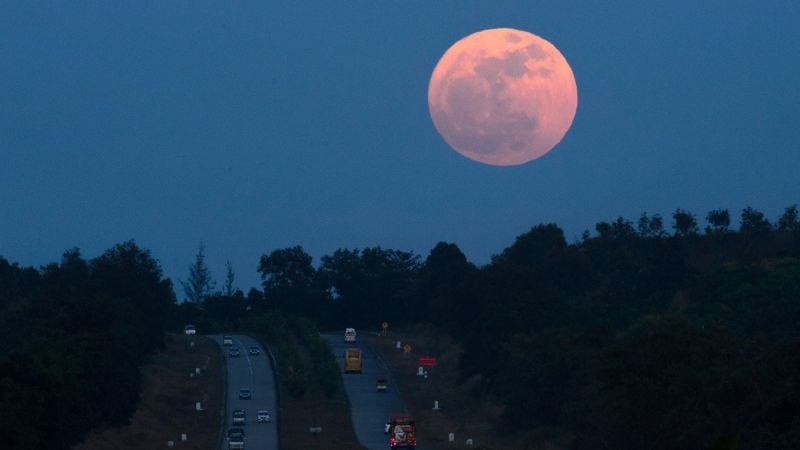
December's full supermoon, also called the cold moon, is the last supermoon of the year, occurring around 6:14 p.m. ET Thursday, and is notable for its proximity to the winter solstice and historic Apollo missions, with upcoming lunar exploration planned for Artemis II.
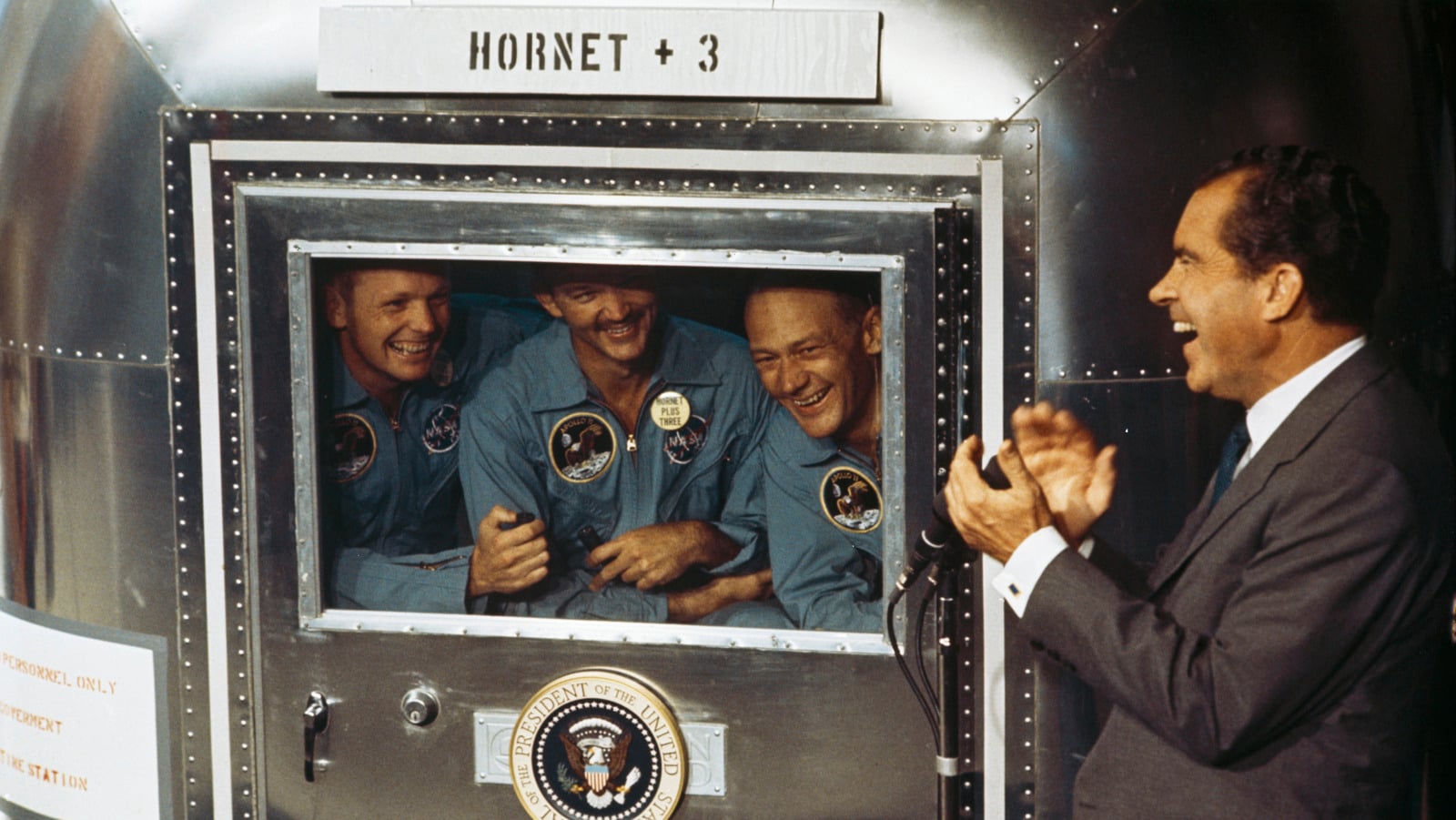
NASA publicly refuted Kim Kardashian's claim that the Moon landing was faked, emphasizing the reality of the Apollo missions, while Kardashian expressed skepticism on her TV show, prompting NASA to promote their current Artemis lunar exploration program.
NASA's Artemis mission will deploy advanced instruments on the lunar surface and orbit to map the moon's minerals, volatiles, and subsurface structures, aiming to uncover lunar secrets, support future human missions, and enhance our understanding of the moon's geology and history.
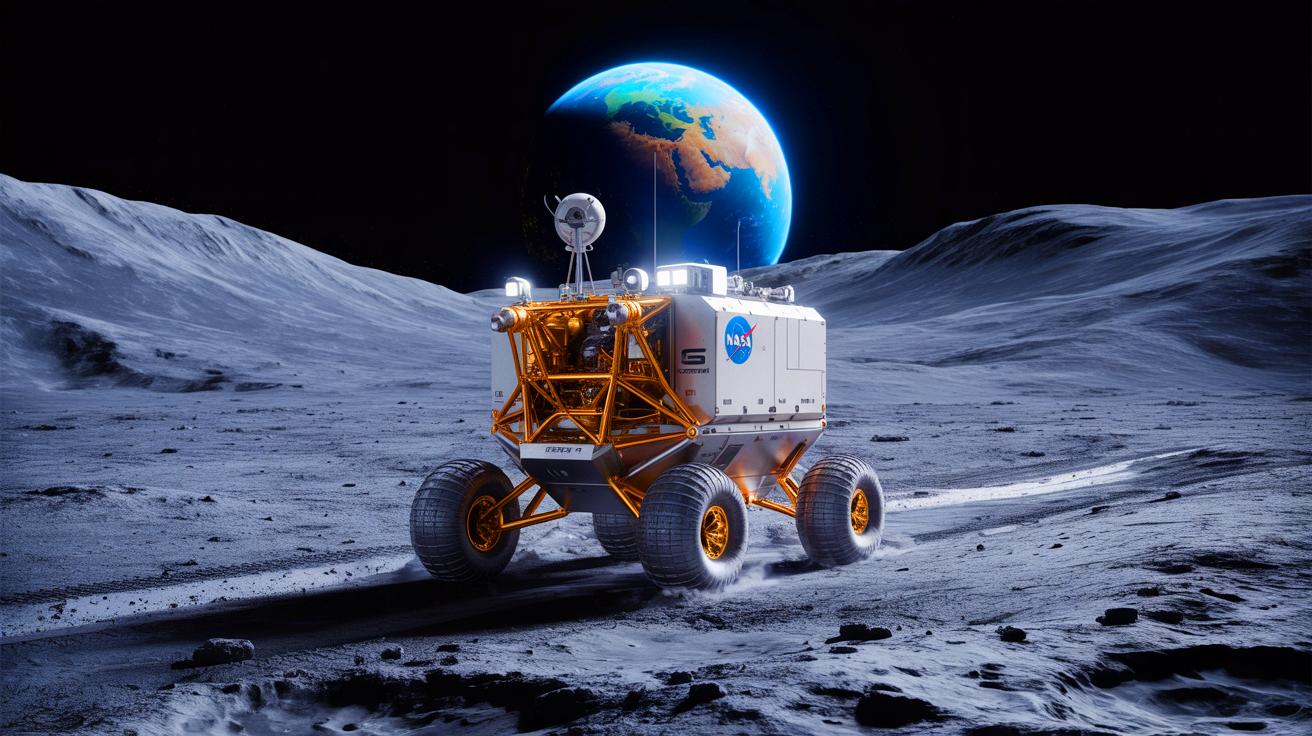
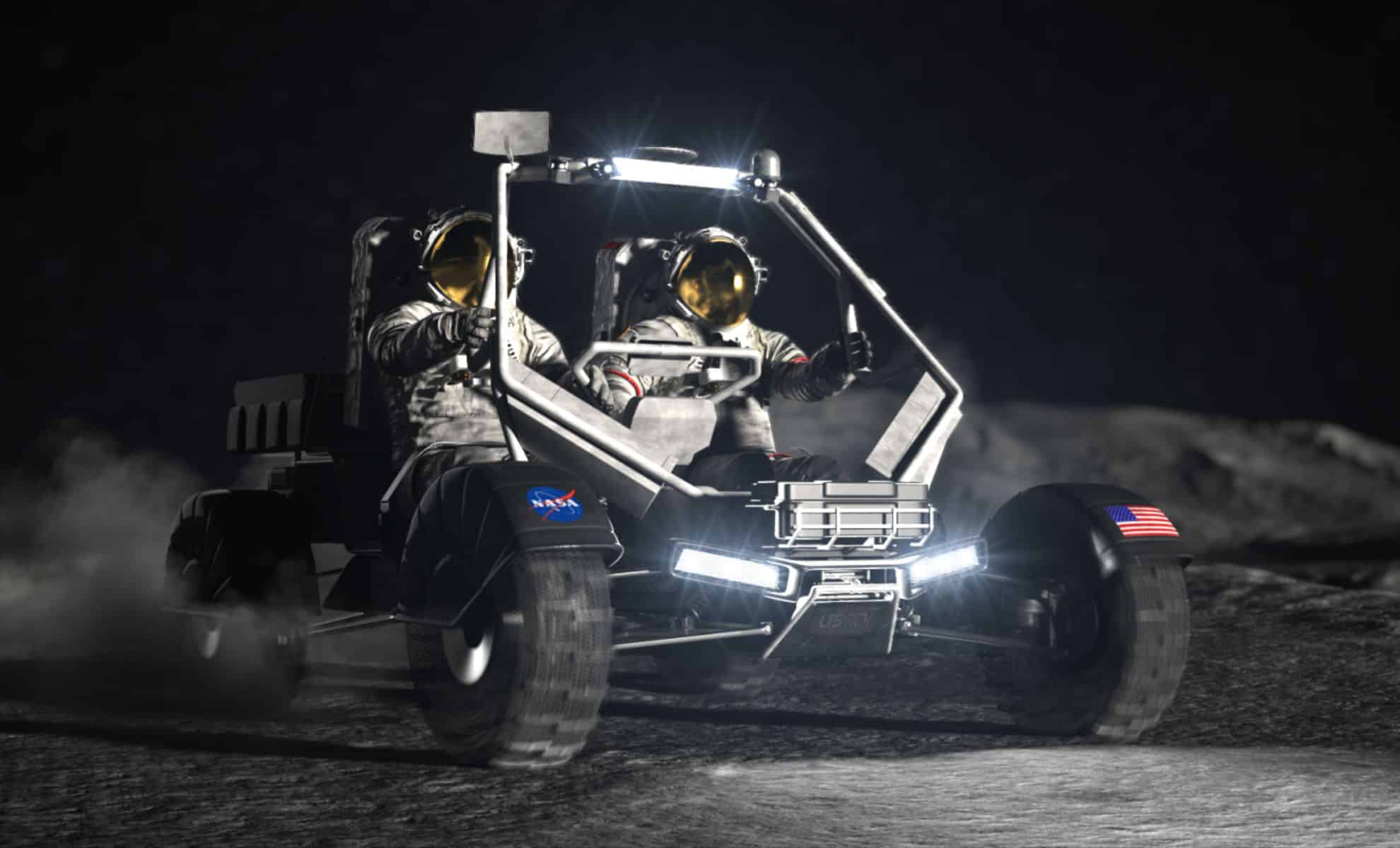
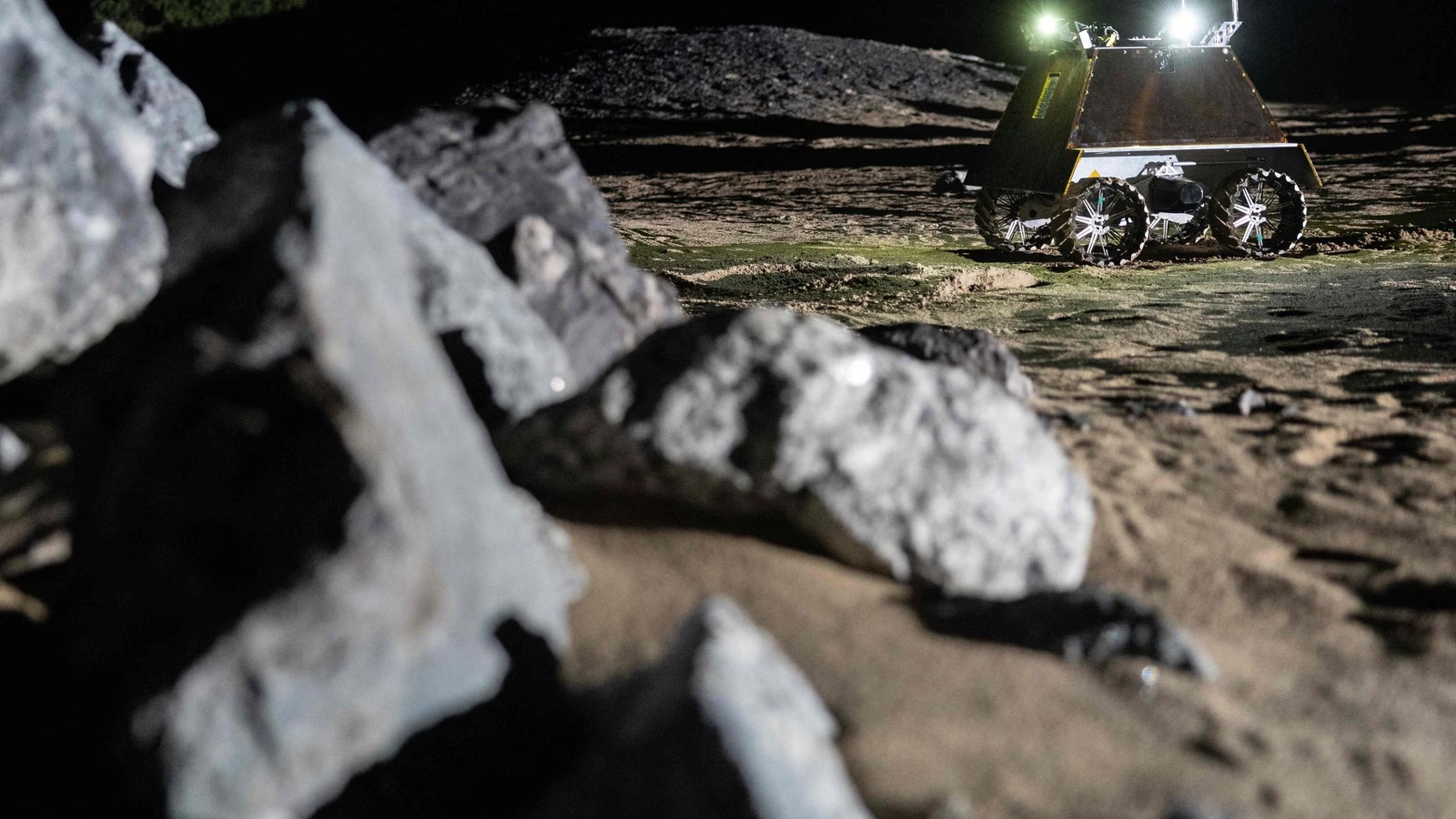
NASA's Artemis lunar exploration program has selected three innovative instruments, including AIRES, L-MAPS, and UCIS-Moon, to be deployed on the Lunar Terrain Vehicle and in orbit, aiming to enhance understanding of the Moon's surface, subsurface, and resources, paving the way for future human missions and scientific discoveries.
A study by the University of Technology Sydney found that moon dust is less toxic to human lungs than urban air pollution, suggesting it may not cause long-term respiratory damage, unlike silica dust. Despite its abrasiveness, moon dust's toxicity is minimal, which could benefit future lunar missions like NASA's Artemis program, aiming for a sustained human presence on the Moon.
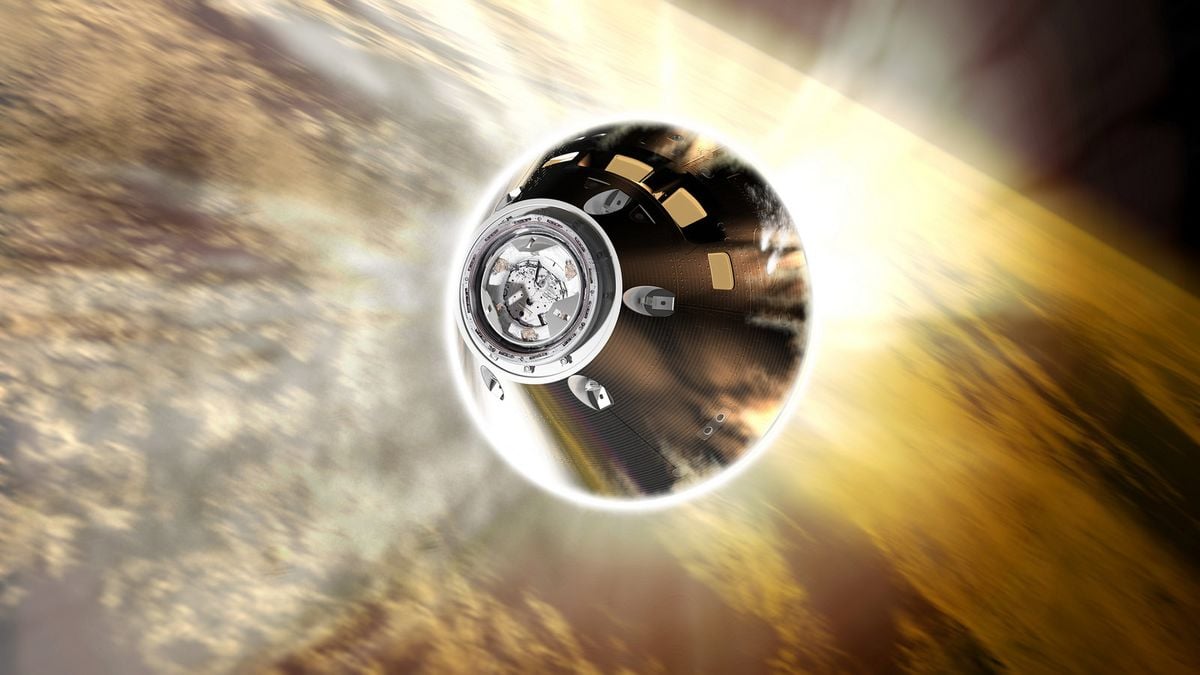
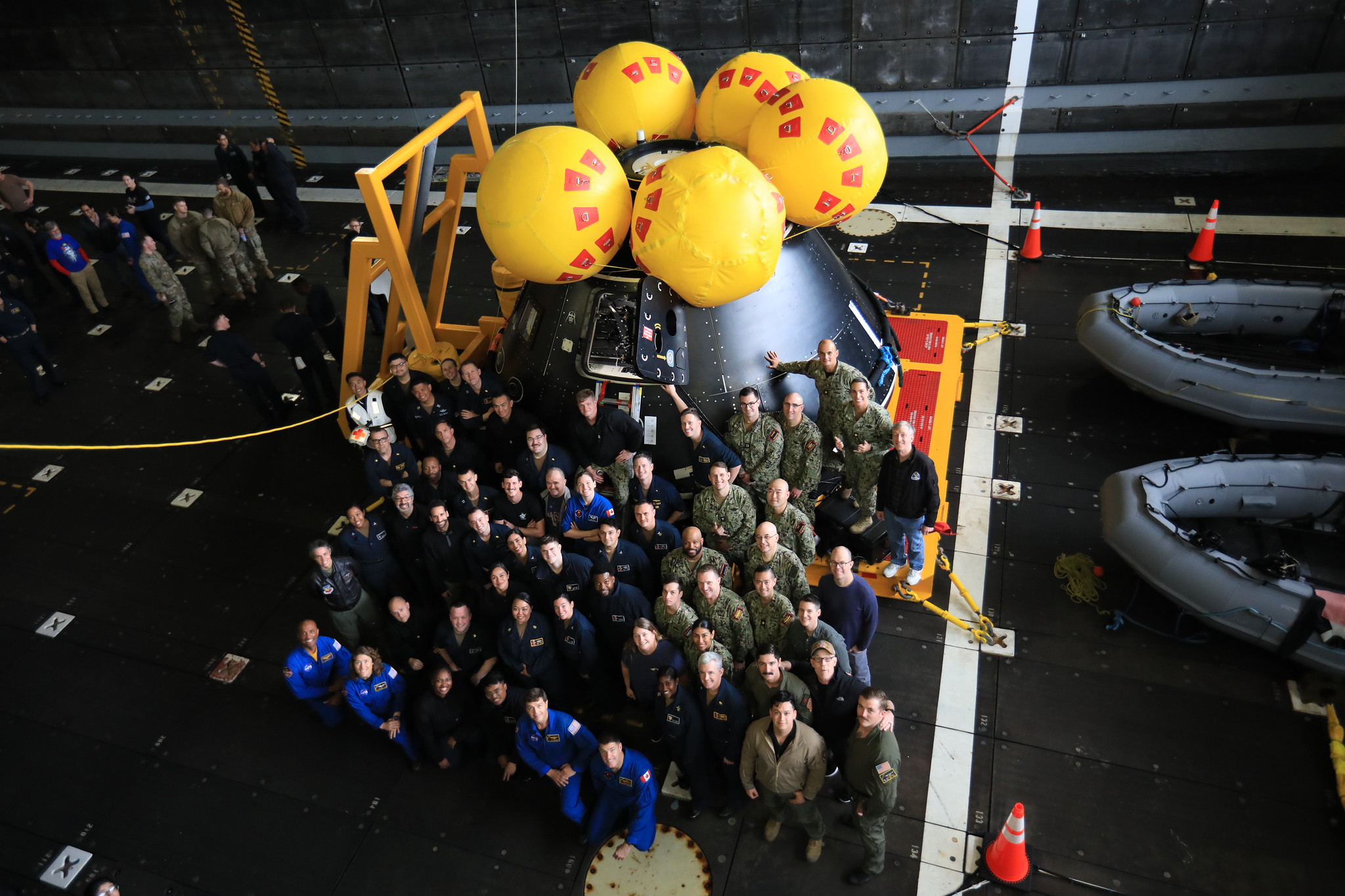
NASA has concluded that the cracks found in the Orion module's heatshield from the Artemis Mission were due to trapped gases caused by the skip guidance re-entry technique. By altering the re-entry method, the spacecraft will be safe for crewed flights without redesigning the heatshield. Consequently, the Artemis II and III missions have been delayed to April 2026 and mid-2027, respectively, to address other system improvements. The heatshield's thermal performance exceeded expectations, ensuring crew safety during re-entry.
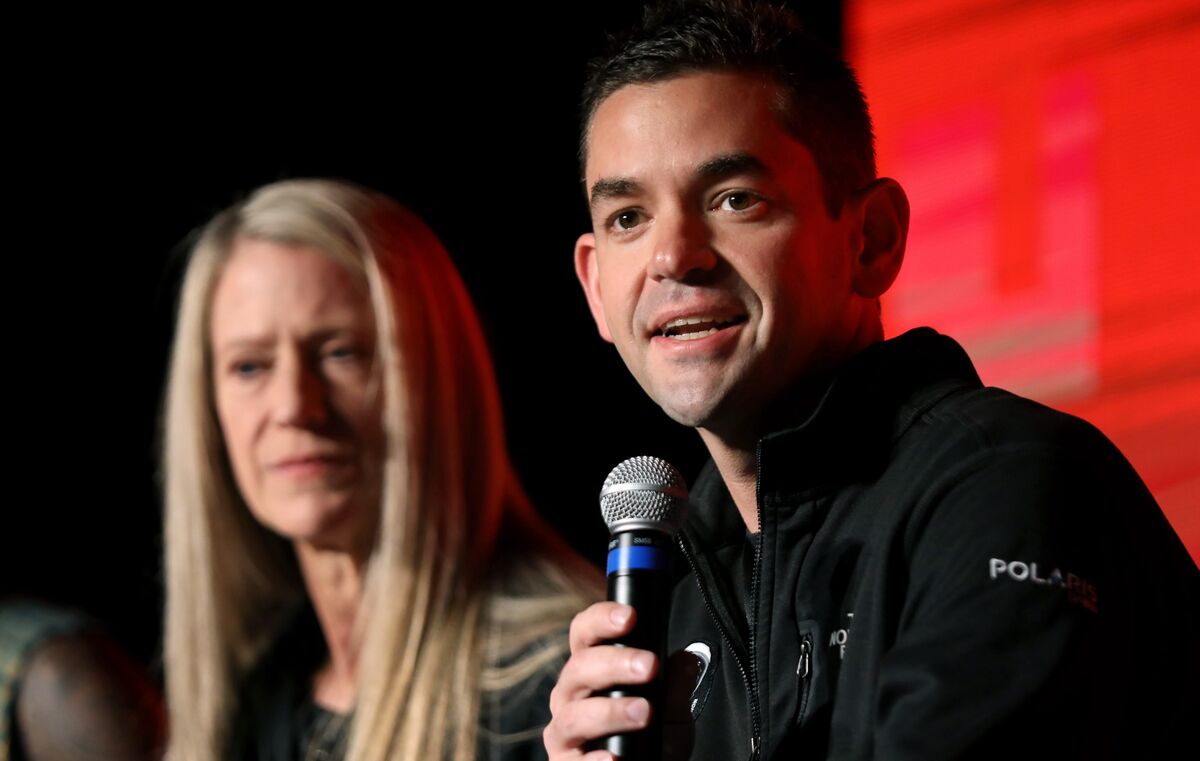
President-elect Donald Trump has announced his intention to nominate billionaire Jared Isaacman, a SpaceX astronaut, as the next NASA administrator, succeeding Bill Nelson. Isaacman will oversee NASA's $24.8 billion budget and its space exploration programs, including the Artemis moon mission, if confirmed.
NASA is seeking innovative designs for a Lunar Rescue System to aid stranded astronauts on the Moon, offering a $20,000 prize for the best plan. The challenge, part of the Artemis mission preparations, requires a solution to transport a fully suited astronaut across the Moon's rugged terrain without a rover. Submissions are open until January 23, 2025, via the HeroX portal.
NASA is investigating issues with the heat shield of the Orion crew module following the Artemis 1 mission, which revealed unexpected wear and char loss. The delay of the crewed Artemis 2 mission to September 2025 was partly due to analyzing reentry heat shield data. Engineers are working to understand the root cause of these issues and have conducted extensive testing to address potential changes in the Avcoat material used for the heat shield.
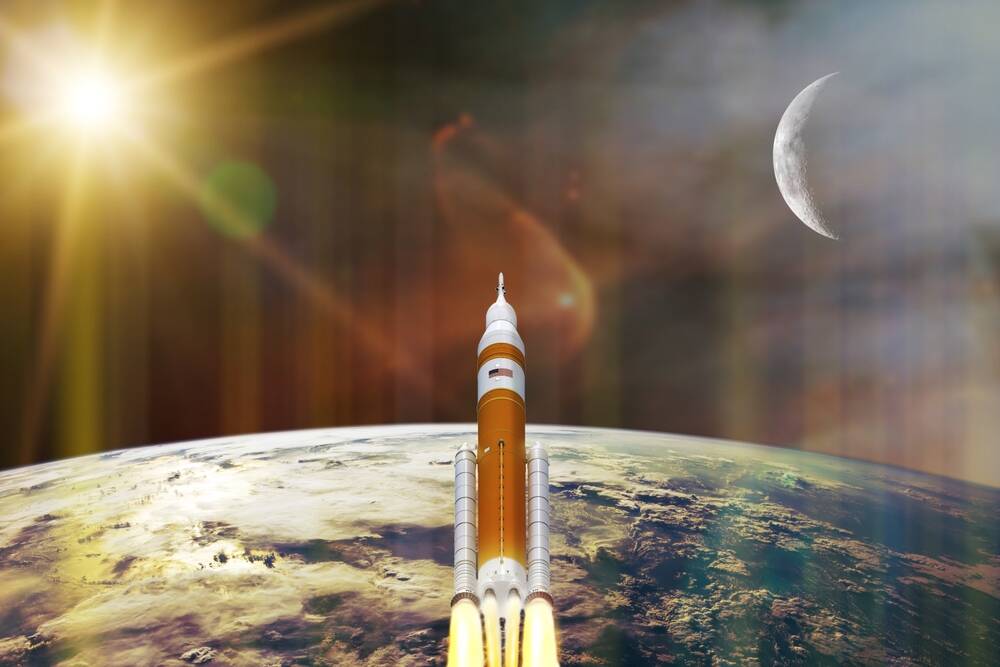
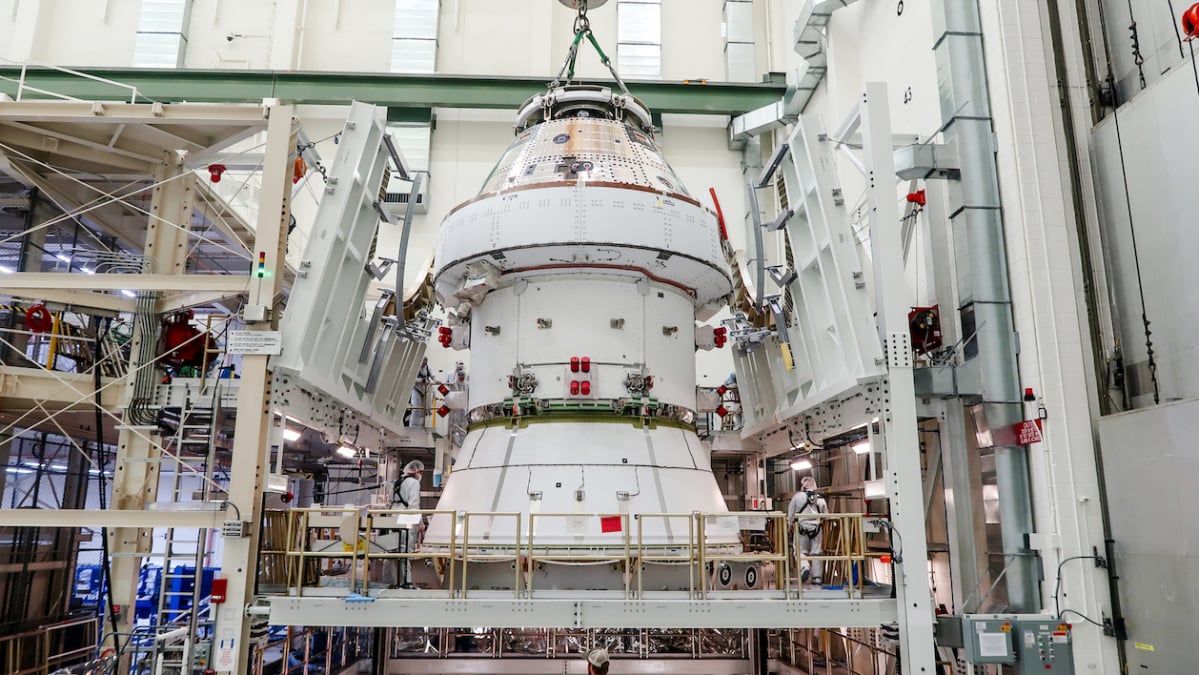
NASA's Orion spacecraft, built with assistance from the European Space Agency, is set to carry four astronauts on the Artemis II mission to loop around the moon in September 2025, paving the way for a lunar landing in 2026. The spacecraft comprises four parts, including the crew module and service module, and will be launched using NASA's powerful Space Launch System rocket. Safety concerns, including unexpected damage to the heat shield during a previous test flight, have led to a delay in the mission. NASA's goal is to establish a permanent presence on and around the moon, with plans to explore the lunar south pole for potential water ice resources.
NASA and its international partners are developing the Lunar Gateway, a new space station to orbit near the Moon, with the first modules expected to arrive in space in 2025. The station will serve as a gateway for missions to the Moon and Mars, and will be a joint effort by the U.S., Europe, Japan, Canada, and the United Arab Emirates. The Gateway will operate in a near-rectilinear halo orbit and is set to host astronauts for research, spacewalks, and as a staging point for future missions. Additionally, plans are in place to wind down operations at the International Space Station by 2030, with NASA working on a deorbit vehicle to guide its safe descent to Earth.
NASA is planning to send a team to the moon in 2026 to plant moon plants as part of the LEAF (Lunar Effects on Agricultural Flora) project, marking the first time astronauts will land on the moon in over 50 years. The experiment aims to study plant growth and development in space-radiation and partial gravity, with the potential to develop vegetation for human nutrition and life support on the moon. This historic expedition will also be the first time a woman and a person of color have been to the moon, and it follows the successful completion of the Artemis 1 mission in 2022.
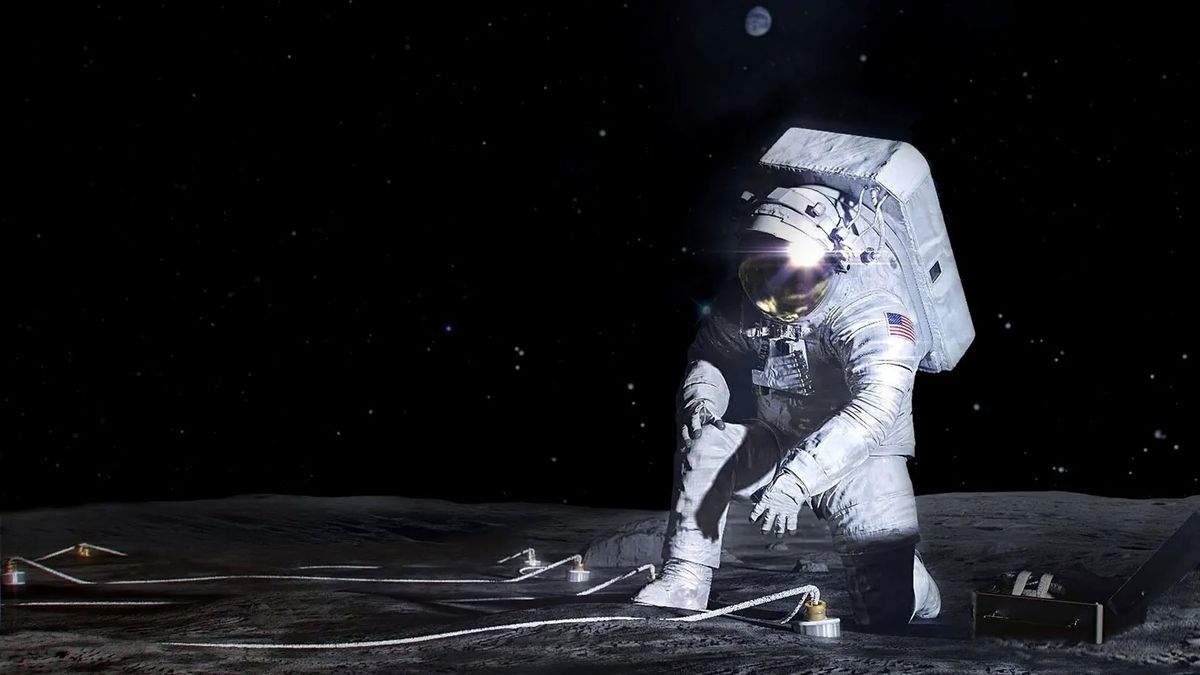
NASA's Artemis 3 mission in 2026 will see astronauts deploying the first three science experiments on the moon's surface, including LEAF, which will study plant growth in the lunar environment. The other experiments are the Lunar Environment Monitoring Station (LEMS) and the Lunar Dielectric Analyzer (LDA). These experiments aim to gather valuable information about the moon's crust, mantle, and subsurface. The mission will use SpaceX's Starship vehicle to transport astronauts from lunar orbit to the surface and back, and is expected to land the first woman and person of color on the moon.
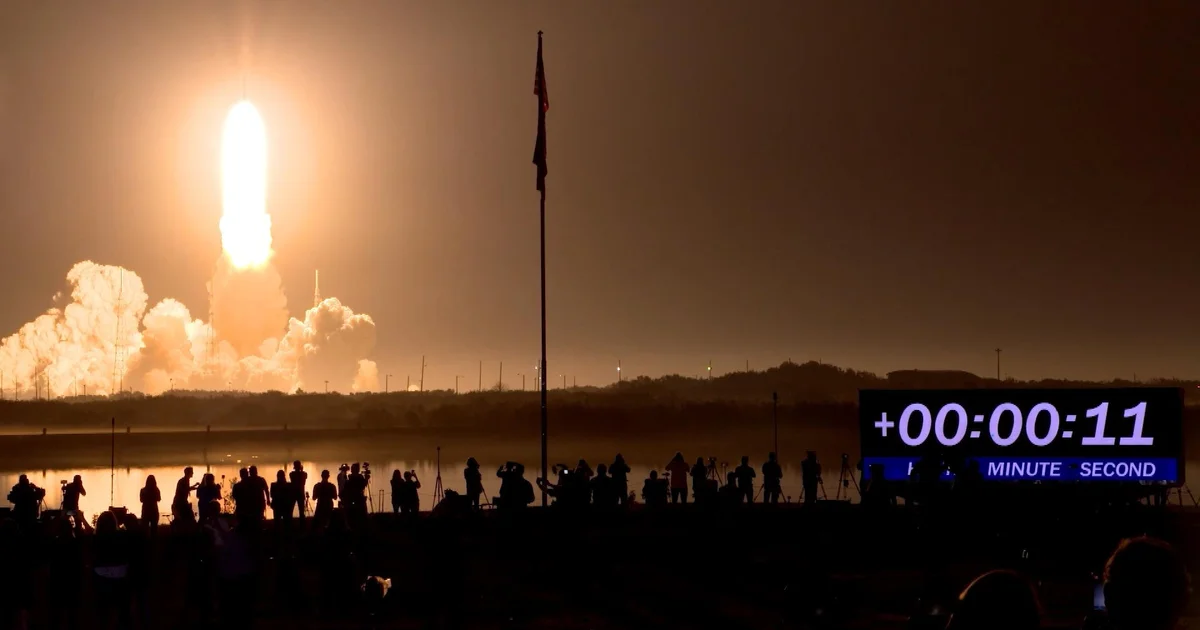
NASA's Artemis mission, aiming to return astronauts to the moon and establish an outpost at the moon's south pole, faces delays and technical challenges, raising concerns about China's potential to reach the moon first. The first Artemis astronaut flight has been delayed to late 2025 and the moon landing to 2026, with cost concerns and technical milestones for SpaceX's Starship rocket adding to the challenges. NASA has also signed a contract with Blue Origin to build another lunar lander, while expressing optimism about the goal of getting astronauts back on the moon by the end of 2026.
NASA is investigating issues with the design of the side hatch of the Orion spacecraft, which could impact crew ability to open the hatch in contingency operations on the launch pad or after splashdown. The agency is conducting testing to ensure the hatch can be opened in various pressure scenarios. Additionally, NASA is studying greater-than-expected erosion of heat shield material during Orion's reentry on the Artemis 1 mission, which has led to the delay of the first crewed Orion mission to no earlier than September 2025.