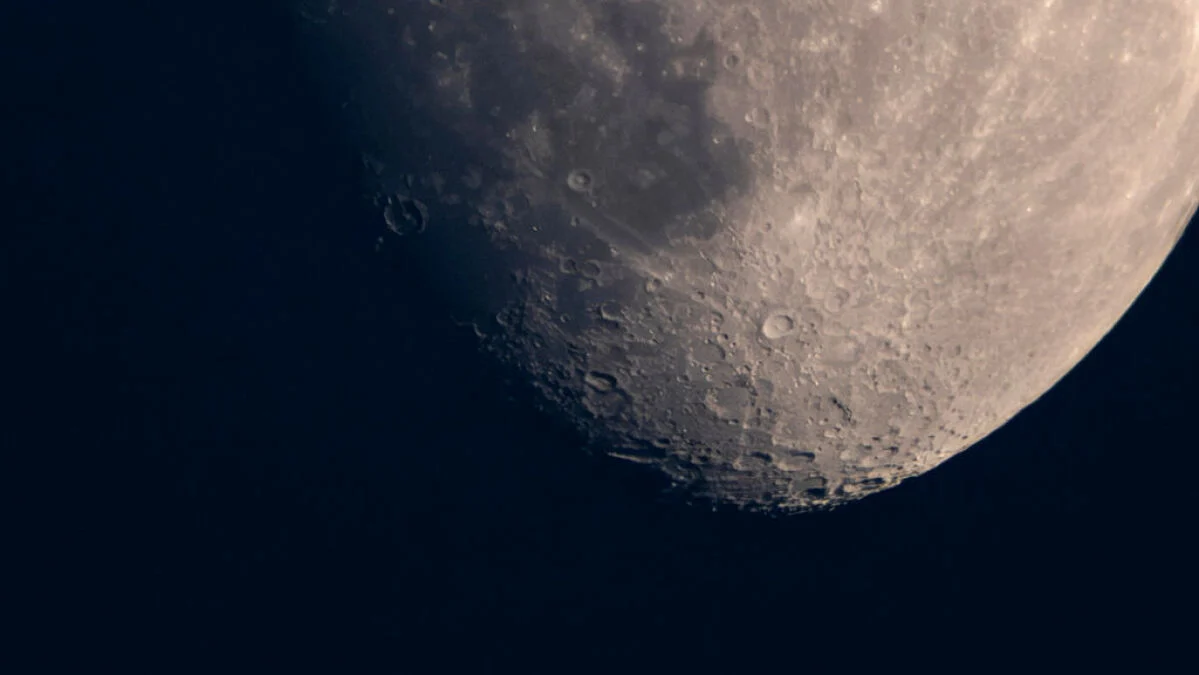
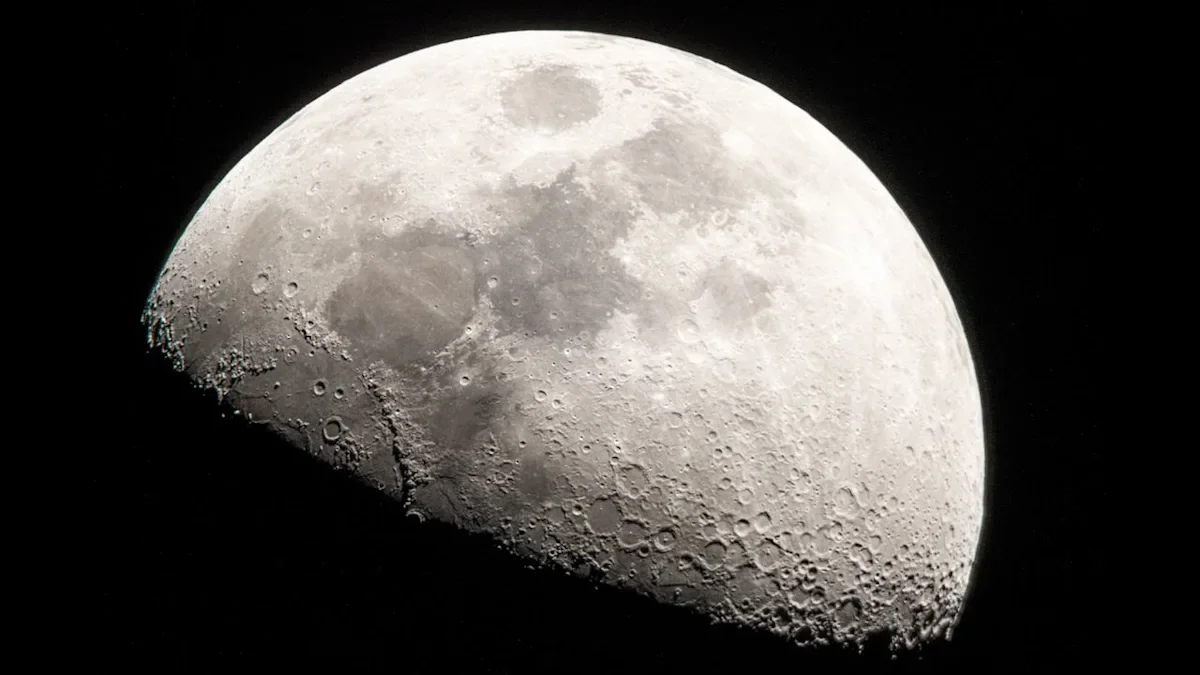
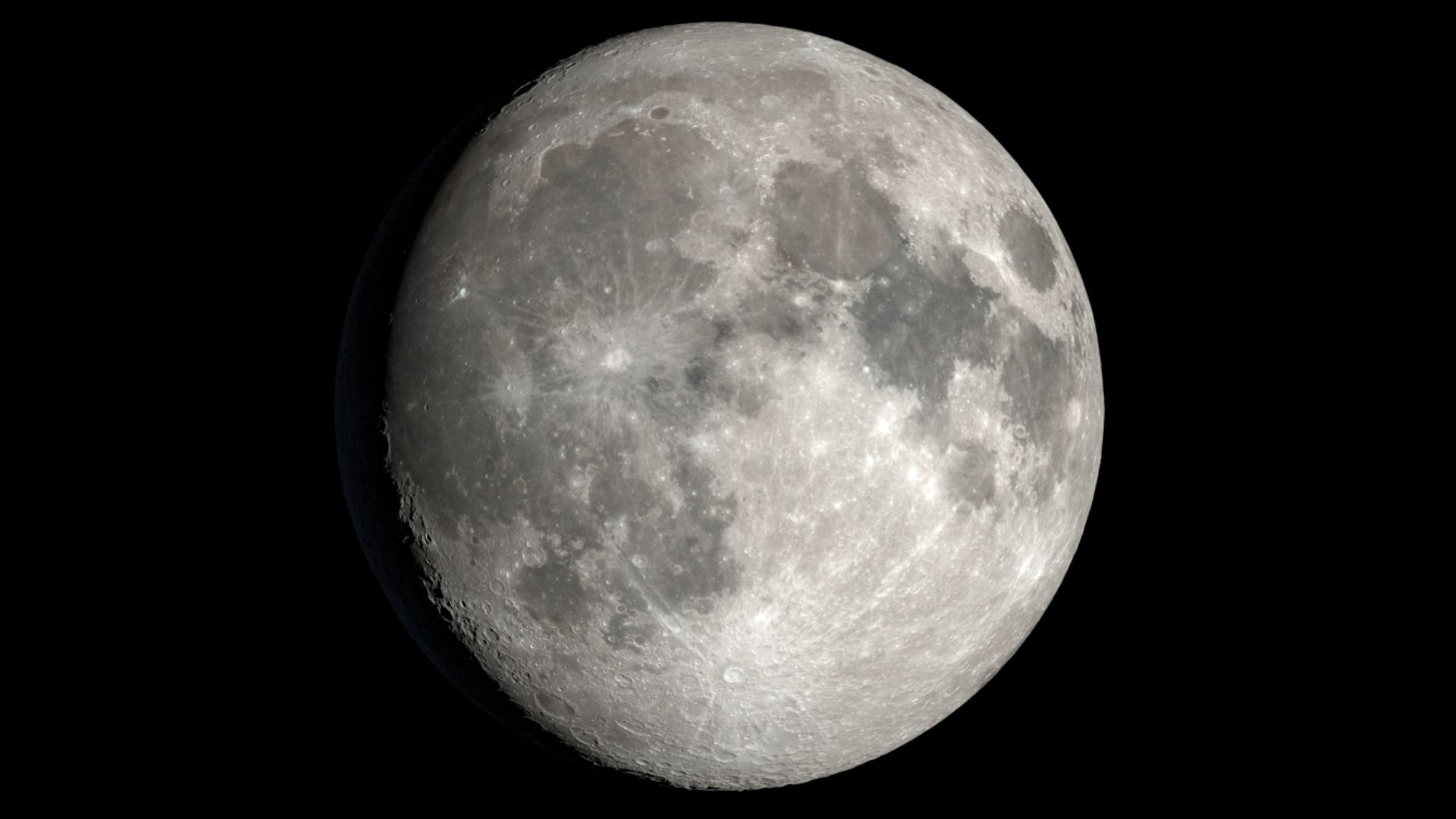
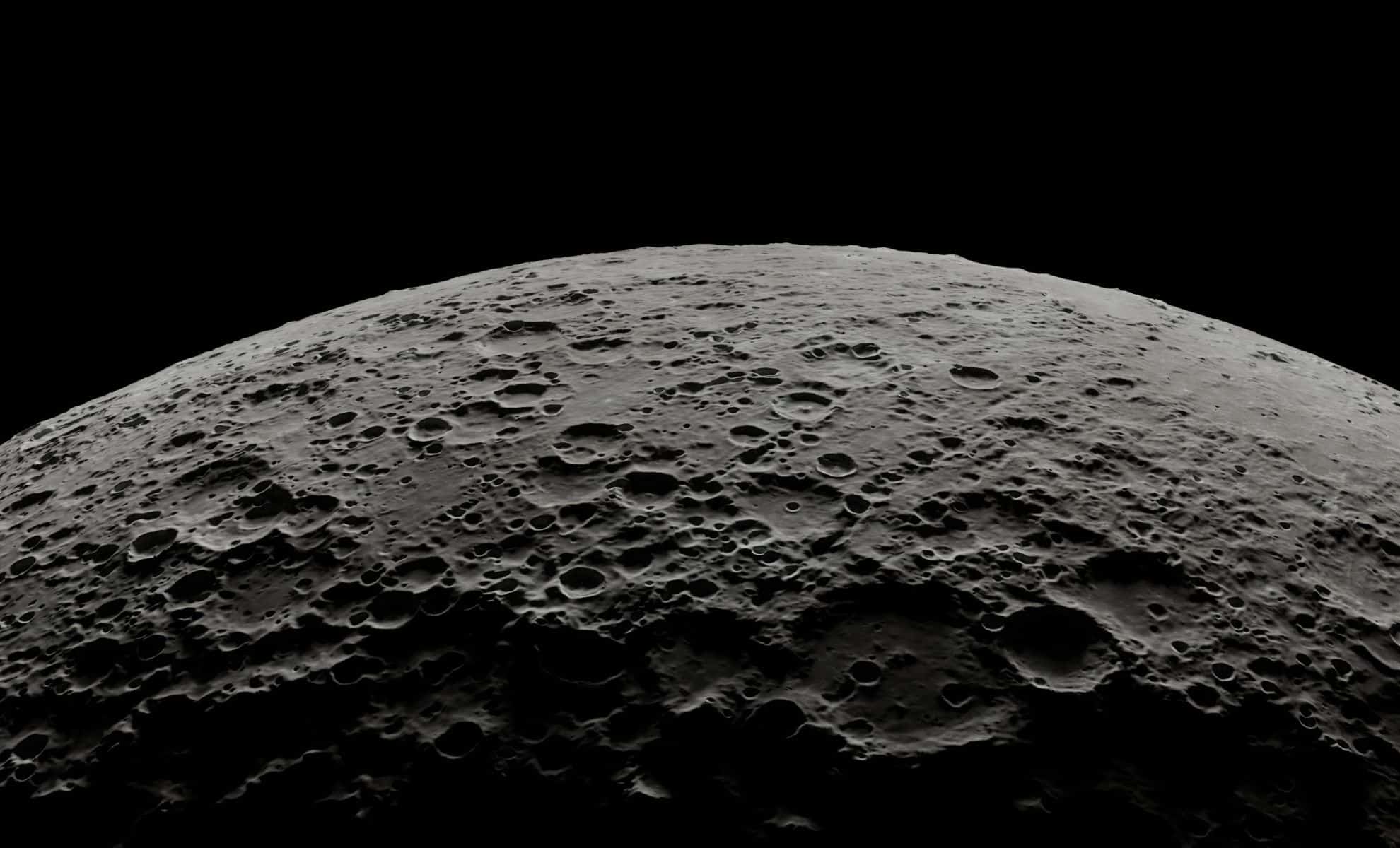
Daichi Fujii captured videos of two meteoroid impacts on the moon, highlighting the moon's ongoing surface changes due to space debris, especially during the Taurids meteor shower, and emphasizing the importance of monitoring lunar impacts for understanding space risks.
Scientists have explained the asymmetrical dust cloud around Earth's moon as a result of temperature differences between the moon's day and night sides, which affect how meteoroids lift lunar dust, with hotter daytime impacts creating more lofted dust and explaining the cloud's skewed shape.
International Observe the Moon Night 2025 on October 4 offers viewers a chance to observe key lunar features such as the terminator line, Mare Nubium, Montes Jura, ejecta rays from impact craters, and the 'Bay of Rainbows,' highlighting the moon's diverse surface and ongoing exploration efforts.
NASA and the U.S. Army National Guard are collaborating to develop a lunar lander simulation training course using military helicopters in Colorado, preparing astronauts for the challenging terrain and conditions of the Moon's South Pole for upcoming Artemis missions, with the final course expected in August 2025.
Recent research reveals that the Moon's surface features, such as roughness and porosity, act as a protective shield against solar wind erosion, reducing material loss and reshaping our understanding of its exosphere and planetary surface interactions.
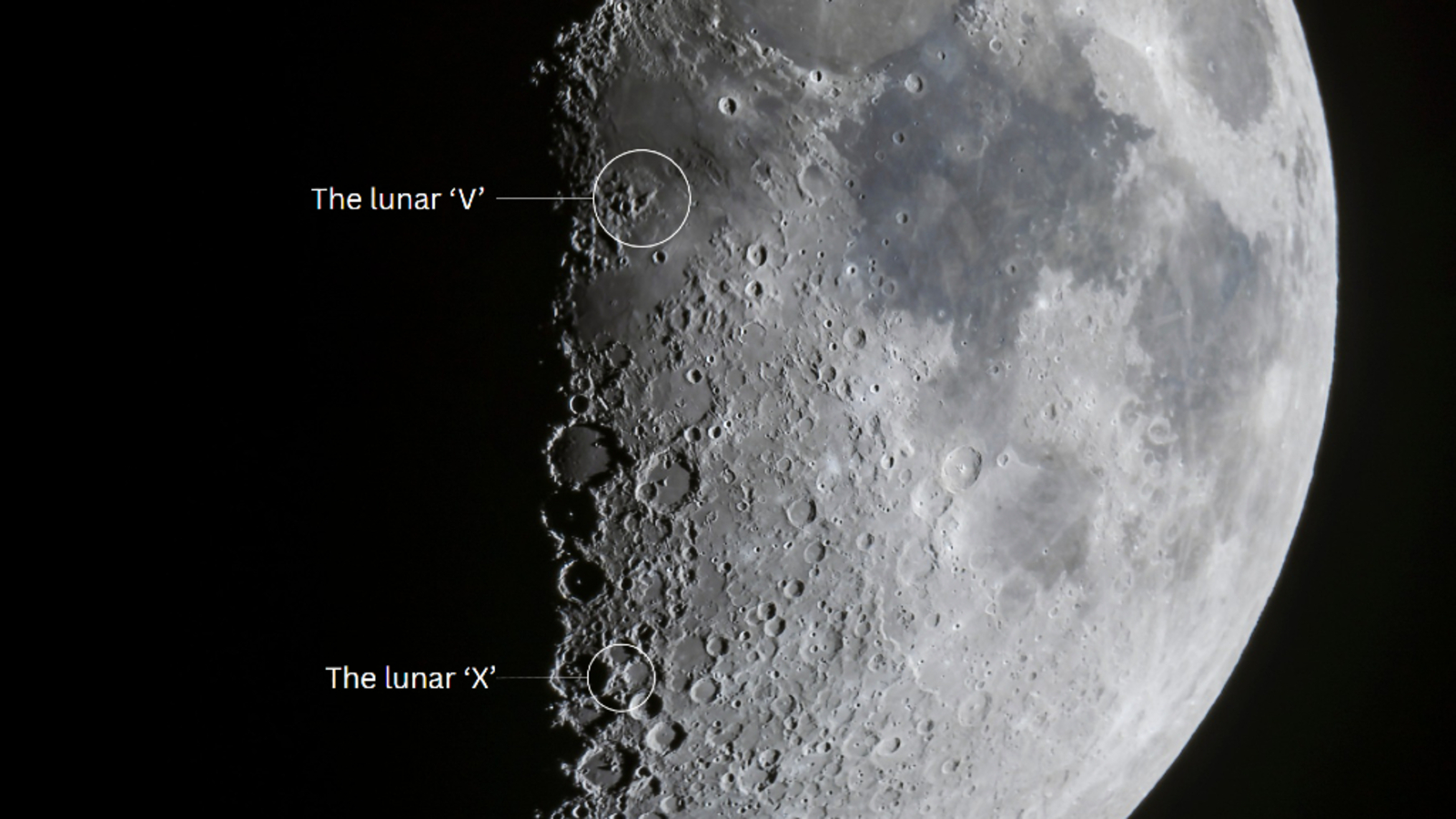
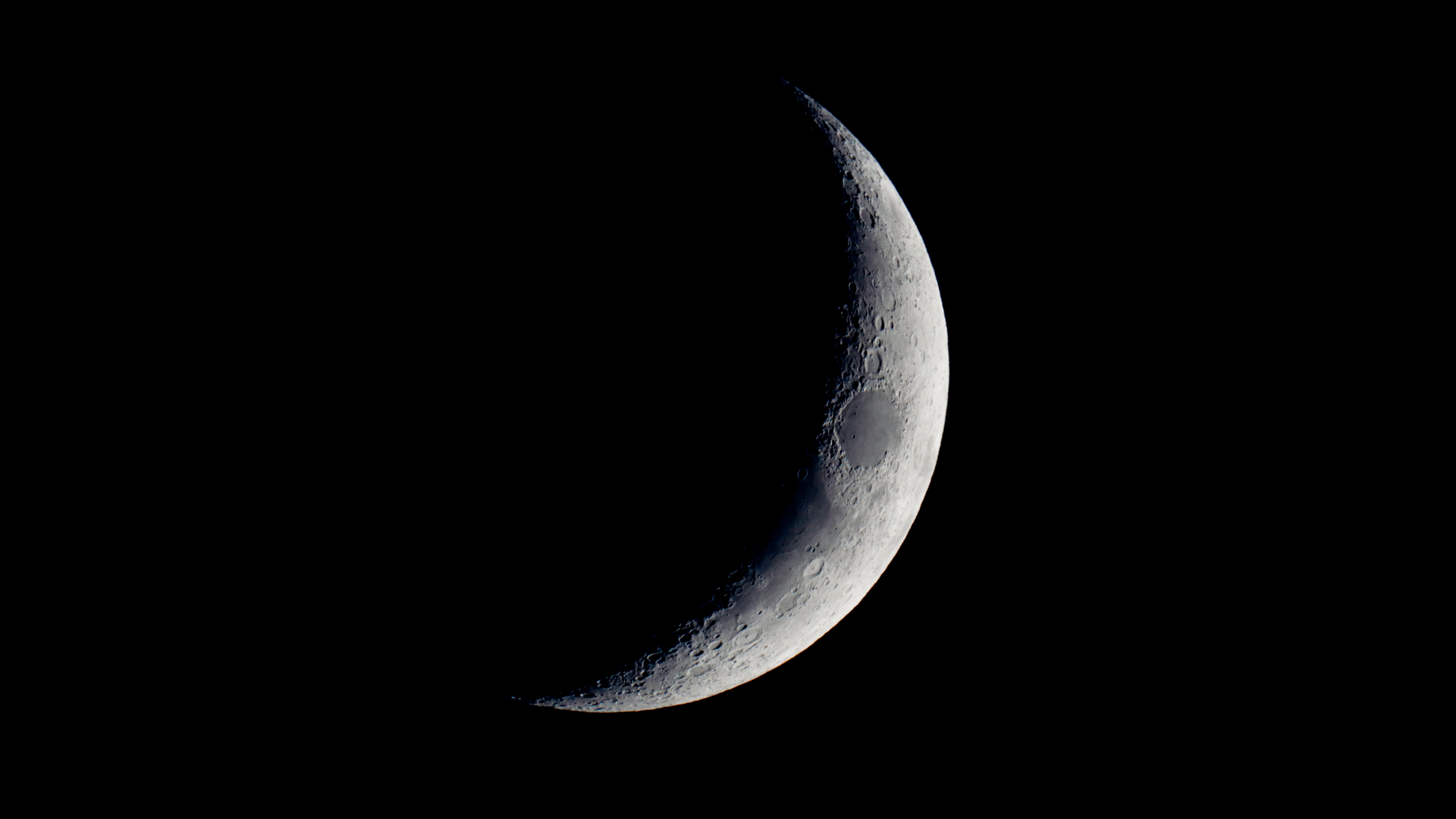
On July 2, during the first quarter moon phase, a rare 'X' and 'V' shape will be visible on the moon's surface due to light and shadow effects, best observed around sunset with a small telescope, offering a unique skywatching opportunity.
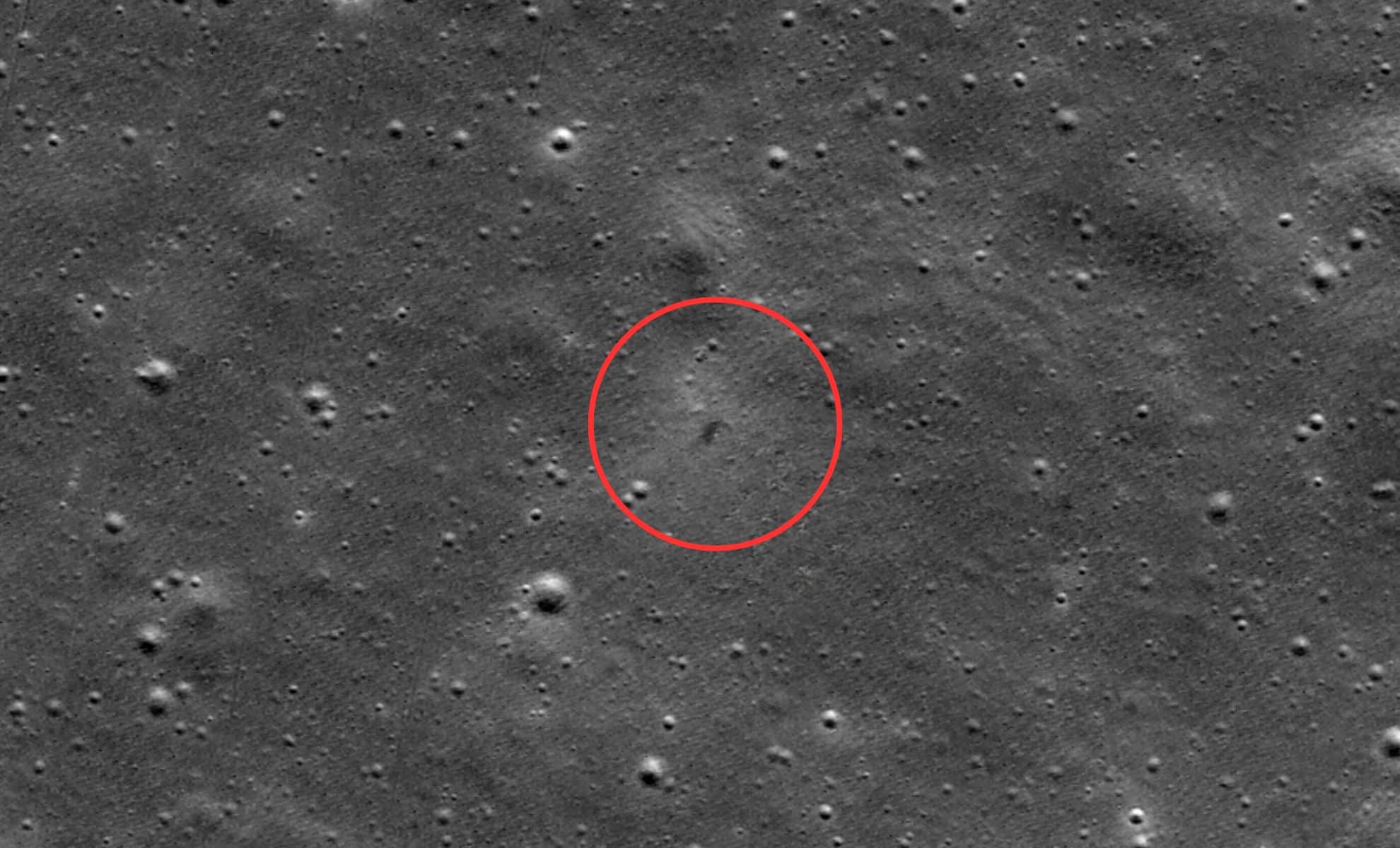
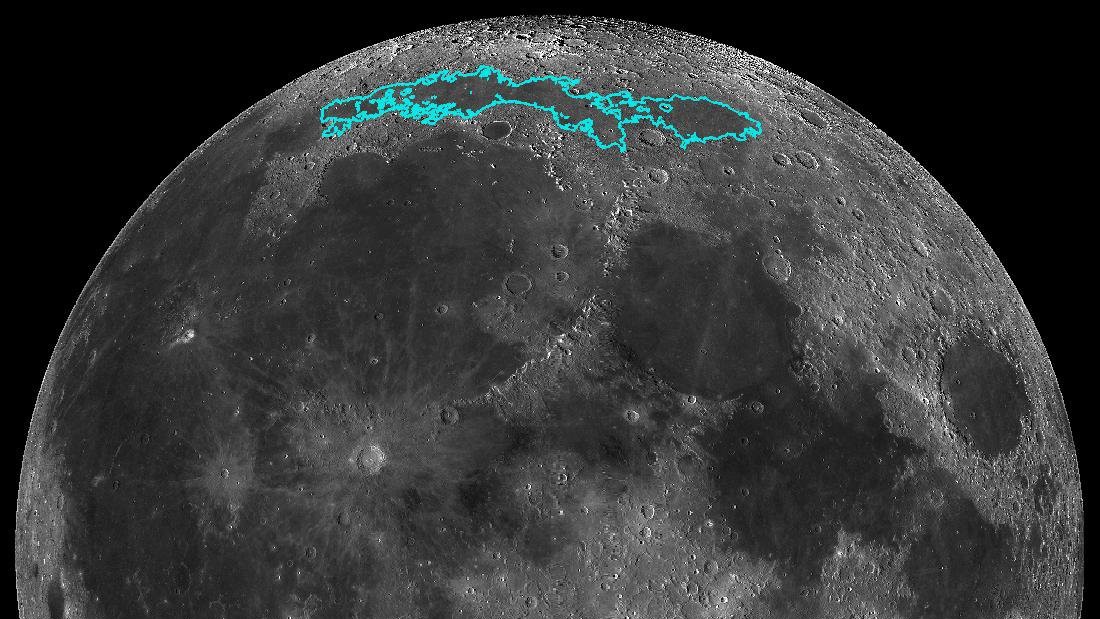
NASA's Lunar Reconnaissance Orbiter captured images of the crash site of ispace's RESILIENCE lunar lander in Mare Frigoris, confirming its hard landing and providing insights into impact mechanics on the Moon, marking a setback for Japan's private lunar ambitions but contributing valuable data for future missions.
Scientists have used advanced microscopic techniques to analyze tiny orange beads on the Moon, revealing that they are volcanic glass formed from explosive eruptions over three billion years ago, providing new insights into the Moon's geologic history.
The Japanese private lunar lander Resilience, developed by Ispace, attempted a moon landing but lost contact with mission control, raising concerns about its success. This mission is part of a broader international effort to explore the moon, with Resilience carrying scientific payloads and art pieces, and aiming to demonstrate private sector capabilities in lunar exploration.
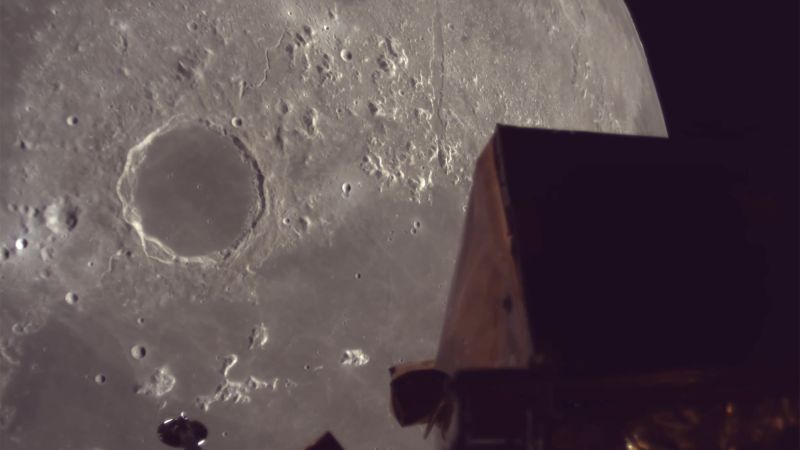
The article discusses a photograph of the moon's south pole taken by the Japanese company Ispace's robotic lander, highlighting how different viewers perceive the lunar surface as either craters or bumps, emphasizing the moon's pockmarked surface with craters.
The private ispace Resilience lunar lander is scheduled to attempt a soft landing in the Mare Frigoris region of the moon on June 5, with viewers able to observe the landing zone through telescopes and binoculars by locating key lunar craters near the site. The event will be streamed live, marking ispace's second attempt at lunar landing after an unsuccessful previous mission.
On May 30, skywatchers can observe Mare Crisium, a dark basaltic plain on the moon, visible as an oval-shaped patch on the lunar surface near the terminator, with additional features like Picard, Peirce, and Swift craters visible through binoculars or telescopes, offering a prime opportunity for lunar observation.
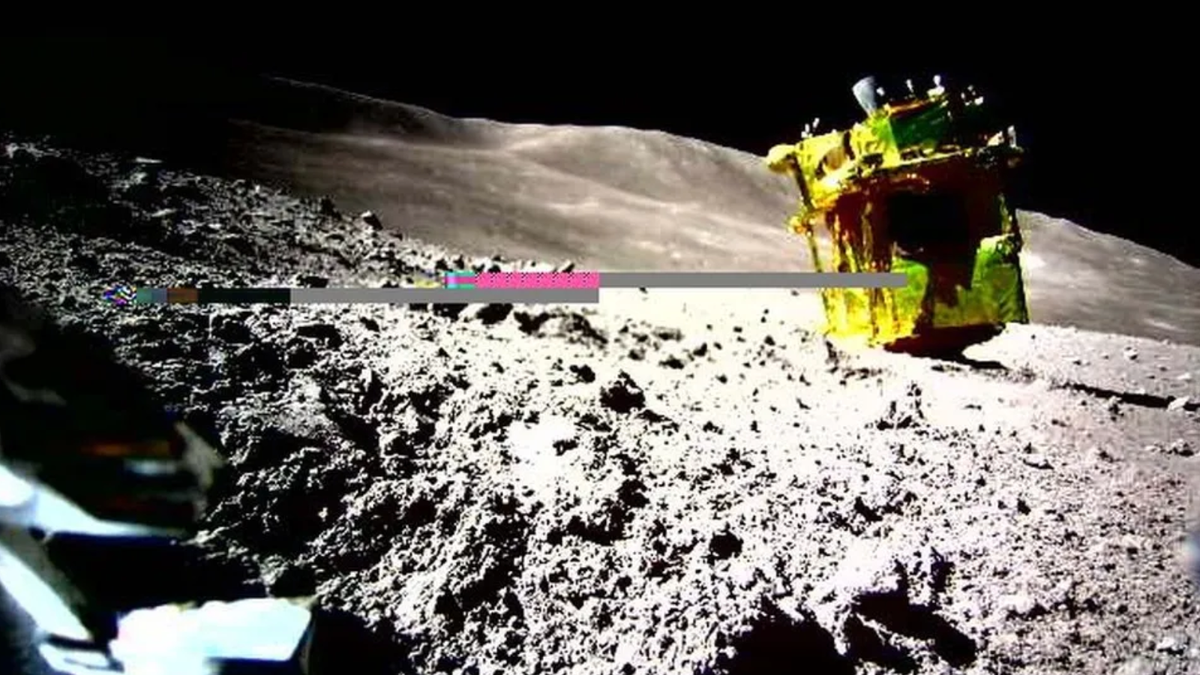
Japan's SLIM moon lander has stopped responding to signals, likely due to the harsh conditions of the lunar night. Despite this, JAXA remains hopeful and plans to attempt contact again next month when the sun returns to the landing site. The mission, which aimed to demonstrate precise lunar landing techniques, has already provided valuable data, including evidence of the mineral olivine on the moon's surface.
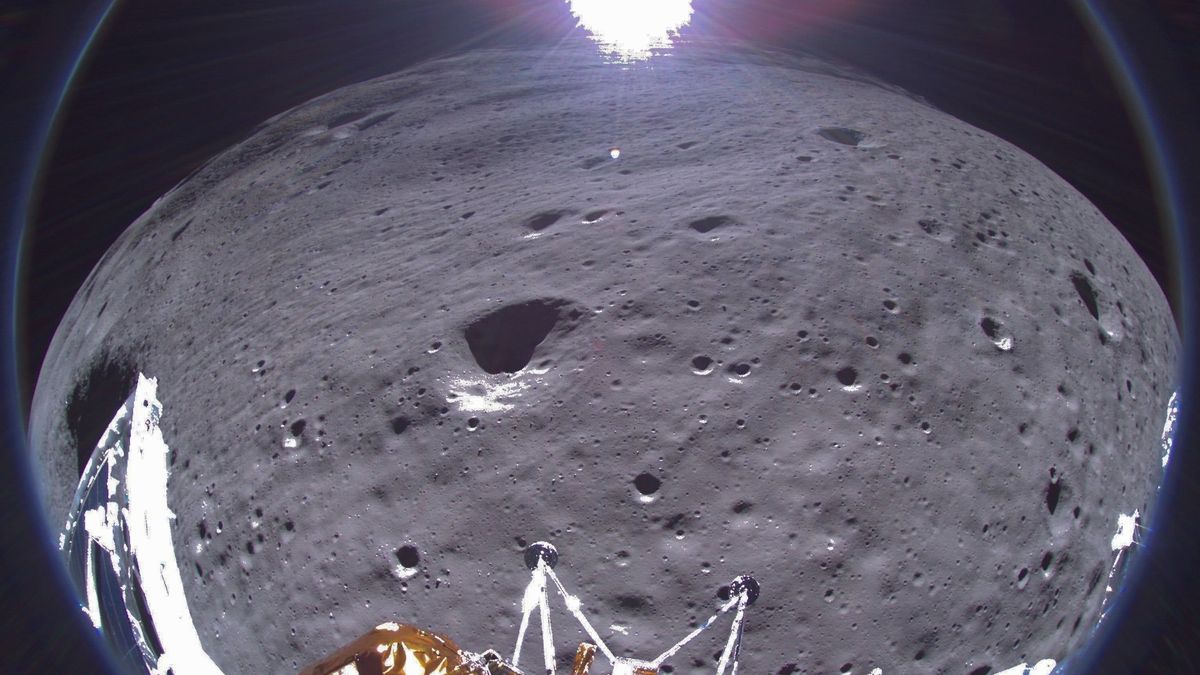
Intuitive Machines' private moon lander, Odysseus, has concluded its historic mission after operating on the lunar surface for seven days, making it the first commercial vehicle to successfully land on the moon. Despite hopes of reactivation, the lander's power system did not revive, confirming its permanent shutdown. The mission, which carried both NASA and private payloads, faced challenges during landing but still achieved its objectives. This achievement marks a significant milestone in the development of private spacecraft for lunar exploration, with plans for future missions already in the works.
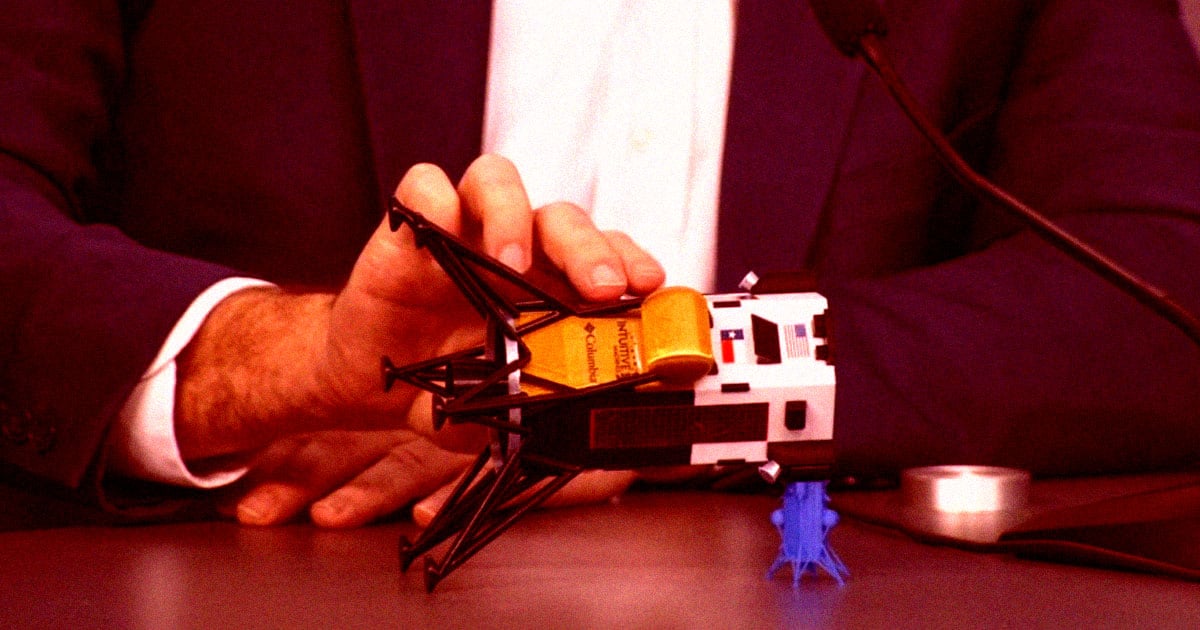
Two separate Moon landers have successfully made it to the lunar surface but embarrassingly fell over upon landing, with NASA's Odysseus lander, built by Intuitive Machines, scraping along and toppling over due to its considerable height and missing crucial data from malfunctioning laser instruments. Former NASA engineer Philip Metzger explained that the lunar environment makes everything tippier, emphasizing the need for wider landing legs and the challenges of designing for the Moon's gravity. While the lander's height offered potential advantages, such as longer exposure to sunlight for its solar arrays, it ultimately never got the chance to stand tall and proud.