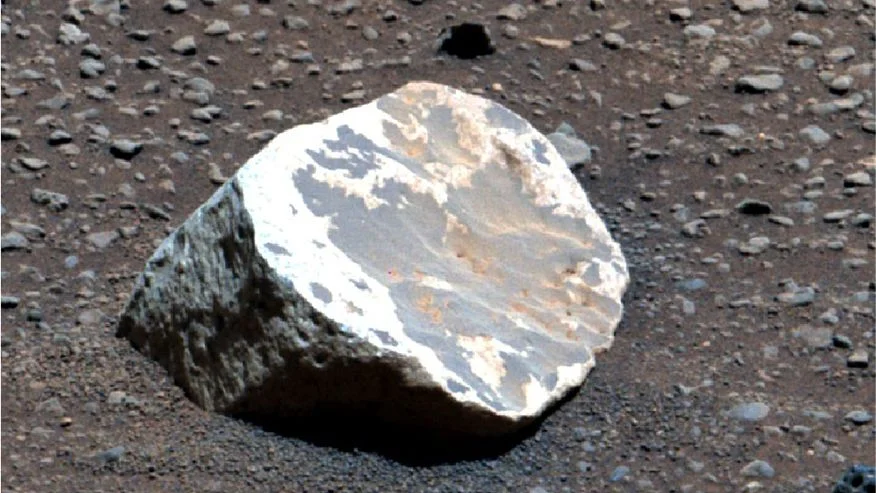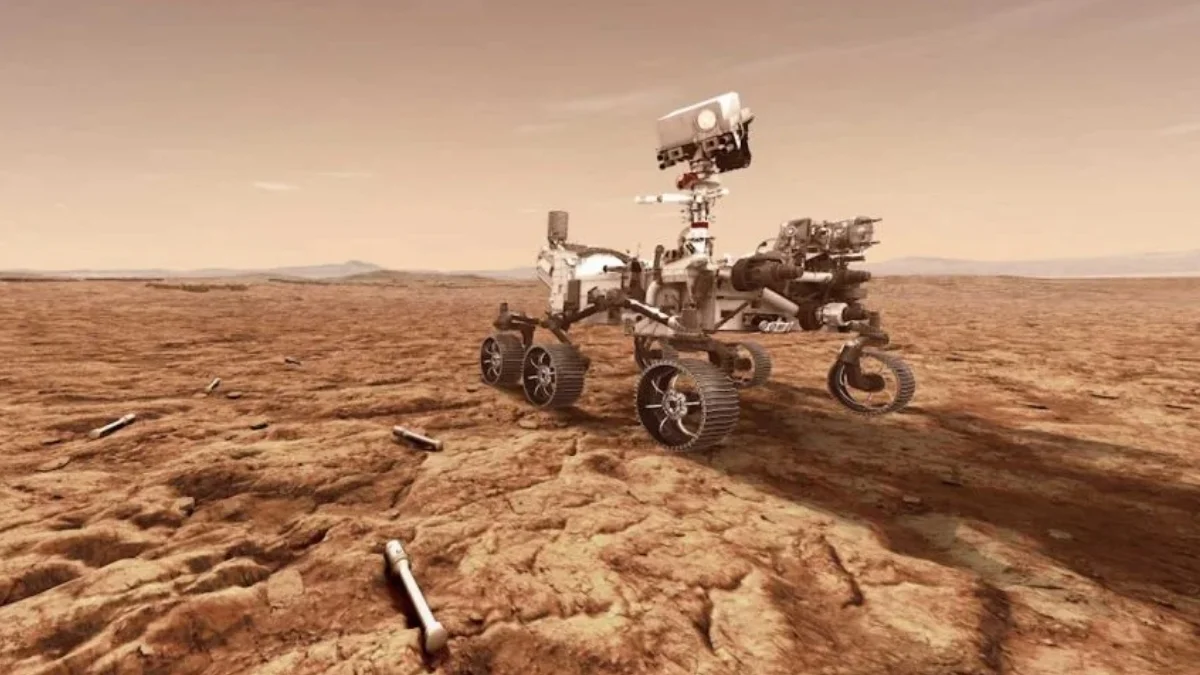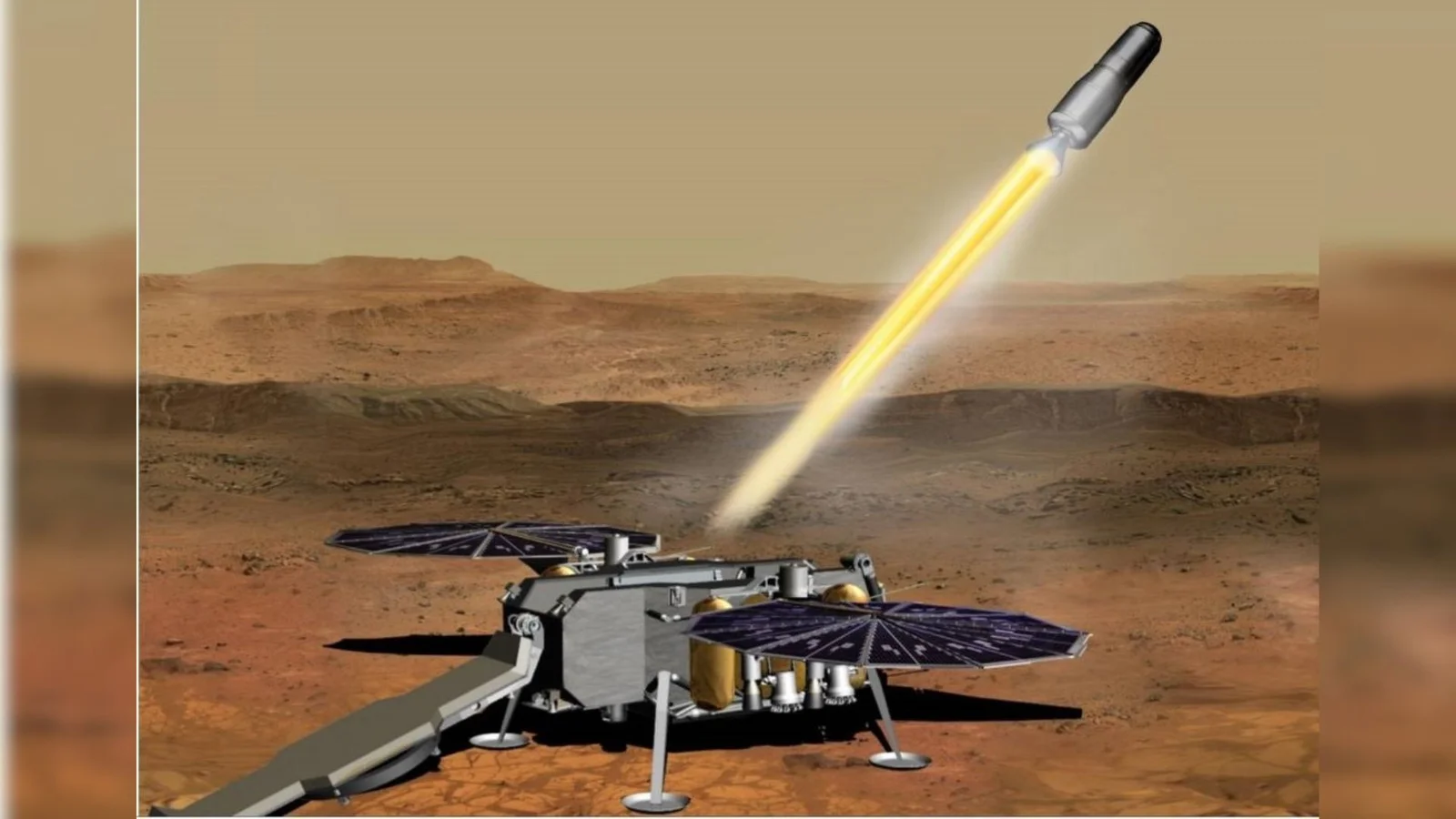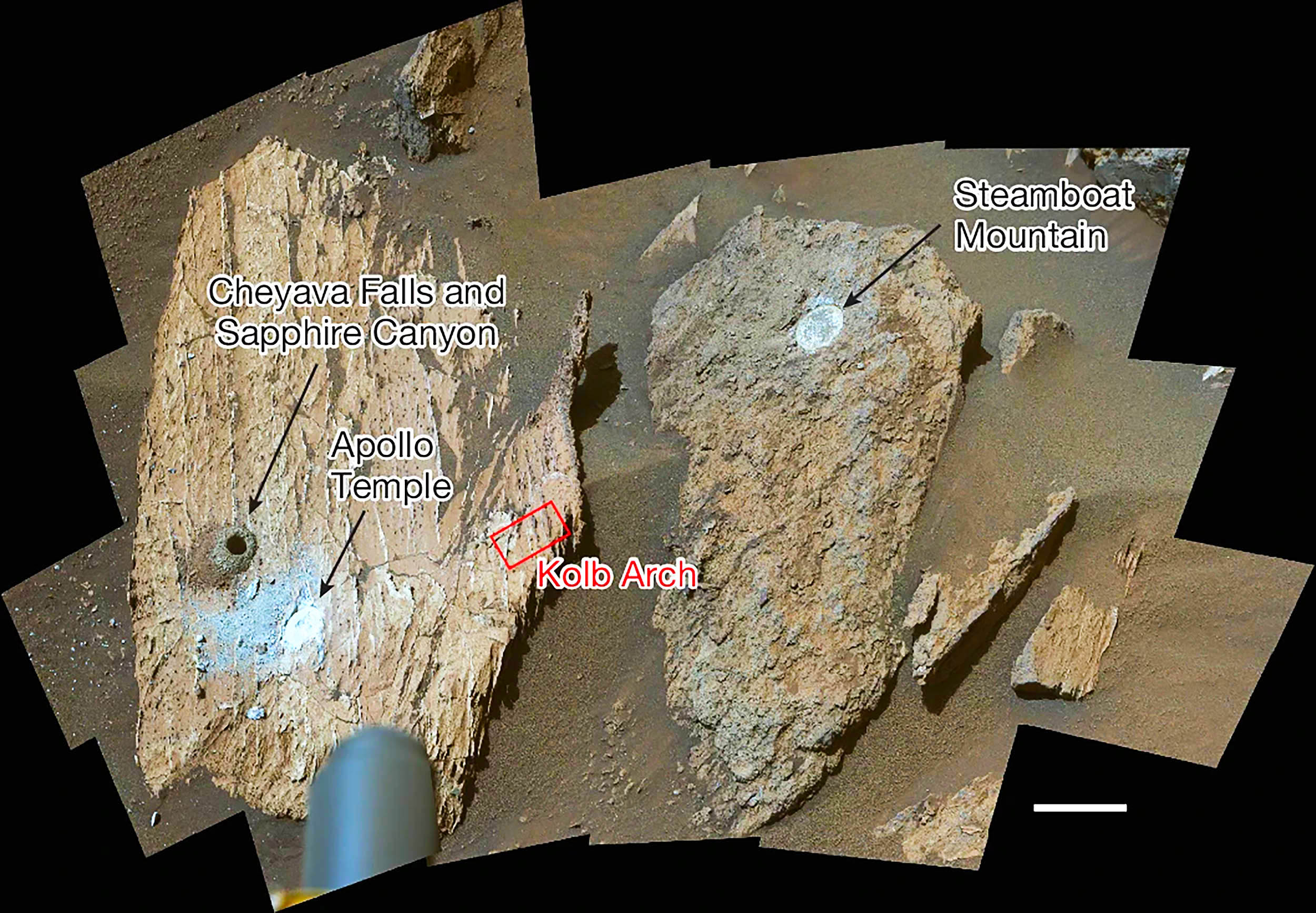
NASA's Mars Sample Return program, which aimed to bring Martian samples to Earth for detailed analysis, has been canceled due to high costs and lack of a concrete plan, resulting in the loss of valuable scientific opportunities, including the analysis of potentially biosignature-bearing rocks like Cheyava Falls.
NASA's Perseverance rover found mineral and textural evidence in Martian mudstone that could indicate past microbial activity, representing the closest potential sign of life on Mars to date, though further testing is needed to confirm biological origins.
NASA's Perseverance rover detected unexpected electrical activity in Martian dust devils using its microphone, revealing that electrical discharges are common on Mars and may influence atmospheric chemistry, including methane breakdown, with significant implications for future missions and our understanding of the planet.
Brother Sergey Melnik was released from a Russian prison after serving a six-year sentence, during which he maintained his faith and positive spirit, and has now been reunited with his family, exemplifying perseverance and trust in Jehovah.
NASA's Perseverance rover has discovered a meteorite named Phippsaksla on Mars, which could provide valuable insights into the planet's geological history and the early solar system. This marks the first time Perseverance has identified a meteorite, and the find could help scientists understand impact effects on Mars and the preservation of space debris on the planet's surface.
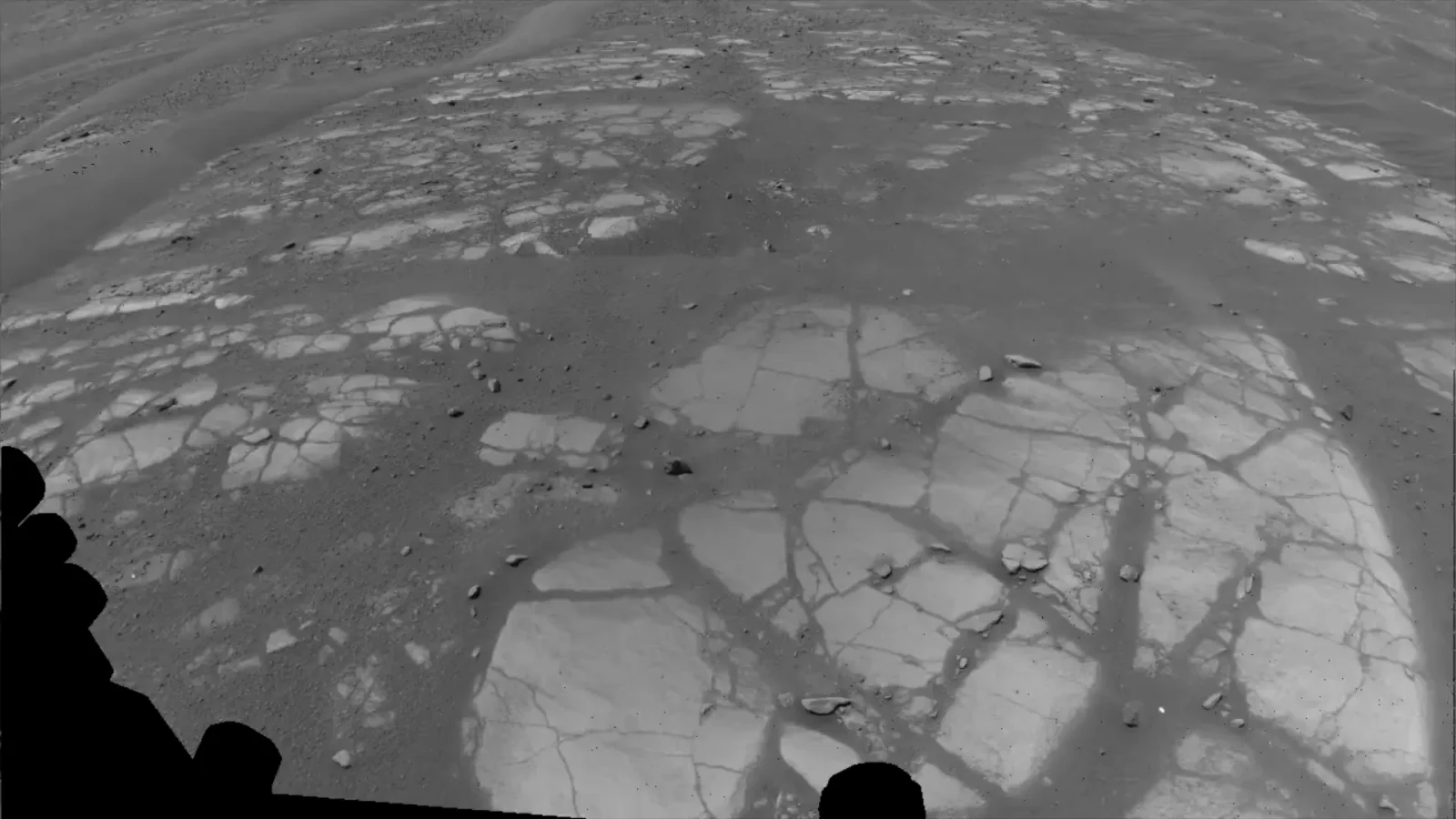
NASA's Perseverance rover has studied large wind-shaped structures called megaripples at Hazyview on Mars, revealing insights into the planet's recent climate and wind activity, with some features showing signs of possible reactivation, indicating dynamic surface processes.
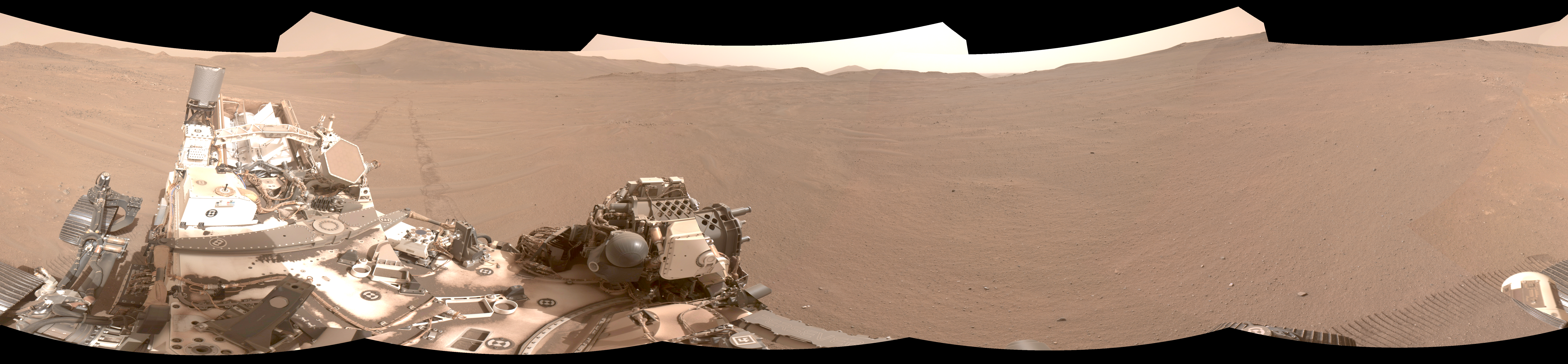
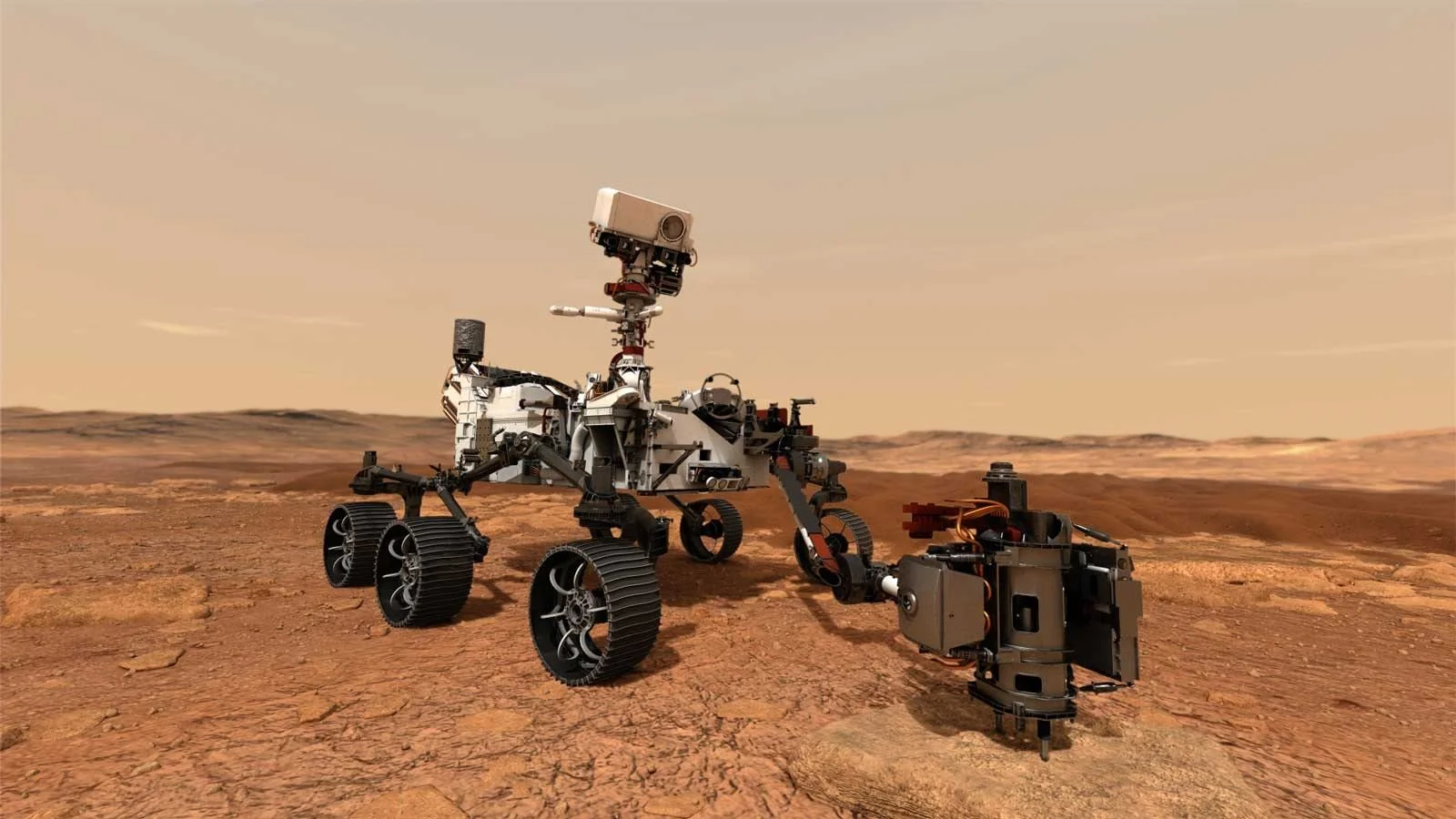
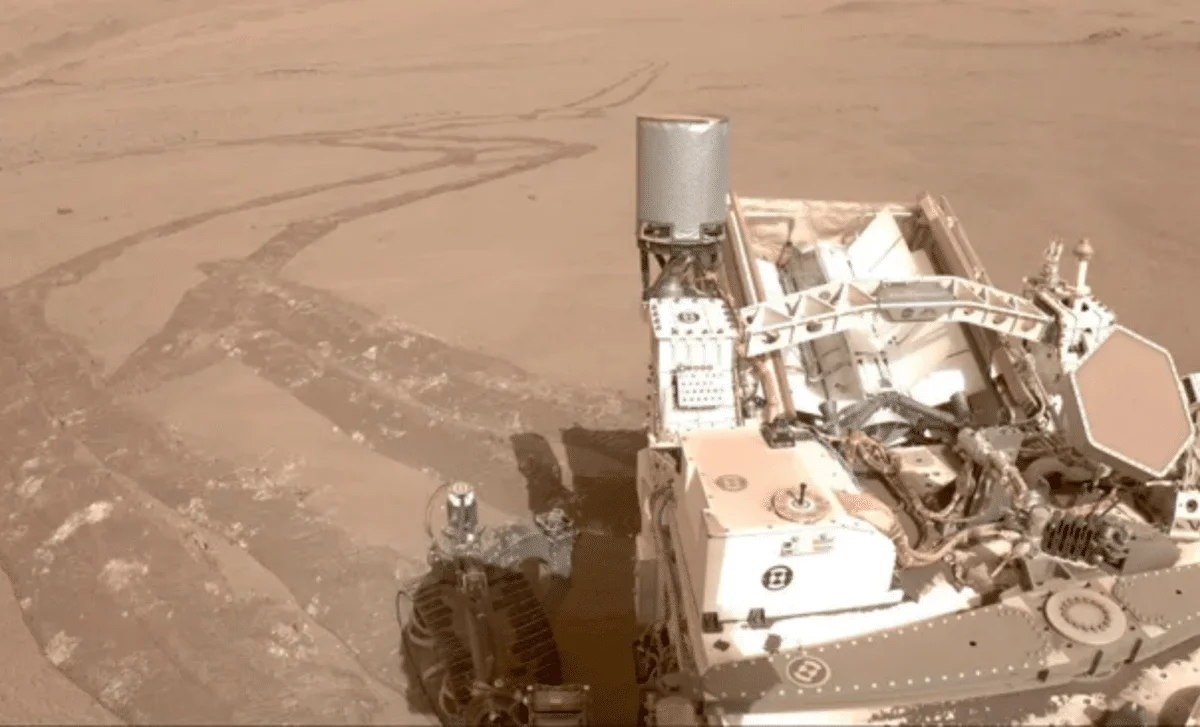
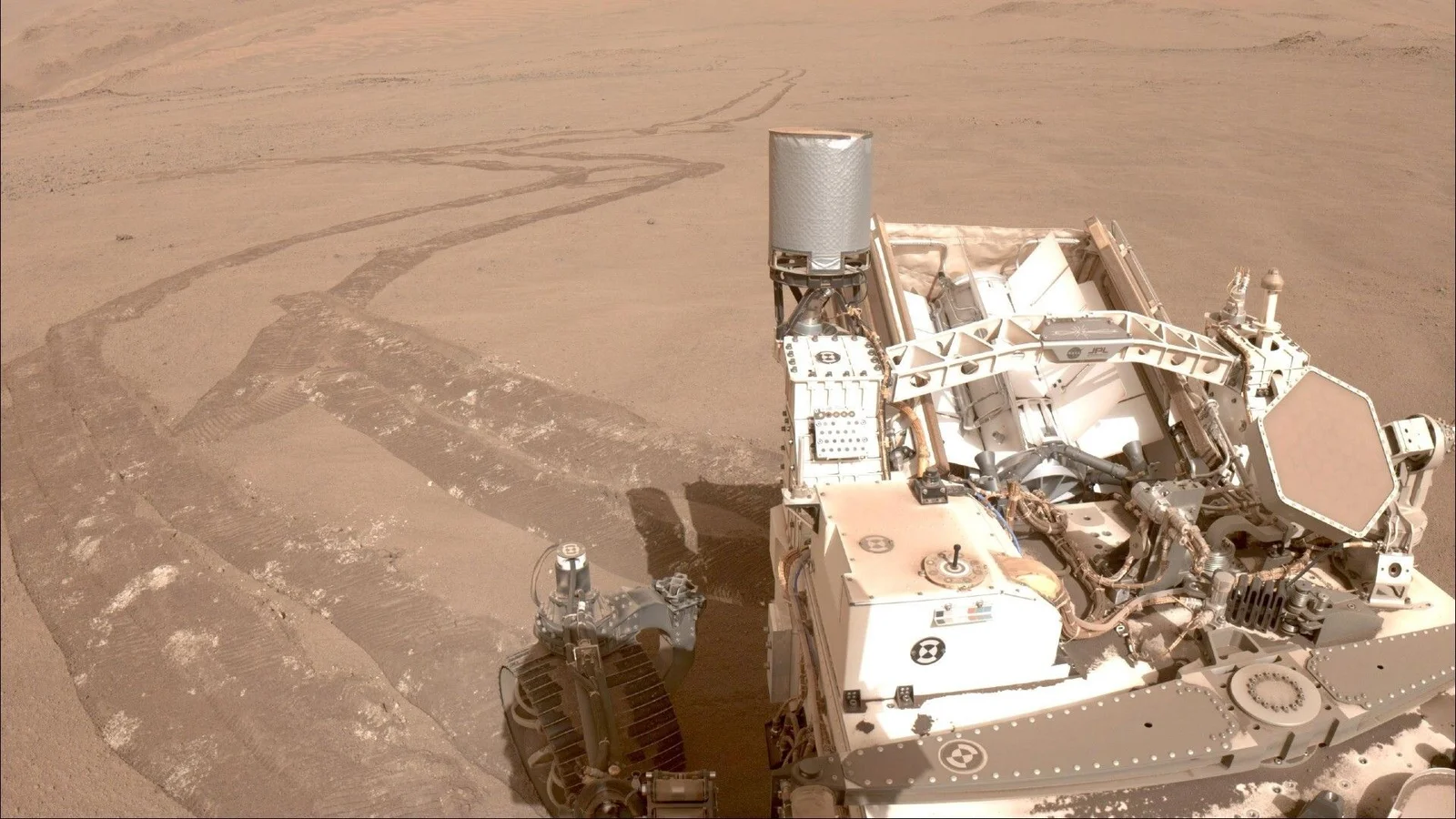
NASA's Perseverance rover may soon set a record for the longest distance driven on Mars, potentially reaching 62 miles (100 km) by the end of its mission, thanks to its durable design and ongoing exploration of Jezero Crater for signs of ancient microbial life. The rover has already traveled about 25 miles and continues to operate well beyond its initial expectations, with plans to extend its mission into 2028.
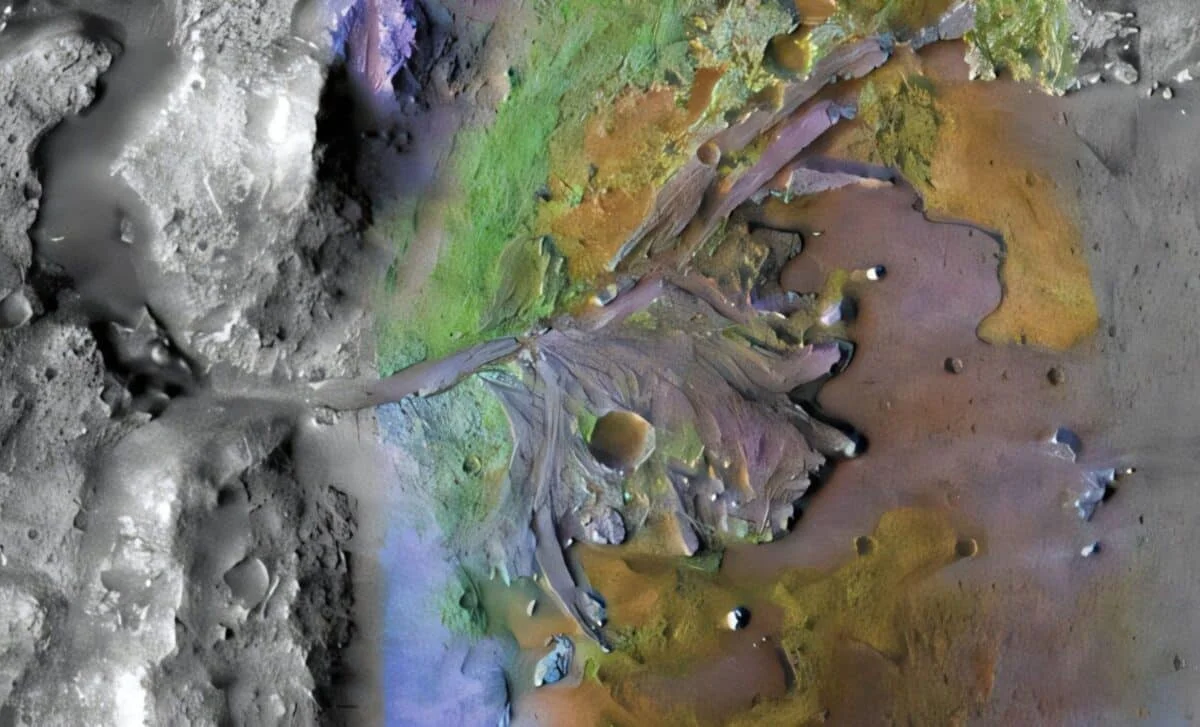
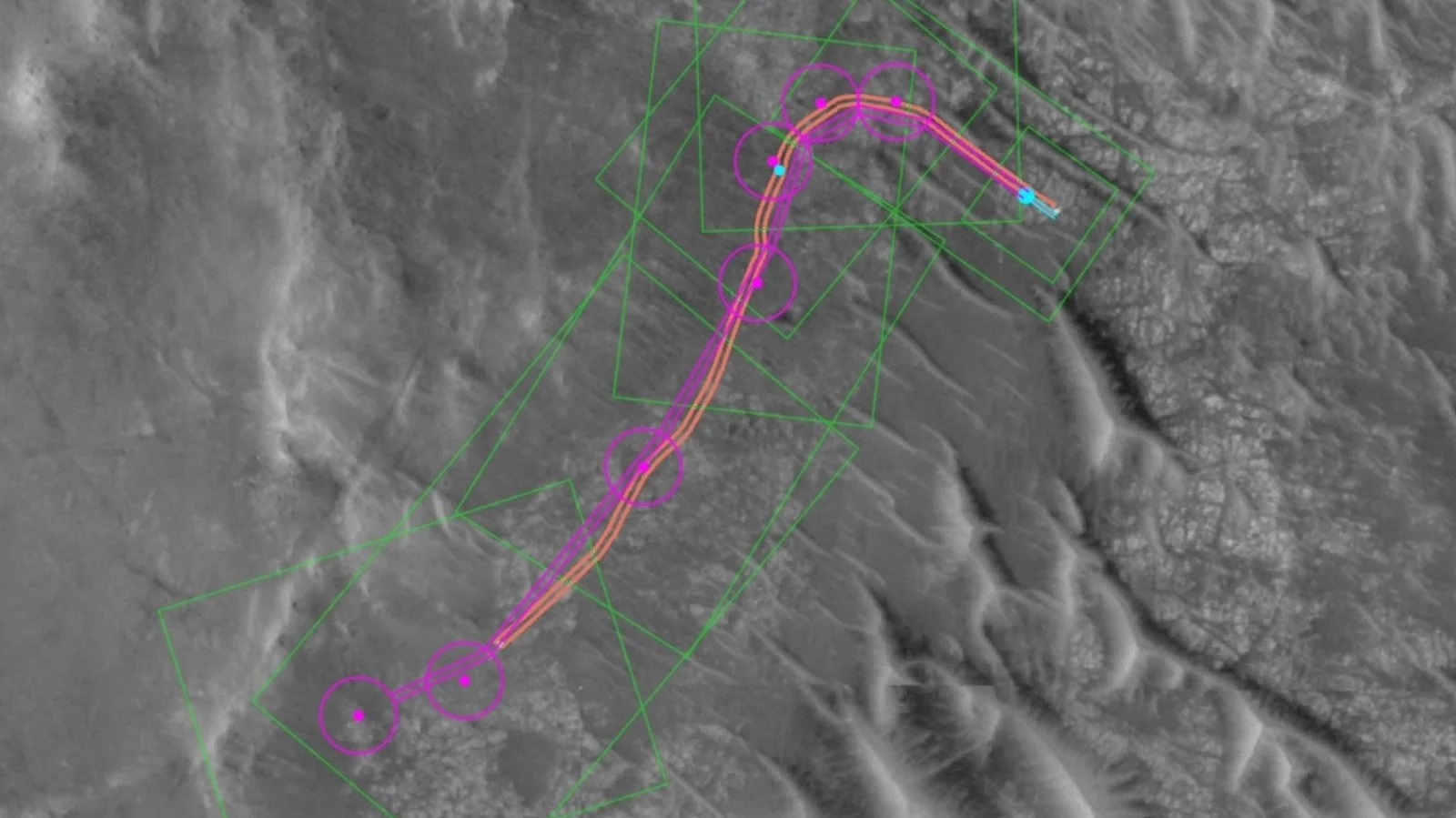
NASA's Perseverance rover has traveled nearly 25 miles on Mars over five years, with its systems certified to operate until at least 2031. It is exploring the Jezero Crater, collecting rock samples that may contain signs of past microbial life, and utilizing advanced autonomous navigation to enhance its exploration capabilities. Recent findings include insights into Mars' geological history, particularly the interactions of water, rocks, and atmosphere in the crater.
NASA's Perseverance rover found compelling mineral and organic signals in Martian rocks that could indicate past microbial life, but further testing on Earth is needed for confirmation.
A viral claim that NASA's Perseverance rover found a 1984 Pontiac Fiero on Mars is unfounded; the image is a result of pareidolia, image compression artifacts, and photo editing, with no scientific evidence supporting the presence of a car or rocket engine on Mars. The story highlights how perception, context, and social media can create false narratives around space images, but NASA's data and imaging tools do not support such claims.
The article argues that we should stop venerating Nobel laureates as infallible geniuses, emphasizing that their mistakes and perseverance are more inspiring and relatable, and that recognizing their human qualities can better motivate future scientists.
NASA's Perseverance rover captured images of the interstellar object 3I/ATLAS near Mars, with initial images showing a streak possibly caused by image stacking, and further data from the HiRISE camera may reveal its true size, which could be enormous, potentially 3.1 miles across.
NASA's Perseverance rover captured an image of a streak in the Martian sky that may be the interstellar comet 3I/ATLAS passing nearby, though confirmation is pending due to limited communication caused by the U.S. government shutdown. The comet's appearance in the image is likely due to the imaging process, and multiple space agencies plan to observe it as it passes through the solar system.
NASA's Perseverance rover found potential biosignatures in Martian rocks, but due to delays in the Mars Sample Return mission, China may be the first to return samples from Mars, possibly targeting the same Jezero Crater where Perseverance is active, with the Tianwen 3 mission planned for 2028.
NASA's Perseverance rover discovered a potential biosignature on Mars, specifically on a sedimentary rock called Cheyava Falls, which shows features that could indicate past microbial life, though it is not confirmed. This finding is considered one of the strongest pieces of evidence so far, but definitive proof of life on Mars remains elusive, with ongoing studies and sample return missions expected to provide more clarity.