Tag

In Situ Resource Utilization

All articles tagged with #in situ resource utilization

Journey to Mars: The Spin Begins

Originally Published 2 months ago — by The Space Review

In 1984, a visionary group called the 'Mars Underground' developed a detailed concept for a sustainable human mission to Mars, featuring a Mars cycler spacecraft, use of Martian resources, and a permanent base, which significantly influenced public and scientific perspectives on Mars exploration.

Australian Researchers Develop Iron Extraction Method for Martian Colonies

Originally Published 4 months ago — by Hackaday

Featured image for Australian Researchers Develop Iron Extraction Method for Martian Colonies
Source: Hackaday

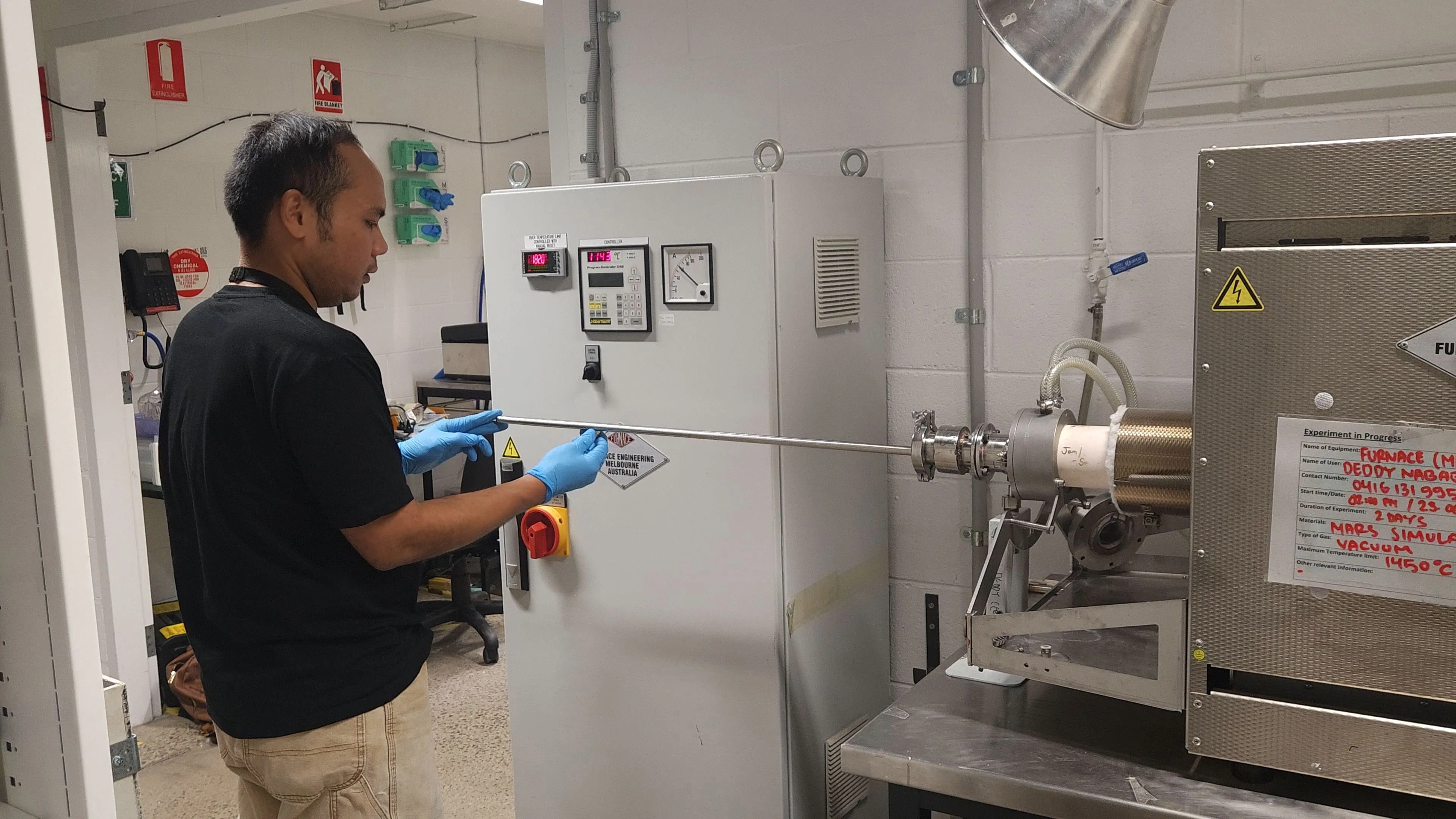
Australian researchers at CSIRO and Swinburne University have developed a method to extract iron from Martian soil using high-temperature pyrolysis, potentially enabling on-site resource utilization for future Mars missions and colonization.

Innovative Lunar Technologies Pave the Way for Moon Colonization

Originally Published 5 months ago — by The Daily Galaxy

Featured image for Innovative Lunar Technologies Pave the Way for Moon Colonization
Source: The Daily Galaxy

A study explores using lunar photobioreactors with algae to produce oxygen and food on the Moon, aiming to reduce reliance on Earth supplies and lower mission costs by utilizing lunar resources and innovative protective designs, despite environmental challenges.

Innovative Device Converts Moon Soil into Water, Oxygen, and Fuel for Lunar Bases

Originally Published 5 months ago — by Earth.com

Featured image for Innovative Device Converts Moon Soil into Water, Oxygen, and Fuel for Lunar Bases
Source: Earth.com

A new device uses sunlight to extract water and produce oxygen from lunar soil, potentially reducing the need to transport supplies from Earth for lunar bases, and leveraging minerals like ilmenite to maximize resource utilization on the Moon.

Scientists identify ideal Mars site with near-surface ice for human settlement

Originally Published 6 months ago — by Earth.com

Featured image for Scientists identify ideal Mars site with near-surface ice for human settlement
Source: Earth.com

Scientists have identified a promising location on Mars, Amazonis Planitia, where shallow underground ice could be accessible for future human explorers, providing essential resources like water and supporting the potential for sustainable colonization and astrobiological research.

China's Ambitious Lunar Plans: Bricks, Igloos, and Astronauts by 2030

Originally Published 1 year ago — by Space.com

Featured image for China's Ambitious Lunar Plans: Bricks, Igloos, and Astronauts by 2030
Source: Space.com

Chinese scientists are developing a method to construct a lunar base using bricks made from lunar soil, aiming to reduce the high costs of transporting materials to the moon. The Tianzhou 8 mission has delivered test bricks made from simulated lunar soil to China's Tiangong space station, where they will be exposed to space conditions for three years. This initiative is part of China's broader plan to establish a moon base, with the Chang'e 8 mission set to test 3D-printing techniques on the lunar surface in 2028.

"NASA's Innovative Quest: Extracting Oxygen from Moon Dust for Artemis Astronauts"

Originally Published 2 years ago — by Space.com

Featured image for "NASA's Innovative Quest: Extracting Oxygen from Moon Dust for Artemis Astronauts"
Source: Space.com

NASA's Space Technology Mission Directorate (STMD) is seeking input on methods to extract oxygen from moon dust as part of its plan for a sustainable human presence on the moon. The agency hopes to use this information to develop a technology demo and showcase it as part of the Lunar Infrastructure Foundational Technologies (LIFT-1) demonstration. Extracting oxygen from lunar soil would reduce the amount of oxygen astronauts need to carry, allowing for longer missions and a more sustainable presence on the moon. This concept of in-situ resource utilization is crucial for future space exploration.

"Paving the Way: Moon's Potential for Paved Roads Explored"

Originally Published 2 years ago — by Ars Technica

Featured image for "Paving the Way: Moon's Potential for Paved Roads Explored"
Source: Ars Technica

Researchers with the ESA PAVER project have developed a method to melt lunar regolith with lasers, creating interlocking pavers that could be used to construct paved roads and landing pads on the Moon. The hardened molten regolith is durable enough to withstand the weight of rovers and spacecraft, minimizing dust kickup. This technology could play a significant role in the development of lunar infrastructure and contribute to all phases of lunar exploration. In-situ production of paving materials from available resources on the Moon is preferred to reduce costs and logistical challenges. Further research and testing are needed, including using a lens to concentrate sunlight instead of a laser, but this method shows promise for future lunar missions.

Surprising Lunar Discovery: Chandrayaan-3 Detects Abnormal Sulfur Levels

Originally Published 2 years ago — by ScienceAlert

Featured image for Surprising Lunar Discovery: Chandrayaan-3 Detects Abnormal Sulfur Levels
Source: ScienceAlert

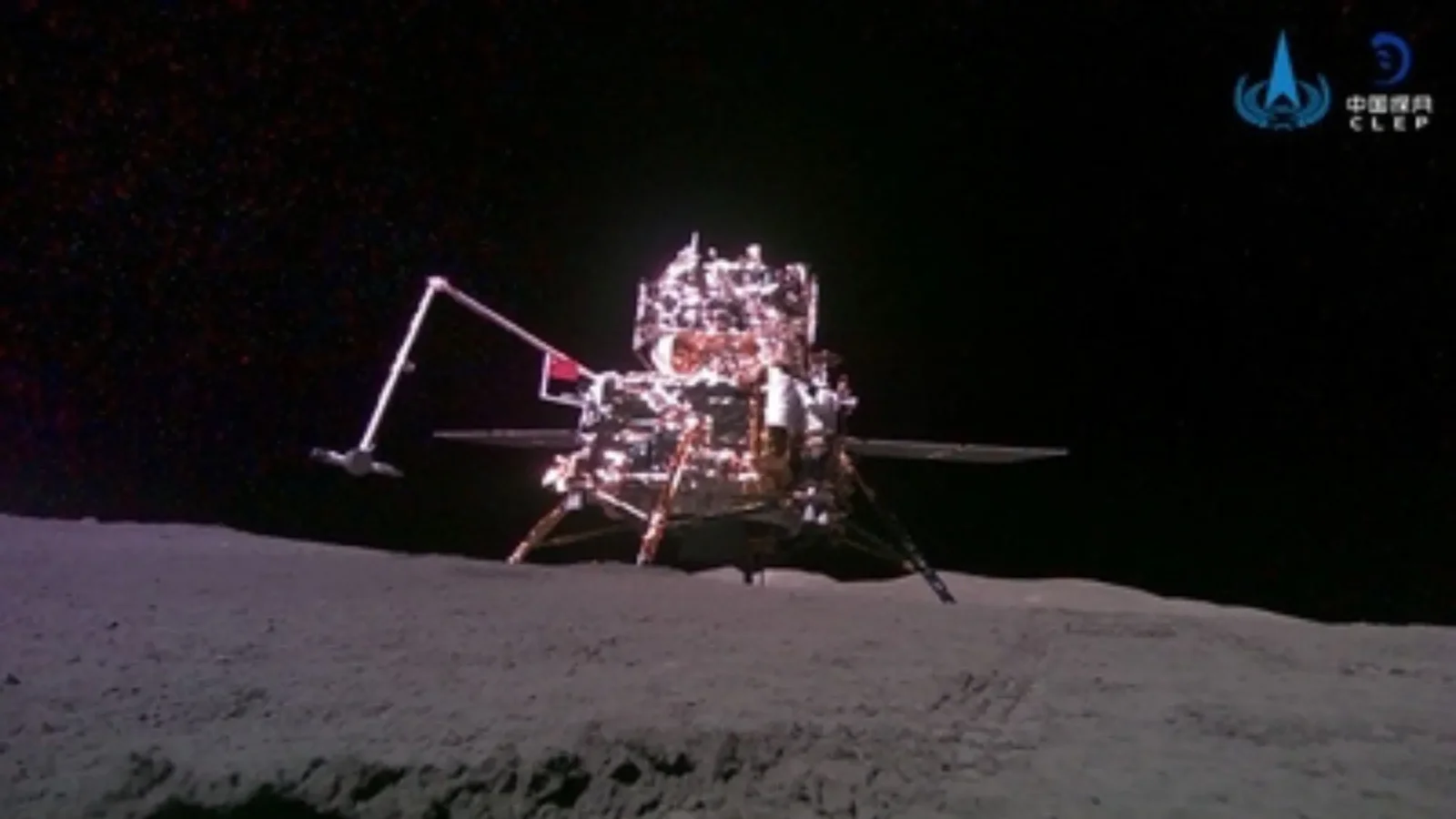
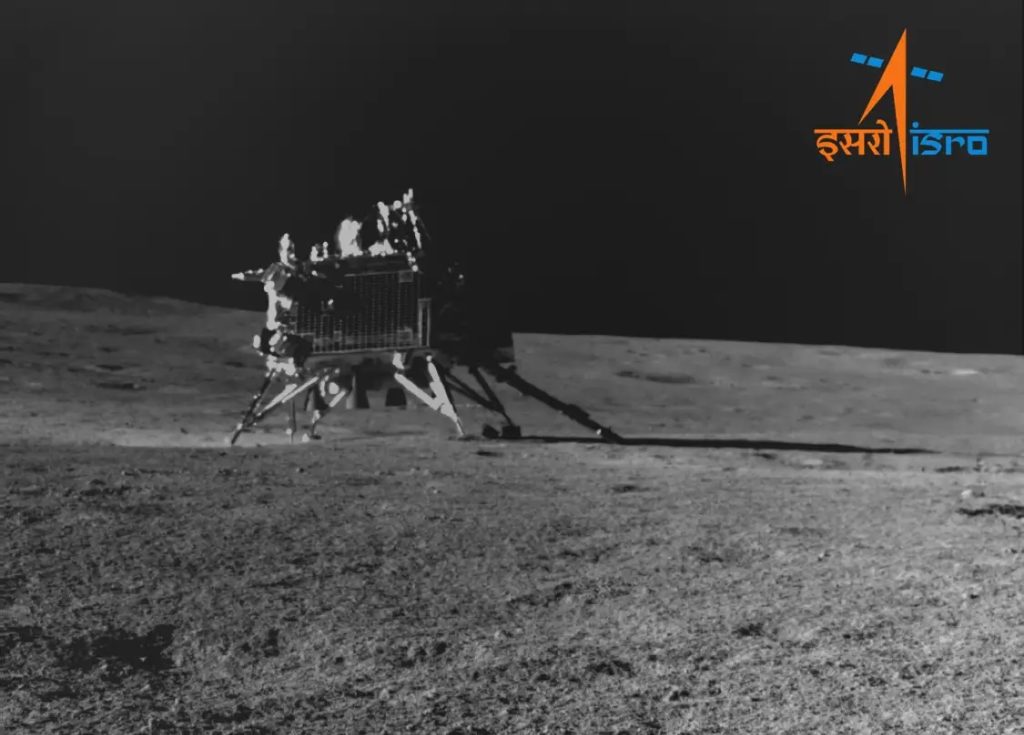
India's Chandrayaan-3 lander has provided scientists with valuable new data from the Moon, including an unexpected discovery of higher levels of sulfur in the lunar soil near the south pole. The presence of sulfur could have implications for future lunar exploration, as it could potentially be used as a resource for building materials and energy production. The measurements also offer insights into the geologic history of the Moon and its formation. Further analysis and calibration of the data are underway, while the lander hibernates through the lunar night.

"India's Lunar Rover Discovers Sulfur in Soil, Opening Doors to Moon Base Construction"

Originally Published 2 years ago — by PBS NewsHour

Featured image for "India's Lunar Rover Discovers Sulfur in Soil, Opening Doors to Moon Base Construction"
Source: PBS NewsHour

India's Chandrayaan-3 lander has provided scientists with valuable data, including the unexpected discovery of higher-than-anticipated levels of sulfur in the lunar soil near the moon's south pole. The presence of sulfur suggests that the highland soils at the lunar poles may have fundamentally different compositions compared to those at the equatorial regions. This finding has implications for future lunar exploration and the potential for in-situ resource utilization, as sulfur could be used to create solar cells, batteries, fertilizer, and sulfur-based concrete for construction on the moon. The data collected by Chandrayaan-3's rover, Pragyan, will help scientists understand the moon's geologic history and evolution.

NASA's MOXIE Successfully Produces Oxygen on Mars

Originally Published 2 years ago — by Gizmodo

Featured image for NASA's MOXIE Successfully Produces Oxygen on Mars
Source: Gizmodo

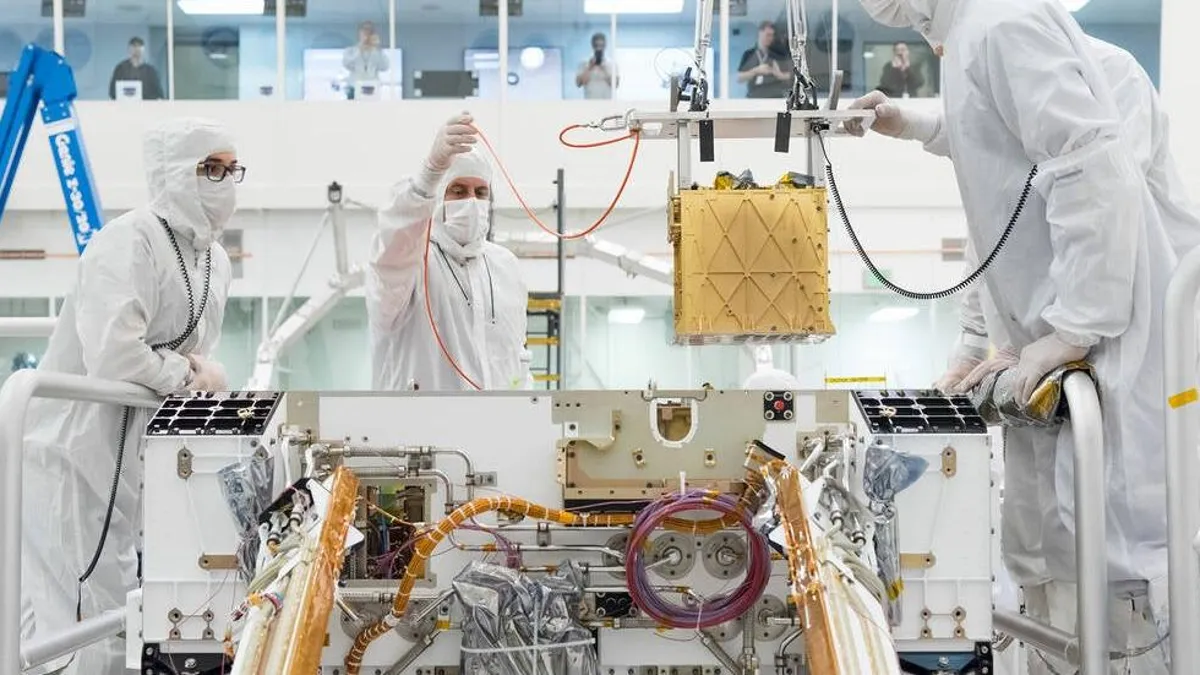
NASA's MOXIE experiment on Mars has successfully extracted 5 grams of oxygen from the Martian atmosphere, demonstrating the potential for future human presence on the Red Planet. MOXIE, short for Mars Oxygen In-Situ Resource Utilization Experiment, utilized electrochemical processes to separate oxygen from Mars' carbon dioxide-rich atmosphere. The experiment generated a total of 122 grams of oxygen, showcasing the importance of in-situ resource utilization for sustainable off-Earth living. While there are no immediate plans for a second iteration of the experiment, MOXIE has laid the foundation for future technology demonstrations in space exploration.

"Private Companies Propel Lunar Economy with Moon Mining Initiatives"

Originally Published 2 years ago — by Space.com

Featured image for "Private Companies Propel Lunar Economy with Moon Mining Initiatives"
Source: Space.com

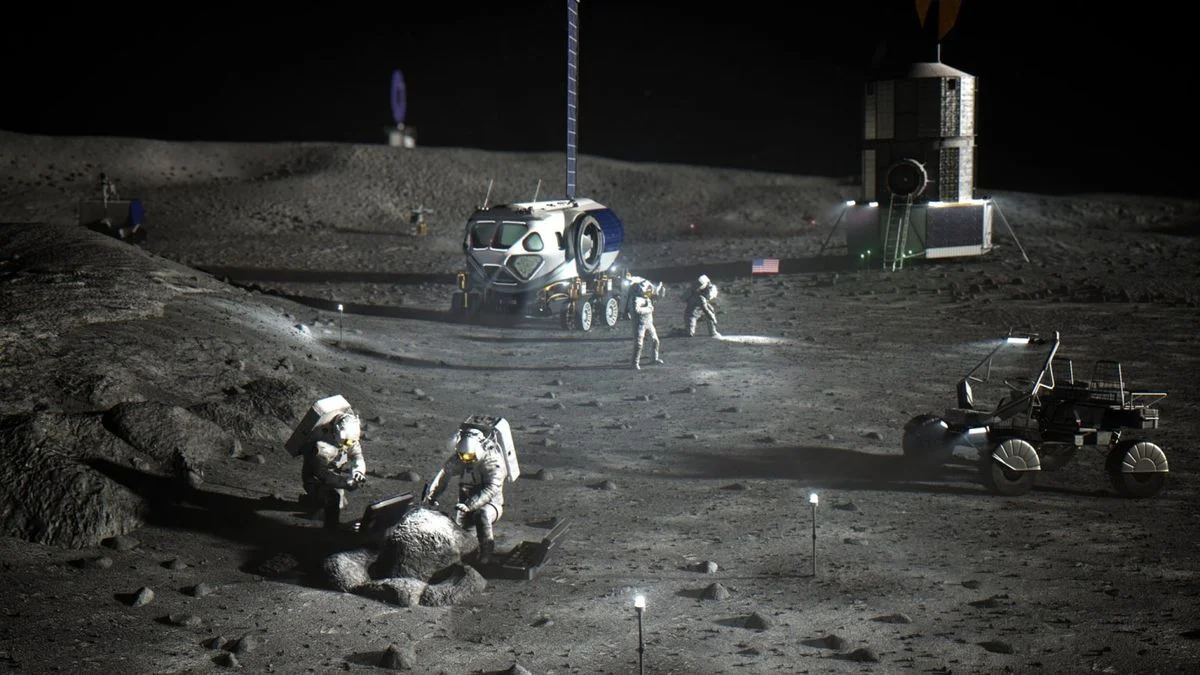
Private companies, along with NASA's Artemis Program, are accelerating plans to utilize Earth's moon for landing, living, and exploration. The focus is on in-situ resource utilization (ISRU), which involves extracting oxygen, water, and other materials from the moon to produce rocket fuel and support life. The Space Resources Roundtable meeting discussed lunar economic models, lab tests, and legal issues, with entrepreneurial groups sharing strategies to turn the moon into a bustling market. NASA is working on long-term ISRU goals and engaging industry, while private companies like Intuitive Machines are developing lunar services and exploring water ice within permanently shadowed lunar craters. The moon is seen as a crucial location for building infrastructure and establishing a foothold in space exploration.

NASA Extracts Oxygen from Moon Dust, Paving the Way for Lunar Colonization.

Originally Published 2 years ago — by Space.com

Featured image for NASA Extracts Oxygen from Moon Dust, Paving the Way for Lunar Colonization.
Source: Space.com

NASA's Carbothermal Reduction Demonstration (CaRD) team has successfully produced oxygen using simulated lunar soil in a vacuum. The test involved melting down moon dust in a special reactor that can reach very high temperatures. The capability to produce oxygen directly on the moon would be crucial to support the space agency's plans for a long-term lunar outpost as part of the Artemis program.

NASA Extracts Oxygen from Moon Dust, Paving the Way for Lunar Colonization.

Originally Published 2 years ago — by SciTechDaily

Featured image for NASA Extracts Oxygen from Moon Dust, Paving the Way for Lunar Colonization.
Source: SciTechDaily

NASA has successfully extracted oxygen from simulated lunar soil in a vacuum, using a specialized carbothermal reactor. This achievement is a major stride towards enabling sustained human presence on the Moon by providing vital oxygen resources for life support and transportation, potentially revolutionizing future Artemis missions and broader space exploration. The team used a high-powered laser to simulate heat from a solar energy concentrator and melted the lunar soil simulant within a carbothermal reactor developed for NASA by Sierra Space Corp.