Tag

Oxidative Stress

All articles tagged with #oxidative stress

health4 months ago

Scientists uncover the cause of 'old people' smell and how to eliminate it

Research reveals that the distinct 'old people smell' is caused by increased levels of the chemical 2-nonenal, which results from oxidative stress breaking down skin fats. Consuming mushrooms, rich in antioxidants like ergothioneine and spermidine, can help reduce this odor by neutralizing 2-nonenal, as traditional methods like showering and perfume are ineffective.

health4 months ago

Daily Almond Consumption May Boost Health and Protect DNA

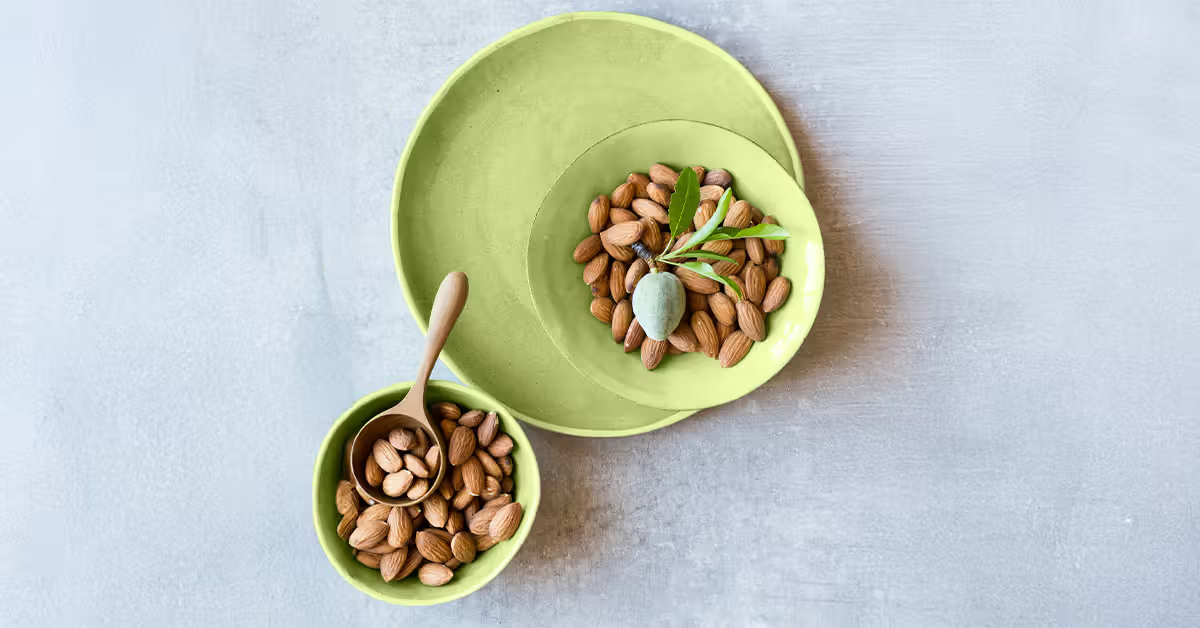
Eating about 22 almonds a day may help reduce oxidative stress and improve overall oxidative health, potentially extending health span, according to a systematic review of multiple studies. Almonds are rich in antioxidants like vitamin E and polyphenols, which combat cellular damage, and incorporating them into the diet can be a proactive, low-risk strategy for disease prevention. However, due to their calorie content, almonds should replace other snacks rather than be added on top of a normal diet.

health1 year ago

Intermittent Fasting May Hinder Hair Growth, Study Finds

A study published in Cell Press reveals that intermittent fasting, while beneficial for metabolic health, may slow hair regrowth by causing hair follicle stem cells (HFSCs) to undergo apoptosis due to oxidative stress and free fatty acid buildup. In mice, fasting led to slower hair regeneration, and a small human trial showed an 18% reduction in hair growth speed. Antioxidants like vitamin E were found to mitigate these effects, suggesting potential solutions to this unintended consequence of fasting.

health1 year ago

DNA Damage: A Crucial Factor in Macular Degeneration

Researchers have identified accumulated DNA damage in the retina as a key factor in age-related macular degeneration (AMD), a leading cause of blindness in people over 50. The study, published in Aging Cell, suggests that targeting specific retinal cells could lead to treatments that slow or stop AMD progression. The research highlights the importance of DNA repair in maintaining retinal health and suggests potential interventions to counteract oxidative stress and enhance DNA repair. The study involved collaboration from multiple universities and was supported by various foundations and the NIH.

health1 year ago

"Reusing Frying Oil Linked to Increased Risk of Neurodegeneration, Scientists Warn"

A recent study presented at Discover BMB 2024 suggests a correlation between extended ingestion of reheated cooking oils and accelerated neurodegeneration, as evidenced by higher levels of neurotoxicity in rats fed diets high in such oils. The consumption of reheated oils disrupts the gut-brain-liver axis, leading to increased oxidative stress and inflammation, precursors to neurodegenerative conditions. Reheating oils at high temperatures leads to the formation of harmful compounds, impacting human health with elevated cholesterol levels, inflammation, and potential liver damage. Dietary interventions rich in omega-3 fatty acids, antioxidants, and probiotics are recommended to mitigate these risks.

health1 year ago

"Revolutionizing Neurodegenerative Disease Treatment with Targeted 'Undruggable' Protein Approach"

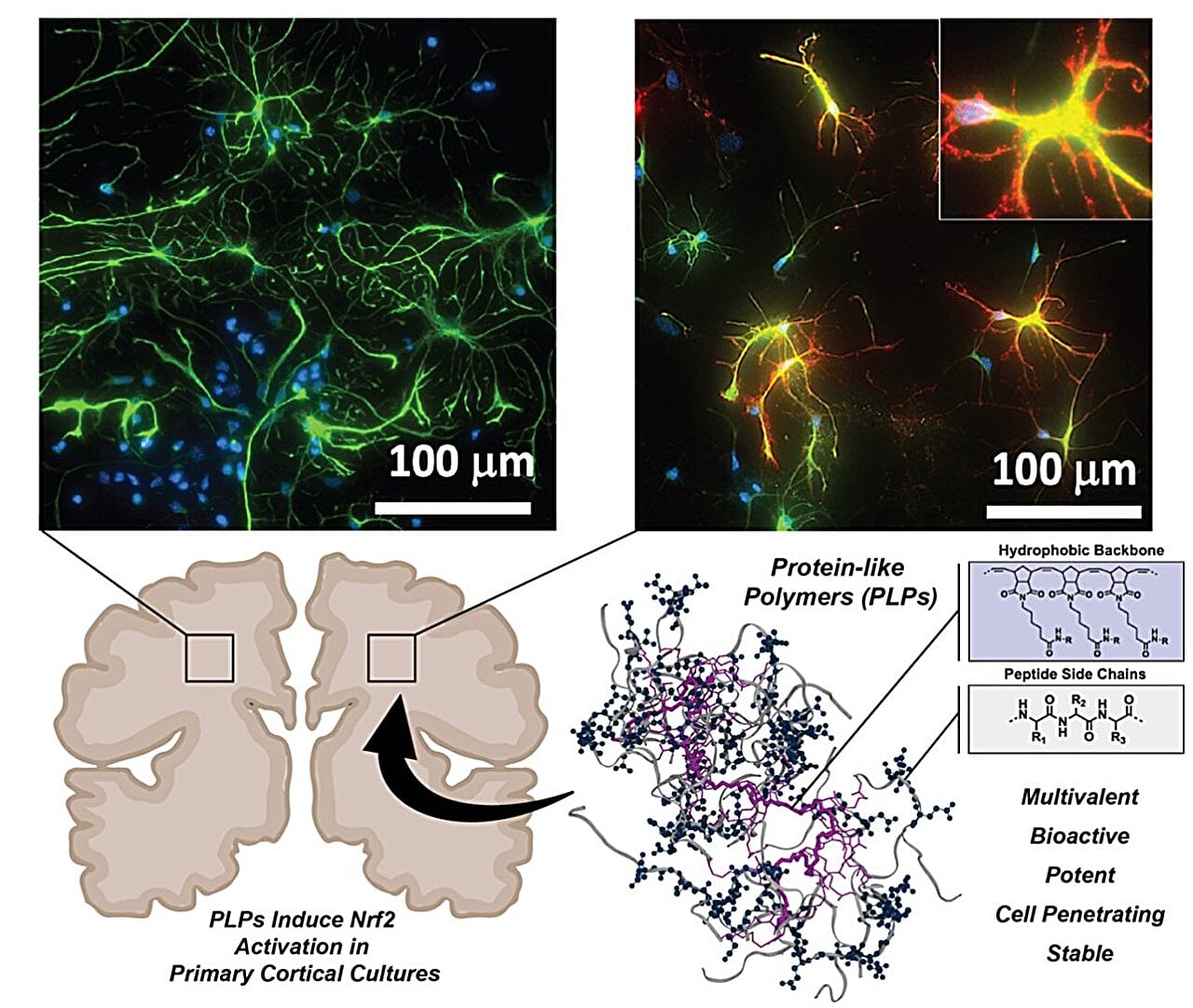
Researchers from Northwestern University and the University of Wisconsin-Madison have developed a pioneering approach to combat neurodegenerative diseases such as Alzheimer's, Parkinson's, and ALS by targeting the body's antioxidant response. Using protein-like polymers (PLPs) to disrupt the Keap1/Nrf2 protein-protein interaction, the study introduces a promising therapeutic strategy to enhance cellular protection against oxidative stress implicated in these conditions. The innovative PLP technology offers a versatile and effective method for targeting transcription factors and disordered proteins, potentially revolutionizing the development of therapeutics for neurodegenerative diseases.

scientific-research1 year ago

"Cholesterol Precursor 7-Dehydrocholesterol Suppresses Ferroptosis in Cells"

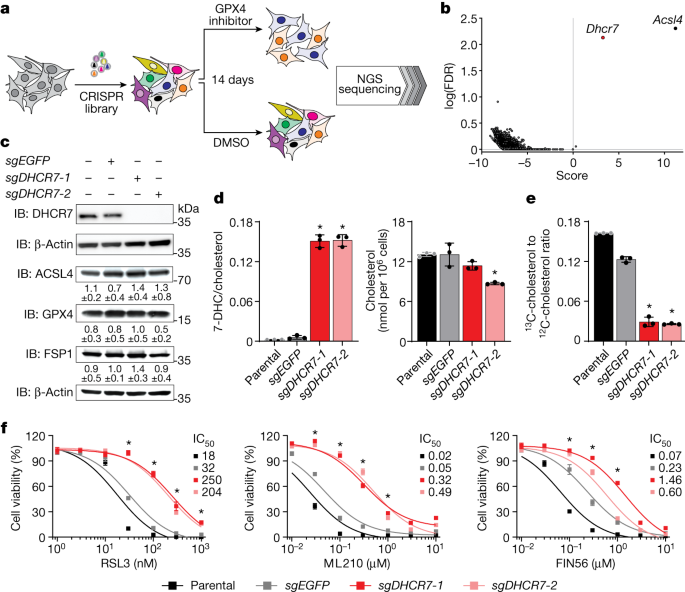
A study has identified 7-dehydrocholesterol as a natural inhibitor of ferroptosis, a form of cell death driven by lipid peroxidation. The research sheds light on the role of 7-dehydrocholesterol-derived oxysterols in regulating ferroptosis sensitivity and provides insights into the mechanisms of this type of cell death. The data and materials supporting the findings are available in the main text, figures, and extended data figures, as well as in a repository for (epi)lipidomics experiments.

health-science2 years ago

"Role of a Key Protein in Lung Tissue Damage from Nicotine-Free Vapes"

A study from Anglia Ruskin University reveals that nicotine-free e-cigarettes can still cause oxidative stress, inflammation, and blood vessel breakdown in human lung tissue cells, similar to nicotine-containing e-cigarettes. The absence of nicotine doesn't necessarily make the vapes safer for lung tissue, as an abundance of the protein ARF6 in nicotine-free vapes is found to be responsible for lung tissue damage. The study highlights the need for further investigation into the potential development of lung injury from vaping, especially in relation to Acute Respiratory Distress Syndrome (ARDS). With concerns rising about the health consequences of vaping, particularly among young teenagers, research into its health impact is still in its early stages.

health2 years ago

"Promising Drug Candidate Shrinks Kidney Cysts"

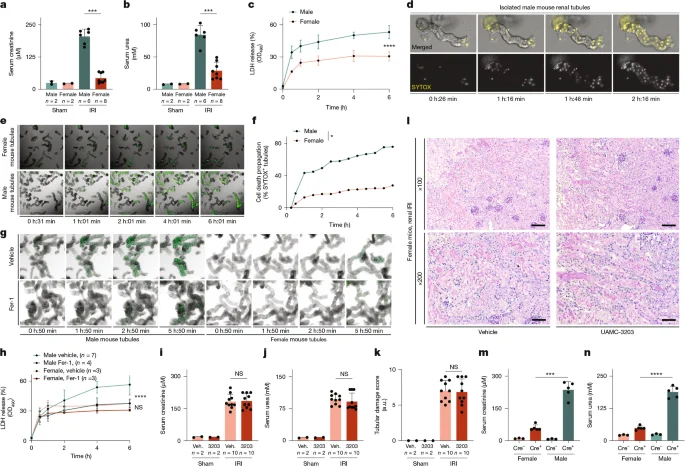
Researchers at MIT and Yale University School of Medicine have discovered that a compound originally developed as a potential cancer treatment shows promise for treating autosomal dominant polycystic kidney disease (ADPKD) by exploiting kidney cyst cells’ vulnerability to oxidative stress. The drug, 11beta-dichloro, dramatically shrank kidney cysts in mouse models without harming healthy kidney cells. A "defanged" version of the compound, 11beta-dipropyl, was also found to be effective and potentially safer for use in humans. The treatment could significantly delay disease progression and avoid the need for continuous therapies, offering a new potential treatment paradigm for ADPKD.

neuroscience2 years ago

Unveiling the Neuroprotective Power of Protein in Aging

Researchers have discovered a new mechanism involving the molecule Elovanoid-34 and the protein TXNRD1 that regulates oxidative stress and protects against neurodegenerative diseases. Elovanoid-34 modulates the activity of TXNRD1, which is crucial for managing oxidative stress. This breakthrough opens up potential new treatments for age-related diseases and conditions like Age-Related Macular Degeneration, offering avenues for developing targeted therapeutics and promoting successful aging of the nervous system.