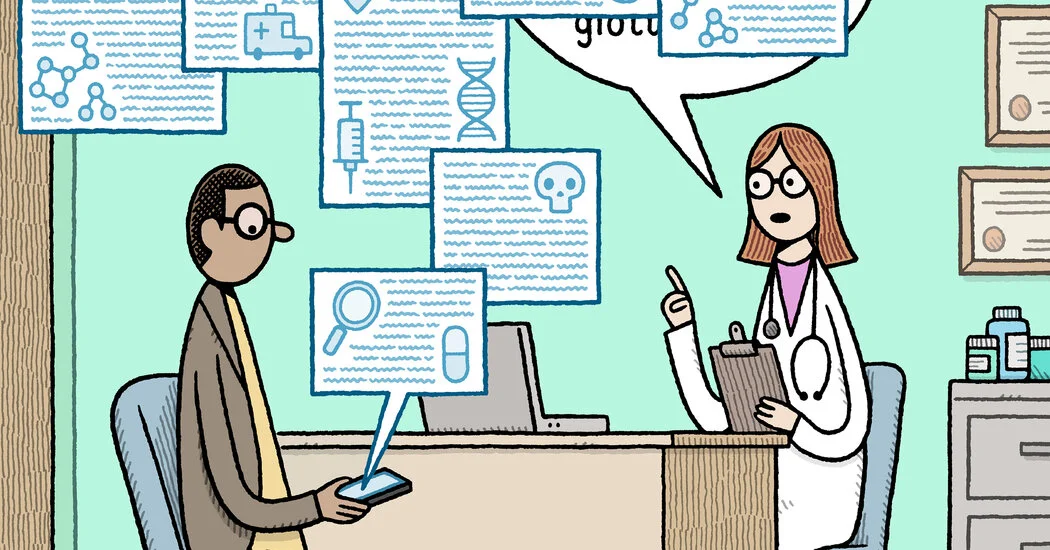
AI is significantly improving the pharmaceutical industry by addressing the high failure rate and lengthy, costly process of drug development, which can take over a decade and cost nearly $3 billion per successful drug.
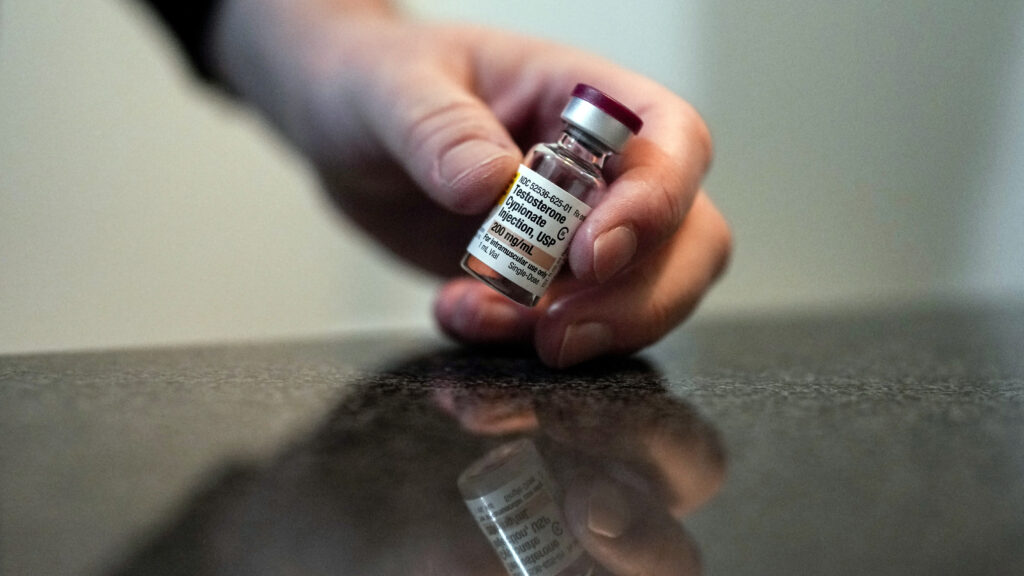
The article discusses the historical decline and recent resurgence of testosterone therapy in medicine, highlighting how misconceptions, particularly linking testosterone to prostate cancer, led to its decline. Abraham Morgentaler played a key role in challenging these beliefs through clinical evidence, showing that testosterone therapy is safe for men with hypogonadism and emphasizing the importance of considering individual patient experiences. The piece also explores the cultural and medical biases that have hindered the acceptance of testosterone treatment.
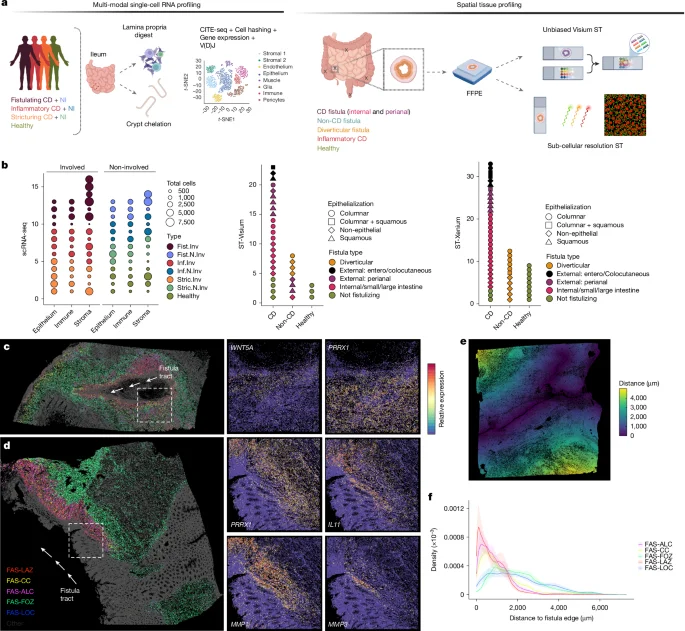
This study uses spatial transcriptomics and single-cell analysis to uncover how specialized fibroblast niches, particularly FAS cells, contribute to the formation, progression, and persistence of Crohn's fistulae, highlighting their roles in tissue remodeling, immune regulation, and epithelial regeneration, with implications for targeted therapies.
Recent studies highlight that prescribing fruits and vegetables can significantly improve health outcomes, such as lowering blood pressure and reducing the risk of heart attacks and strokes, emphasizing the role of diet as medicine.
The study investigates how UBA1 mutations in VEXAS syndrome lead to inflammation and myeloid cell bias, revealing mechanisms involving aberrant cell death and ubiquitin pathway defects, and suggesting potential therapeutic targets.
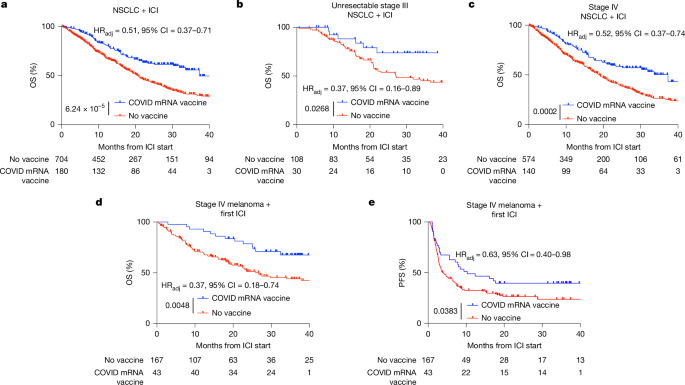
COVID-19 mRNA vaccines enhance the effectiveness of immune checkpoint inhibitors in cancer treatment by stimulating innate and adaptive immune responses, increasing tumor PD-L1 expression, and potentially restoring immune sensitivity in 'cold' tumors, leading to improved survival outcomes in patients with NSCLC and melanoma.
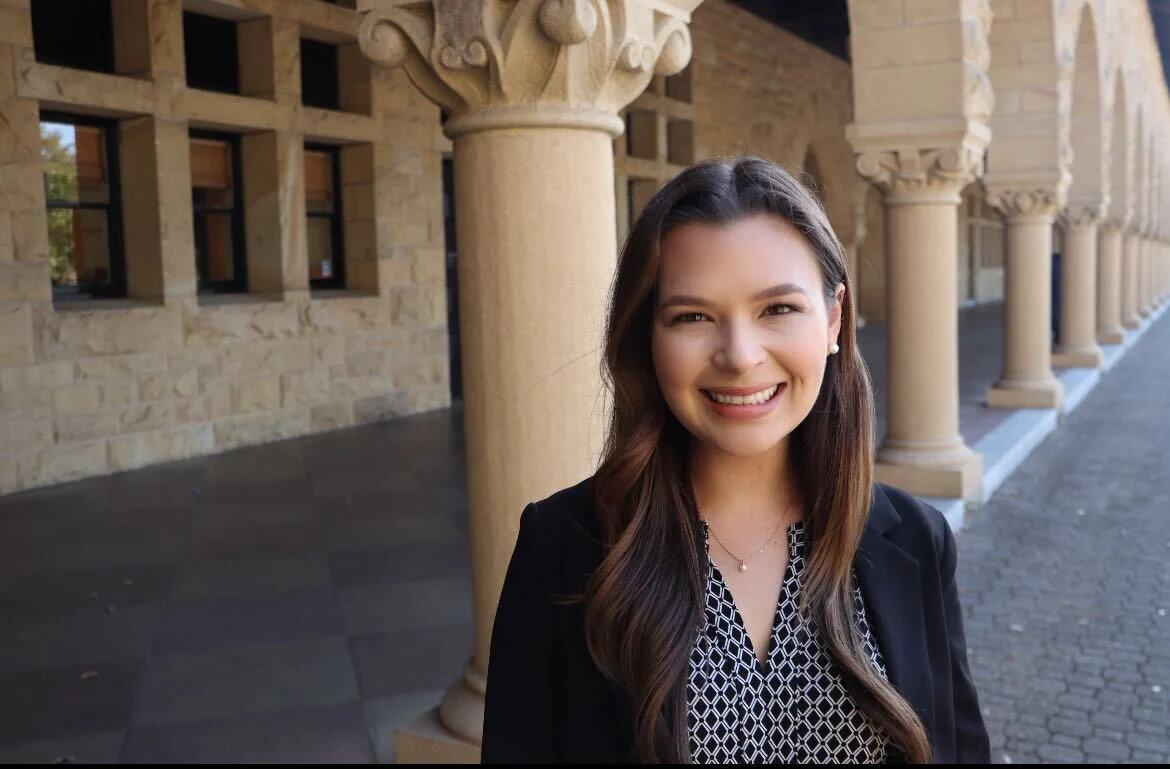
Josie Pearce becomes Stanford's first female J.D./M.D. candidate, blending her passions for law, medicine, and health policy, inspired by her personal experience with lupus and her interest in public health.
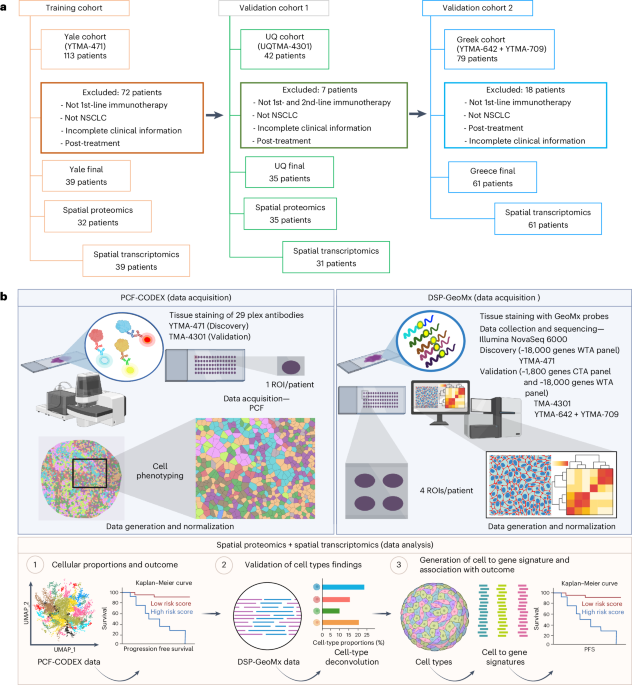
This study develops spatial multi-omics and machine learning-based biomarkers to predict immunotherapy outcomes in advanced non-small cell lung cancer, highlighting the roles of immune cell spatial organization, macrophage PD-L1 expression, and gene signatures in resistance and response, validated across multiple cohorts.
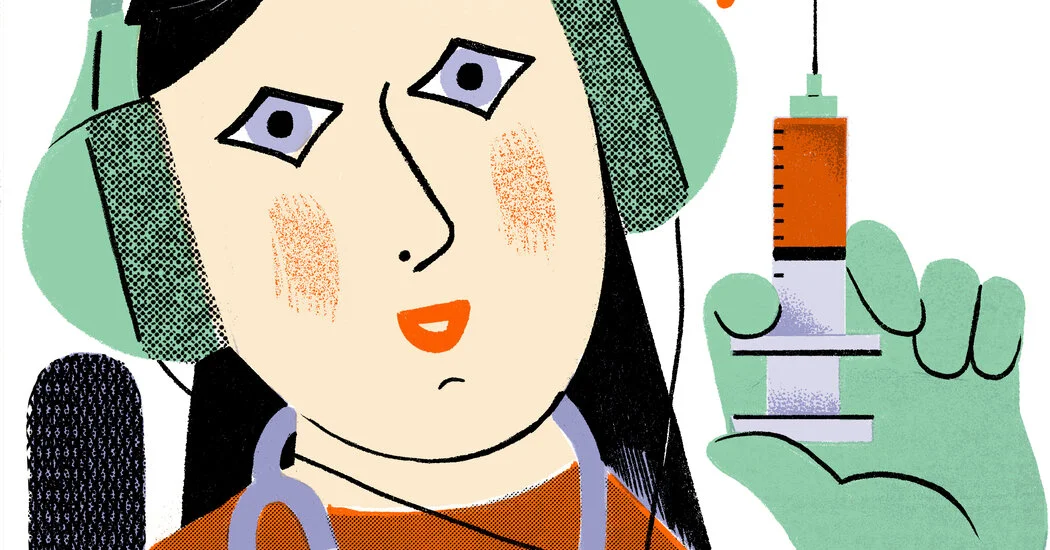
A pediatrician critiques RFK Jr.'s claims about vaccines and acetaminophen, emphasizing the importance of scientific methodology and evidence-based medicine over feelings-based or conclusion-driven approaches, warning against the dangers of misinformation that undermines trust in scientific processes.
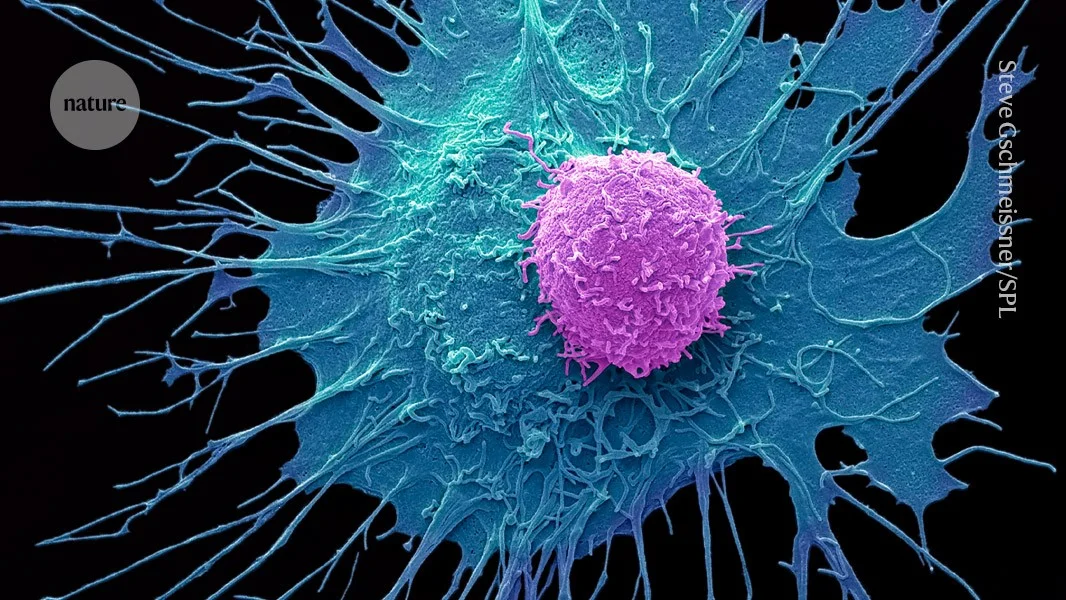
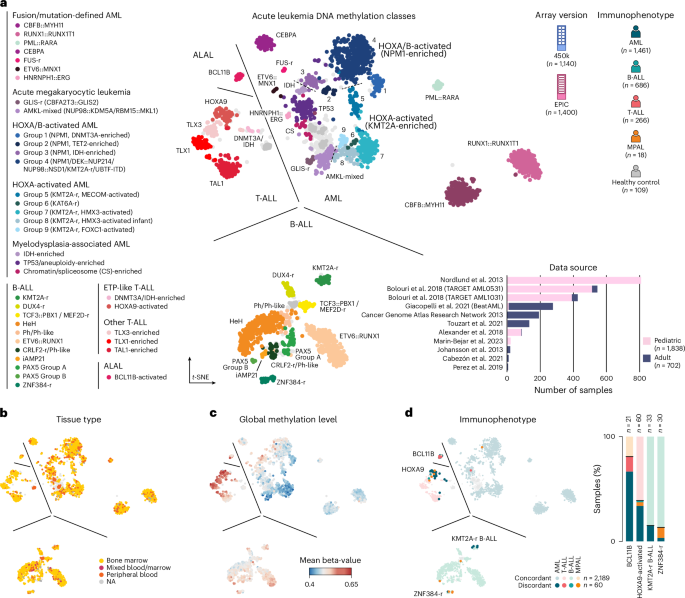
The article presents a rapid epigenomic classification method for acute leukemia using nanopore sequencing and machine learning, based on a comprehensive DNA methylation reference cohort, enabling faster and more precise diagnosis that can complement traditional diagnostic workflows.
The article investigates the neuronal basis of autonomic dysreflexia after spinal cord injury, identifying specific neuronal subpopulations and their reorganization that trigger this life-threatening condition, and explores therapeutic strategies like electrical stimulation to modulate these neural circuits.
This study compares the macrovascular and microvascular outcomes of metabolic surgery versus GLP-1 receptor agonists in patients with diabetes and obesity, highlighting the potential benefits and data sharing protocols, with references to related research and long-term outcomes.
The article reviews emerging strategies, applications, and challenges of targeting NAD+ metabolism in clinical settings, highlighting its potential in treating age-related diseases, neurodegenerative disorders, and cancer, while discussing current research and therapeutic prospects.
Dr. J. Ramsay Farah, a distinguished physician and public health leader known for his work in addiction medicine and community service, passed away at age 80. He dedicated over five decades to serving communities in Maryland and beyond, earning numerous awards and recognitions for his contributions to medicine and public health. He is survived by his wife, children, and grandchildren, with a funeral service scheduled in Hagerstown.
The study reveals that female kidney tissues are resistant to ferroptosis and acute kidney injury due to the protective effects of oestradiol, which acts through non-genomic antioxidant mechanisms and ESR1-dependent pathways, while male tissues are more susceptible due to higher ether lipid plasticity and lower hydropersulfide levels.