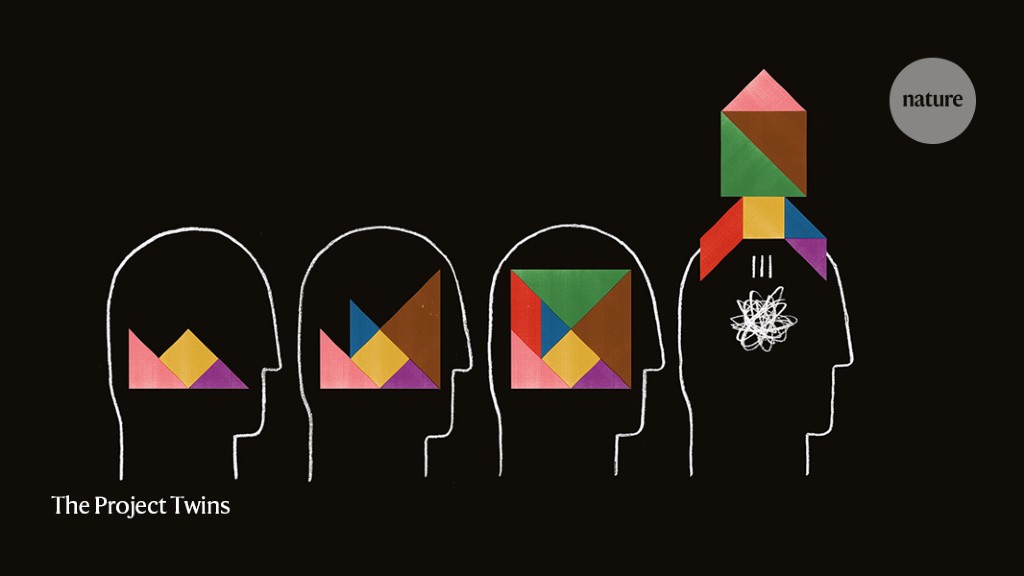
The article advocates for greater transparency in sharing the setbacks and iterative processes of scientific research, arguing that revealing failures and revisions can improve understanding, efficiency, and mental health within the scientific community.
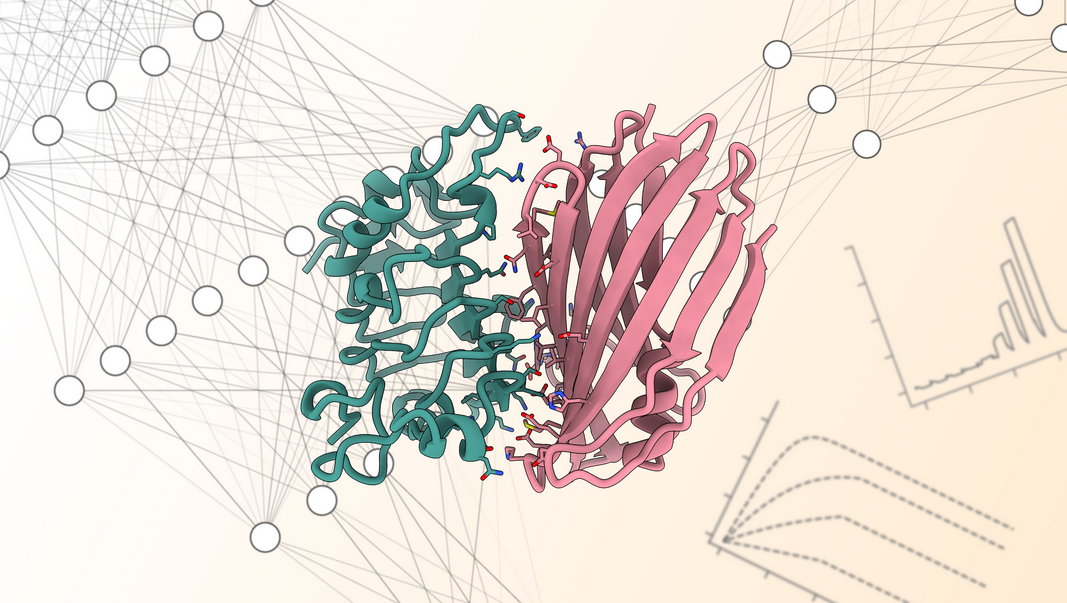
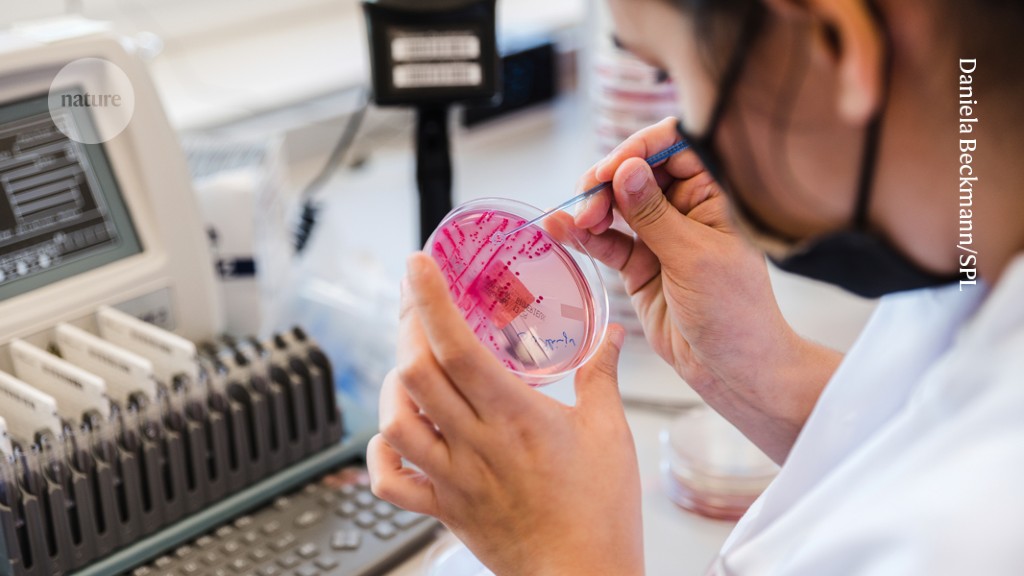
BindCraft, an AI-powered pipeline for de novo protein binder design developed by EPFL researchers, achieves high success rates in creating functional protein binders against diverse targets, including challenging proteins like CRISPR-Cas9, with potential to accelerate drug discovery and therapeutic development. Its open-source availability has garnered widespread industry and academic adoption, marking a significant advancement in computational protein engineering.
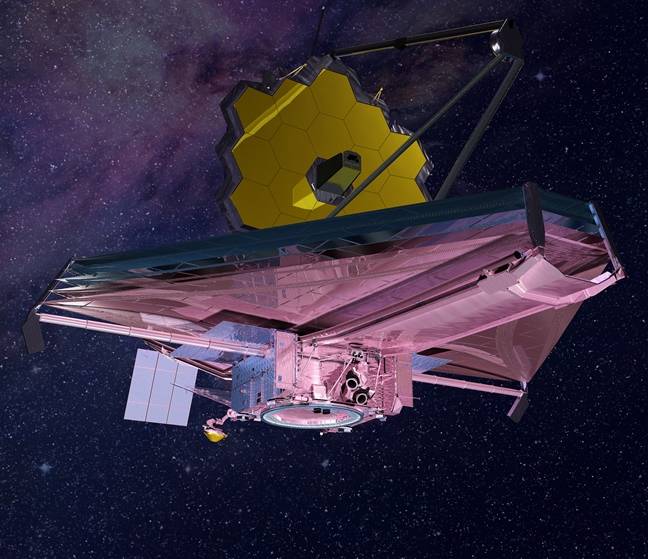
A NASA-backed project has released over 1.5 TB of processed data from the James Webb Space Telescope, providing the largest deep universe view to date, aimed at facilitating global astrophysics research and understanding early universe reionization.
The CMS collaboration has released the combination of measurements that led to the discovery of the Higgs boson in 2012, along with the statistical analysis tool called Combine software, which was developed during the first run of the Large Hadron Collider (LHC). This release includes a likelihood function with nearly 700 parameters, allowing researchers outside the collaboration to incorporate the CMS Higgs boson discovery measurements into their studies. This move aligns with CMS's commitment to fully open science, which also includes open-access publications, the release of CMS data on the CERN open-data portal, and the publication of its software framework on GitHub.
A study by researchers from the University of Liege reveals that the human body, particularly the heart, responds to external auditory stimuli during sleep, challenging the belief that the body is disconnected from the environment during rest. Relaxing words heard during sleep can slow down cardiac activity, deepening sleep, while neutral words do not affect heart rate. This research emphasizes the importance of brain-heart interactions during sleep and suggests new avenues for enhancing sleep quality through auditory stimuli. The study's open science approach encourages further investigation into the heart's role in other sleep-related processes.
A new high-speed modulation 3DSIM system called "DMD-3DSIM" combines digital display with super-resolution imaging, enabling scientists to observe cellular structures in unprecedented detail. Developed by Professor Peng Xi's team at Peking University, this innovative setup utilizes a digital micromirror device and an electro-optic modulator to significantly improve both lateral and axial resolution, allowing for the capture of intricate details of subcellular structures and highly scattering plant cell ultrastructures. The hardware components and control mechanisms are openly available on GitHub, fostering collaboration and paving the way for the future of multidimensional imaging.
In the first open science competition run by Canadian nonprofit Conscience, seven molecules were identified as potential treatments for familial Parkinson's disease, marking a win for open science and collaboration in drug discovery. The competition, funded by The Michael J. Fox Foundation for Parkinson’s Research, aimed to make AI a tool for drug discovery and resulted in the identification of new chemical starting points for potential treatments. The entire dataset of the competition has been made available to the public, promoting transparency and collaboration in therapeutic development. This approach may improve the efficiency and cost-effectiveness of drug discovery and development, with additional challenges underway for other conditions.
The open-science movement, aimed at freely sharing research materials and data, is gaining momentum, with an increase in the use of data repositories and preprints. However, challenges such as lack of awareness and incentives hinder widespread adoption. Organizations like Addgene and the Center for Open Science are working to facilitate the sharing of laboratory materials and promote a culture of open science. While there are concerns about proprietary rights and reproducibility, advocates believe that open science will lead to reproducible and equitable research, and efforts are being made to engage researchers globally, including in low- and middle-income countries.
NASA has released its free Open Science 101 curriculum, aiming to train 20,000 scientists and researchers over the next five years. The curriculum, developed in collaboration with subject matter experts, provides knowledge and tools to embrace open science practices and maximize the impact of research. It caters to researchers at all stages, including those new to open science, and helps prepare them for NASA grant funding. The curriculum is accessible through an online platform and will be covered in virtual and in-person training sessions. NASA has also formed partnerships with scientific associations to teach open science during events, promoting inclusivity and equitable access to scientific resources.
Advocates for "open science" are warning of widespread academic fraud, highlighting the need for increased transparency and research integrity. Open science promotes the sharing of research data, methods, and findings to ensure reproducibility and accountability. However, concerns have been raised about the prevalence of scientific misconduct, including data manipulation, plagiarism, and publication bias. Efforts are being made to address these issues through initiatives such as pre-registration of studies, open access publishing, and stricter peer review processes.
Scientists are increasingly depositing data alongside their publications, but not every journal requires that authors make their data sets available. To make data FAIR (findable, accessible, interoperable and reusable), metadata is key. Scientists should also consider over-sharing, embracing standards, using open, non-proprietary file formats, including code, and thinking about accessibility. Open science is not an all-or-nothing game, and anything scientists can do adds value.
Recent research from UMC Utrecht and the Mayo Clinic reveals that our brain declines later than previously thought, occurring between ages 30 and 40 instead of after 25. By studying electrode grids placed on epilepsy patients’ brains, researchers discovered that brain connections become faster with age, doubling in speed, and providing new insight into brain function and development. The study's findings provide important information about our central nervous system and can be used to make more realistic computer models of our brains. All data has become publicly accessible, allowing researchers from all over the world to use the data.
Brain decline begins during our 30s and 40s, and not at age 25 as previously believed, according to recent research from University Medical Center Utrecht. The researchers discovered that the connections in our brains become increasingly faster until we are between the ages of 30 and 40, after which it slows down. The study provides important information about our central nervous system and can be used to make more realistic computer models of our brain. The data is publicly accessible, allowing researchers from all over the world to use it.