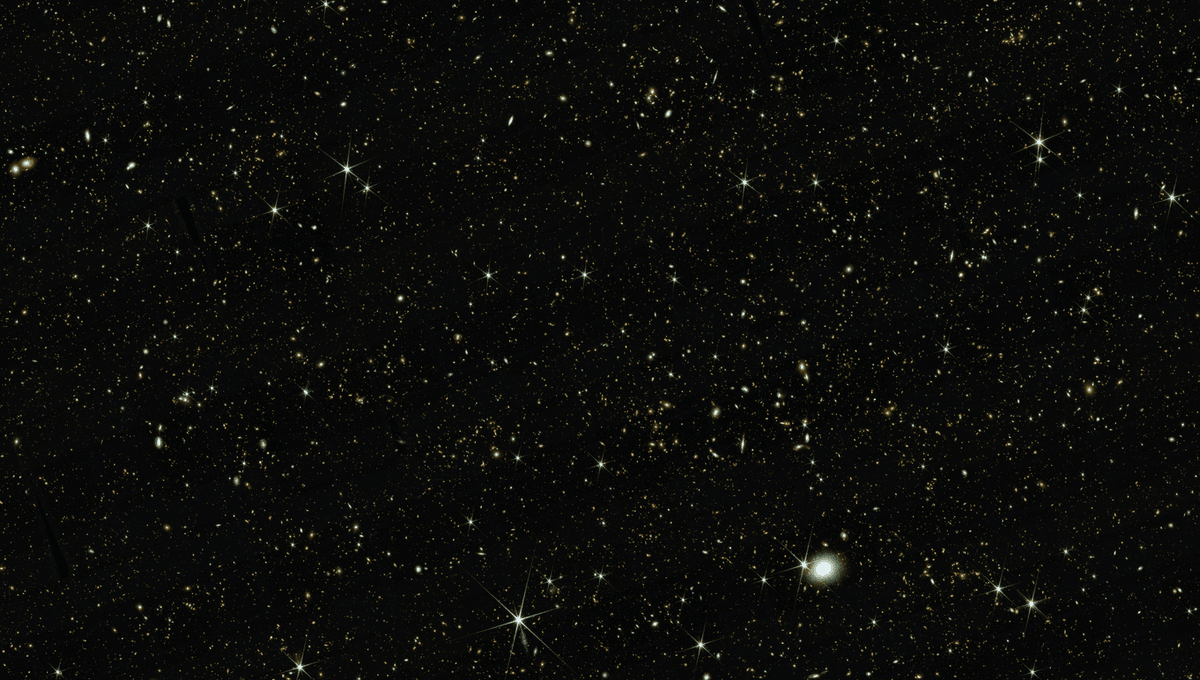
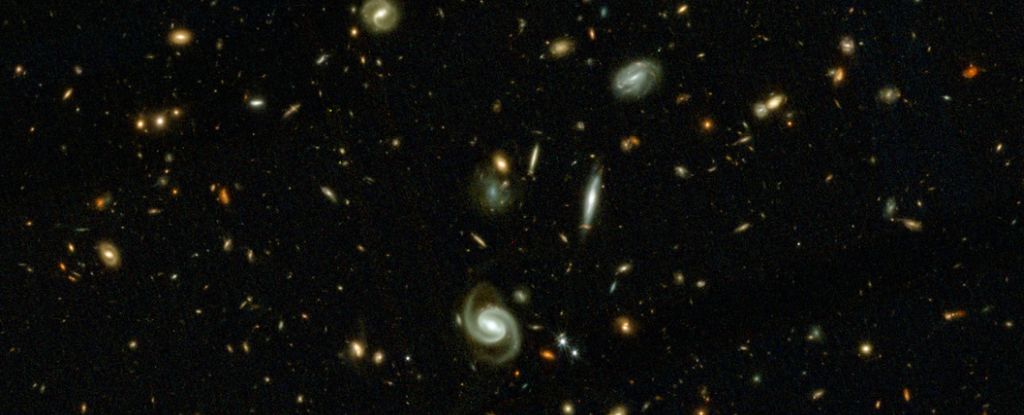
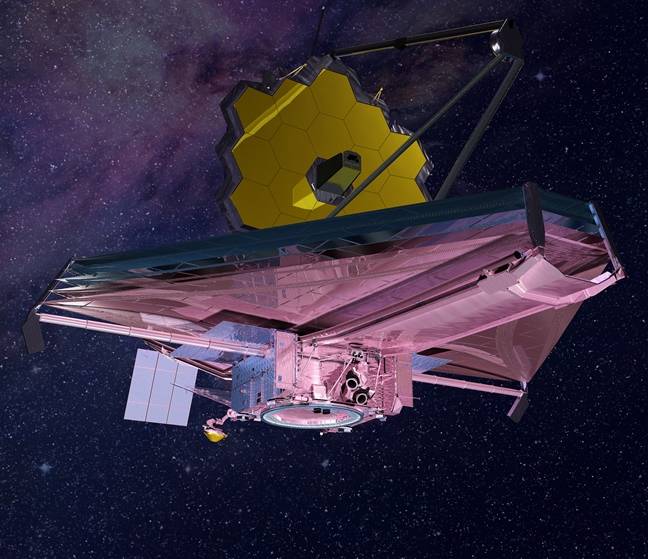
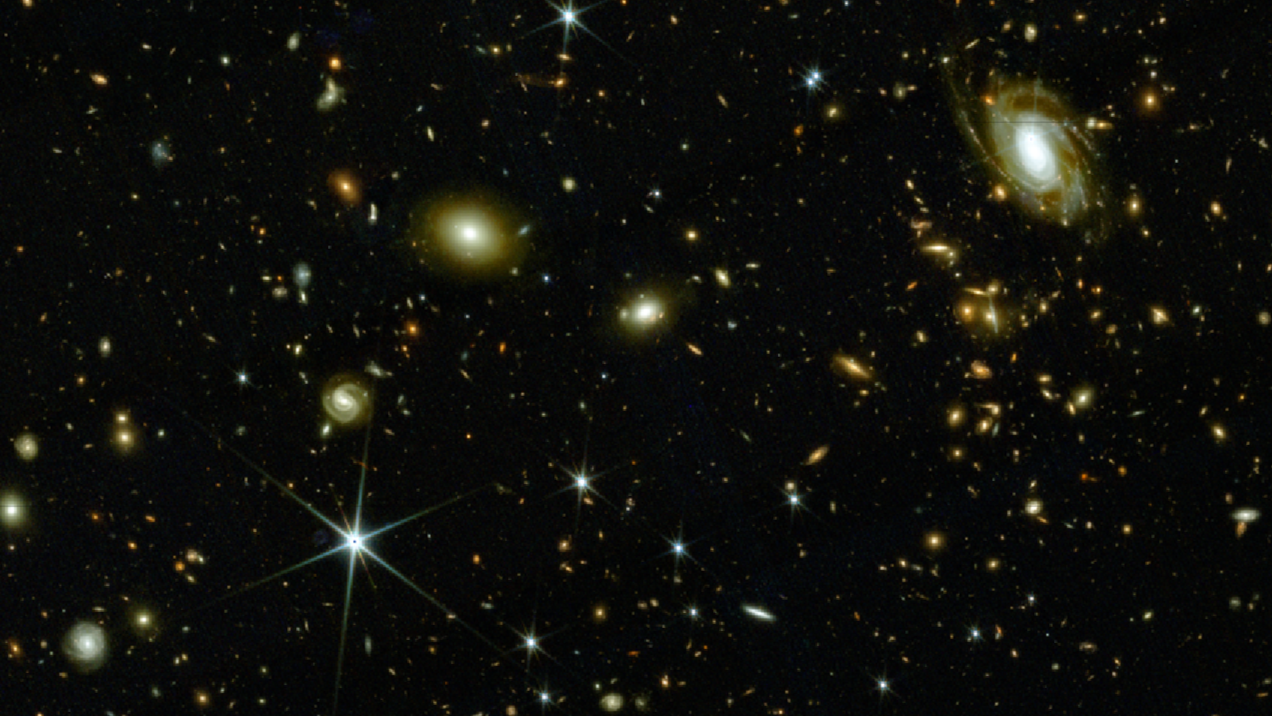
The COSMOS-Web project, utilizing the James Webb Space Telescope, has created the deepest and largest map of the universe to date, revealing 800,000 galaxies and reaching back 13.5 billion years, challenging existing models of galaxy formation and making the data publicly accessible for further research.
The James Webb Space Telescope has released the most detailed map of a section of the universe, revealing nearly 800,000 galaxies and providing new insights into the cosmic dawn, challenging previous understanding of galaxy formation and evolution.
An international team has released the largest and most detailed map of the universe, created with the James Webb Space Telescope, revealing nearly 800,000 galaxies and challenging existing ideas about early galaxy formation, while raising new questions about cosmic evolution.
A NASA-backed project has released over 1.5 TB of processed data from the James Webb Space Telescope, providing the largest deep universe view to date, aimed at facilitating global astrophysics research and understanding early universe reionization.
Astronomers using the James Webb Space Telescope have released the largest map of the early universe, capturing nearly 800,000 galaxies across a wide area of sky, providing a detailed cosmic record and new insights into galaxy formation and the reionization era.
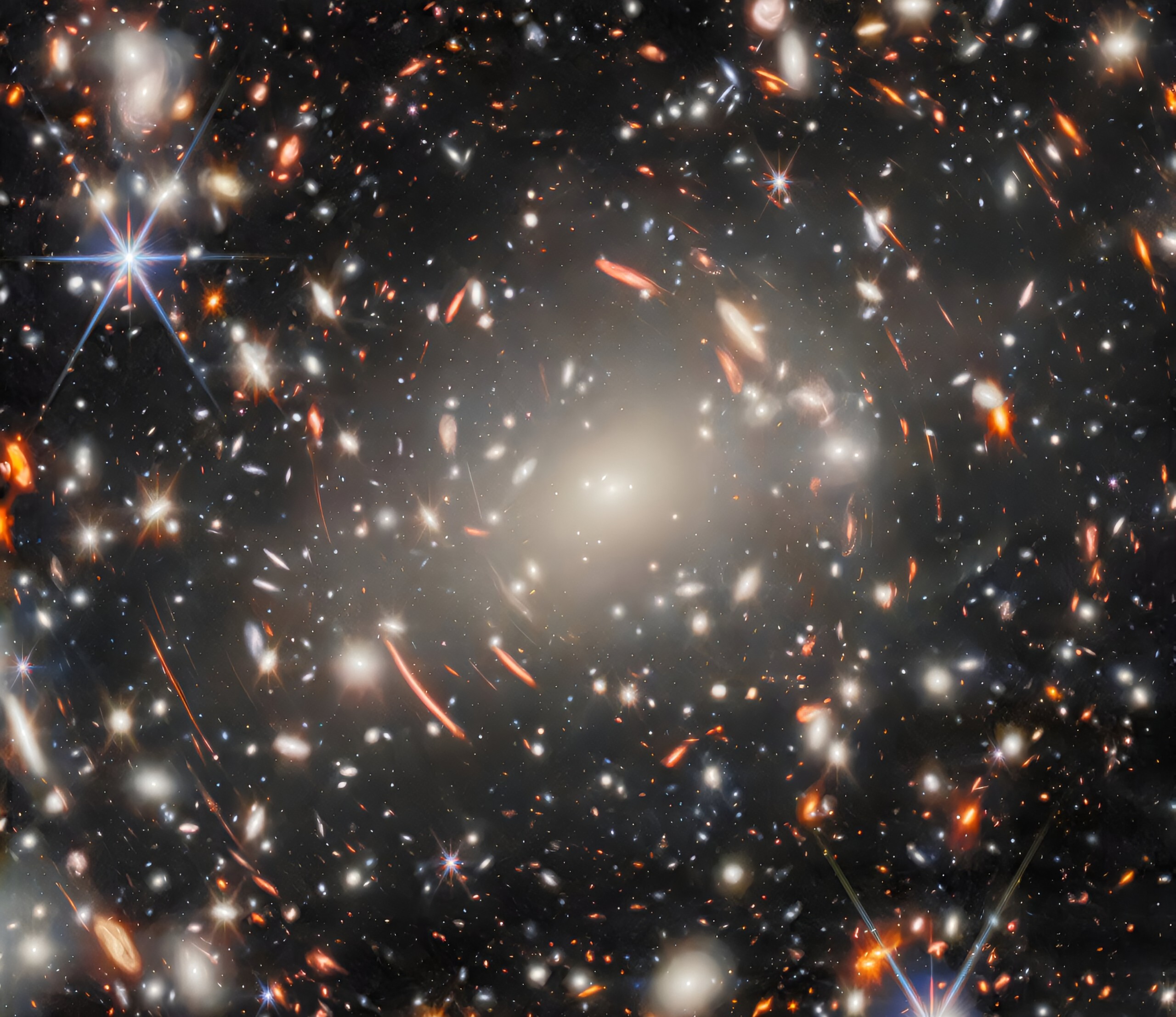
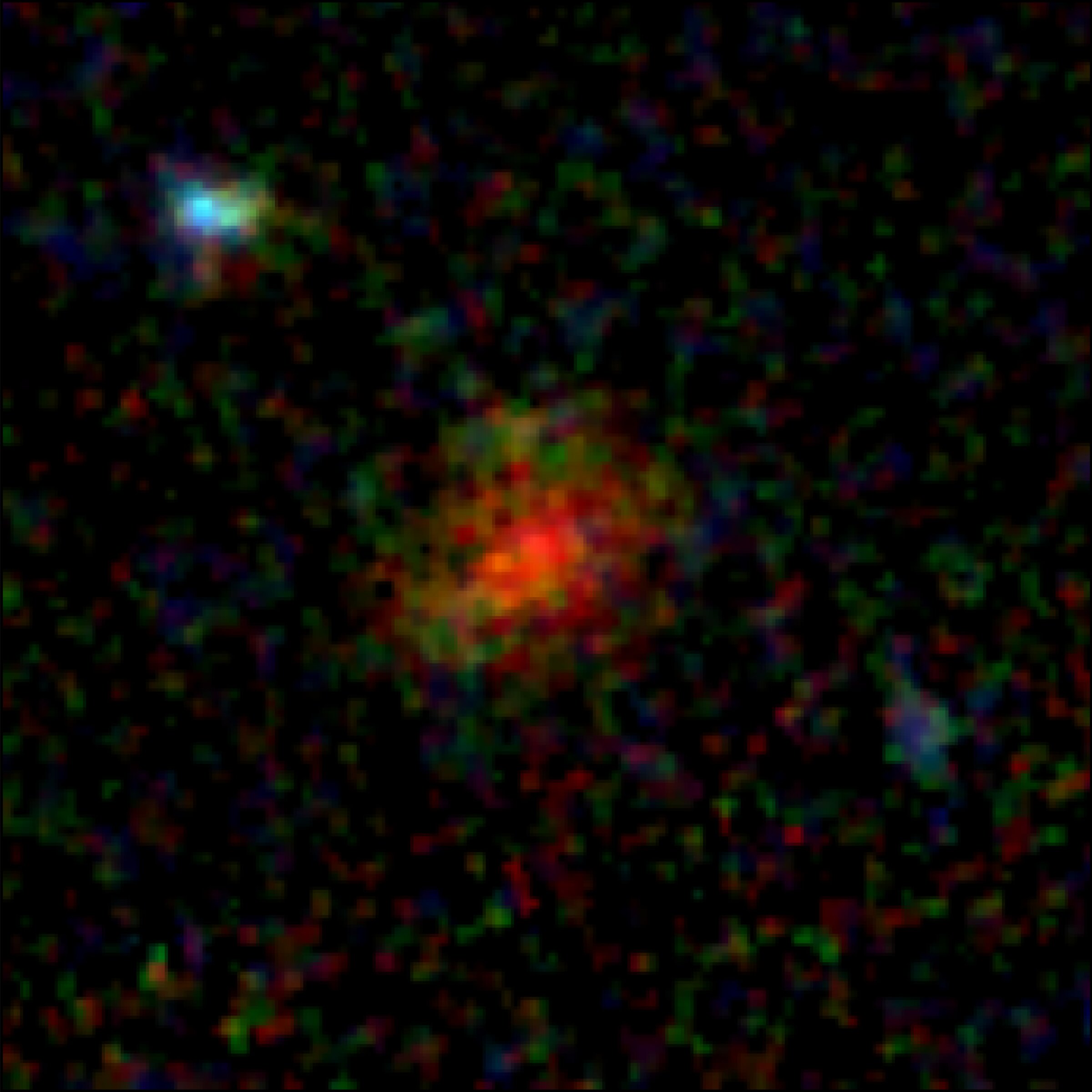
The James Webb Space Telescope has rediscovered a mysterious dusty galaxy, known as AzTECC71, that had vanished from view after its initial detection by ground telescopes and the Hubble Space Telescope. These "Hubble dark galaxies" are difficult to observe at normal optical wavelengths due to the absorption of light by surrounding dust, making infrared detection crucial. The recent detection suggests that these dusty star-forming galaxies may be more common than previously thought and could provide insights into the early universe. The COSMOS-Web project, in which Webb is participating, aims to map one million galaxies and study the optical and infrared properties of heavily dust-obscured galaxies.
The James Webb Space Telescope (JWST) has captured an image of a previously elusive dusty star-forming galaxy, AzTECC71, which had disappeared from Hubble Space Telescope images. This discovery suggests that such galaxies may be more common in the early universe than previously thought. The COSMOS-Web collaboration, led by researchers at the University of Texas at Austin, aims to map up to 1 million galaxies using JWST to study the earliest structures of the universe. The JWST's sensitivity to infrared light allows it to penetrate the dust veils surrounding these galaxies, providing new insights into their properties and evolution.