A pirate activist group has scraped and copied nearly all of Spotify's music catalog, including metadata for 256 million tracks and audio files for 86 million, claiming to build the world's first music preservation archive. Spotify is investigating the incident, which involved illicit tactics to access some audio files, and the group plans to release the data publicly in order of popularity.

A pirate activist group scraped and released metadata from Spotify, allegedly accessing 86 million audio files and 256 million rows of track metadata, which they plan to distribute via P2P networks. Spotify is investigating the incident, which raises concerns about data security and the potential for creating unauthorized personal streaming servers.
A Chinese hacking group known as "Salt Typhoon" has stolen a significant amount of Americans' metadata in a cyber-espionage campaign, according to a senior US official. The hackers targeted multiple telecommunications companies, including Verizon, AT&T, and T-Mobile, although some companies reported no customer data compromise. The stolen metadata, which includes call records but not content, can reveal detailed personal information. The US government, prioritizing the issue, has briefed President Biden and held a classified briefing for senators on the matter.
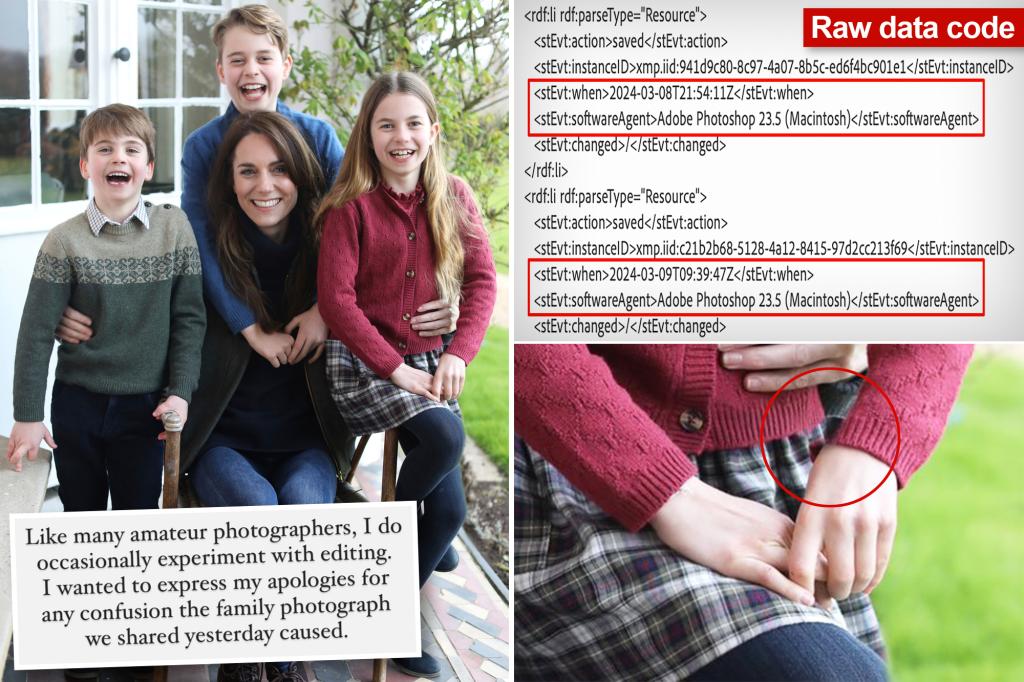
Metadata from Kate Middleton's controversial Mother's Day photo confirms it was edited at least twice before being published, with timestamps indicating the edits were made on Friday evening and Saturday morning. The photo, released to address rumors about Middleton's health, sparked conspiracy theories due to editing flaws, leading to demands for the original photo to be released. While Middleton admitted to doctoring the photo, questions remain about its original creation and the extent of the edits.
Microsoft's Windows printer issues, which caused printers to identify themselves as HP and triggered the HP Smart app, may be due to broken metadata pushed out in a November Windows Servicing Stack Update (SSU). The issue appears to lie within Microsoft, as the company has confirmed that it is not caused by an HP update. Microsoft is currently investigating the issue and has advised that extended functions of other manufacturer-supplied printer apps may be affected. Users have reported problems with secure print and scanning. A fix is expected in a March 2021 update.
Leica's new M11-P camera features an internal security chip that generates a signed certificate in the metadata of each image, allowing photos to be verified through Adobe's Content Authenticity Initiative (CAI). The camera embeds an encrypted signature into the DNG raw and JPG files, containing the artist's name, camera make and model, and photo EXIF data. Images with embedded Content Credentials can be verified on Adobe's verification page, providing a means to prove the authenticity and integrity of the images. The feature is optional and can be turned on in the camera's settings.
Adobe, along with other companies in the Coalition for Content Provenance and Authenticity (C2PA), has created a symbol called the "icon of transparency" to be attached to content alongside metadata, indicating its provenance and whether it was created using AI tools. The symbol can be added through Adobe's editing platforms and will provide information about ownership, the AI tool used, and other production details. The aim is to encourage the tagging of AI-generated data and increase transparency in content creation. The symbol will be implemented by C2PA members in the coming months, including Microsoft. Other companies, such as Google and Digimarc, have also developed their own content markers to address concerns over authenticity in AI-generated content.
Scientists are increasingly depositing data alongside their publications, but not every journal requires that authors make their data sets available. To make data FAIR (findable, accessible, interoperable and reusable), metadata is key. Scientists should also consider over-sharing, embracing standards, using open, non-proprietary file formats, including code, and thinking about accessibility. Open science is not an all-or-nothing game, and anything scientists can do adds value.
Google has announced three new features to help people identify AI-generated fake images in search results. The features will identify the known origins of an image, add metadata to Google-generated AI images, and label other AI-generated images in search results. The move comes as AI-generated images become more prevalent, potentially distorting our sense of history and contributing to misinformation and propaganda. The new features aim to provide users with more context about images and aid in determining their reliability.
Google is adding a "markup" to the metadata of photos produced by its own AI models to show that the images are computer-generated. Google Search will use the metadata to display a warning label when AI-generated images appear in its results. Additionally, a new tool called "about this image" is set to debut within Google's search engine in the "coming months." The move comes after deepfake images of Pope Francis and Donald Trump went viral earlier this year, raising concerns about the spread of online misinformation. Critics warn that AI could exacerbate the problem by providing inaccurate answers or producing images nearly indistinguishable from the real thing.
Google is introducing a new tool called "About this image" for English-language searches in the US, which will help users identify AI-generated fakes. The tool will show when the picture was first indexed by Google, where it first appeared, and which sites it has appeared on since. Google's generative AI tools will also include metadata with each picture to indicate it's an AI-created image. Other creators and publishers will be able to label their images using the same tech.
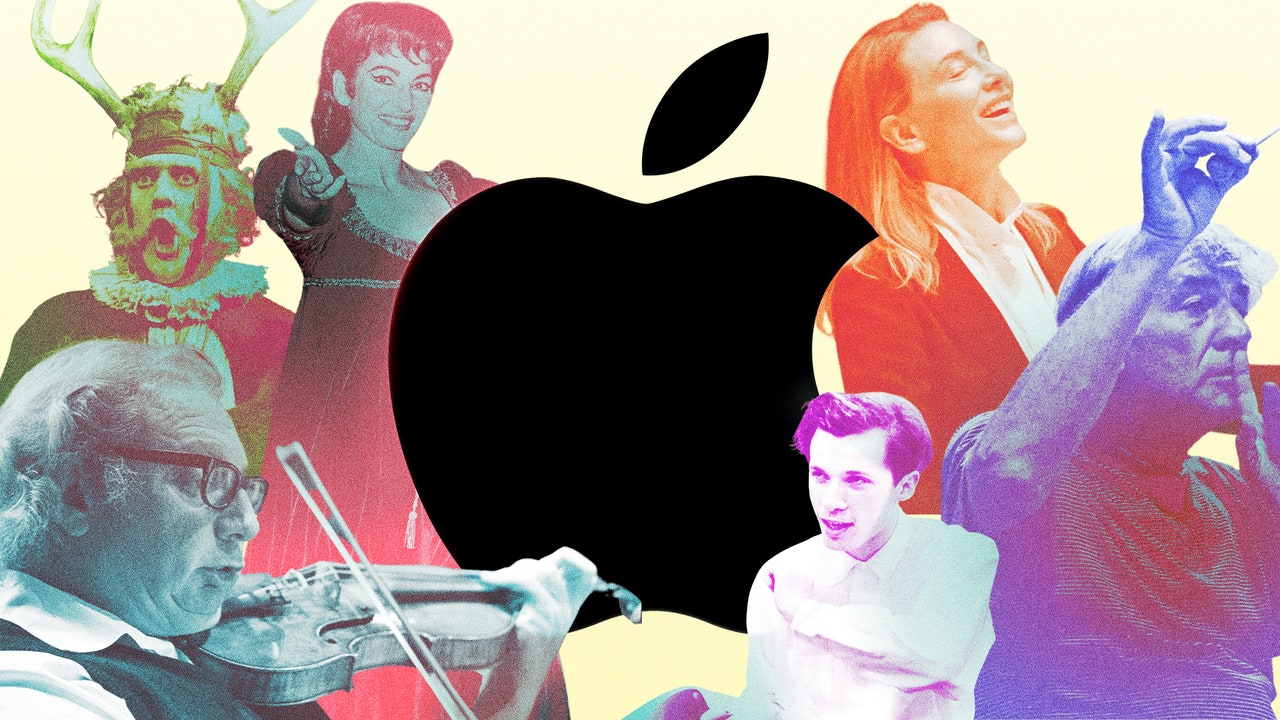
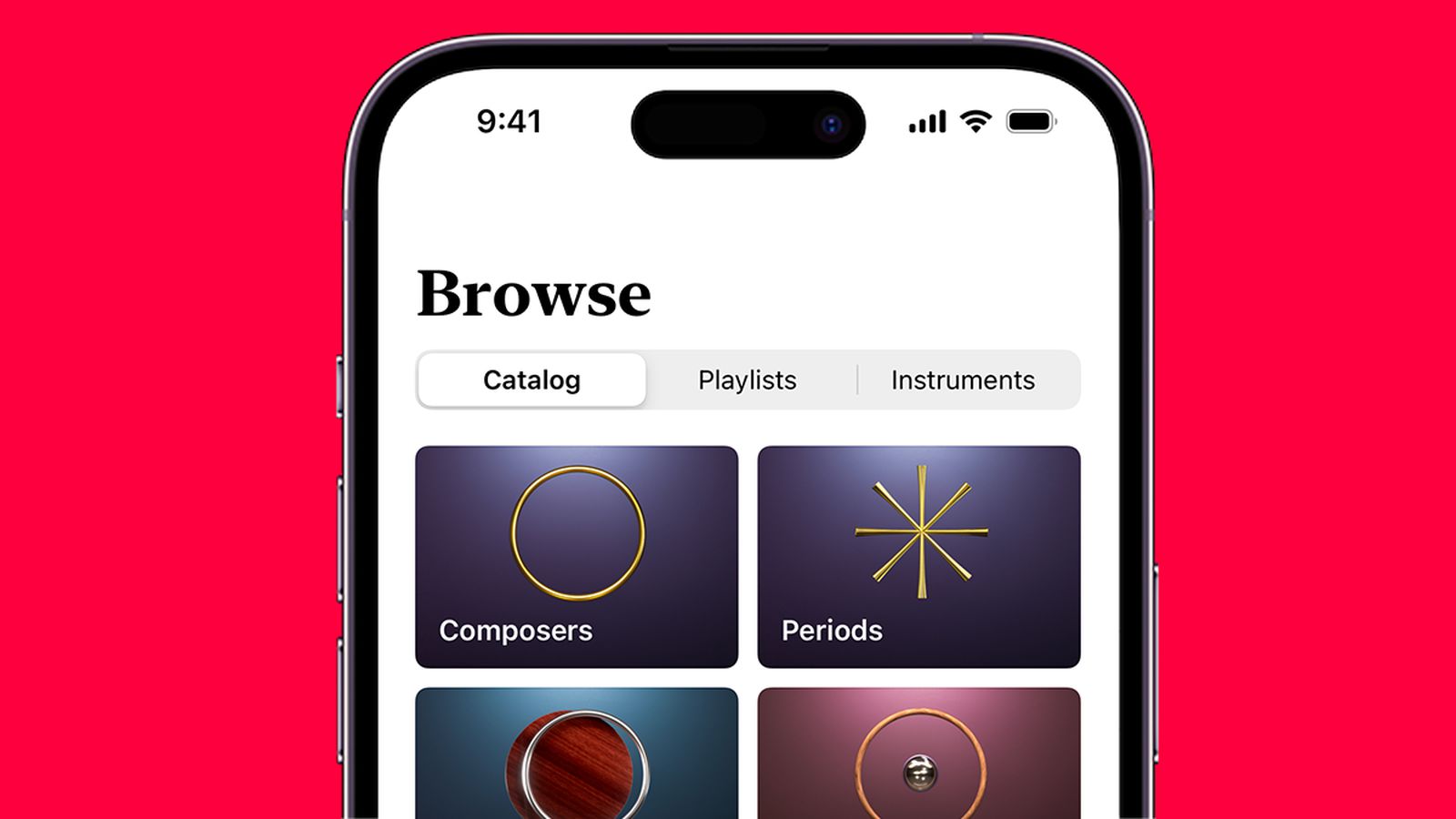
Apple Music Classical, a new streaming service, aims to provide a better experience for classical music fans by improving metadata and search functions. The app offers a vast database of over 20,000 composers, 100,000 unique works, and 5 million tracks. However, the service is only available on Apple devices and lacks integration with the rest of Apple Music. Despite some flaws, Apple Music Classical has the potential to succeed where other streaming services have failed in reaching classical music fans.
Apple Music Classical, based on the Primephonic app that Apple acquired in 2021, addresses the problem of classical music metadata and offers a rich browsing and searching experience for classical music lovers. The app allows users to search by composer, artist, instrument, orchestra, ensemble, conductor, soloist, or choir, and provides detailed information on each piece. The author wonders why more music apps aren't as rich in metadata and browsing options, and suggests that other genres of music could benefit from similar features.
Apple Music has released a new app dedicated exclusively to streaming classical music, based on a classical-only streaming service called Primephonic, which Apple purchased in 2021. The app has been remade with innovative and high-fidelity audio encoding, playlists from some of the biggest names in classical, and a thoughtful nine-part introductory podcast. The success of the app hinges on solving a boring, technical problem: metadata. A usable classical streaming service needs to figure out how to display all of that information, and make it searchable.
Apple has released a standalone Apple Music Classical app for classical music, which is designed to support the complex metadata structure of classical music. The app offers editorial and catalog content for classical music lovers and is based on Primephonic, a classical music streaming service that Apple acquired in 2021. The app is available for the iPhone only at launch, with an Android version coming soon.