Germany's National Library of Medicine is developing an alternative to PubMed to promote digital sovereignty and resilience in scientific communication, sparking debate about the risks of reliance on a single global platform and emphasizing the importance of diverse, transparent knowledge systems for scientific progress.

The article explores how evolutionary pressures influence scientific publishing, highlighting issues like 'publish or perish,' the impact of metrics like h-index, the shift to open access models, and the potential for negative outcomes such as fraud and low-quality research, emphasizing the need to redesign the system for better scientific progress.
A new AI system developed by the University of Colorado automatically screens open-access journals to identify potentially predatory publications, flagging over 1,000 suspicious journals out of 15,200 analyzed. While not perfect, it serves as a crucial first filter to help protect scientific credibility, with human experts making the final decisions.
The UK Royal Society is transitioning eight of its journals to the 'subscribe to open' (S2O) model, which makes content freely accessible if enough libraries subscribe, aiming for 100% open access. This move aligns with a broader trend among scientific publishers adopting the S2O model to promote open access, with varying degrees of sustainability depending on subscription levels and financial support from scientific societies.
The article discusses the challenges facing scientific publishing, including the overwhelming volume of papers, the rise of AI-generated errors, issues with quality and trust, and the need for reform in incentives and review processes to ensure meaningful scientific progress.
Predatory journals, which publish papers with little to no peer review in exchange for authors paying a fee, are a growing concern in academic publishing. While paying to publish is common among legitimate open access journals, predatory journals often exhibit red flags such as catering more to authors than readers, sending out flowery invitation emails, and having a broad scope. The rise of predatory publishing is a symptom of the publish-or-perish mentality in academia, and efforts to combat it include the use of whitelists and checklists to help authors identify reputable journals.
The open-science movement, aimed at freely sharing research materials and data, is gaining momentum, with an increase in the use of data repositories and preprints. However, challenges such as lack of awareness and incentives hinder widespread adoption. Organizations like Addgene and the Center for Open Science are working to facilitate the sharing of laboratory materials and promote a culture of open science. While there are concerns about proprietary rights and reproducibility, advocates believe that open science will lead to reproducible and equitable research, and efforts are being made to engage researchers globally, including in low- and middle-income countries.
A dispute between the publisher Wiley and the editors of The Journal of Political Philosophy (JPP) led to the creation of a new journal called Political Philosophy, emphasizing editorial independence and academic freedom. The new journal, open access and published by the Open Library of Humanities, is led by the former JPP editors and aims to provide a platform for interdisciplinary engagement in political philosophy. The move comes after over 1100 philosophers and scholars signed a statement of non-cooperation with JPP's publisher, leading to the birth of Political Philosophy as a successor to JPP.
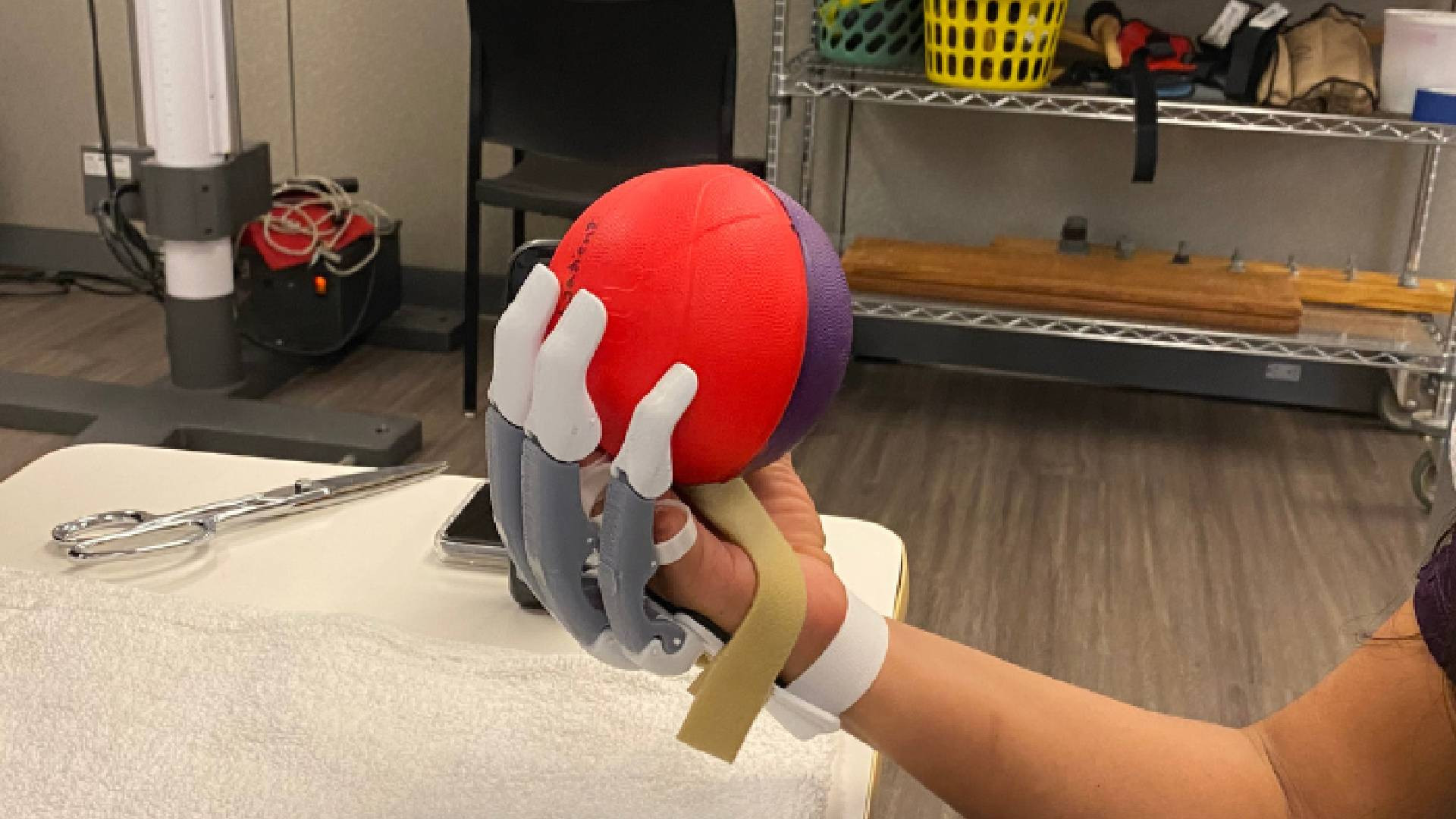
David Edquilang, the inventor of the Lunet finger prosthesis, plans to make the design open access to benefit those who cannot afford traditional prosthetics. Medical insurance often does not cover the cost of finger prostheses, so making Lunet available online for free will help a larger number of people in need.
Stability AI's CarperAI team has introduced FreeWilly1 and FreeWilly2, powerful open-source Large Language Models (LLMs) that perform exceptionally well in reasoning competitions. The models were fine-tuned using supervised fine-tuning (SFT) and influenced by Microsoft's approach. Despite training on a smaller dataset, the FreeWilly models excel in resolving complex issues in specialized disciplines and recognizing language nuances. The team believes these models will enhance our understanding of spoken language and enable innovative applications in artificial intelligence.
More than 40 leading scientists have resigned from the editorial board of the science journal Neuroimage in protest at the "greed" of publishing giant Elsevier. The academics resigned after Elsevier refused to reduce publication charges, which they describe as "unethical" and bearing no relation to the costs involved. The resignations have been applauded by academics around the world, who hope it will start a rebellion against the huge profit margins in academic publishing. Elsevier, which claims to publish 25% of the world's scientific papers, reported a 10% increase in revenue to £2.9bn last year, with profit margins nearing 40%.
More than 40 editors have resigned from two leading neuroscience journals in protest against what the editors say are excessively high article-processing charges (APCs) set by the publisher Elsevier. The editors plan to start a new journal hosted by the non-profit publisher MIT Press. The decision to resign came about after many discussions among the editors, who say that the fees, which publishers use to cover publishing services and in some cases make money, are unethical.
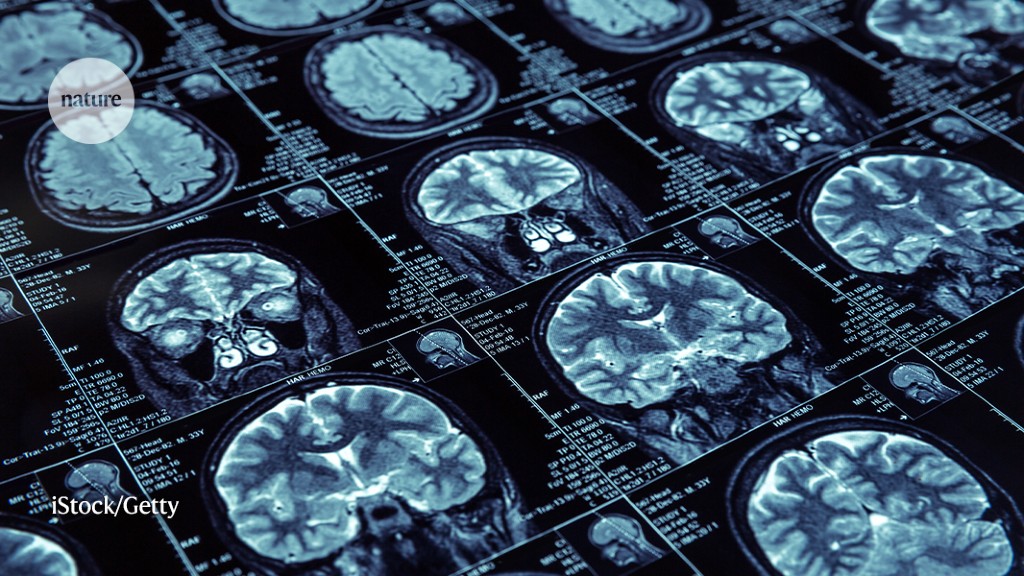
Editors at NeuroImage, a top journal for imaging of the brain and spinal column, resigned en masse after publisher Elsevier refused to lower article publishing fees. The editors are starting their own journal, Imaging Neuroscience, with MIT Press. The new journal aims to replace NeuroImage as the top journal in the field, with lower publishing fees and a focus on open access. The departing editors and Elsevier have agreed for the departing editors to continue reviewing papers that have already been submitted.
The entire editorial boards of two leading neuroscience journals, NeuroImage and NeuroImage:Reports, resigned en masse on Monday over what they say are exorbitant article fees from their publisher, Elsevier. The group intends to launch a new nonprofit open-access journal called Imaging Neuroscience, “to replace NeuroImage as the top journal in our field,” according to a statement posted 17 April to Twitter by an account called Imaging Neuroscience EiC. Elsevier charges researchers a $3,450 article processing charge (APC) to publish their findings in NeuroImage and $1,800 to publish in NeuroImage:Reports, according to Elsevier’s website.
The editorial board of NeuroImage, a leading neuroscience journal published by Elsevier, has resigned over the publisher's decision to raise its open-access fees to $3,450. The editors have accused Elsevier of "pure greed" and have started a new non-profit journal, Imaging Neuroscience. The mass resignation highlights the high open-access charges levied by leading scientific journals, with Nature and Cell charging about £8,000. Elsevier has appointed an interim internal editorial team and said it values its editors highly.