

Tag

Brain Decline

All articles tagged with #brain decline

health2 years ago

The Sweet and Sour Link: High-Sugar Diet, Obesity, and Neurodegenerative Diseases

A high-sugar diet may lead to insulin resistance in the brain, reducing its ability to remove neuronal debris and increasing the risk of neurodegenerative diseases such as Alzheimer's, Parkinson's, and ALS, according to researchers from the Fred Hutch Cancer Center. Using a fruit fly model, the study found that a high-sugar diet caused glial cells in the brain to have reduced amounts of a protein called PI3k, indicating insulin resistance, and a lower amount of another protein called Draper, which assists in clearing neuronal debris. While the study was conducted on fruit flies, it provides insights into the potential impact of diet-induced insulin resistance on brain function in humans.

science2 years ago

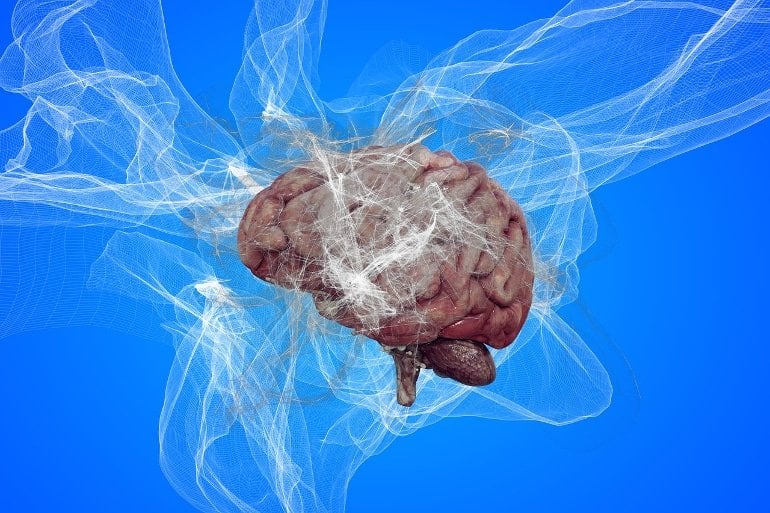
Surprising Findings on Brain Decline Unveiled by New Research

Recent research from UMC Utrecht and the Mayo Clinic reveals that our brain declines later than previously thought, occurring between ages 30 and 40 instead of after 25. By studying electrode grids placed on epilepsy patients’ brains, researchers discovered that brain connections become faster with age, doubling in speed, and providing new insight into brain function and development. The study's findings provide important information about our central nervous system and can be used to make more realistic computer models of our brains. All data has become publicly accessible, allowing researchers from all over the world to use the data.

neuroscience2 years ago

Study Finds Mental Decline Occurs Later Than Expected

Brain decline begins during our 30s and 40s, and not at age 25 as previously believed, according to recent research from University Medical Center Utrecht. The researchers discovered that the connections in our brains become increasingly faster until we are between the ages of 30 and 40, after which it slows down. The study provides important information about our central nervous system and can be used to make more realistic computer models of our brain. The data is publicly accessible, allowing researchers from all over the world to use it.