A study from Northwestern University warns that the black market for fake science is growing faster than legitimate research, with some academics improperly taking credit for work they did not conduct, threatening the integrity of scientific progress.
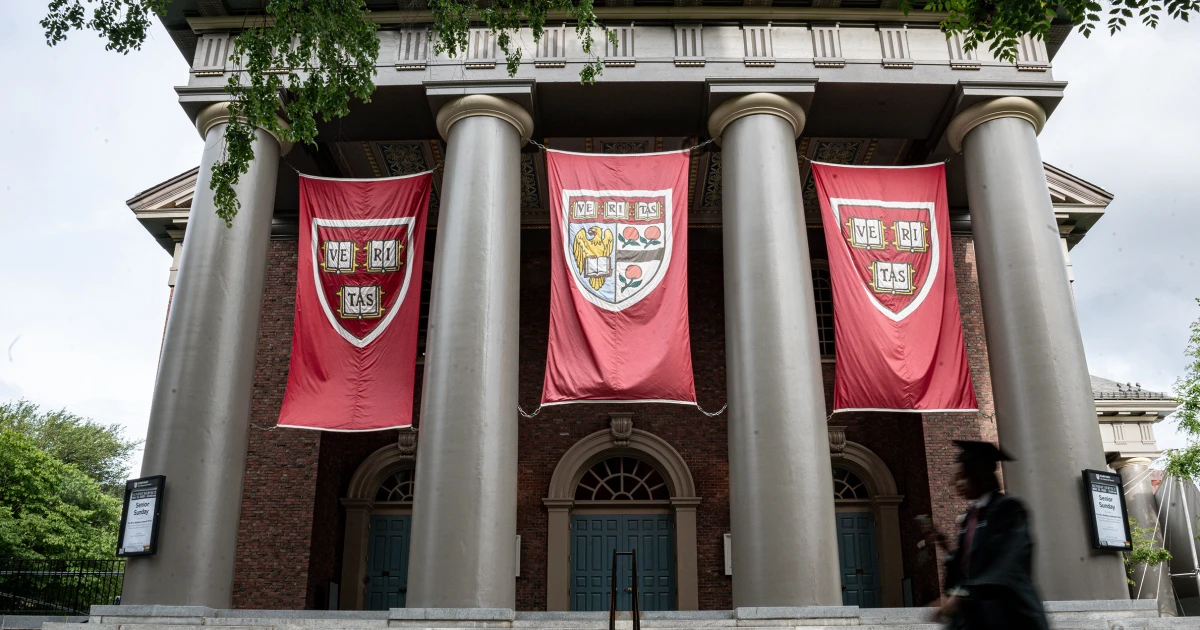
Harvard University has revoked the tenure of Professor Francesca Gino, marking the first such action in nearly 80 years, amid allegations of data fabrication and research misconduct related to her studies on honesty and ethics. Gino, a prominent researcher and author, denies the allegations, which stem from concerns raised by the Data Colada blog and led to her being placed on administrative leave and subsequently losing her tenure. The case highlights issues of academic integrity and the university's response to misconduct allegations.
Harvard Business School has placed renowned professor Francesca Gino on leave following accusations of research fabrication. Gino, who specialized in the study of dishonesty, has been accused of falsifying her research over a decade, with at least three articles retracted so far. An independent academic watchdog, Data Colada, alleges that Gino manipulated data in her studies. Harvard has concluded its investigation but has not yet commented on the findings. Gino's research collaborators, who number over 100, may also face consequences. This incident follows a similar investigation into Stanford University president Marc Tessier-Lavigne, highlighting the need for additional verification of academic research.
Advocates for "open science" are warning of widespread academic fraud, highlighting the need for increased transparency and research integrity. Open science promotes the sharing of research data, methods, and findings to ensure reproducibility and accountability. However, concerns have been raised about the prevalence of scientific misconduct, including data manipulation, plagiarism, and publication bias. Efforts are being made to address these issues through initiatives such as pre-registration of studies, open access publishing, and stricter peer review processes.
Dorothy Bishop, a retired psychology researcher, has spent her second act investigating questionable research practices and academic fraud. Bishop's career was defined by her research on communication disorders in children, including the discovery of a genetic component to language difficulties. In recent years, Bishop has become a vocal advocate for research integrity and has exposed instances of fraudulent papers and unethical publishing practices. Despite the satisfaction of righting scientific wrongs, Bishop acknowledges the toll of exposing people and the messiness of the scientific world.
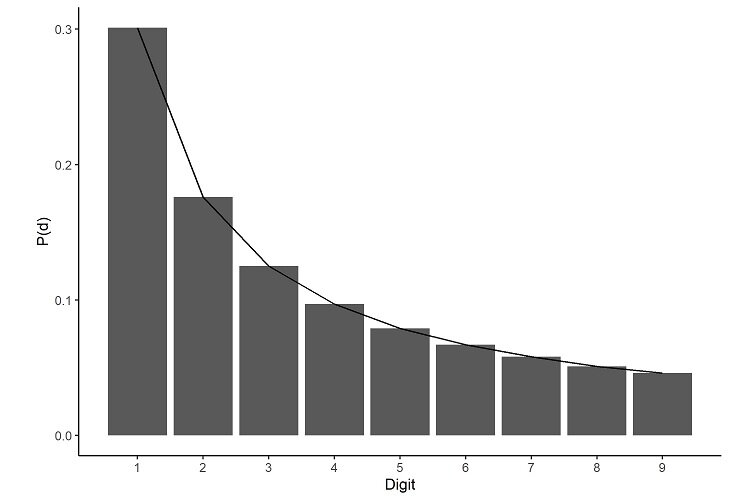
Researchers from the University of St Andrews suggest that auditing practices from the finance industry can be adapted to identify academic fraud. The paper looks at Benford's Law as a means of examining the relative frequency distribution for leading digits of numbers in datasets, which is used in the practice of professional auditing. The authors hope this paper will serve as an introduction to such tools for anyone wishing to challenge the integrity of a dataset, not just in financial data, but in any field that generates lots of data.