Tag

Ocean Temperatures

All articles tagged with #ocean temperatures

Record-Breaking Ocean Temperatures Signal Escalating Climate Crisis

Originally Published 19 hours ago — by The Daily Galaxy

Featured image for Record-Breaking Ocean Temperatures Signal Escalating Climate Crisis
Source: The Daily Galaxy

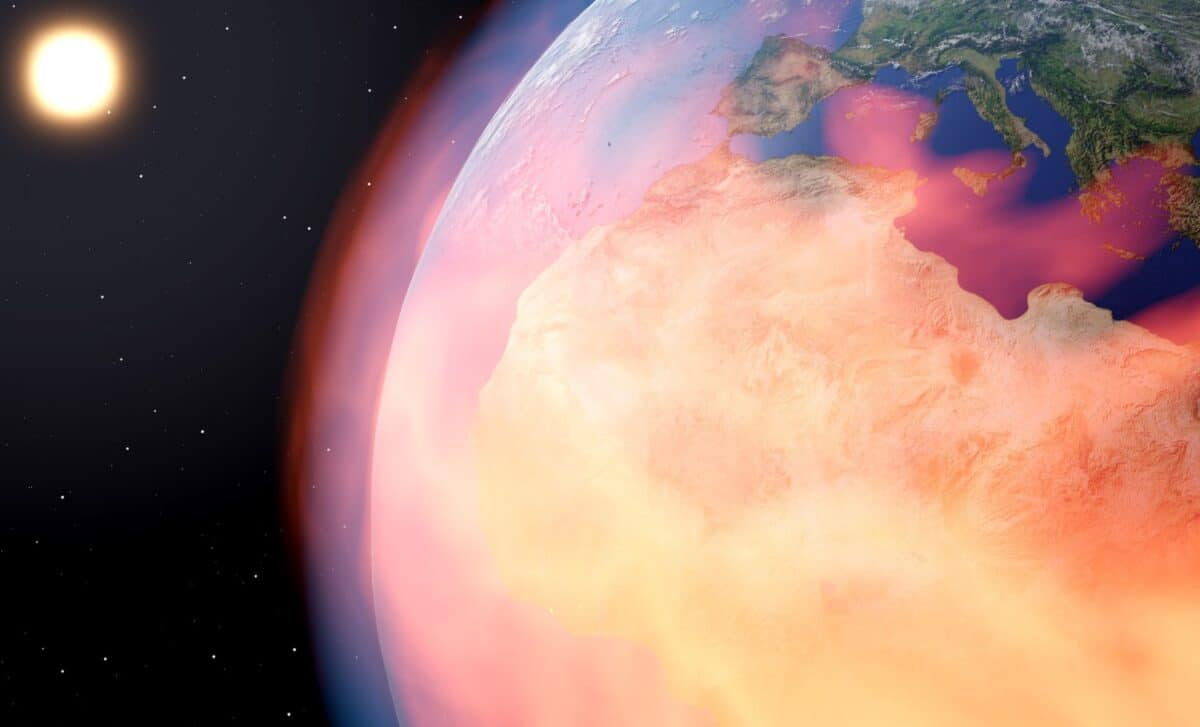
In 2025, Earth's oceans reached a record-high heat content, absorbing 23 Zetta Joules of energy, which accelerates climate change impacts such as stronger storms, rising sea levels, and more extreme weather events, with uneven warming across regions fueling unpredictable weather patterns.

Rising Ocean Temperatures May Increase Flesh-Eating Bacteria Risks

Originally Published 5 months ago — by CBS News

Featured image for Rising Ocean Temperatures May Increase Flesh-Eating Bacteria Risks
Source: CBS News

Rising ocean temperatures due to climate change are increasing the risk of Vibrio vulnificus infections, a flesh-eating bacteria, especially along the Florida coast, with cases spreading further north and during hurricane season, highlighting the need for awareness and caution.

Great Barrier Reef Faces Record Coral Loss and Bleaching in 2024/25

Originally Published 5 months ago — by The Guardian

Featured image for Great Barrier Reef Faces Record Coral Loss and Bleaching in 2024/25
Source: The Guardian

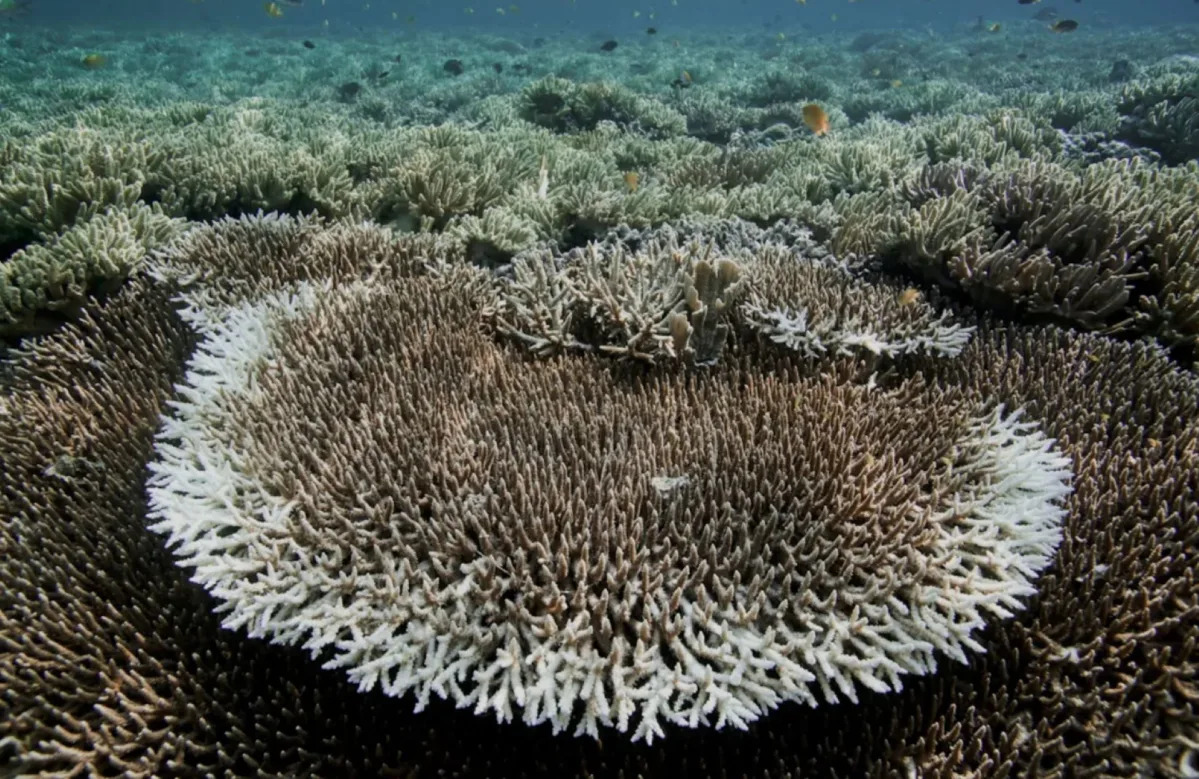
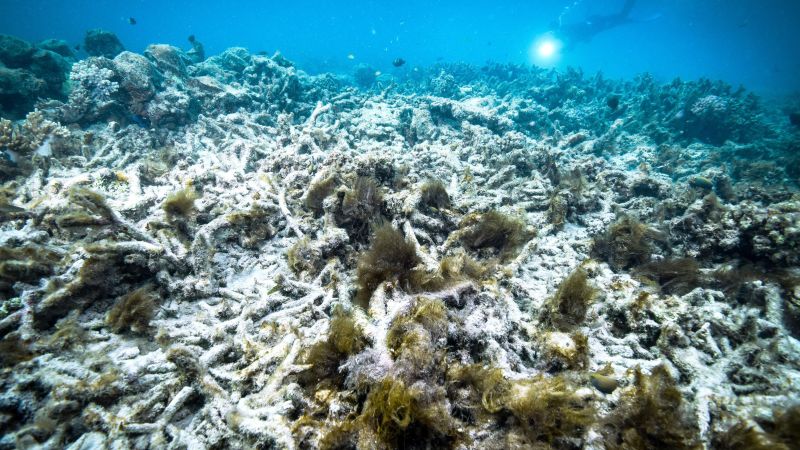
The Great Barrier Reef experienced its largest annual decline in live coral since the 1980s due to severe bleaching events in 2024, driven by rising ocean temperatures and climate change, with scientists warning that increasing frequency of such events threatens the reef's recovery and survival.

Antarctic Ice Melting Accelerates Amid Unusual Patterns and Risks

Originally Published 1 year ago — by The Cool Down

Featured image for Antarctic Ice Melting Accelerates Amid Unusual Patterns and Risks
Source: The Cool Down

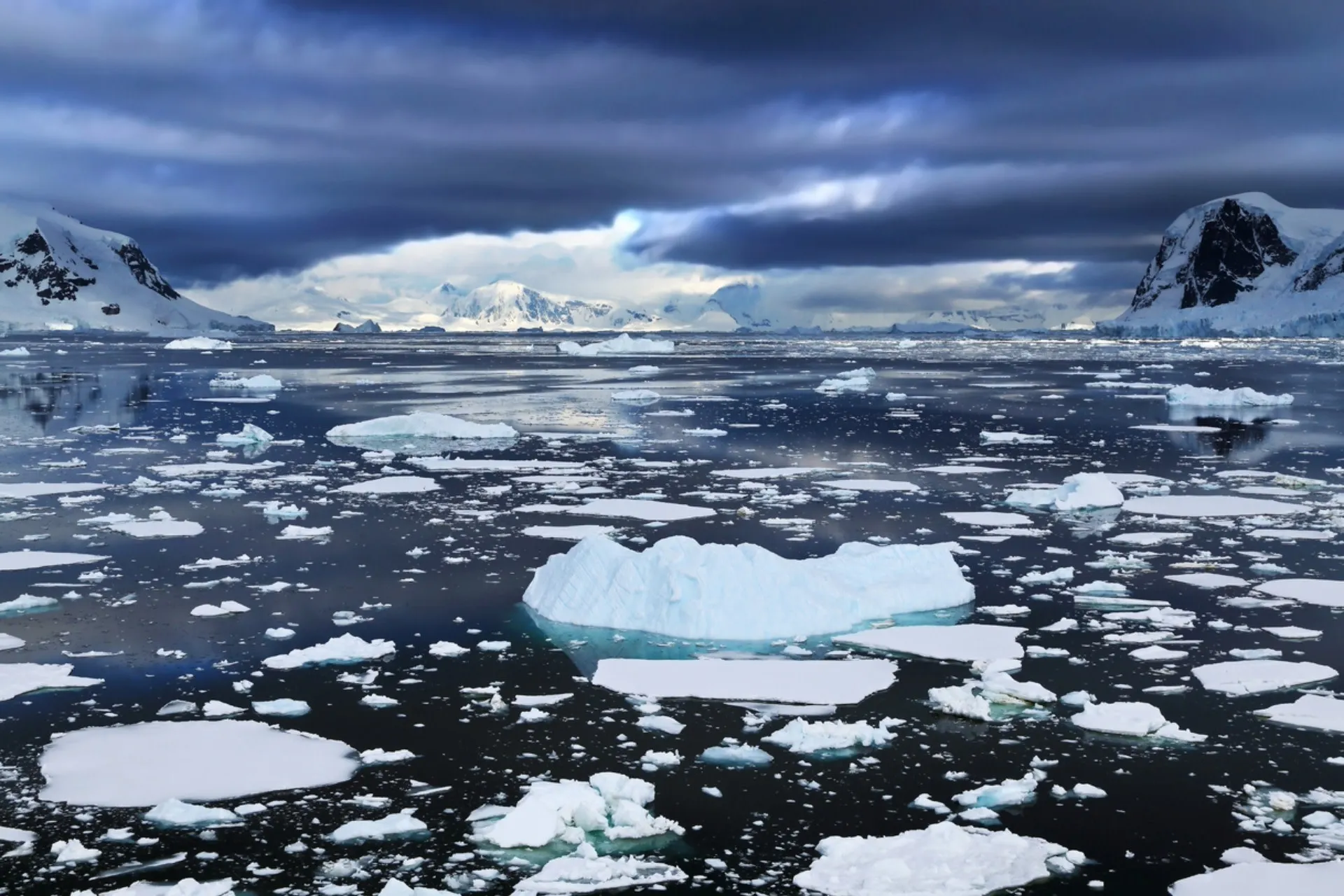
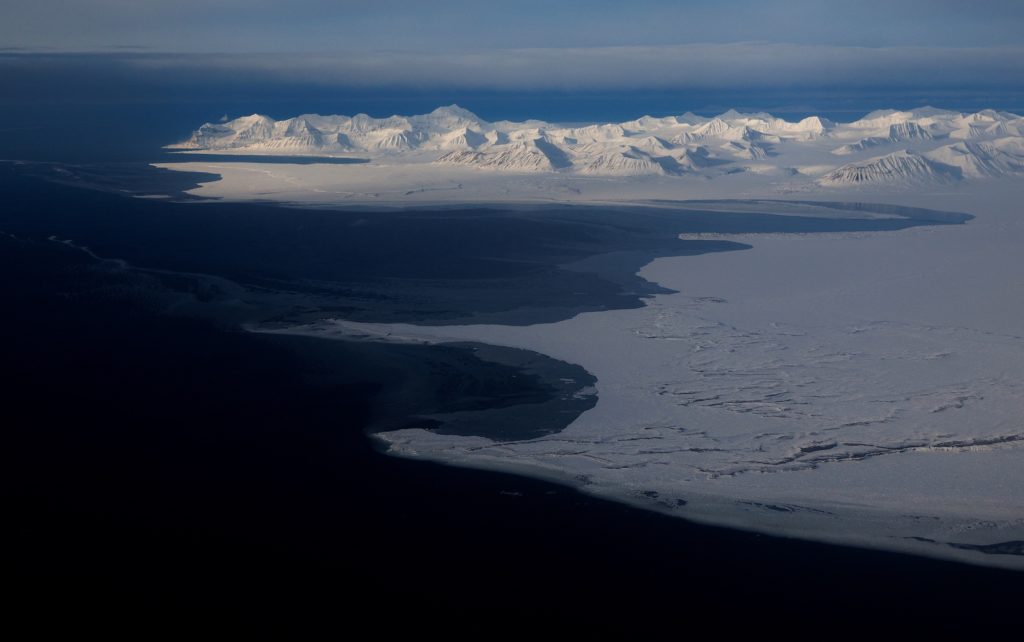
Scientists are alarmed by the second-lowest recorded Antarctic sea ice winter maximum, with only 6.6 million square miles covered, continuing a decade-long trend of decreasing ice. This phenomenon, potentially indicating a new state for Southern Ocean sea ice, is attributed to warm near-surface ocean temperatures rather than just rising air temperatures. While some experts caution against immediately linking this to global warming, the pattern aligns with the broader trend of rising global temperatures driven by fossil fuel use.

Revised Ocean Data Challenges Early 20th Century Climate Assumptions

Originally Published 1 year ago — by SciTechDaily

Featured image for Revised Ocean Data Challenges Early 20th Century Climate Assumptions
Source: SciTechDaily

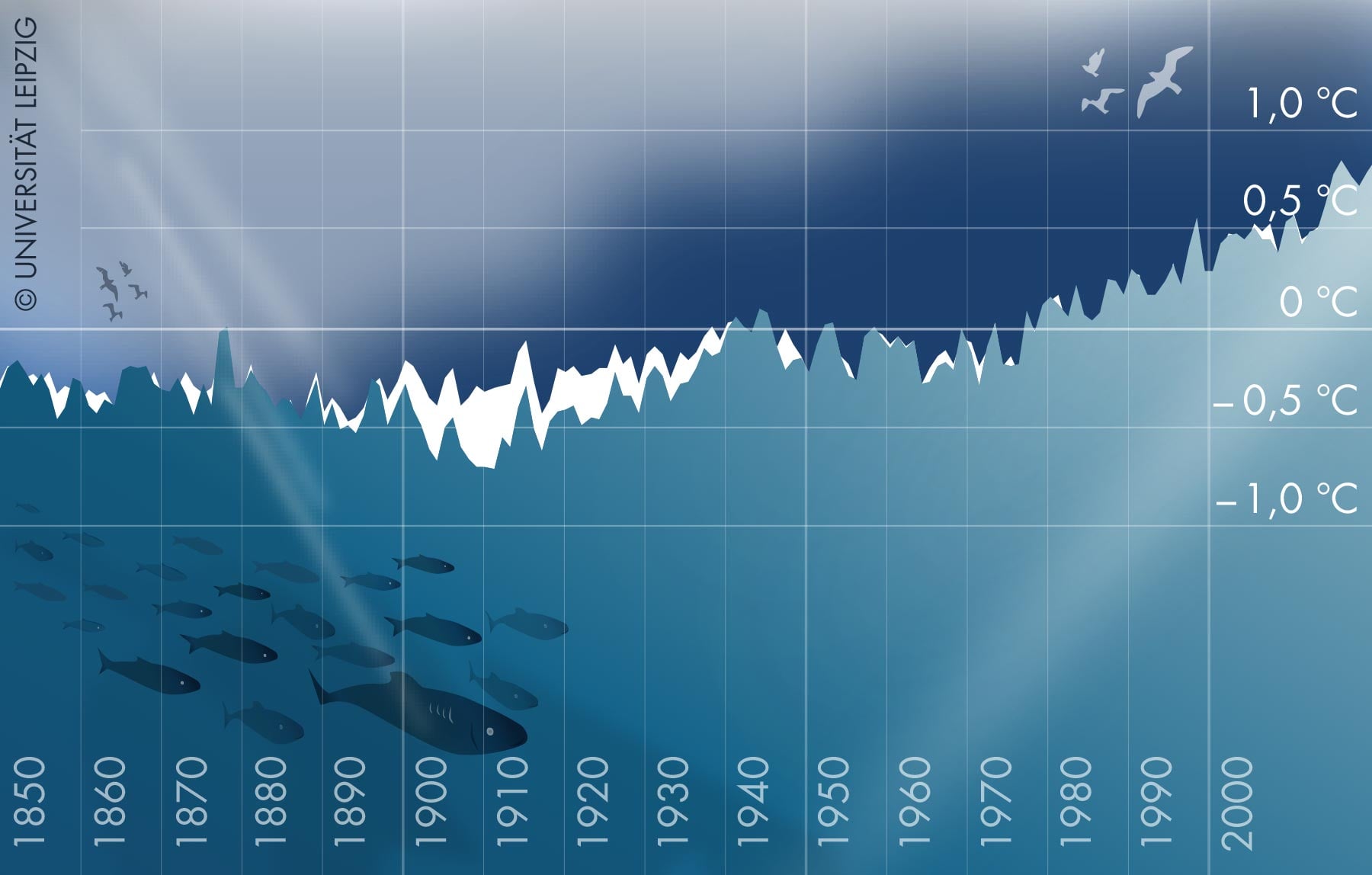
A new study reveals that early 20th-century ocean temperatures were colder than previously thought, challenging existing climate models. This discrepancy, found to be about 0.26 degrees Celsius, suggests inaccuracies in historical ocean temperature data due to changing measurement methods. The findings, however, do not alter the understanding of long-term global warming since 1850 but provide better insights into historical climate variability and improve future climate models.

"Experts Predict Intense 2024 Atlantic Hurricane Season"

Originally Published 1 year ago — by Yale Climate Connections

Featured image for "Experts Predict Intense 2024 Atlantic Hurricane Season"
Source: Yale Climate Connections

Meteorologists Jeff Masters and Bob Henson discuss the 2024 Atlantic hurricane season, highlighting the potential for an early start due to unusually warm ocean temperatures and the possibility of a busy season influenced by La Niña conditions. They emphasize the importance of hurricane coverage in understanding climate change impacts and share insights into their forecasting process and personal strategies for managing the demands of storm coverage.

NOAA Predicts Record-Breaking Atlantic Hurricane Season for 2024

Originally Published 1 year ago — by The Washington Post

Featured image for NOAA Predicts Record-Breaking Atlantic Hurricane Season for 2024
Source: The Washington Post

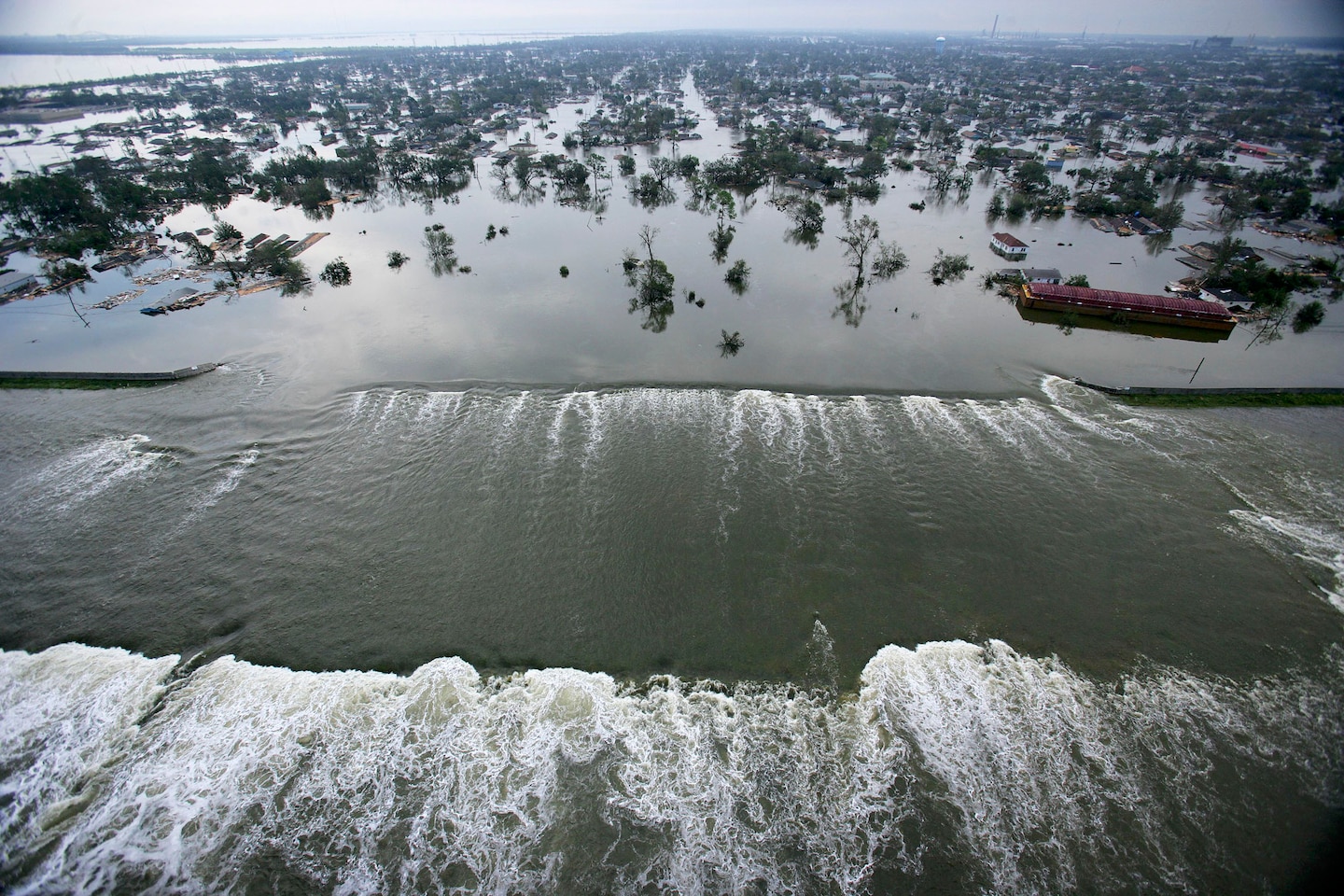
The National Oceanic and Atmospheric Administration has issued its most aggressive outlook ever, predicting that the United States could face one of its worst hurricane seasons in two decades, with 17 to 25 tropical storms and eight to 13 hurricanes, including four to seven major hurricanes, driven by record-hot ocean temperatures.

"Developing a Resilient Coral Warning System Amid Unprecedented Bleaching Crisis"

Originally Published 1 year ago — by Yahoo! Voices

Featured image for "Developing a Resilient Coral Warning System Amid Unprecedented Bleaching Crisis"
Source: Yahoo! Voices

The National Oceanic and Atmospheric Administration (NOAA) has added three new higher warning levels to their coral reef warning system due to record-setting temperatures, indicating an "unimaginable" level of coral mortality. Coral bleaching, caused by excessive heat, is becoming more pervasive and severe, threatening marine life and human survival. Human-induced global heating is exacerbating the issue, prompting the need for immediate action to reduce pollution and protect the oceans. Organizations like Coral Gardeners are working to combat coral bleaching and restore reefs.

"2024: Record Heat, Climate Change Blamed by Scientists"

Originally Published 1 year ago — by USA TODAY

Featured image for "2024: Record Heat, Climate Change Blamed by Scientists"
Source: USA TODAY

2024 continues the trend of breaking heat records, with nine consecutive months of record warmth and global average temperatures exceeding the 1.5°C threshold set in the Paris Agreement. Scientists are puzzled and alarmed by the unprecedented warmth, particularly in ocean temperatures and the impact on glaciers and sea ice. Factors contributing to the surge in temperatures include atmospheric greenhouse gases, El Niño, volcanic eruptions, and increased solar activity. The need for improved data collection and analysis is emphasized to understand and address the rapid climate changes.

"Unprecedented Ocean Warming: Understanding the Record-Breaking Rise"

Originally Published 1 year ago — by PBS NewsHour

Featured image for "Unprecedented Ocean Warming: Understanding the Record-Breaking Rise"
Source: PBS NewsHour

Climate researcher John Abraham discusses the unprecedented rise in ocean temperatures, attributing about half of the effect to global warming and a third to El Nino, with the remaining 20 percent being a question mark. He emphasizes the significant impact of ocean warming on global weather patterns and society, urging conservation of energy and the maximization of clean, renewable energy development as immediate actions to change the current trajectory.

"Unprecedented Ocean Heat Leaves Scientists Puzzled and Concerned"

Originally Published 1 year ago — by Yahoo! Voices

Featured image for "Unprecedented Ocean Heat Leaves Scientists Puzzled and Concerned"
Source: Yahoo! Voices

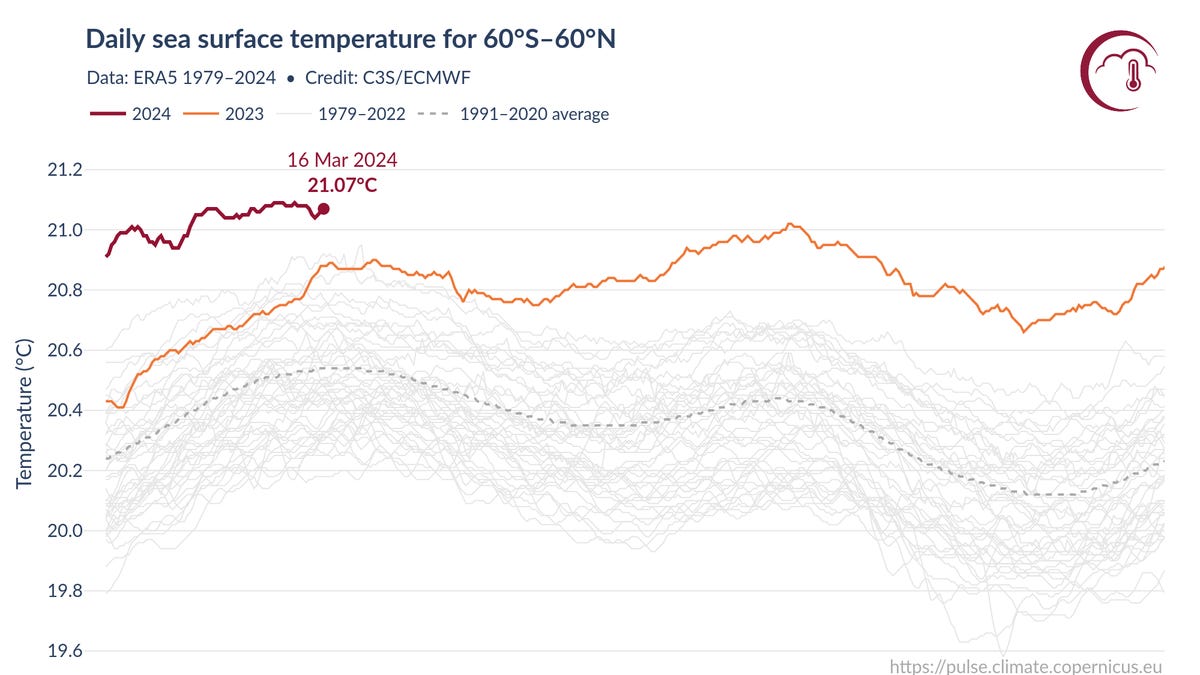
Ocean surface temperatures have broken records for the past 12 months, raising concerns among scientists. The unprecedented 1.25 degrees Fahrenheit increase in sea surface temperatures could have significant impacts on weather and ecosystems. While human-caused climate change is likely a factor, researchers are puzzled by the rapid rise and suspect other natural processes may be at play. The high temperatures could lead to coral bleaching, more intense hurricanes, and extreme precipitation, posing dire threats to coastal areas. Scientists are closely monitoring the situation and seeking answers to this unusual phenomenon.

"Unprecedented Ocean Heat: Scientists Alarmed by Record High Temperatures"

Originally Published 1 year ago — by NBC News

Featured image for "Unprecedented Ocean Heat: Scientists Alarmed by Record High Temperatures"
Source: NBC News

Ocean surface temperatures have broken records for the past 12 months, raising concerns among scientists. The anomaly, with temperatures 1.25 degrees Fahrenheit higher than in previous decades, could have significant impacts on weather and ecosystems. While human-caused climate change is likely a factor, researchers are puzzled by the rapid rise and suspect other natural processes may be at play. The higher temperatures could lead to more intense hurricanes, coral bleaching, and extreme precipitation, posing dire threats to coastal areas and marine life.

"Anticipating La Niña's Impact on Summer Weather"

Originally Published 1 year ago — by The Weather Channel

Featured image for "Anticipating La Niña's Impact on Summer Weather"
Source: The Weather Channel

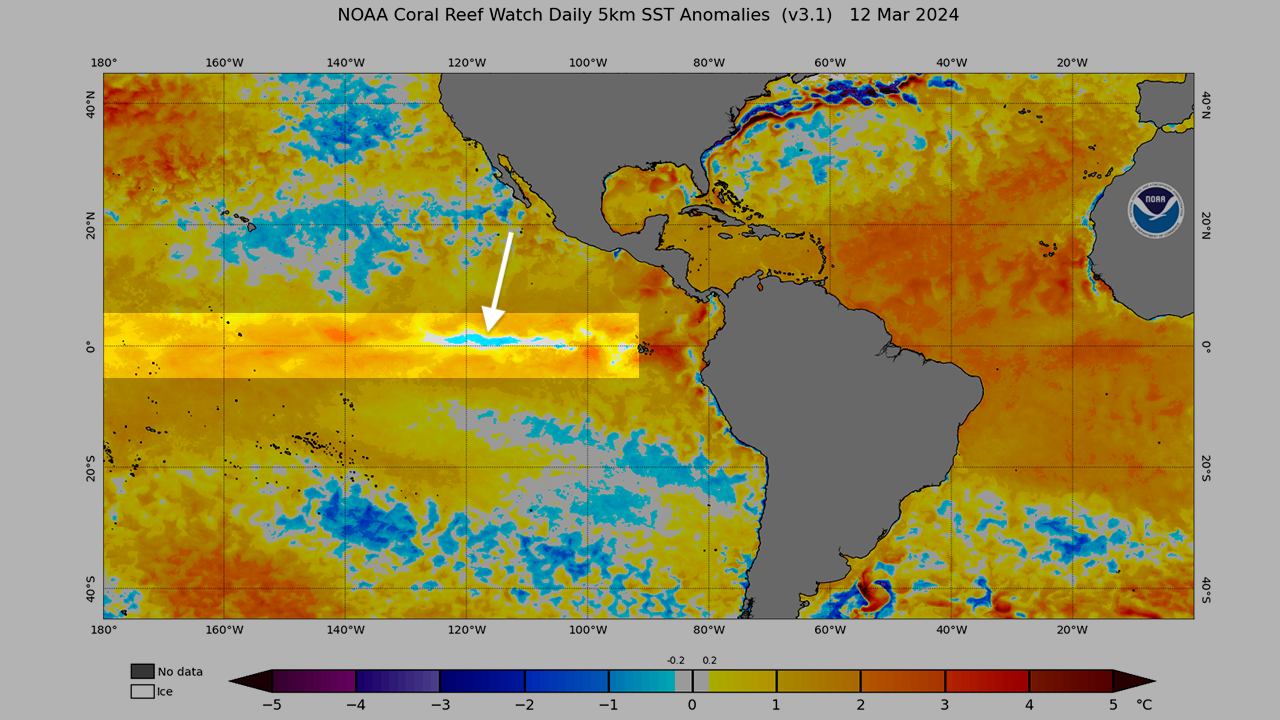
The strong El Niño is fading and expected to vanish by late spring or early summer, with a La Niña likely to follow by late summer, potentially impacting global weather patterns. NOAA's Climate Prediction Center assigns over a 60% chance of La Niña developing by summer, rising to over 80% by late summer into early fall. This transition could lead to a hotter summer in the central and eastern U.S., a more active Atlantic hurricane season, and varied winter conditions across different regions of the U.S.

"Southern Great Barrier Reef Suffers Extensive Coral Bleaching Amid Warmer Ocean Temperatures"

Originally Published 1 year ago — by CNN

Featured image for "Southern Great Barrier Reef Suffers Extensive Coral Bleaching Amid Warmer Ocean Temperatures"
Source: CNN

The Great Barrier Reef is experiencing extensive coral bleaching due to heat stress, raising concerns about a potential seventh mass bleaching event. Aerial surveys revealed widespread bleaching across surveyed reefs, with soaring ocean temperatures attributed to the destructive bleaching. Scientists fear the frequency and scale of these events, driven by the climate crisis, pose a significant threat to the reef's future. Efforts to protect the reef include ongoing surveys and calls for addressing climate change as an existential threat to marine ecosystems.

"Alarming Ocean Temperatures: A Harbinger of a Much Warmer World"

Originally Published 1 year ago — by Vox.com

Featured image for "Alarming Ocean Temperatures: A Harbinger of a Much Warmer World"
Source: Vox.com

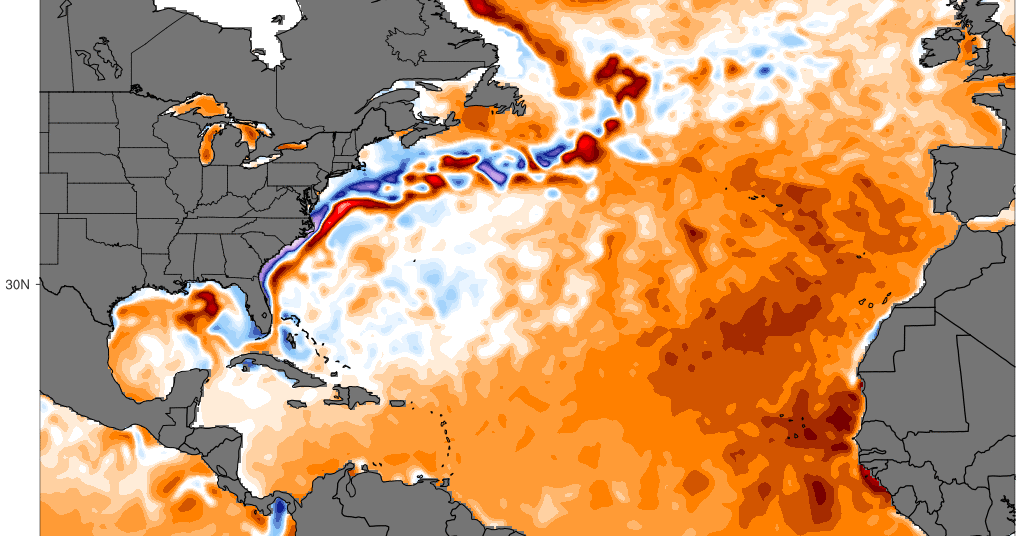
The North Atlantic ocean is currently experiencing record-breaking warmth, with sea surface temperatures running about 2 degrees Fahrenheit hotter than the average over the last three decades. This anomaly is a signal of the planet's overall warming and has significant implications for marine ecosystems, including altered plankton communities, smaller fish, and potential impacts on hurricane season. The warming is attributed to various factors, including human activities and natural phenomena. While preparations can be made, the long-term solution lies in reducing carbon emissions to mitigate the ongoing damage.