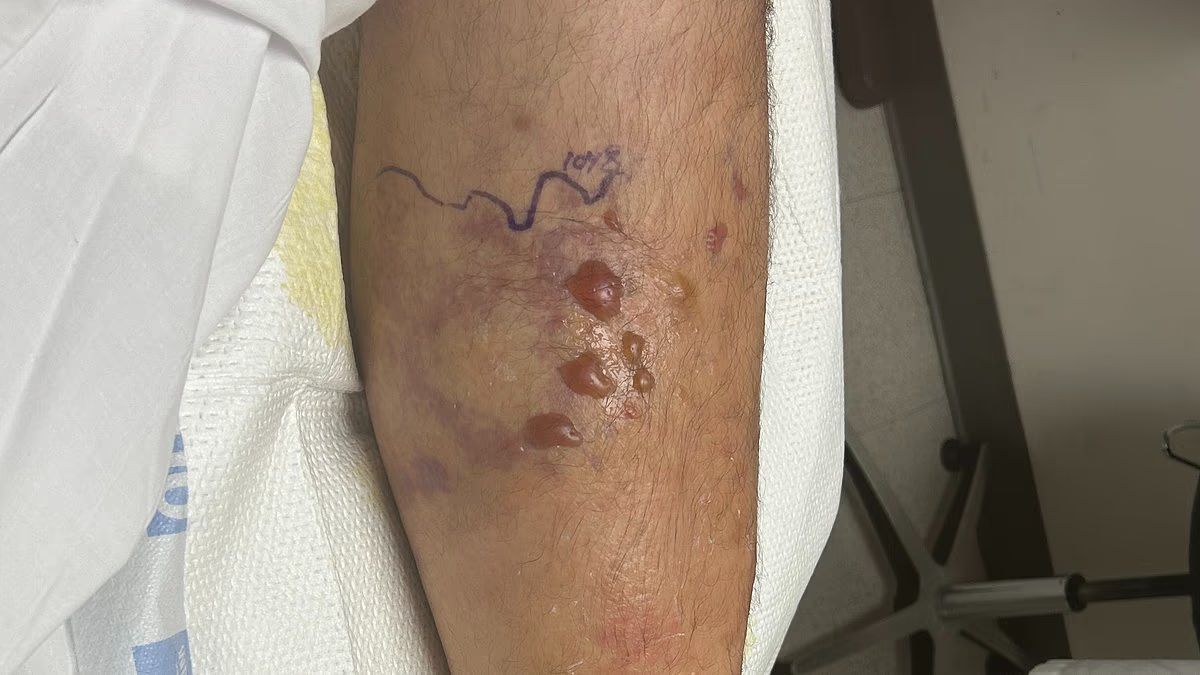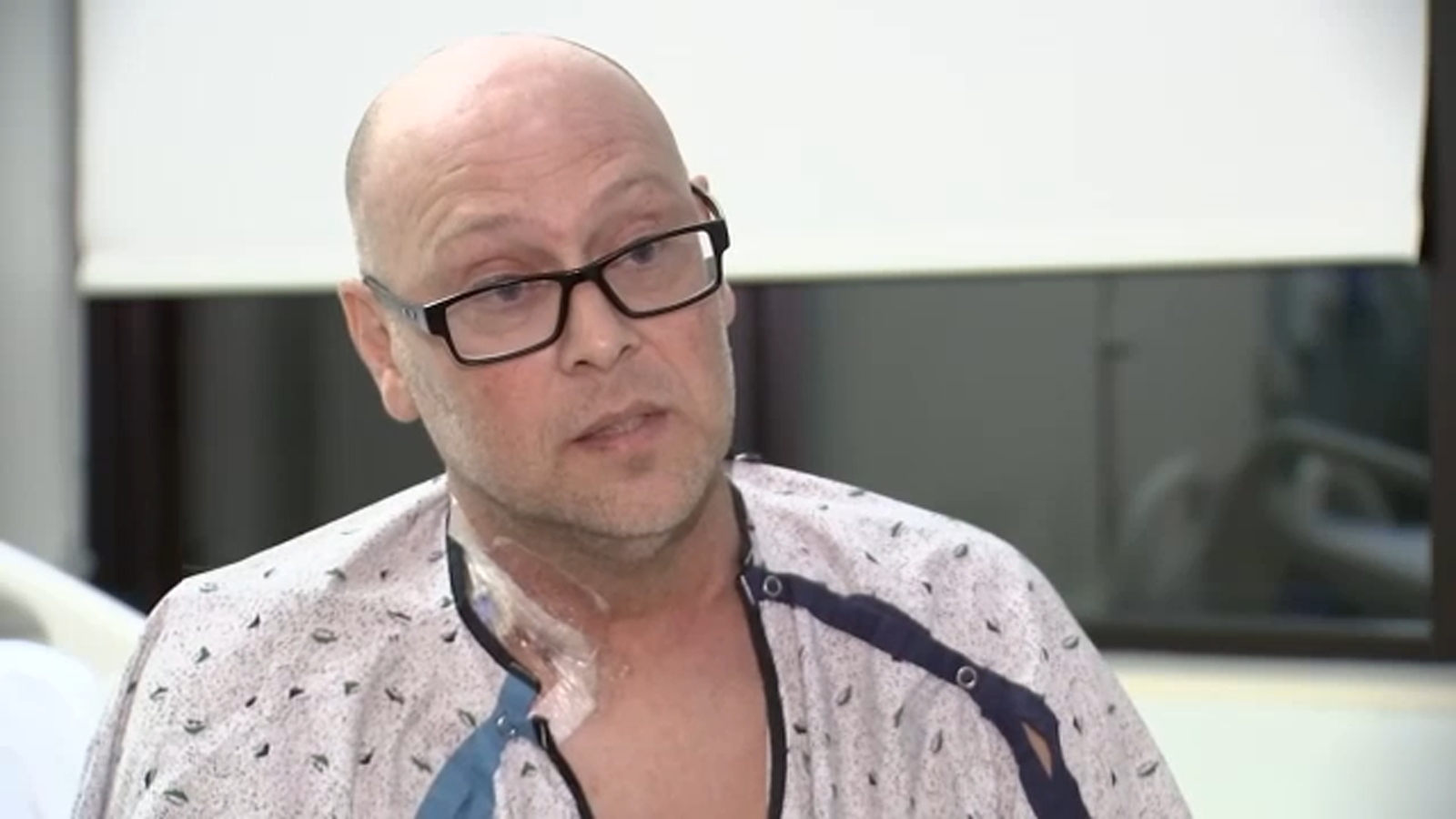
A Montgomery County business owner is hospitalized with a rare flesh-eating bacterial infection, necrotizing fasciitis, but is showing signs of recovery after emergency treatment, with family and community support aiding his ongoing recovery.
A woman who contracted flesh-eating bacteria (Vibrio vulnificus) after a boating accident in Alabama shares her story to raise awareness about the dangers of bacterial infections from coastal waters, emphasizing the importance of seeking medical attention for cuts and injuries to prevent severe health consequences.
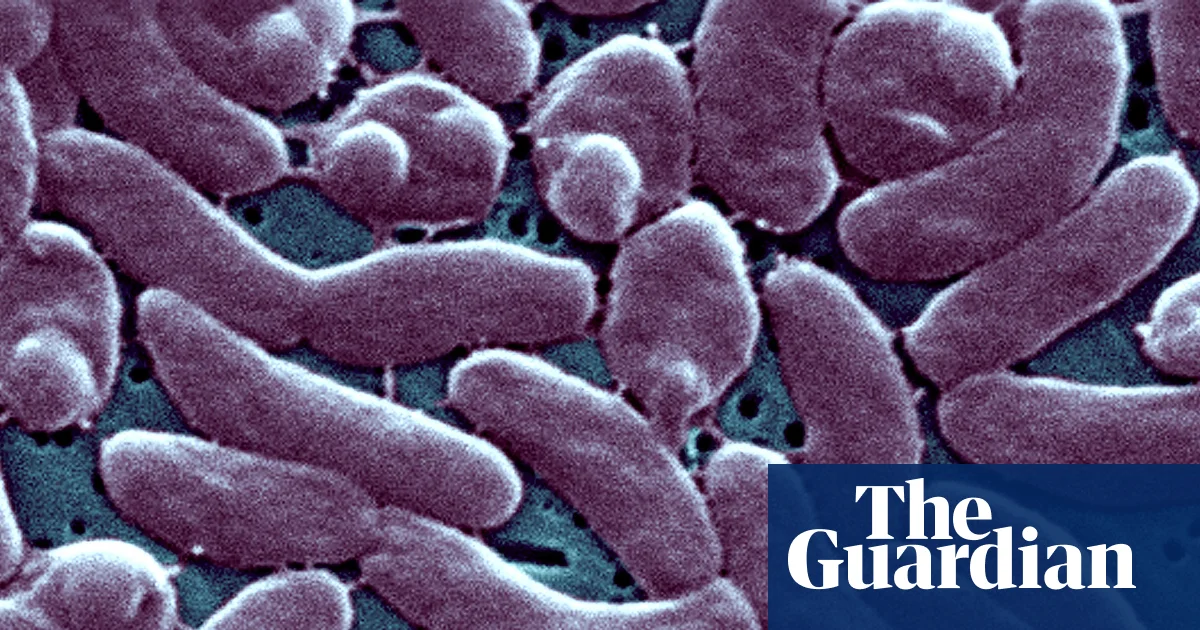
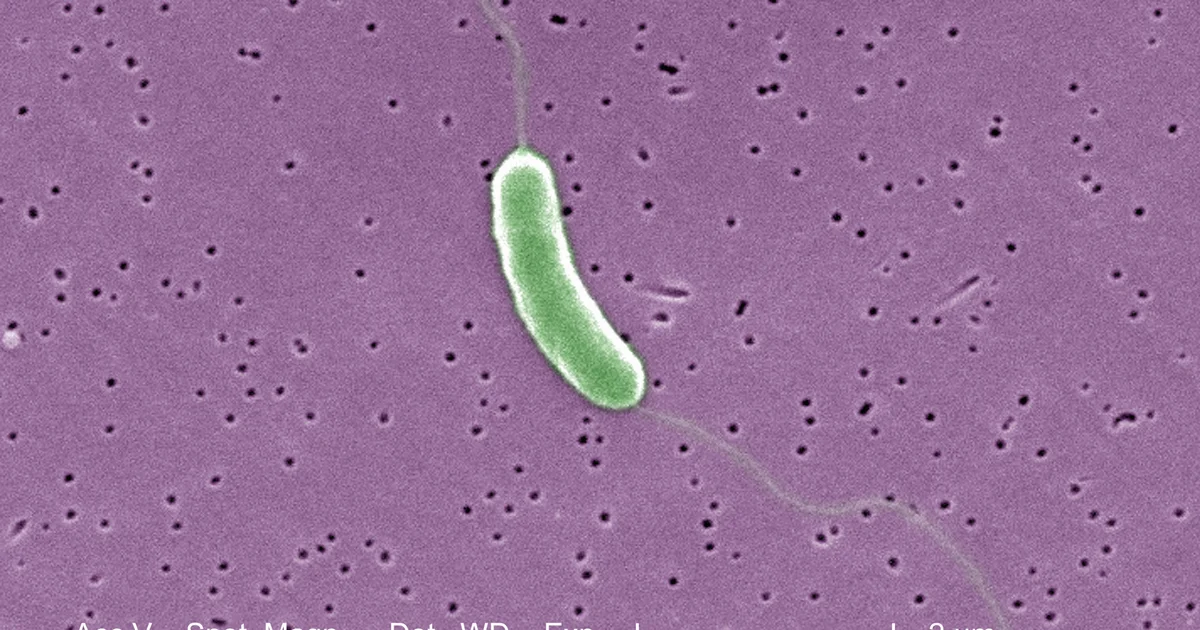
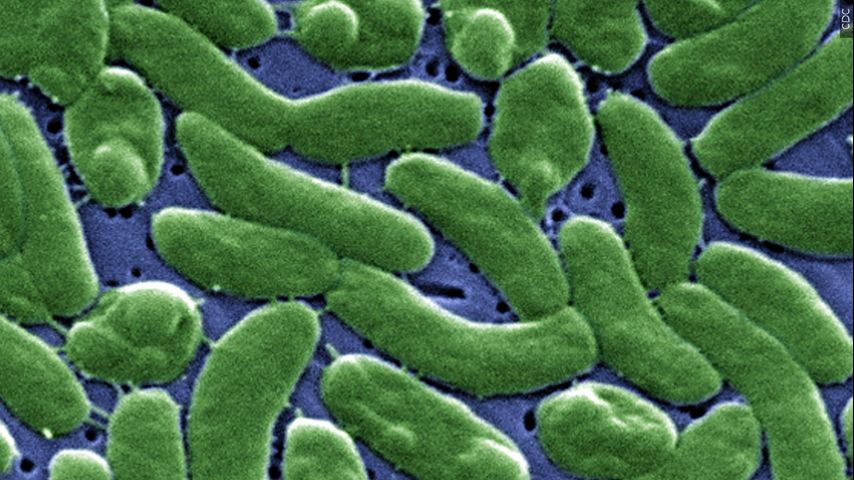
A fifth death in Louisiana highlights the rising threat of the rare, deadly bacteria Vibrio vulnificus, which thrives in warm coastal waters and can cause severe infections, especially through open wounds or raw seafood, with cases increasing due to warming oceans.
Louisiana has reported five deaths in 2025 from Vibrio vulnificus, a flesh-eating bacterium in warm coastal waters, significantly higher than the usual annual average, likely linked to rising sea temperatures due to climate change. Most cases involved wounds exposed to seawater, with many patients having underlying health conditions. The bacteria pose serious health risks, including death and limb amputation, emphasizing the need for public awareness and caution around coastal waters.
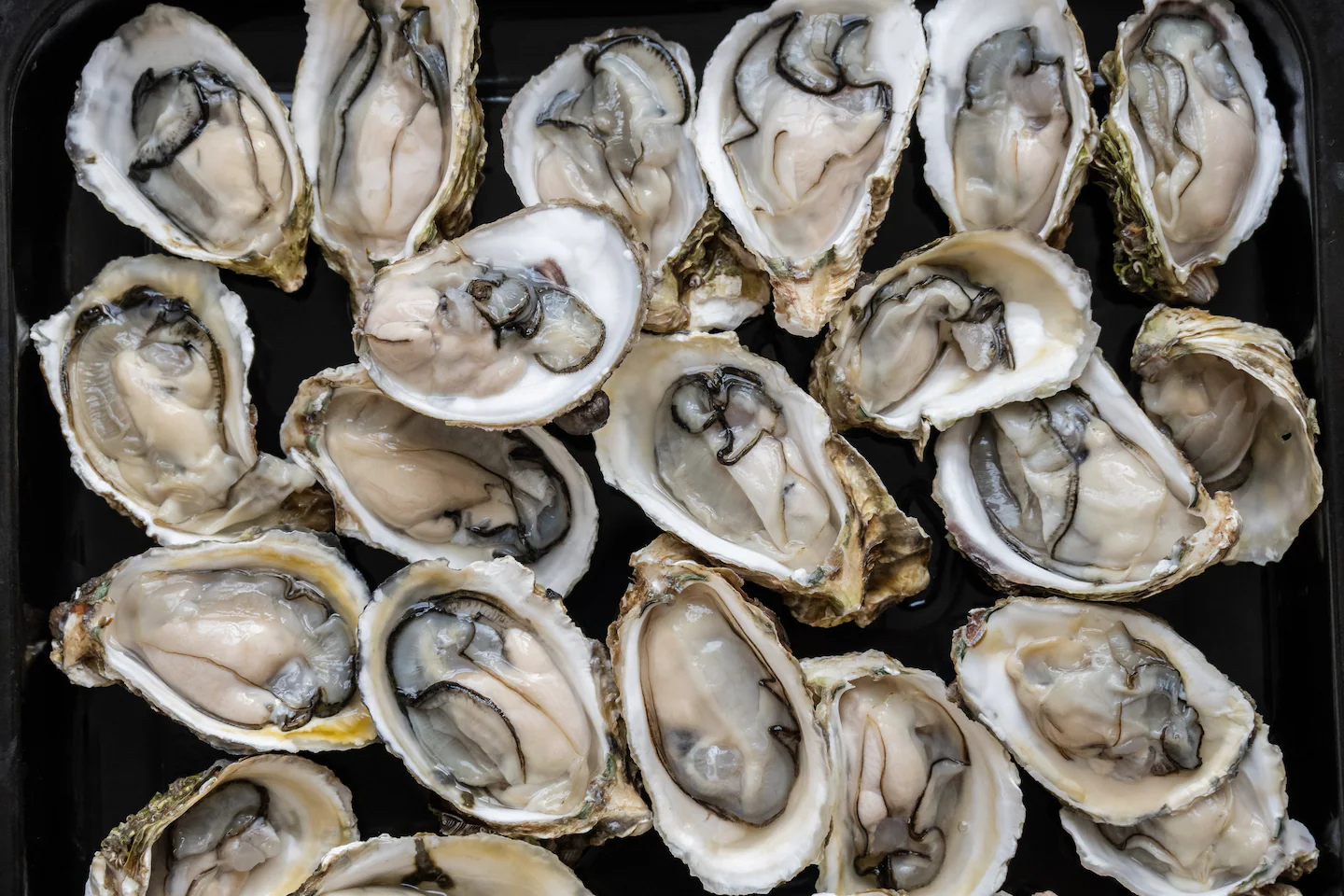
A fifth person has died in Louisiana from Vibrio vulnificus, a rare bacteria found in warm coastal waters, with cases increasing due to warming oceans, and some infections linked to raw oyster consumption.
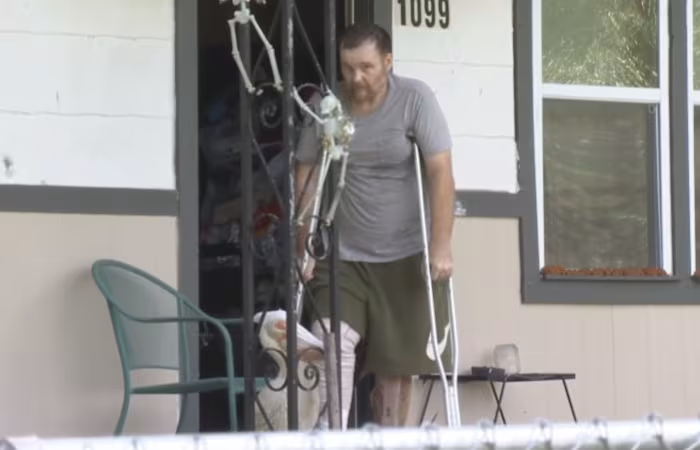
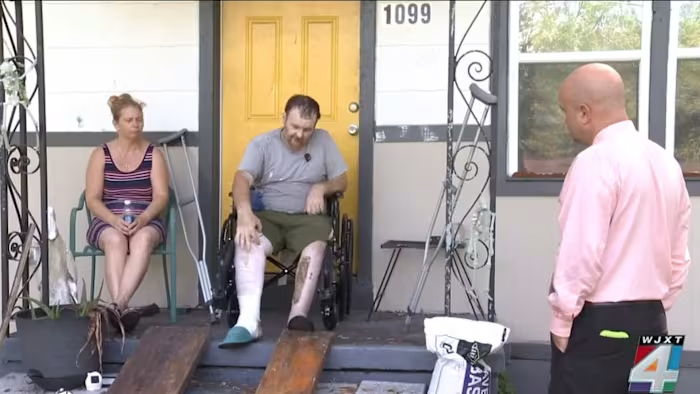
A Jacksonville man with flesh-eating bacteria claims he was discharged early from the hospital due to lack of insurance, but the hospital states they treat all patients compassionately and encourage financial assistance. The man is now worried about his health and his business, but his leg may avoid amputation. The CDC provides guidelines to prevent such infections.
Louisiana has reported its fifth death this year from Vibrio vulnificus, a flesh-eating bacteria found in coastal waters, with 26 cases so far—significantly higher than the annual average—mainly affecting individuals with open wounds or seafood exposure, and most patients having underlying health conditions.
A Jacksonville man, Nate Manor, was hospitalized for weeks after contracting flesh-eating bacteria, likely from cutting weeds and grass near his home, and is now recovering with skin grafts. He expresses pain and concern about his recovery, supporting himself through his irrigation business without insurance, while health officials advise precautions to prevent such infections.
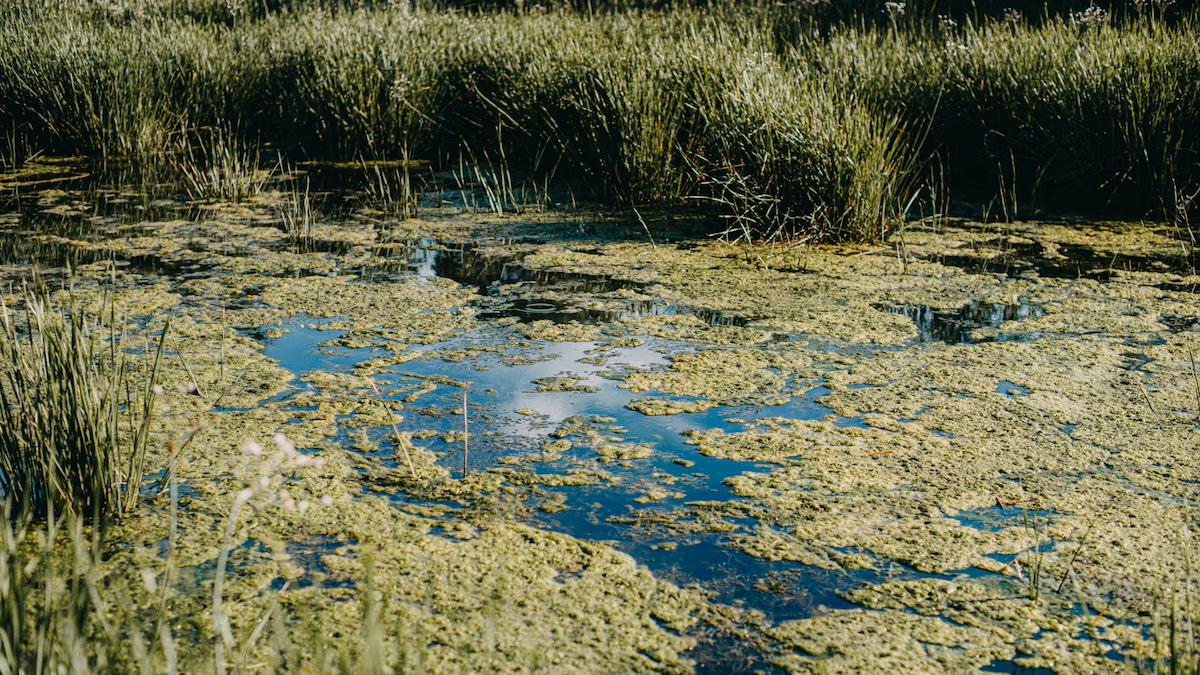
Climate change is increasing the prevalence of flesh-eating bacteria like Vibrio vulnificus in warmer, brackish waters, leading to more infections, especially as global temperatures rise and people spend more time in water, with vulnerable populations at higher risk. The rise in sea temperatures and extreme weather events are contributing to the spread and severity of waterborne pathogens, posing growing health risks.
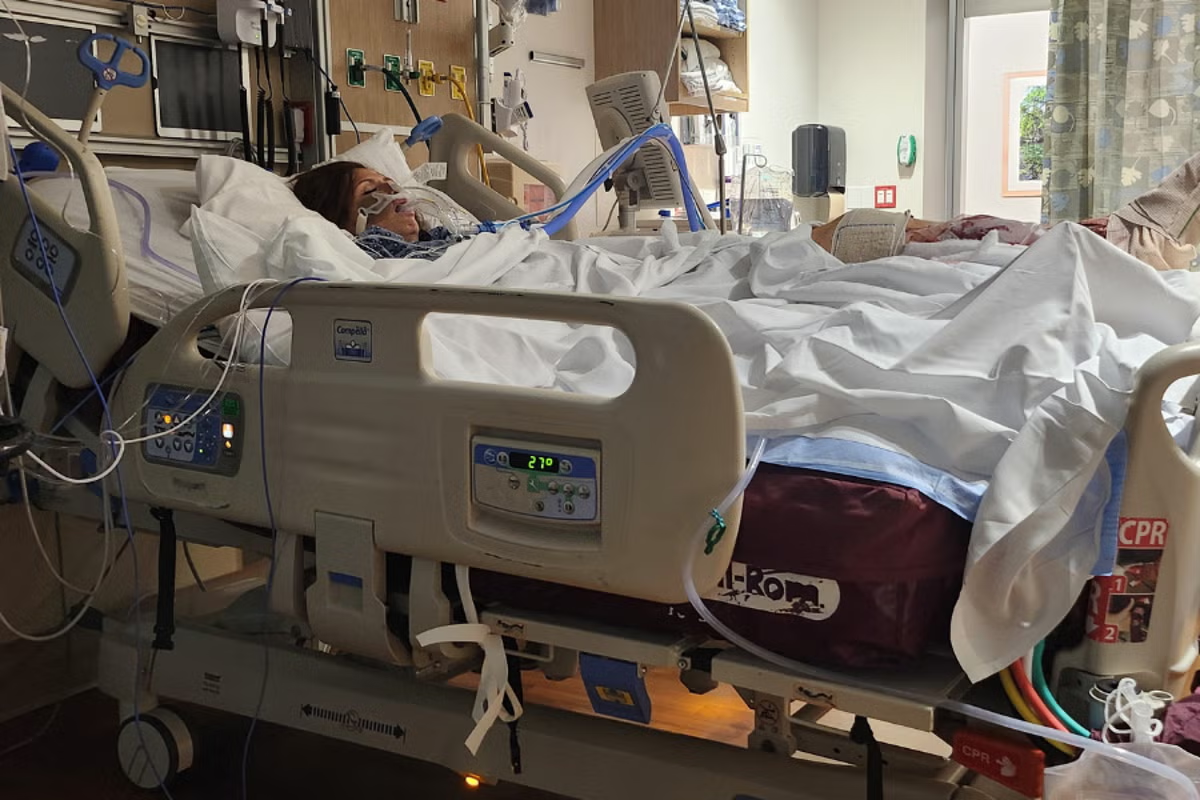
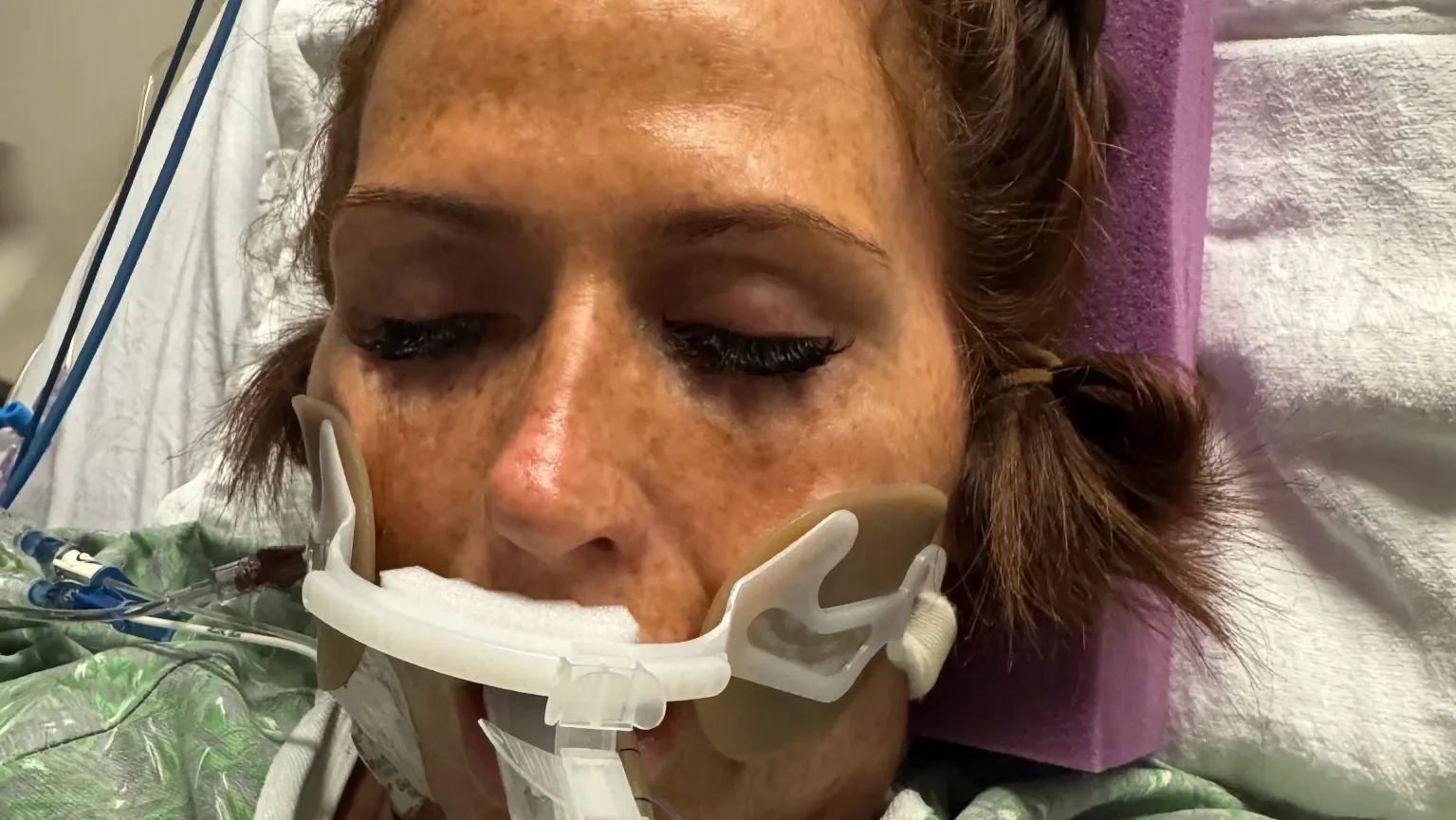
A Florida mother nearly died after contracting a deadly flesh-eating bacterial infection, Vibrio vulnificus, from a small cut while at the beach, leading to severe illness and multiple surgeries. She warns others to be cautious of water risks, especially with cuts or shaving.
Multiple states have reported cases of a deadly flesh-eating bacteria that can be transmitted through raw oysters, highlighting the importance of caution when consuming raw seafood.
Health officials in Florida warn residents about an increase in flesh-eating bacterial infections caused by Vibrio vulnificus, with 25 cases and five fatalities reported this summer, primarily in coastal areas where warm seawater promotes bacterial growth. Precautions are advised for those in affected regions.
A Florida woman contracted a deadly flesh-eating bacteria, Vibrio vulnificus, after swimming in Santa Rosa Sound, leading to multiple surgeries and the potential loss of her leg, highlighting the dangers of seawater wounds and the importance of caution when swimming in warm, stagnant waters.
Genevieve Gallagher contracted vibrio, a flesh-eating bacteria, after swimming in Santa Rosa Sound at Pensacola Beach, leading to severe infections and multiple surgeries to save her leg, highlighting the dangers of such infections from water activities.
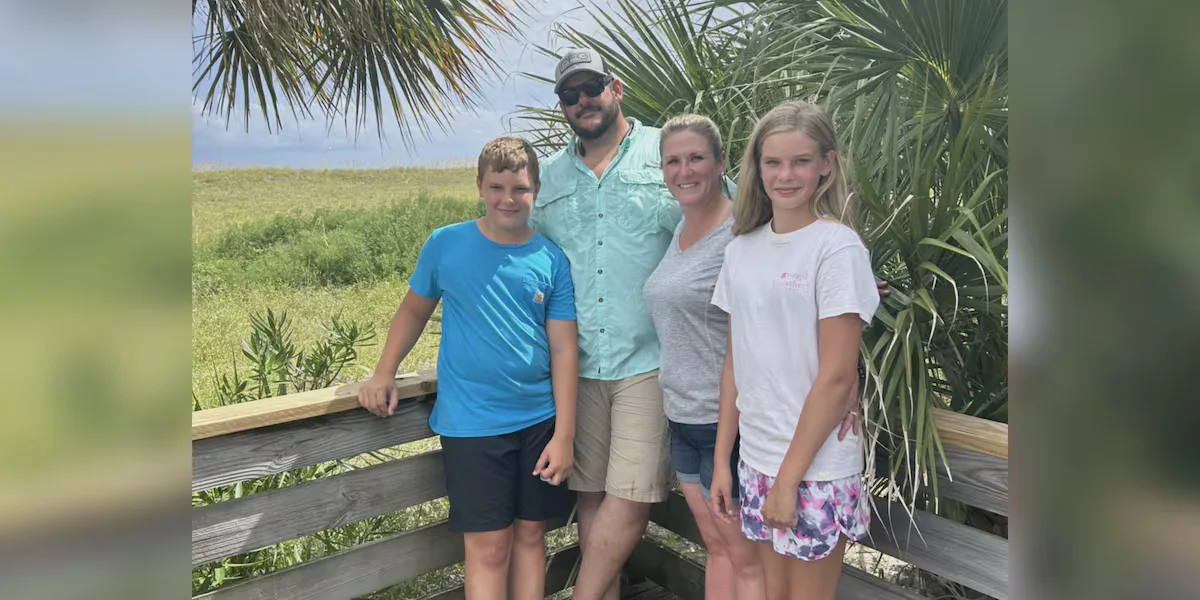
A Florida man is critically ill after contracting Vibrio Vulnificus, a flesh-eating bacteria, following a crabbing and fishing trip, leading to multiple surgeries and a fight for his life, with his family relying on faith and fundraising efforts for medical expenses.