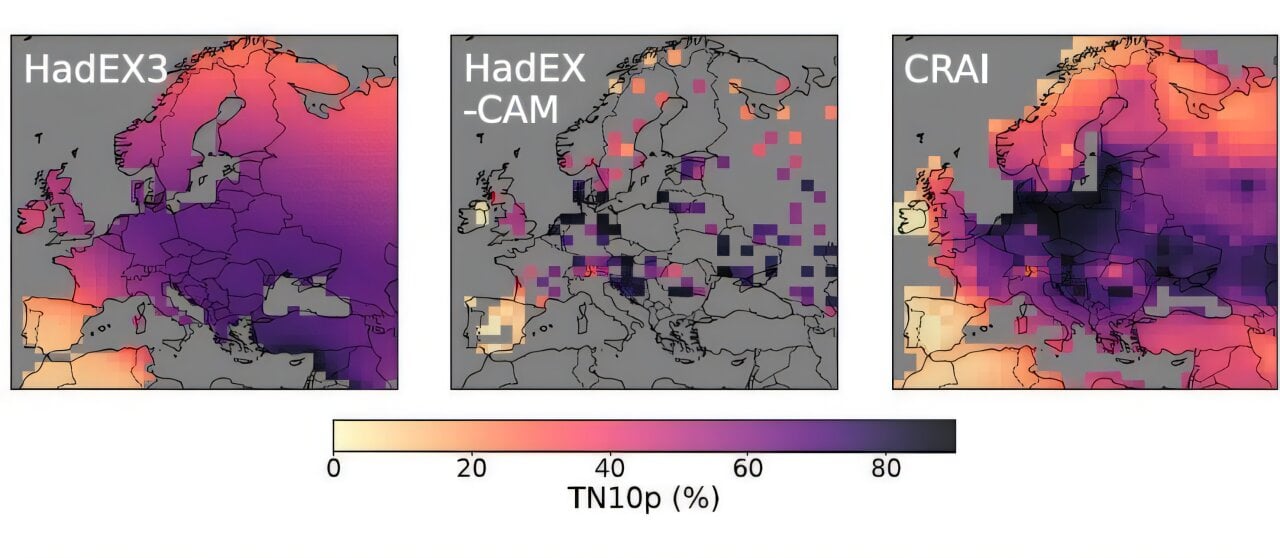
Researchers have utilized artificial intelligence to analyze historical climate data, uncovering previously undetected temperature extremes in Europe. The AI-based method, called Climate Reconstruction AI (CRAI), outperformed traditional statistical techniques in reconstructing past climate events, revealing unknown cold spells and heat waves. This approach highlights AI's potential to enhance understanding of climate extremes, especially in regions with sparse data, and suggests broader applications for global climate analysis.

A new study reveals that early 20th-century ocean temperatures were colder than previously thought, challenging existing climate models. This discrepancy, found to be about 0.26 degrees Celsius, suggests inaccuracies in historical ocean temperature data due to changing measurement methods. The findings, however, do not alter the understanding of long-term global warming since 1850 but provide better insights into historical climate variability and improve future climate models.
Despite a 7% rise in May, XRP may face a downturn in June based on historical data, which shows an average return of -5.59% and a median return of -8.92% for the month. Investors should be cautious as past trends indicate a high probability of negative returns for XRP in June.
The S&P 500 closed at a new record high, breaking a streak of 512 trading days without a fresh record closing high. The move came amid uncertainty over a March interest-rate cut by the Federal Reserve and a renewed rise in Treasury yields. Historical data suggests that a return to record territory after a gap of at least a year has led to positive returns a year later. The Dow Jones Industrial Average also closed at a record high, while the Nasdaq Composite surged, with analysts noting that the rally to new highs historically leads to positive returns.
The average cost of American homes has fluctuated significantly over the past 80 years, with prices increasing due to inflation. In 1940, the average cost of a home was $2,938, equivalent to $64,372.84 in 2024 dollars. By 1988, the average cost had surged to $151,200, which would be $374,032.22 in 2024. The housing market has experienced major ups and downs, and part two of the series will explore the 21st century's developments.
The stock market has a good chance of hitting record highs next week due to the Santa Claus rally, a seven-day trading window that historically sees stocks rise 79% of the time with an average gain of over 1%. The rally, which begins on December 22 and ends on January 3, has been a reliable indicator of positive market performance. If the rally fails to materialize, it could be a warning sign for a weak start to the coming year.
The S&P 500 has had a strong year, with a potential gain of 22.8% including dividends, following a bear market in 2022. Historical data suggests that in the nine instances where the index rebounded after a loss, it continued to post gains the following year. Factors such as stimulus dollars, low interest rates, and potential rate cuts in 2024 could further fuel the stock market rally. Specific stocks that may benefit from a decline in interest rates include Redfin, AI stocks like Nvidia and Microsoft, and cybersecurity company Palo Alto Networks. For risk-averse investors, Berkshire Hathaway is considered a safe bet. However, it's important to note that past performance does not guarantee future results.
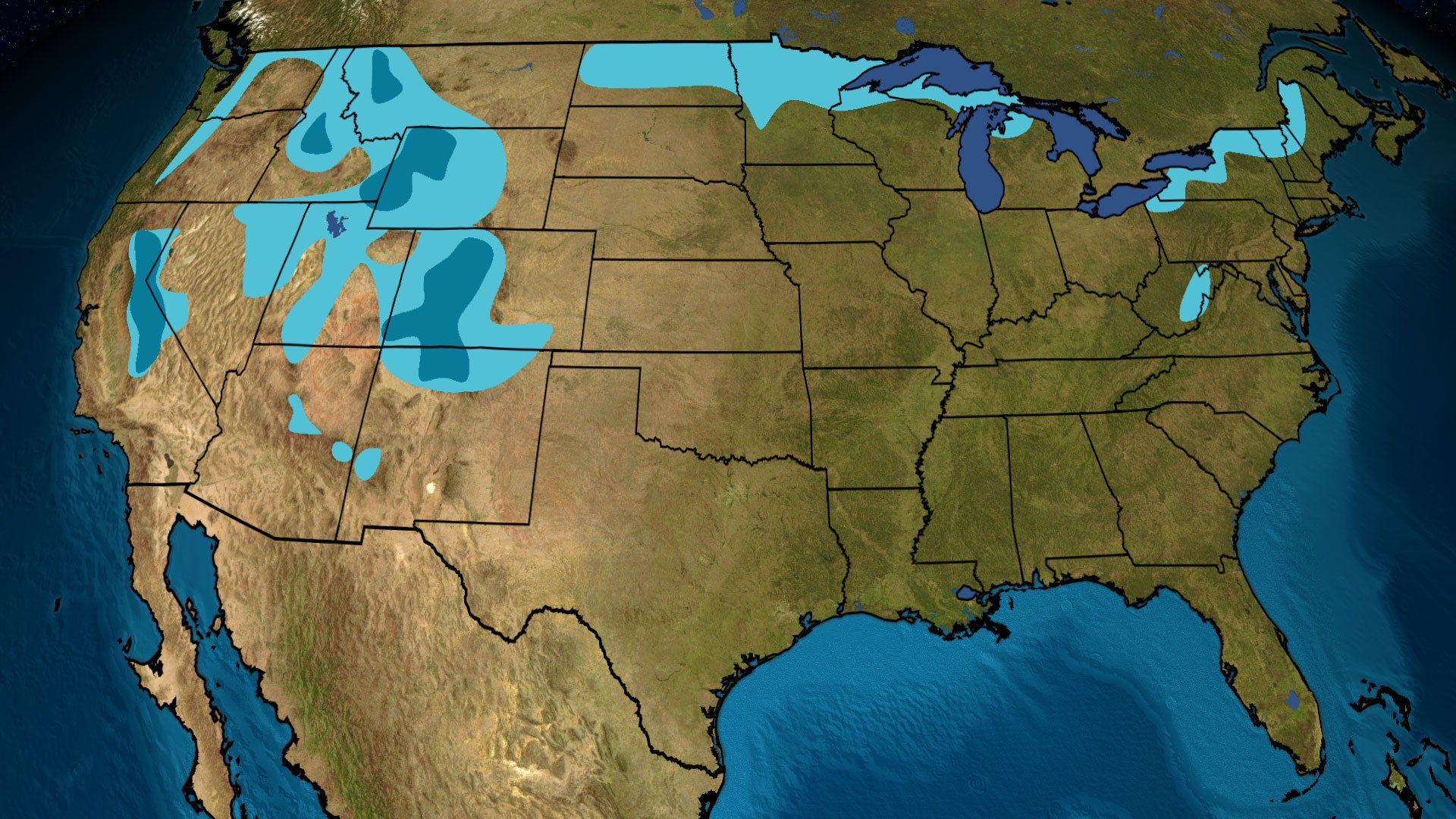
The forecast for a white Christmas in the Lower 48 states of the U.S. this year is not favorable, with warmer temperatures and drier conditions expected. Areas near the Canadian border and higher western elevations have the best chance of snow. Last year, over half of the contiguous U.S. experienced a white Christmas, but this year's forecast suggests limited snow cover. Historical data shows that the probability of a white Christmas varies widely from year to year, with the Mountain West, far northern tier, and northern New England having the highest odds.
The U.S. money supply is shrinking for the first time since the Great Depression, with M2 money supply falling by 4.51% since July 2022. This decline, along with a drop in commercial bank credit, raises concerns about potential trouble for the stock market. While the Federal Reserve and government have tools to mitigate the impact, historical data shows that declines in money supply have been accompanied by economic downturns. However, long-term investors have historically been rewarded, as all 104 rolling 20-year periods in the S&P 500 have generated a profit.
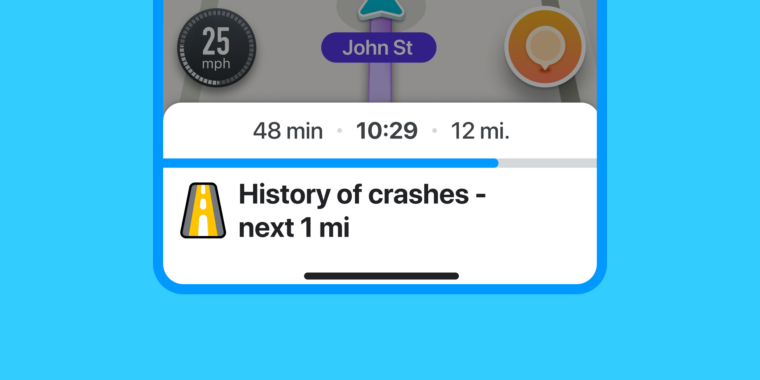
Waze, the popular traffic navigation app, is introducing a new feature called crash history alerts. By combining historical crash data with road and traffic information, the app will warn drivers about dangerous areas on their routes. To minimize distractions, the alerts will not be shown on familiar roads and will be limited on unfamiliar roads. Waze, which was acquired by Google in 2013, has been integrating its features into Google Maps and continues to leverage its crowd-sourced traffic data to enhance driver safety.
August has historically been both the best and worst month for the stock market, depending on the period analyzed. From 1896 to 1986, August outperformed other months by 1.4 percentage points. However, since 1986, August has been the worst month, lagging behind other months by 1.7 percentage points. The change in August's performance remains unexplained, with no significant shifts in economic uncertainty or investor sentiment. It is likely a random occurrence, highlighting the importance of skepticism when analyzing patterns in the stock market.
Google Analytics will stop collecting data in Universal Analytics on July 1, 2023, but users will still have access to their data until July 1, 2024. Google Analytics 4 accounts will be created for those on UA who have not created them yet. After the sunset, users will have Viewer access to historical data and reports in the user interface but not Editor access. Advertisers may have to explore alternative solutions or upgrade to Google Analytics 4, which offers more advanced features for cross-device tracking, machine learning, and privacy controls.