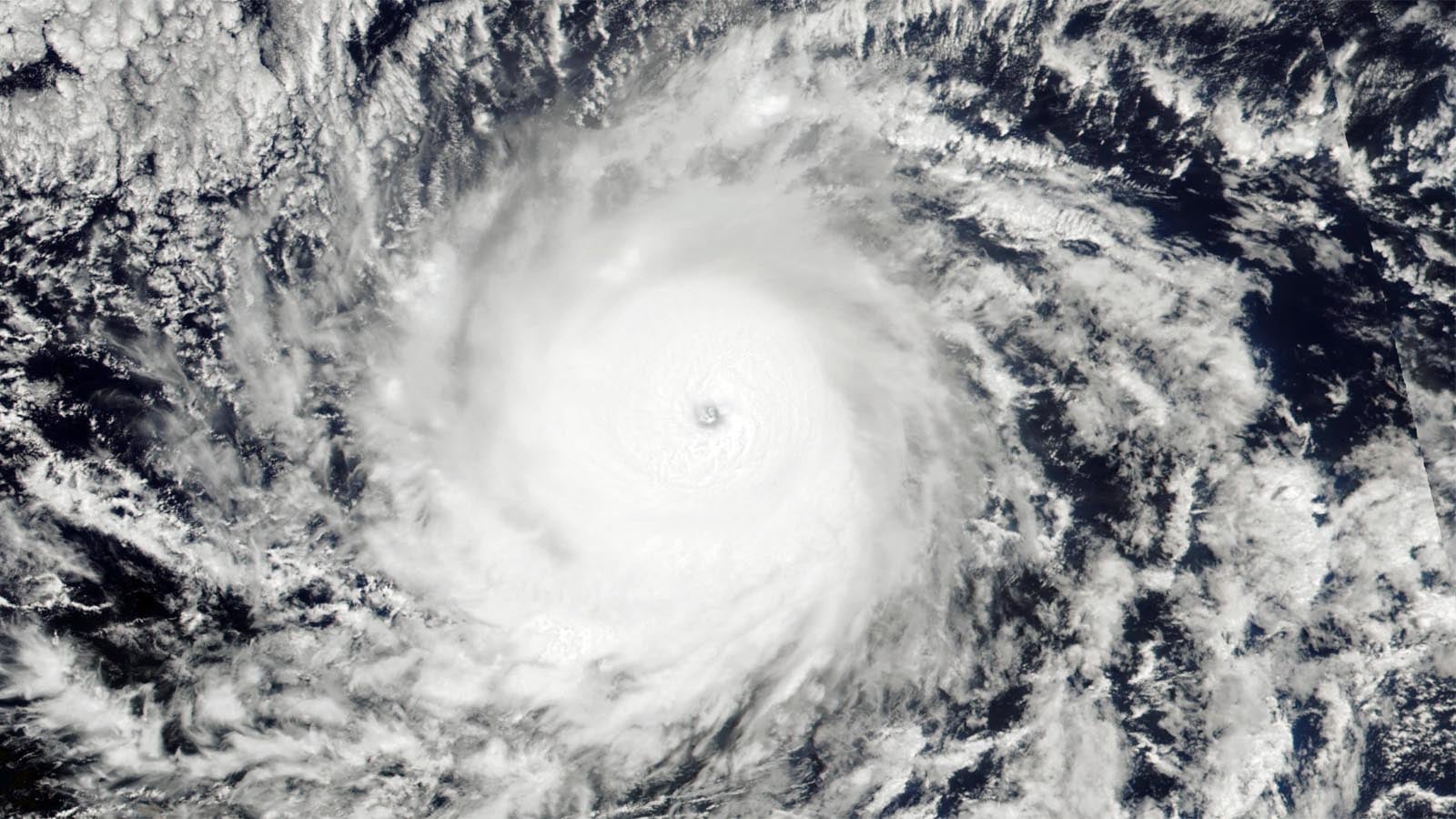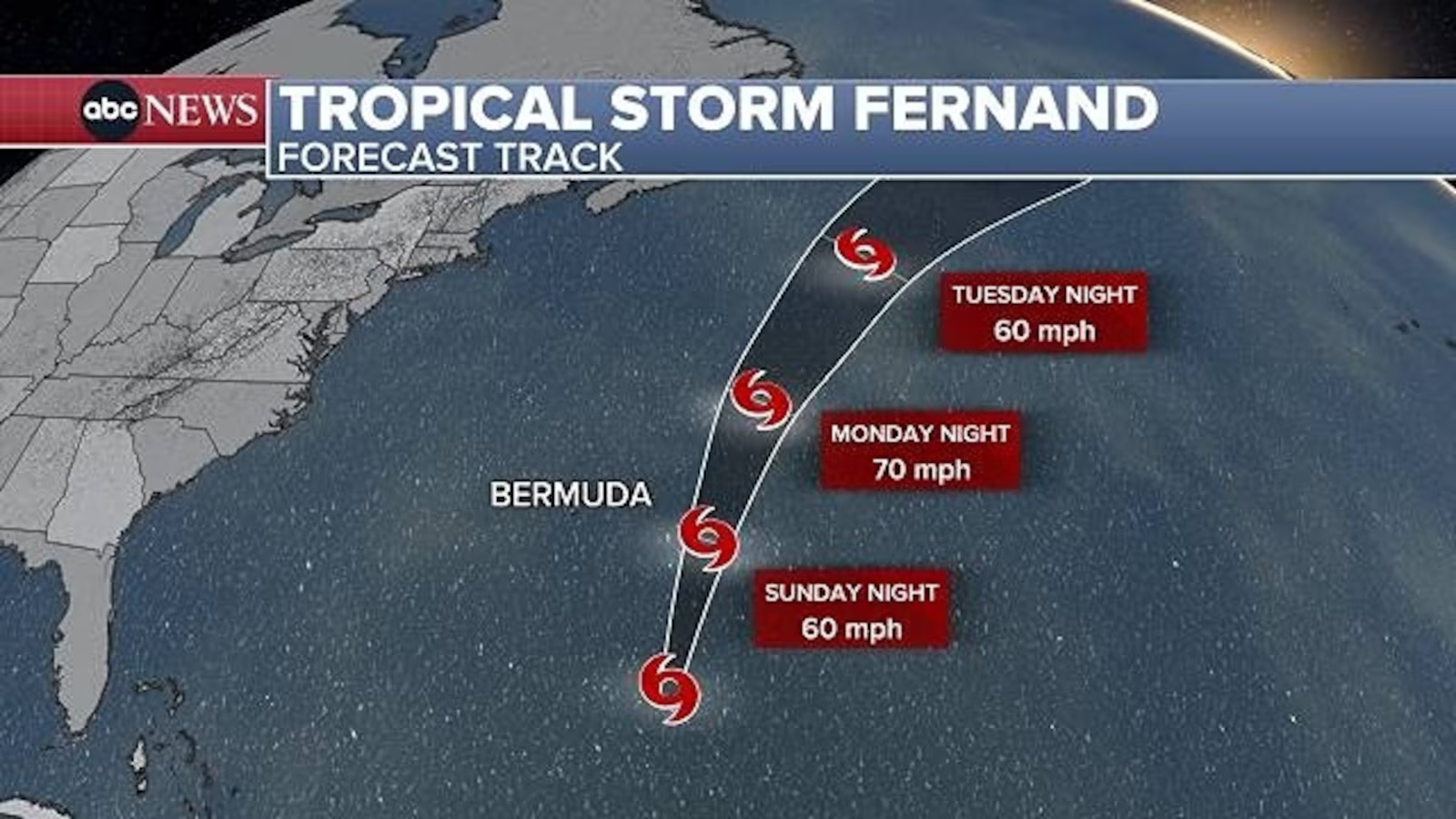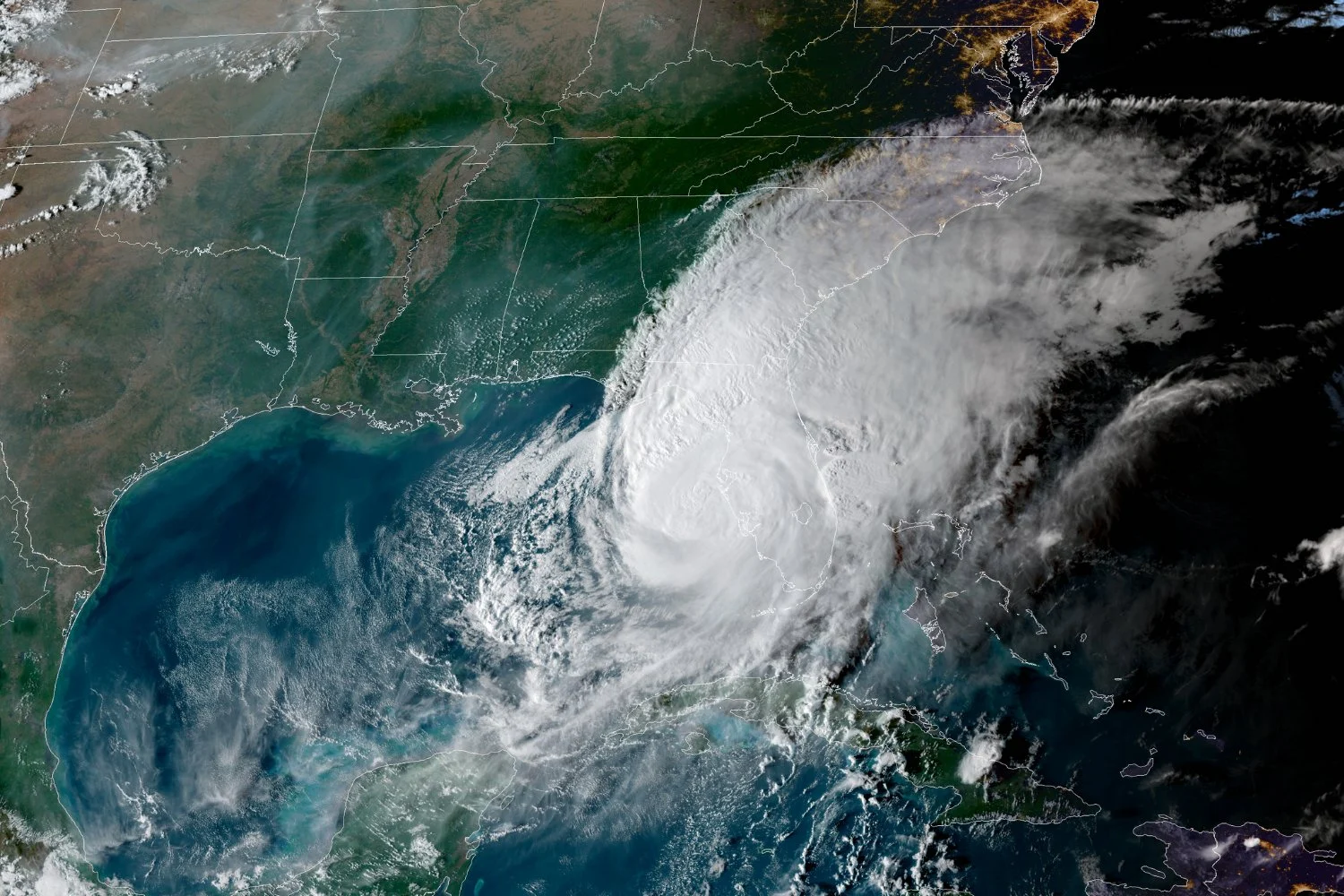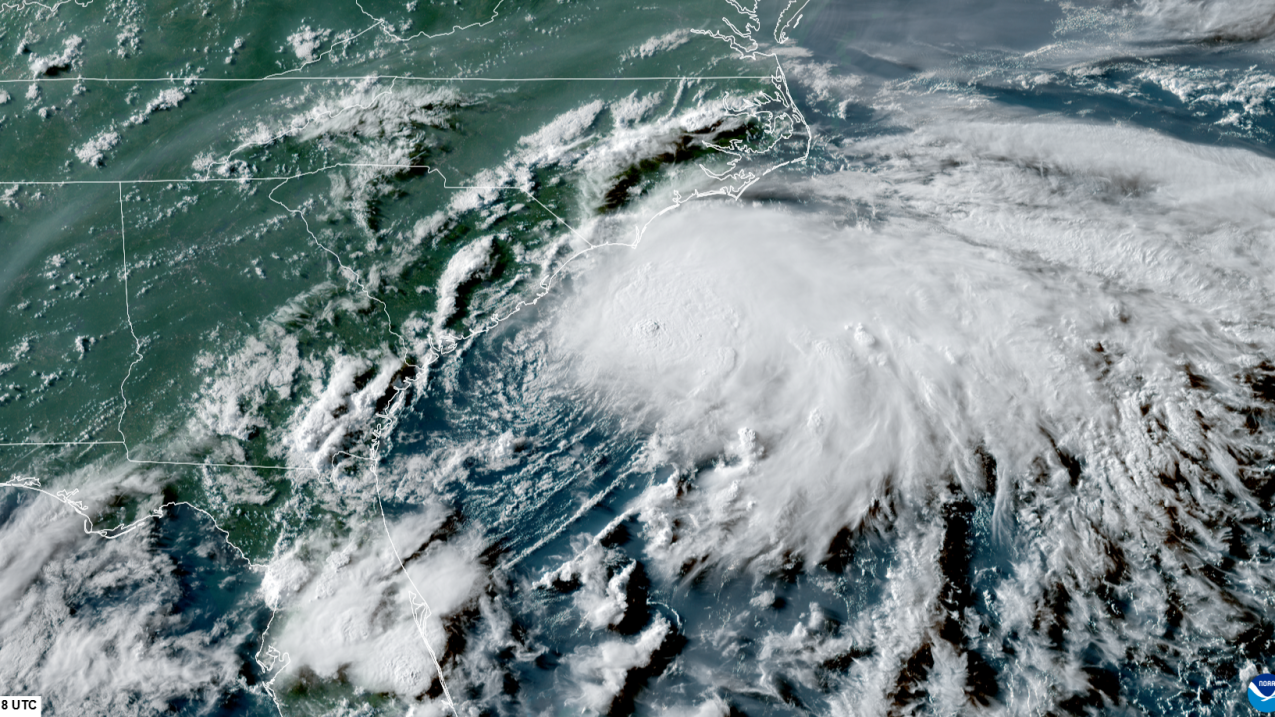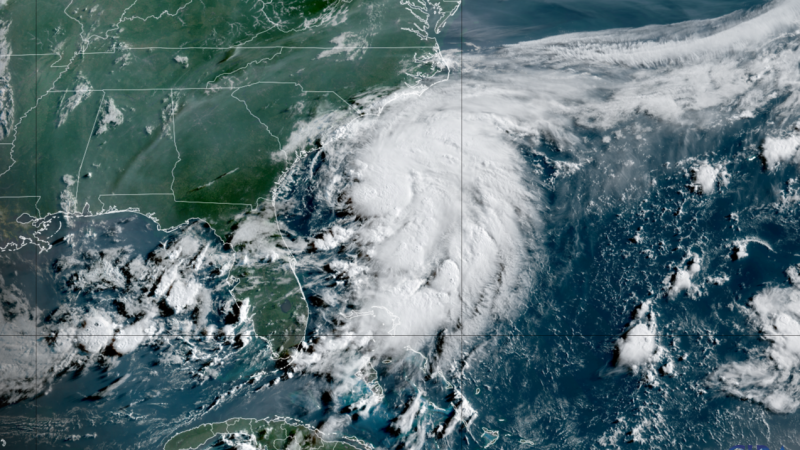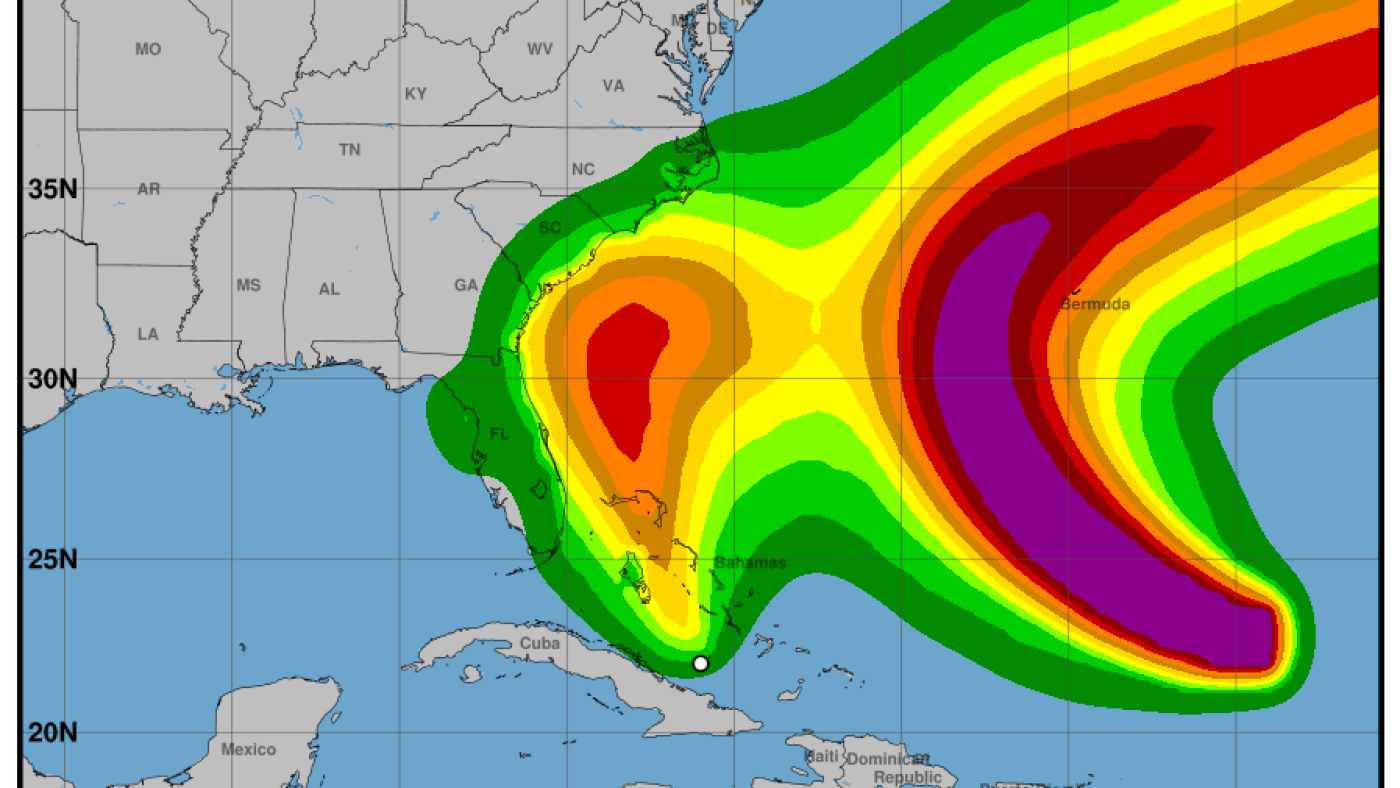
Parts of the southeastern United States are preparing for a potential tropical storm, Tropical Depression 9, which is expected to bring heavy rain, strong winds, and flooding, with the possibility of reaching hurricane strength as it approaches the coast, following a relatively quiet hurricane season so far.
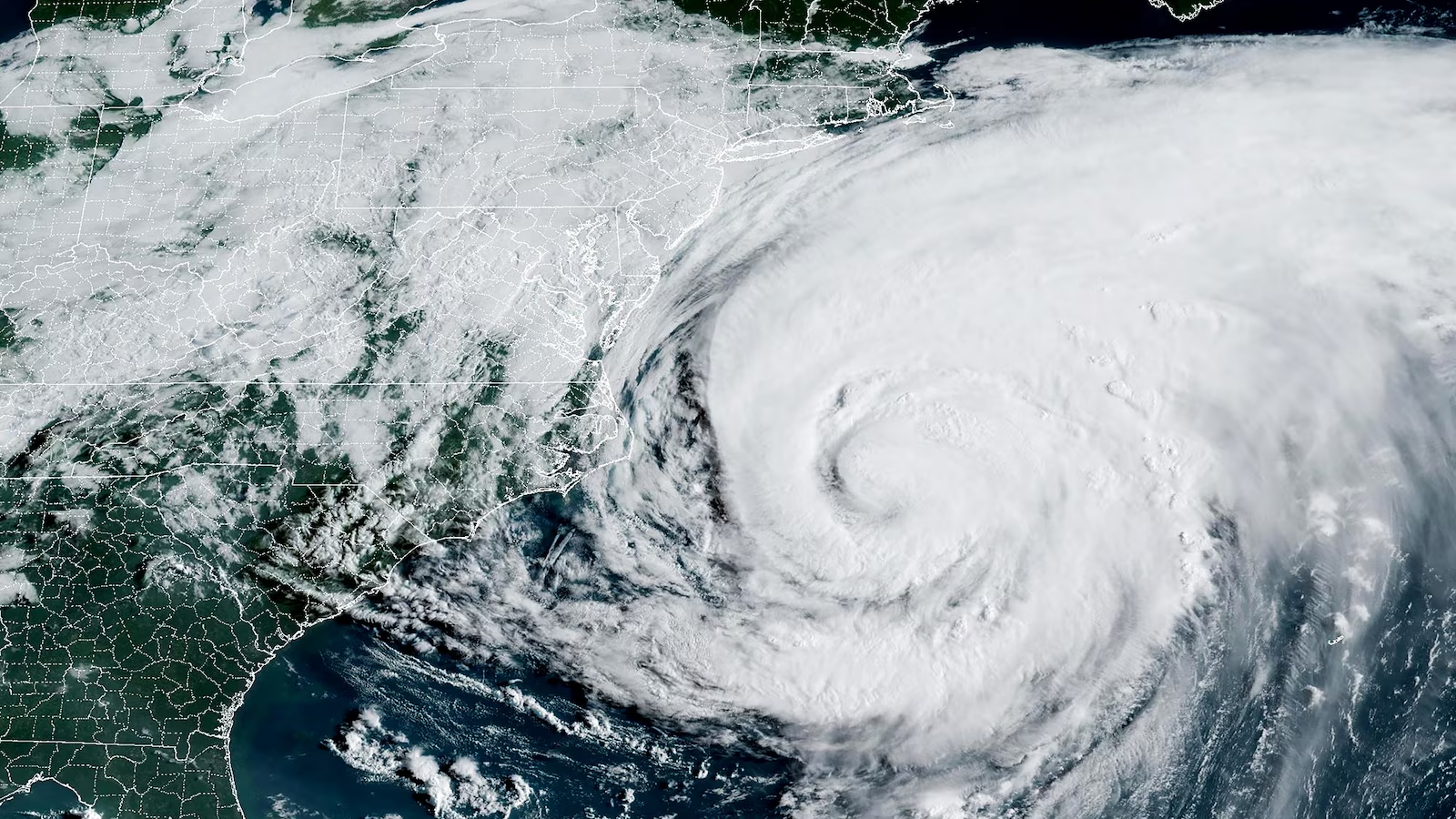
The Atlantic hurricane season is at its peak around September 10, with activity expected to increase in the coming weeks despite current quiet conditions. Forecasters predict a rise in tropical cyclone development later in September and October due to favorable environmental factors, with NOAA forecasting above-normal activity and an increase in named storms, hurricanes, and major hurricanes. Historically, late September and early October are among the most active periods for hurricanes, especially in the Caribbean and Gulf regions.
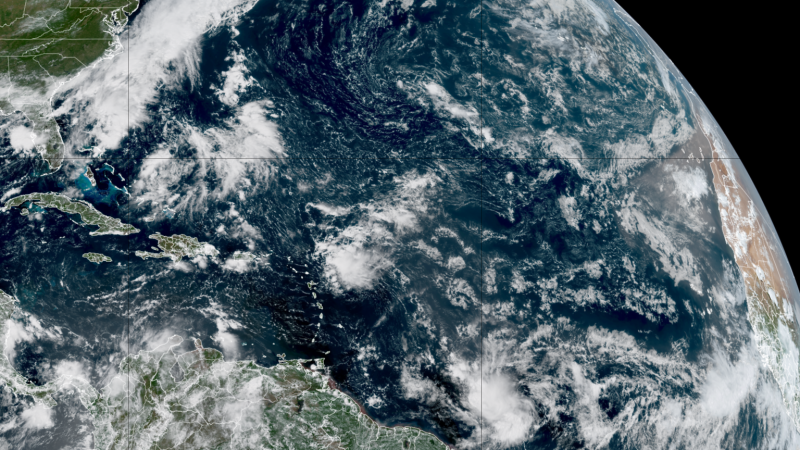
The Atlantic hurricane season has been unusually quiet, with no active storms for the first time since 2016, due to dry air and wind shear despite warm ocean waters. While the peak of the season has passed, the season still has time to produce impactful storms, and residents should remain prepared.
Despite being peak hurricane season, the Atlantic has experienced an unusual quiet period with no named storms for over two weeks, attributed to stable atmospheric conditions and weak Hadley Cell activity, raising questions about climate change impacts on hurricane patterns.
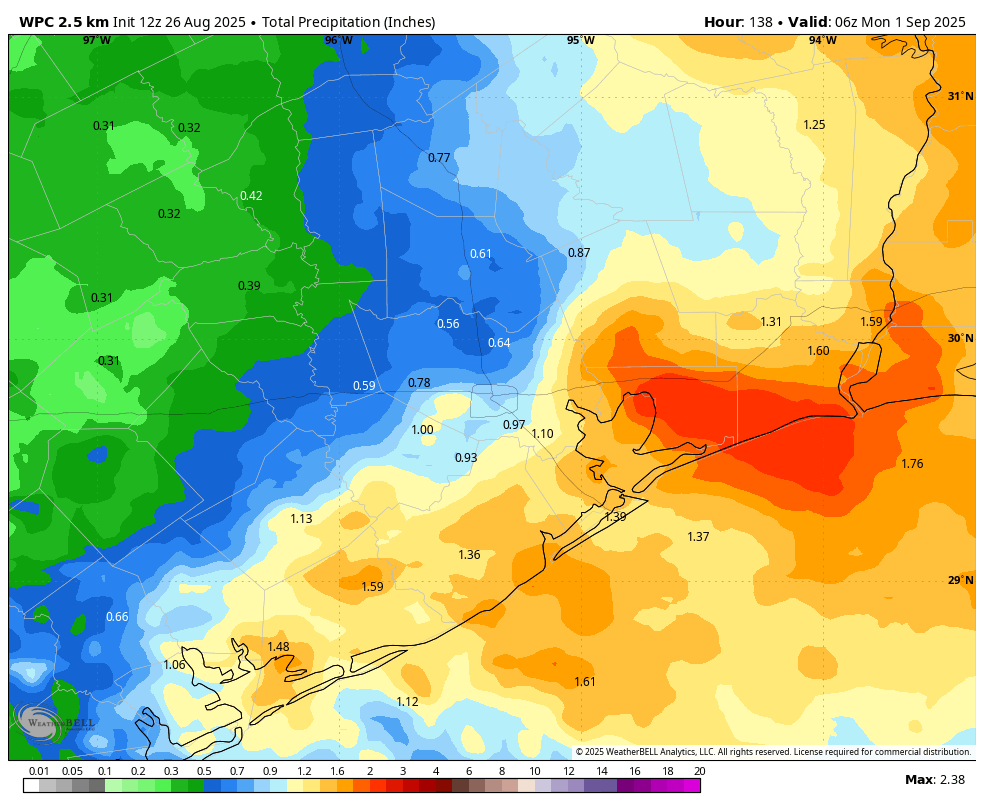
The Atlantic hurricane season is currently quiet for Texas, with minimal activity expected in the next week, but the season isn't over yet. A front will bring cooler temperatures and increased rain chances this weekend, especially around Labor Day, with most of the region receiving 0.5 to 1.5 inches of rain and highs dropping to the upper 80s to low 90s.
Over 50 million Americans in the West are under heat alerts due to a severe heatwave, with record temperatures and increased fire risks, while monsoon storms and tropical disturbances pose additional weather threats across the region and Atlantic. Coastal areas on the East Coast face dangerous rip currents and flooding from lingering storm effects.
The 2025 Atlantic hurricane season, initially slow, is expected to intensify due to record-high ocean surface temperatures and favorable atmospheric conditions, raising concerns about increased storm activity and potential landfalls, driven by climate change and natural oscillations like the Madden-Julian Oscillation.
Forecasters from NOAA predict an above-normal Atlantic hurricane season with 13-18 named storms, including 5-9 hurricanes and 2-5 major hurricanes, driven by warmer sea temperatures and active monsoon conditions, emphasizing the importance of preparedness.
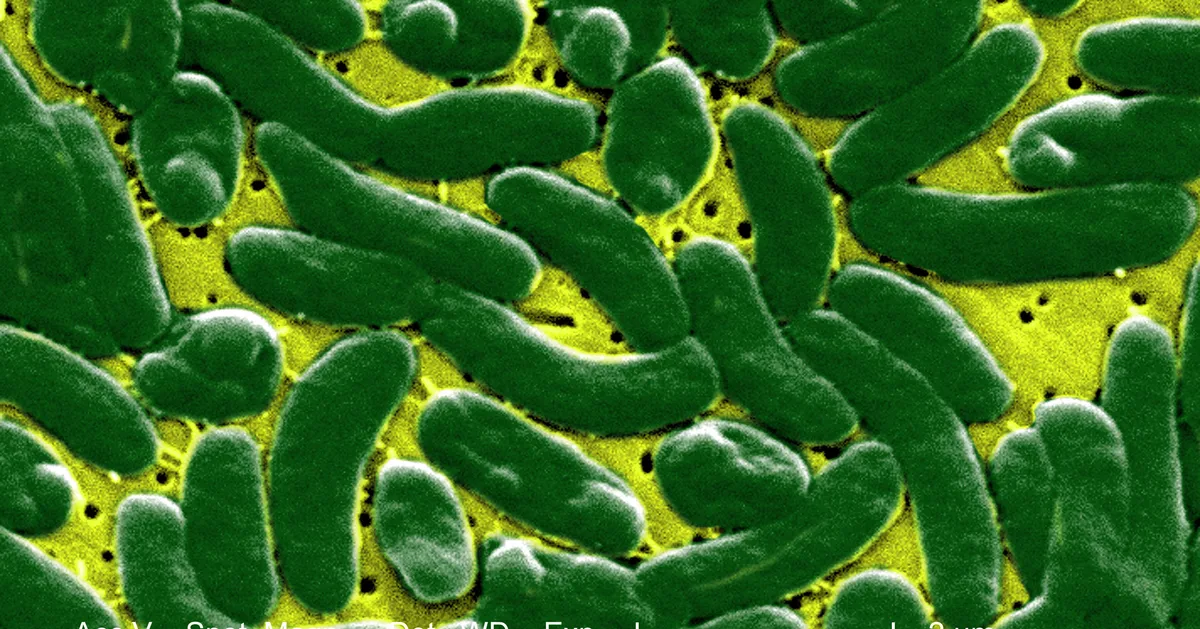
Four deaths in Florida this year from Vibrio vulnificus, a bacteria found in warm seawater that can cause severe infections, especially during hurricane season. The bacteria can infect through open wounds or undercooked shellfish, with symptoms appearing rapidly. Prevention includes avoiding seawater with open wounds and thoroughly cooking shellfish. Early treatment with antibiotics is crucial to prevent severe outcomes or death.
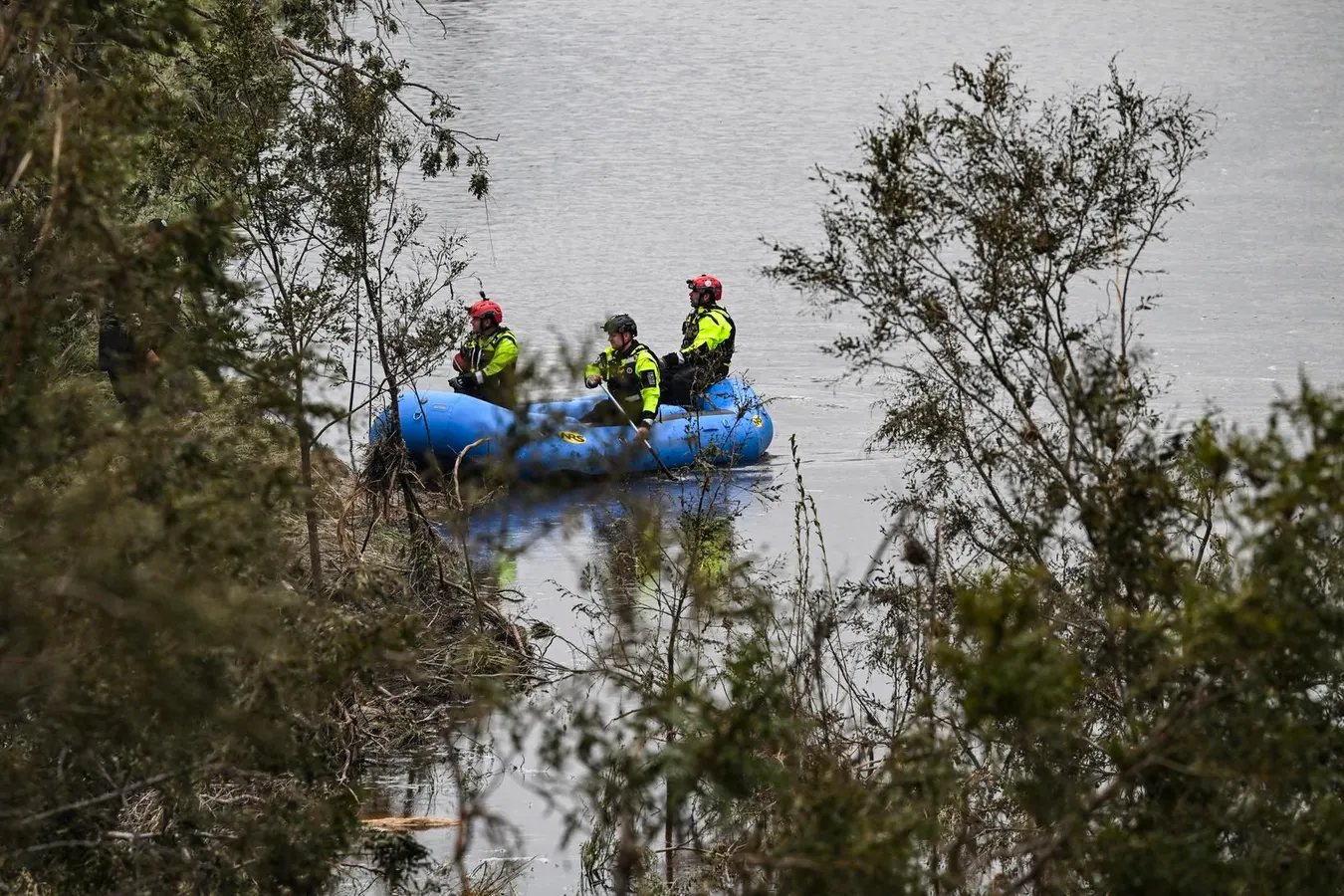
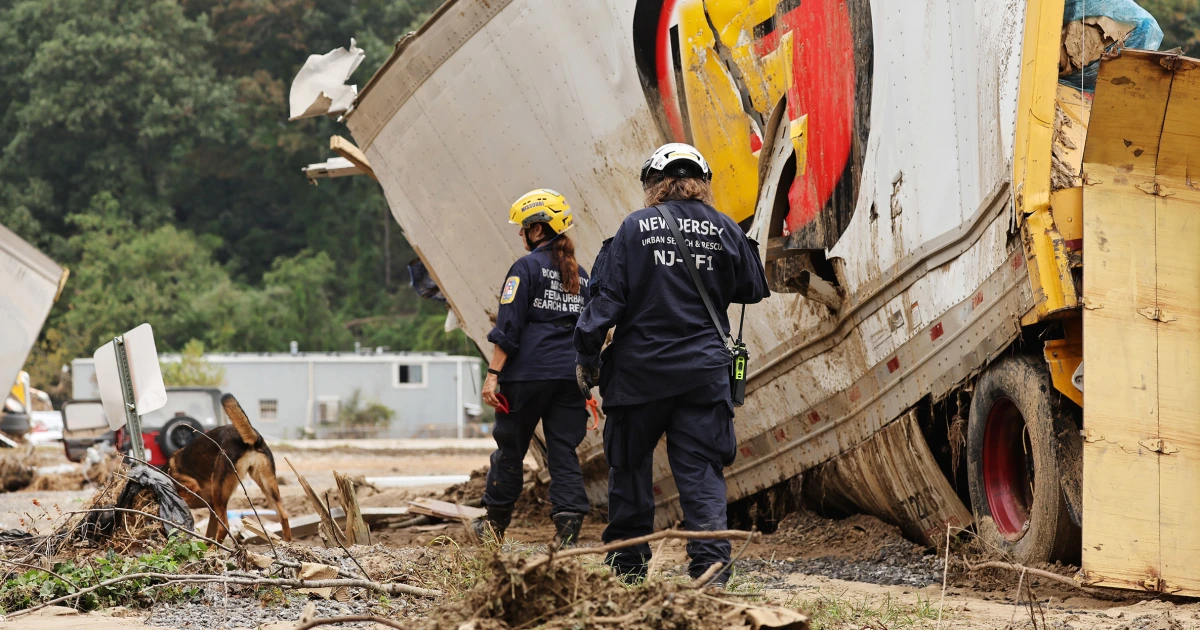
At least 94 people, including 28 children, have died in severe flooding in central Texas, with rescue efforts ongoing and the White House denying blame on Trump for the disaster. The floods, caused by heavy rains and a historic river overflow, have prompted a major disaster declaration, with warnings of potential further flooding amid ongoing rescue operations and concerns over federal funding cuts impacting weather forecasting capabilities.
Tropical Storm Chantal, the first system of the Atlantic hurricane season to impact the US, formed off the Southeast coast and is expected to make landfall in South Carolina, bringing rain, storm surge, and risky beach conditions, while most of the country experiences calm weather for the July 4th weekend.
A potential tropical depression off the southeastern US coast could bring heavy rain and flash flooding to Florida and nearby states this weekend, with forecasters monitoring its development amid an above-average hurricane season influenced by climate change.
Donald Trump announced plans to phase out FEMA after the hurricane season, proposing to distribute disaster relief funds directly from the White House and reduce federal aid to states, signaling a significant shift in disaster response policy.
President Donald Trump announced plans to phase out FEMA after the hurricane season, proposing to distribute disaster relief funds directly from the White House and reduce federal aid to states, signaling a significant shift in disaster response policy.
President Trump announced plans to phase out FEMA after the 2025 hurricane season, shifting disaster response responsibilities to states and reducing federal aid, amid criticism of FEMA's effectiveness and internal turmoil within the agency.