Colorado's snowpack remains significantly below normal due to dry conditions and warm temperatures, with natural variability and La Niña influences playing roles; climate change may be contributing to the record warmth, but its impact on snowfall is less certain.
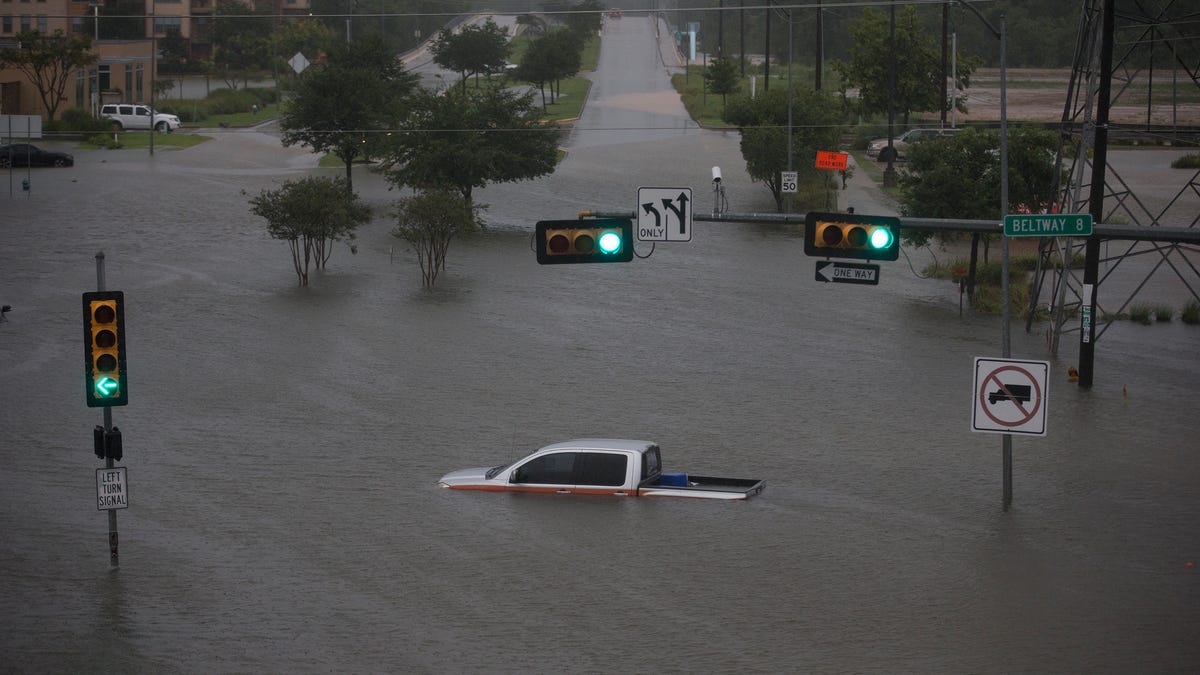
Severe storms across the US coasts and Midwest are causing widespread travel disruptions during the busy holiday season, with over 1,600 flights canceled and major airports affected by snow, rain, and flooding, compounded by the return of La Niña weather patterns.
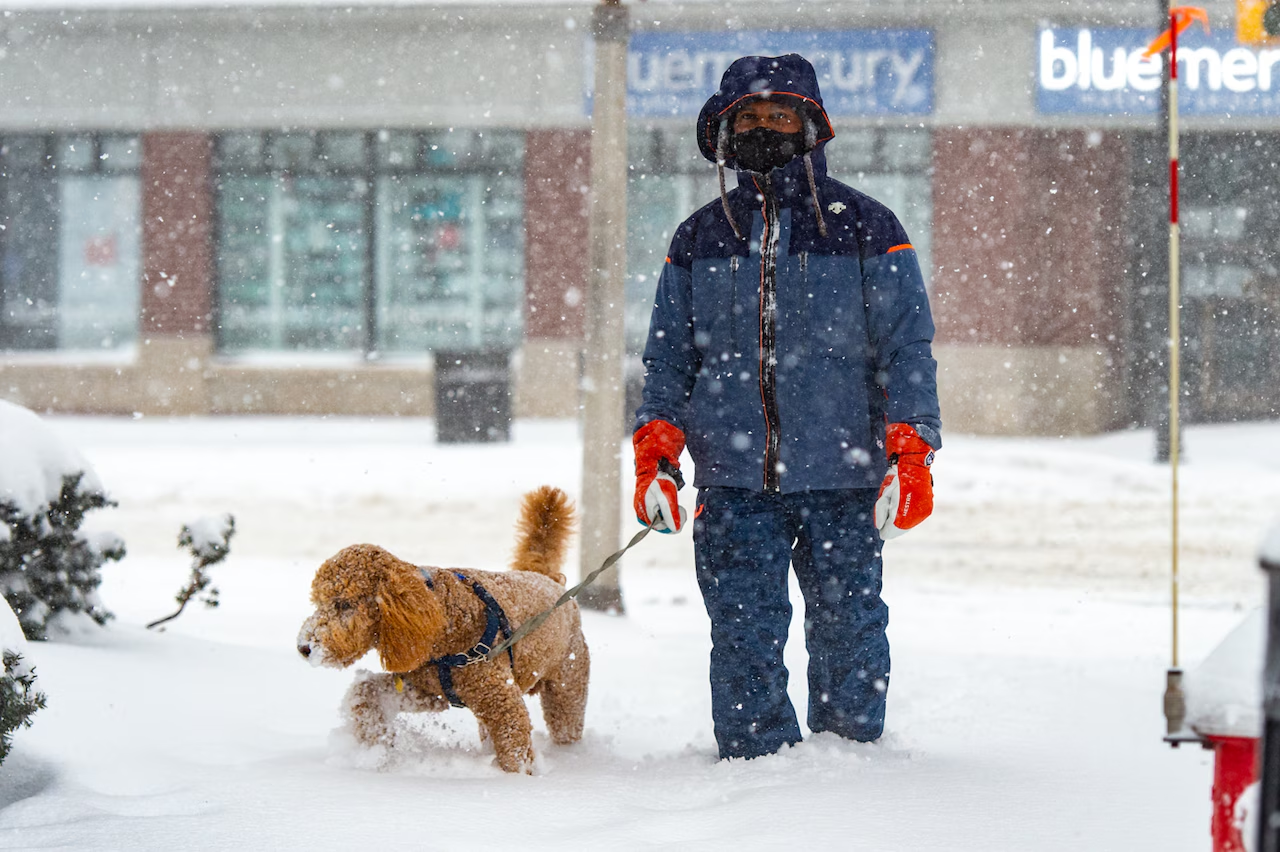
NYC's winter snowfall is expected to be below average this season due to a weak La Niña, with forecasts predicting 15-20 inches of snow, which is less than the 30-year average of nearly 30 inches, though a significant snowstorm cannot be ruled out.
Scientists have linked the Earth's recent off-kilter wobble, known as the Chandler wobble, to a significant La Niña event in 2010-2011, which caused mass anomalies and influenced Earth's rotational axis, with climate change potentially amplifying such effects in the future.
Weather forecasters have issued early predictions for the 2024-2025 winter season in New Jersey, with most expecting warmer than average temperatures and varying snowfall levels. AccuWeather and the Climate Prediction Center anticipate less snow and warmer conditions, while NY NJ PA Weather suggests near-normal temperatures and snowfall, with potential for significant snow in some areas. The Farmers' Almanac predicts above-normal precipitation, while the Old Farmer’s Almanac forecasts a milder winter with less snow. A weak La Niña and warm ocean waters are influencing these forecasts.
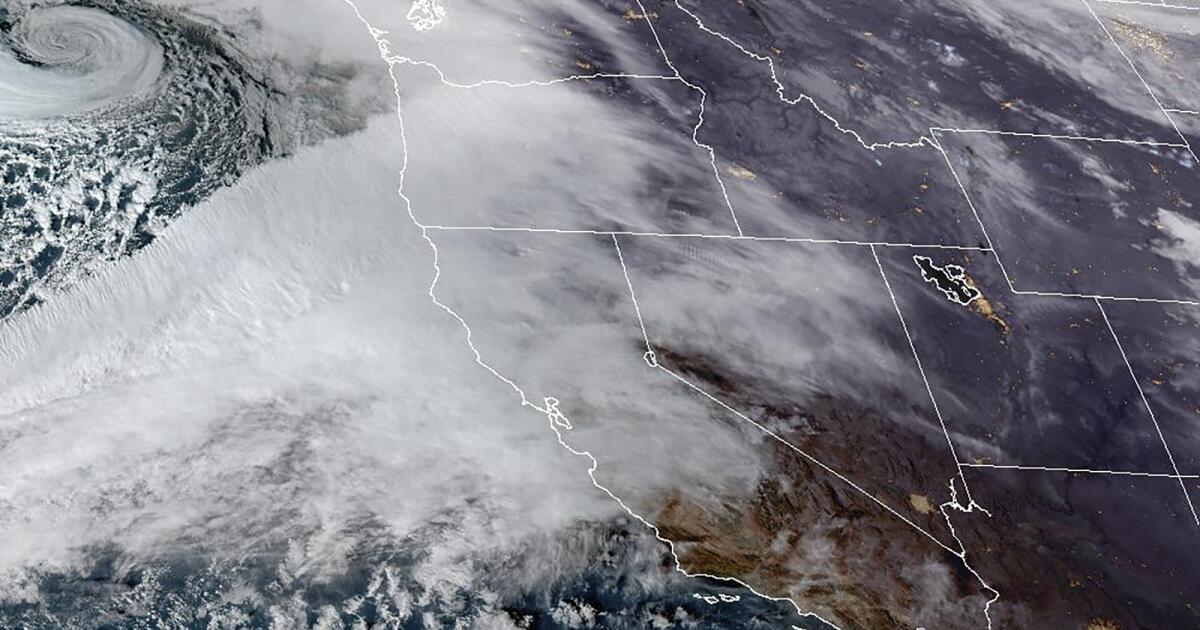
California's rainy season has begun with a powerful atmospheric river storm, intensified by a bomb cyclone, bringing heavy rains and strong winds to Northern California and southern Oregon. The storm is expected to cause life-threatening flooding, power outages, and blizzard conditions in the region. While the rainfall may help alleviate fire risks, it also poses significant flooding threats. The storm's impact on the overall rainy season remains uncertain, with predictions of above-average rainfall in the short term, but long-term forecasts are unclear due to a neutral El Niño-Southern Oscillation cycle.
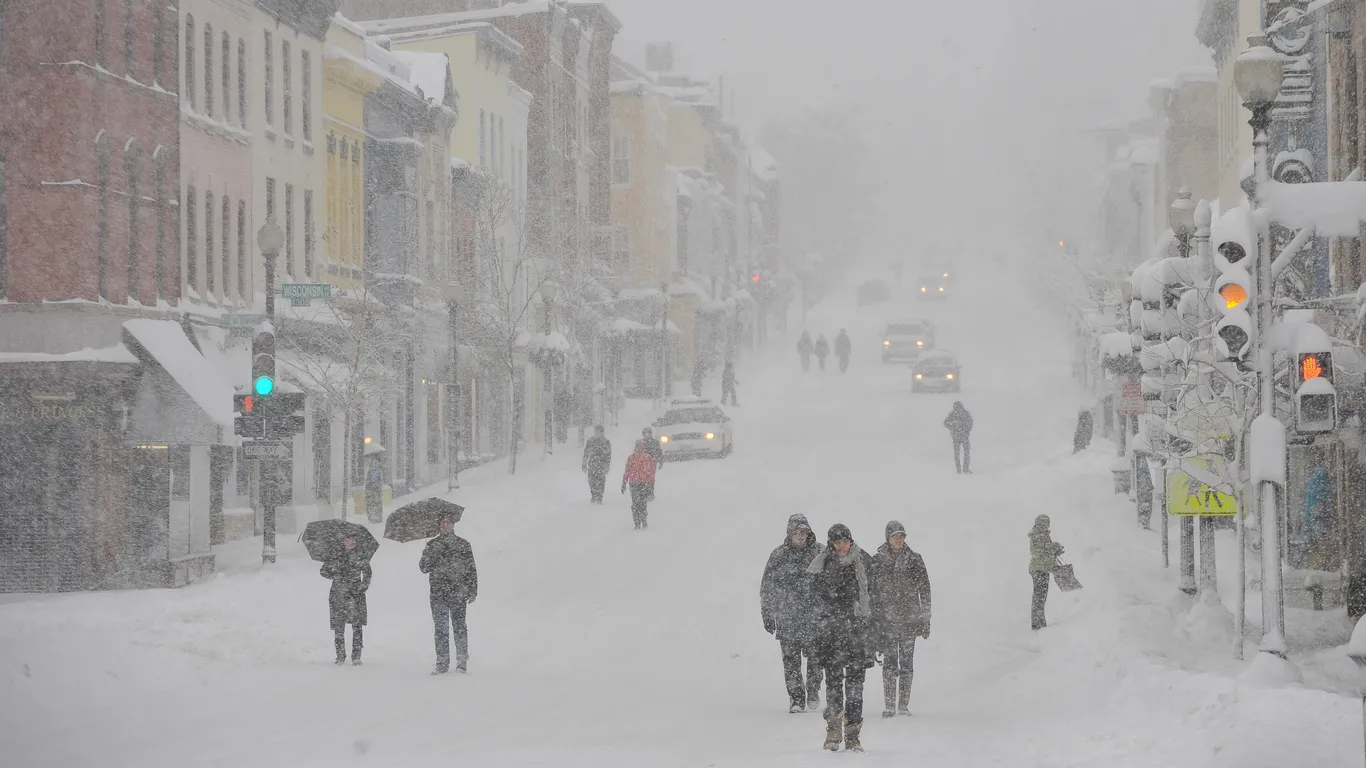
Meteorologists are divided on snowfall predictions for Washington D.C. this winter, with forecasts ranging from 6 to 20 inches. While La Niña conditions suggest a milder winter, the Capital Weather Gang predicts 12 to 18 inches, potentially making it the snowiest season since 2018-2019. However, other forecasts vary, with some predicting as little as 4 inches. The region hasn't seen normal snowfall in five years, and predicting weather beyond 10 days remains challenging.
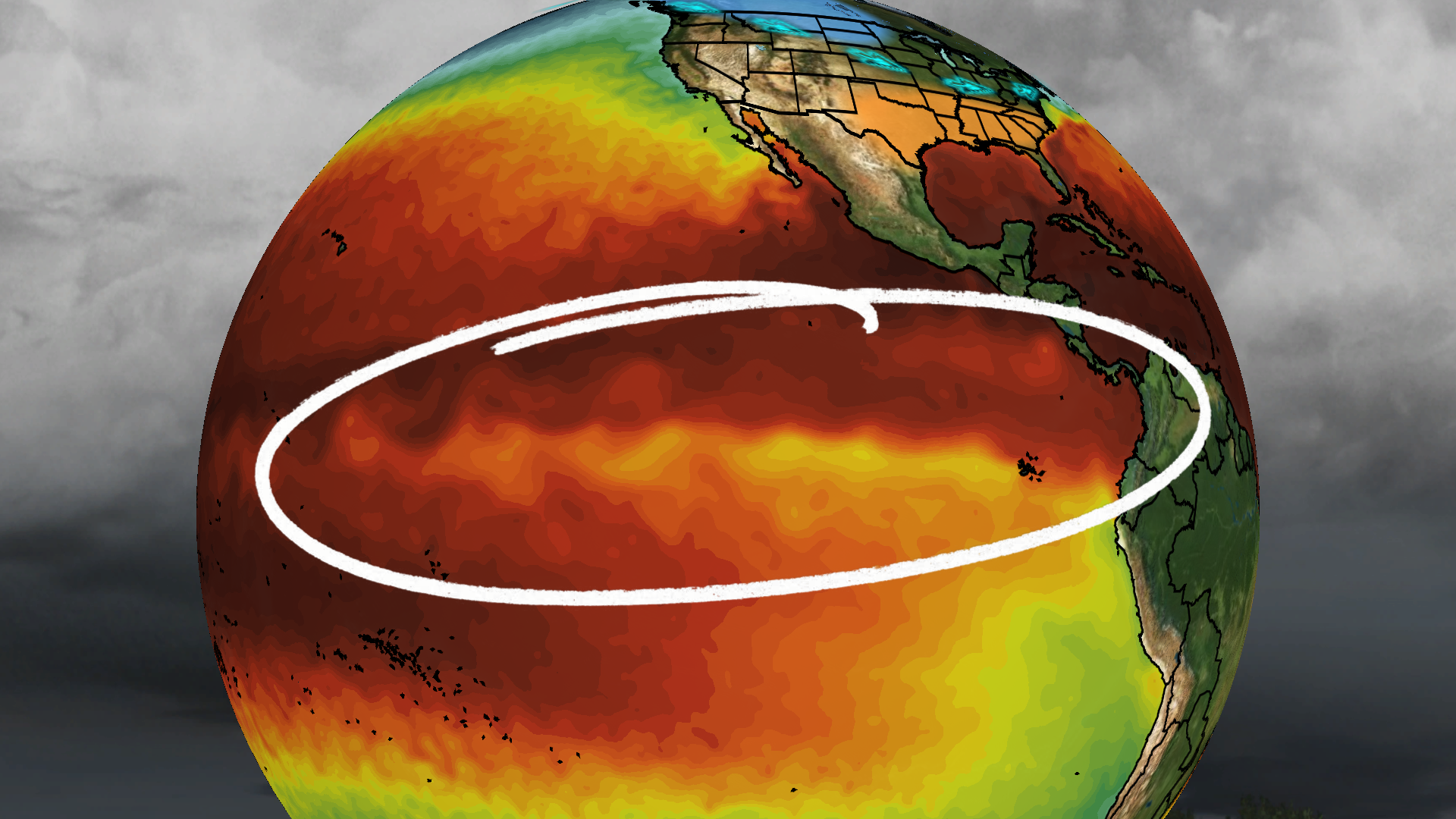
NOAA has issued an update indicating that a weak La Niña is expected to develop in the coming months, but it is likely to be short-lived and have less impact on global weather patterns, including winter weather in the U.S. Current neutral conditions in the Pacific Ocean suggest that while a La Niña watch remains in effect, the event's influence on typical winter temperature and precipitation patterns may be less pronounced. The likelihood of La Niña forming by the end of December has decreased to 57%.
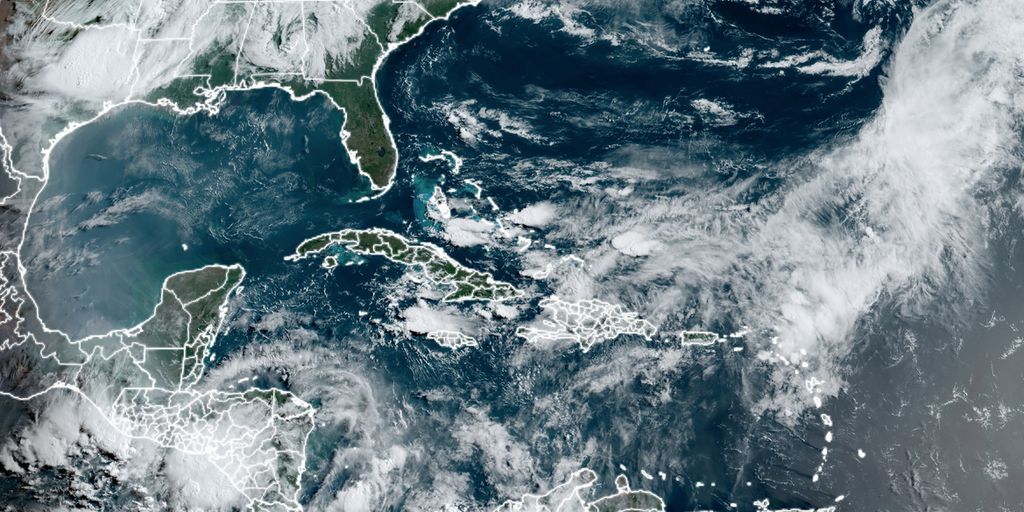
Despite a historically late start to the Atlantic hurricane season with no named storms by June 5, forecasters maintain that the season could still be very active. The delay is attributed to a heat dome over Central America and Mexico, which has created hostile conditions for storm development. However, record-warm water temperatures and the budding La Niña are expected to make conditions more favorable for tropical activity later in the season. Forecasters urge caution, noting that past seasons with late starts have still been above average and devastating.
The summer of 2024 is expected to bring extreme weather conditions, including record-breaking heat, deadly wildfires, and a potentially prolific Atlantic hurricane season, driven by the alternating climate patterns of El Niño and La Niña. Scientists warn that climate change is exacerbating these natural phenomena, making them more destructive and unpredictable. Residents in vulnerable areas are advised to prepare for these extreme events in advance.
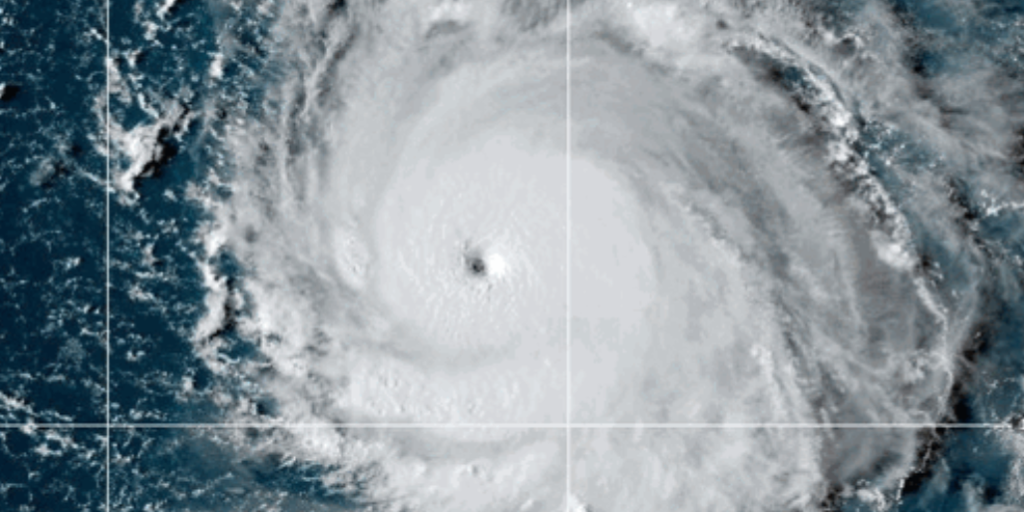
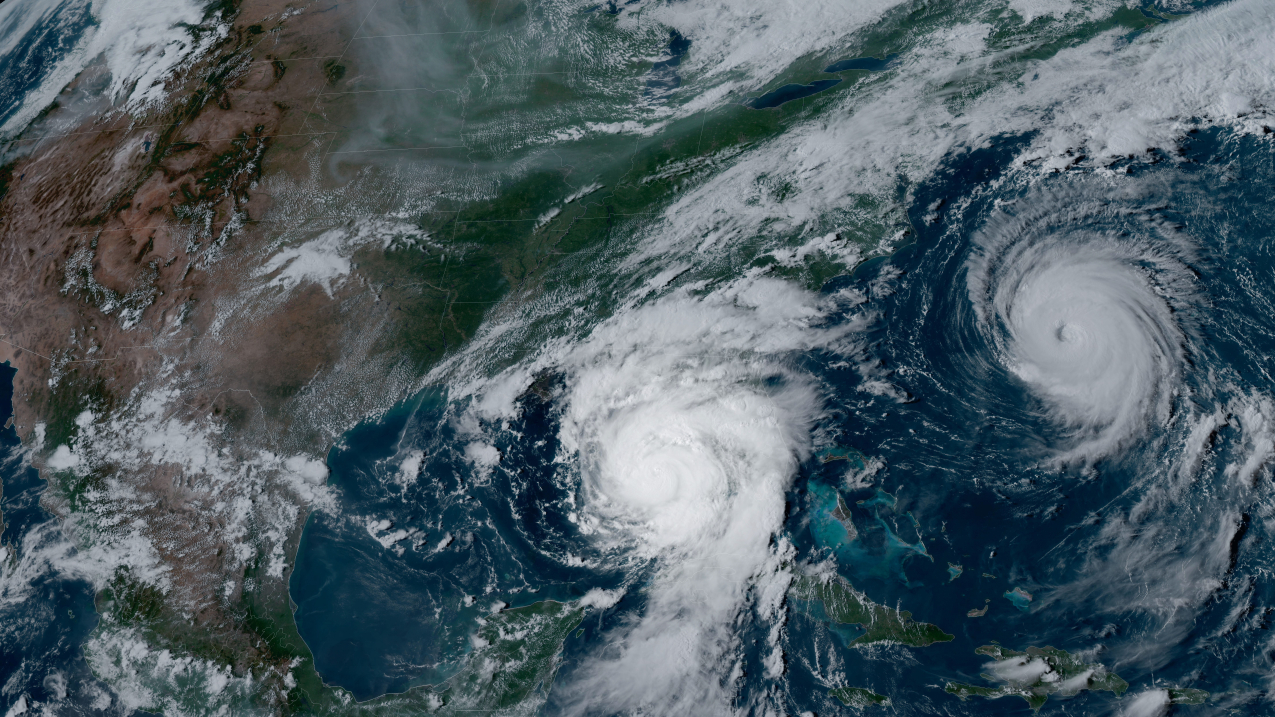
The 2024 Atlantic hurricane season is expected to be highly active, with NOAA forecasting 17-25 named storms, 8-13 hurricanes, and 4-7 major hurricanes. The season runs from June 1 to November 30, with the peak typically occurring in August and September. Factors contributing to the aggressive forecast include extremely warm Atlantic waters and the potential development of a La Niña. Experts urge residents to prepare now, emphasizing the importance of having a plan, an emergency kit, and knowing evacuation zones.
The National Oceanic and Atmospheric Administration predicts an "above normal" 2024 Atlantic hurricane season due to very warm ocean temperatures and La Niña conditions, with an 85% chance of increased storm activity. Scientists warn of potential natural disasters, particularly affecting coastal and low-income communities. NOAA forecasts 17-25 named storms, including 8-13 hurricanes and 4-7 major hurricanes. Experts urge policymakers to invest in climate resilience and reduce emissions to mitigate future risks.
The National Oceanic and Atmospheric Administration (NOAA) has issued its highest-ever early season forecast for the 2024 Atlantic hurricane season, predicting 17-25 named storms, 8-13 hurricanes, and 4-7 major hurricanes. Contributing factors include near-record warm ocean temperatures, a developing La Niña, and an above-average African monsoon season. Climate change is likely intensifying these storms, leading to more powerful cyclones with extreme precipitation and rising sea levels amplifying storm surges.
NOAA predicts an above-normal 2024 Atlantic hurricane season with 17 to 25 named storms, 8 to 13 hurricanes, and 4 to 7 major hurricanes. Factors include near-record warm ocean temperatures, La Nina conditions, and reduced wind shear. Enhanced communication tools and new forecasting models will be implemented to improve public safety and storm response.
NOAA has forecasted an "extraordinary" 2024 Atlantic hurricane season with up to 25 named storms, the highest number ever predicted in a preseason outlook. This active season is attributed to record warm Atlantic waters and a potential La Niña climate pattern. Other forecasters, including Colorado State University and the UK Met Office, also predict an unusually active season. The Atlantic hurricane season runs from June 1 to November 30, with peak activity from mid-August to mid-October.