Tag

Global Heating

All articles tagged with #global heating

environment1 year ago

"Developing a Resilient Coral Warning System Amid Unprecedented Bleaching Crisis"

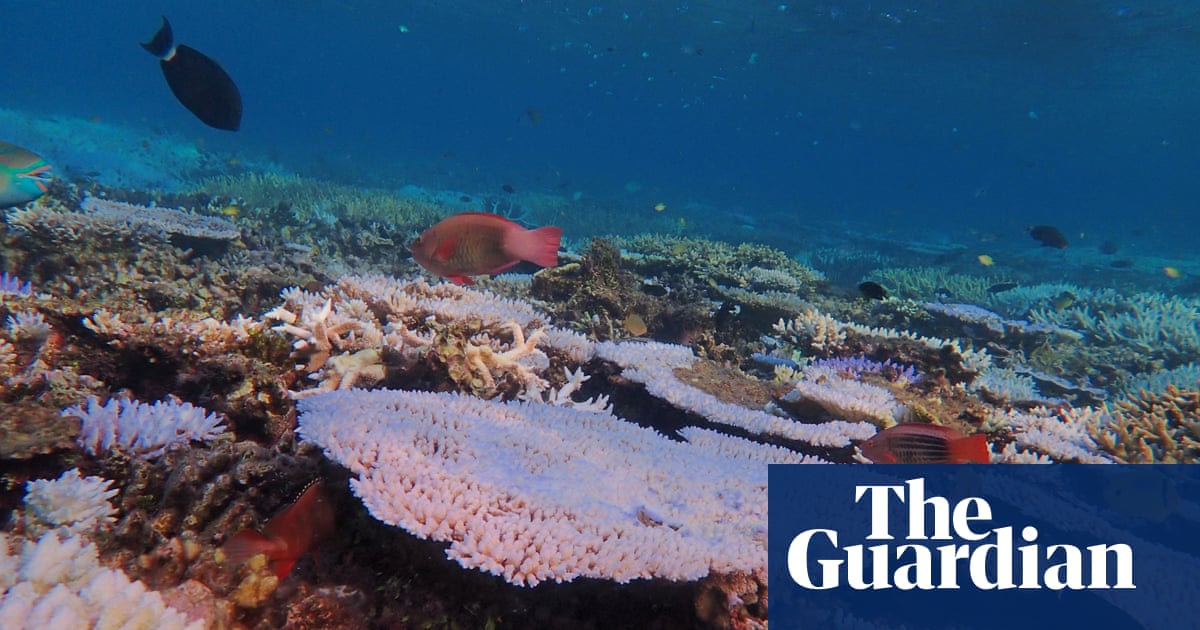
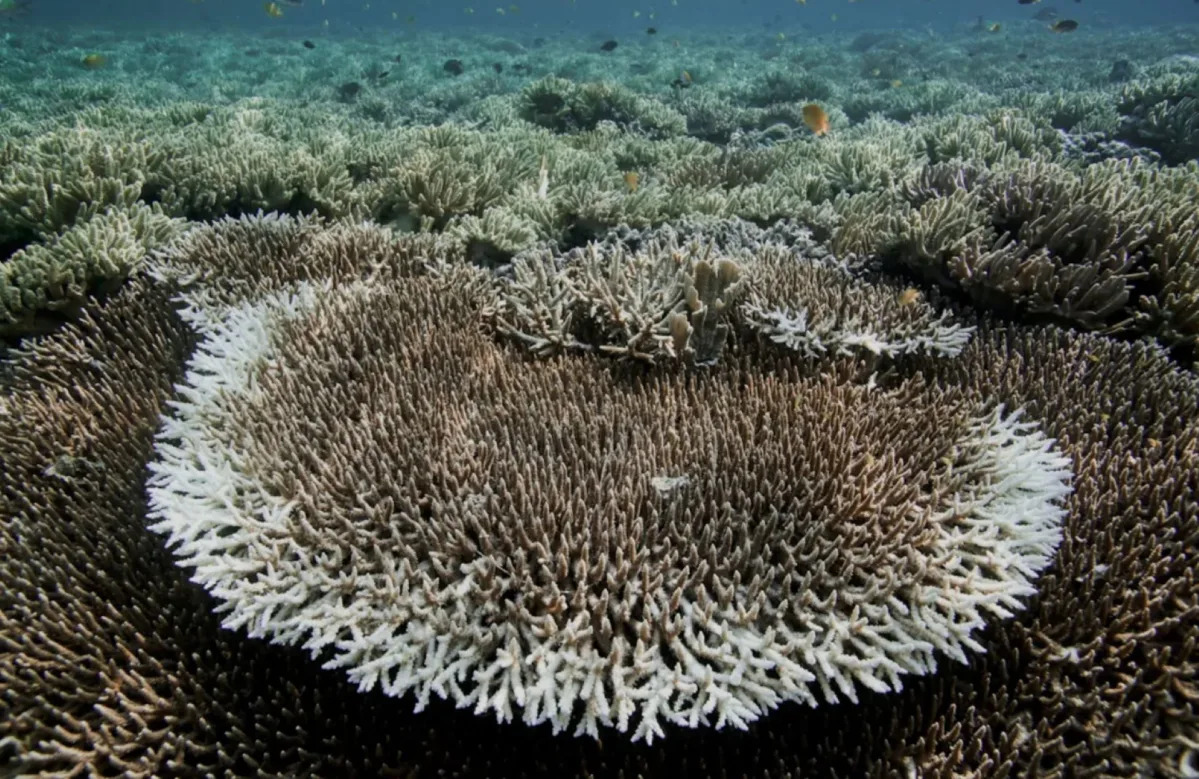
The National Oceanic and Atmospheric Administration (NOAA) has added three new higher warning levels to their coral reef warning system due to record-setting temperatures, indicating an "unimaginable" level of coral mortality. Coral bleaching, caused by excessive heat, is becoming more pervasive and severe, threatening marine life and human survival. Human-induced global heating is exacerbating the issue, prompting the need for immediate action to reduce pollution and protect the oceans. Organizations like Coral Gardeners are working to combat coral bleaching and restore reefs.

environment1 year ago

"Unprecedented Coral Bleaching Threatens Great Barrier Reef's Future"

The Great Barrier Reef is experiencing its most severe mass coral bleaching event on record, with footage showing damage up to 18 meters below the surface. Aerial surveys revealed that more than half of the individual reefs have high or very high levels of bleaching, and some are experiencing extreme bleaching. Marine biologists are deeply concerned, as the impact has been extensive and some coral is starting to die. The escalating damage underscores the urgent need for rapid action to reduce greenhouse gas emissions and protect the reef from further loss.

environment1 year ago

"UN Issues 'Red Alert' as 2023 Marks Hottest Year on Record"

The United Nations' weather agency has declared 2023 as the hottest year on record, warning that the world is nearing the 1.5C global heating limit. The report highlights record-breaking indicators of climate change, including greenhouse gas pollution, ocean heat and acidification, and sea level rise. Violent weather extremes, exacerbated by climate change, were observed on every inhabited continent. While there is a glimmer of hope in the growth of renewable energy, the report underscores the accelerating crisis of climate change and its uneven impact on vulnerable populations.

environment1 year ago

Great Barrier Reef Faces Fifth Mass Coral Bleaching Event

The Great Barrier Reef is experiencing its fifth mass coral bleaching event in eight years, with aerial surveys confirming widespread bleaching across two-thirds of the reef. The bleaching is driven by global heating and an El Niño climate pattern, with ocean temperatures at record highs. Scientists are concerned about the potential for significant coral mortality, particularly in the reef's southern areas, and are calling for increased efforts to address climate change and reduce greenhouse gas emissions.

climate-science1 year ago

"2024 El Niño Set to Shatter Global Heat Records"

The current El Niño event is expected to exacerbate global heating and bring record-breaking temperatures to regions including the Amazon, Alaska, coastal areas of India, the Philippines, and the Caribbean in 2024. The analysis suggests a 90% chance of setting a new global temperature record during this period, with potential impacts including intense heatwaves, tropical cyclones, wildfires, and coastal erosion. The study, published in Scientific Reports, highlights the urgent climate crisis and the challenges in adapting to and mitigating its consequences.

environment1 year ago

"Antarctic Ice Loss: Lessons from the Past and Warnings for the Future"

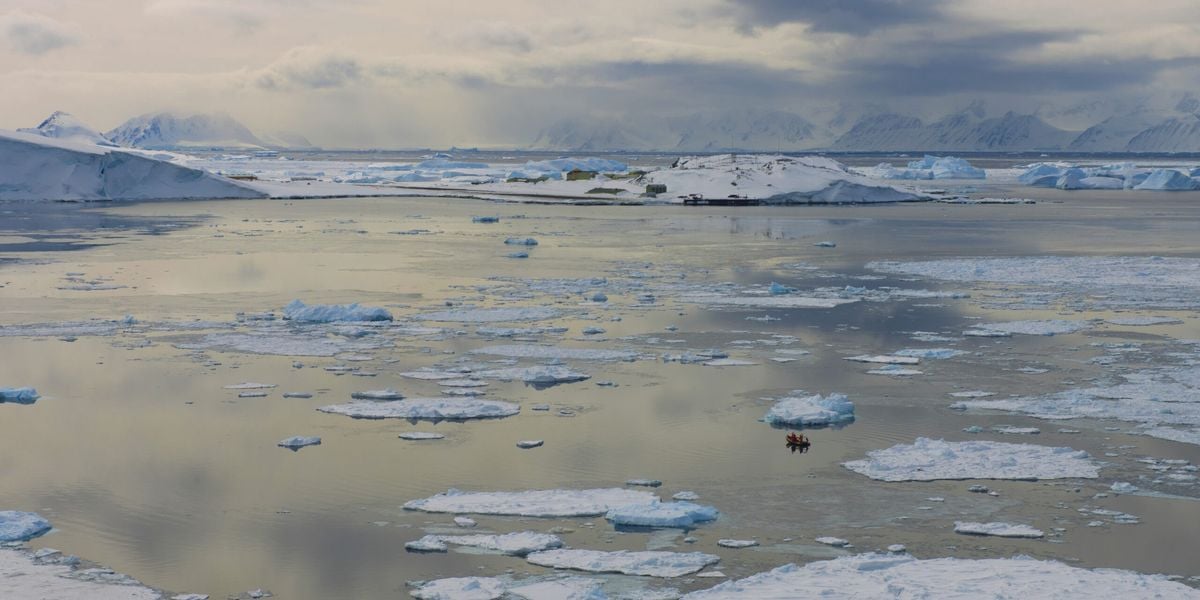
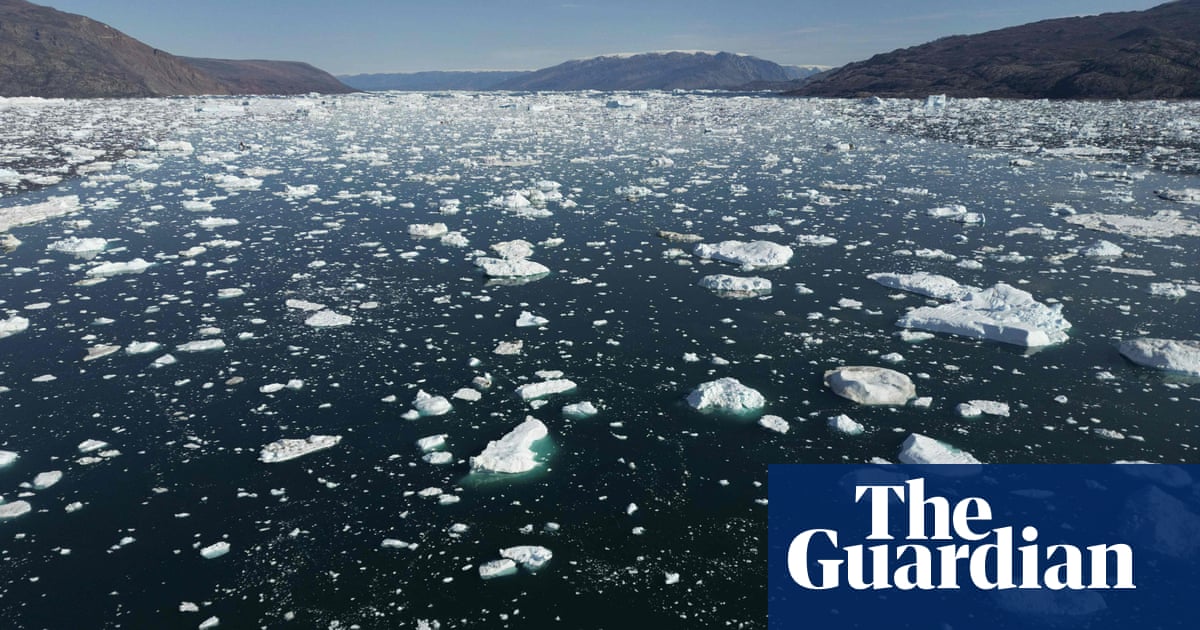
A study by U.K. researchers warns that fossil fuel-driven global heating could lead to catastrophic and rapid ice loss in Antarctica, similar to an event 8,000 years ago, as confirmed by evidence from an ice core. The West Antarctic Ice Sheet is vulnerable, and the study emphasizes the urgent need to address climate change to prevent further destabilization. Mounting warnings from scientists about conditions in Antarctica, including the rapid melting of the Thwaites Glacier, underscore the pressing need for action to reduce dependence on fossil fuels and mitigate the impact of climate change.

environment1 year ago

"Rising Intensity: Scientists Propose Category 6 for Hurricanes"

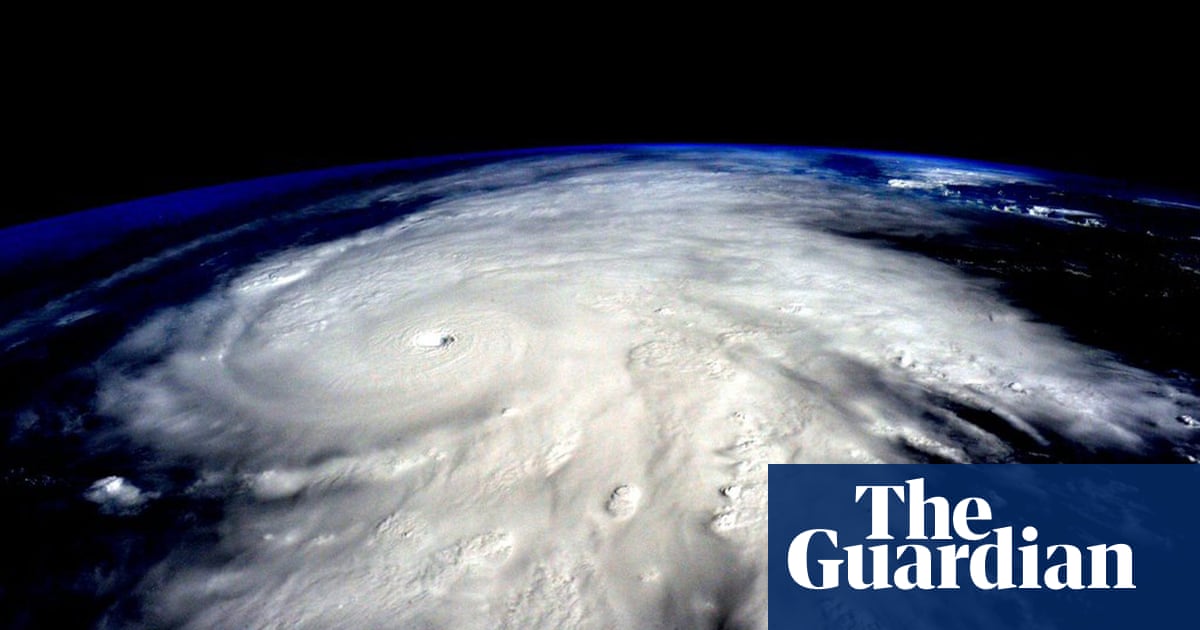
A new study suggests that hurricanes are becoming so strong due to the climate crisis that a new "category 6" should be added to the Saffir-Simpson hurricane scale, with sustained winds of 192mph or more. The study argues that the intensity of major storms has notably increased due to a super-heated ocean providing extra energy, and that a category 6 would highlight the heightened risks brought by the climate crisis. While there is no indication that hurricanes will soon be officially classified as category 6, the proposal aims to raise awareness about the impact of climate change on the most intense storms.

climate-change2 years ago

"Record Number of Carbon-Capture Lobbyists Converge at Cop28"

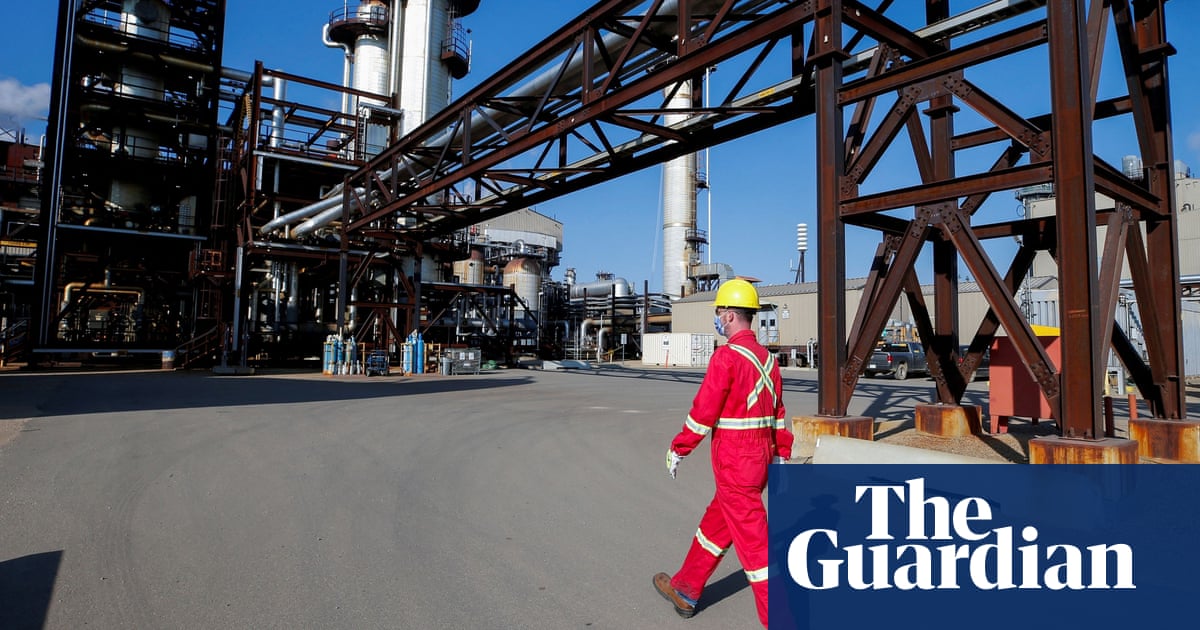
At least 475 lobbyists representing carbon capture and storage (CCS) technologies, which climate scientists argue will not effectively address global heating, have been granted attendance at Cop28, according to the Centre for Environmental Law. CCS is being heavily promoted by the fossil fuel industry and high-pollution sectors at the summit, despite the consensus among climate scientists that phasing out fossil fuels is the only viable solution. Critics argue that CCS is a delaying tactic and distraction from the urgent need to reduce emissions. The presence of oil and gas lobbyists at Cop28 is unprecedented, outnumbering official Indigenous representatives and several climate-affected countries. The negotiations at Cop28 are focused on the global stocktake and the phase-out of fossil fuels, with major producers accused of blocking an unequivocal agreement.

climate-change2 years ago

Controversial Comments on Fossil Fuel Phase-Out at COP28 Spark Outrage

The president of Cop28, Sultan Al Jaber, has stated that there is "no science" supporting the need to phase out fossil fuels to limit global heating to 1.5C, a claim that has been criticized by scientists and is at odds with the position of the UN secretary general. Al Jaber's comments were made during an online event and have raised concerns about his conflict of interest as the CEO of the United Arab Emirates' state oil company. The phase-out of fossil fuels is a contentious issue at Cop28, with over 100 countries supporting it, while others reject the call. The outcome of the summit may hinge on whether the final agreement includes a phase-out or weaker language such as "phase-down."

climate-change2 years ago

King Charles warns of dangerous climate experiment at COP28

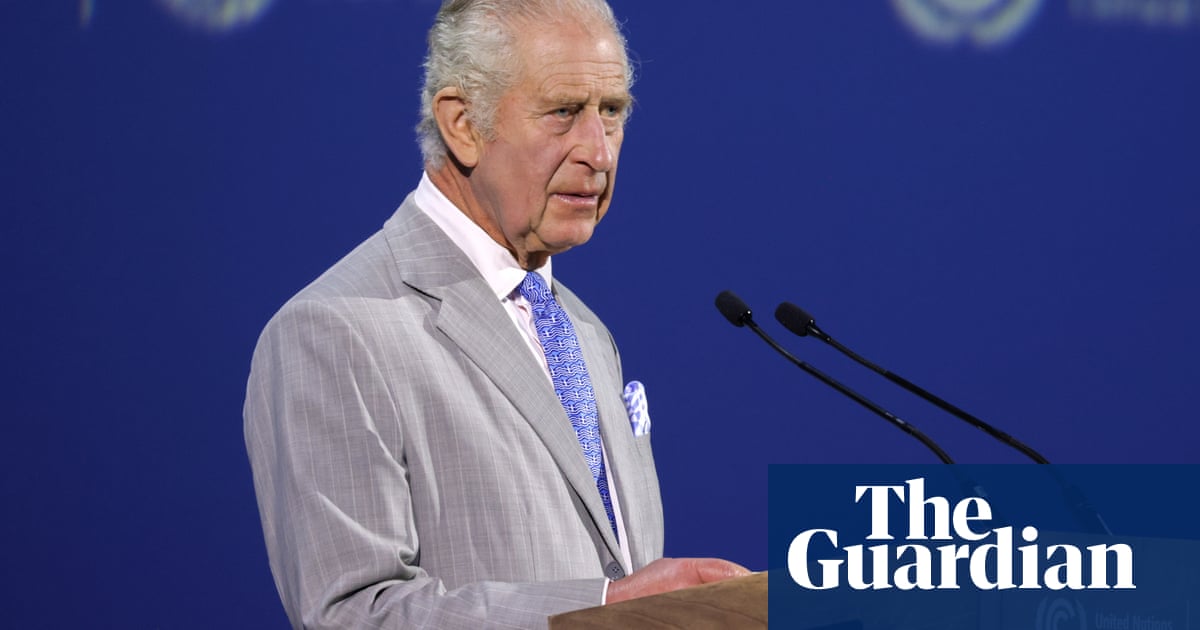
King Charles warned world leaders at the Cop28 UN climate summit that the world is engaged in a "vast, frightening experiment" on the natural world, risking irreversible disaster through climate feedback loops. The UN Secretary-General, António Guterres, urged leaders to exercise "political will" to prevent a planetary crash and burn. More than 130 heads of state and government gathered in Dubai to chart a path to avoid breaching the 1.5C global heating limit. A fund for loss and damage caused by climate disasters received contributions, but some developing countries expressed concerns about the nature of the funding. A declaration on transforming food systems was signed by over 100 countries, recognizing the threat of climate impacts on agriculture and food security. A UN report highlighted the urgent global emergency of droughts caused by global heating, disproportionately affecting low- and middle-income countries.

climate-crisis2 years ago

"Unveiling the Polluter Elite: Tackling Carbon Inequality in the Climate Crisis"

The climate crisis is characterized by a triple inequality: the disparity in responsibility for causing the problem, the disparity in experiencing its impacts, and the disparity in available resources for mitigation and adaptation. The regions most affected by global heating, such as sub-Saharan Africa, are expected to experience rapid population growth but contribute the least to emissions. The poorest and most vulnerable bear the brunt of the crisis, while the rich drive a productive system that destabilizes the environment. The article emphasizes the need for a loss and damage fund to compensate countries most affected by climate change and calls for a comprehensive energy transition and inclusive sustainable development models to address the triple inequality.

climate-change2 years ago

UN Warns: World Falling Short, On Pace to Blow Past Paris Climate Targets

The UN has warned that the world is on track for a "hellish" 3C of global heating, with current carbon-cutting policies being inadequate. Temperature records have already been broken, and extreme weather events have caused loss of life and livelihoods. Implementing promised future policies would only shave off 0.1C, while meeting emissions cuts pledged by developing countries would still result in a catastrophic 2.5C rise. To limit global heating to 1.5C, 22bn tonnes of CO2 must be cut by 2030, equivalent to the emissions of the world's top five polluters. The UN calls for tripled renewable energy capacity, phasing out fossil fuels, and restoring trust between developed and developing countries.

climate-change2 years ago

Earth's Existential Threat: Climate Scientists Warn of Dangerous Instability

A new study published in the journal Bioscience warns that Earth's systems are heading towards dangerous instability due to anthropogenic global heating. The report highlights specific climate events in 2023, including heatwaves, warm ocean temperatures, and low levels of sea ice. The study indicates that global average temperatures have exceeded 1.5 degrees Celsius above pre-industrial levels for 38 days so far this year. The research team emphasizes the minimal progress made in addressing the root problem of human consumption and calls for urgent action to eliminate emissions from fossil fuels and land-use change while increasing carbon sequestration with nature-based climate solutions.

climate-crisis2 years ago

The Devastating Cost of Climate Change: $16 Million per Hour in Damage

The climate crisis has resulted in extreme weather events that have cost an estimated $16 million per hour over the past 20 years, according to a new study. Storms, floods, heatwaves, and droughts have caused significant damage and loss of life, with global heating exacerbating their frequency and intensity. The study, which calculated the increased costs directly attributable to human-caused global heating, found an average annual cost of $140 billion from 2000 to 2019. However, the figures are likely to be underestimated due to a lack of data, particularly in low-income countries. The study's findings could be used to determine funding for a loss and damage fund established at the UN's climate summit in 2022 and aid in faster delivery of funds for recovery from extreme weather disasters.

climate-change2 years ago

43 Million Children Displaced by Extreme Weather in Past Six Years, Unicef Finds

A new report by Unicef and the Internal Displacement Monitoring Centre reveals that at least 43 million children have been displaced due to extreme weather events in the past six years, with floods and storms accounting for 95% of the recorded child displacement. China, the Philippines, and India have the highest number of child displacements, while small island states and the Horn of Africa are particularly vulnerable. The report highlights the traumatic impact of displacement on children, including disrupted education and healthcare access. The analysis is likely an undercount, and the future risks of displacement are projected to increase significantly due to climate change.