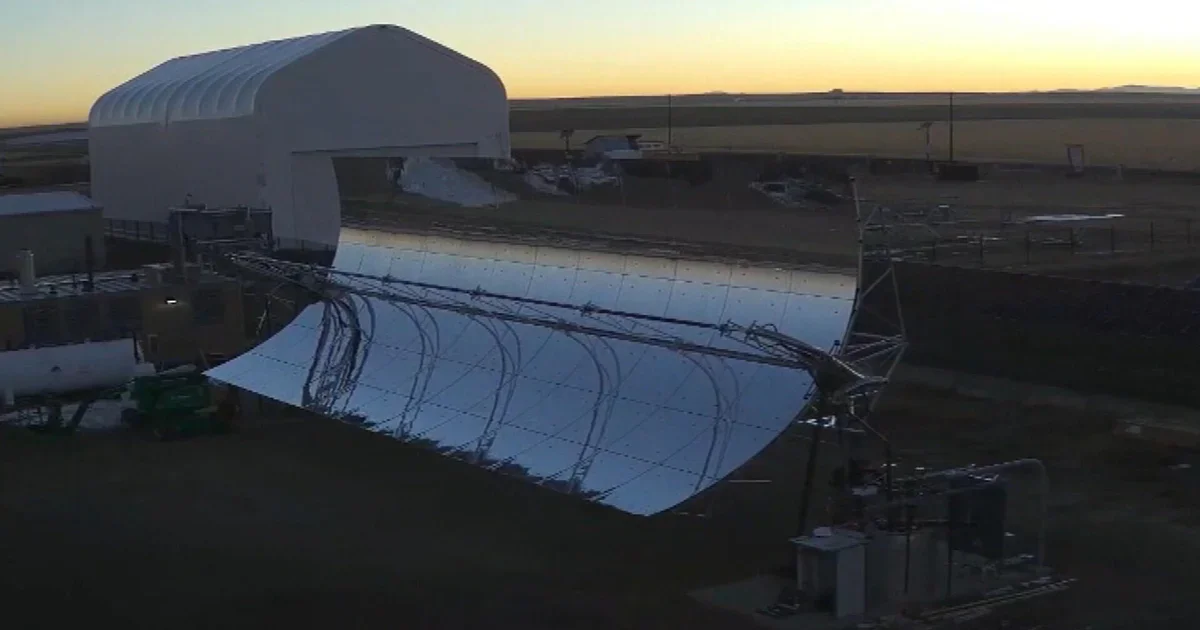
The article discusses the potential of stratospheric aerosol injection (SAI) as a climate intervention to reflect sunlight and reduce global warming, emphasizing the importance of careful, phased research to understand its safety and effectiveness before any deployment, and advocating for open scientific investigation to inform responsible decision-making.
The article criticizes Donald Trump for neglecting Colorado and retaliating against the state by dismantling NCAR, a leading climate research institution, possibly as revenge for Colorado's political stance, highlighting concerns about the impact on science and the environment.
The Trump administration announced plans to break up the National Center for Atmospheric Research in Boulder, citing concerns over climate alarmism, which has sparked strong opposition from Colorado officials and Democrats who emphasize NCAR's vital role in climate science and disaster prediction.
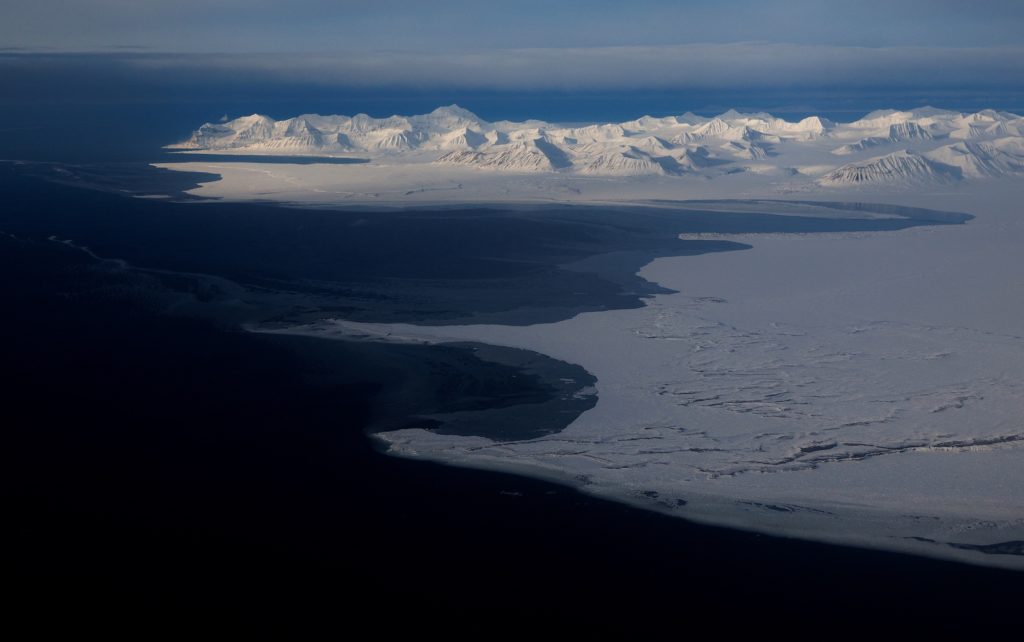
Scientists explored Kaffeklubben Island, the northernmost point of land on Earth, to study its plant life, revealing insights into Arctic ecosystems and the challenges of conducting research in extreme environments.
The Trump administration has canceled nearly $500 million in climate and energy project funding across 16 states, including Colorado, impacting universities, private companies, and local projects, with critics claiming the move is politically motivated amid government shutdowns and congressional deadlock.
The Trump administration's budget cuts and freezes have severely hampered the operations of key federal agencies like FEMA, EPA, NOAA, DOE, and Interior, leading to halted research, canceled emergency exercises, and delays in energy projects, which critics argue undermine government effectiveness and public safety.
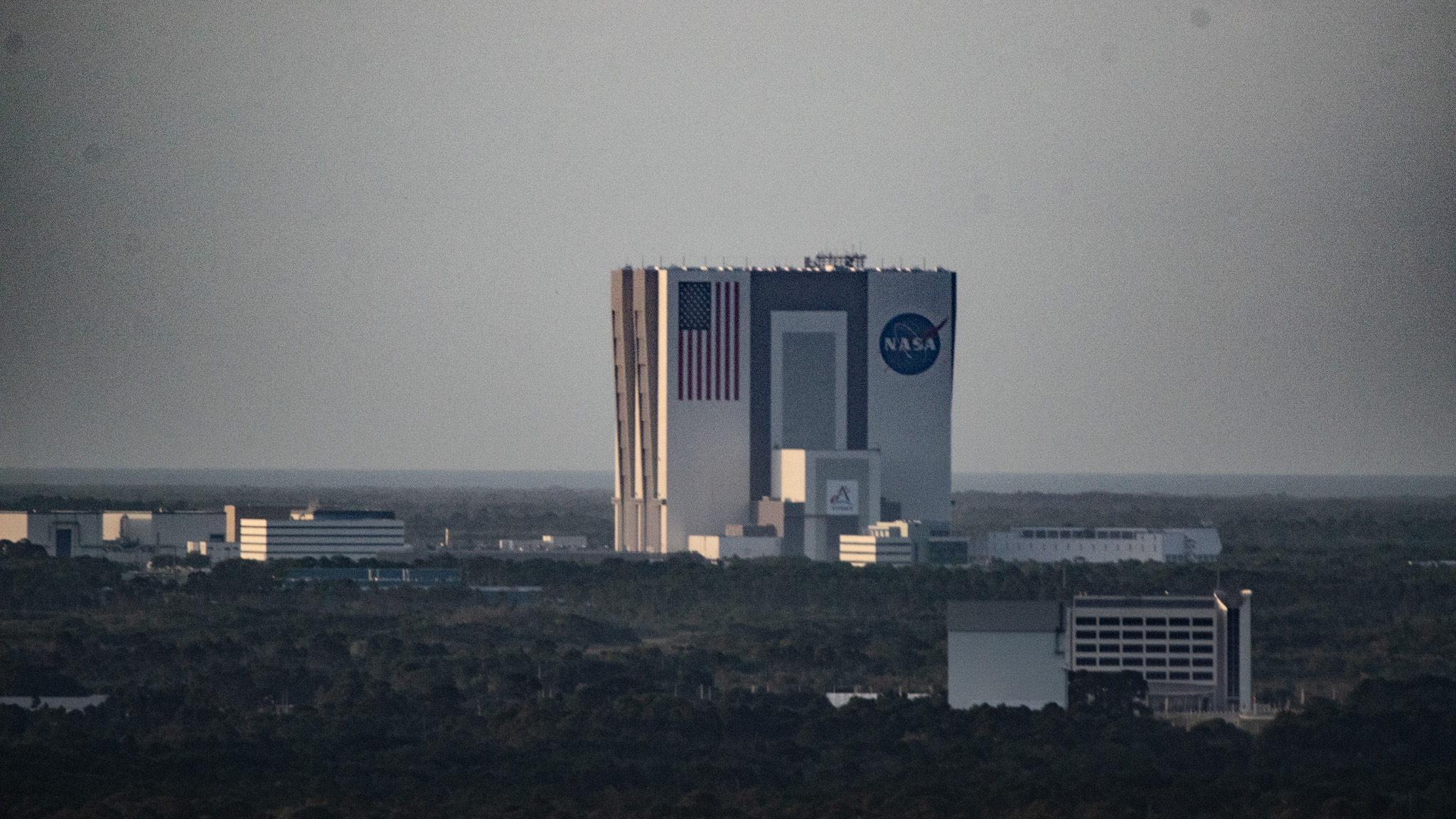
US scientists criticize Trump's proposed 47% cuts to NASA's science budget, which threaten numerous space missions, including Mars and Venus projects, and could significantly impact scientific research and international collaborations, amid concerns over the shift towards human Mars missions and climate initiatives.
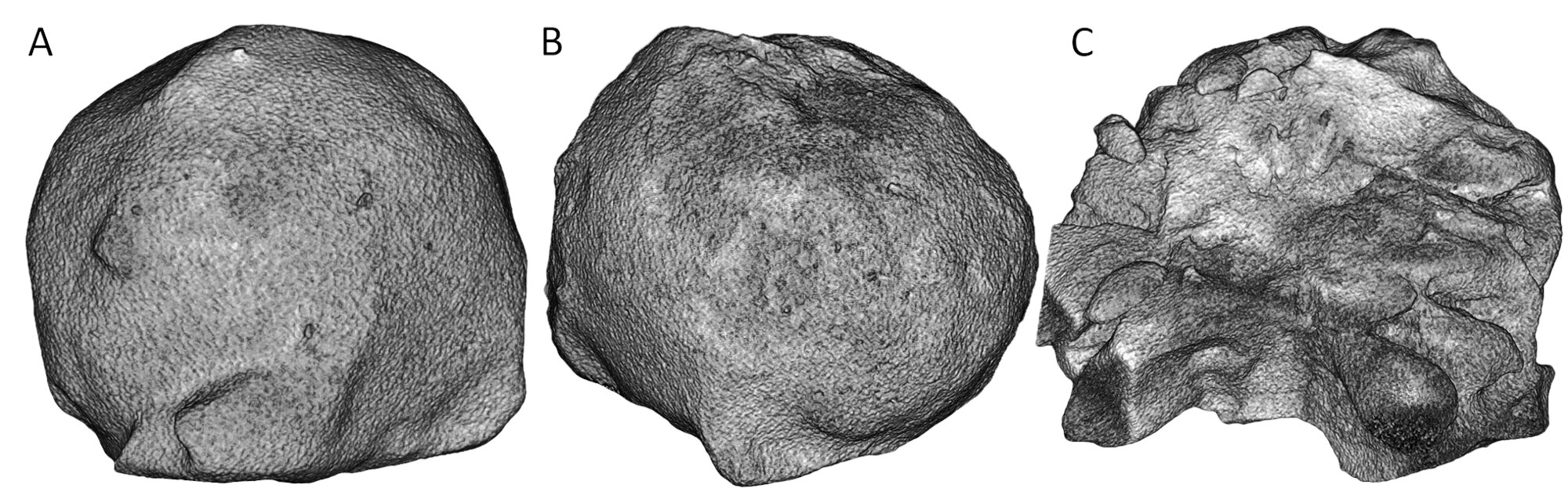
Researchers in Catalonia have used CT scans to study the internal structure of giant hailstones from a 2022 storm, revealing new insights into their growth and formation. This non-destructive method showed that hailstones can have irregular internal structures despite appearing spherical externally, and that their cores are often off-center. These findings challenge previous assumptions and could improve future storm predictions, although the technique is costly and some anomalies remain unexplained.
SpaceX successfully launched the EarthCARE climate research satellite, a joint project between the European Space Agency (ESA) and Japan Aerospace Exploration Agency (JAXA), aboard a Falcon 9 rocket from Vandenberg Space Force Base. The satellite, equipped with four instruments, aims to enhance understanding of Earth's climate by studying clouds and aerosols and their impact on the planet's radiation balance. The mission is part of ESA’s Living Planet Programme and is expected to operate for at least three years.
Climate researcher John Abraham discusses the unprecedented rise in ocean temperatures, attributing about half of the effect to global warming and a third to El Nino, with the remaining 20 percent being a question mark. He emphasizes the significant impact of ocean warming on global weather patterns and society, urging conservation of energy and the maximization of clean, renewable energy development as immediate actions to change the current trajectory.
A study led by researchers suggests that Earth may have already surpassed the crucial 1.5°C warming limit, with global temperatures potentially reaching at least 1.7°C above pre-industrial levels. The study, based on sea sponge skeletons, challenges previous estimates and indicates that human-caused ocean warming began earlier than assumed. This discovery raises concerns about the urgency of reducing greenhouse gas emissions and highlights the need to take immediate action to address climate change.
A study of sea sponges in the Caribbean suggests that Earth may have already surpassed 1.5 degrees Celsius of warming and could reach 2 degrees Celsius by the end of the decade. The research, based on 300 years of ocean temperature records preserved within sea sponges, indicates that human-induced warming began in the mid-1860s, earlier than previously thought. The findings have significant implications for current projections of global warming, with potential mean surface warming of 1.7 degrees Celsius estimated between 2018 and 2022.
The melting of the Corbassière glacier in the Grand Combin massif has rendered it unusable as a climate archive due to rapid glacier melting, washing away important climate data. This loss highlights the dynamic and unexpected nature of glacier melting, prompting concerns about the impact on other glaciers worldwide. The Ice Memory initiative aims to preserve ice cores from endangered glaciers in a global climate archive in Antarctica, but the race against time to collect these samples becomes more challenging as glacier melting accelerates.
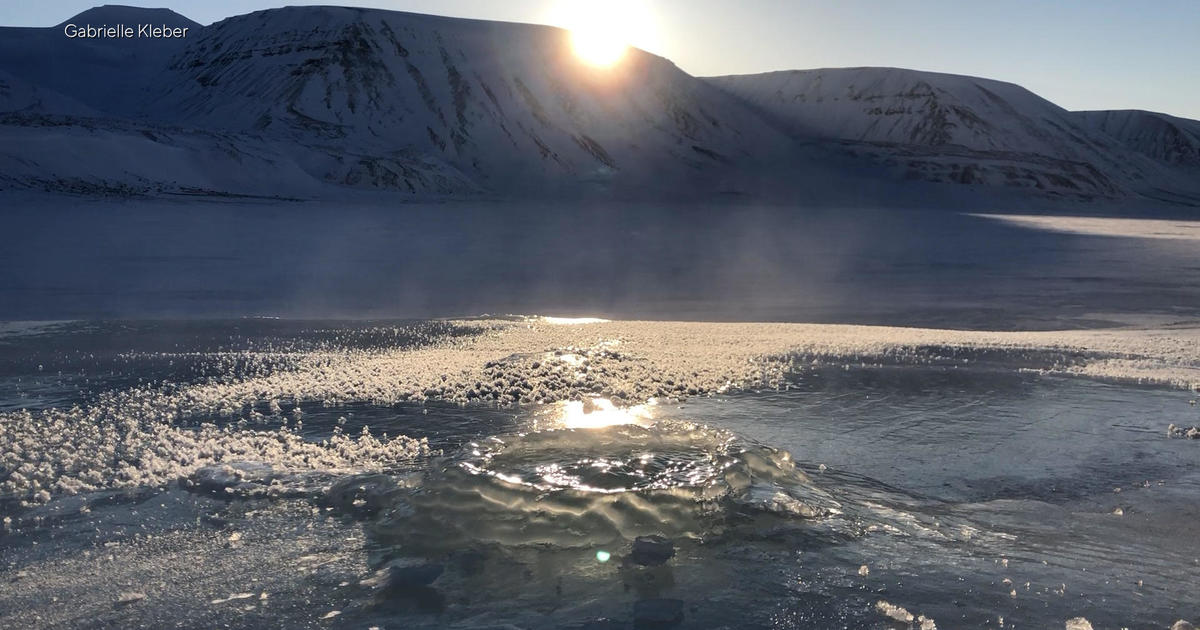
As glaciers melt in the Arctic, ancient methane gas trapped beneath the ice is surfacing, potentially contributing to further global warming. Glaciologists in Svalbard, Norway have detected methane gas escaping through groundwater springs, with methane found in all but one of the 123 springs they checked. While carbon dioxide emissions are the primary driver of climate change, methane is more effective at trapping heat. The concern is that the world's accounting of methane emissions does not include the gas emerging from the Arctic, which could impact methane management efforts. The melting of glaciers in Svalbard is occurring at an alarming rate, with measurements showing that the glaciers are losing ice faster than they can be replenished. By 2100, it is projected that the glaciers will be losing ice twice as fast as they are now.
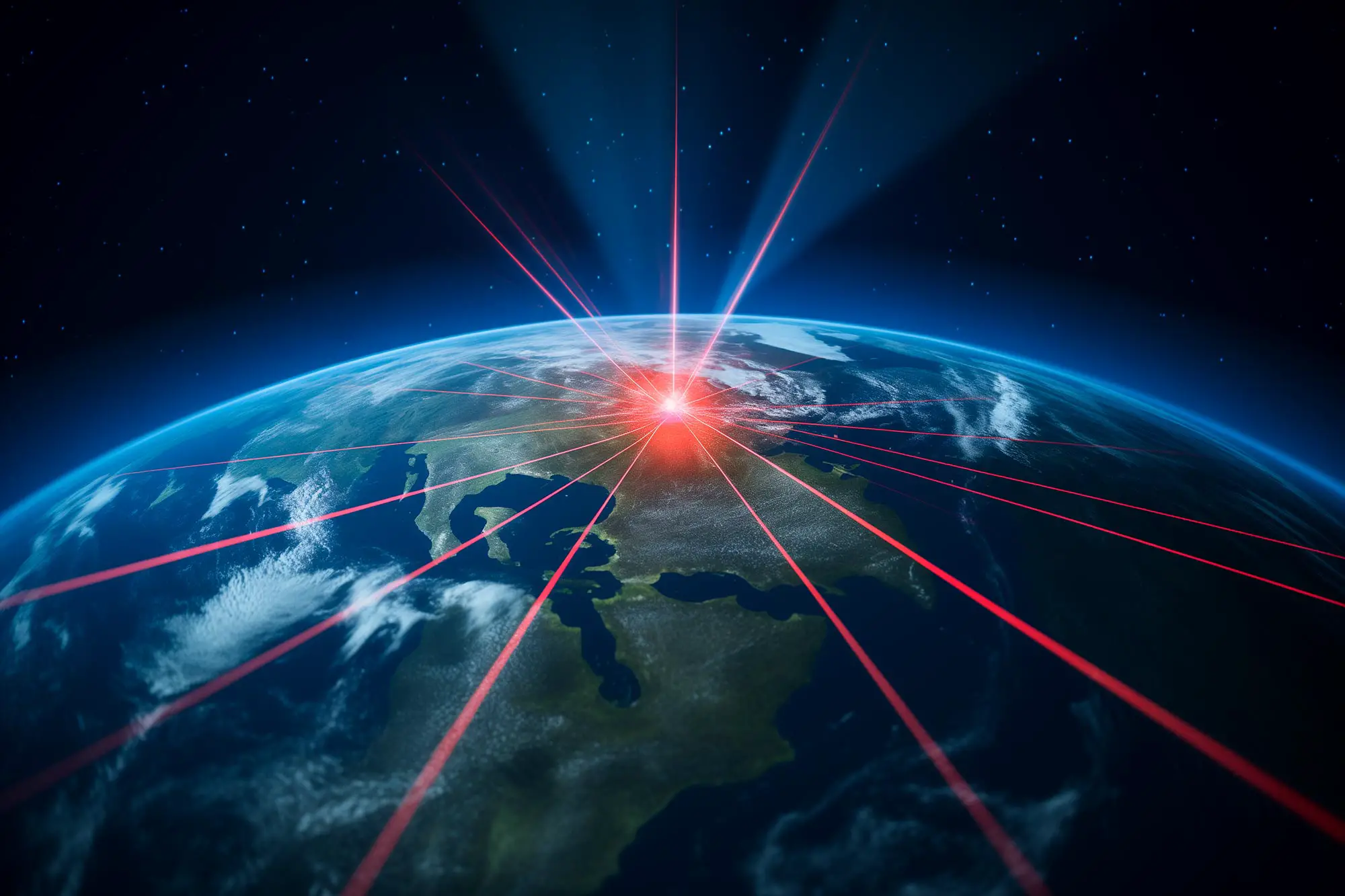
Researchers at the Geodetic Observatory Wettzell have achieved unprecedented accuracy in measuring Earth's rotation using an advanced ring laser. This enhanced technology allows for daily high-quality data capture, which is crucial for determining Earth's position in space, improving climate research and models, and understanding weather phenomena like El Niño. The ring laser system has been continuously improved to provide precise measurements down to 9 decimal places, with the ability to capture current data every three hours. The independent and highly precise laser system eliminates the need for reference points in space, making it a valuable tool for identifying and compensating for systematic errors in other measurement methods.