A revolutionary breakthrough could soon enable testing for Alzheimer's disease through a simple finger prick, potentially allowing for earlier diagnosis and treatment.
Researchers at Rockefeller University have successfully kept a segment of the mammalian cochlea alive outside the body, enabling detailed study of its active sound amplification process. This breakthrough confirms that mammals rely on a universal biophysical principle involving Hopf bifurcation for amplifying faint sounds, paving the way for new treatments for sensorineural hearing loss by understanding and potentially repairing hair cell damage.
A five-year-old boy from Colchester with SMA has made remarkable progress after receiving the world's most expensive gene therapy, Zolgensma, which has transformed his mobility and quality of life, highlighting significant advances in treatment for rare genetic conditions.
New research suggests that advanced Alzheimer's disease may be reversible, with studies showing full cognitive recovery in mice treated with a specific drug, raising hope for future human treatments. The findings, published in Cell Reports Medicine, indicate that the disease's damage can potentially be reversed, not just slowed, although human studies are still needed. This breakthrough offers hope in a field previously limited to managing symptoms, with ongoing research exploring ways to prevent and treat dementia.
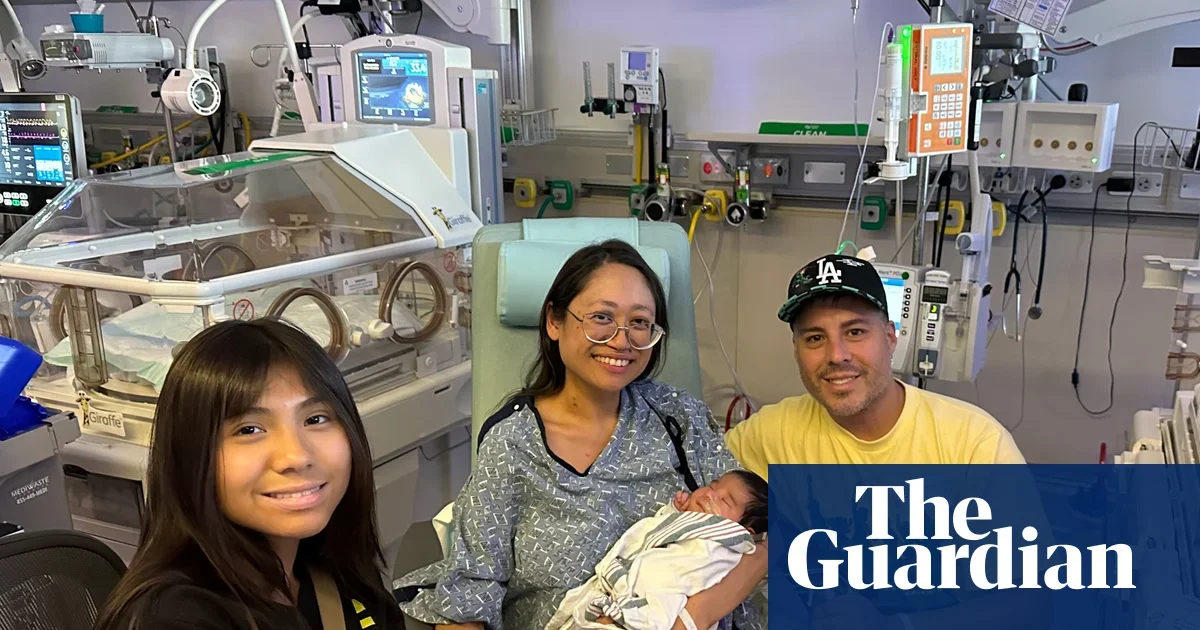
A California woman, Suze Lopez, experienced an extremely rare ectopic pregnancy where the fetus grew outside her uterus, hidden behind a large ovarian cyst. She delivered the baby via surgery, and both mother and child are now healthy, marking a remarkable medical case that is expected to be documented in medical journals.
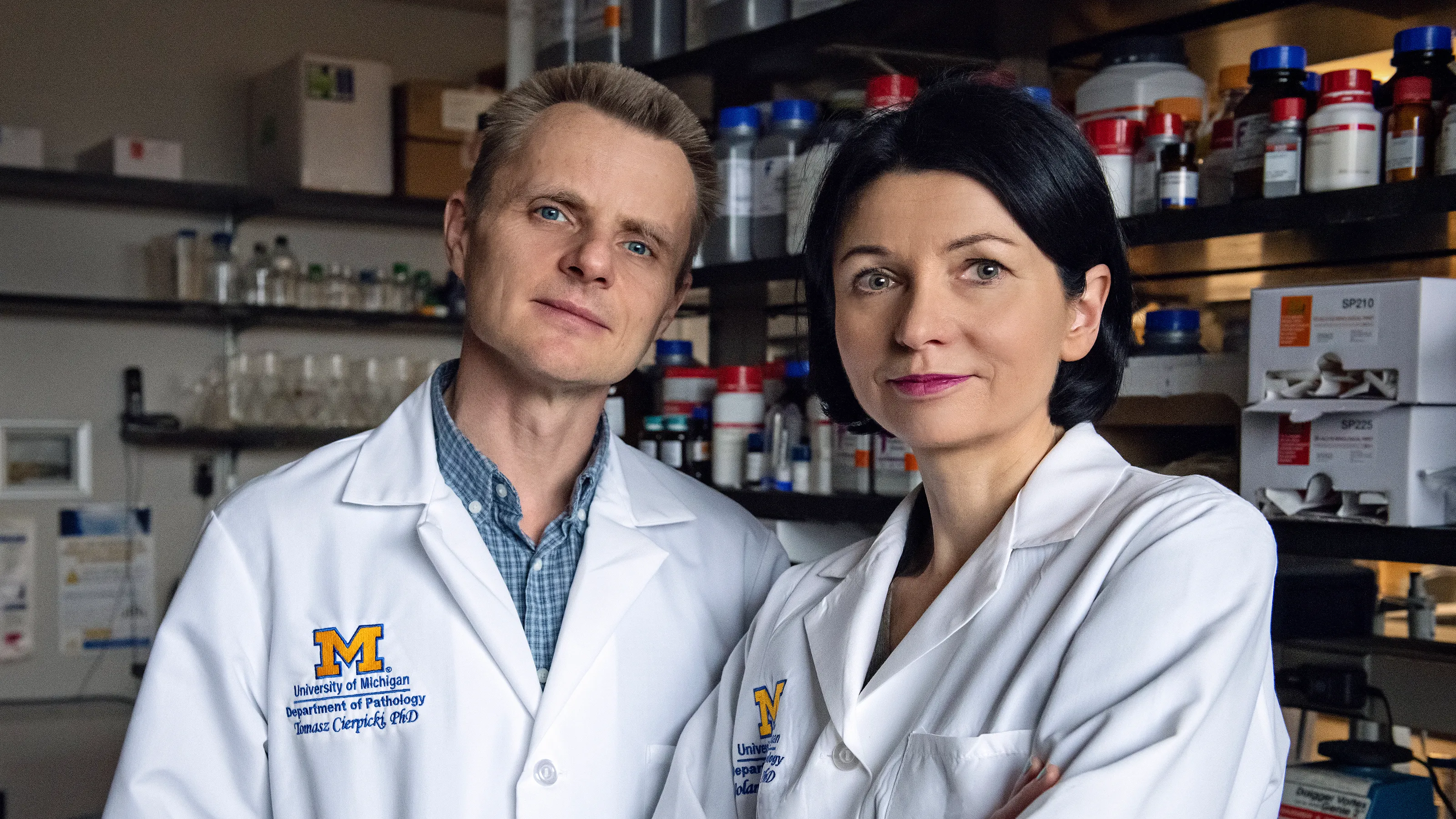
University of Michigan researchers have made a significant breakthrough in treating acute myeloid leukemia by advancing understanding of protein interactions that drive the disease, leading to improved care options for patients.
An 11-year-old girl named Ava, who had been waiting over 200 days for a heart transplant due to heart defects and failure, received her new heart after a successful surgery, and her emotional reaction was captured on video, marking a significant milestone in her recovery.
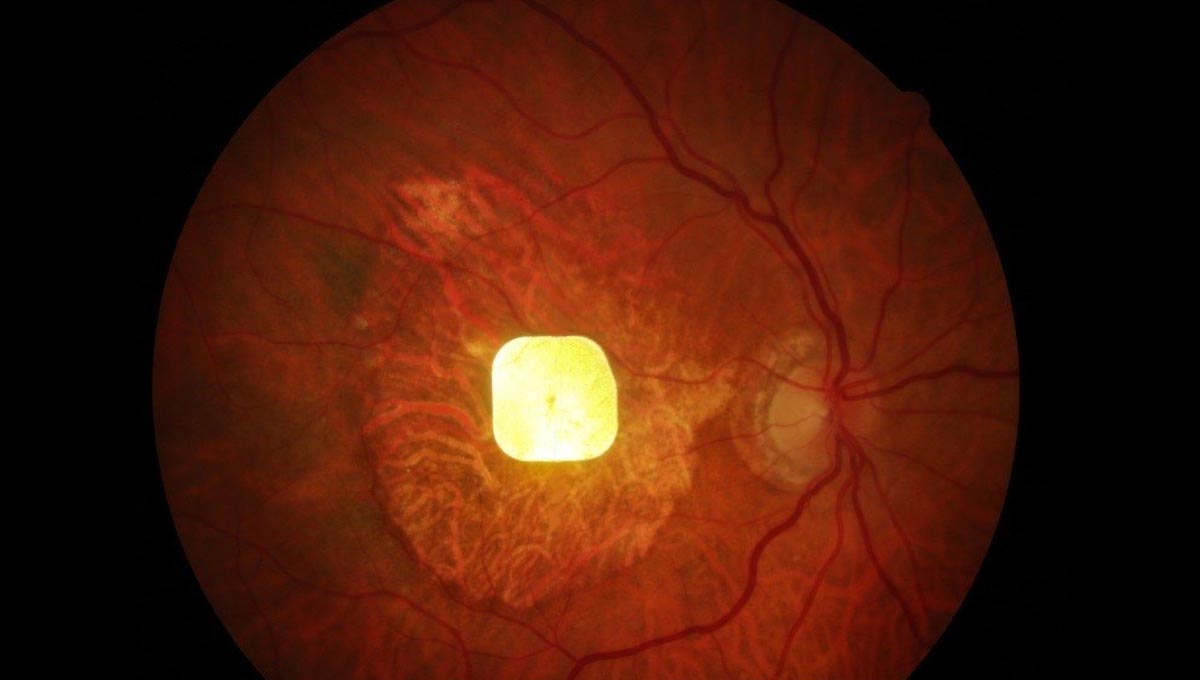
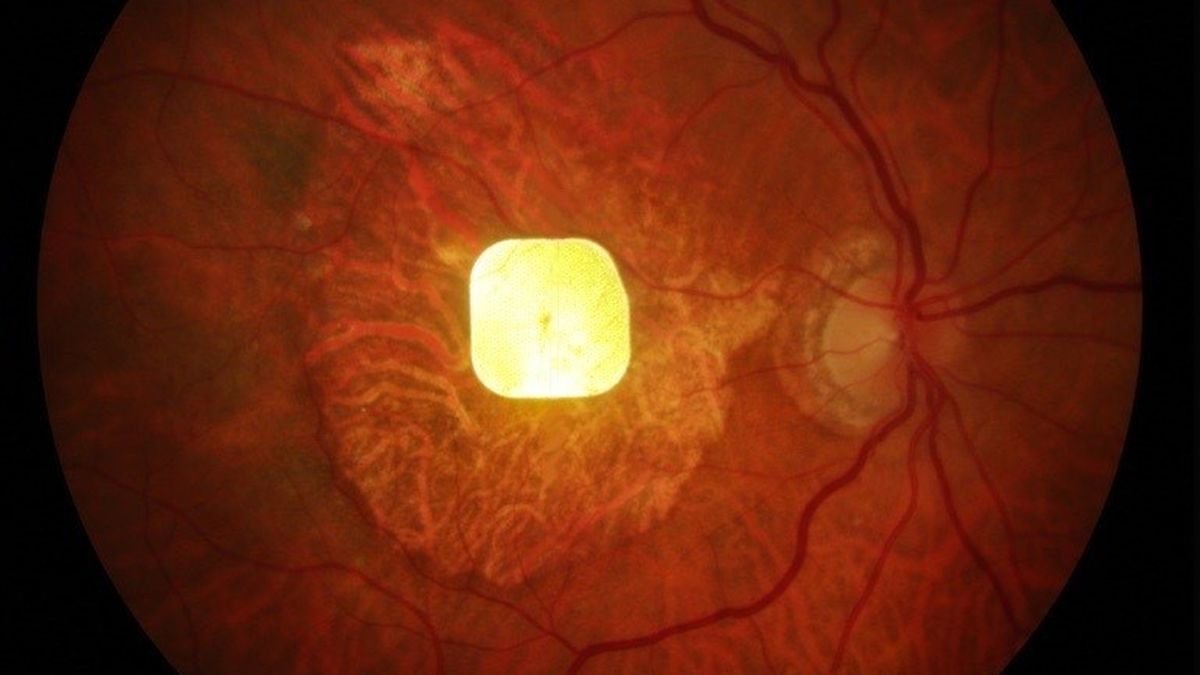
A new solar-powered retinal implant combined with AI-enhanced glasses has successfully restored reading vision in patients with dry age-related macular degeneration, marking a significant breakthrough in artificial vision technology and offering hope for those with untreatable blindness.
A groundbreaking implant called the PRIMA system has successfully restored central vision in patients with age-related macular degeneration, allowing many to read again, marking a significant advancement in vision loss treatment.
Scientists have developed a 'universal' kidney that can potentially be accepted by any blood type, which could significantly reduce transplant waiting times and save lives, by using enzymes to strip away blood type markers from donor kidneys. The research, tested in a human model, marks a major step toward more flexible and accessible organ transplants, although challenges remain before human trials.
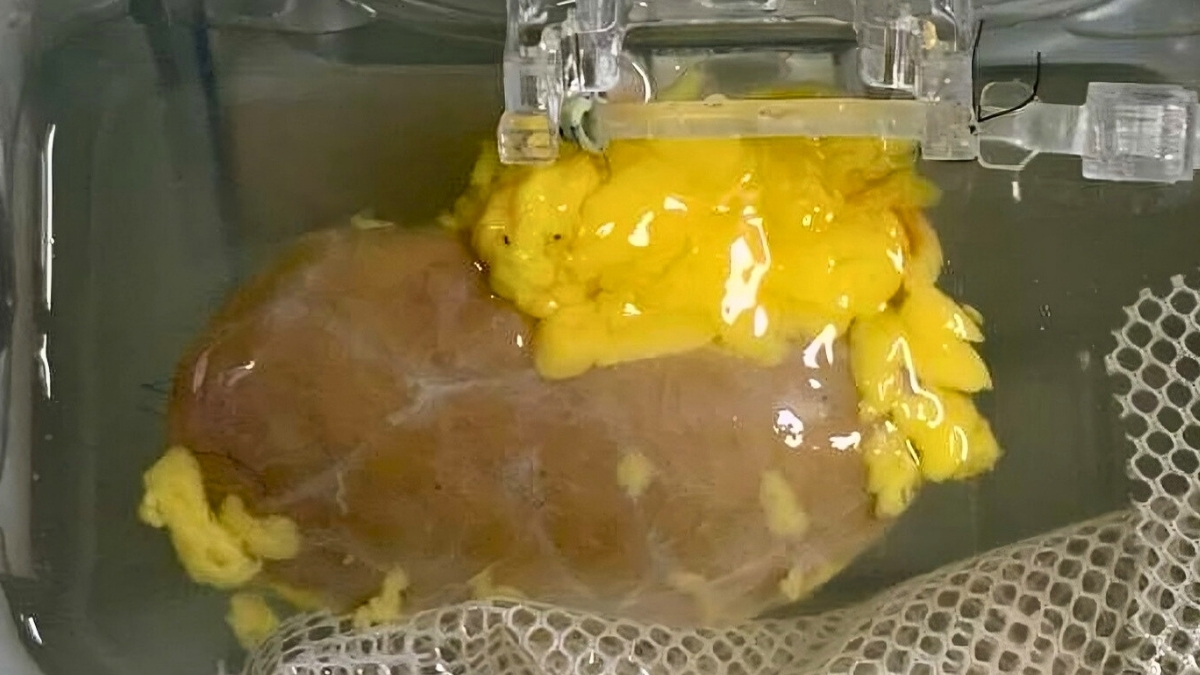
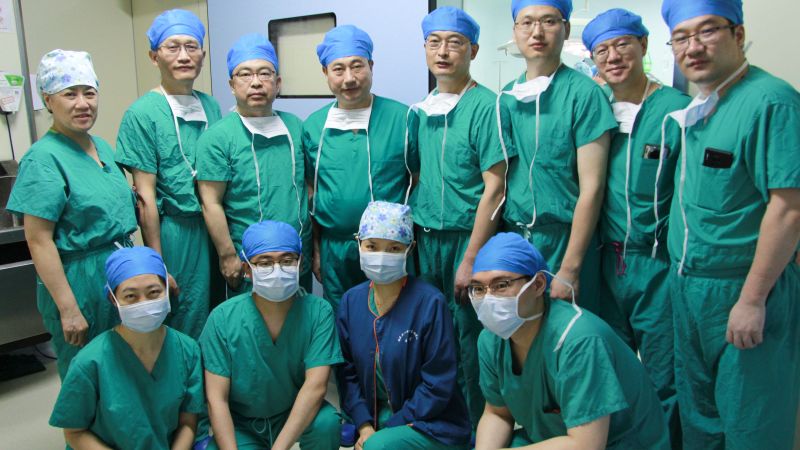
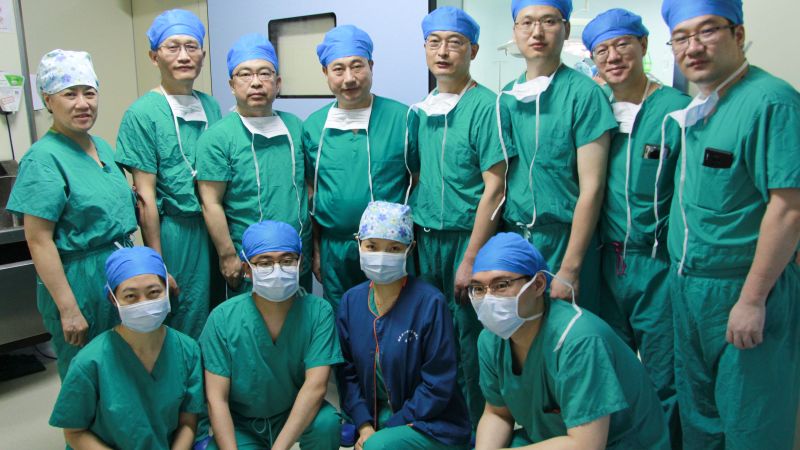
A 71-year-old man in China received the first successful genetically modified pig liver transplant, marking a significant milestone in xenotransplantation. Although the patient passed away after 171 days due to complications, the procedure demonstrated the potential of animal organs in human medicine, highlighting both progress and ongoing challenges in the field.
Doctors in China successfully transplanted a genetically modified pig liver into a 71-year-old man, who lived for 171 days post-transplant, demonstrating the potential of pig organs as a bridge to recovery or human organ availability, despite some complications leading to the organ's removal.
Doctors in China successfully transplanted a genetically modified pig liver into a 71-year-old man, who lived 171 days post-surgery, demonstrating the potential of pig organs as a bridge to recovery or human organ donation, despite some complications leading to the organ's removal.
A groundbreaking gene therapy has successfully slowed Huntington's disease progression by 75% in a clinical trial, offering hope for a treatment that could extend and improve patients' lives, though it involves complex surgery and high costs.
Twin girls El and Ally, conjoined at the pelvis, underwent a rare and complex 18-hour separation surgery at Seattle Children's Hospital after a six-month planning process, leading to significant improvements in their mobility and emotional well-being, though they still face ongoing medical and developmental challenges.