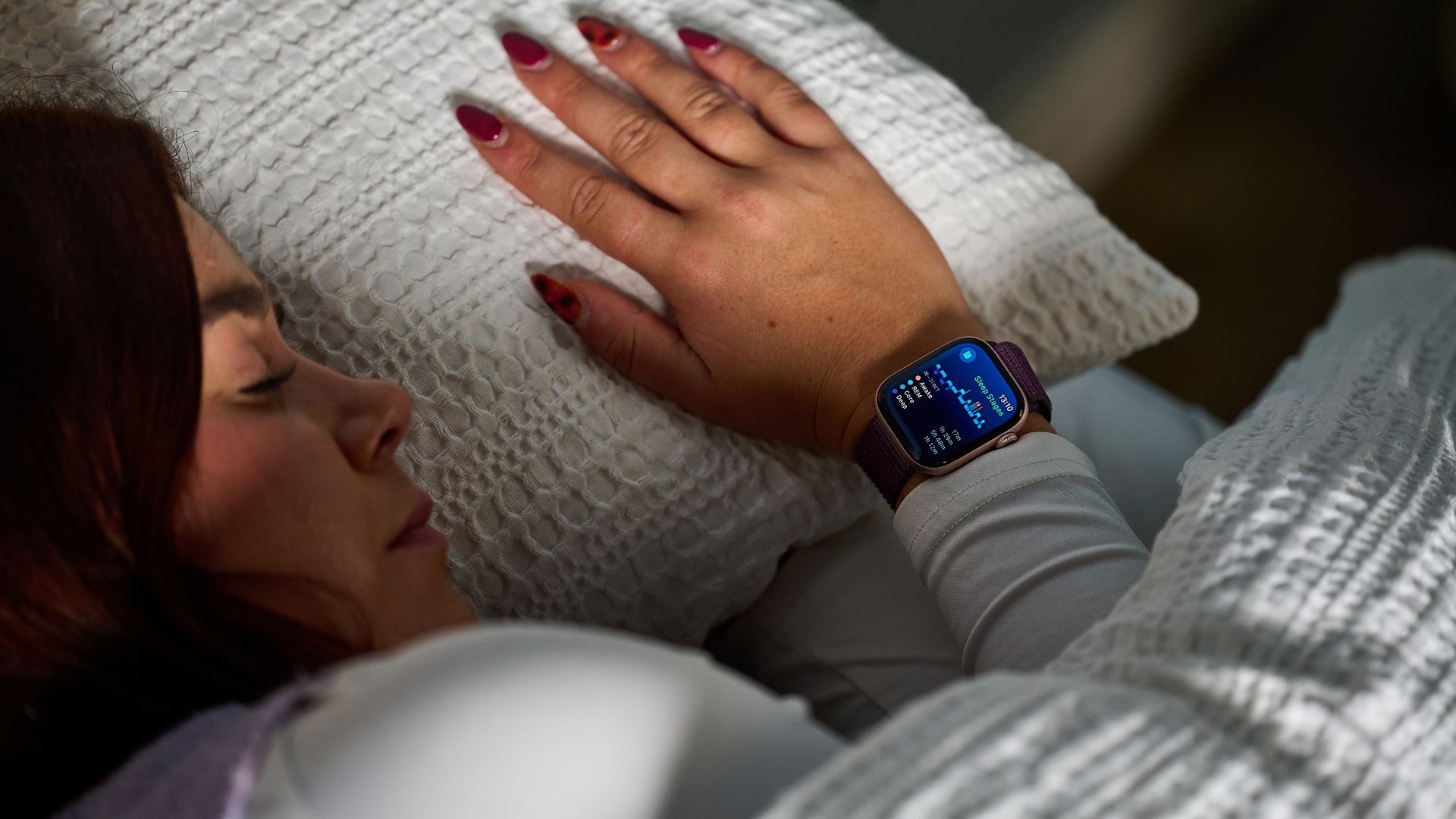
The article explains how to effectively use smartwatches like Apple, Garmin, Oura, and Whoop to track and improve sleep quality by maintaining consistent habits, understanding sleep data, and making lifestyle adjustments, emphasizing the importance of trusting your body and focusing on sleep trends rather than just numbers.
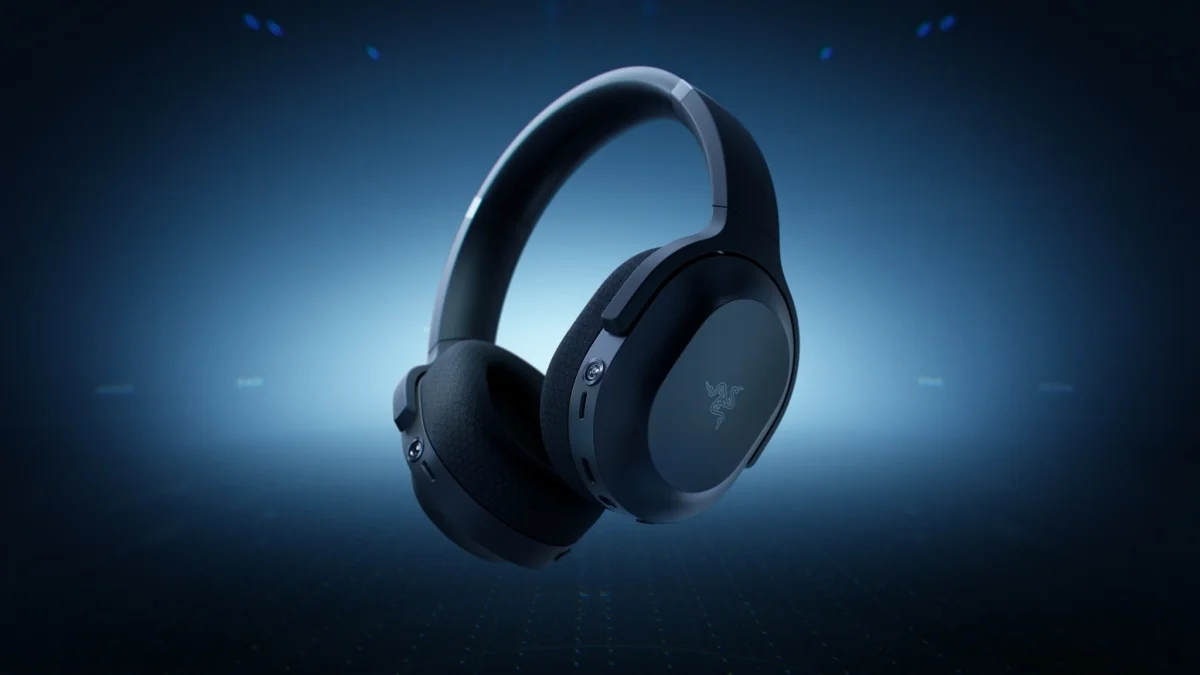
Razer unveiled a concept AI-powered wireless headset called Project Motoko at CES 2026, which functions like smart glasses with features such as object recognition, text translation, document scanning, and voice command recognition, but it is currently just a concept with no release date or price.
The article humorously outlines nine scientific breakthroughs hoped for in 2026, including new animal discoveries, advancements in translation software, innovative energy sources like finger scrolling, and solutions for human habits like bedtime procrastination, all amid a backdrop of global concerns and scientific marvels from 2025.
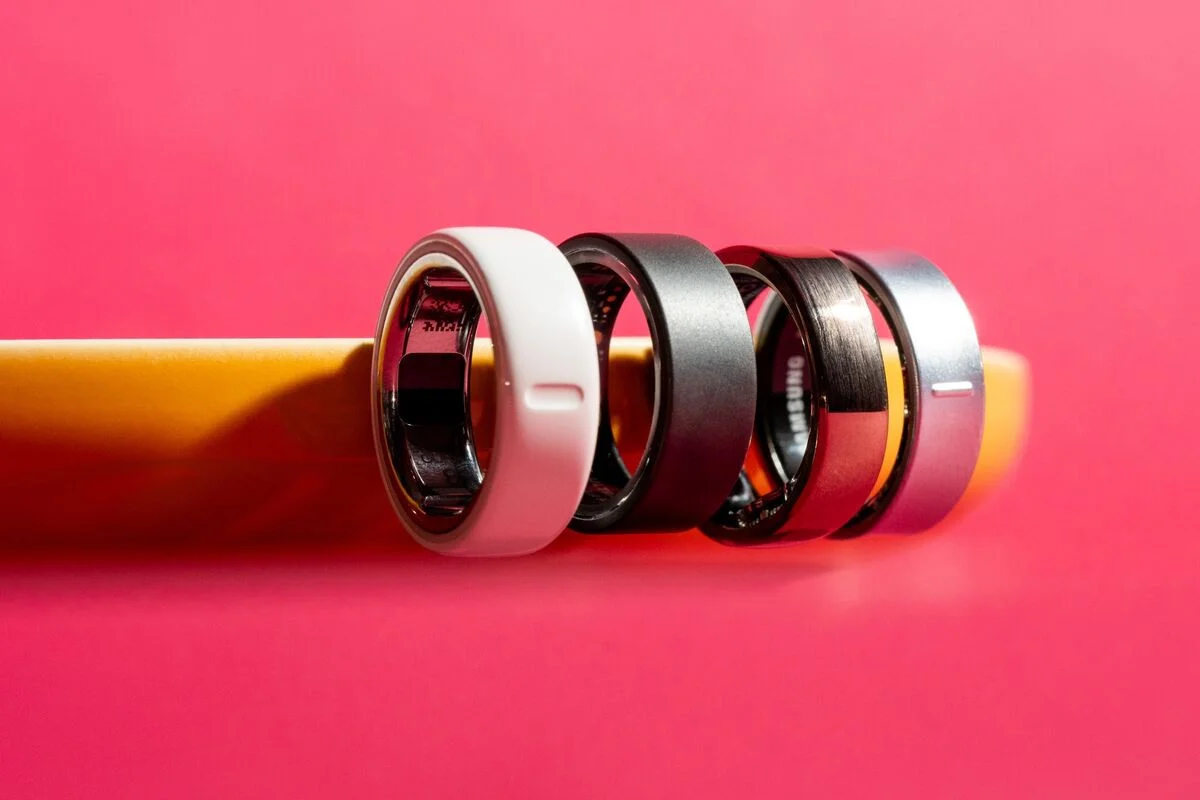
Smart rings are becoming mainstream, with a projected 49% increase in shipments in 2025, offering discreet health and activity tracking with longer battery life and more accurate readings than smartwatches. Leading brands like Oura, Ultrahuman, RingConn, and Samsung are innovating with features like sleep analysis, bloodwork integration, and AI insights, making smart rings a popular choice for continuous health monitoring. Oura remains a top contender due to its accuracy and design, as the category continues to grow and diversify.
At CES 2026, the Dephy Sidekick robotic exoskeleton, designed to assist walking by providing a small boost with each step, was demonstrated. It attaches to the calf, uses sensors and a motor to analyze gait, and is aimed at helping people move more easily for everyday activities. Priced at $4,500, it is expected to ship starting January 25.
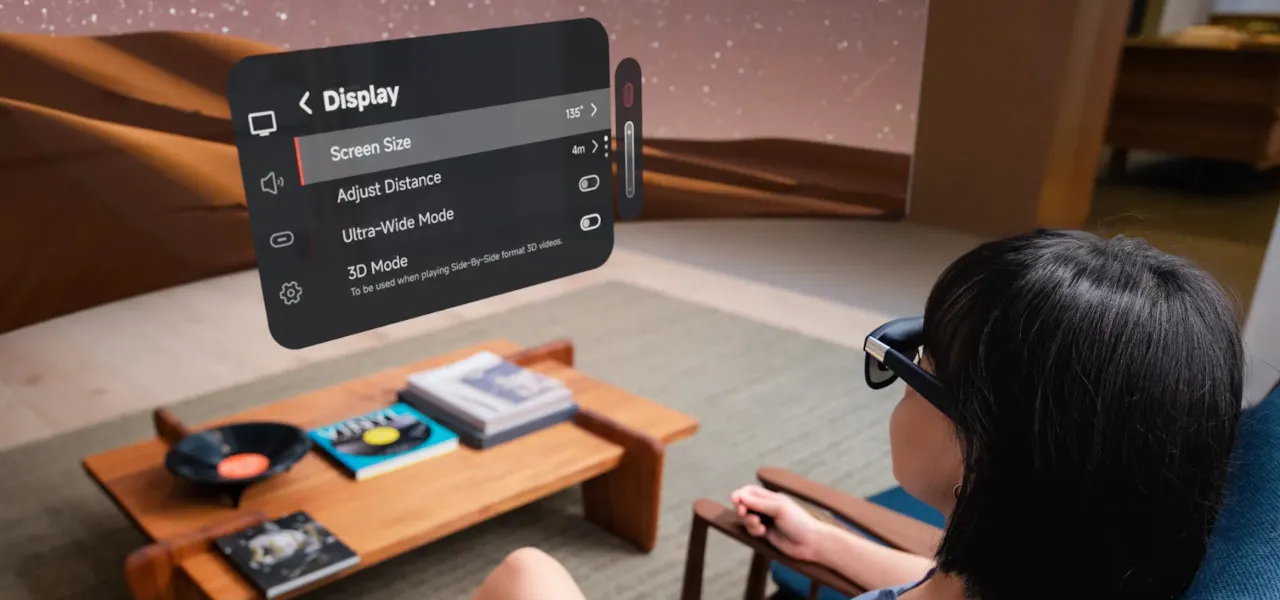
The article discusses the current state and future potential of AR smart glasses, highlighting different designs from Xreal and Halliday, and featuring expert opinions suggesting that immersive AI glasses could replace smartphones within five years, though widespread adoption and compelling use-cases are still evolving.
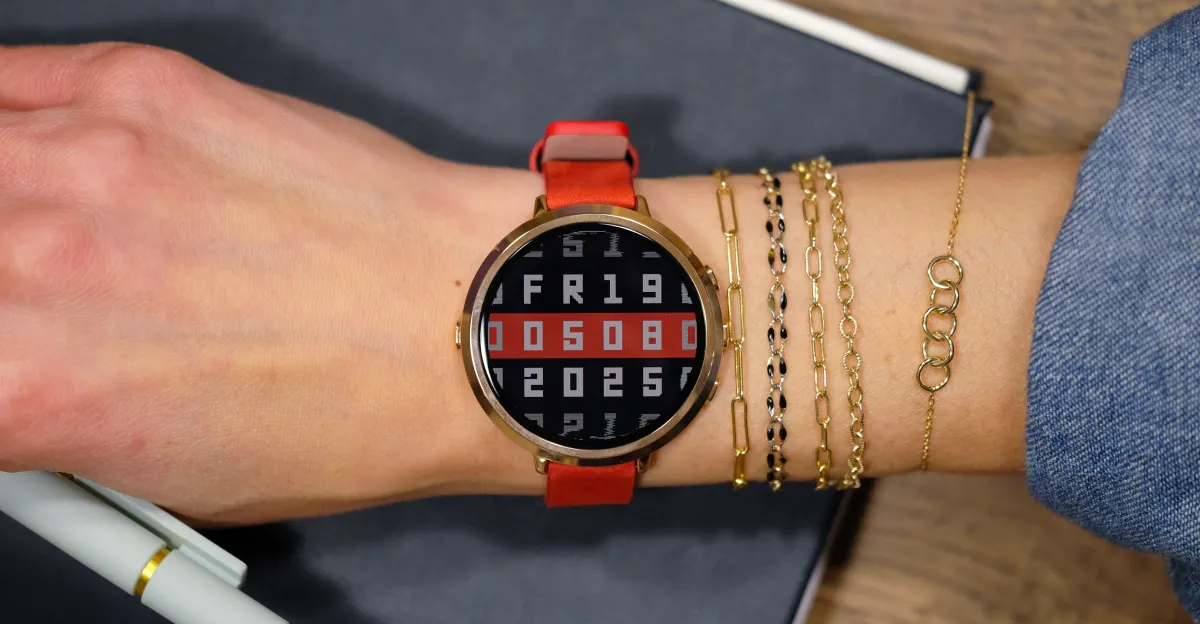
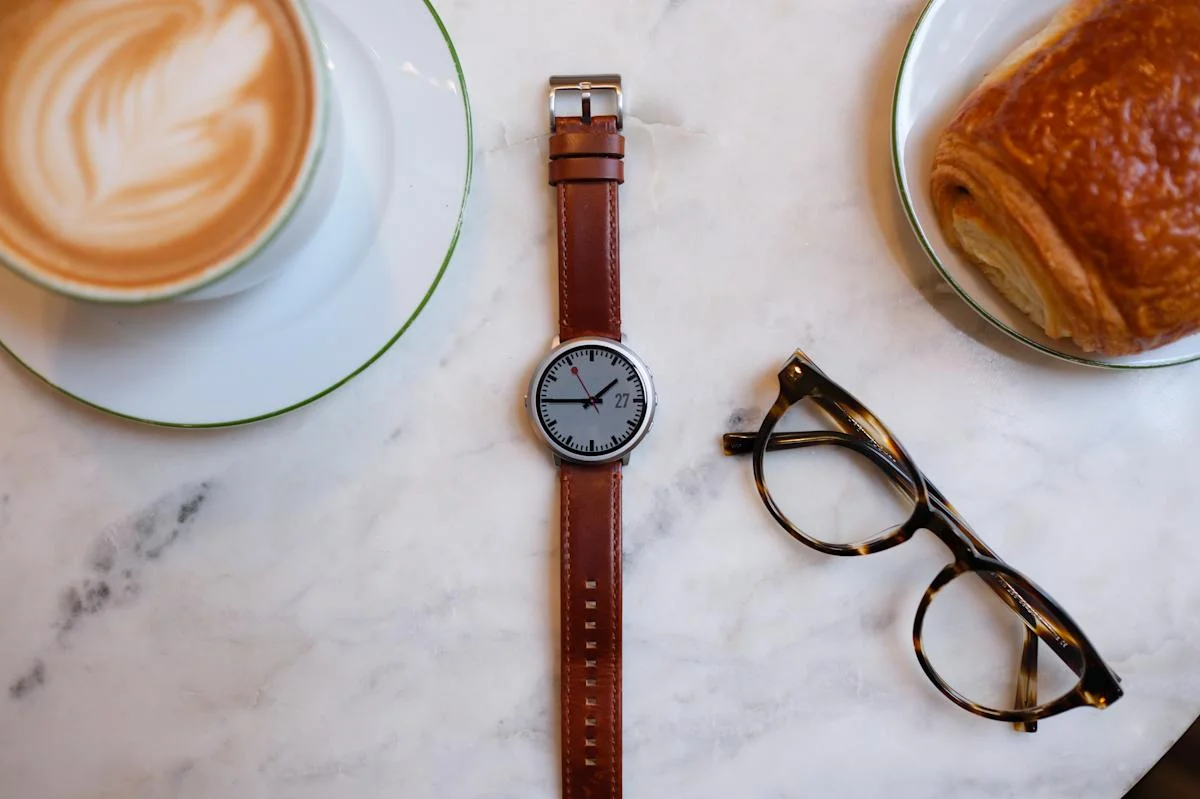
Pebble has announced a reboot of its classic round smartwatch, the Pebble Round 2, featuring a larger 1.3-inch touchscreen, longer battery life of up to two weeks, and new speech input capabilities, available for preorder at $199 with shipping in May.
Pebble has revived its smartwatch legacy with the Pebble Round 2, addressing past flaws like battery life and display design, and focusing on utility and user customization, with pre-orders starting at $199 and shipping in May.
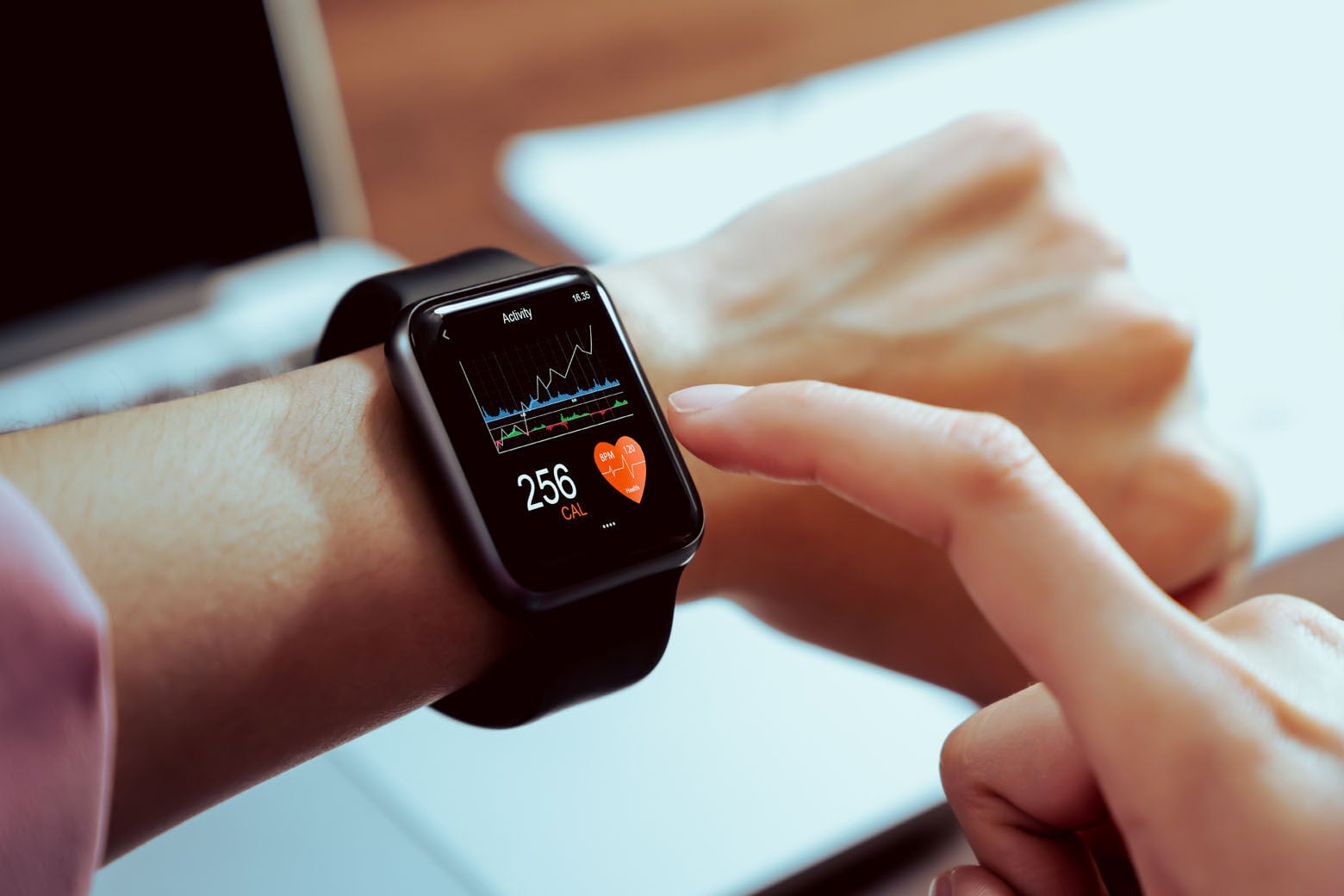
Smart watches can monitor heart rate and rhythm trends, making them useful screening tools for heart health, especially for those at risk of conditions like atrial fibrillation, but they are not diagnostic devices and have limitations in accuracy. They should complement, not replace, medical advice.
New wearable devices that read brain waves using EEG technology are emerging, aiming to improve sleep, boost productivity, and enable brain-controlled devices, with applications ranging from health treatment to gaming, raising privacy concerns about neuro data security.
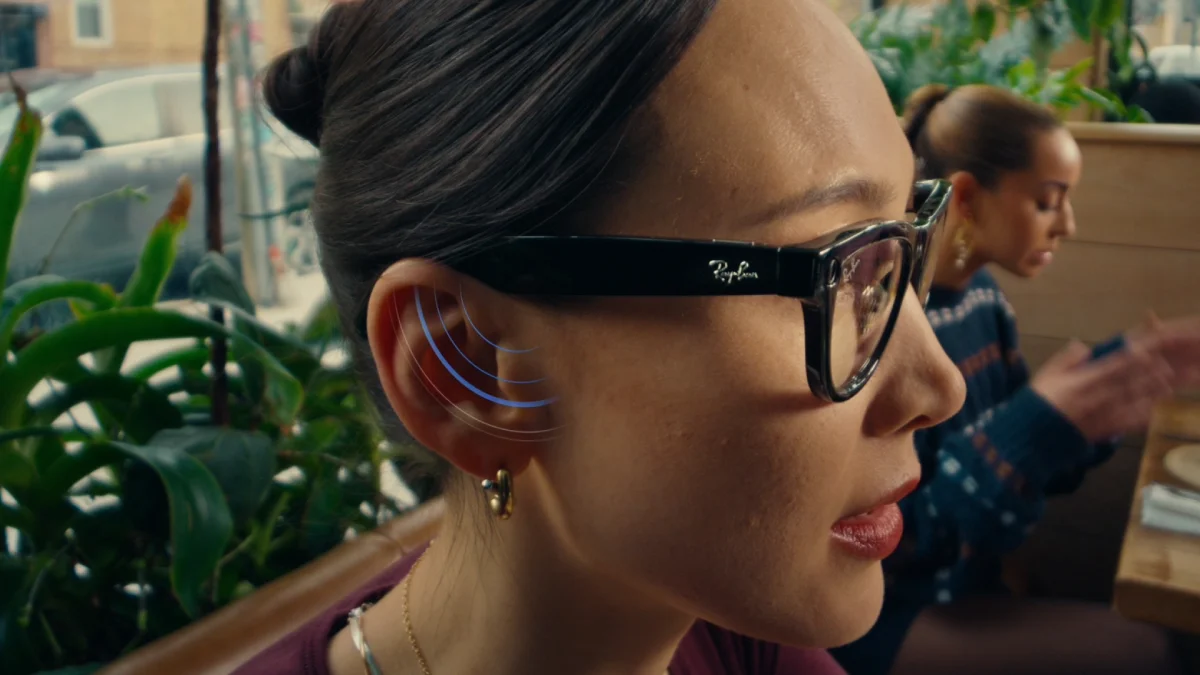
Meta has released the v21 software update for its AI glasses, introducing features like conversation focus to enhance hearing in noisy environments and Spotify integration for personalized music experiences based on visual cues, available in select countries for early access users.
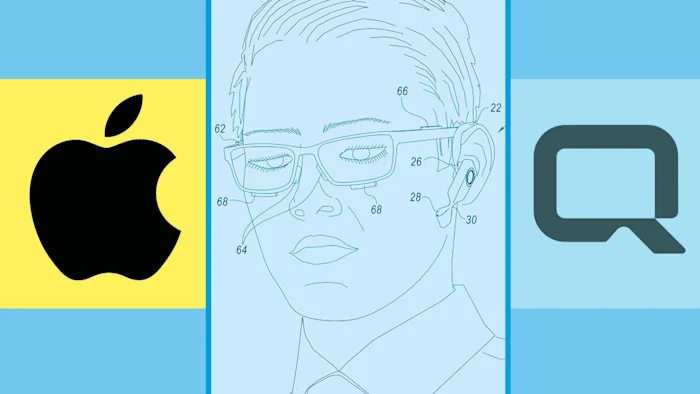
Tech giants are betting on smart glasses as the next big wearable device, aiming to make them a core part of personal computing with advancements in displays, mixed reality, and AI integration, potentially transforming how we interact with digital content on the go.
Research shows that data from Apple Watch combined with AI can detect signs of heart damage, highlighting the potential of wearable technology in health monitoring.
Samsung and Google are developing smart glasses that incorporate advanced AI, like Gemini AI, to enhance everyday interactions and integrate with other devices, signaling a new era of wearable tech focused on contextual AI and health features.