

Tag

Gait Freezing

All articles tagged with #gait freezing

health2 years ago

"Wearable Exoskeleton Prevents Freezing in Parkinson's Patients"

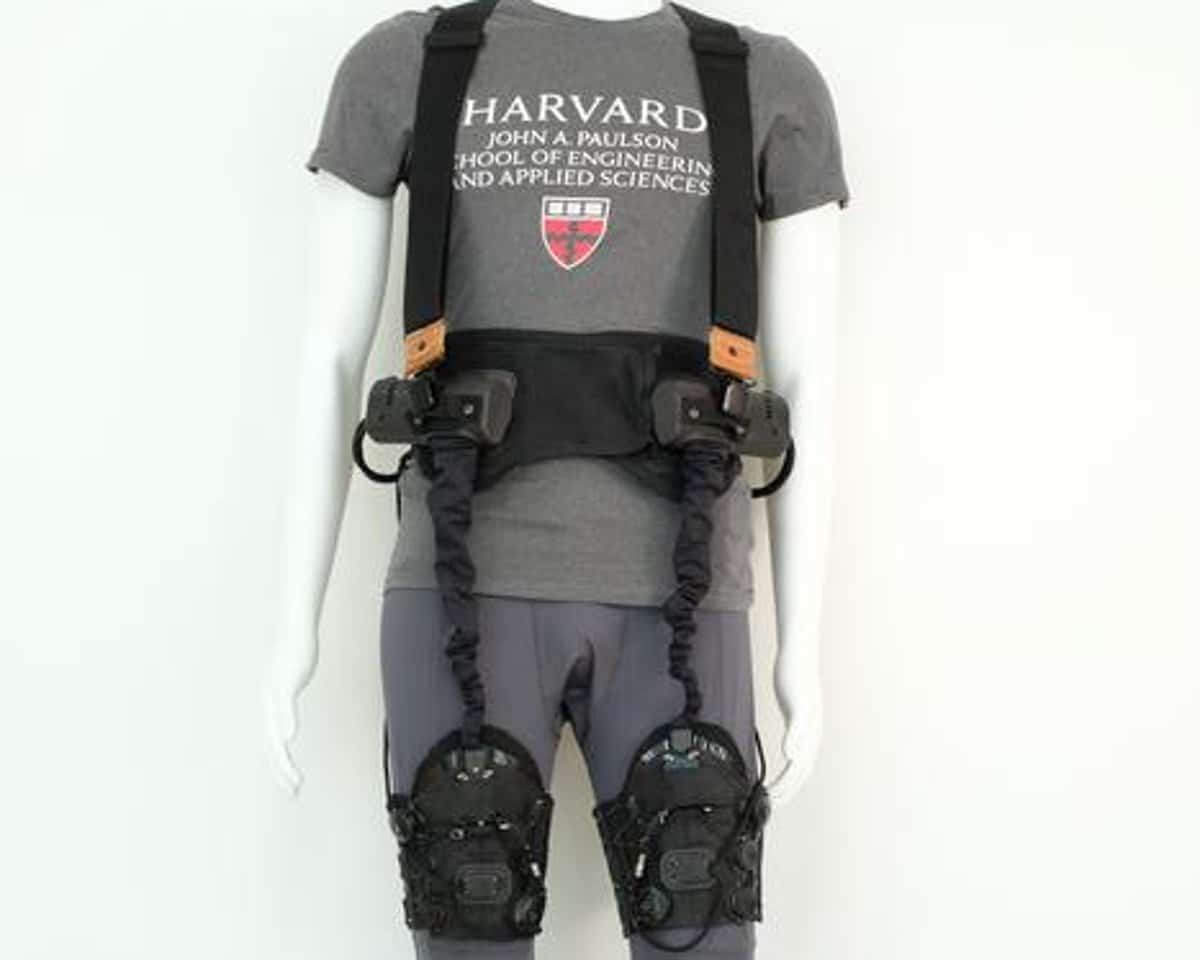
Researchers at Harvard and Boston universities have adapted a soft, robotic wearable device to help mitigate the effects of gait freezing in a 73-year-old Parkinson’s patient, allowing him to walk faster and for a greater distance. The device, initially designed for adults with walking difficulties due to stroke or other conditions, "instantaneously eliminated" freezing of gait while walking indoors and may offer a promising solution for this common Parkinson's symptom.

health-and-medicine2 years ago

"Wearable Robotic Exosuit Enhances Mobility for Parkinson's Patients"

A soft robotic garment designed by researchers from Harvard SEAS and Boston University Sargent College has shown promise in eliminating freezing of gait in Parkinson's patients. The device, which is worn around the hips and thighs, assists with leg swings, enabling longer strides and improved mobility. In a study with a 73-year-old Parkinson's patient, the robotic garment completely removed freezing episodes during indoor walks, potentially offering a new way to enhance independence for those affected by this symptom of Parkinson's disease. The research, which will appear in Nature Medicine, underscores the potential of soft robotics in medical applications and neurorehabilitation.

health2 years ago

Revolutionary Spinal Device Alleviates Parkinson's Disease Freezing Gait

A spinal cord neuroprosthesis, which delivers electrical stimulation to nerve cells in the spine, has shown promising results in reducing gait freezing in a man with Parkinson's disease. The device, developed by scientists at the Swiss Federal Institute of Technology in Lausanne, targets the nerve cells responsible for controlling leg movements and has led to significant improvements in the patient's ability to walk. The technology, which combines electrical stimulation with deep brain stimulation, may offer a new therapeutic approach for individuals with Parkinson's disease experiencing gait problems. Further research is needed to test the technique in more patients.