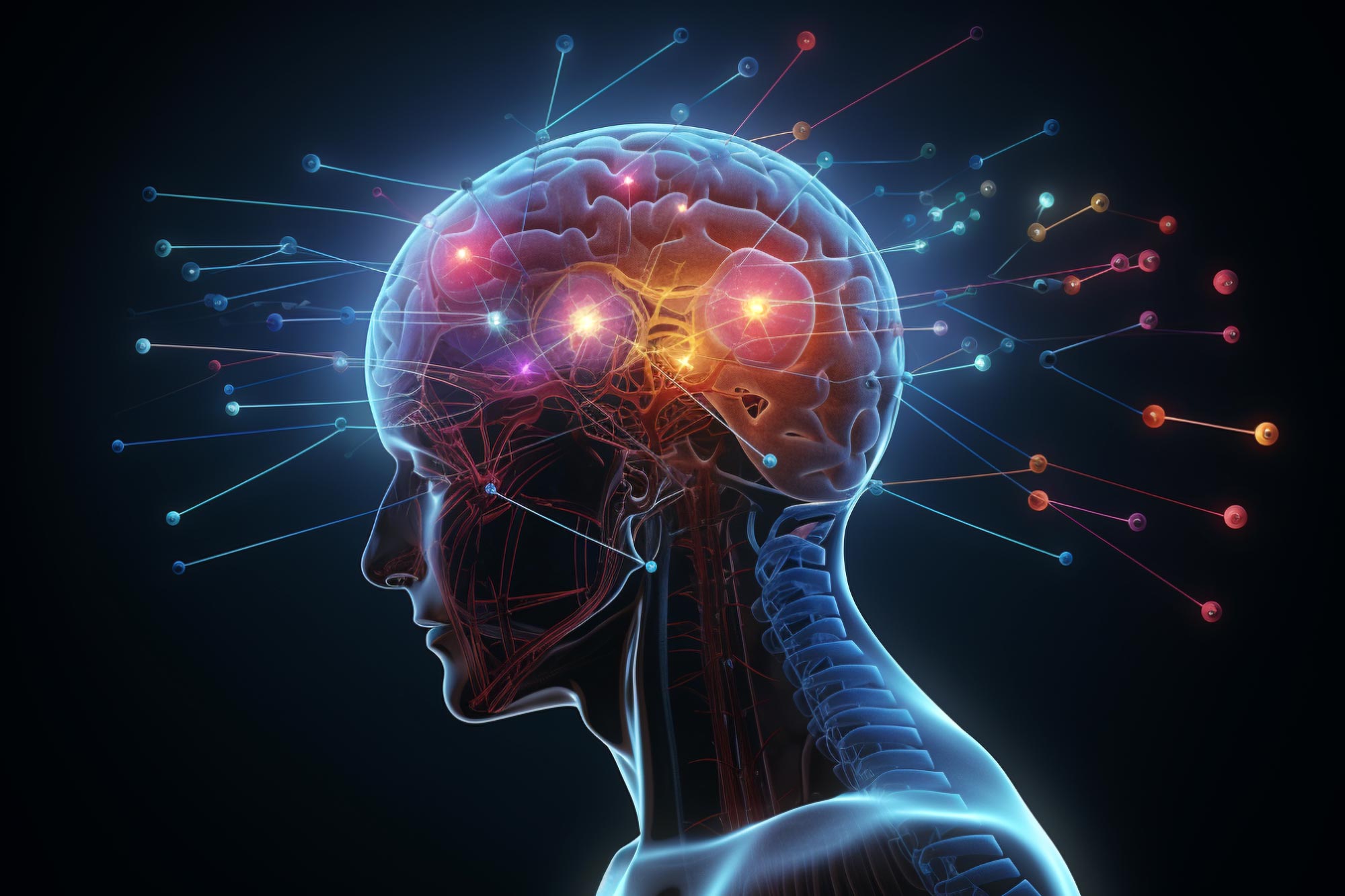
Researchers are exploring new neurorehabilitation tools like transcranial magnetic stimulation, antidepressants, and psychedelics to enhance the brain's natural healing after neurological damage, potentially improving recovery outcomes beyond traditional therapies.
Researchers have identified a unique brain network associated with schizophrenia by analyzing data from over 90 studies involving more than 8,000 participants. This network, which connects areas of brain atrophy like the insula and hippocampus, is consistent across different stages and symptoms of schizophrenia and distinct from other psychiatric conditions. The findings could lead to personalized treatments and clinical trials using transcranial magnetic stimulation to target this network.
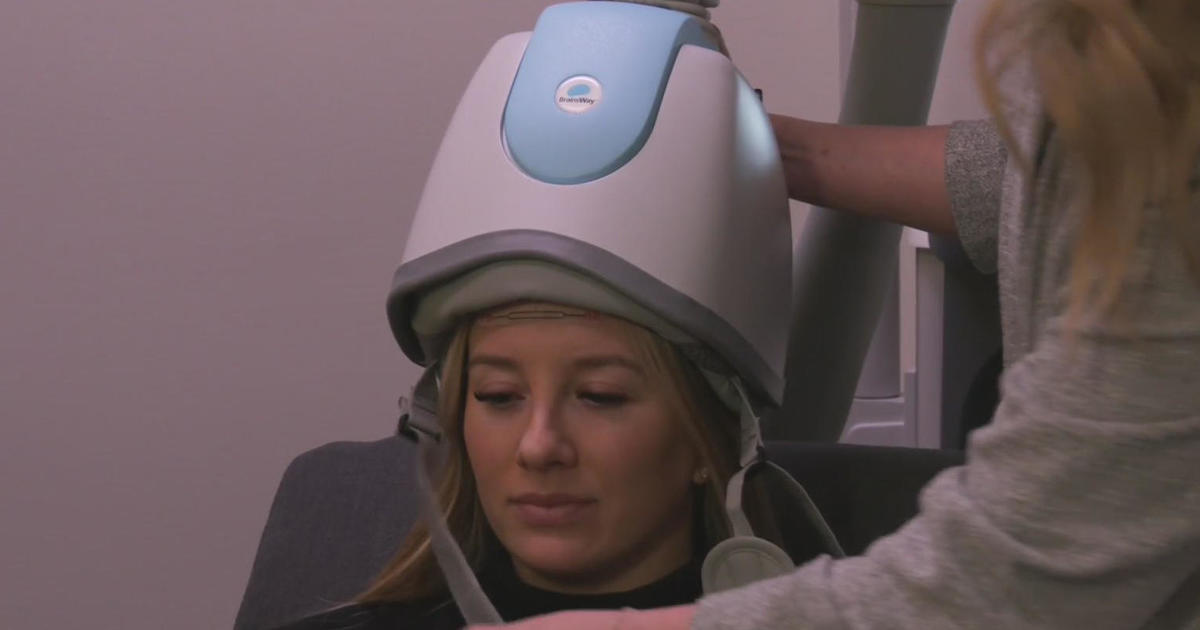
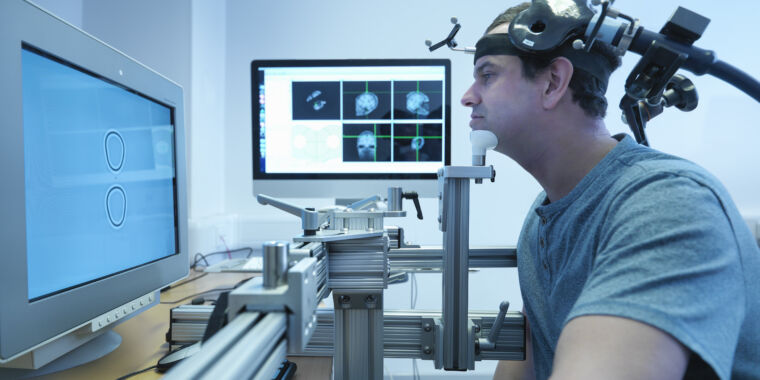
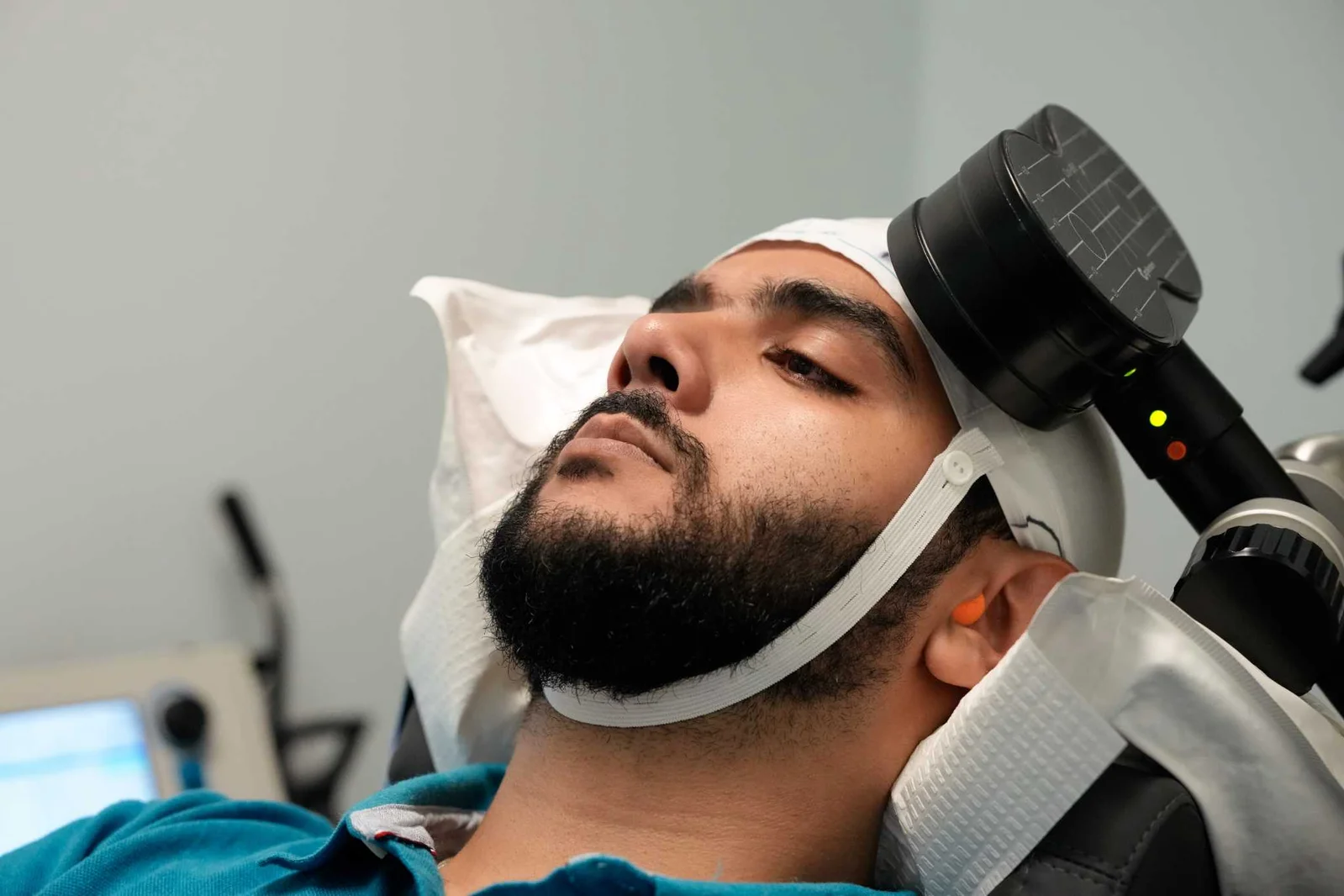
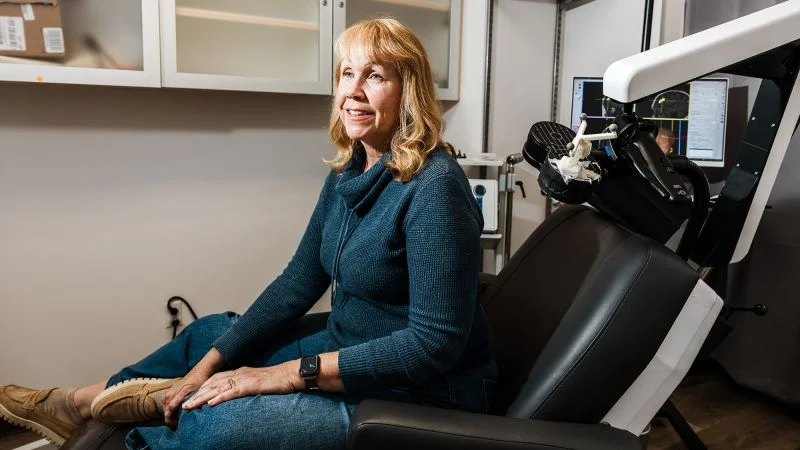
NeuroJust, a Metairie-based clinic specializing in transcranial magnetic stimulation (TMS) for depression, has expanded to Baton Rouge, offering noninvasive treatment for mood disorders. TMS, approved by the FDA in 2008, involves using magnetic pulses to stimulate nerve cells in the brain region associated with depression. The clinic's TMS treatment sessions, overseen by a board-certified psychiatrist, offer minimal side effects and allow patients to resume normal activities immediately after 20-minute sessions.
A systematic review of experiments found that high-frequency transcranial magnetic stimulation targeting the left dorsolateral prefrontal cortex significantly reduced cravings for cocaine and decreased impulsivity in response to extreme negative emotions in individuals with cocaine use disorder. The findings suggest that this non-invasive treatment method may hold promise for addressing cocaine addiction, although more research is needed to fully understand its effectiveness.
Transcranial magnetic stimulation (TMS) is an FDA-approved therapy that has been around for more than a decade and is gaining attention as a potential treatment for those with treatment-resistant depression. The non-invasive treatment involves delivering pulses to the brain's neural circuitry, aiming to add energy to the brain and activate neurotransmitters. While time-consuming, with daily 30-minute sessions for six weeks, TMS has shown promising results, with nearly 70% of patients reporting a significant reduction in symptoms. This therapy is offering hope and changing lives for those struggling with depression.
A new study from the University of Nottingham suggests that transcranial magnetic stimulation (TMS) could effectively alleviate treatment-resistant depression, with 67% of participants showing positive responses and a third experiencing a 50% improvement in symptoms. The targeted MRI-guided TMS treatment resulted in substantial and lasting benefits, offering hope for those who have struggled with depression for years. While the therapy may be more expensive and time-consuming, its remarkable impact on long-suffering individuals underscores its potential as a valuable treatment option for severe depression.
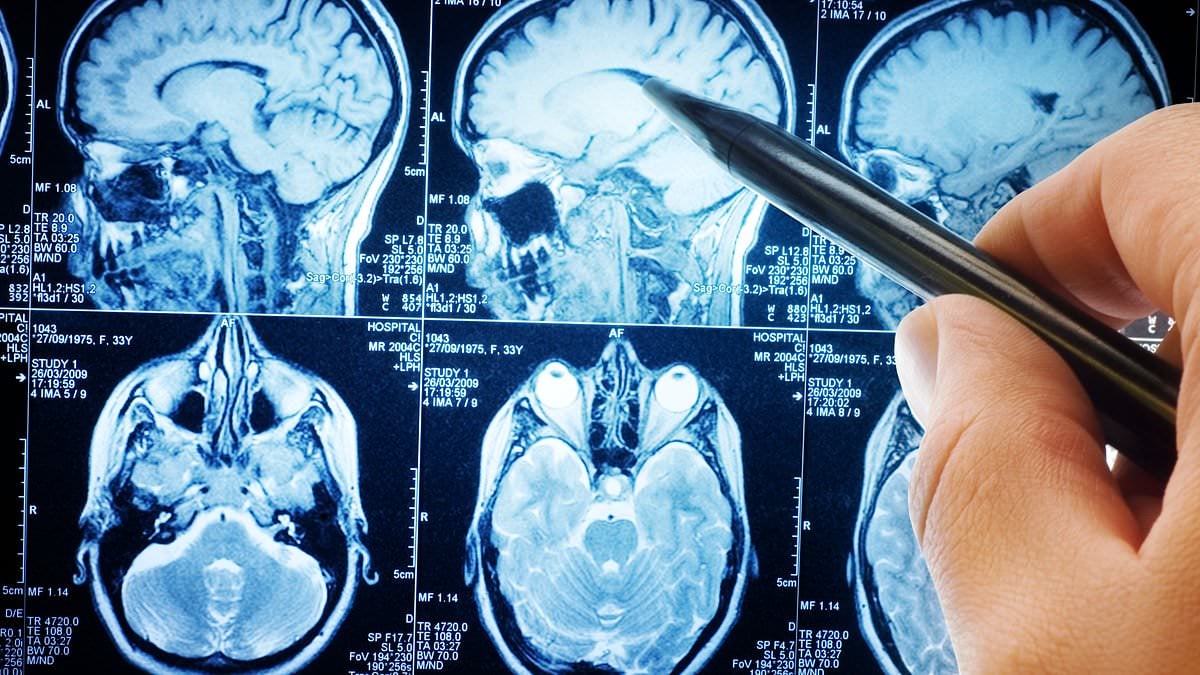
Researchers at the University of Nottingham found that using MRI scans to pinpoint the exact area of the brain to target with transcranial magnetic stimulation (TMS) could ease depression symptoms for up to six months, doubling the length of time that the treatment worked for. The study involved 255 patients with treatment-resistant depression, and two-thirds of participants responded to the treatment, with a fifth going into remission. The personalized TMS treatment, guided by MRI scans, also improved memory, anxiety, and quality of life for the patients.
Stanford University researchers have found that using transcranial magnetic stimulation can enhance a person's ability to be hypnotized, particularly in those with chronic pain disorders like fibromyalgia. The study aimed to make the brains of people who were not highly responsive to hypnosis act and function as if they were, potentially opening the door for improving therapy. This research could have implications for managing pain, controlling habits, overcoming phobias, and addressing various neurological and psychiatric challenges.
A new study has found that the placebo effect for antidepressant treatments, specifically transcranial magnetic stimulation, appears to be growing stronger over time. The study, which analyzed over 2,700 individual studies on transcranial magnetic stimulation for depression treatment, revealed that placebos consistently showed improvements in participants' conditions, although the actual treatment had a larger effect. The researchers also found that the placebo effect and the impact of the actual treatment increased in parallel over time, suggesting that changes in study design and the believability of the placebo may be influencing the results.
A study conducted by researchers at Brigham and Women's Hospital has identified a common brain network among individuals with substance use disorders, regardless of the type of substance or lesion location. By analyzing data from over 144 studies involving more than 9,000 participants, the researchers found consistent abnormalities in this shared circuit, suggesting it could be a potential target for neurostimulation therapies such as transcranial magnetic stimulation. The findings provide valuable insights into the understanding and treatment of addiction.
Researchers at Stanford Medicine have discovered that transcranial magnetic stimulation (TMS), a treatment for severe depression, works by reversing abnormal brain signals. The study also identified a potential biomarker for diagnosing depression - the backward flow of neural activity between key areas of the brain. By applying magnetic pulses to stimulate the brain, TMS can rapidly alleviate symptoms in individuals for whom traditional treatments have been ineffective. The research team used functional magnetic resonance imaging (fMRI) to analyze brain activity and found that the flow of signals between specific brain regions was reversed in depressed patients. However, after receiving TMS treatment, the flow of neural activity shifted back to normal, coinciding with an improvement in depression symptoms. This discovery could help develop personalized treatments and biomarkers for depression.
A new study has found that stimulating the brain with magnetic fields can help relieve depression symptoms by reversing brain signals going in the wrong direction. The study also found that these neural streams of activity going in the wrong direction could be used as a way of diagnosing depression in the future. The treatment, known as Transcranial Magnetic Stimulation (TMS), is non-invasive, can be personalized to each patient, and has received regulatory approval. The study involved patients diagnosed with treatment-resistant major depressive disorder, and the researchers were able to fix abnormal brain signals in the majority of patients with depression.
Ahmed Bayoumi, a neuroscientist, struggled to find an effective treatment for his depression for years before he found the Treatment-Resistant Depression Program at UTHealth Houston. Dr. Joao L. de Quevedo suggested transcranial magnetic stimulation (TMS), a noninvasive form of brain stimulation in which magnetic energy is directed toward the part of the brain that is associated with depression. Those sessions, coupled with therapy and lifestyle changes, helped to alleviate Bayoumi’s symptoms.
A new study published in iScience has found that psilocybin, the active ingredient in magic mushrooms, does not significantly alter the complexity of the brain's causal interactions during altered states of consciousness. However, the study did observe increased electroencephalographic signal diversity during restful states after psilocybin administration, suggesting a broader range of brain activity patterns. The effects of psilocybin on brain activity were primarily seen in the frontal regions of the brain, which are associated with executive functions and behavioral control. The study used a combination of transcranial magnetic stimulation and electroencephalography to decode aspects of the underlying brain signature and visualize its current electrophysiological state.
Researchers at Stanford University have discovered that certain brain signals flow the wrong way in people with treatment-resistant depression, but transcranial magnetic stimulation (TMS) can correct the misdirection and help patients feel better. The study found that in 75% of people with depression, some of the signals flowed the opposite way, and the more severe a person’s depression, the greater the proportion of wrong-way signals. Within three days of finishing the TMS treatment, the reversed signals were flowing in the right direction, and patients were reporting an improvement in their mood.