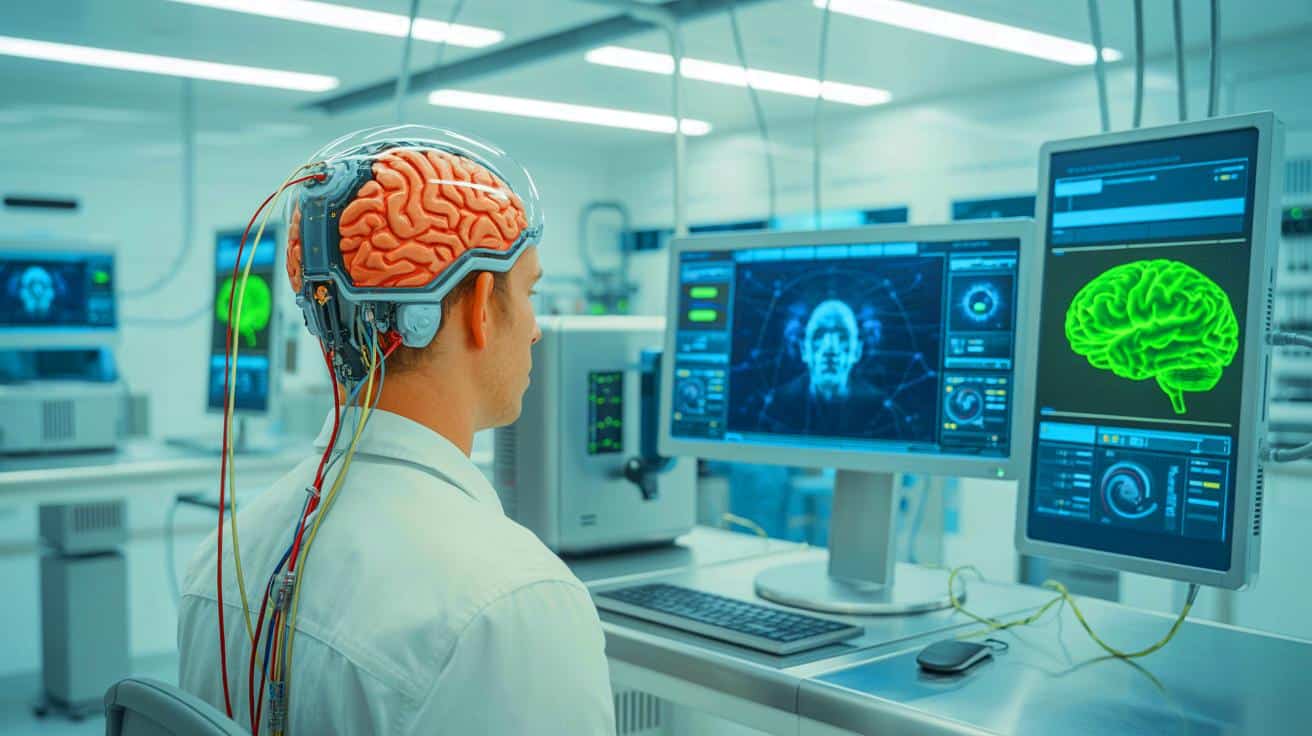
Neuralink, founded by Elon Musk, is developing a brain implant that translates thoughts into text, initially aimed at helping speech-impaired individuals, with future plans for healthy users, raising ethical questions about human enhancement and technological integration. Clinical trials are set to evaluate safety and efficacy, while the technology sparks debates on the boundaries of human augmentation.
A study published in Cell reveals that brain implants can decode not only attempted speech but also imagined inner speech, raising privacy concerns about mental privacy as technology advances. Researchers found that AI can translate faint brain signals associated with inner speech into words, which could make communication easier for paralyzed individuals but also pose risks of unintentional mind-reading. Protective measures like wake words were tested, but experts warn that the boundary between private and public thoughts may become blurred, especially with future consumer devices.
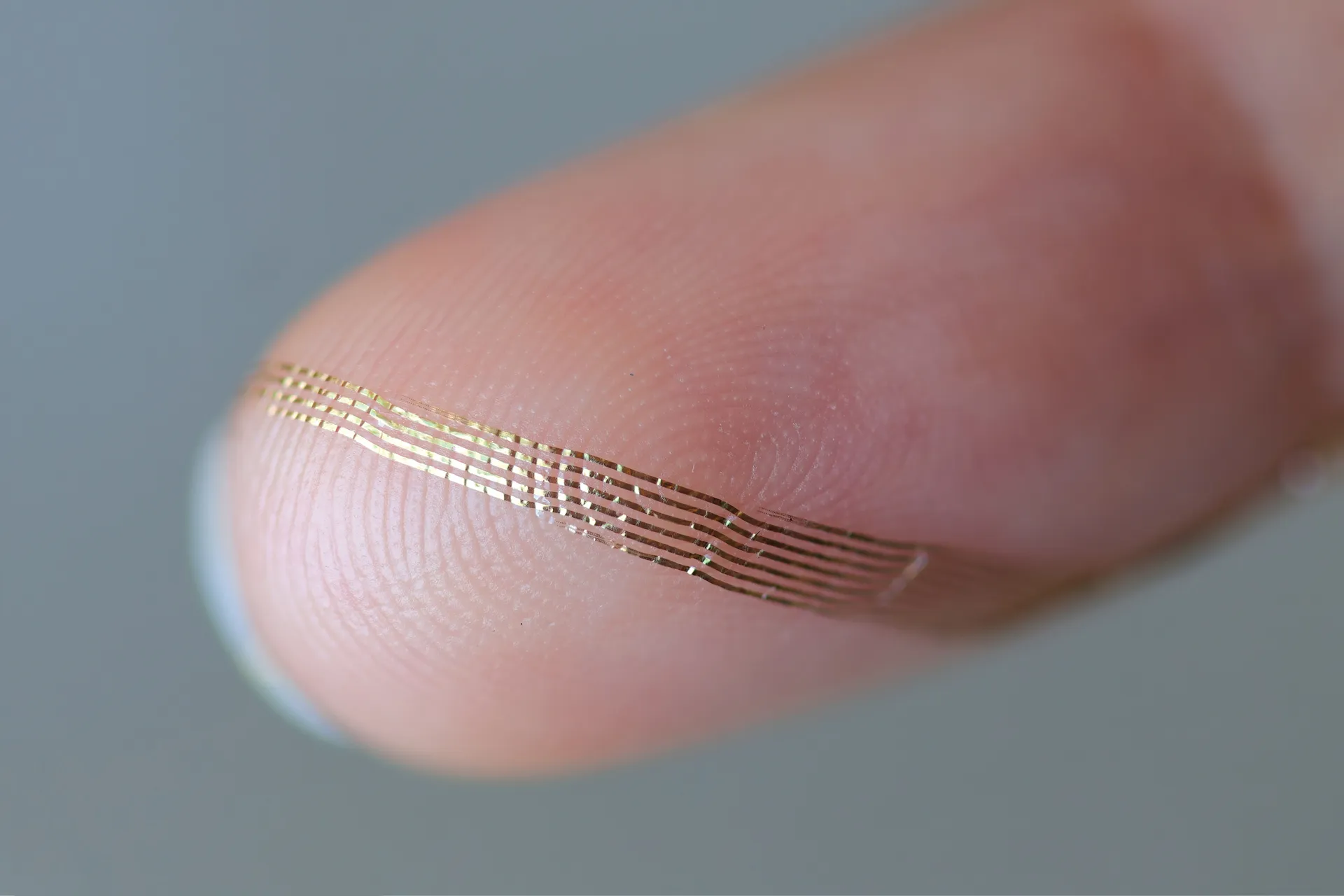
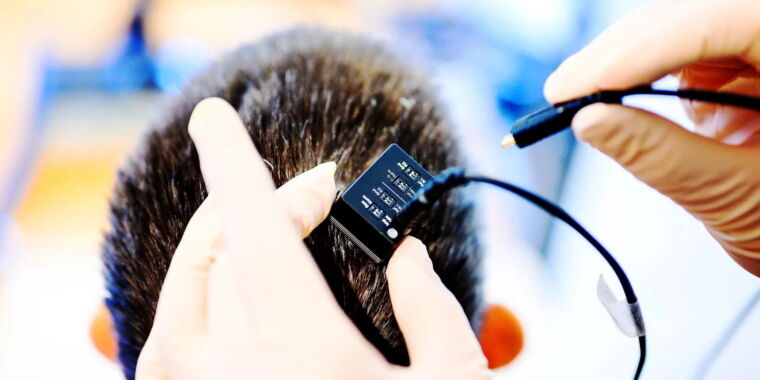
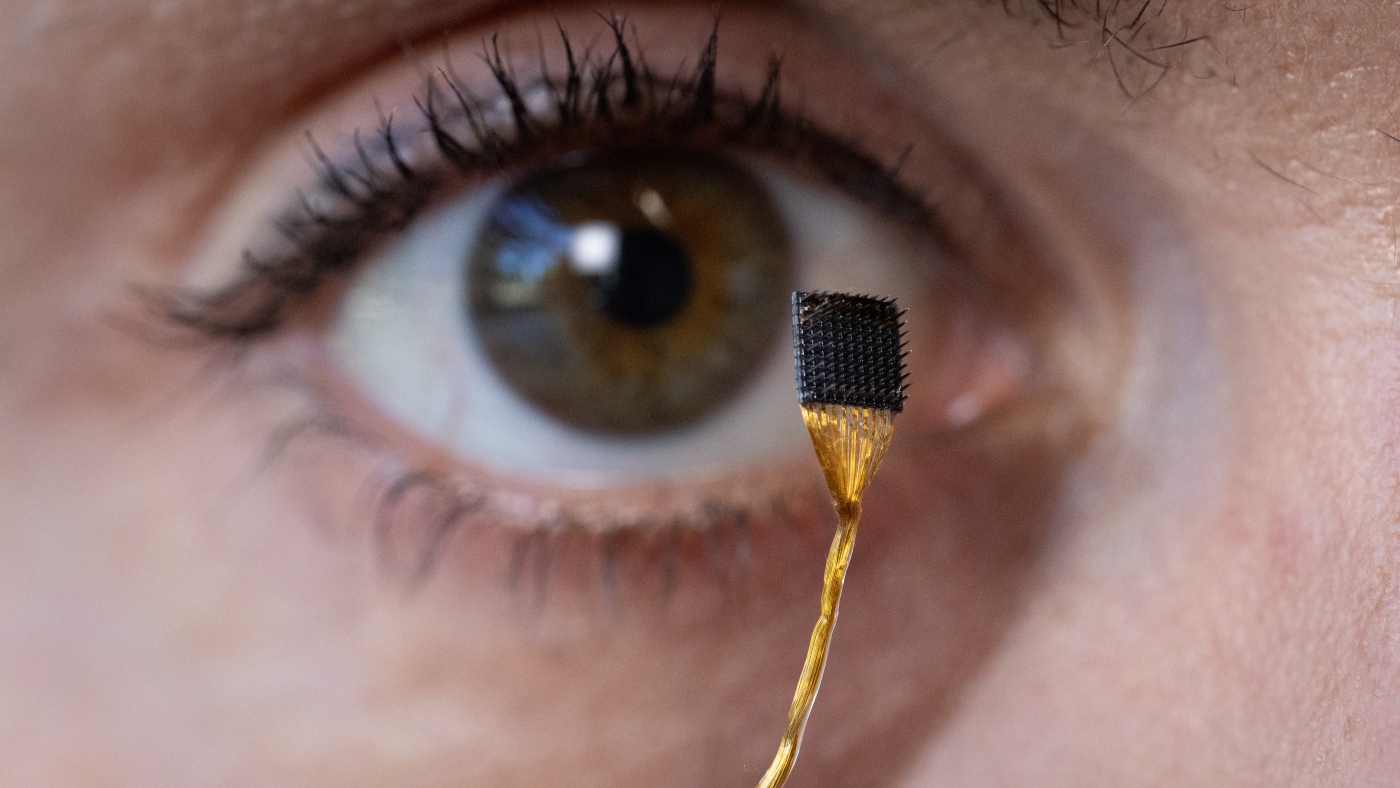
Axoft, a Harvard-founded startup, is developing a soft, biocompatible neural probe that minimizes brain damage and scar tissue formation, enabling more accurate and long-term brain activity monitoring, especially for patients with traumatic brain injuries. The innovative device, made from a new material called Fleuron, can host thousands of sensors and is progressing through clinical trials with plans for FDA approval by 2028.
The article explores Synchron's minimally invasive brain implant technology, the Stentrode, which allows users to control devices with their thoughts, highlighting its potential to revolutionize accessibility and everyday life, while also discussing ethical concerns, privacy issues, and the future of cyborg integration.
Medical researchers are expressing concerns about the lack of evidence and transparency from Neuralink regarding its brain implant technology, following Elon Musk's claim that the first human recipient was able to control a mouse cursor with their mind. Safety concerns have been raised, particularly in light of leaked documents detailing gruesome injuries to monkeys involved in testing. While Neuralink's purported achievements are overshadowed by these revelations, some experts believe that the involvement of multiple companies in human brain-computer interface research could ultimately benefit the field.
Elon Musk's Neuralink project has drawn both excitement and skepticism from rivals in the field of brain implants, shining a light on the potential of this technology. While some competitors are irked by the hype surrounding Neuralink, others acknowledge the attention it brings to the field and the potential for advancements in brain-computer interfaces.
A small clinical trial has shown that deep brain stimulation (DBS) can improve cognition in people with traumatic brain injuries. The trial involved five participants who experienced a 15-52% improvement in processing speed after three months of DBS implants. The technique involves applying an electrical current to key parts of the thalamus, a brain structure involved in attention and memory. The researchers hope to conduct larger trials and develop a protocol for delivering this treatment to more centers.
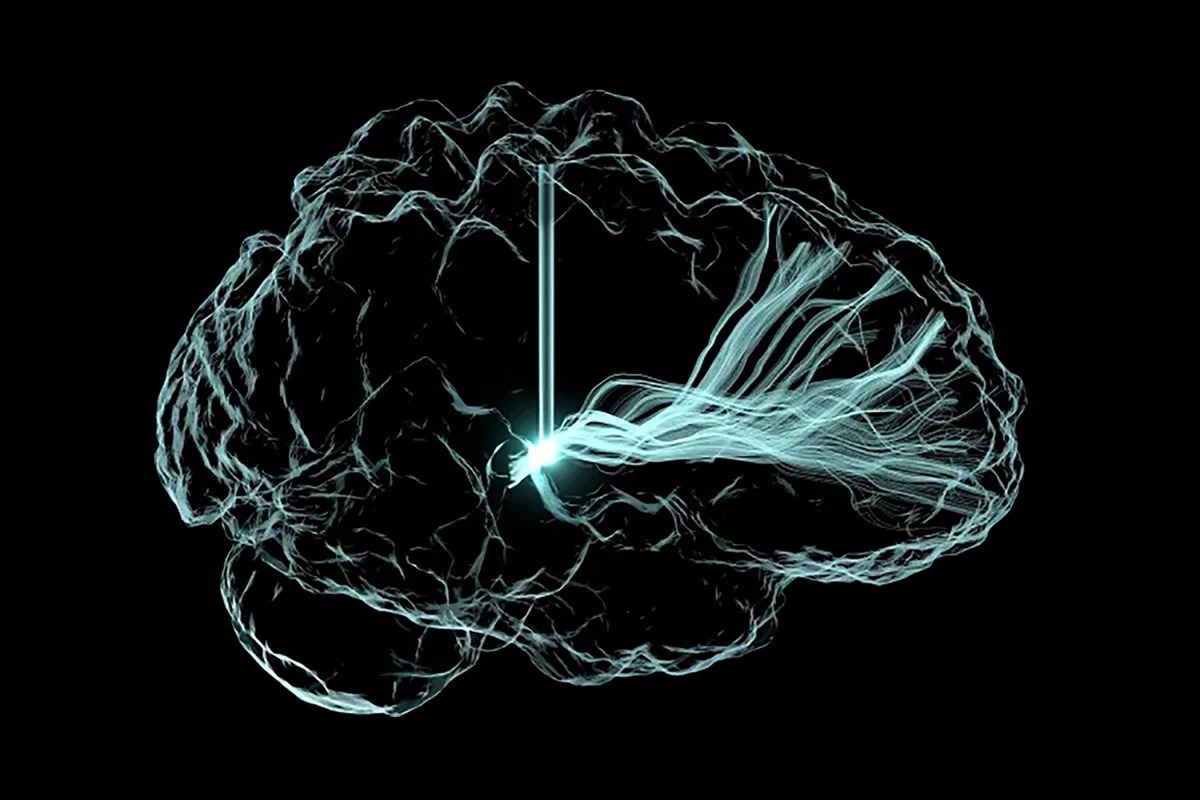
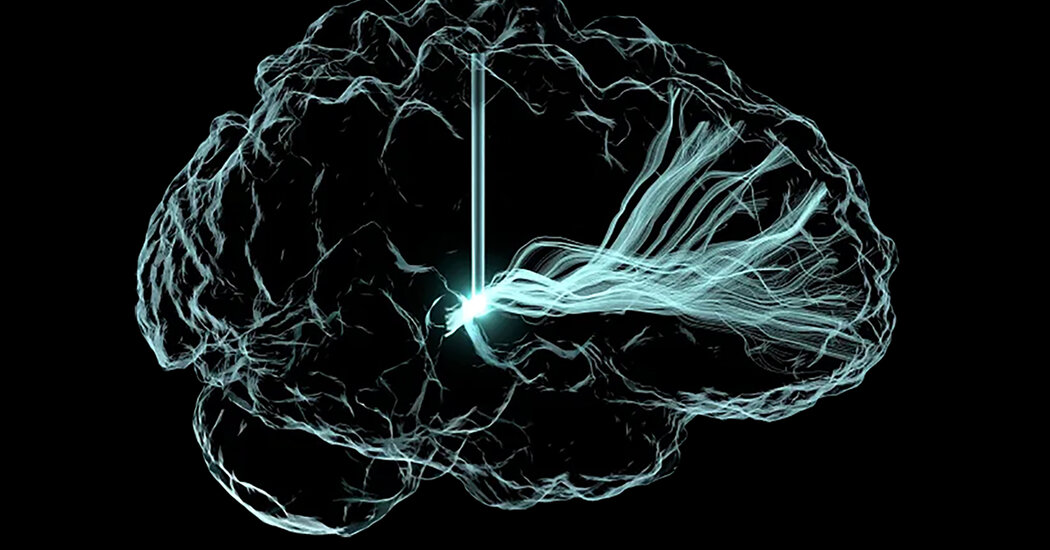
A study published in The New York Times has shown promising results for the use of brain implants in helping individuals with moderate to severe traumatic brain injuries. Five volunteers received electrodes implanted in their heads, which stimulated their brains and led to improved performance on cognitive tests. If these findings are replicated in larger clinical trials, the implants could become the first effective therapy for chronic brain injuries. The study focused on a crucial hub in the brain network called the central lateral nucleus, which, when stimulated, helped individuals regain focus and attention. While further research is needed, this study offers hope for millions of people suffering from traumatic brain injuries.
A new study has shown promising results for the use of brain implants in helping people with chronic problems resulting from traumatic brain injuries. Five individuals with moderate to severe brain injuries had electrodes implanted in their heads, which stimulated their brains and led to improved performance on cognitive tests. If these findings are replicated in larger clinical trials, brain implants could become the first effective therapy for chronic brain injuries. The study focused on a specific structure in the brain called the central lateral nucleus, which plays a crucial role in the brain's network responsible for focus and attention. While further research is needed, this study offers hope for millions of people suffering from traumatic brain injuries.
A clinical trial conducted by Stanford Medicine and other institutions has shown promising results in restoring cognitive abilities in individuals with moderate to severe traumatic brain injuries. The trial involved the surgical implantation of a deep-brain-stimulation device that stimulated the brain networks affected by the injury. Participants experienced improvements in focus, memory, and emotional regulation. The technique targets the central lateral nucleus in the thalamus, which plays a crucial role in consciousness. The study offers hope for individuals who have long-lasting impairments from traumatic brain injuries.
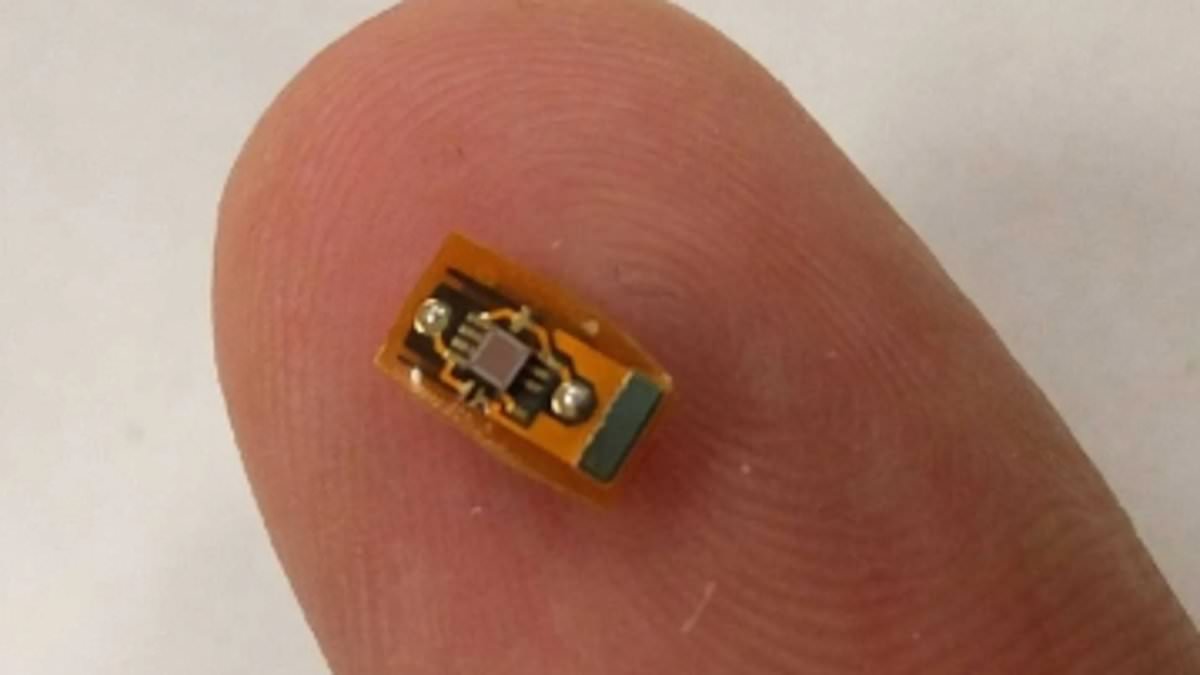
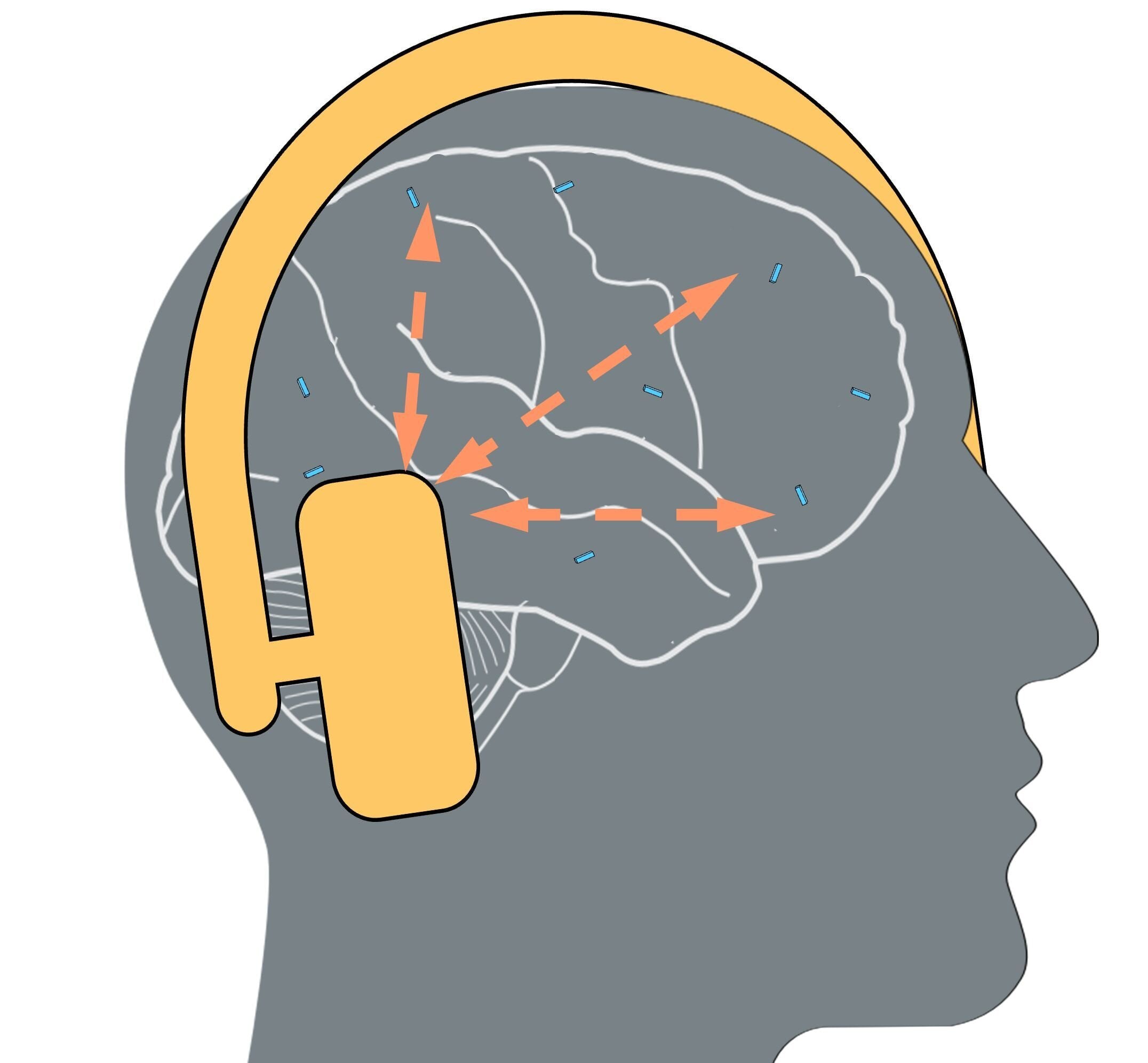
Scientists at Purdue University have developed a wireless brain implant, smaller than a dime, that can transmit data to a wearable device resembling headphones. Unlike current brain chips, these implants do not require a physical connection to a computer or device. The researchers envision this technology enabling people to connect to the internet and control smart devices using their minds. This breakthrough represents the first demonstration of high-bandwidth wireless communication between neural implants and wearable devices. While further research is needed, this development paves the way for advancements in brain-computer interfaces.
Researchers at Purdue University have developed a new approach to enable wireless communication between the human brain and computers using neural implants. The technique relies on electro-quasistatic fields and a two-phase process that allows a small sensor implanted in the brain to transfer information to a wearable headphone-shaped device without disrupting the body's physiological processes. The technology has the potential to advance medical research and improve understanding of neurological and behavioral disorders. The researchers are working on developing a system that supports multi-channel sensing and reduces power consumption in neural implants.
Veterinary records obtained by WIRED reveal the gruesome complications and deaths suffered by monkeys involved in Neuralink's brain implant experiments. The records document instances of bloody diarrhea, partial paralysis, brain swelling, fungal and bacterial infections, and loose implants. Contradicting Elon Musk's claim that no monkeys died as a result of the experiments, the records show that at least three monkeys were euthanized due to severe complications. The article also highlights ongoing investigations by the SEC, US Department of Agriculture, and US Department of Transportation into Neuralink's animal testing practices and transport of antibiotic-resistant pathogens. Despite these controversies, Neuralink has received approval to begin human trials for its brain-computer interface technology.
Two women with paralysis caused by ALS and stroke have regained the ability to communicate through brain implants that decode their intended speech at a rate of 62 and 78 words per minute, respectively. The brain-computer interface (BCI) technology, developed by separate teams at Stanford University and UC San Francisco, uses artificial neural networks to translate neural activity associated with facial movements into words displayed on a screen. While slower than natural conversation, this advancement brings us closer to restoring real-time speech for paralyzed individuals and opens possibilities for future applications of BCIs in everyday life.
Researchers at the University of California have successfully implanted electrode implants into the brain of a stroke victim, enabling her to regain her ability to speak after 18 years. Using artificial intelligence, the team trained an algorithm to detect her brain signals and translate them into sentences, creating an avatar with a voice personalized to her pre-stroke sound. Despite some errors in word selection, the breakthrough offers hope for rehabilitation and highlights the potential of AI in healthcare.