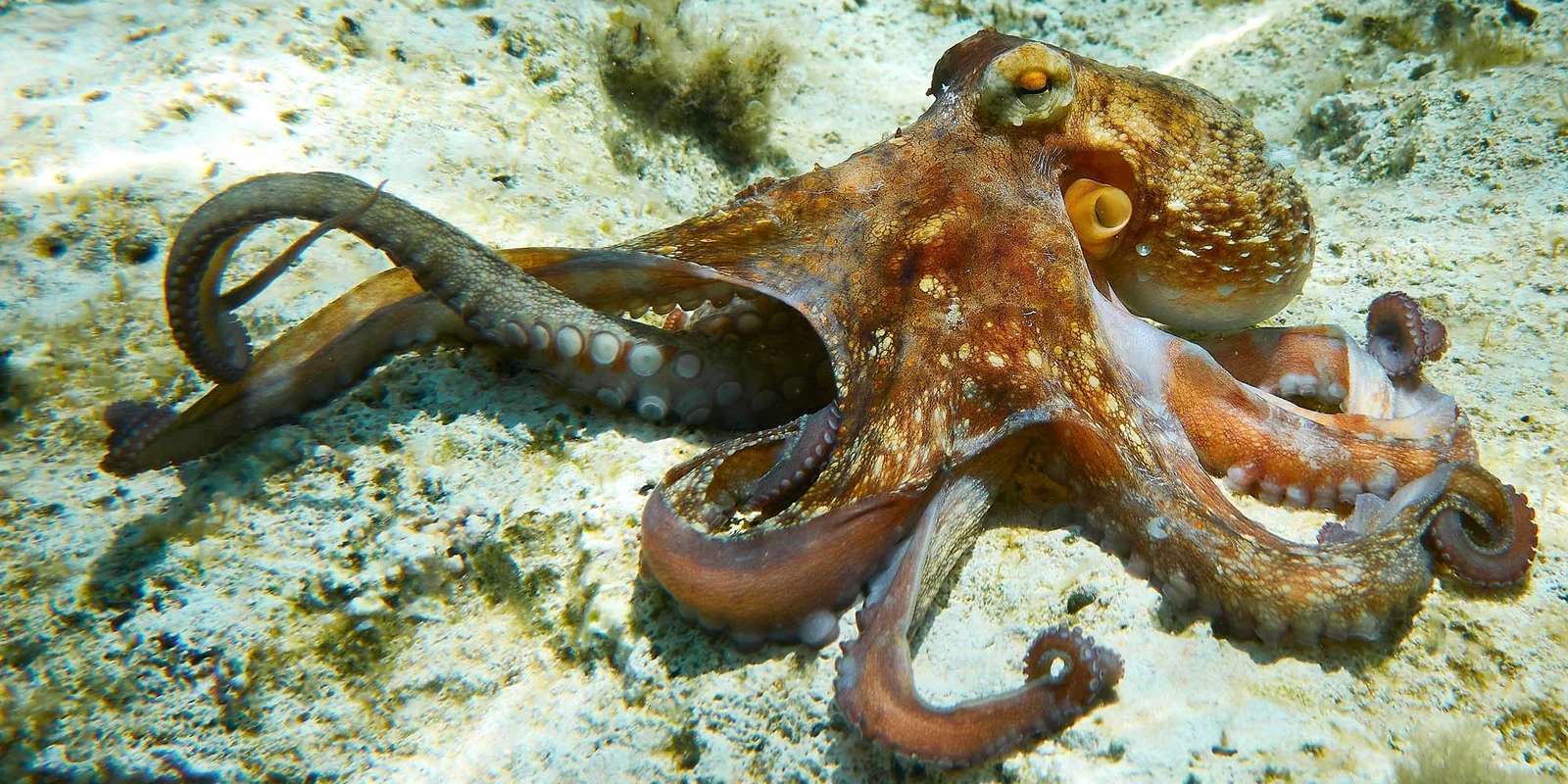
Scientists at Stanford have developed a synthetic skin that mimics octopus camouflage by changing texture and color independently, using water-responsive polymers and optical layers, with potential applications in soft robotics and adaptive displays.
Researchers at UNIST in South Korea developed a magnetically controlled artificial muscle made of a dual cross-linked shape-memory polymer that can switch between soft and stiff states, lift over 4,000 times its weight, and perform large, reversible strains, promising advancements in soft robotics and medical devices.
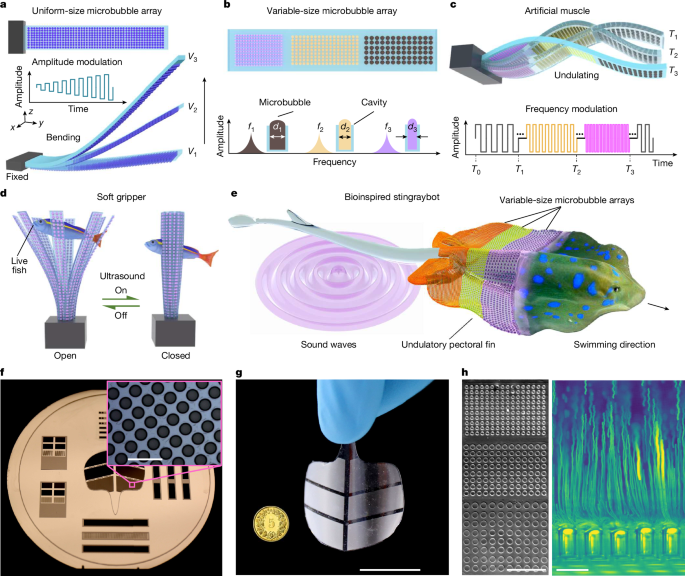
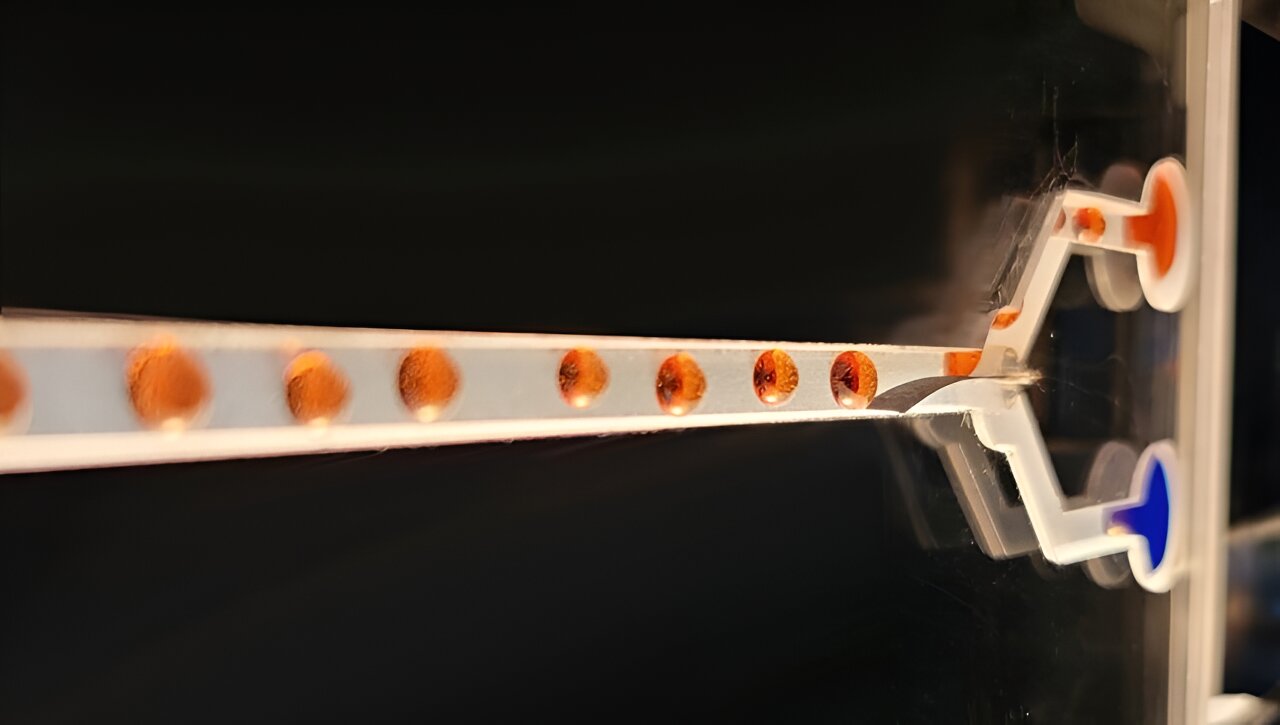
Researchers have developed programmable, wireless artificial muscles using ultrasound-activated microbubble arrays embedded in soft membranes, enabling diverse movements and applications in robotics, medical devices, and minimally invasive procedures, with high responsiveness and biocompatibility.
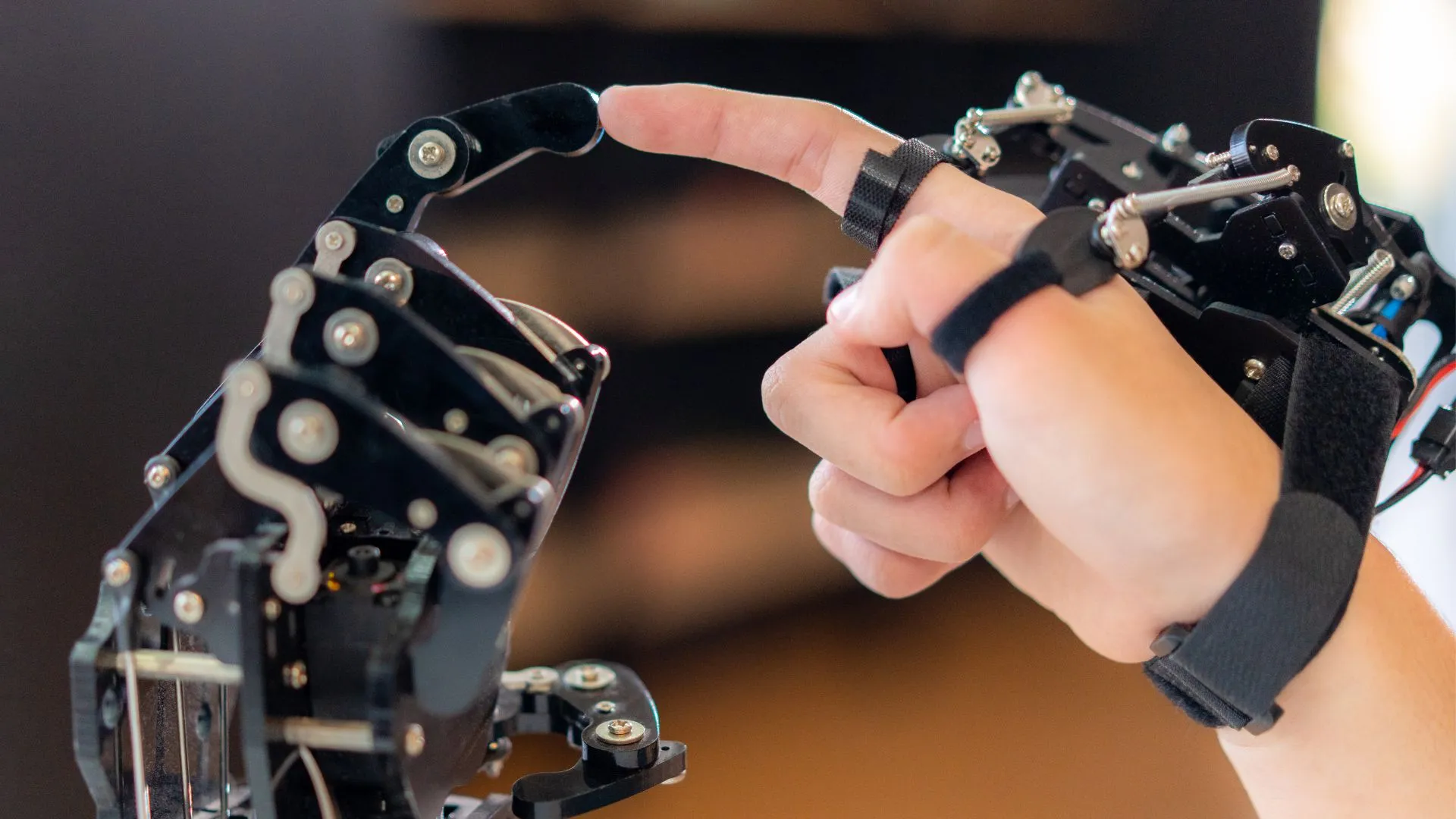
A 16-year-old from Bristol built a highly functional robotic hand from Lego parts that mimics human hand movements, demonstrating advanced robotics concepts using household tools and open-source plans, aiming to inspire STEM learning among students.
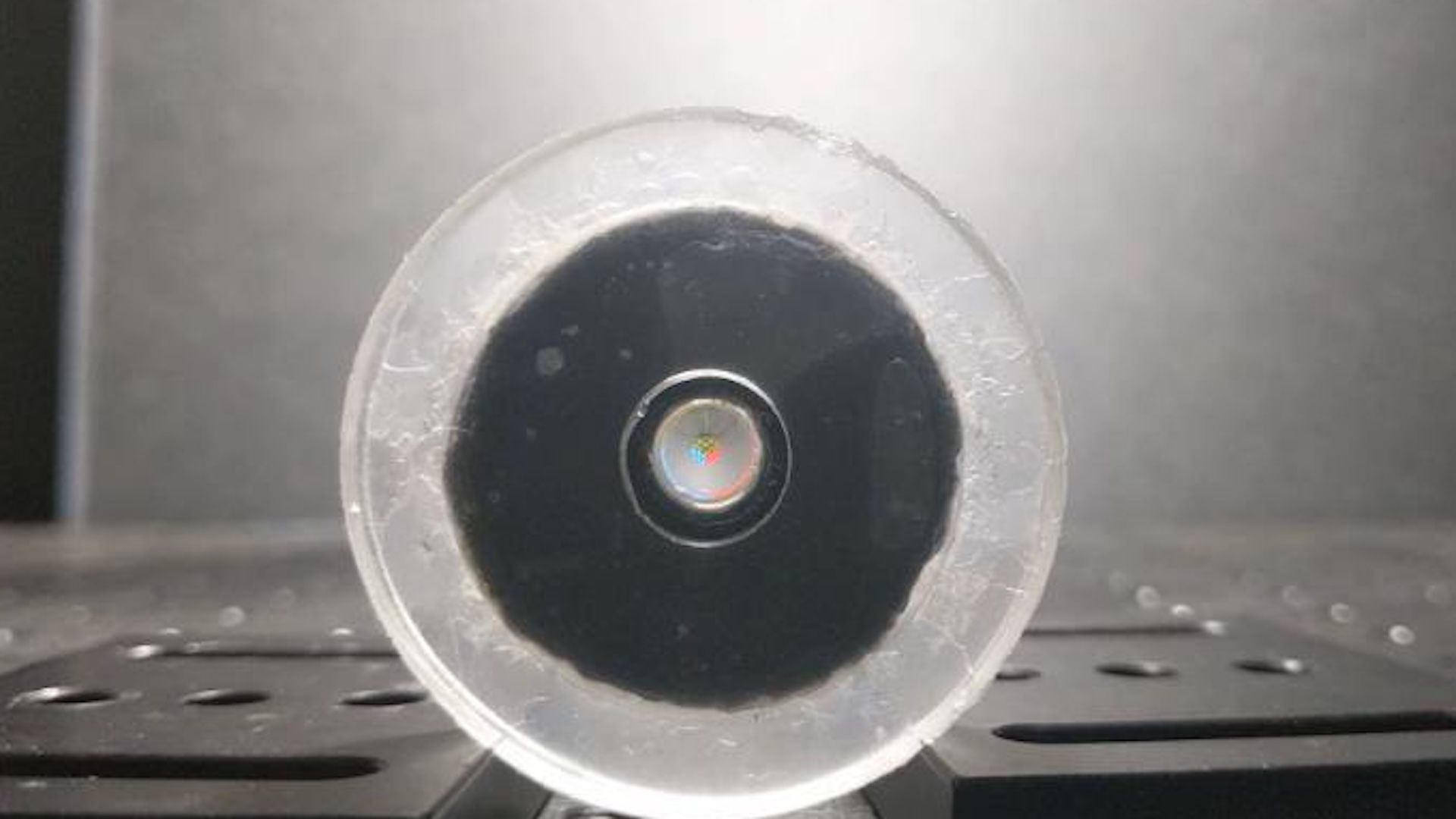
Scientists at Georgia Tech have developed a soft, hydrogel-based robotic eye that automatically focuses using light, without external power, and can distinguish tiny details, potentially enabling advanced 'soft' robots with autonomous vision capabilities.
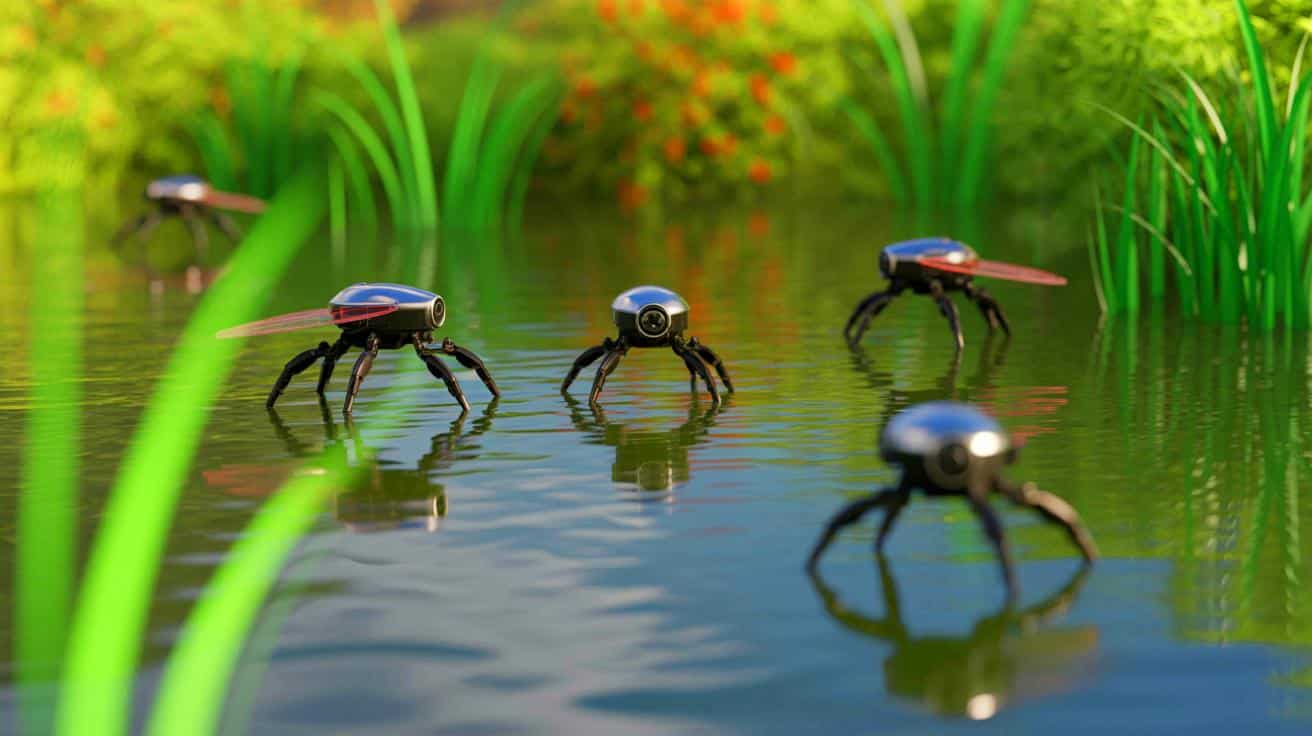
Researchers at the University of Virginia have developed insect-inspired water-walking robots using a novel fabrication technique called HydroSpread, which allows for direct creation of delicate polymer films on water, enabling precise, resilient, and potentially transformative applications in environmental monitoring and disaster response.
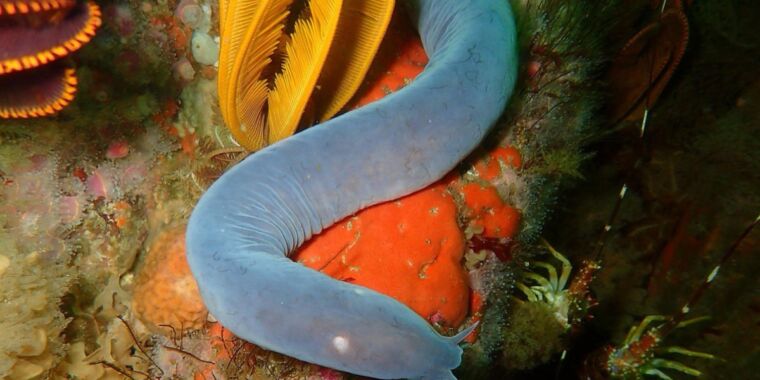
Researchers at Chapman University have developed a transparent gelatin tank to observe how hagfish burrow into deep-sea sediment, revealing a two-phase process involving vigorous thrashing and concertina-like wriggling. This study, published in the Journal of Experimental Biology, could inform the design of soft burrowing robots and has broader ecological implications for sediment turnover and oxygenation.
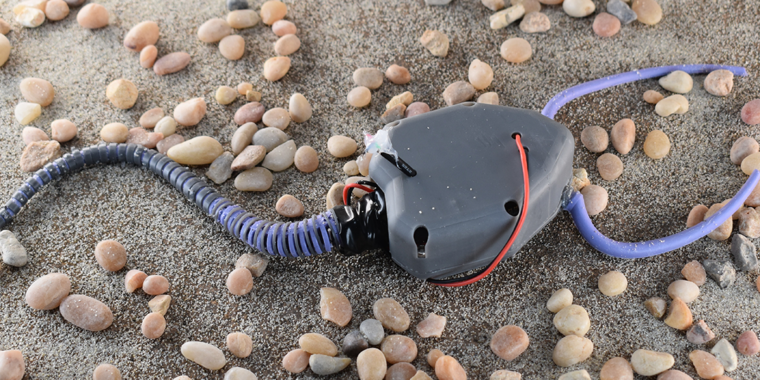
Researchers have created a soft-robot replica of the long-extinct pleurocystitid, an ancient sea creature, using principles of soft robotics and paleontology. The robot, named "Rhombot," has helped scientists understand the organism's movement and evolutionary mysteries. By combining fossil evidence with soft robotics, the study demonstrates the potential of paleobionics to study extinct organisms' locomotion and biomechanics, offering insights into the 99 percent of species that once roamed the Earth.
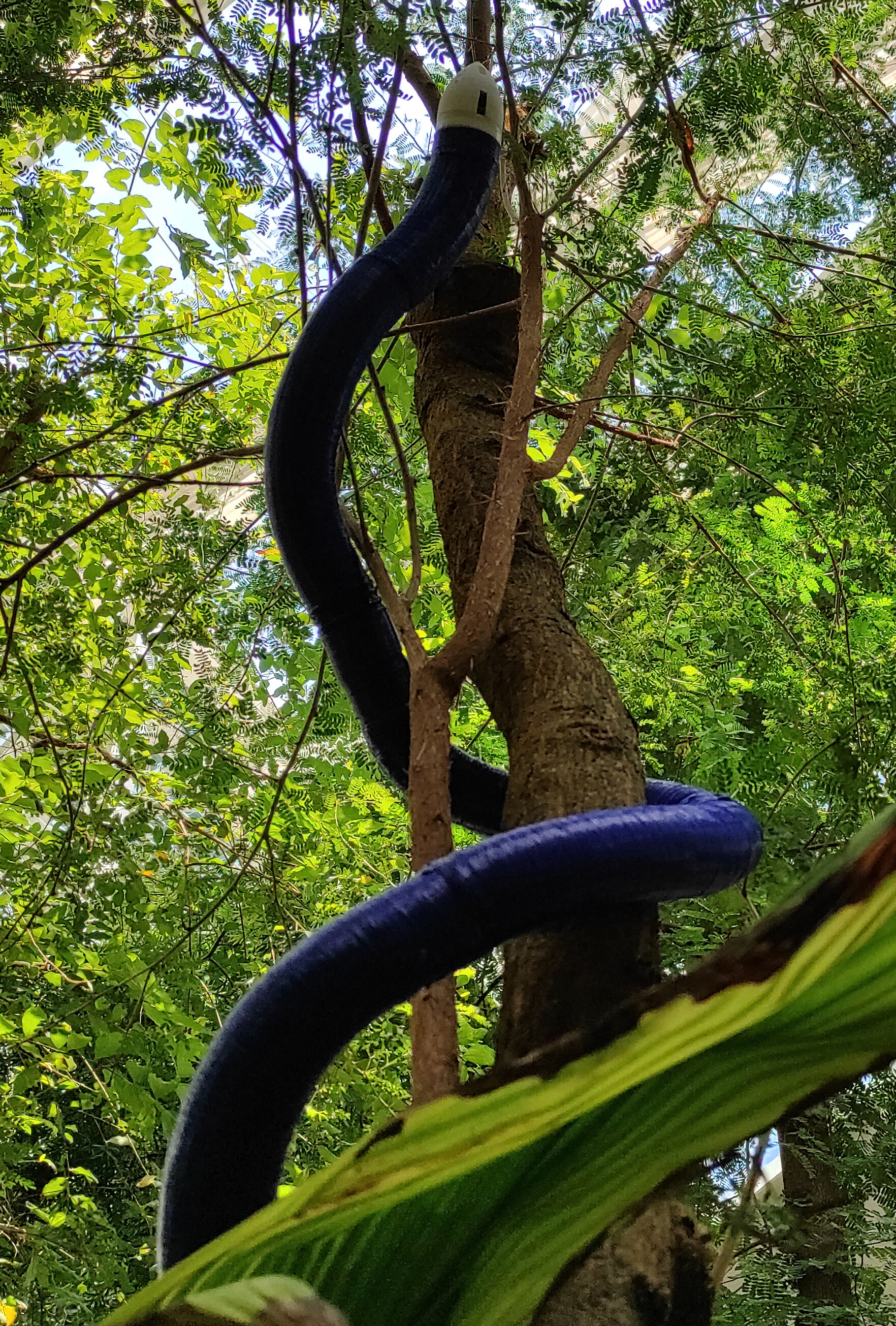
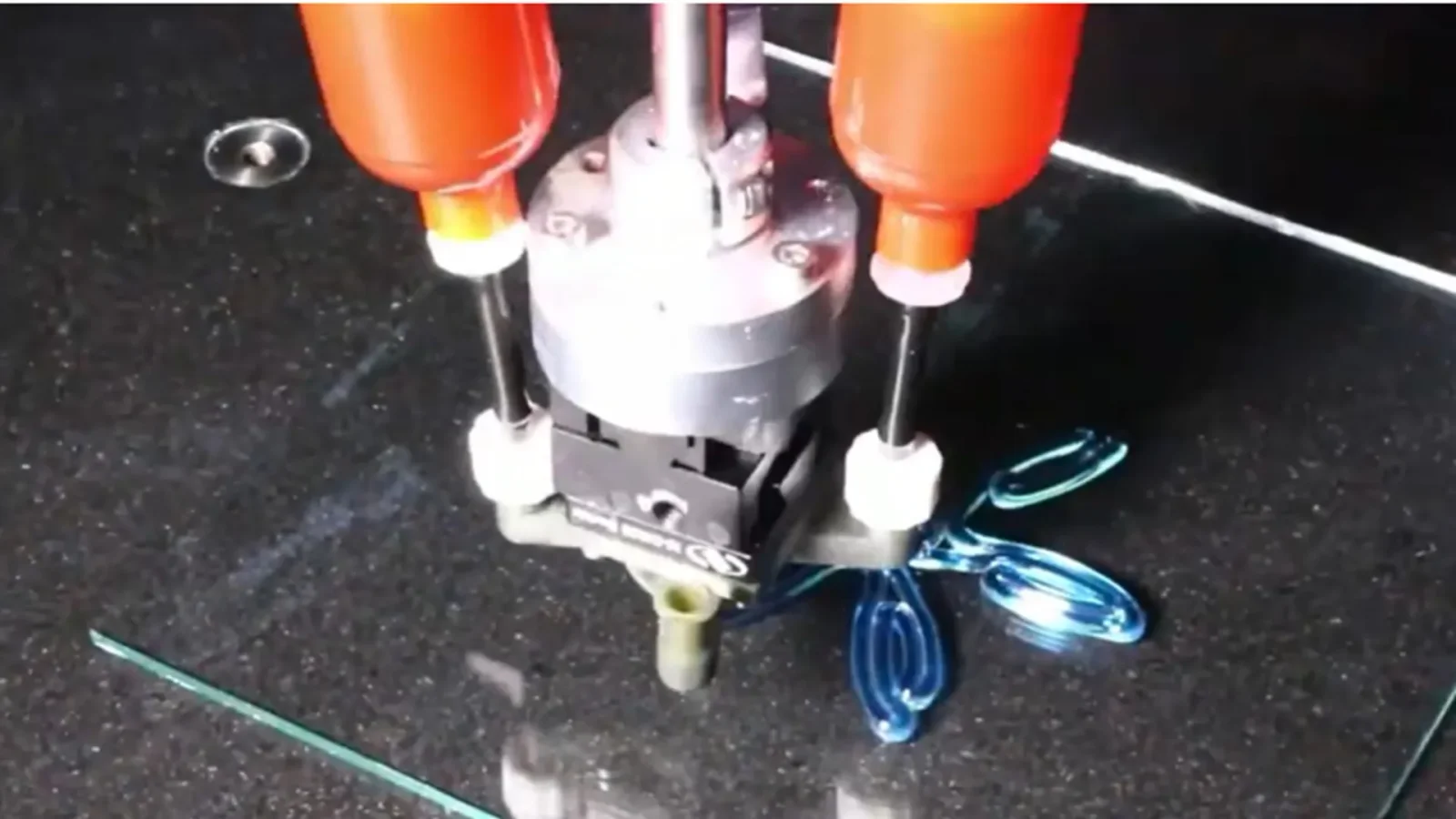
Researchers have developed a snake-like robot, FiloBot, that can 3D print its own body to grow longer, mimicking skototropisms. The robot's head spins and uses 3D printing to create more body mass, allowing it to elongate and be programmed to grow in desired ways. FiloBot has potential uses in monitoring natural environments, building autonomous structures, and testing pollution levels in hard-to-reach areas.
Researchers have developed an artificial muscle device using ionic polymer technology that can produce a force 34 times greater than its weight while operating at ultra-low power. This fluid switch, made of metal electrodes and ionic polymers, can control fluid flow in narrow spaces and is expected to have applications in soft robotics, medical devices, and wearable technology. The technology has the potential to be used in various industrial settings and small electronic systems in daily life.
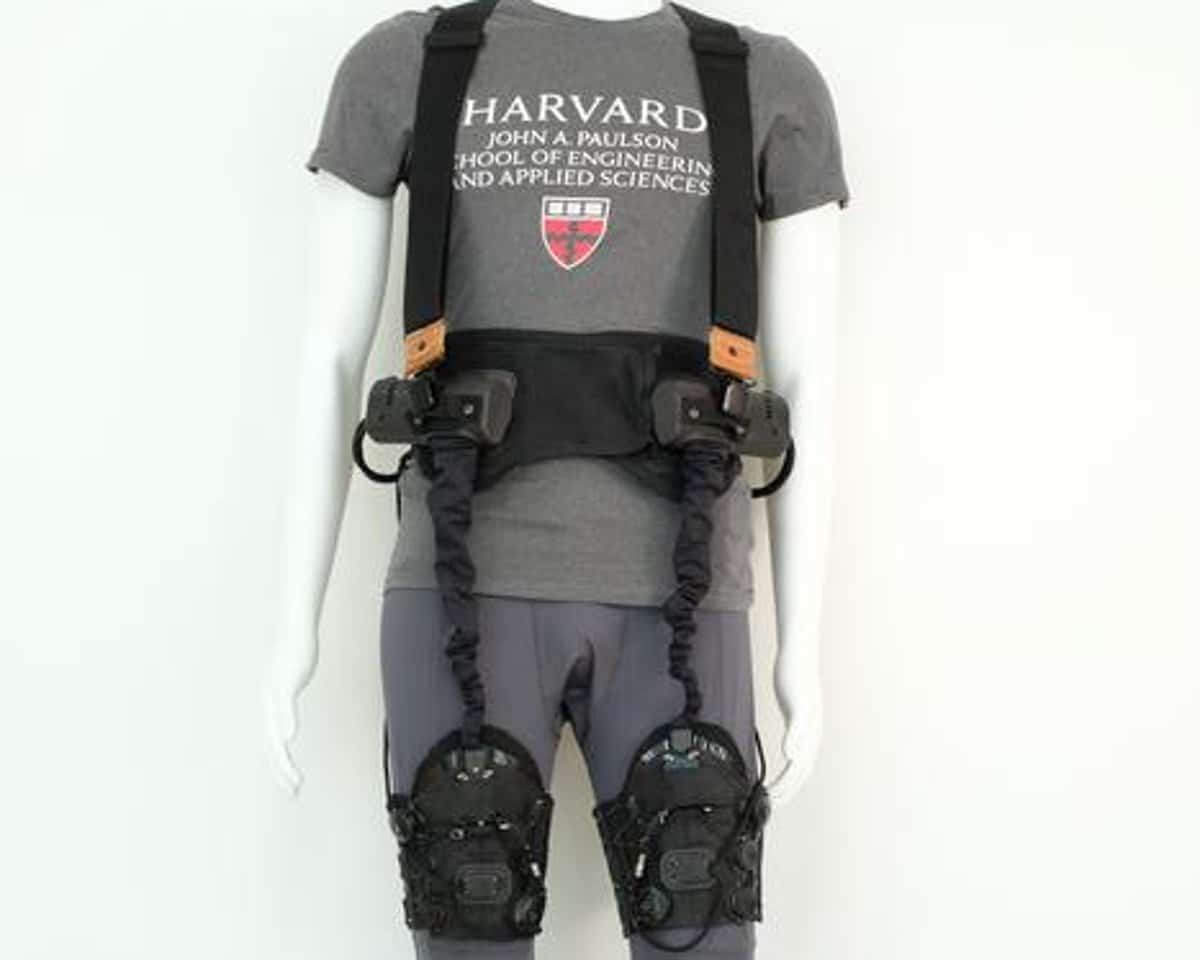
A soft robotic garment designed by researchers from Harvard SEAS and Boston University Sargent College has shown promise in eliminating freezing of gait in Parkinson's patients. The device, which is worn around the hips and thighs, assists with leg swings, enabling longer strides and improved mobility. In a study with a 73-year-old Parkinson's patient, the robotic garment completely removed freezing episodes during indoor walks, potentially offering a new way to enhance independence for those affected by this symptom of Parkinson's disease. The research, which will appear in Nature Medicine, underscores the potential of soft robotics in medical applications and neurorehabilitation.
Researchers have developed a soft robotic tentacle inspired by octopuses, capable of grasping small objects in air or water. The tentacle mimics the bend propagation movement of an octopus arm and can be operated remotely using a glove that fits over one finger. The robotic tentacle consists of five segments made of soft silicone embedded with metal wires, forming an electronic network that mimics the nervous system of an octopus arm. The tentacle can expand 1.5 times its original length and incorporates sensory feedback, allowing the operator to feel the engagement of the suckers at the tip. The technology has potential applications in marine research, biomedical technology, and artificial organs.
Researchers have recreated a 450-million-year-old extinct marine organism, known as a pleurocystid, as a soft robotic replica. The robot, made from a combination of 3D-printed elements and polymers, mimics the flexible nature of the creature's tail-like muscular stem. By studying the robot's movements, researchers hope to gain insights into how extinct organisms moved and how this contributed to the evolution of animals. This breakthrough in paleobionics opens up possibilities for replicating more extinct creatures and understanding the biomechanical factors that drove evolution.
Scientists have created a soft robot replica of the ancient echinoderm pleurocystitid to study its efficient movement across the ocean floor over 450 million years ago. By analyzing the creature's fossils, researchers discovered that its sweeping tail motion allowed it to move with power and efficiency. This development in paleobionics, the field of robotics inspired by extinct species, could lead to practical applications in modern robotics and exploration of hard-to-navigate environments like the deep-sea floor. The pleurocystitid robot could push the fields of soft robotics, biology, and paleontology to the next level with its research.
Researchers have created a soft robotic replica of pleurocystitids, a marine organism that lived 450 million years ago, using fossil evidence. This new field of study, called paleobionics, aims to understand the biomechanical factors that drove evolution by using soft robotics. The team used computational simulations and 3D printed elements to mimic the flexible structure of the organism's appendage. They discovered that pleurocystitids likely moved by sweeping motions and that increasing the length of their stem increased their speed without requiring more energy. This breakthrough opens up possibilities for studying extinct organisms and learning more about the history of life on Earth.