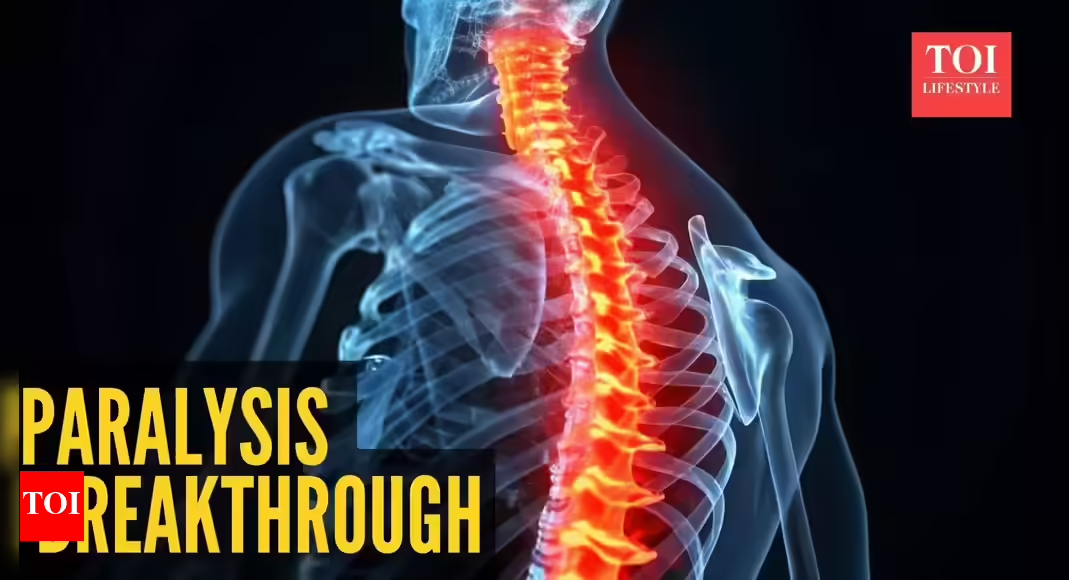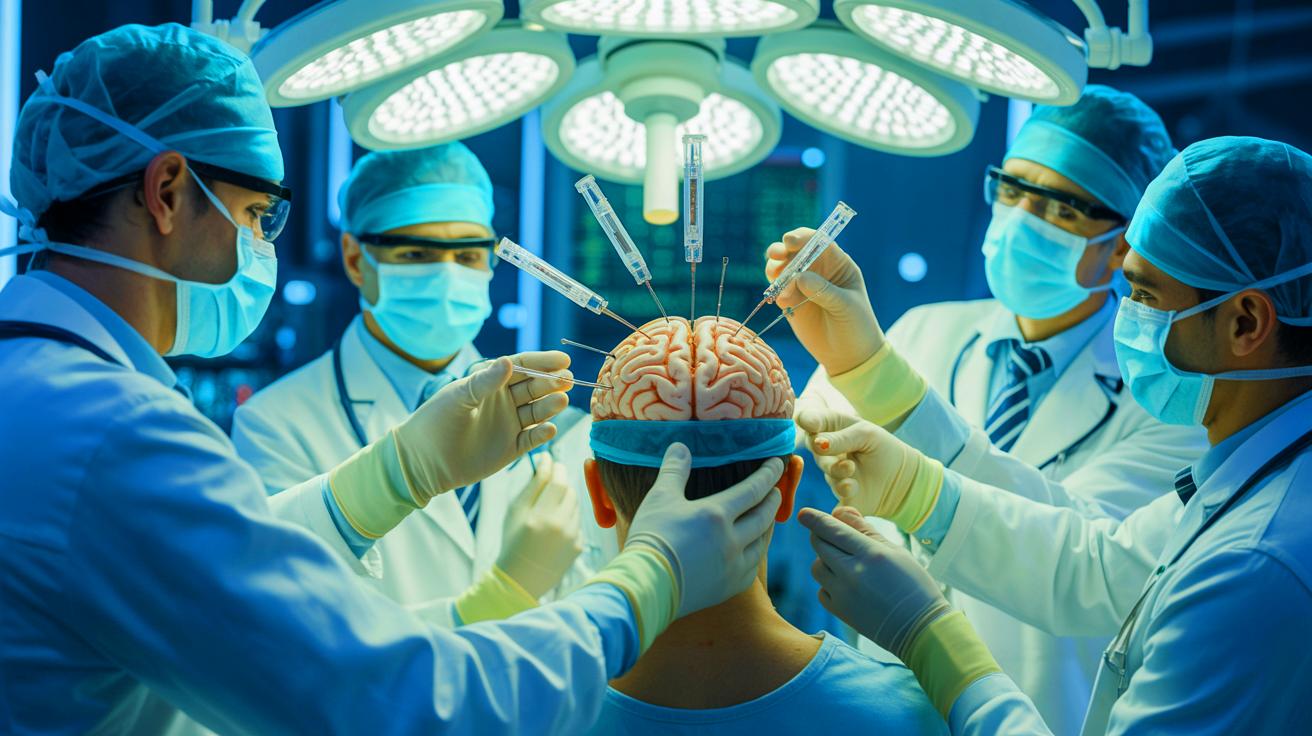
Researchers at UCSD have identified the existing drug Thiorphan as a potential treatment to regenerate nerve cells in the spinal cord, showing promising results in animal models and human neuron studies, which could lead to new therapies for paralysis in the future.
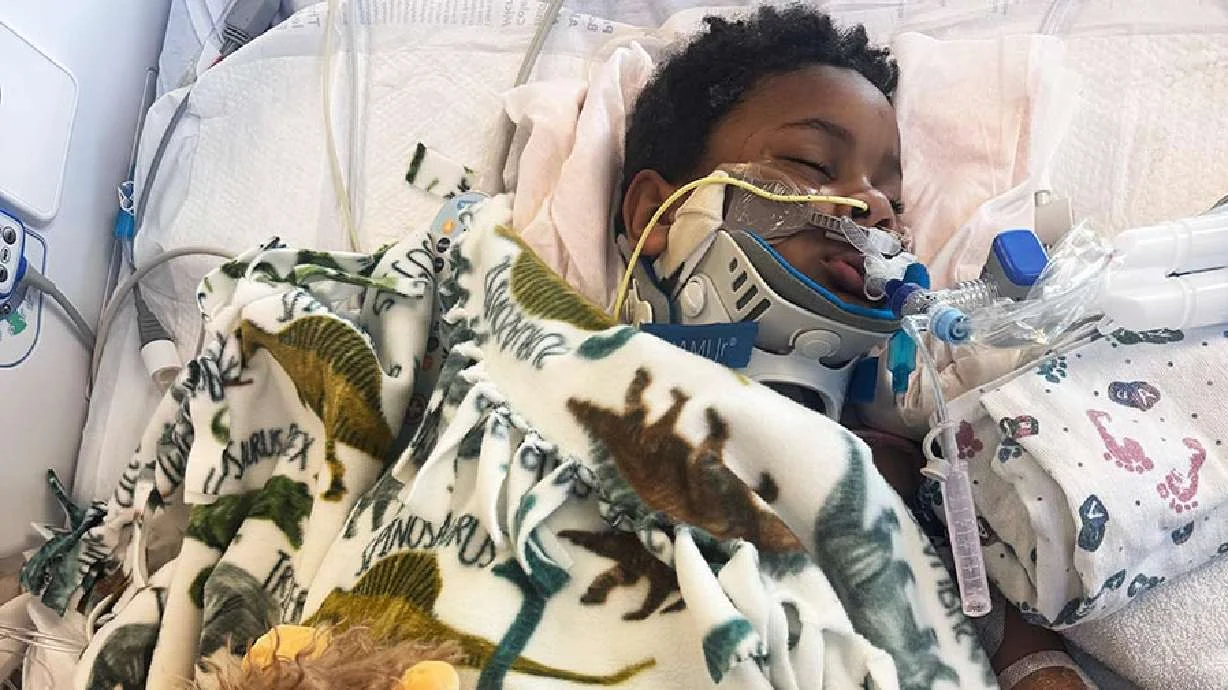
Four-year-old Carter Grover, who previously recovered from infant paralysis caused by transverse myelitis, is now paralyzed from the neck down after a severe car crash that injured his spinal cord. Despite grim medical prognoses, his family and community are rallying to support his recovery and care, highlighting his resilience and the family's strength.
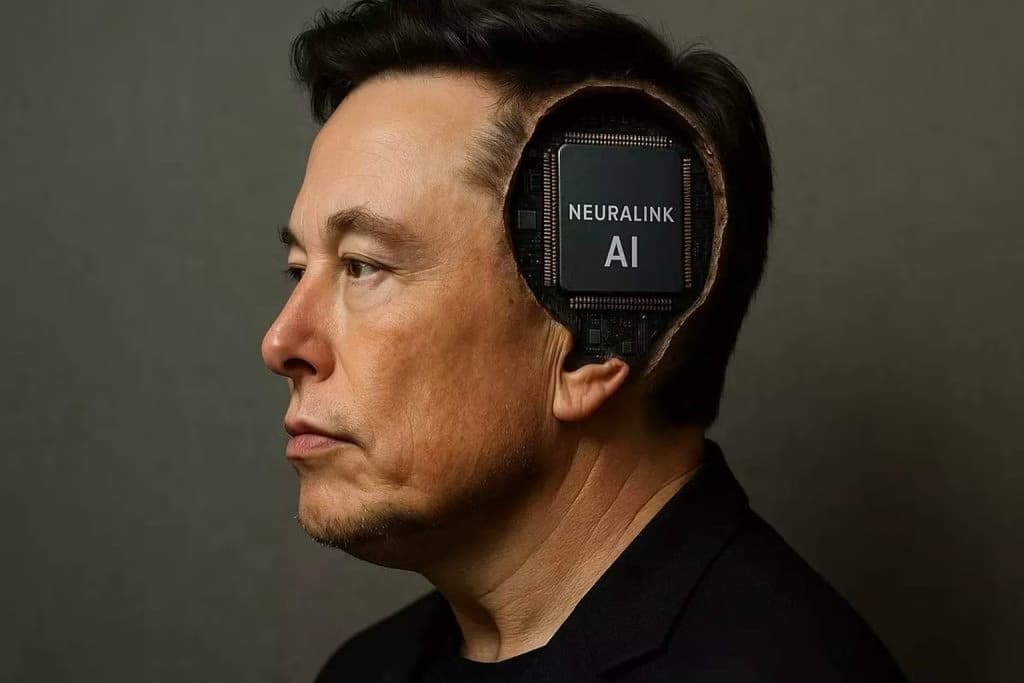
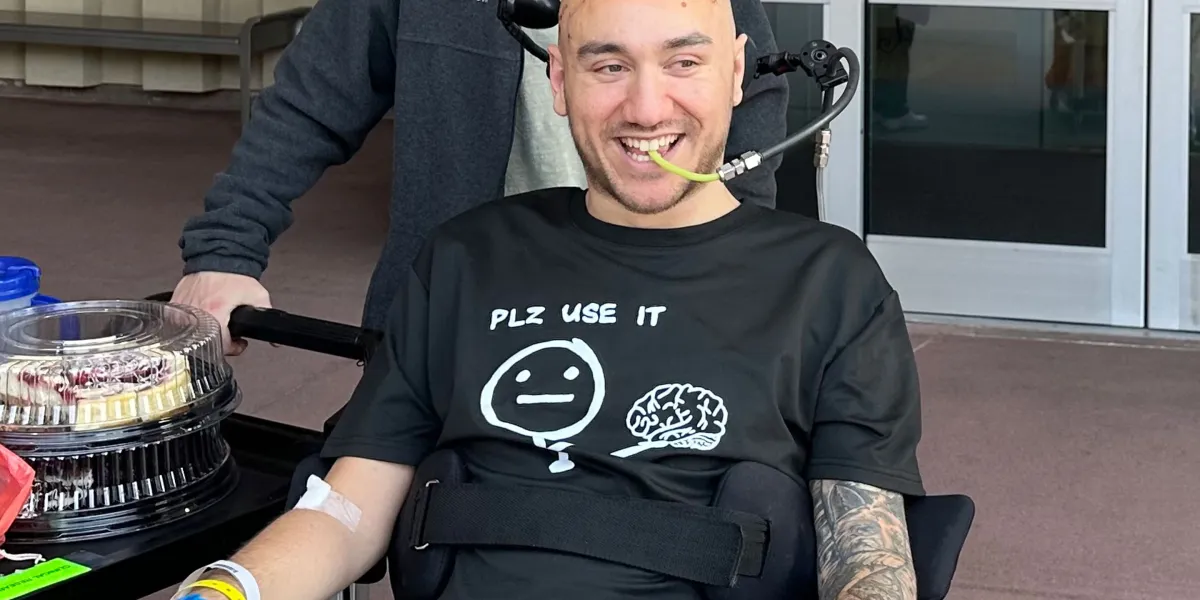
Eighteen months after receiving Neuralink's brain chip, paralyzed man Noland Arbaugh has regained significant independence, using the device to interact with digital environments and pursue new educational and speaking opportunities, highlighting the potential of brain-computer interfaces to transform lives and raise profound ethical questions.
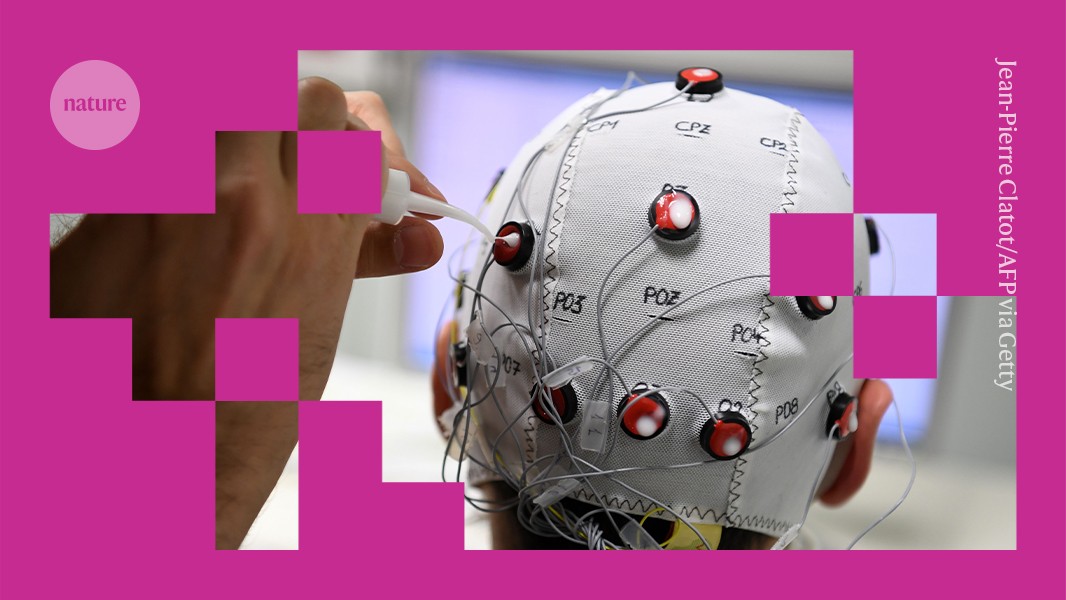
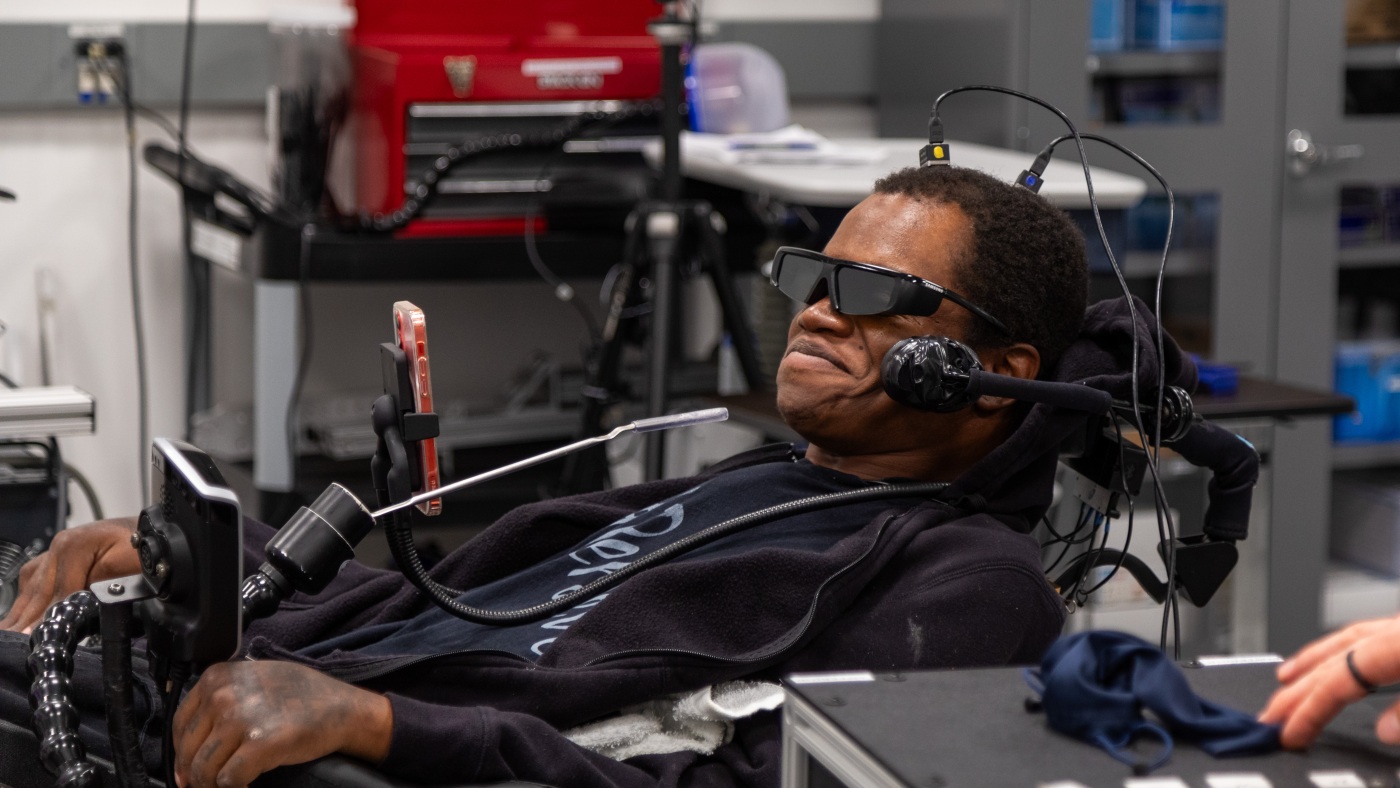
A study demonstrates that combining AI with non-invasive brain devices significantly enhances their performance, enabling a paralysed man to control a robotic arm with 93% success in a task, and improving task completion speed for others, thereby potentially improving quality of life.
Noland Arbaugh, the first participant in Neuralink's experimental brain chip study, has experienced a transformative change in his life, gaining the ability to control devices with his mind, which has significantly improved his autonomy and quality of life. Neuralink's high-electrode, wireless brain-computer interface is advancing clinical trials aimed at helping those with paralysis or ALS, with Arbaugh now actively studying, working, and engaging in new pursuits thanks to the device.
Israel is preparing to perform the world's first human spinal cord transplant using a patient's own cells, a groundbreaking procedure that could enable paralyzed individuals to walk again, marking a significant milestone in regenerative medicine based on successful animal studies and recent approvals for clinical trials.
Neuralink has launched its first European clinical trial in the UK, implanting chips in seven patients with severe paralysis to enable control of digital devices through thought, marking a significant step in brain-computer interface technology and Neuralink's global expansion.
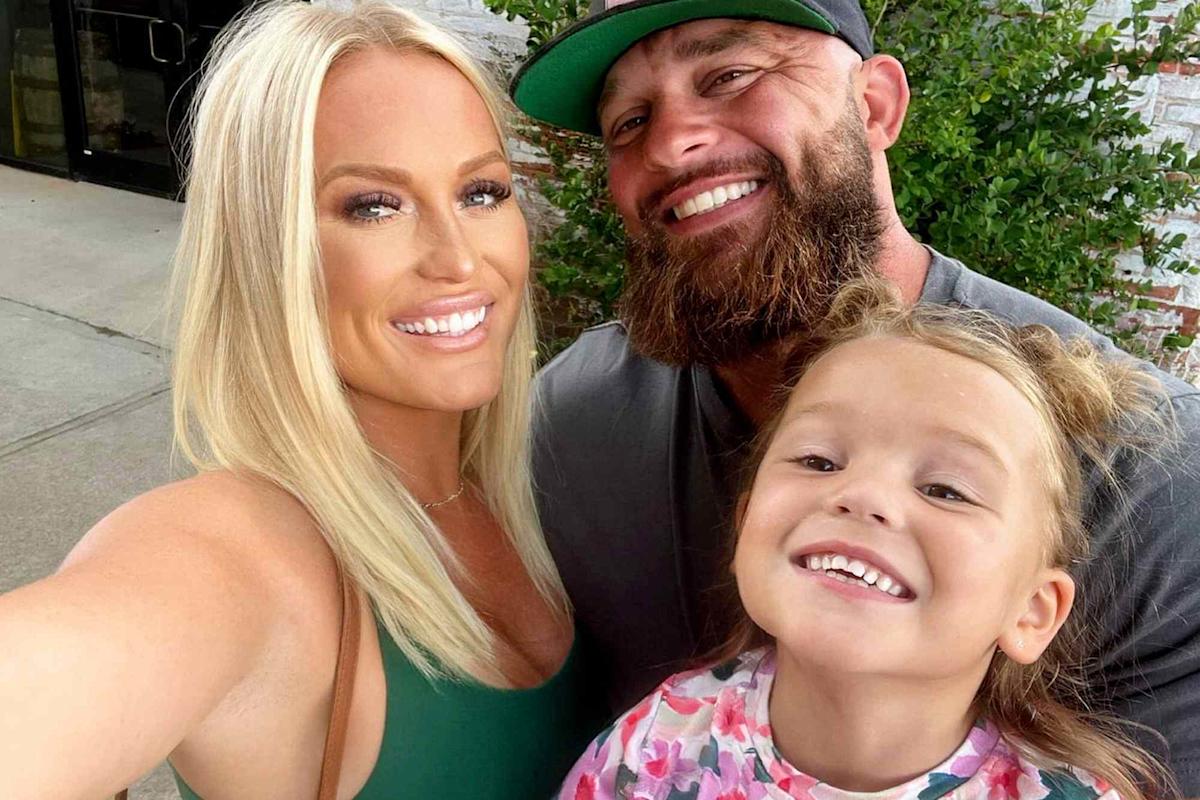
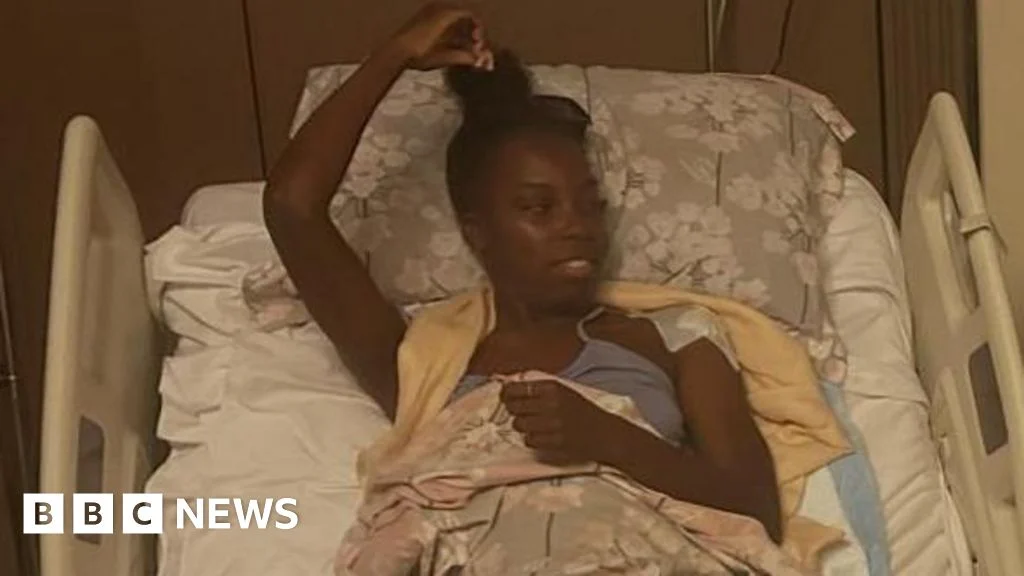
A Georgia mother of three was left paralyzed after receiving Botox and Dysport injections, which led to her contracting botulism and experiencing mini-strokes, highlighting the risks associated with cosmetic procedures. Despite initial tests showing no issues, she later learned her condition was caused by iatrogenic botulism, resulting in serious health consequences and a prolonged recovery.
Advancements in brain-computer interfaces (BCIs) are moving from experimental to commercial, offering new hope for people with disabilities like paralysis and speech loss. Companies like Neuralink, Precision Neuroscience, and others are developing wireless, less invasive devices that can decode brain signals to control computers, prosthetics, and even restore sensory feedback, potentially transforming lives within the next few years.
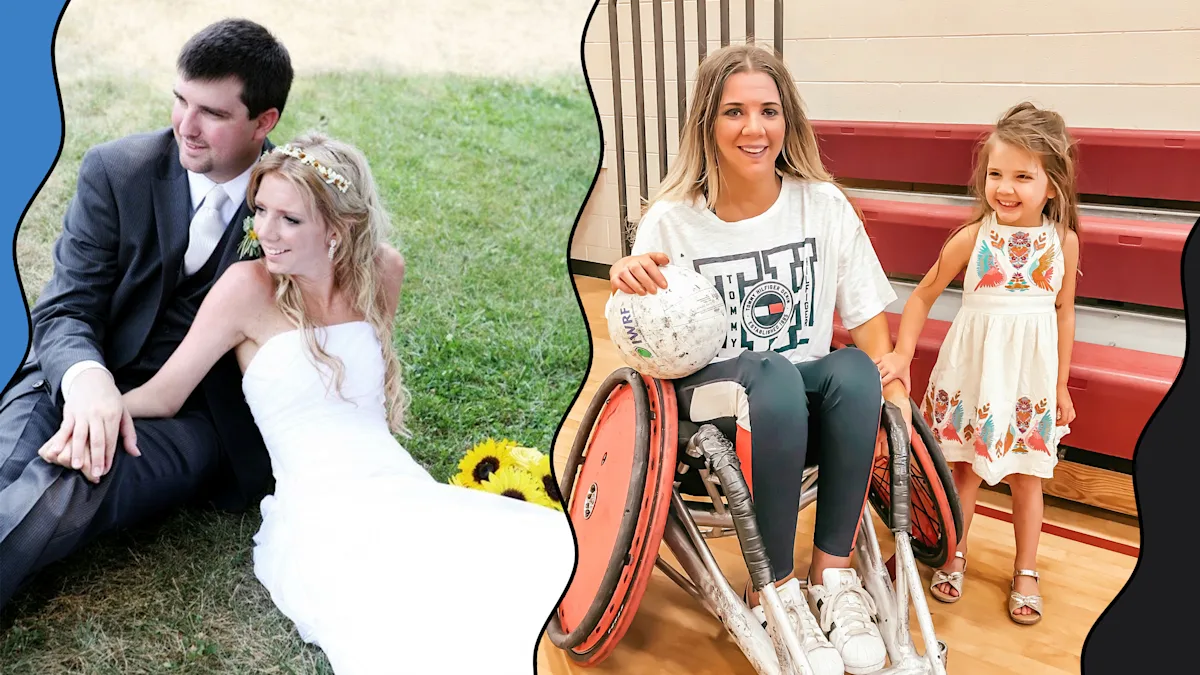
Rachelle Chapman, paralyzed from the chest down after a pool accident at her bachelorette party, shares her journey of resilience, including her marriage, motherhood via surrogacy, friendship changes, and recent health issues related to pregnancy attempts, emphasizing that a fulfilling family life is possible despite disability.
A California fitness influencer, Maria Palen, is relearning to walk after contracting Babesia from a tick bite, which severely damaged her immune system and caused partial paralysis, with her recovery journey supported by a GoFundMe campaign.
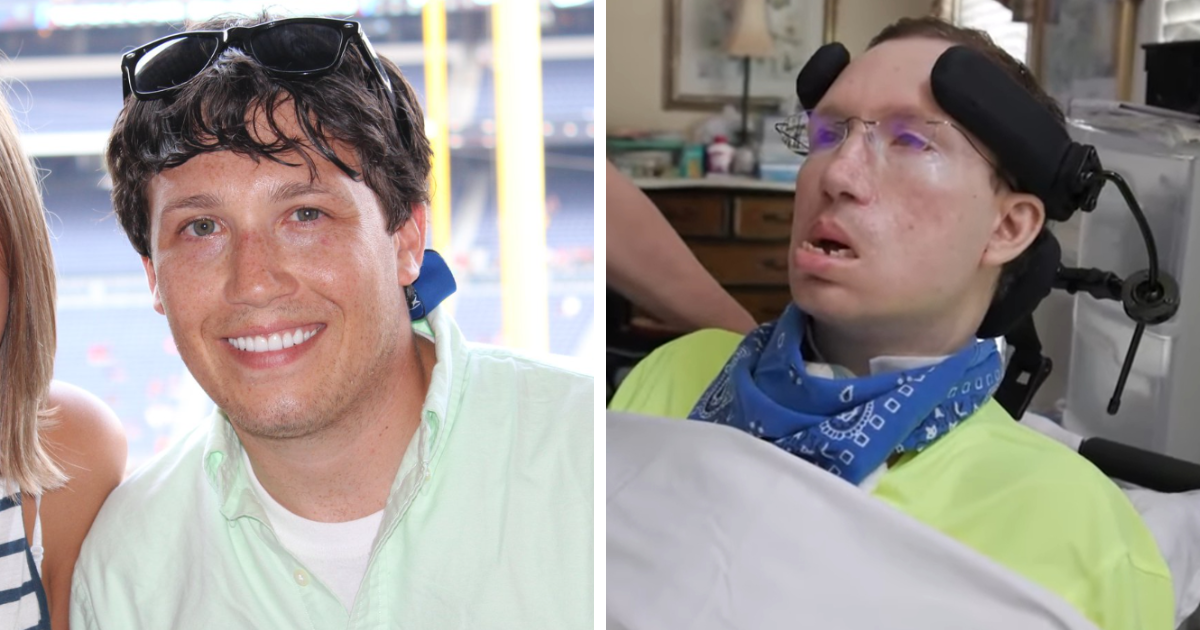
A man in Georgia suffered permanent paralysis and locked-in syndrome after a chiropractic neck adjustment went wrong, leading to a lawsuit that awarded his family $75 million in damages. Despite the compensation, he remains fully aware but unable to move or speak, with his family caring for him at home and him occasionally expressing a desire to end his life.
A man in Nottingham experienced full-body paralysis after initial tingling in his hands, leading to a diagnosis of Guillain-Barré Syndrome, a rare autoimmune disorder. Despite severe deterioration, he received treatment and rehabilitation, eventually regaining the ability to walk and becoming an advocate for recovery awareness.
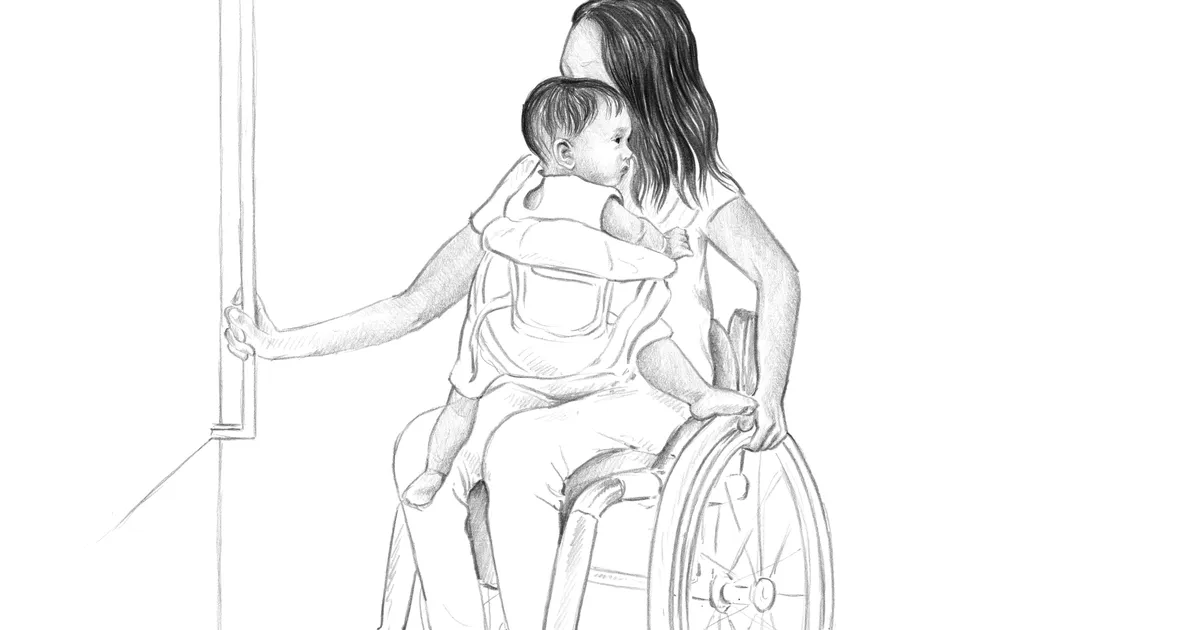
Charlotte, who became paralyzed from a spinal injury at age 20, defied odds to become a mother, navigating pregnancy, childbirth, and parenting with her wheelchair, and sharing her journey of resilience, love, and adaptation.
The Zika virus, linked to birth defects and paralysis, has been detected in Hawaii for the first time since 2019, prompting health officials to monitor and implement control measures amid concerns about mosquito-borne disease spread due to climate change.