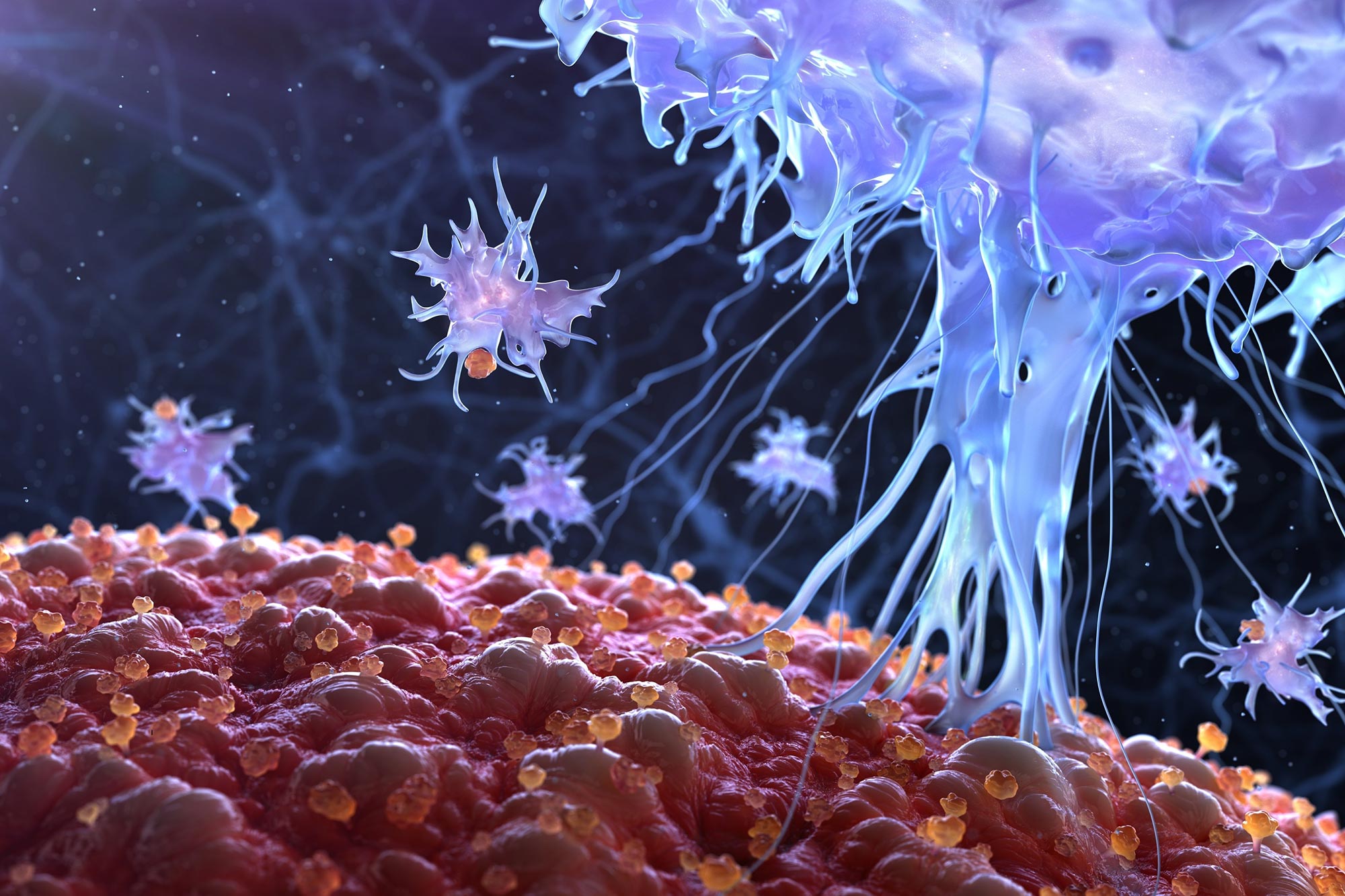
Researchers at Trinity College Dublin discovered that applying electrical currents to macrophages can reprogram them to reduce inflammation and promote faster healing, offering a promising new approach for treating injuries and inflammatory diseases.
Scientists at Trinity College Dublin discovered that electrical stimulation can reprogram macrophages to reduce inflammation and promote faster tissue repair, opening new therapeutic possibilities for treating various diseases and injuries.
The FDA has approved a device that uses electrical stimulation of the vagus nerve to reduce inflammation in rheumatoid arthritis patients, offering a new treatment option for those unresponsive to drugs, with promising results including pain relief and improved mobility.
Scientists from Trinity College Dublin have discovered that electrical stimulation of macrophages can reprogram them to reduce inflammation and promote faster tissue repair, offering a promising new therapeutic approach for various diseases and injuries.
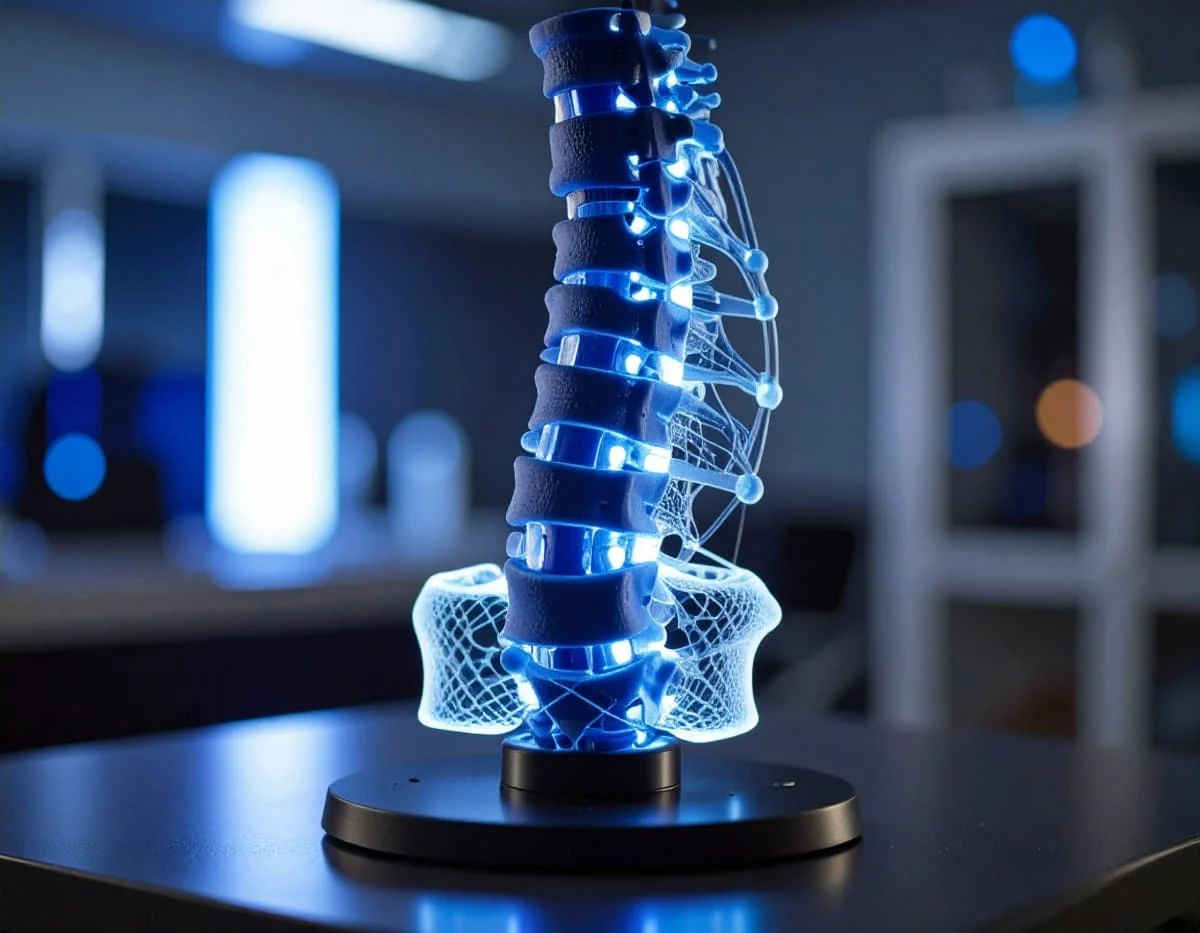
Scientists have developed a 3D-printed, electrically conductive implant that mimics the spinal cord's structure to promote nerve regeneration, showing promise for treating spinal injuries and potentially other neurological conditions.
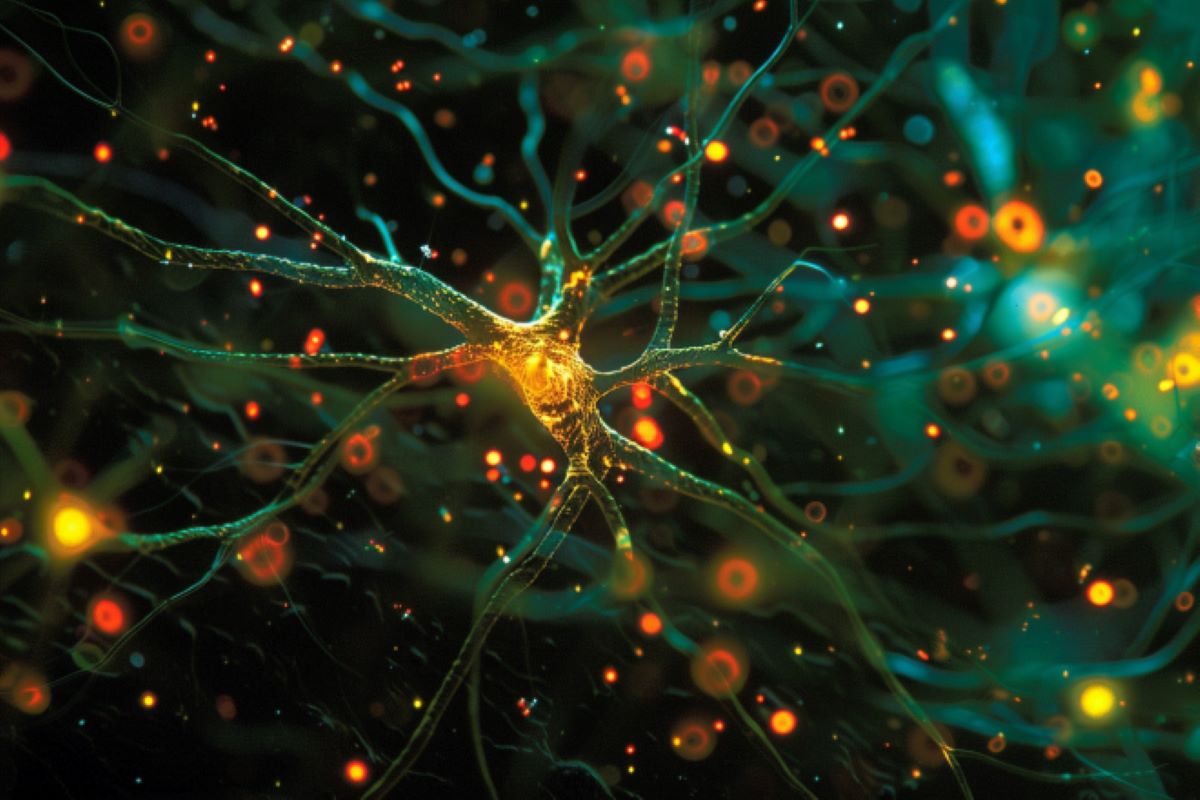
Researchers at the Allen Institute discovered that different neuron types exhibit distinct responses to electrical stimulation, with excitatory neurons syncing with both slow and fast frequencies and inhibitory neurons responding mainly to fast frequencies. This finding could lead to more targeted and effective brain therapies for disorders like epilepsy by customizing stimulation frequencies to selectively target specific neuron types.
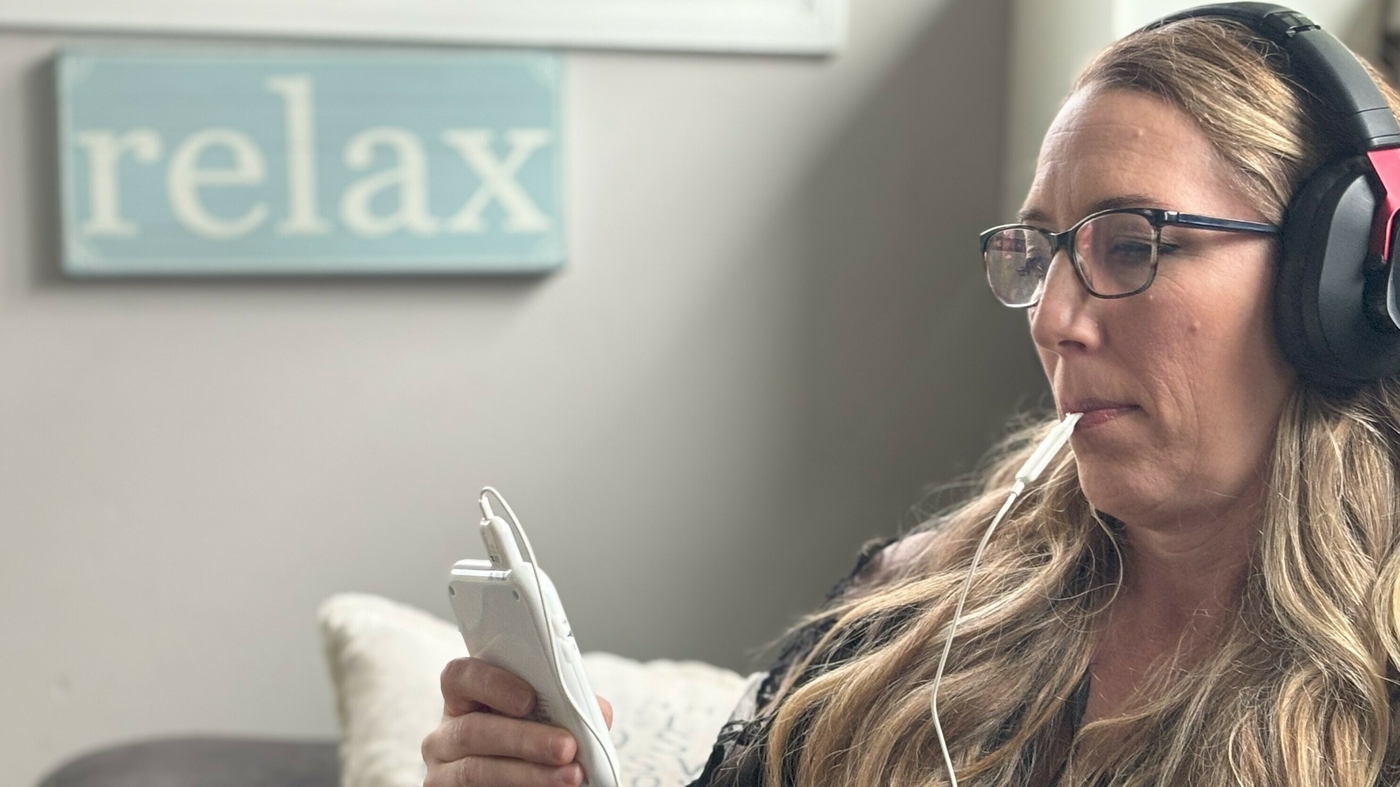
The Lenire device, approved by the FDA, uses electrical stimulation of the tongue to treat tinnitus, a condition causing a constant high-pitched buzz or ring in the ears. Clinical trials have shown significant reduction in symptoms for 84% of participants, with positive feedback from users. While the device is costly and not covered by insurance, it has provided relief for individuals like musician Victoria Banks and research scientist Bruce Freeman, offering a new option for managing tinnitus when other methods have not been effective.
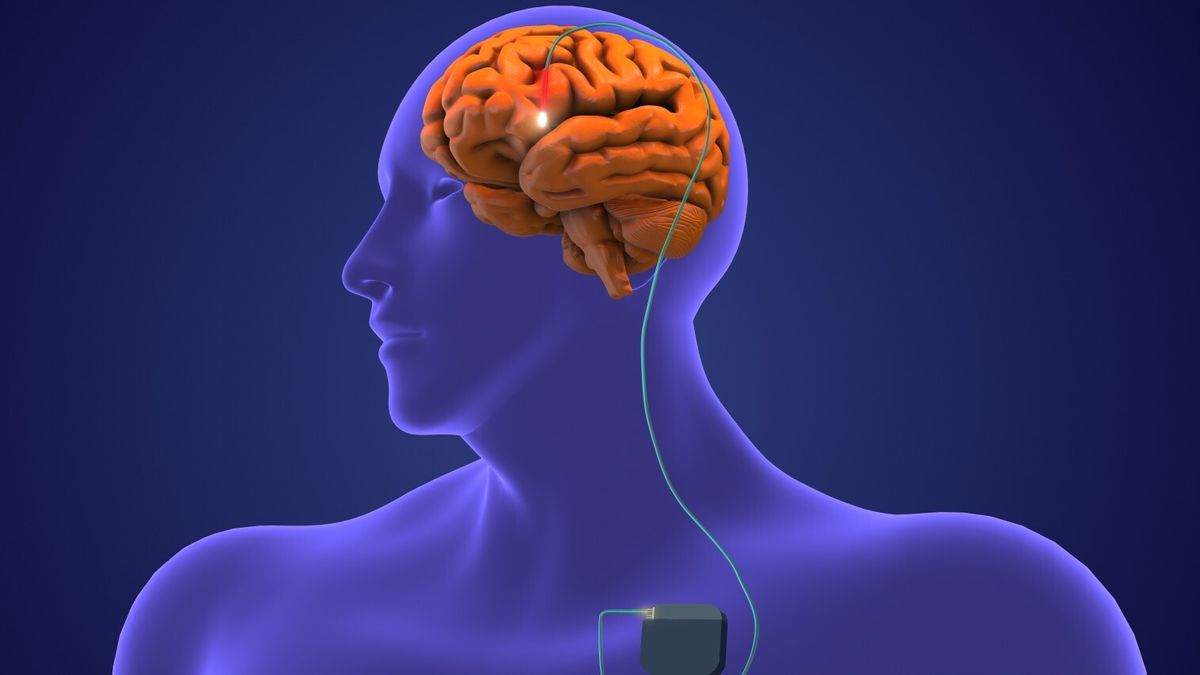
A small clinical trial has shown that stimulating a specific region of the brain with surgically implanted electrodes could improve the cognitive function of patients with traumatic brain injuries (TBI). The study targeted the thalamus, a key relay station for learning and memory, and found that deep brain stimulation improved processing speeds by up to 52% in patients with long-lasting impairments from TBI. While larger clinical trials are needed to validate these findings, the results suggest that this approach could potentially fill a treatment gap for moderate to severe TBI.
A spinal cord neuroprosthesis, which delivers electrical stimulation to nerve cells in the spine, has shown promising results in reducing gait freezing in a man with Parkinson's disease. The device, developed by scientists at the Swiss Federal Institute of Technology in Lausanne, targets the nerve cells responsible for controlling leg movements and has led to significant improvements in the patient's ability to walk. The technology, which combines electrical stimulation with deep brain stimulation, may offer a new therapeutic approach for individuals with Parkinson's disease experiencing gait problems. Further research is needed to test the technique in more patients.
A case series study has found that the Neubie electrical stimulation device, used in conjunction with physical therapy, led to improvements in strength, range of motion, and spasticity in seven individuals with progressive multiple sclerosis (MS). The device, which delivers direct current electrical stimulation to disrupted nerve-muscle communication areas, aims to re-educate the neuromuscular system and promote plasticity. While the study's findings suggest the feasibility of using the Neubie system for MS patients, further research is needed.
A study conducted by scientists at the University of Pennsylvania has shown that delivering a precisely timed pulse of electricity to a specific brain area can help reduce memory deficits in patients with moderate to severe traumatic brain injuries (TBIs). The treatment improved recall by about 20% and reduced memory deficits by about half in a study of eight participants. However, the treatment requires surgical implantation of electrodes in the brain and further refinement of the delivery system. If successful in larger studies, this approach could significantly improve the lives of individuals with TBIs who struggle with memory problems.
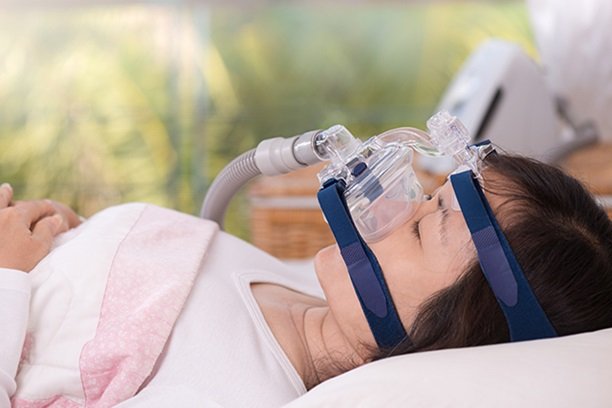
A clinical trial conducted by researchers from King's College London and Guy's and St. Thomas' NHS Foundation Trust has found that a battery-powered device, commonly used for pain relief during childbirth, showed promise in improving breathing for patients with obstructive sleep apnea. The device, known as a transcutaneous electrical nerve stimulation (TENS) machine, provided a cheap and effective alternative to the widely prescribed continuous positive airway pressure (CPAP) treatment. The TENS machine, which delivers light and continuous electrical stimulation, kept patients' airways open during sleep, resulting in improvements in nocturnal breathing and a significant reduction in daytime exhaustion. Further research is planned to validate the efficacy of this treatment in different healthcare systems.
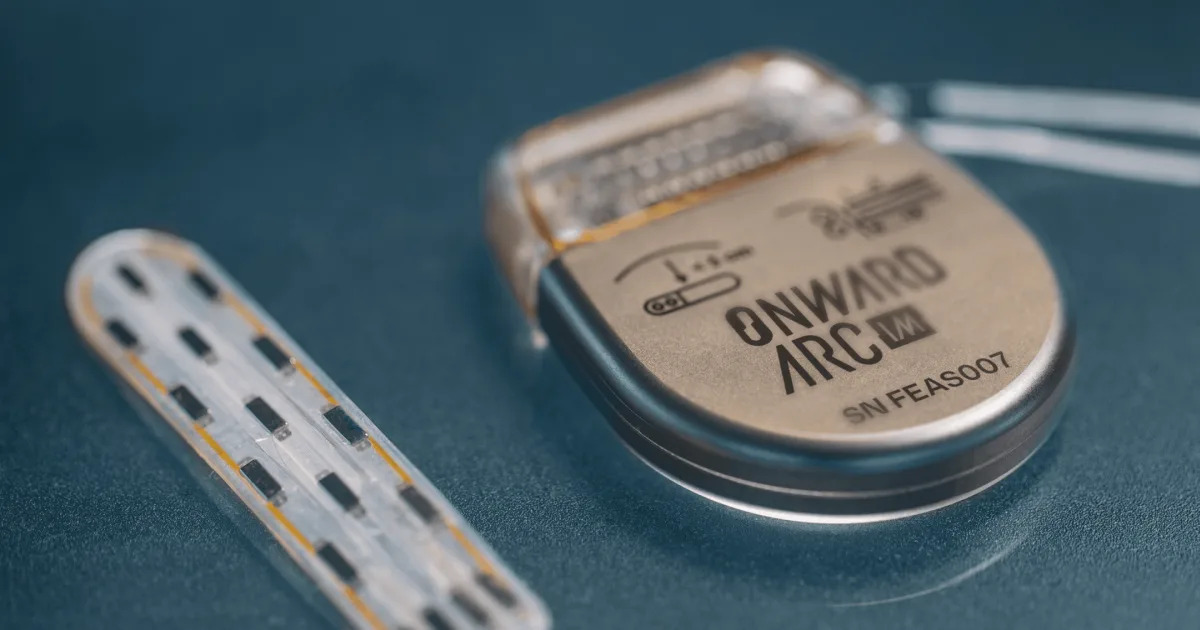
SCI therapy startup Onward Medical has helped improve a formerly-paraplegic man’s walking gait through the use of an implanted brain computer interface (BCI) and novel “digital bridge” that spans the gap where the spine was severed. The system used in the study used the ARC IM as a base and married it to a WIMAGINE brain computer interface. The BCI system described in the study may reach the market in five to seven years.
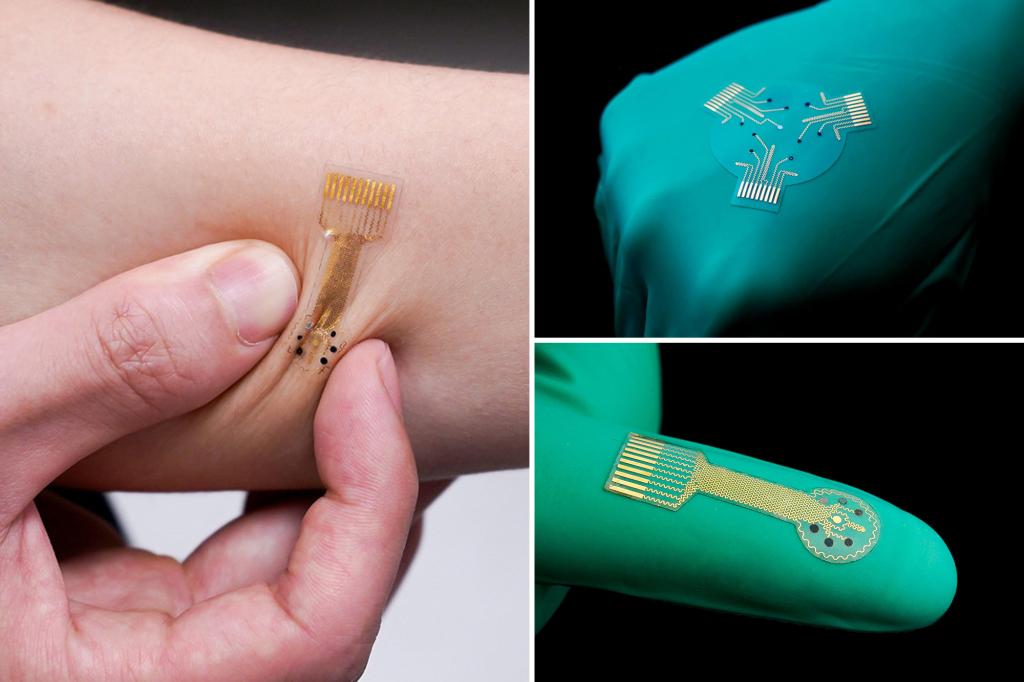
Researchers at the California Institute of Technology have developed a "smart" bandage that can monitor healing, provide antibiotics to the injury site, and stimulate tissue growth with electrical signals. The bandage can heal wounds more quickly and affordably, especially for those with chronic illnesses that slow down the healing process, such as diabetes. The bandage can monitor biomarkers at the injury site and treat accordingly. The cost of the electronic patch would be less than $100, but it is not expected to hit the market for another five or 10 years.