The article explores the innate human tendency to sing and its numerous health benefits, including improved mood, reduced stress, enhanced immune function, and better motor control, especially in neurological conditions like Parkinson's disease. It highlights the Vatican's initiative to revive Gregorian chant and emphasizes that singing, whether alone or in groups, is accessible and beneficial for physical, mental, and social well-being.
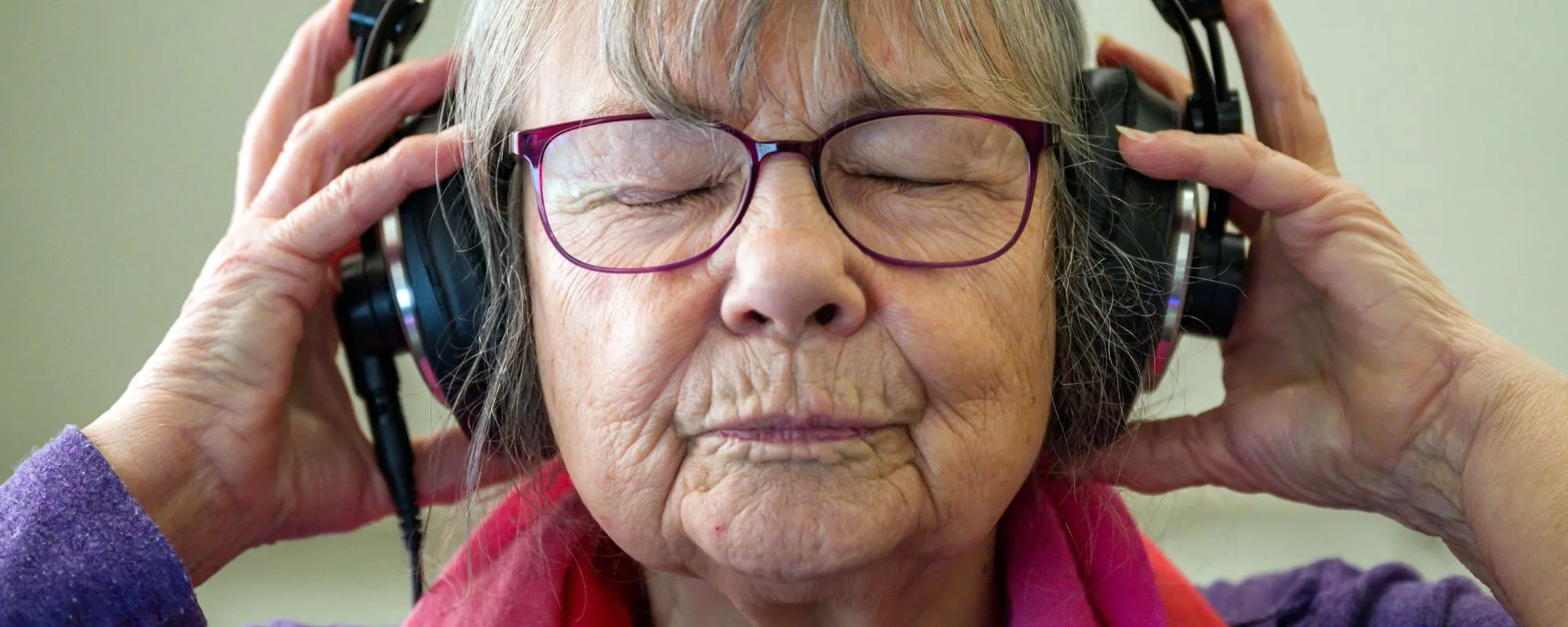
Listening to music, especially with 40 Hz stimulation, can significantly reduce the risk of dementia and cognitive decline in older adults, with studies showing up to a 39% risk reduction, and the benefits are more pronounced in individuals with higher education levels.
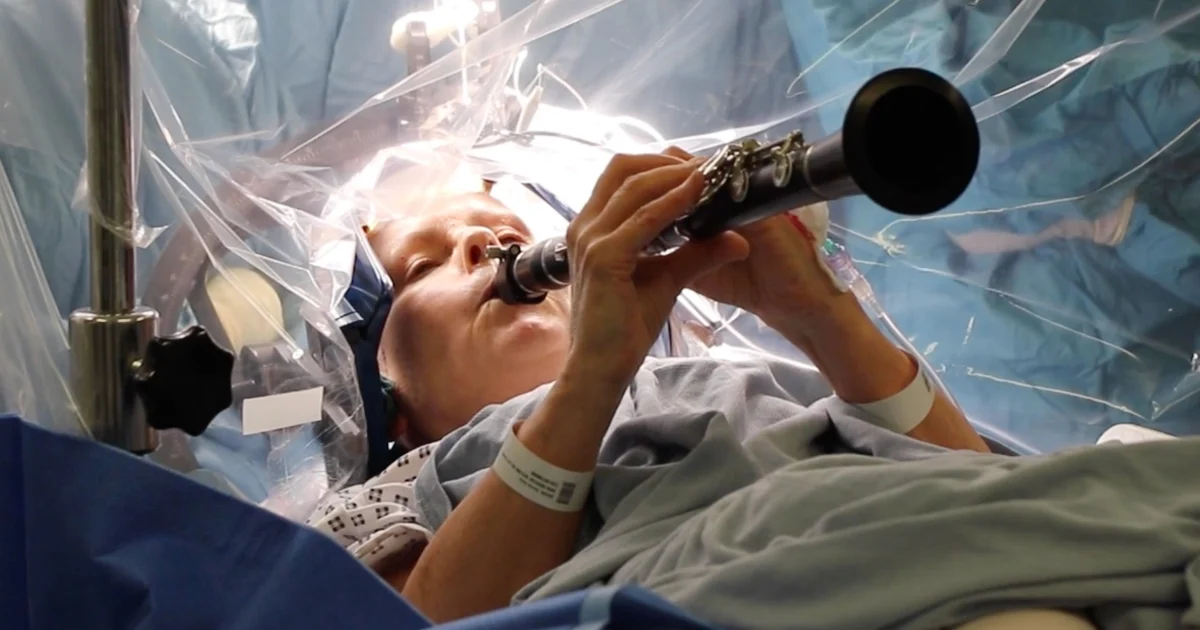
A 65-year-old woman with Parkinson's in England played her clarinet during brain surgery under local anesthesia, demonstrating improved motor control after deep-brain stimulation, and expressed delight with her progress.
A Parkinson's patient played clarinet during brain surgery to test the effectiveness of Deep Brain Stimulation, which immediately improved her hand movements and her ability to play, demonstrating real-time benefits of the treatment.
A study found that soft and joyful music can significantly reduce motion sickness, with soft music decreasing symptoms by 56.7% and joyful music by 57.3%, offering a simple, non-invasive way to improve travel comfort.
A study shows that listening to cheerful or soft music can significantly reduce car sickness symptoms, with joyful tunes decreasing nausea by over 57%, offering a non-invasive, low-cost relief method for motion sickness sufferers.
Scientists have found that listening to upbeat or stirring music can significantly reduce car sickness symptoms by activating the brain's reward centers and providing distraction, while sad music may worsen nausea. The study suggests music as a low-cost, non-invasive way to alleviate motion sickness.
Scientists found that listening to soft and joyful music can significantly reduce motion sickness symptoms, with brain activity measurements supporting these findings, suggesting music as a non-invasive remedy for travel-related nausea.
The article shares the inspiring story of jazz guitarist Sam Miltich, who battled psychosis and schizophrenia, highlighting that recovery from mental illness is possible through effective management, support, and openness, with music playing a therapeutic role in his life. It emphasizes hope, progress in reducing stigma, and the importance of community and policy support for mental health.
New research suggests that listening to music, especially with a moderate emotional response, can enhance memory and potentially slow or prevent dementia, offering hope for millions affected by the disease.
A study from Brown University suggests that familiar music, such as songs from one's past, can provide relief for dementia patients by potentially alleviating symptoms like memory loss and agitation, offering a non-pharmacological approach to treatment.
Memory choirs like Giving Voice use singing to help individuals with dementia preserve memories, improve brain function, and foster community, with scientific research supporting music's role in neurological health and emotional well-being.
Research at Memorial Sloan Kettering shows that music therapy, involving talk, music, and lyric creation, can significantly improve the quality of life for cancer patients by helping them manage stress and emotions, with benefits comparable to traditional therapy. The therapy's active, collaborative nature allows patients to express feelings and find healing through music, contributing to better emotional well-being and resilience during and after treatment.
Billy Joel revealed in a documentary that he attempted suicide twice due to guilt and depression stemming from an affair with a friend's wife, which deeply affected him emotionally. He was saved both times by friends and later channeled his emotions into music, leading to his recovery and continued success.
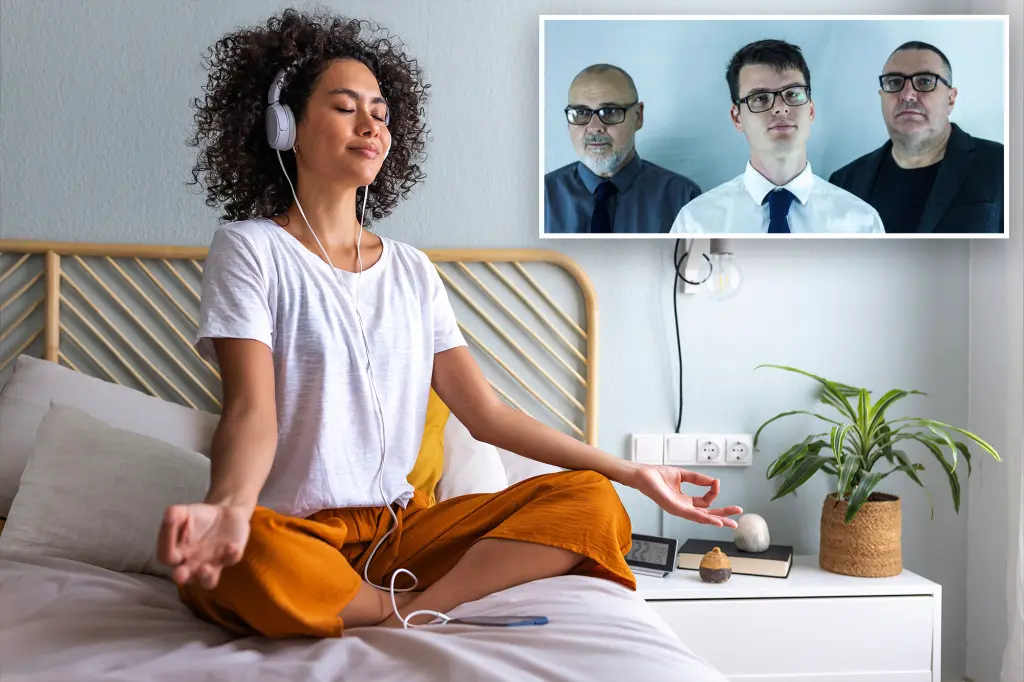
Listening to the 8-minute ambient track 'Weightless' by Marconi Union can reduce anxiety by 65% in just 8 minutes, as it is designed to slow the body's stress response through entrainment, making it an effective natural stress-relief tool. The song's calming tempo and constant landscape promote relaxation, and music in general can aid focus and pain relief.