A recent study reveals a strong geographic link between amyotrophic lateral sclerosis (ALS) and multiple sclerosis (MS), suggesting shared environmental or social factors influence their distribution, challenging previous genetic-focused theories and opening new avenues for research and prevention.
Specially trained dogs can detect Parkinson's disease by identifying a specific scent on human skin with high accuracy, potentially enabling early, non-invasive diagnosis and opening avenues for detecting other neurological conditions through scent analysis.
Researchers at Washington University have developed a proteomics-based model using cerebrospinal fluid (CSF) to better understand and predict Alzheimer's disease. By analyzing CSF proteins and their genetic links, they identified 38 proteins likely involved in Alzheimer's, with 15 being targetable by existing drugs. This approach could enhance treatment strategies for Alzheimer's and other neurological conditions, offering a more accurate prediction model than current genetics-based methods.
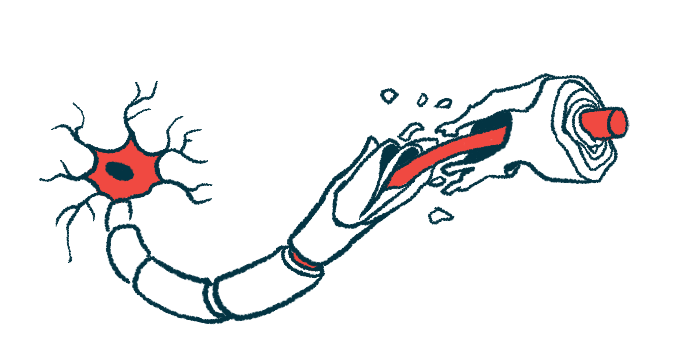
MIT scientists have developed a new technology that acts as a 'wearable' device for neurons, potentially aiding in the study and treatment of neurological diseases like multiple sclerosis (MS). This technology uses light-controlled polymers to wrap around nerve fibers, aiming to create sensors that can detect and modulate nerve activity at a subcellular level. While still in early testing, this innovation could lead to new ways of understanding and treating demyelinating diseases by providing synthetic myelin-like layers to study neurodegeneration and neuroprotection.
Researchers have discovered that blood vessels in the brain develop under unique rules, involving a specific enzyme crucial for their invasion into the brain and the establishment of the blood-brain barrier. This finding challenges previous beliefs about vascular formation and offers new possibilities for targeted treatments of neurological diseases by manipulating the mechanisms governing cerebral blood vessels. The study sheds light on brain-specific angiogenesis and the role of Wnt7a/b ligands in controlling this process, providing insights into organ-specific angiogenesis mechanisms.
A new study led by researchers from Case Western Reserve University School of Medicine suggests that common household chemicals found in everyday items may be linked to neurological diseases by affecting the brain's oligodendrocytes, which help generate protective insulation around nerve cells. The study, published in the journal Nature Neuroscience, identified specific chemicals in consumer products, such as quaternary ammonium compounds and organophosphate flame retardants, that selectively damage oligodendrocytes, raising concerns about their potential impact on brain health and the need for further investigation.
Exposure to certain chemicals found in household disinfectants and furniture, such as quaternary ammonium compounds and organophosphate flame retardants, has been linked to impairing the development of oligodendrocytes, the brain cells responsible for making myelin. This impairment may be a risk factor for neurological diseases like multiple sclerosis, as these chemicals were found to be toxic to oligodendrocytes and could potentially lead to neurodevelopmental issues in children. The study highlights the need for further research and informed decisions regarding regulatory measures to minimize chemical exposure and protect human health.
Researchers have found that common household chemicals, such as organophosphate flame retardants and quaternary ammonium compounds, can harm brain cells called oligodendrocytes, potentially linking them to neurological diseases like multiple sclerosis and autism. These chemicals are found in a wide range of household items, from furniture to personal-care products, and their impact on brain health necessitates further investigation. The study highlights the need for more scrutiny on the effects of these chemicals and the development of measures to minimize exposure to protect human health.
Researchers from Case Western Reserve University School of Medicine have found that common household chemicals, such as those found in furniture and personal-care products, may be linked to neurological diseases like multiple sclerosis and autism spectrum disorders. These chemicals were found to specifically affect the brain's oligodendrocytes, which are crucial for nerve cell insulation. The study identified two classes of chemicals, organophosphate flame retardants and quaternary ammonium compounds, as harmful to oligodendrocytes. The researchers emphasized the need for further investigation into the impact of these chemicals on brain health and called for informed decisions regarding regulatory measures or behavioral interventions to minimize chemical exposure and protect human health.
A study by Case Western Reserve University School of Medicine suggests that household chemicals, including those in hair treatments, furniture sprays, and disinfectants, may pose a threat to brain health and could be linked to neurological diseases such as multiple sclerosis and autism. The research found that 292 out of 1,823 common chemicals examined were toxic to oligodendrocytes, a type of brain cell crucial for nerve cell insulation. The study highlights the potential risks posed by everyday exposure to these chemicals and calls for further research to understand their impact on overall brain health.
A study from Case Western Reserve University School of Medicine suggests that common household chemicals found in items like furniture and personal-care products may be linked to neurological diseases like multiple sclerosis and autism spectrum disorders. The research found that specific chemicals in consumer products can directly harm oligodendrocytes, a specialized cell type that generates protective insulation around nerve cells, representing a previously unrecognized risk factor for neurological disease. The study highlights the need for more comprehensive scrutiny of the impacts of these common household chemicals on brain health and calls for informed decisions regarding regulatory measures or behavioral interventions to minimize chemical exposure and protect human health.
A study from Washington University reveals that during sleep, brainwaves facilitate the movement of cerebrospinal fluid through the brain, effectively flushing out waste and potentially preventing neurological diseases like Alzheimer's and Parkinson's. Understanding and enhancing this cleansing process could lead to improved sleep quality and overall brain health, offering new avenues for treating sleep disorders and combating neurodegenerative diseases.
In a groundbreaking study, researchers have discovered a direct pathway that allows waste and immune signals to move between the brain and its protective covering, challenging the long-held belief of the brain's isolation from the body's immune system. This finding sheds light on mechanisms for waste removal and immune interaction, potentially revolutionizing our understanding of brain health and disease. The study identified specific regions, termed arachnoid cuff exit (ACE) points, where waste fluids and immune cells can pass between the brain and its protective layers. The efficiency of these ACE points may decline with age, potentially contributing to the accumulation of waste products and altered immune responses in the aging brain. This discovery opens new avenues for understanding and treating neurological diseases, although further research is needed to fully comprehend its implications for human health and disease.
A novel compound called ZCAN262 has shown promising results in restoring lost myelin and reducing disease activity in mouse models of multiple sclerosis (MS). The compound targets glutamate-mediated excitotoxicity, a process that damages nerve cells in MS. By modulating the activity of the AMPA receptor, ZCAN262 effectively reduced myelin damage and improved motor function in the mice. While further research is needed, these findings suggest that ZCAN262 could be a potential new treatment for MS.
Scientists have created an atlas of the human brain at the cellular level, identifying over 3,300 cell types and mapping their distribution. The research, backed by the US government's National Institutes of Health, aims to understand the cellular basis of neurological diseases and develop new therapeutics. The study also compared the brains of humans and other primates, shedding light on the factors that make us human. The research could accelerate progress in understanding brain diseases and targeting future treatments. However, scientists acknowledge that there is still much more to learn about the complexity and function of the human brain.